Trail Overview
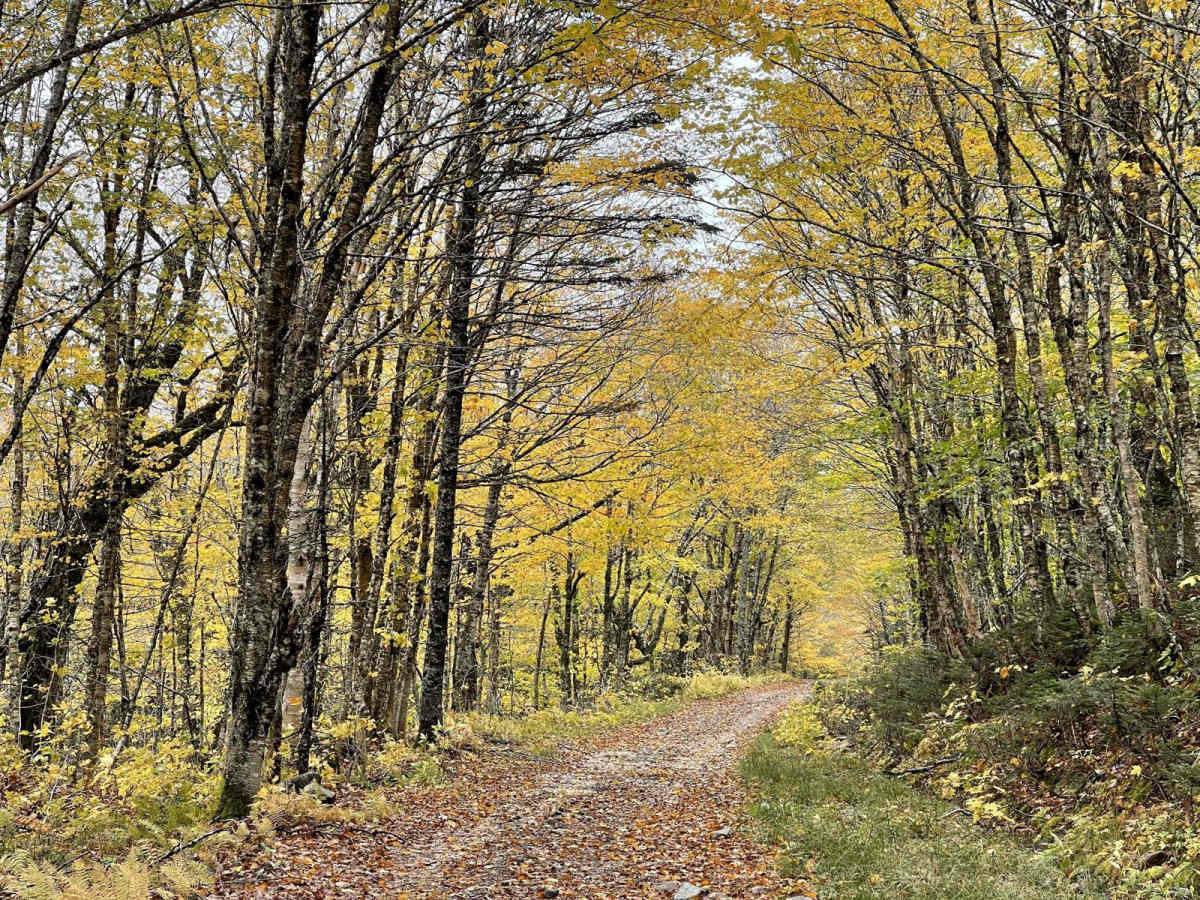
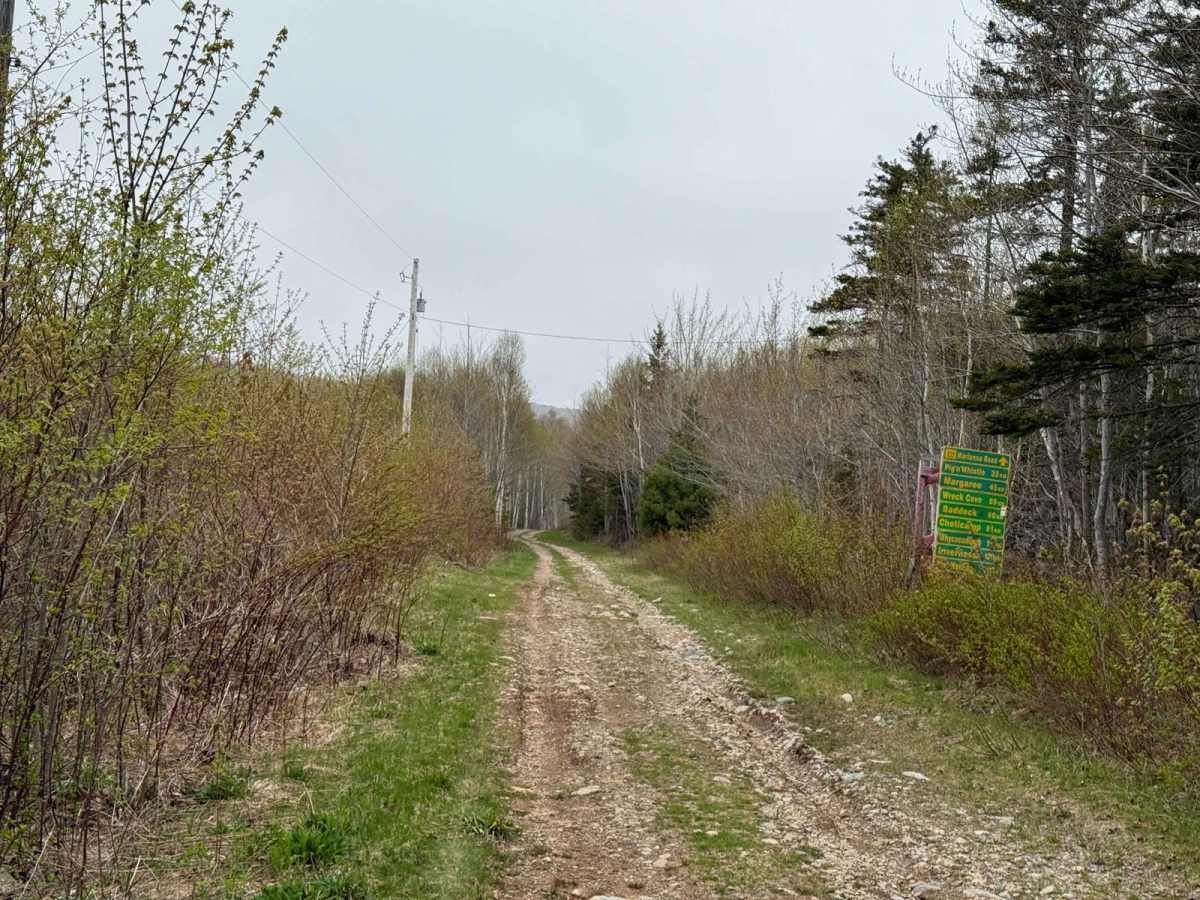
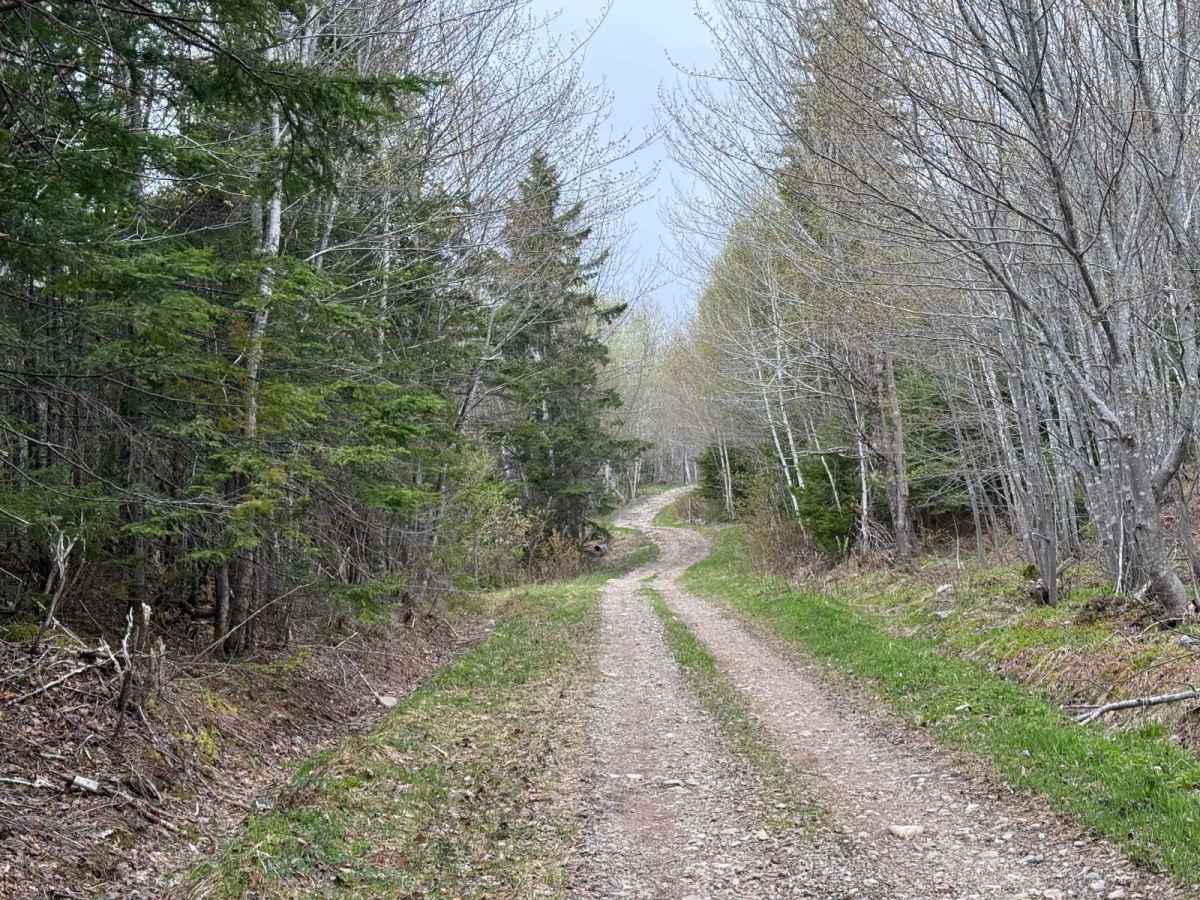
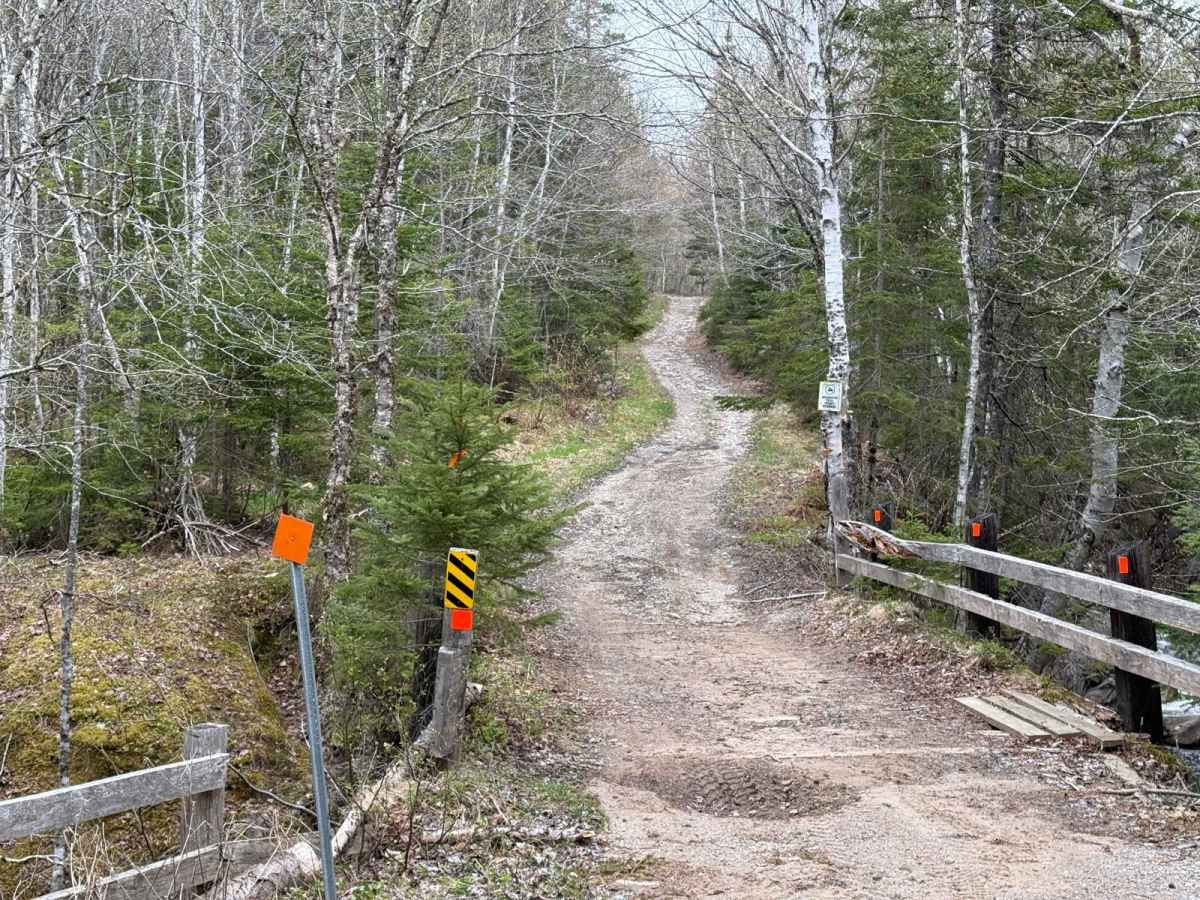
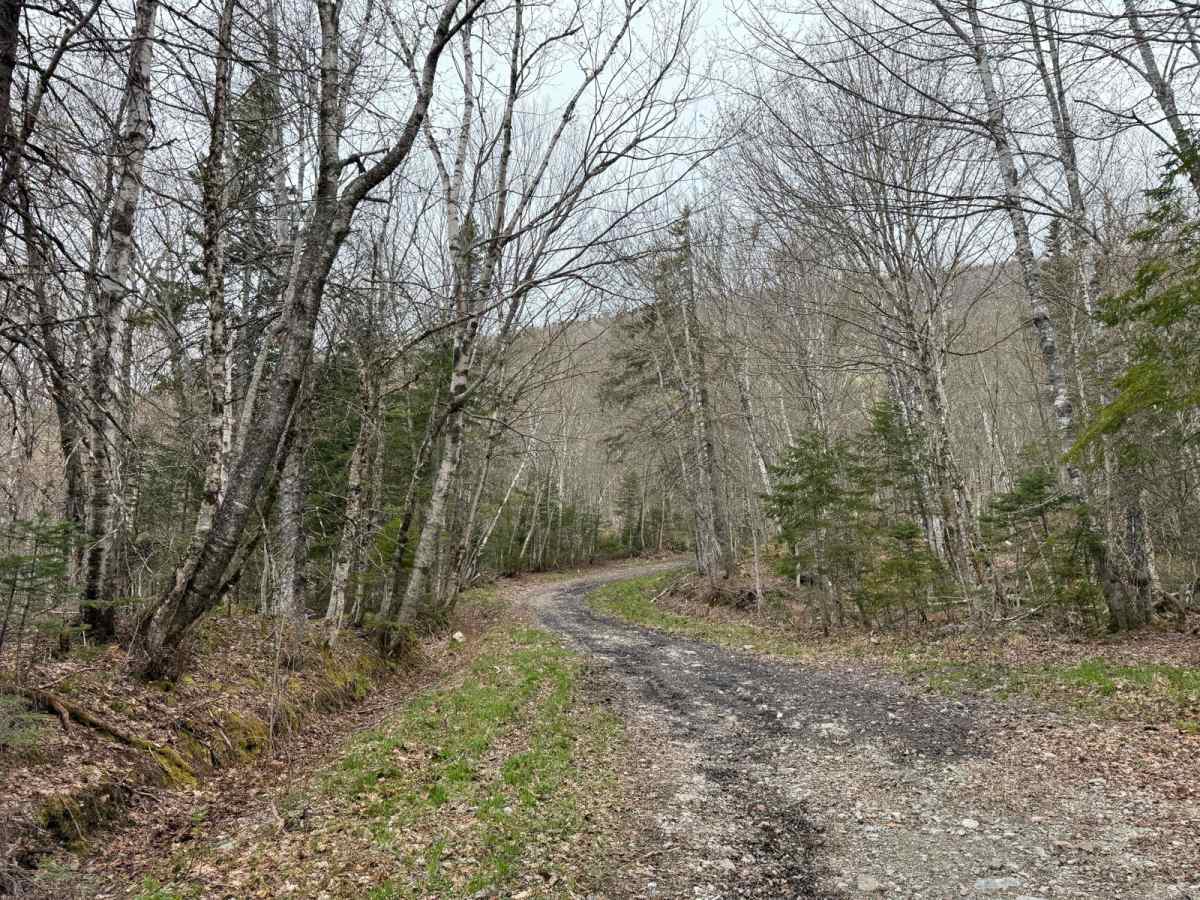
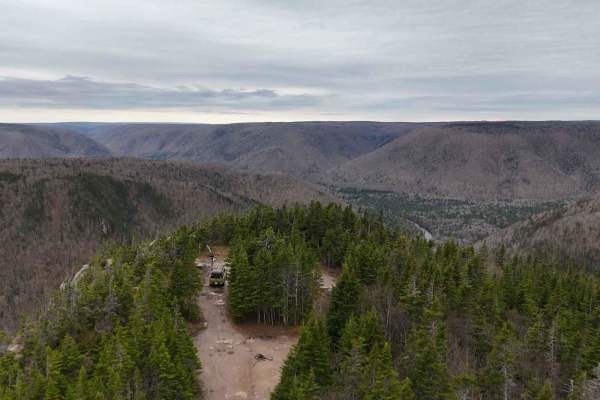
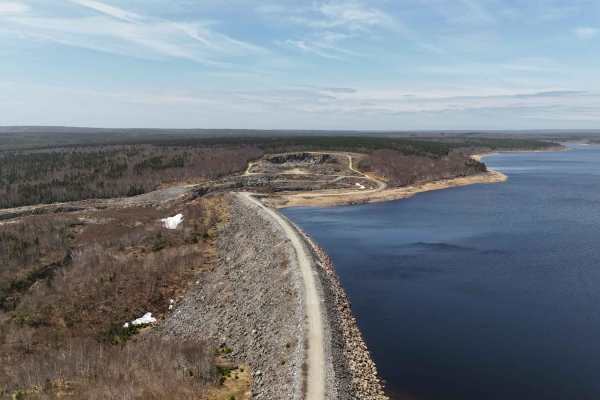
The Oregon Trail is a scenic, single-lane, rocky, and muddy OHV route that climbs from an elevation of 54 metres to 388 metres. The trail features washouts, slick mud, and tight sections, requiring careful navigation, especially in wet conditions. Be cautious crossing the bridge over Timber Lake Brook, as conditions vary. The trail is terrific in the fall, with vibrant foliage creating a colourful canopy overhead.
Difficulty
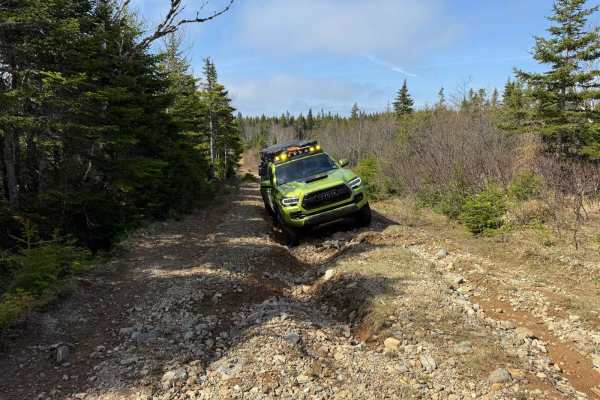
The Oregon Trail presents challenges such as loose rocks, slick mud, hill climbs, and occasional washouts. These conditions require careful driving and may be more difficult during or after heavy rain.
History
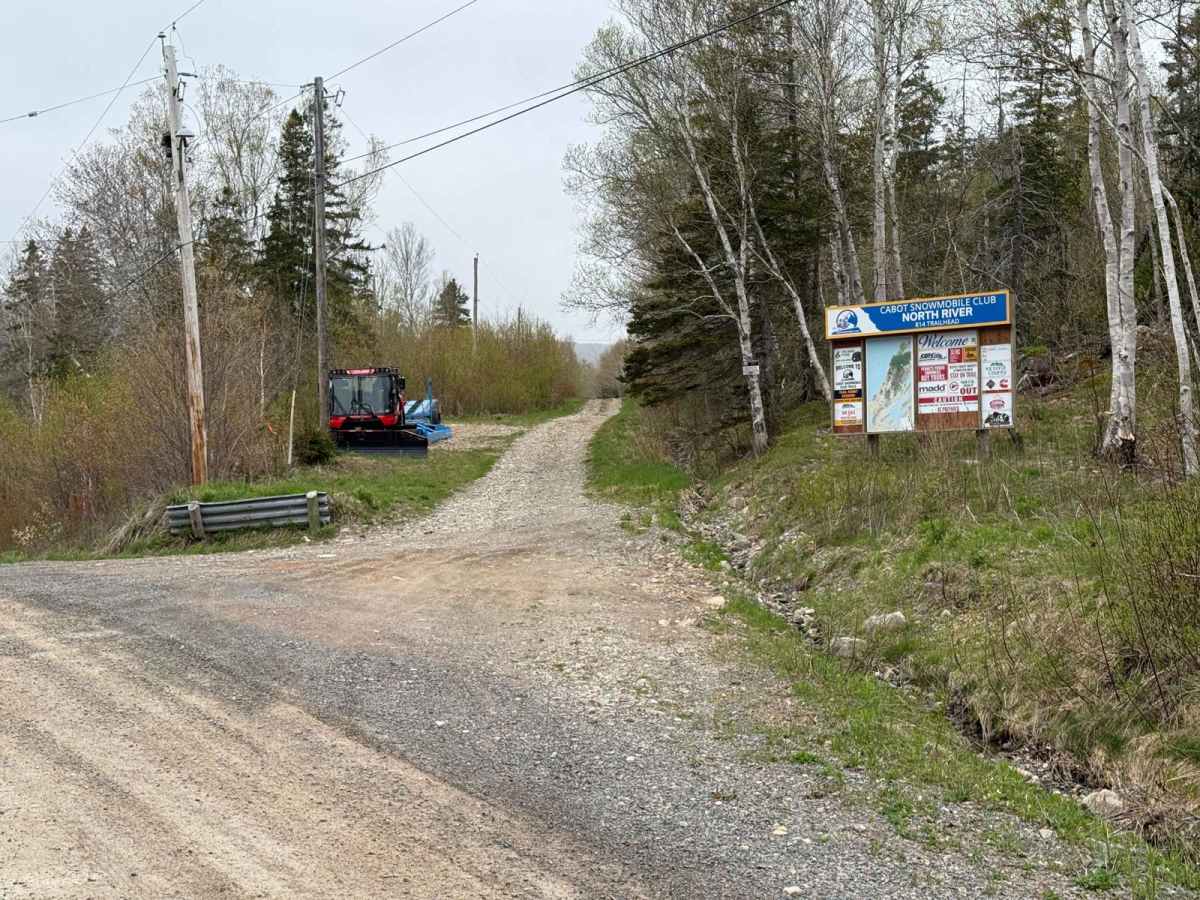
The Oregon Trail in Cape Breton is a rugged OHV route that traverses the North River Wilderness Area, a protected region encompassing over 5,000 hectares of diverse ecosystems. While specific historical records about the trail are limited, the area has long been significant for its natural resources and scenic beauty. The trail provides access to notable landmarks such as Timber Brook Falls and North River Falls, the tallest waterfall in Nova Scotia. Over time, the trail has become a favoured route for off-highway vehicle enthusiasts seeking to explore the island's interior landscapes. The surrounding wilderness area is home to mature deciduous forests and habitats supporting one of Nova Scotia's few healthy, self-sustaining Atlantic salmon populations.

 Offroad