Finding and hunting mature mule deer is hard, humbling work. These tips from Brad Brooks, founder of Argali, can help you find a buck and plan your next move.
Finding Mule Deer Bucks
Mature bucks set up where they feel secure, with food and water close by.
- Security matters more than habitat type: High alpine basins and low desert sagebrush can both hold a mature buck, as long as he can avoid disturbance from people, predators, or elk.
- A secure buck tends to stay put: Once a buck finds a spot that checks every box, he’ll typically stay there until weather, migration, or the rut pushes him out. If you lose track of a buck, check that same area again before giving up on it.
- Glass from a tripod: Spend the bulk of your time behind binoculars on a tripod. When you’re looking for the tip of an antler or the flick of an ear in a sea of sage, if you’re unstable, you’re missing deer.
- Be in position for first and last light: Always be where you want to be for the first and last 30 minutes of daylight, when mature bucks are most likely to show.
Act Like You’re Being Watched
Move through the field as if a buck is watching you at every moment. Just because you looked over a basin and didn’t see anything doesn’t mean there isn’t a bedded buck with a great view of you.
- Don’t skyline yourself: Stay off exposed ridgelines, and plan your hike so you stay out of sight of the basins you intend to glass.
- Expect bucks to sit tight: A buck that spots you from a distance may hold in place and wait for you to leave rather than bolt right away, so you may never know you were busted.
Know What the Wind Is Doing
Before closing the distance on a bedded buck, check your wind and plan a route that uses terrain to stay hidden. If the wind isn’t right, wait it out rather than force the stalk, even if that means backing out and trying again the next day.

3D Mode and Range Finder
Use onX Hunt’s 3D Maps to study terrain and plan your stalk, then mark your buck’s location with Compass Mode’s built-in rangefinding tool so you know your distance before you move and have a Waypoint to guide you when you lose sight of the buck.
Be Willing To Eat Your Tag
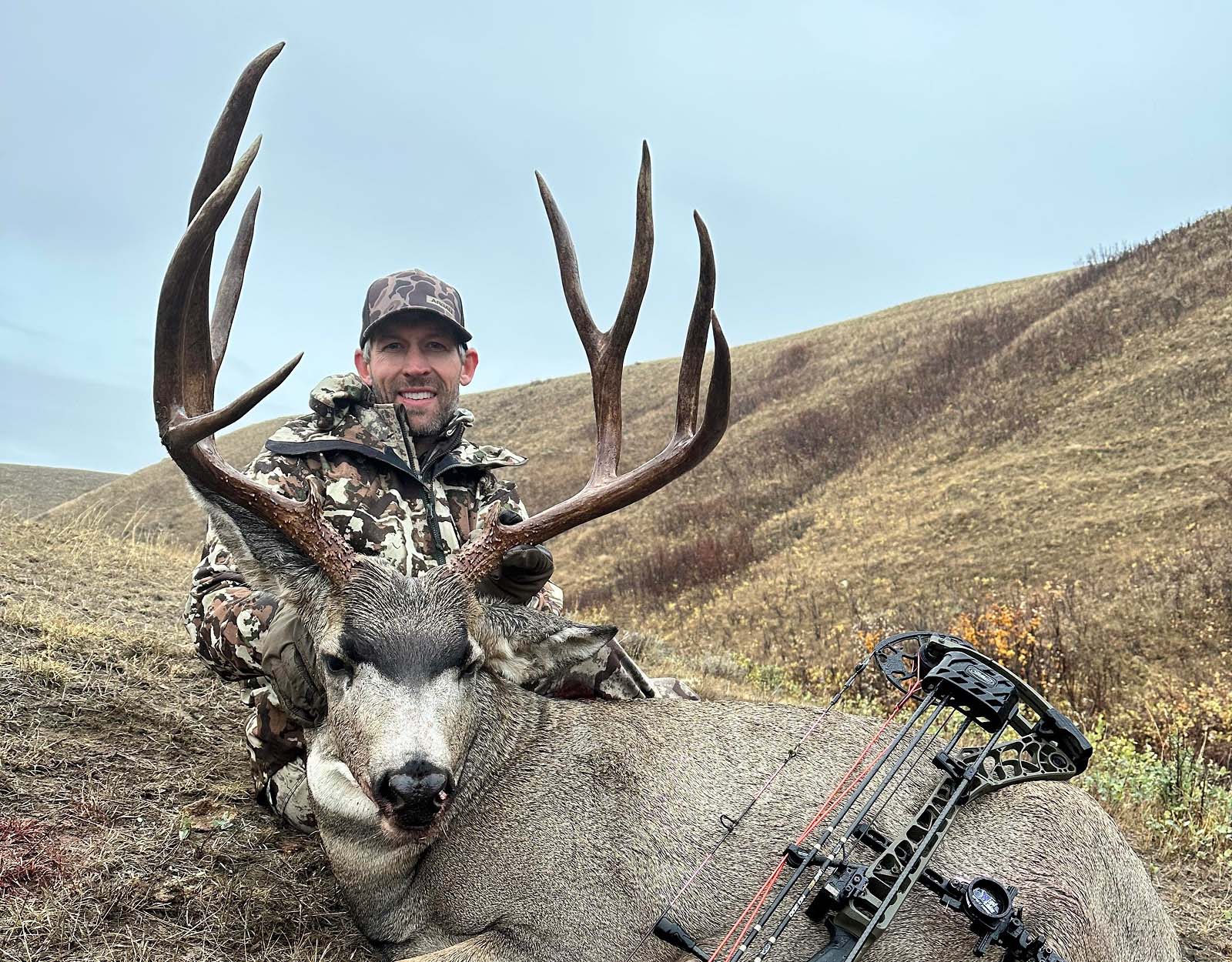
This last tip is obvious, but exceptionally difficult to pull off in practice: Don’t shoot the first decent buck you see. Taking a truly mature buck usually means passing on good deer and trusting that patience pays off.
Condensed from an original article by Brad Brooks, founder of Argali.