The Gutless Method
Learn the gutless method for quartering western big game, including tools, tips, and key cuts.
Tools
The most basic “kill kit” includes:
- Knife + blade replacements or sharpener.
- Latex gloves (consider the 8mm heavy-duty black nitrile gloves with texturing for extra grip).
- Game bags.
- Dry bags/garbage bags (useful for keeping blood out of your internal frame pack).
- Paracord (useful if you need to hang game bags in bear country).
- Folding saw (optional but useful).
Step-by-Step Process
Your target animal is down, and now it’s time to get to work. Follow along as Remi Warren gives a quick demonstration of the gutless method, then review the steps below (Remi is demonstrating the method on an elk here, but the same process goes for western big game, in general).
How To Quarter a Big Game Animal Using the Gutless Method
Here’s a step-by-step guide for quartering game in the field. You’ll do all these steps while the animal is lying on its side. Once finished on one side, flip the animal over and repeat:
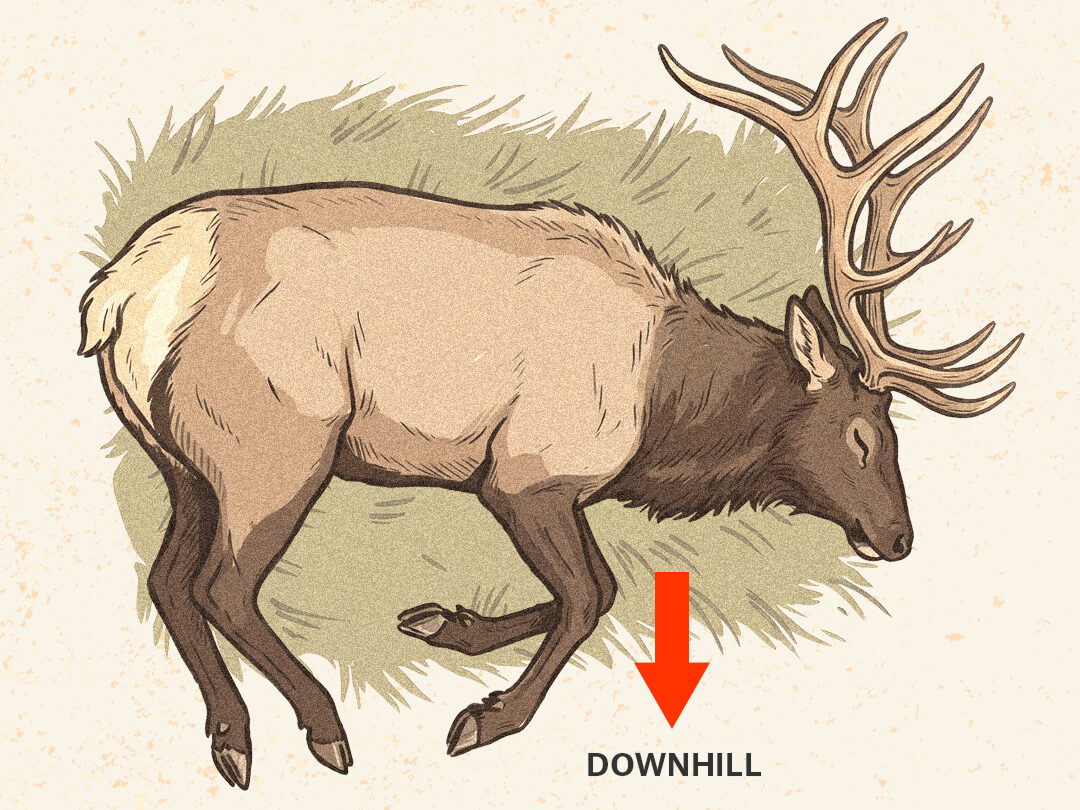
Position the elk
Try to position the elk so the legs are downhill to any degree possible. If the animal’s back is uphill, it will make the work easier.
Make the first cut
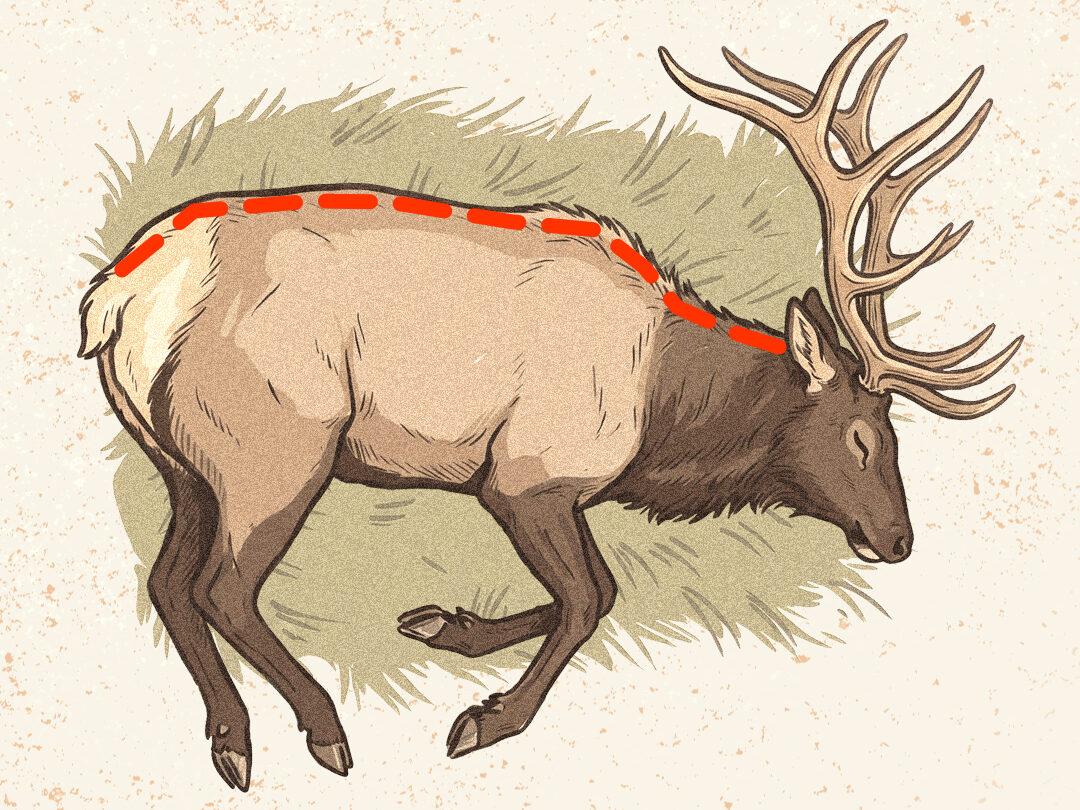
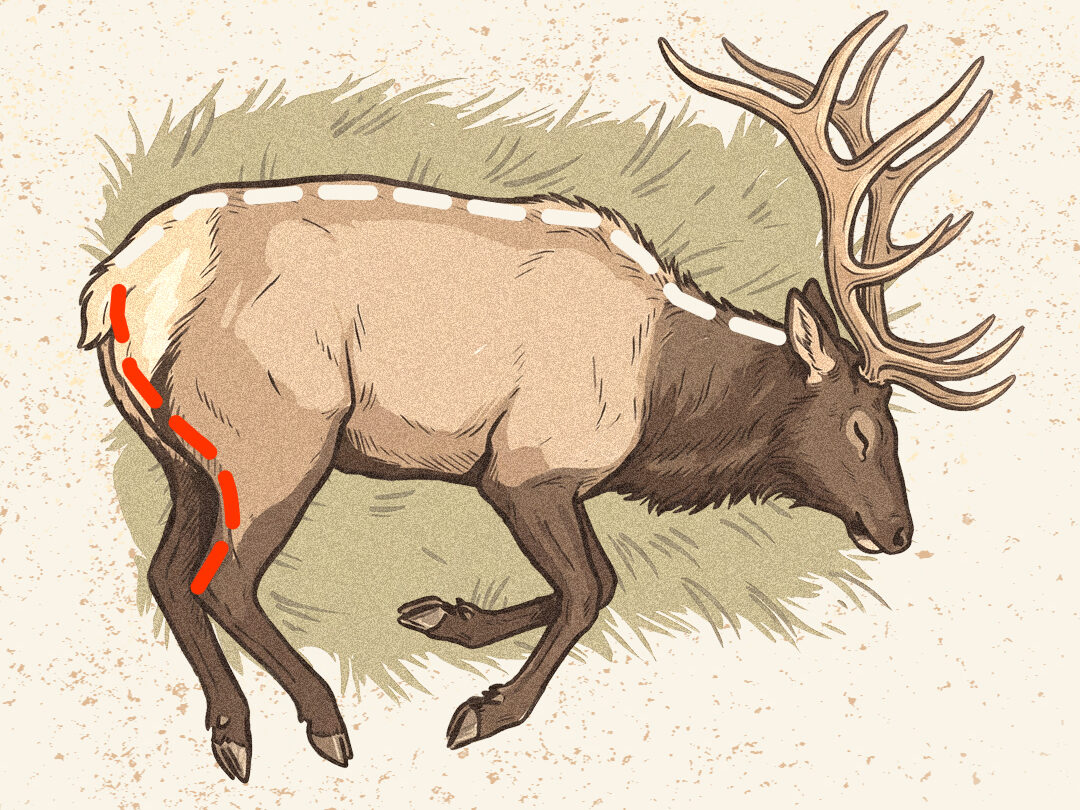
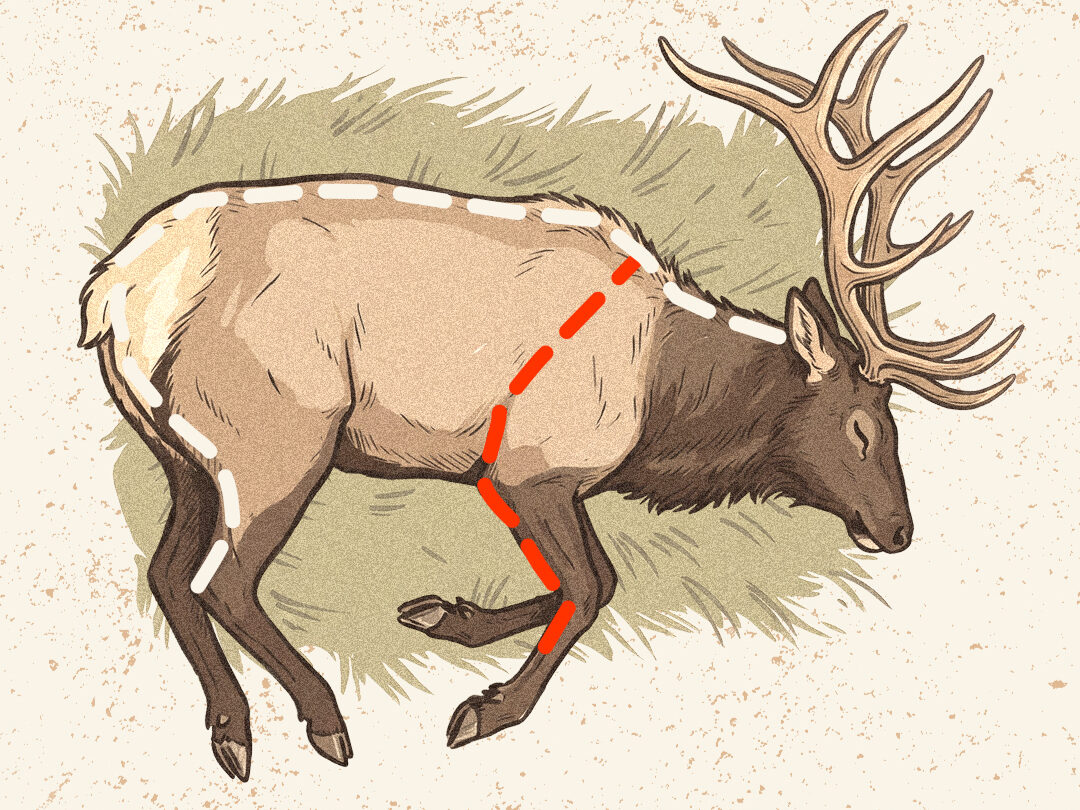
Inserting a sharp knife at the base of the back of the skull, cut along the animal’s spine all the way to where the tail meets the body. Cutting from head to tail allows you to cut in the direction of its hair, making your cut more visible and less likely to cut the hairs in the process.
Cut along the back leg
Cut along the back of the back leg up to the cut you made along the spine. Also, cut the hide around the lower leg joint.
Cut along the front leg
Cut along the back of the front leg up to the cut you made along the spine. Also, cut the hide around the lower leg joint.
Remove the hide
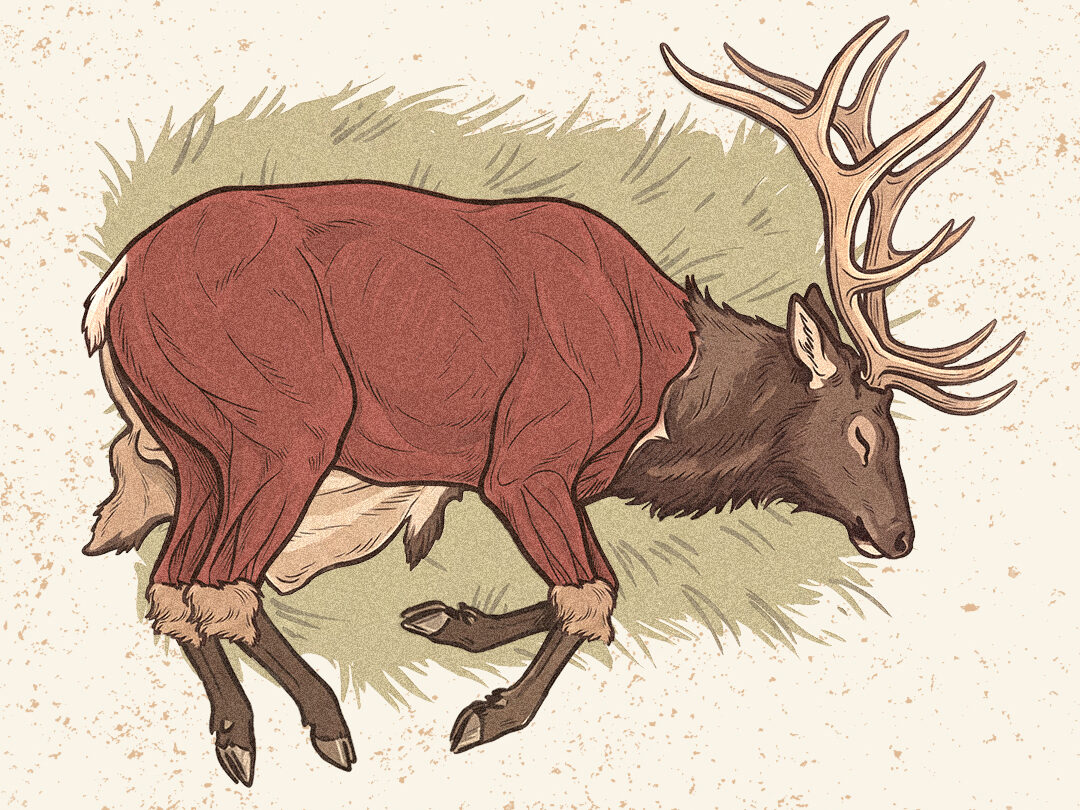
Working carefully, skin and pull the hide down and away from the body and away from the front and hind quarters. You’ll note how the front quarter and neck hide will be pulled toward the front of the animal, while the back quarter and rib sections of hide will be pulled down toward the belly.
Once the hide is peeled away from the carcass, you can begin removing the quarters, backstrap, and tenderloin.
Remove the hind quarter
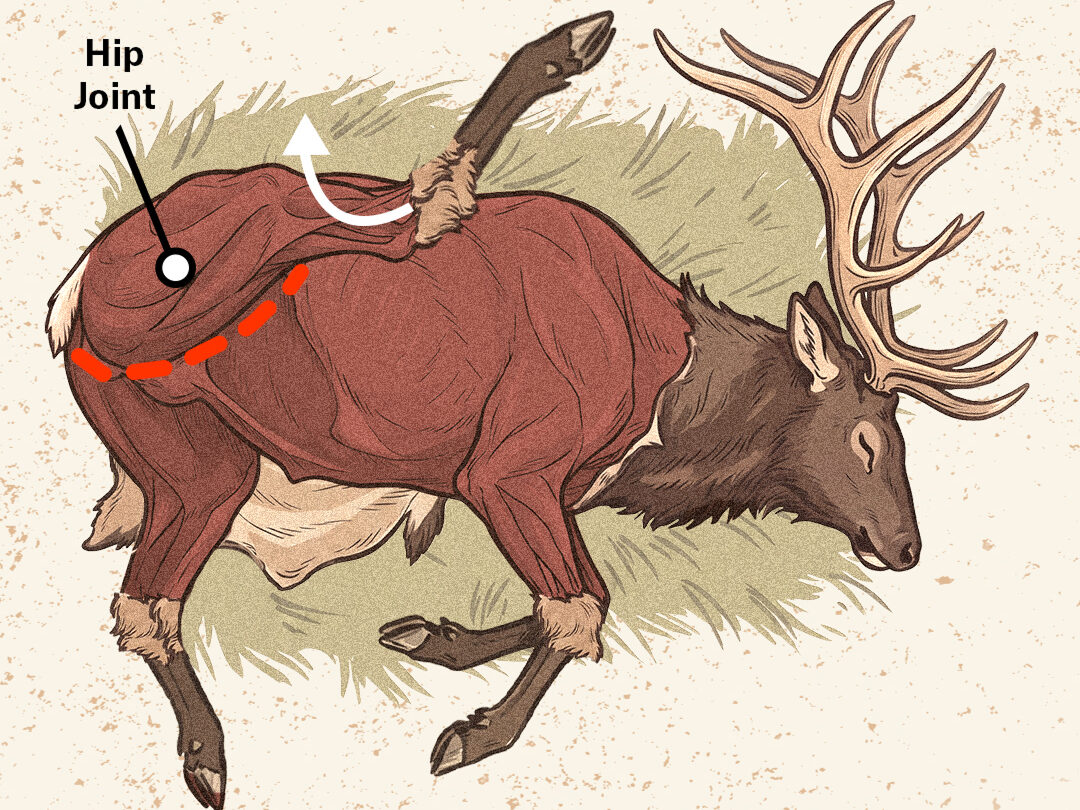
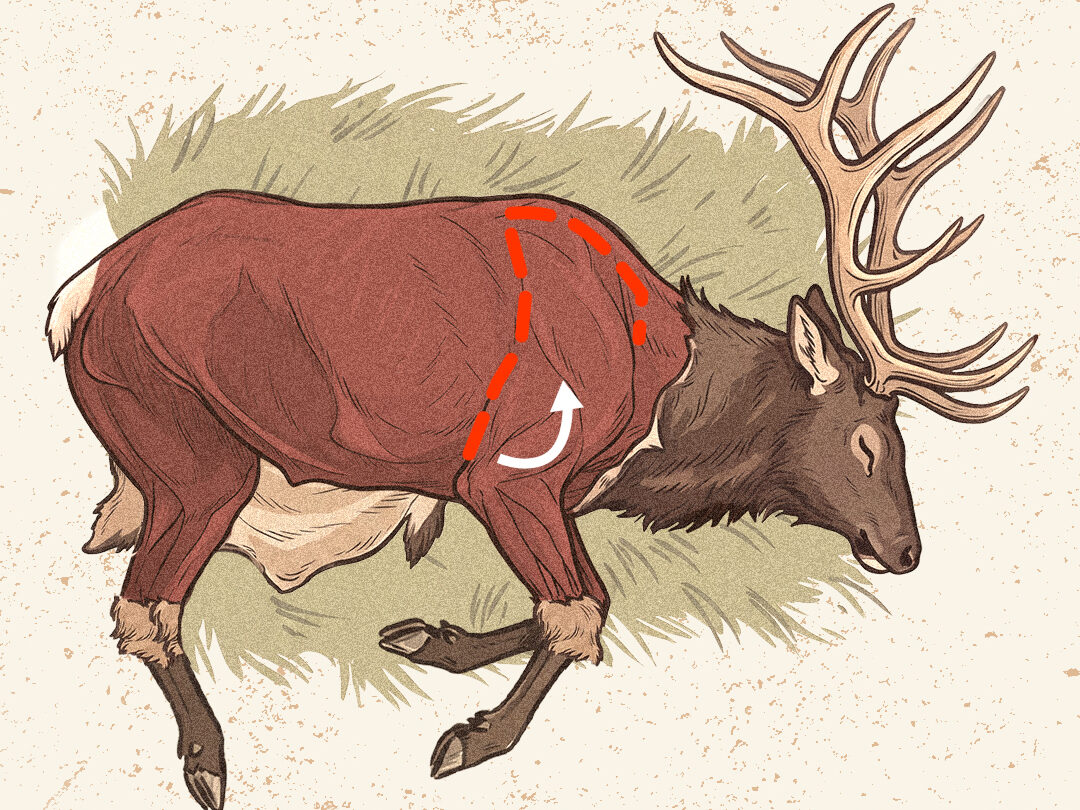
To remove the hind quarter, lift the leg up (rest it on your shoulder, a trekking pole, or—best case, have someone hold it up for you) to access the underside and cut until you expose the hip joint. Take care not to nick the gut pouch. Run your knife around the joint and twist the leg clockwise to pop the joint. Detach the leg by cutting any remaining attachment points on the top side near the spine.
Remove the front quarter
Now you’re ready to remove the front quarter. The front quarter is easier because there is no joint in the front shoulder. The front leg is only attached by muscle and sinew.
Again, raise the leg to work from the underside, and begin cutting along the seams of the muscle. Once you’ve worked the underside as much as possible, start cutting the top side until the front quarter is free from the body.
Remove the lower legs
Before putting front or hind quarters in a game bag, it’s best to remove the lower parts of the legs. At the first joint between the quarter and the leg (the “knee joint” for lack of a better term), cut around the leg right at the joint. Keep cutting around the leg and through any ligaments until the leg comes free.
Remove the backstrap
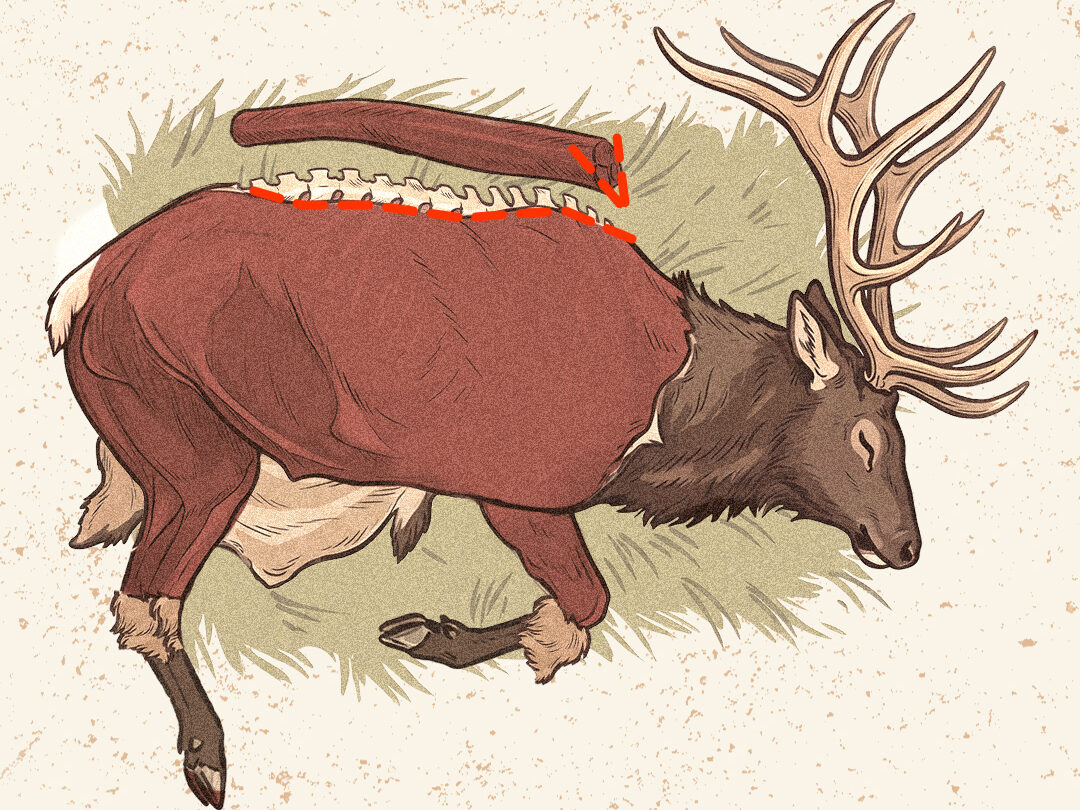
After you remove both quarters, cut along the side of the spine from the base of the skull toward the tail to begin removing the backstrap. You’ll find that your knife will only be able to cut down three or four inches (on an elk) because it will run up against the top of the ribs.
After making this cut all the way down, you’ll cut perpendicular to the spine (again from skull to tail) to detach the backstrap. It’s almost like you’re cutting a “V” to remove the backstrap.
Remove the tenderloin
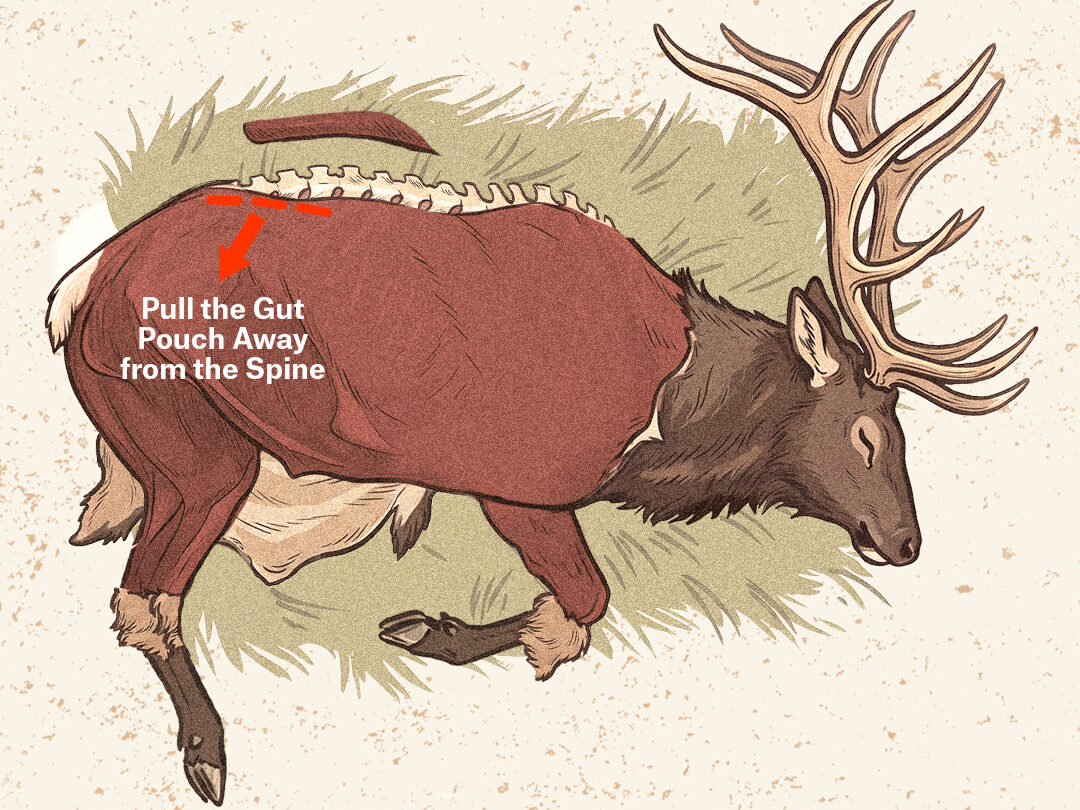
Most of the time you can access the tenderloin, which sits nearly atop the hind quarter but under the spine. You’ll need to firmly press the gut pouch out of your way (again, use extreme caution not to puncture the gut sack) and then cut the tenderloin’s attachment points near the spine until it’s free.
Elk tenderloins vary in size, but a one-pound elk tenderloin is typically 13 inches long, 5.5 inches wide, and 0.5 inches thick.
Remove the rib meat and neck meat
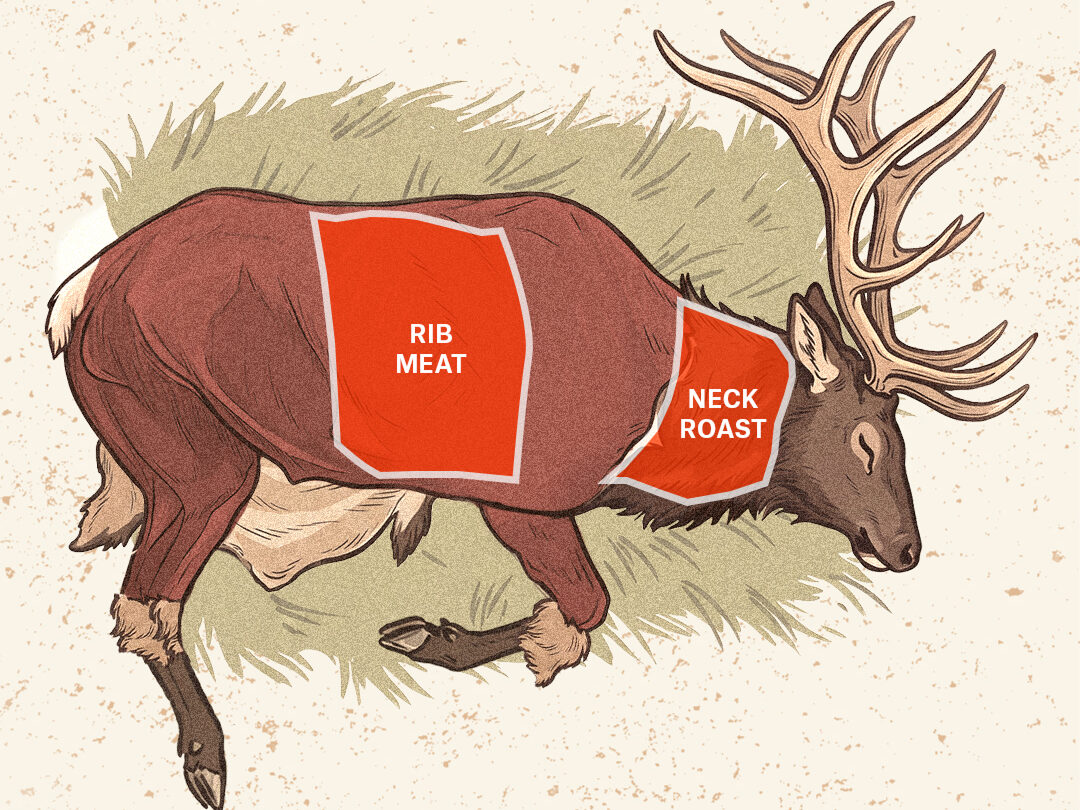
With the gutless method, it’s difficult to cut away the rib bones, plus the ribs are big and may be difficult to pack out. In this case, most hunters carefully cut away the strips of meat between each rib (search for “rib roll” videos). The neck meat can be cut out if you didn’t already grab it when you did the backstraps.
Additional Considerations
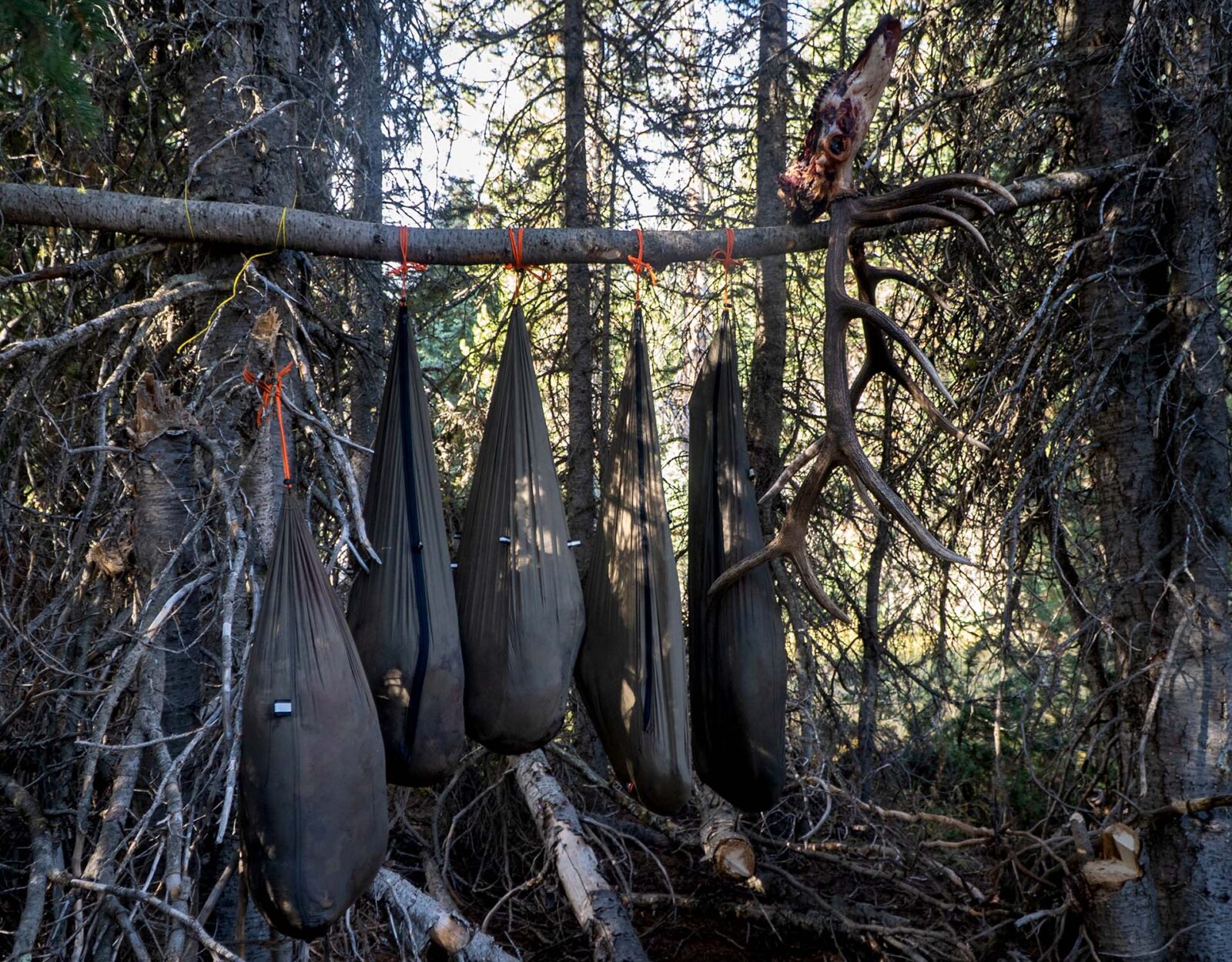
Keep Meat Cool: No matter what field dressing method you’re using, remember: Meat spoils quickly in heat. If you can find shade to hang the quarters in while you work, that will help, or hang it above water in cooler air.
Be Bear Aware: Western big game country is often bear country. If you have to make multiple trips for a pack out, hang the remaining meat away from the carcass and in a place you can visually see before fully approaching so you don’t startle a bear when you get back.
Know Your Wanton Waste Regulations: These rules differ from state to state. Take as much as you can and certainly as much as you are legally required to.