Glassing 101
Learning how to glass will make you a more complete and competent hunter. Use these tips to develop your skills, then put them into practice next season.
Finding Glassing Locations
Many factors go into determining the ideal glassing spot, including time of day, wind direction, the position of the sun, and expected elk behavior. An ideal glassing location will provide as many of the following factors as possible.
- Unobstructed views of the areas in which you expect to see elk.
- The ability to close down the distance when it’s time to make a move.
- Proximity to additional glassing spots if you think you might need or want to move (look for a string of glassing knobs—a long ridgeline where you can look off both slides).
- A backdrop to prevent skylining yourself.
Technique
When you arrive at your glassing location, look around with your naked eye. An obvious critter could be standing out like a sore thumb that you might not see as quickly had you pulled the binos out immediately.
Once you pull out your binos, look at nearby edge habitat first. After doing so, sit down and mount your optics on a tripod for a slower look at everything.
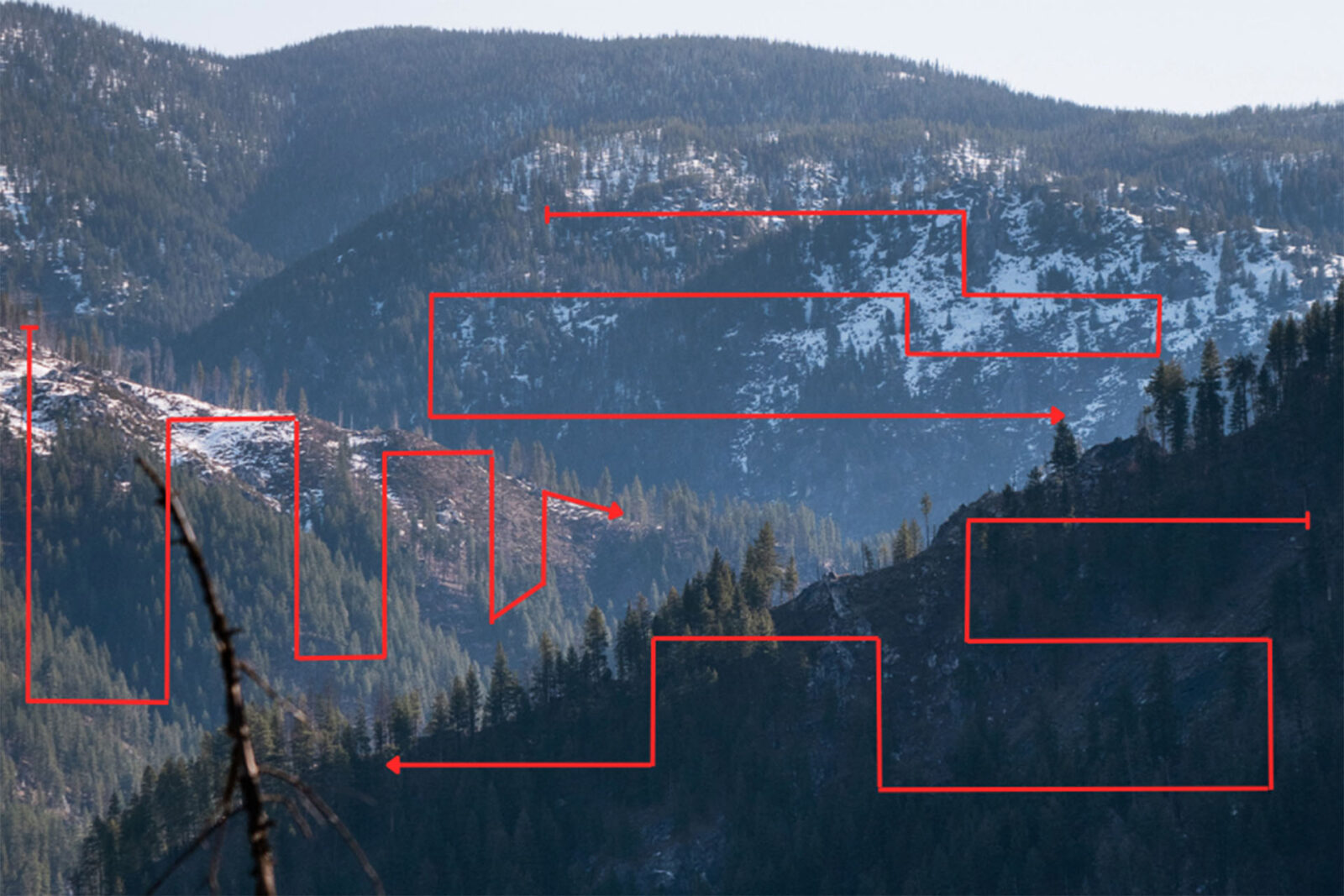
Break the landscape up into sections, using your fluid pan head to grid search one section at a time. You are looking for irregularities in the landscape. Horizontal lines, texture, color, parts of animals (not whole animals), and movement.
Time Allocation
How long to spend at any one glassing location depends on a couple of things:
- Proven Areas: If you’re already familiar with the area and know there are elk there, you might sit at that knob all day long. If it’s a new area, you might move to the next spot quicker.
- How Much Can You See? An area where you can see a lot of land demands more time than one with a limited view.
A good rule of thumb is the one-hour rule. With a good glassing route planned, spend one hour at a time at each spot before moving.
Also, be aware of how much time is left in the day. At the end of the day, you don’t want to put yourself in an area that’s not within striking distance.
Adapted from an article by Josh Kirchner.