Trail Overview
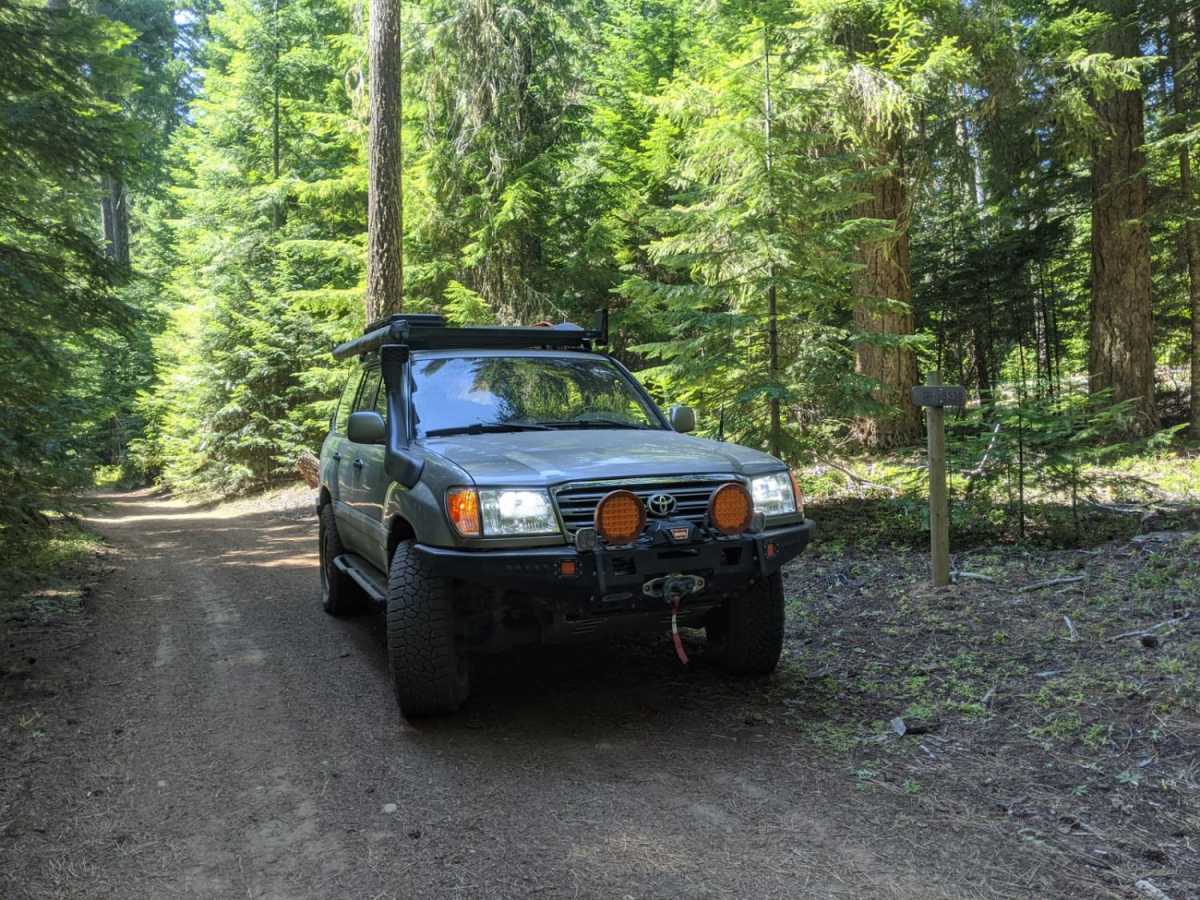
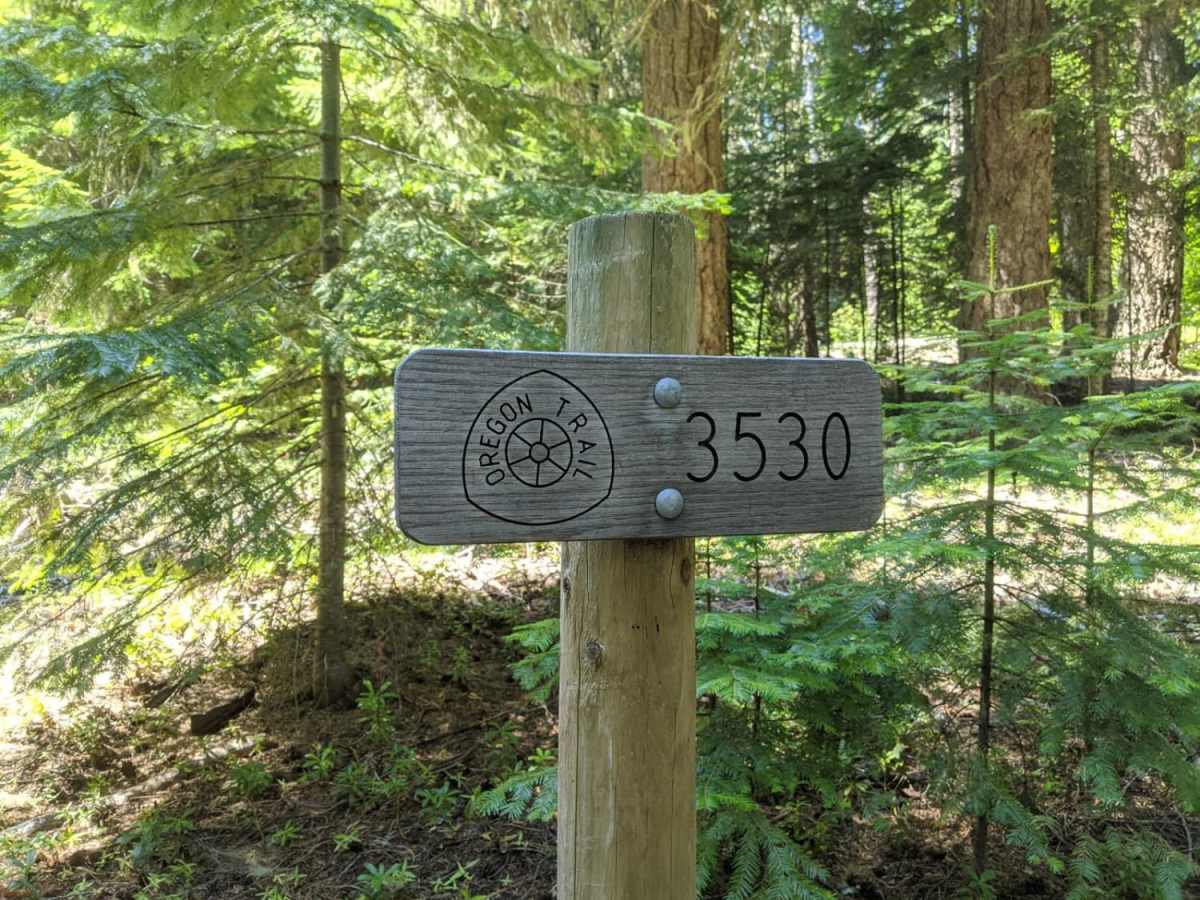
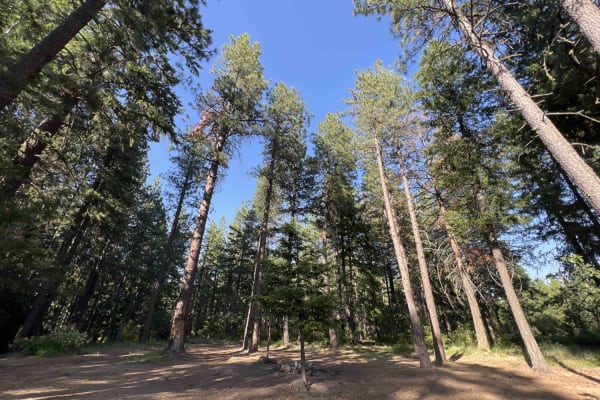
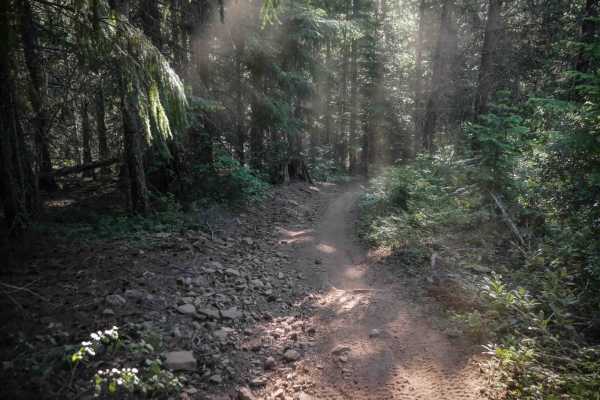
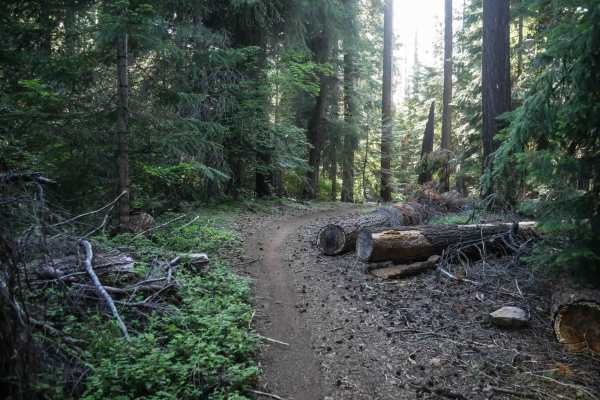
Keeps Mill North Access is a scenic 3.5-mile point-to-point route in Mt. Hood National Forest, providing four-wheel-drive vehicles and SxSs with direct access from the historic Barlow Road down into the rugged White River Canyon. This trail is ideal for beginners and experienced offroaders alike who want to explore the transition from flat forested high-clearance roads to steep canyon descents. Starting from Wamic Road (NFS 48), the first two miles of the route are relatively flat and easy, winding through dense timber. As you approach the canyon, the track transforms into a narrow, exposed road that drops over 800 feet in just over a mile. Drivers will need to utilize low range for effective engine braking down this steep grade, particularly during wet weather when the dirt surface can become slick and muddy.
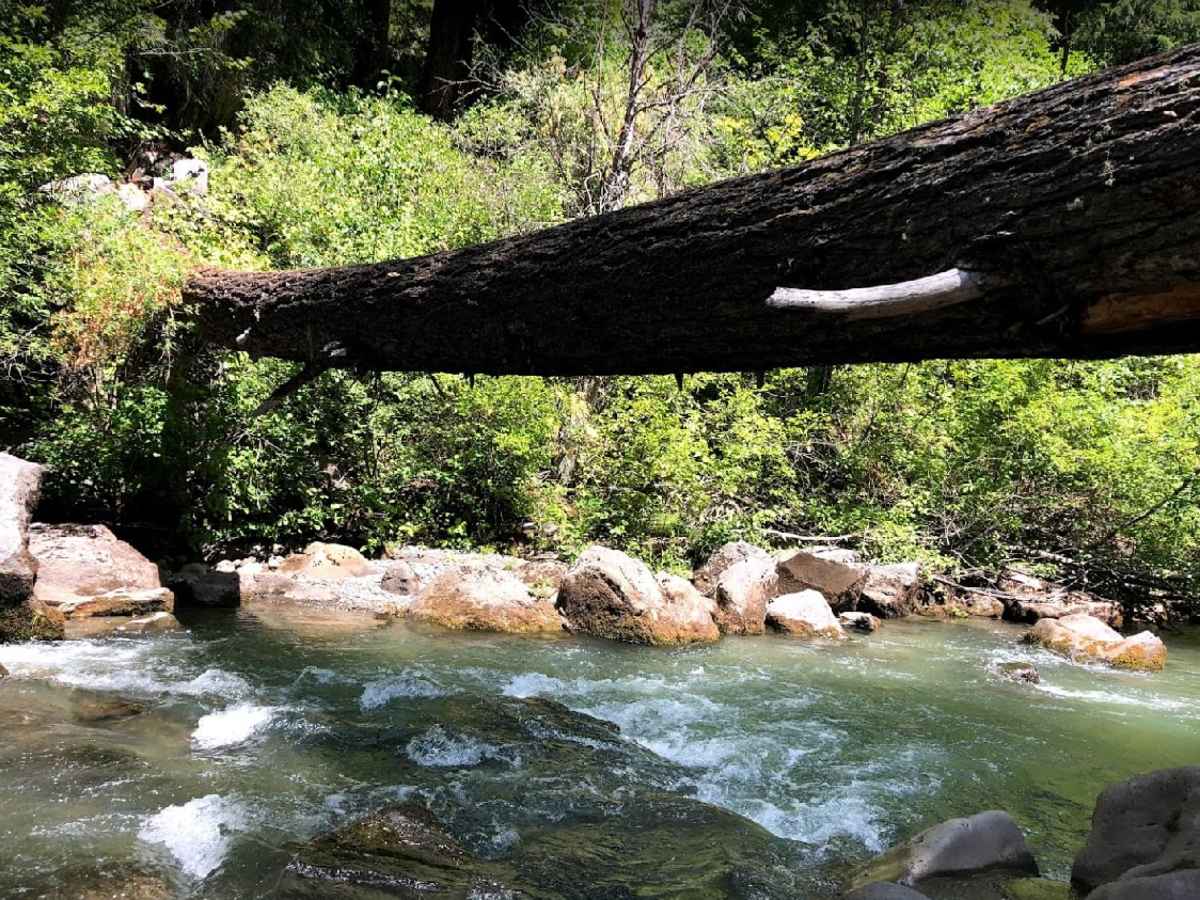
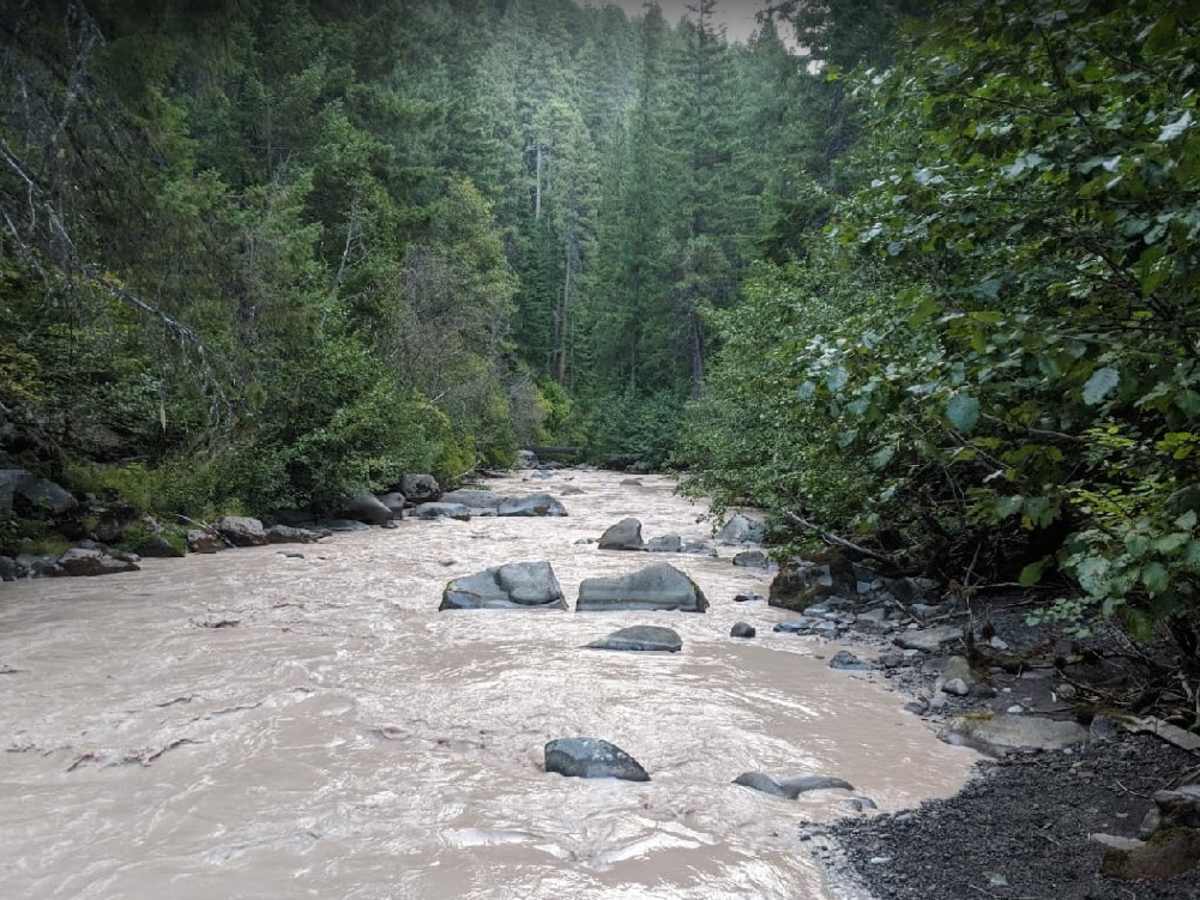
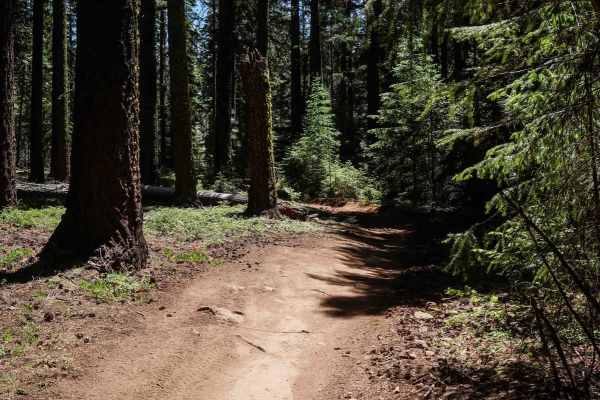
With a technical rating of 2, this trail is generally straightforward in dry conditions but demands extra caution when wet or during the winter season when snow may block the route. The primary surface consists of dirt and gravel, which can quickly degrade into slick mud during heavy rain. At the bottom of the descent, the trail ends near the scenic White River, where a water crossing is required to reach the Keeps Mill Campground and continue south. Fording the river should only be attempted by high-clearance four-wheel-drive vehicles, as water levels can fluctuate significantly based on seasonal snowmelt and weather conditions. Those looking for a longer adventure can connect with surrounding Forest Service roads or explore the historical significance of the nearby Barlow Road.
Difficulty
This is easy in dry weather, a little more difficult in muddy conditions, and even more difficult if fording the river.
Access Description
High-clearance four-wheel-drive vehicles and SxSs are recommended for this route. High water levels during seasonal snowmelt can make the White River crossing at the bottom impassable, and wet weather can turn the dirt road muddy and slick. The route may also be blocked by snow during the winter months.

 Offroad