Trail Overview
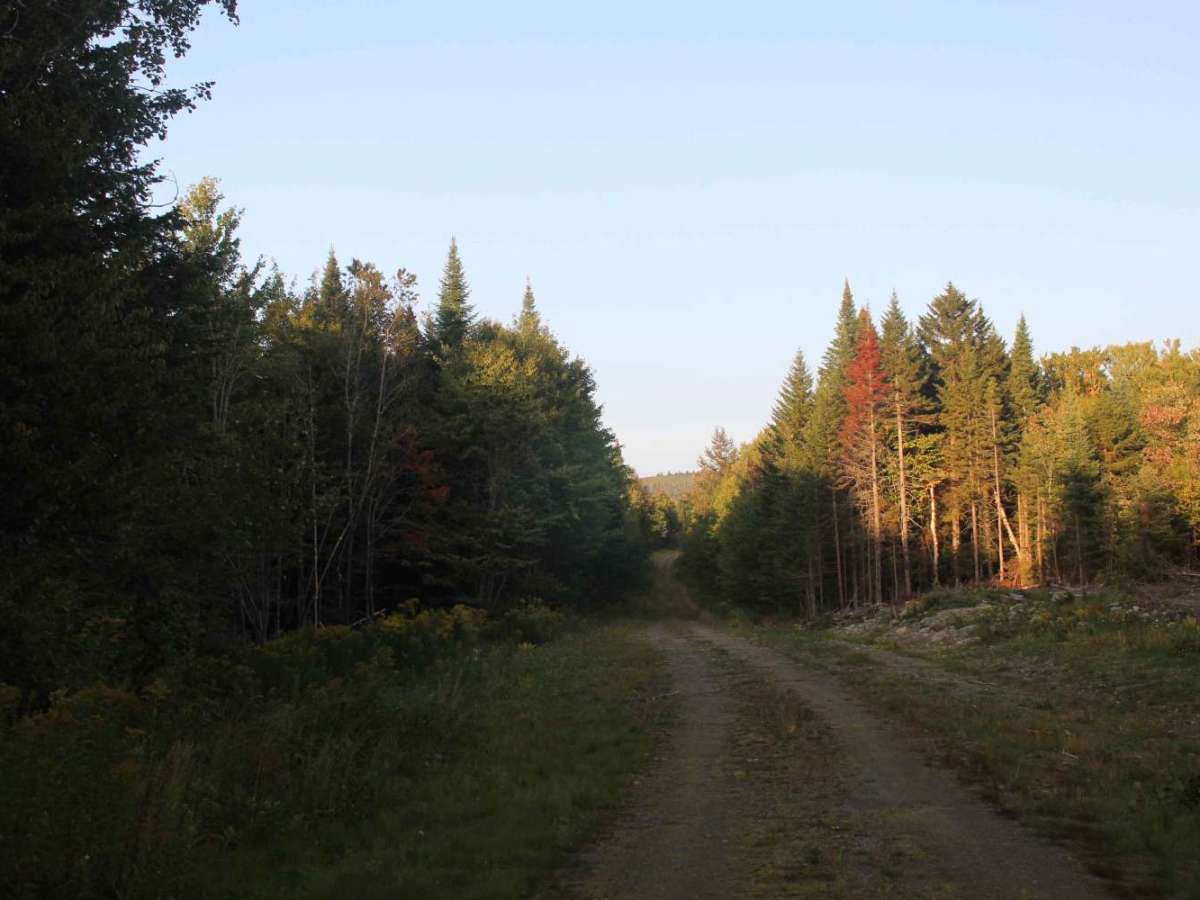
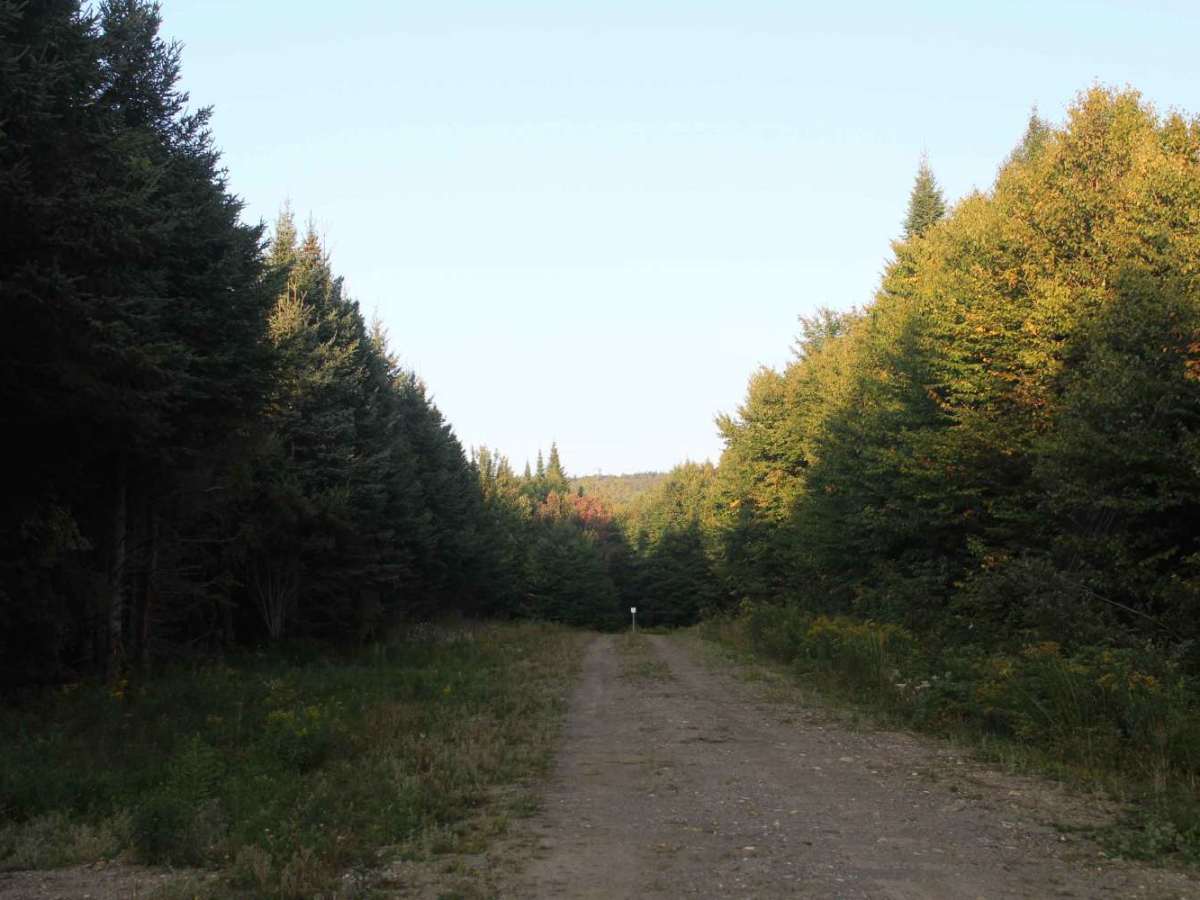
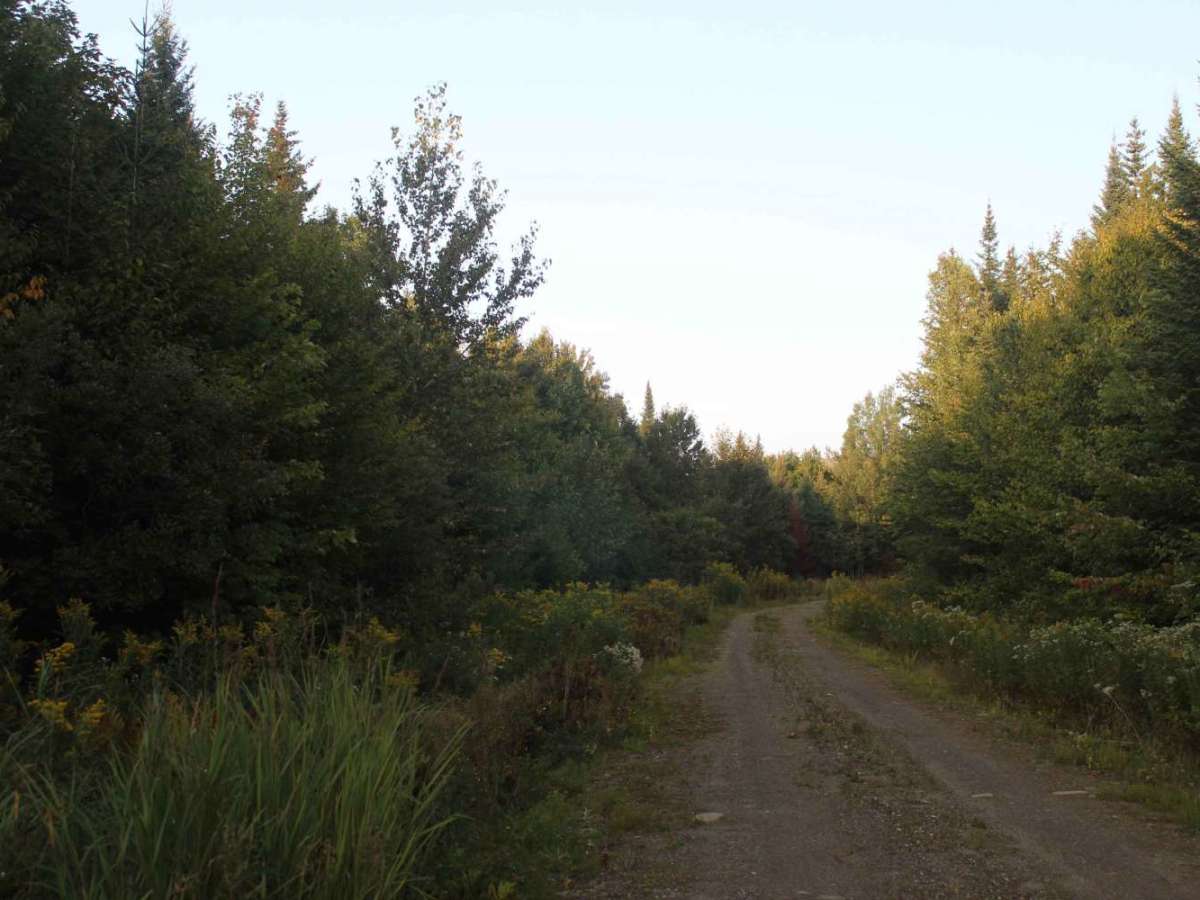
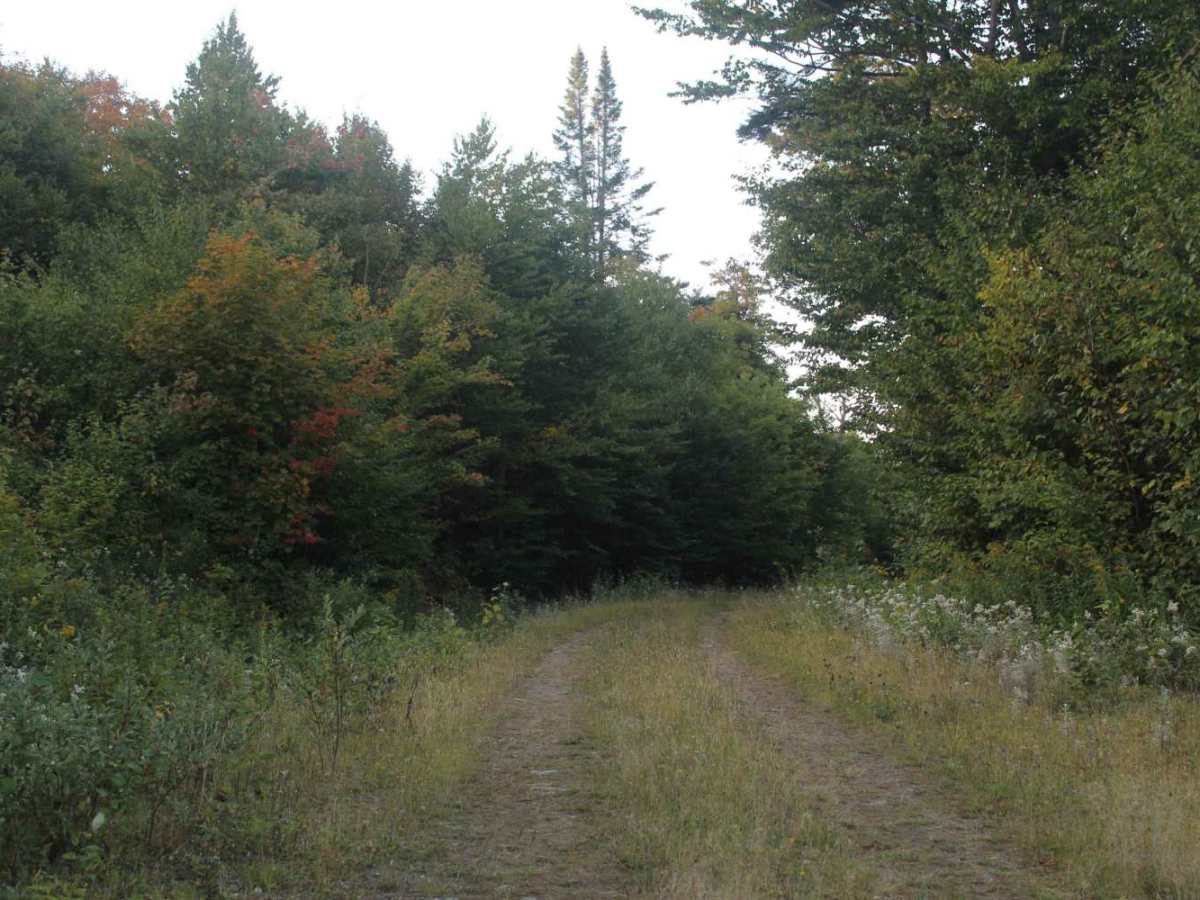
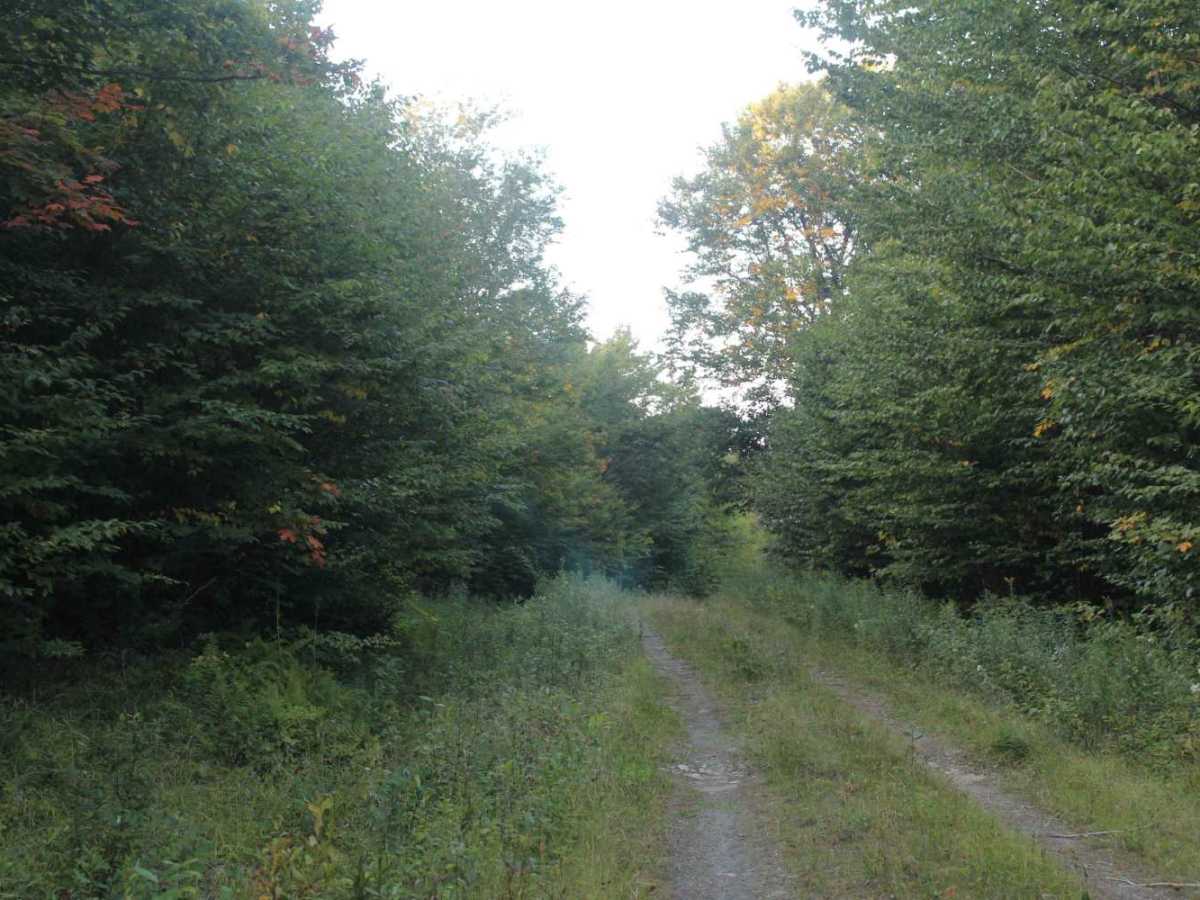
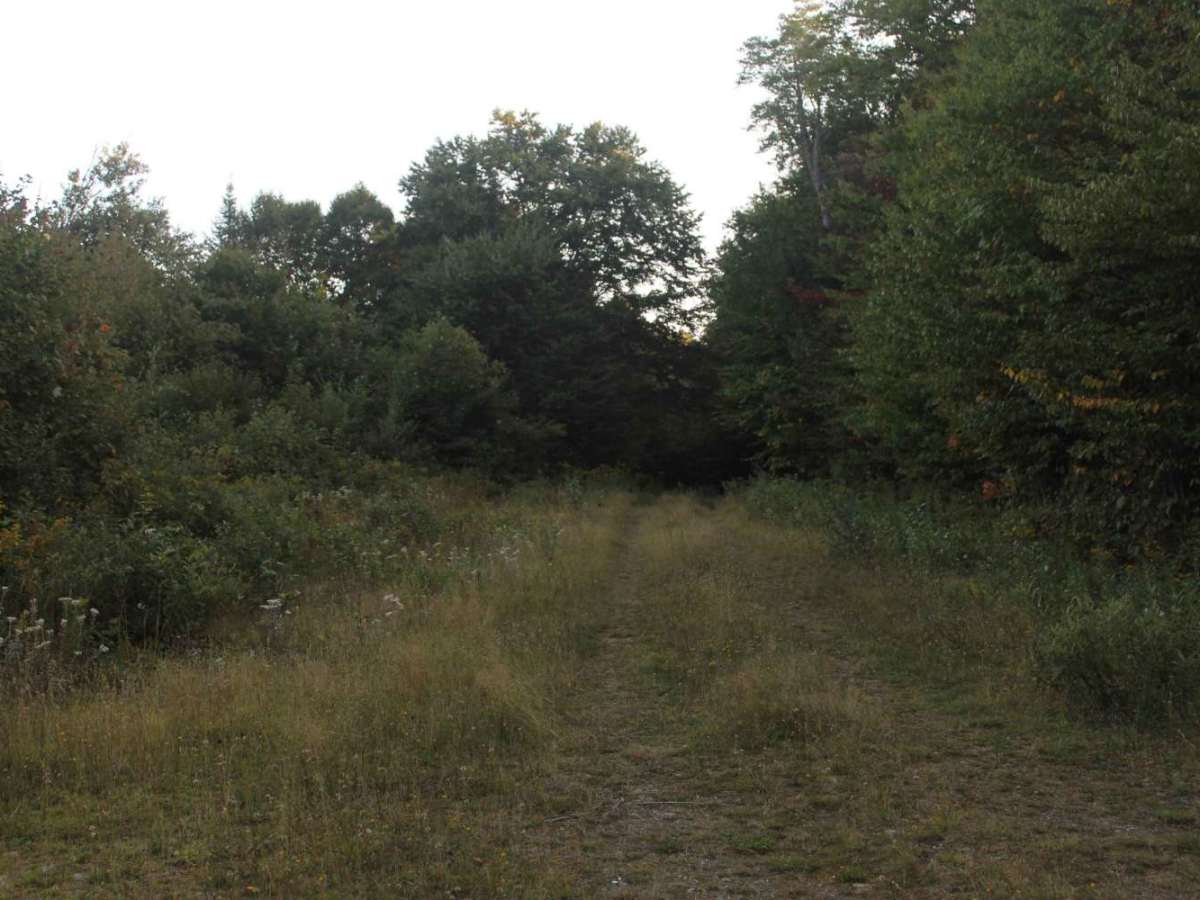
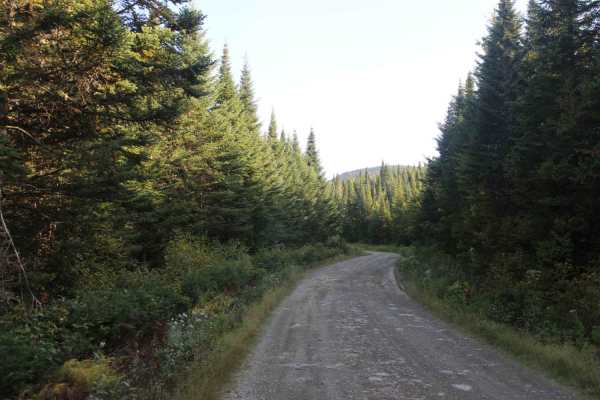
Gordons Trail is a seldom-used out-and-back two-track that is heavily overgrown with brush both along the sides and down the center. Trail users can expect frequent wildlife sightings, particularly native birds like the Northern Flicker, which are often startled from the trail surface as you approach and fly off into the surrounding woods.
Difficulty
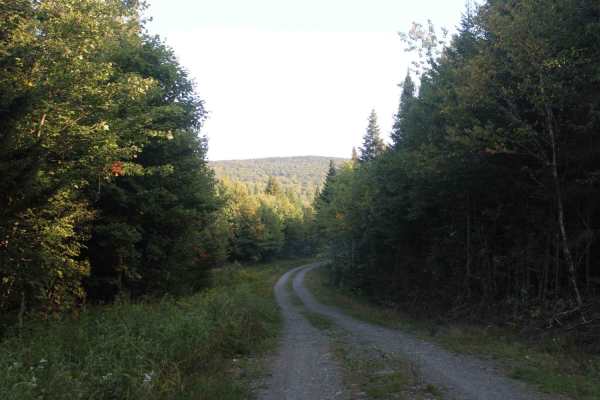
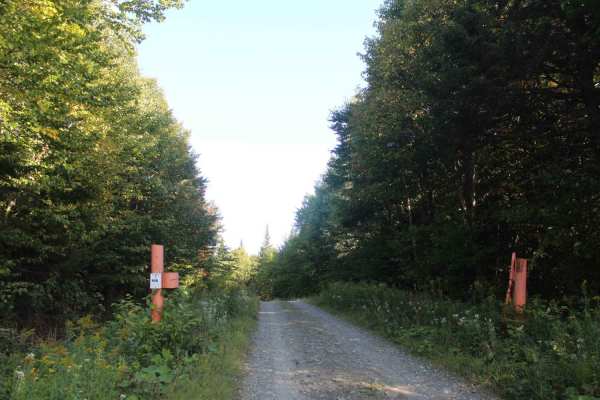
This is a seldom-traveled logging road with no significant technical obstacles other than culvert washouts. Please use caution, as this route does still remain inside an active working forest; encounters with heavy machinery, including trucks, bulldozers, and skidders, can still happen at any time. Always yield the right of way to industrial equipment and maintain a high level of situational awareness throughout the area.
History
During the height of the logging era, the remote forest required an extensive network of access routes. Winter logging roads, haul roads, skid roads, and other woods roads were developed to move men, equipment, and timber through the forest. In the spring, some of the timber harvested during the winter was historically moved by water, with log drives traveling down the Connecticut River toward mills farther south.
As logging methods and transportation changed, many of these early woods roads remained as permanent corridors through the forest. Improved roads and motorized equipment gradually replaced the traditional log-drive system, while the old logging network continued to provide access for forestry, hunting, fishing, and travel into the remote portions of the Connecticut Lakes region.
The modern trail system is therefore closely connected to this earlier logging infrastructure. Many of the roads used today for recreation originated as routes created to access timber stands, logging operations, camps, and remote portions of the working forest. Rather than being constructed solely as a modern recreational trail system, much of the network evolved from the transportation infrastructure established during the region's logging history.

 Offroad