Trail Overview
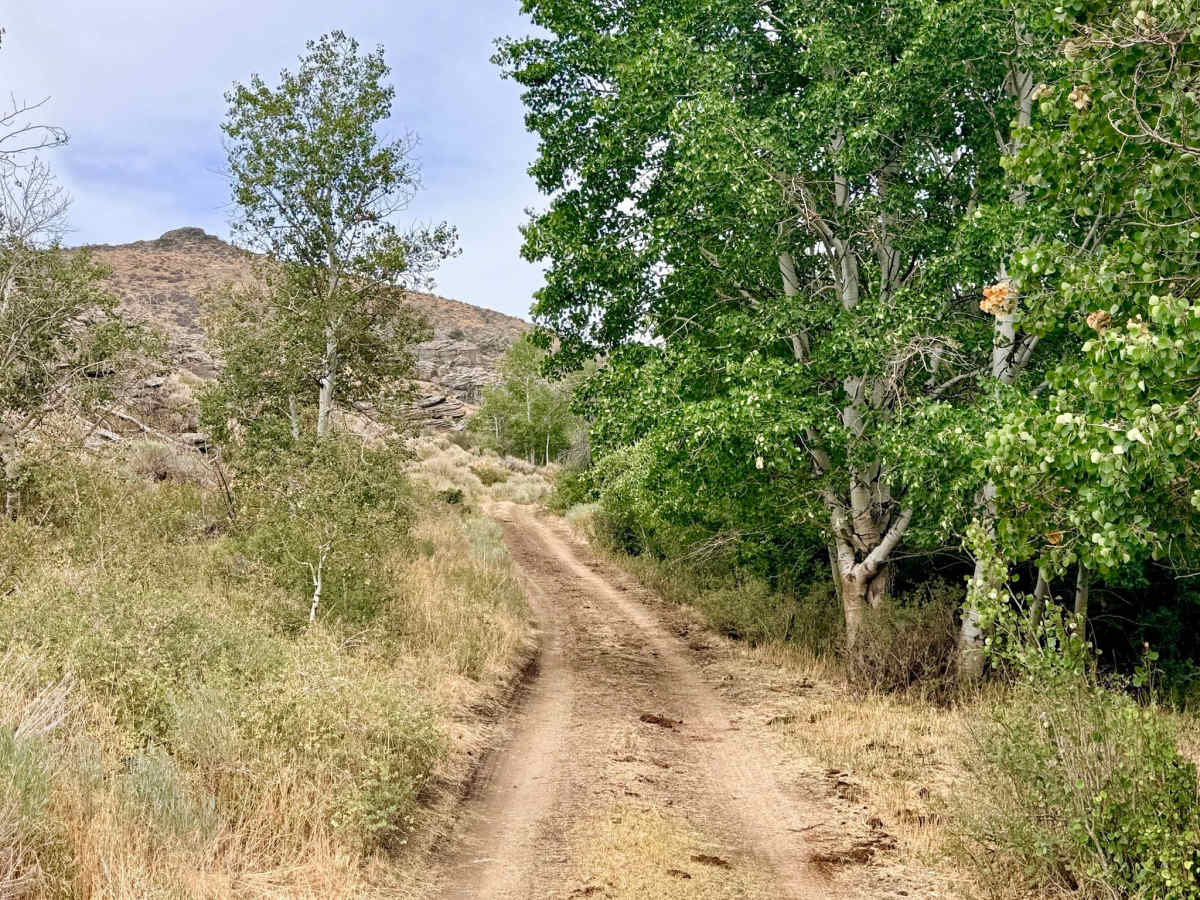
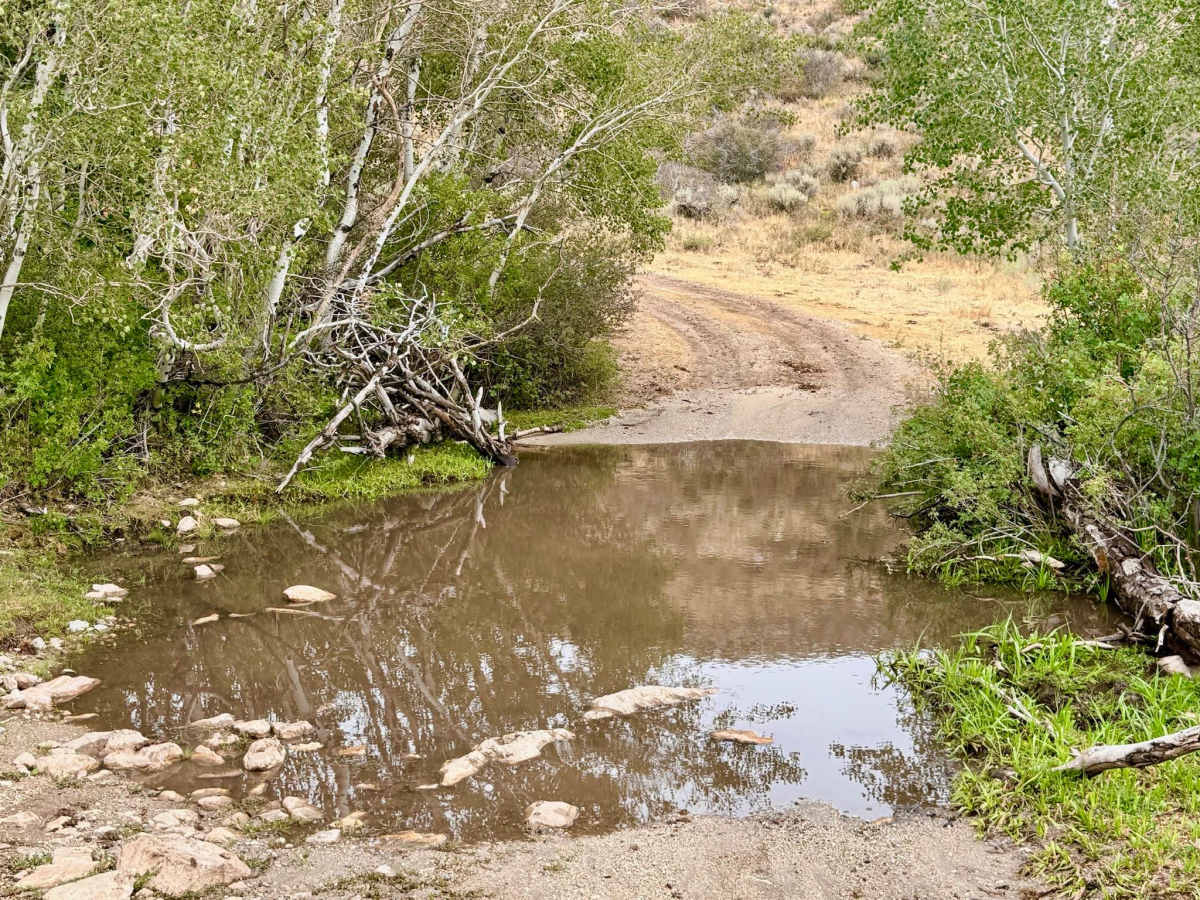
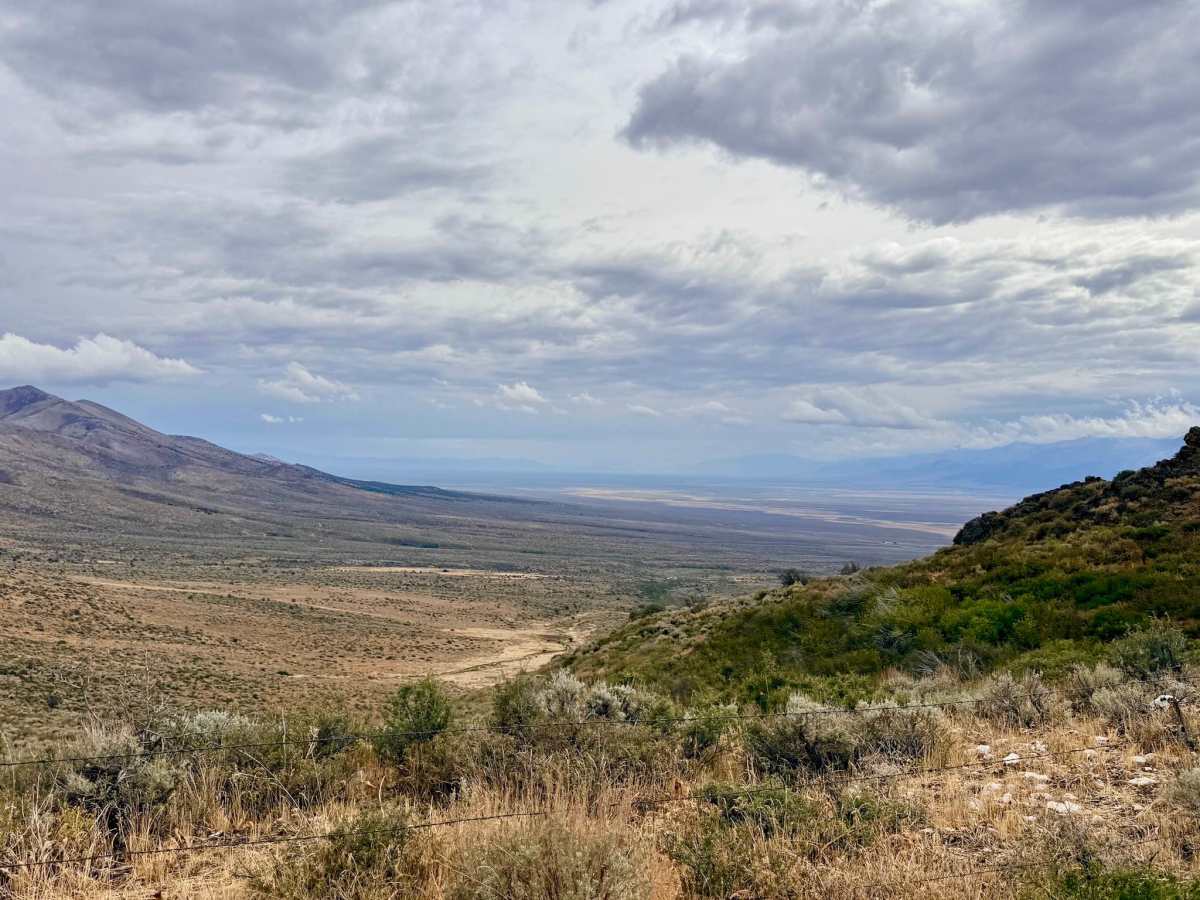
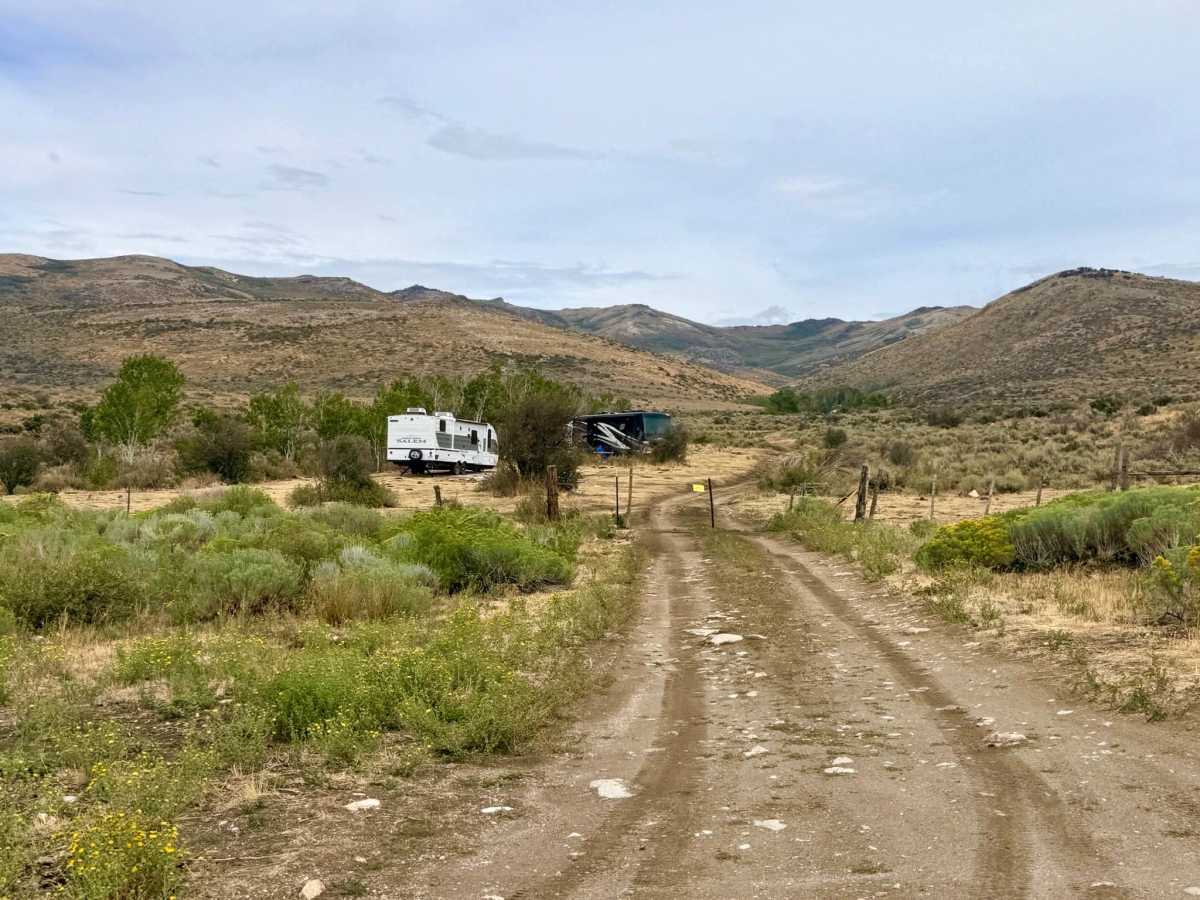
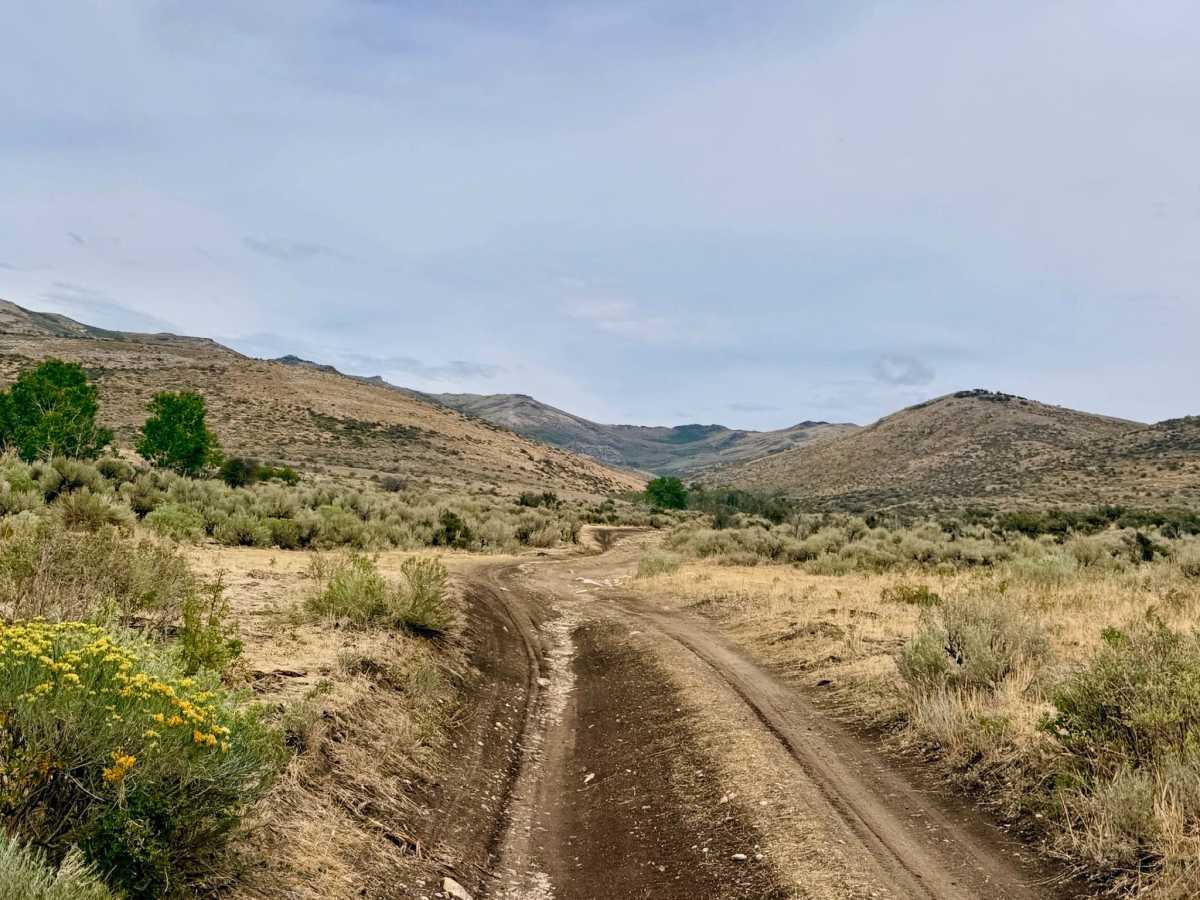
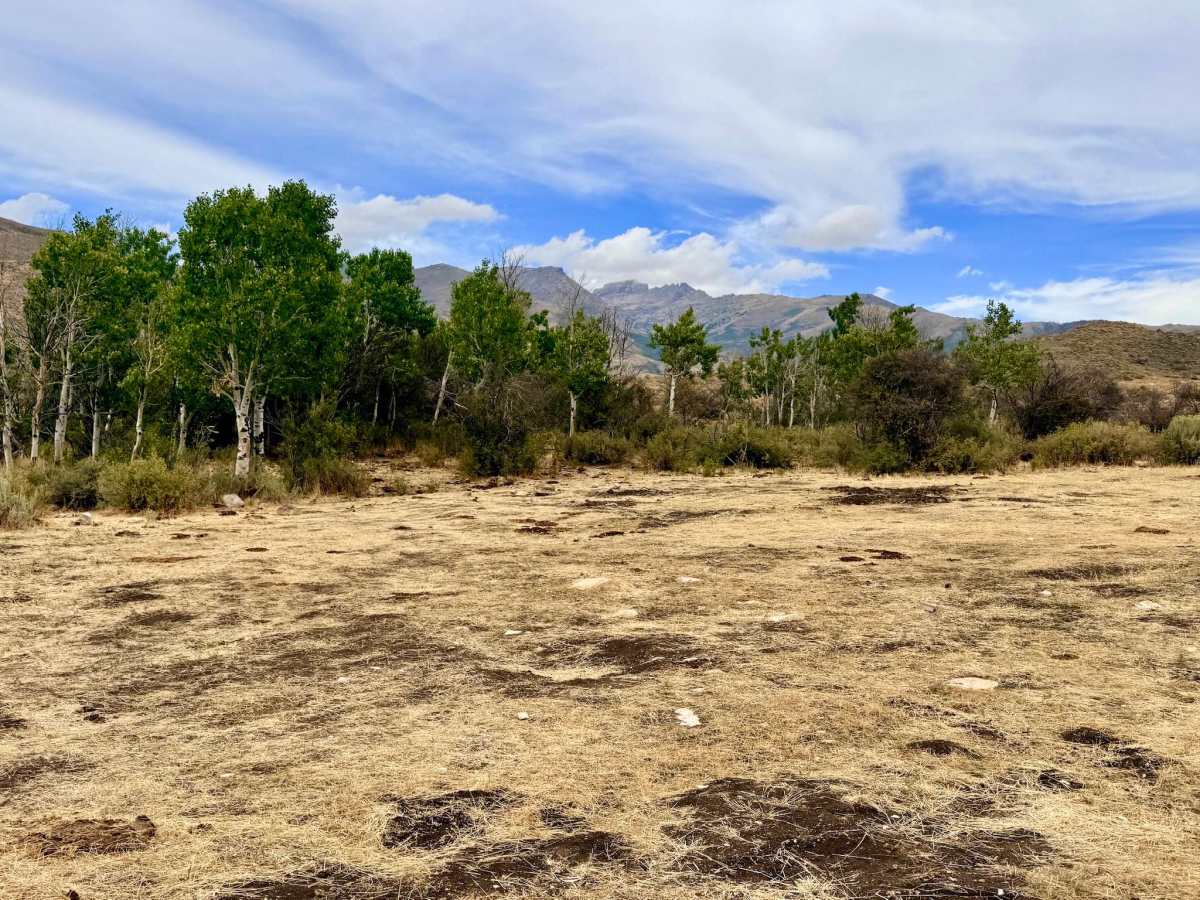
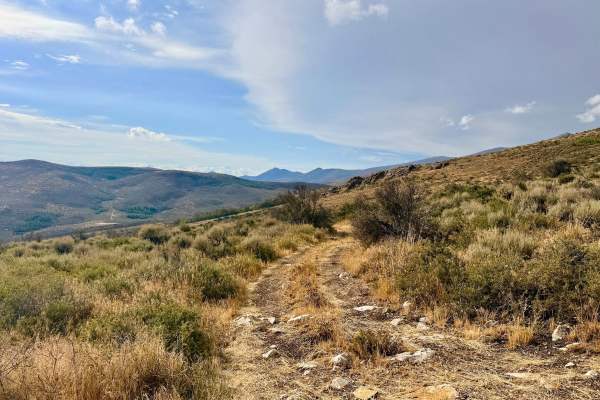
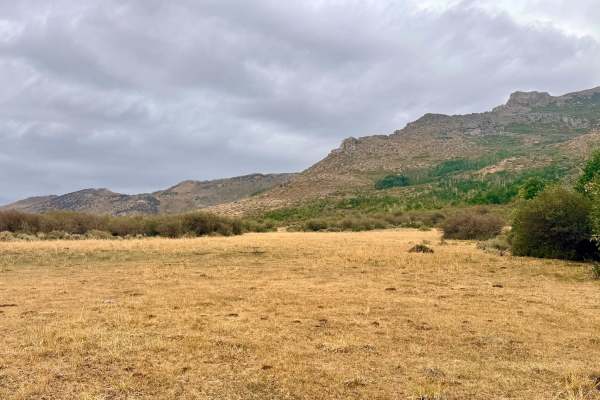
This trail serves as the premier access route to a massive spiderweb of off-road trails weaving through the canyons and creek beds of the East Humboldt Range. This loop trail offers a fantastic dual-personality experience. The northern section tightly hugs the water, crossing the creek bed numerous times while navigating rocky, off-camber terrain. This stretch is loaded with prime dispersed campsites that become a bustling hub for outdoorsmen during hunting season. As you transition to the southern side of the loop, the environment opens up into a classic, arid Nevada desert landscape. This is active open range country, where you will share the trail with roaming cattle and spot quirky backcountry oddities, including an old, shot-up car resting in the brush off the side of the road. While Horse Creek itself is an excellent, engaging drive, it primarily acts as the main artery for deeper exploration. Be mindful that many canyon spur trails branching off this route become significantly narrower and more difficult. There is absolutely no cell service back here. It is recommended to download offline maps before entering the area.
Difficulty
This trail features deep creek crossings, rocky ascents, and off-camber sections. The hill climbs and descents are composed of loose dirt that becomes exceptionally slick and potentially impassable when wet. Water Crossings: The northern route requires crossing Horse Creek multiple times. Always assess the water depth and current before plunging in, especially during spring runoff. Weather Awareness: The loose hill climbs on this route become treacherous mud chutes during the wet season. Avoid this trail during heavy rains to prevent trail damage and dangerous sliding.
History
The East Humboldt Range has long been a vital high-desert oasis. Historically, perennial water sources like Horse Creek served as critical lifelines for indigenous Western Shoshone tribes, and later for 19th-century Basque sheepherders and pioneer cattle ranchers attempting to tame the Great Basin. The trail's transition from riparian creek beds to wide-open cattle ranges perfectly illustrates the historical land-use balance of Elko County. Meanwhile, the abandoned, shot-up car on the southern stretch stands as a piece of modern, informal history a familiar desert monument to decades of rugged, unregulated backcountry recreation in Nevada.

 Offroad