Trail Overview
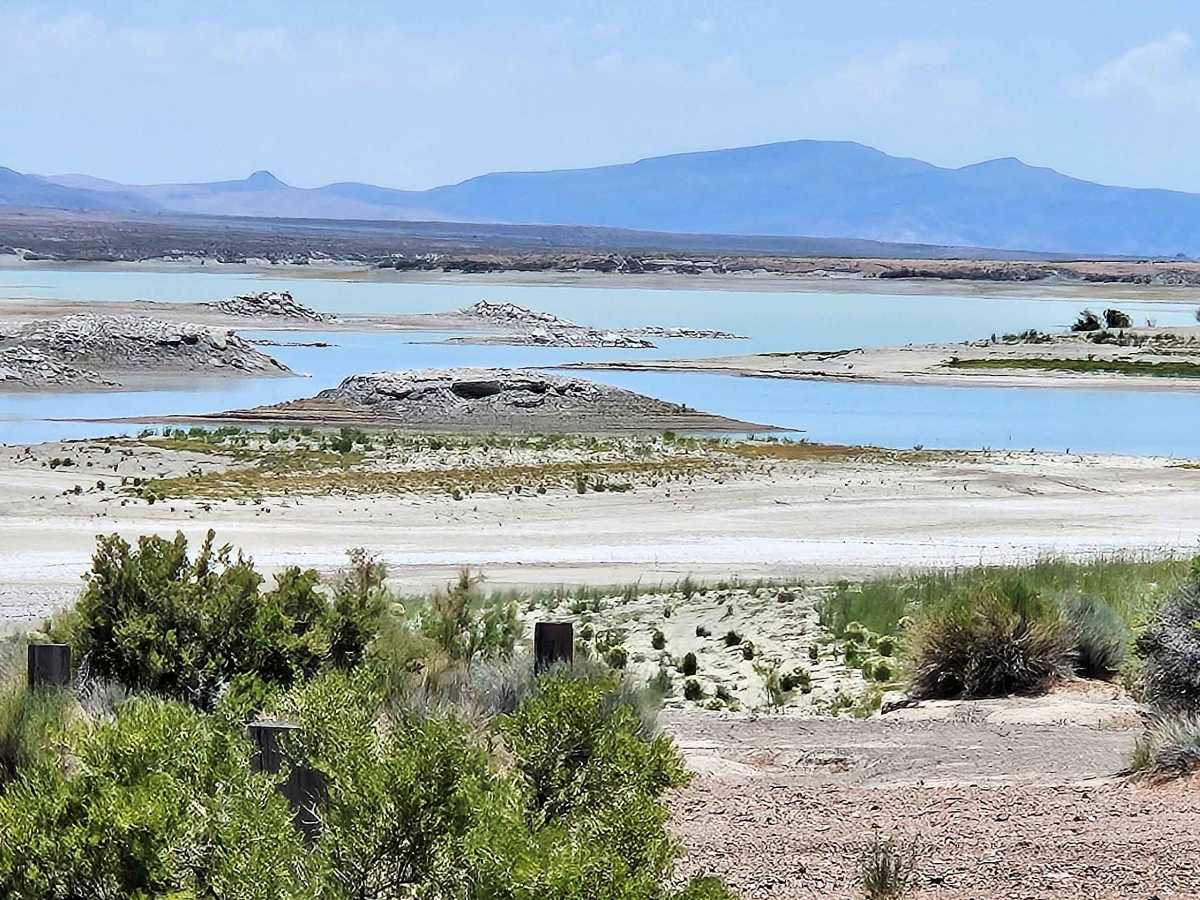
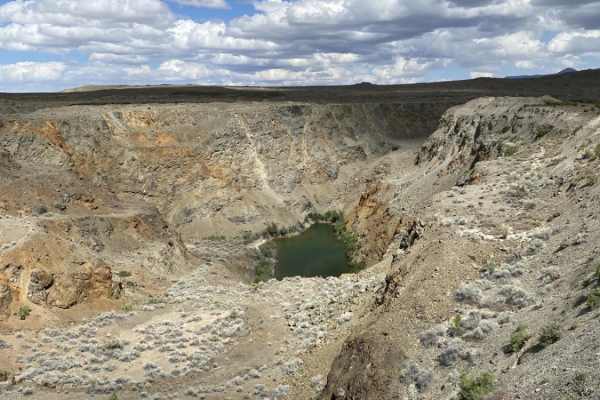
Route is an off-road alternative that takes you between Rye Patch Reservoir and Pitt-Taylor Recreation area. Gold was first discovered in the Rye Patch area of Pershing County, Nevada, in the 1860s. Known for both lode and placer gold, the region’s dry, rocky terrain is particularly famous among modern prospectors and metal detectorists for yielding large gold nuggets, extending all the way into the nearby foothills
Difficulty
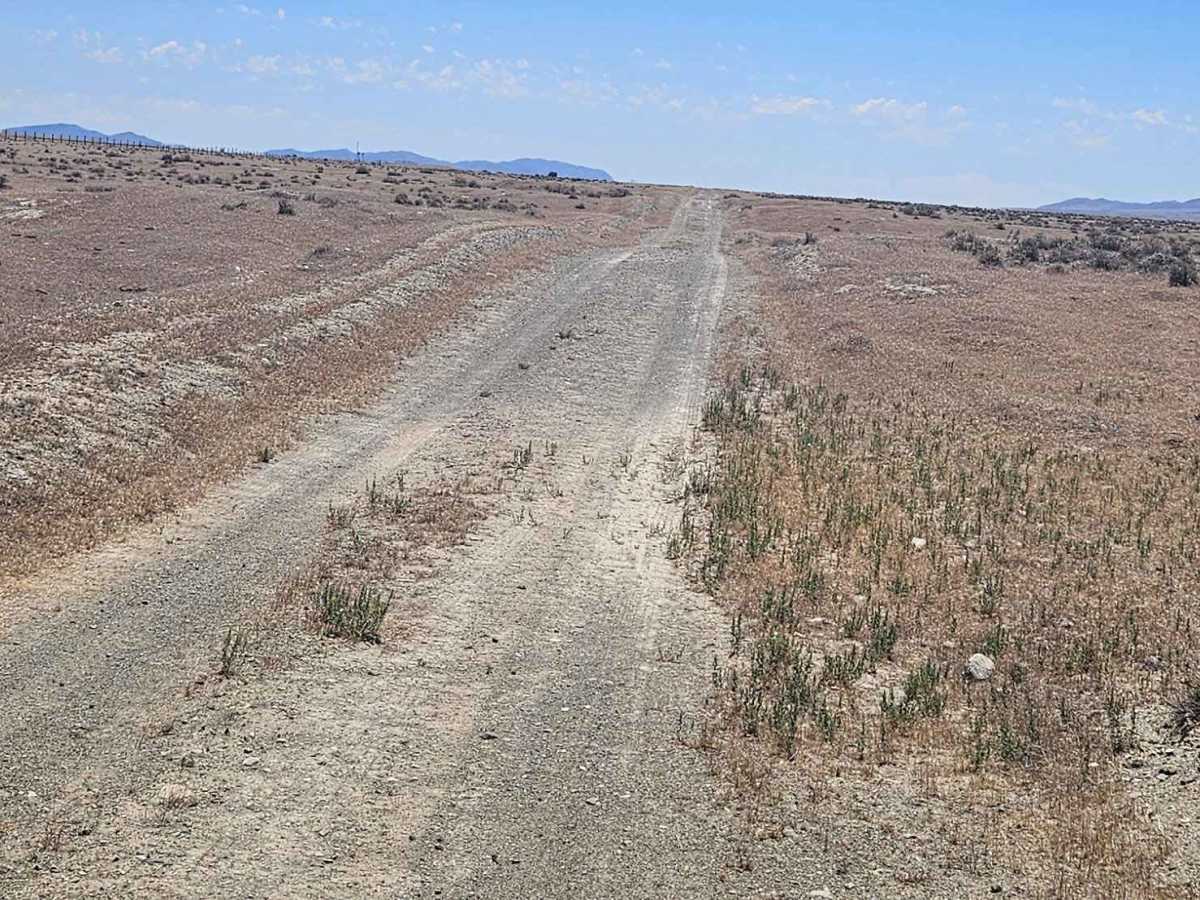
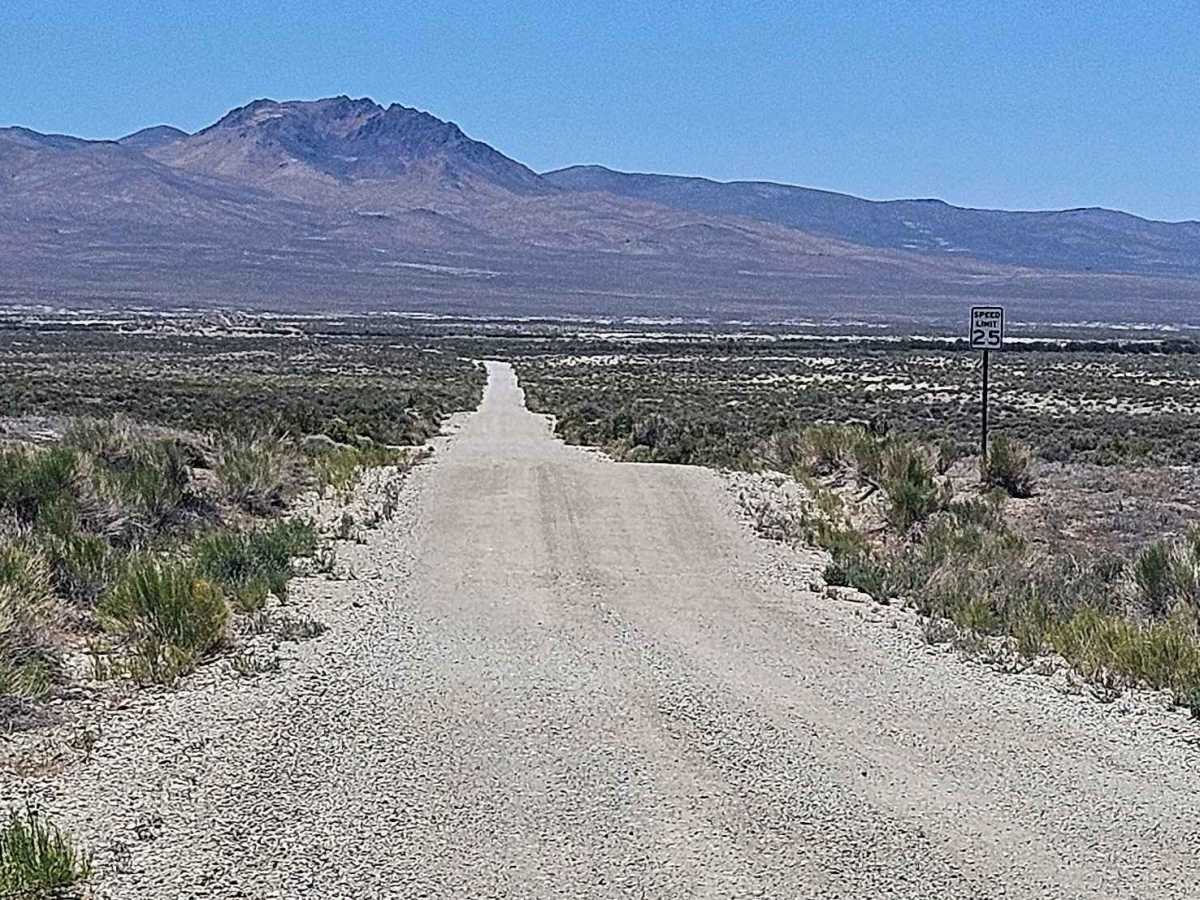
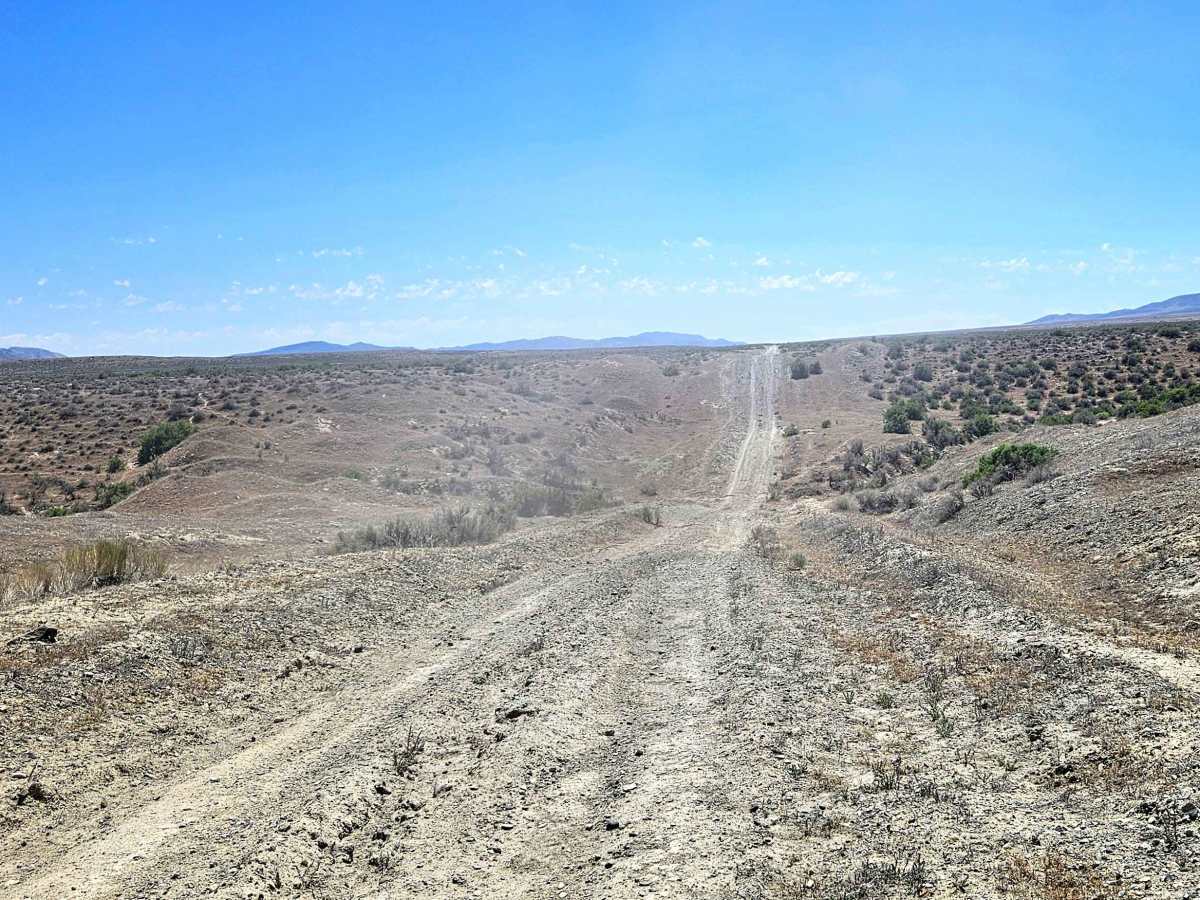
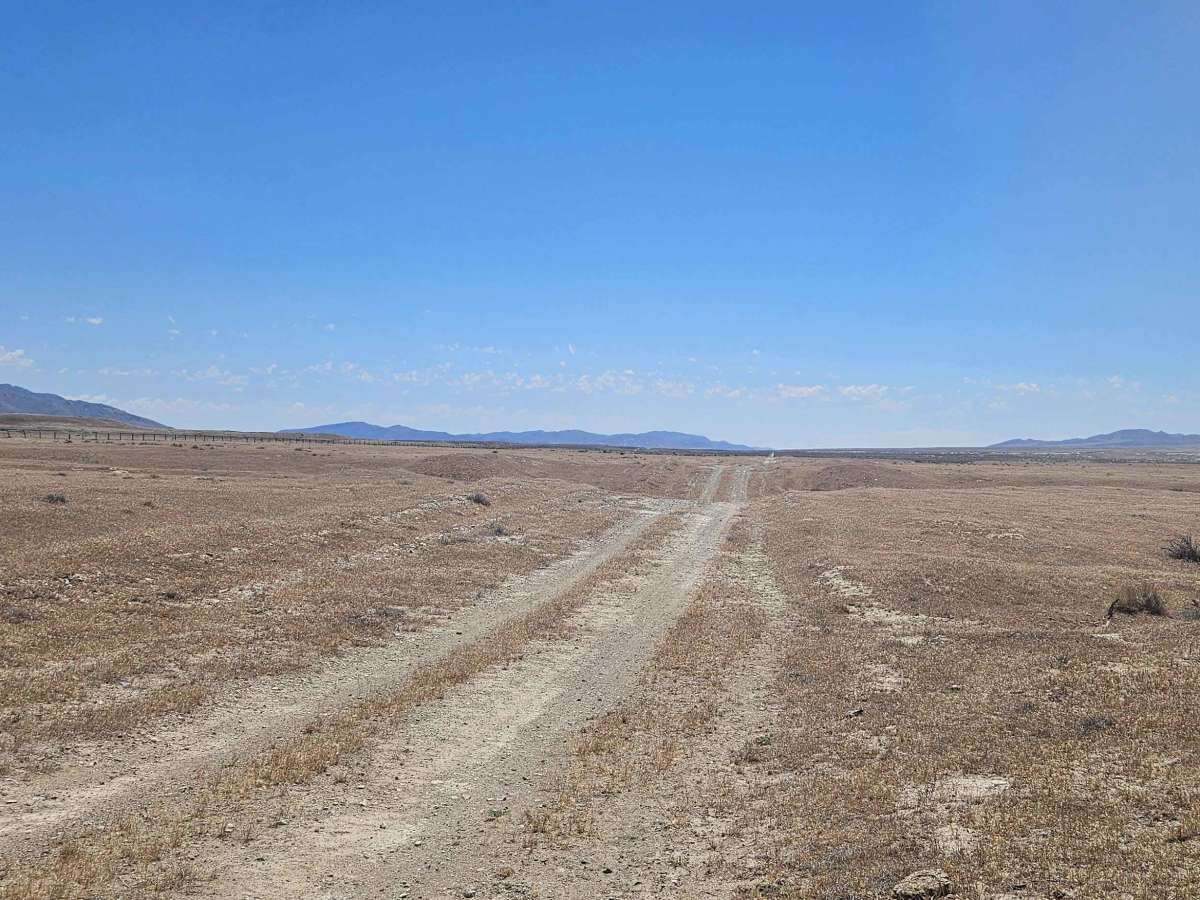
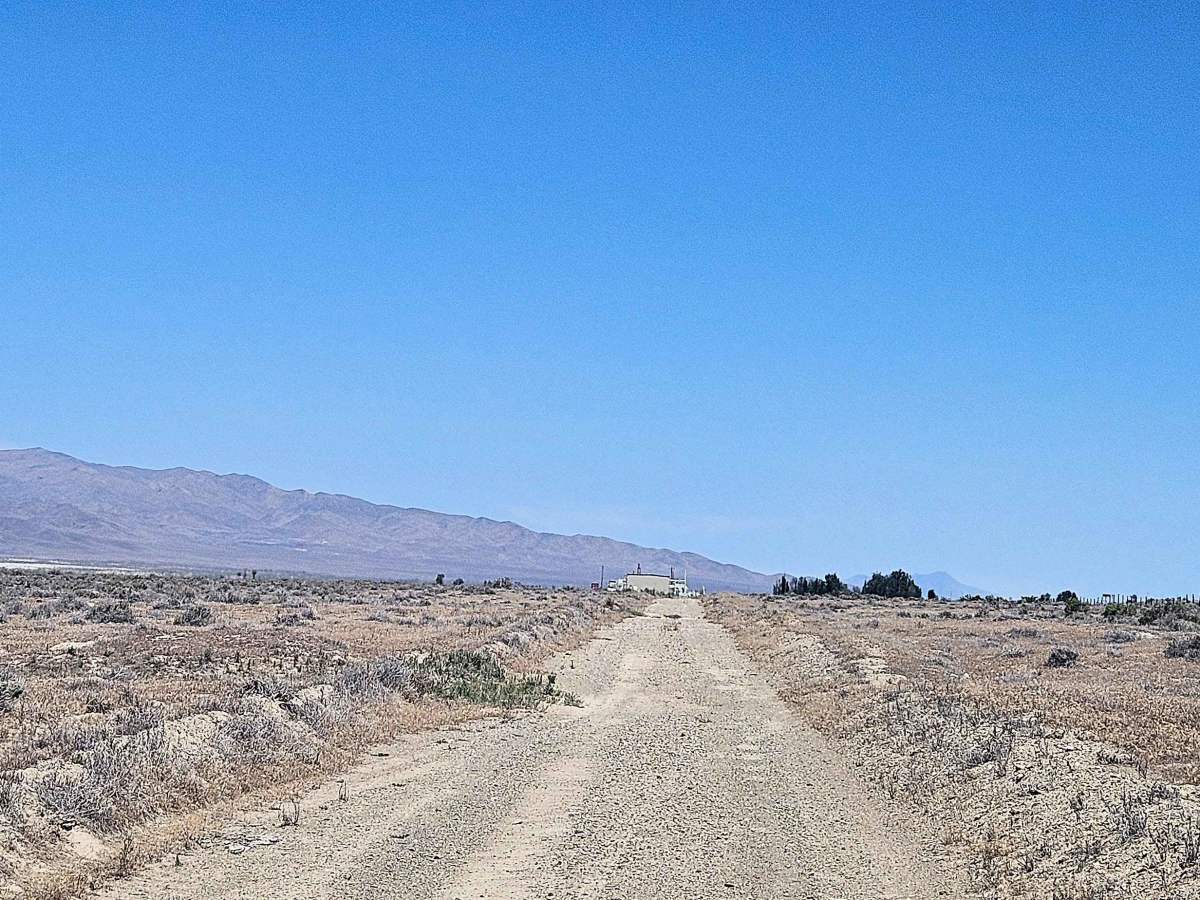
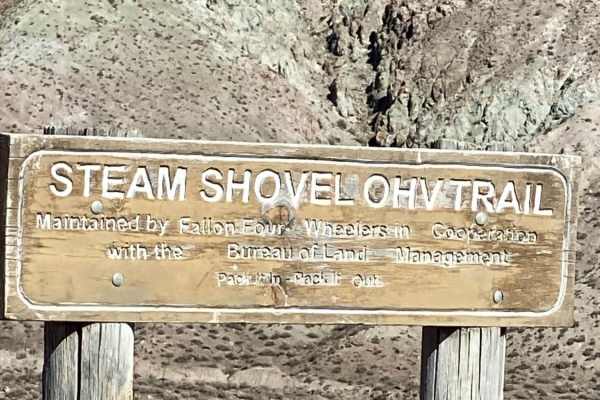
From Rye Patch Reservoir Road, the trail starts on the old railroad siding that has had tracks removed. At about a mile and a quarter you leave the rail bed and follow almost a perfect straight trail to Pitt-Taylor Road. There are a few sections where you drop down and climb out of washes, these can be very difficult in mudding or wet conditions. Pitt-Taylor Road is a gavel two lane road that takes you to the recreation area that has a boat ramp for upper Rye Patch Reservoir. There are secondary trails that can be explored off of route.
History
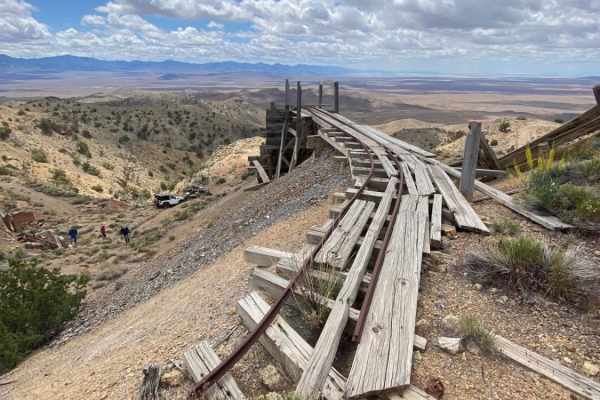
The primary Rye Patch Mine was discovered in 1864, initially producing significant amounts of both silver and gold. During the 1860s and 1870s, the Rye Patch Milling Company extracted over $1 million (equivalent to thousands of ounces of gold and silver). The region sits on the prolific Oreana gold trend, which parallels Interstate 80 between Lovelock and Winnemucca, Nevada. Because erosion washed ancient gold into the flats and drainages, you don't necessarily need deep underground mining equipment. Placer gold ranging from small flakes to large, highly sought-after nuggets has been found in the region. Many recreational prospectors focus on public lands spanning from flatter ground up into the foothills of the nearby mountain ranges (such as the Eugene and West Humboldt ranges).
Metal Detector Use: Due to the dry, desert landscape, metal detecting is generally the most successful prospecting method in the district. On public land you are generally free to use a metal detector or pan for gold on public, un-claimed BLM land. Active mining claims are common in the area. Before you dig or detect, ensure you are not trespassing on a private claim. Claim boundaries are typically marked by four white corner posts.

 Offroad