Trail Overview
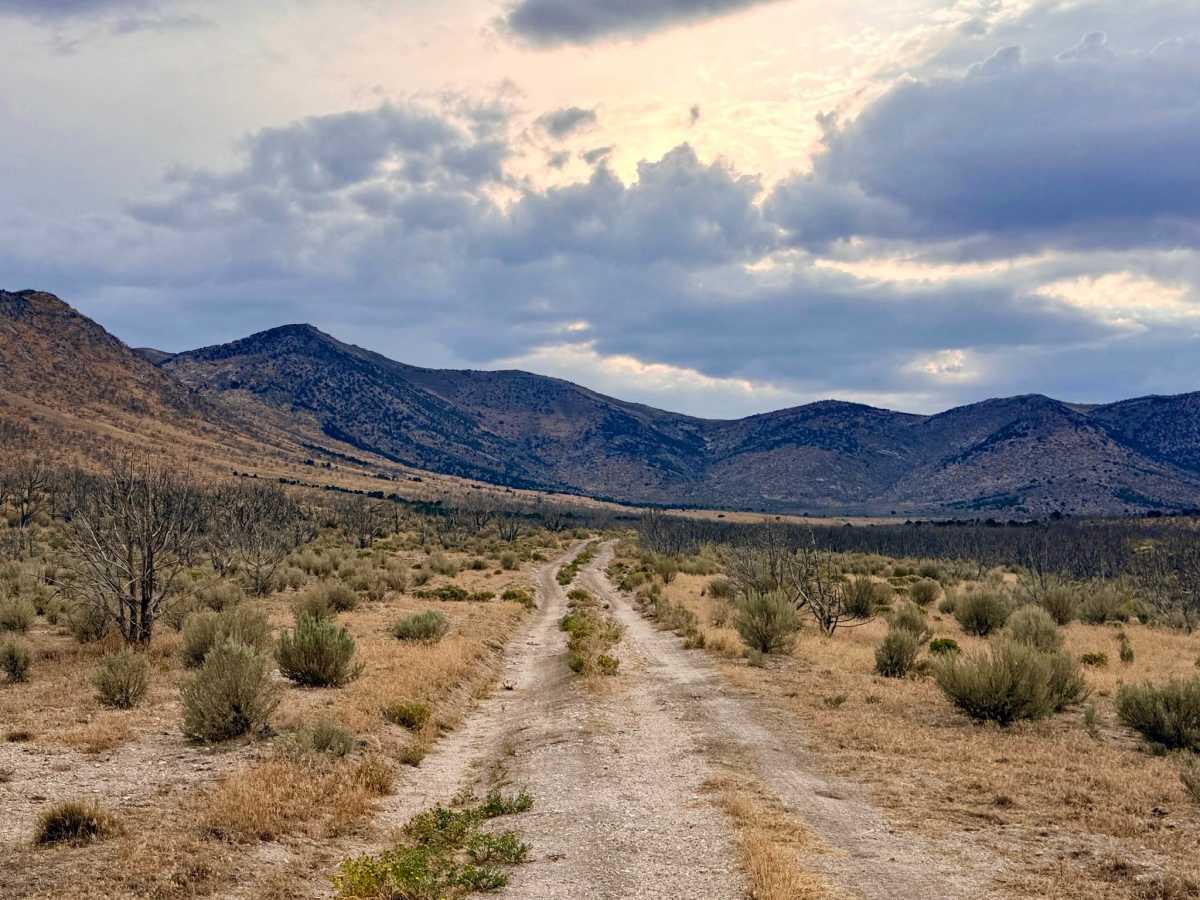
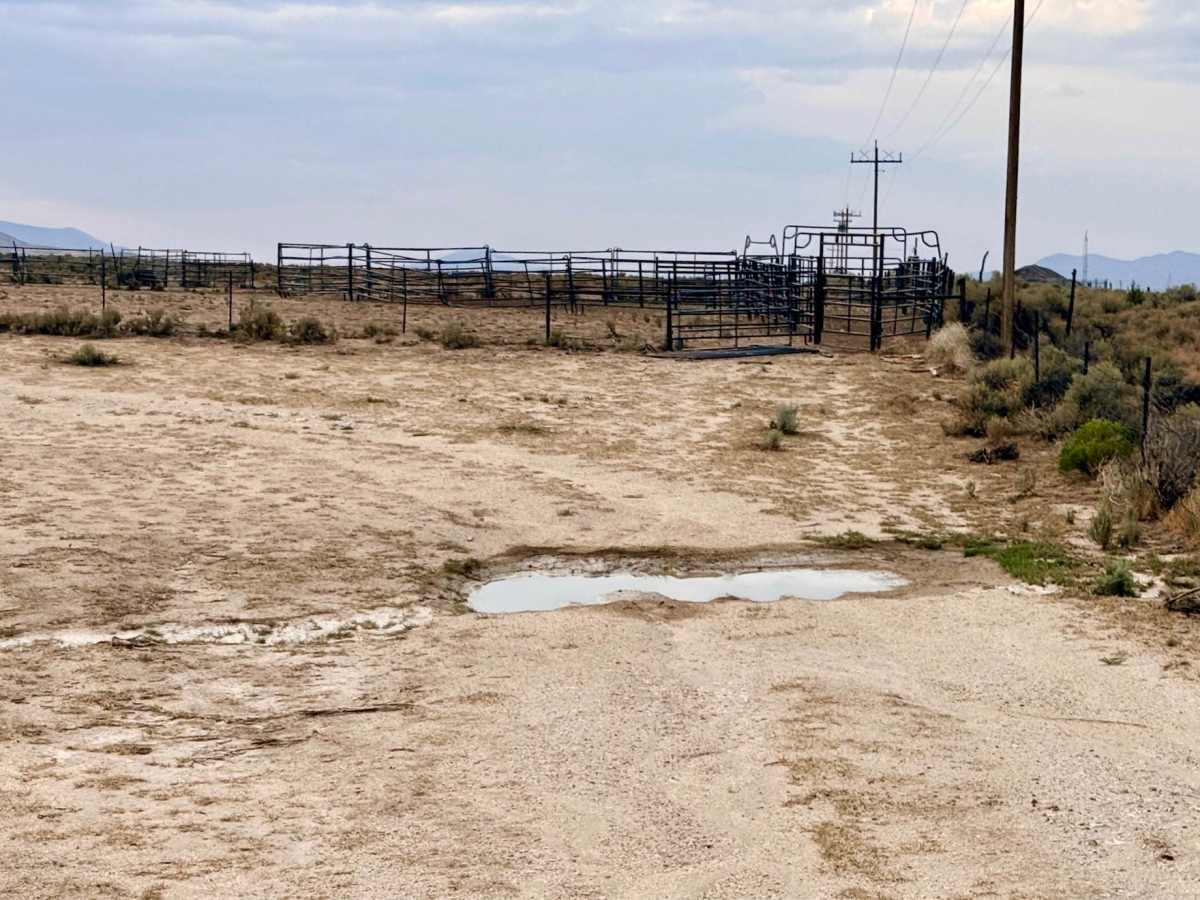
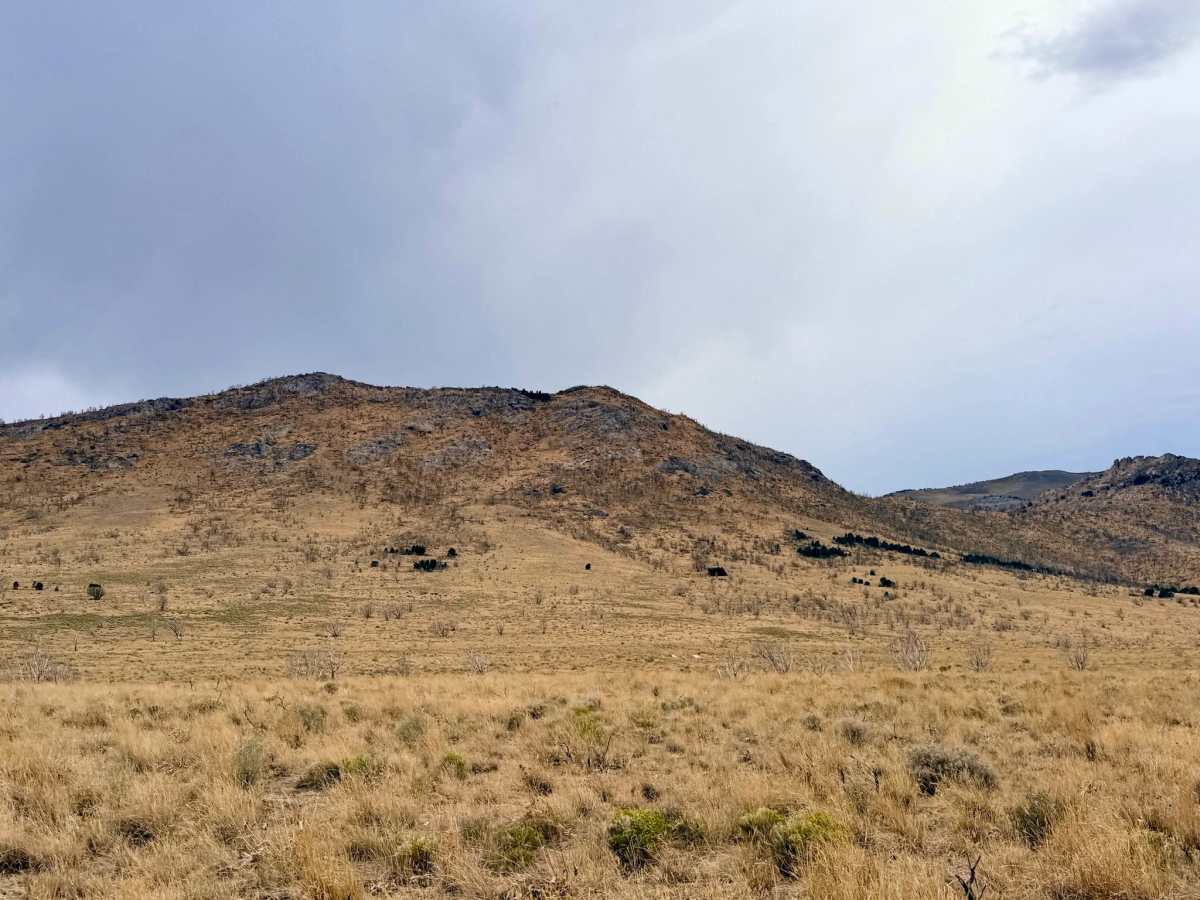
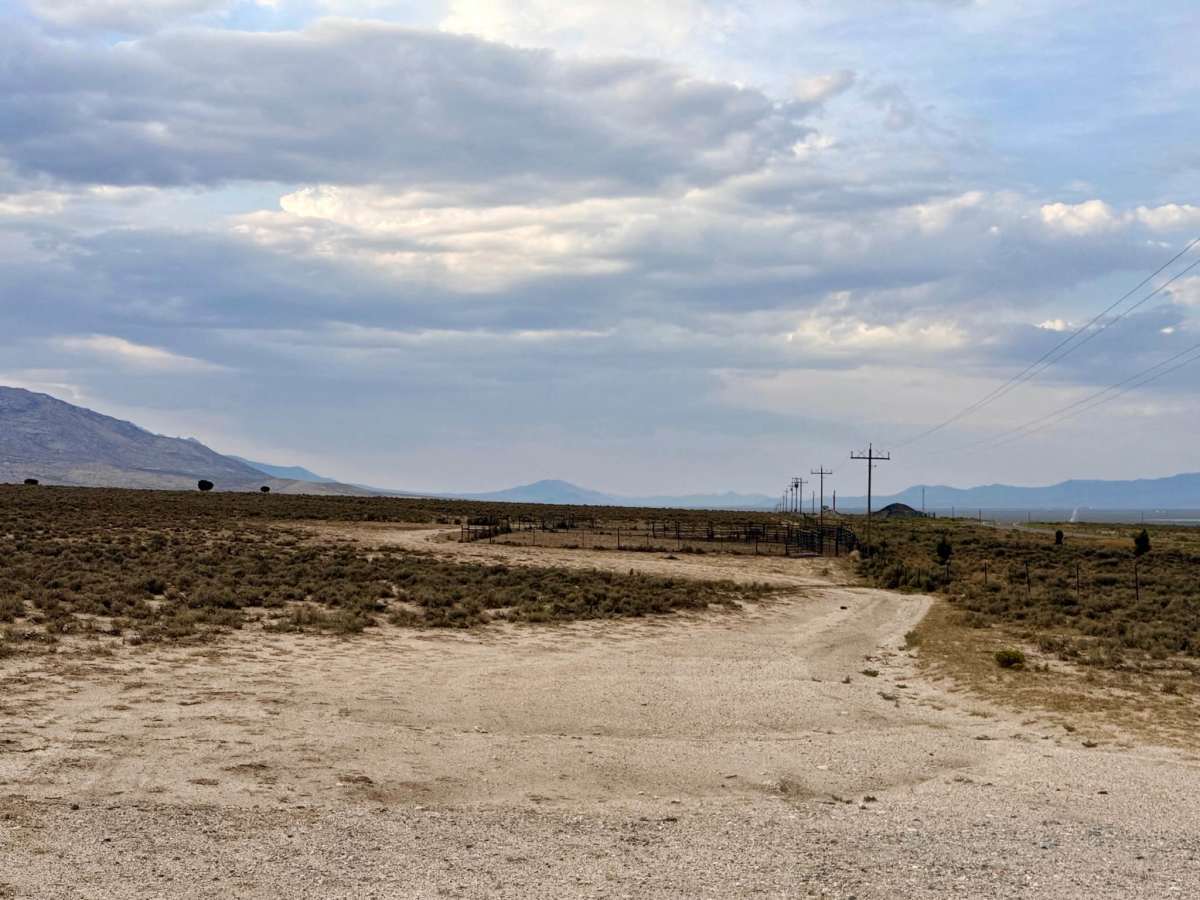
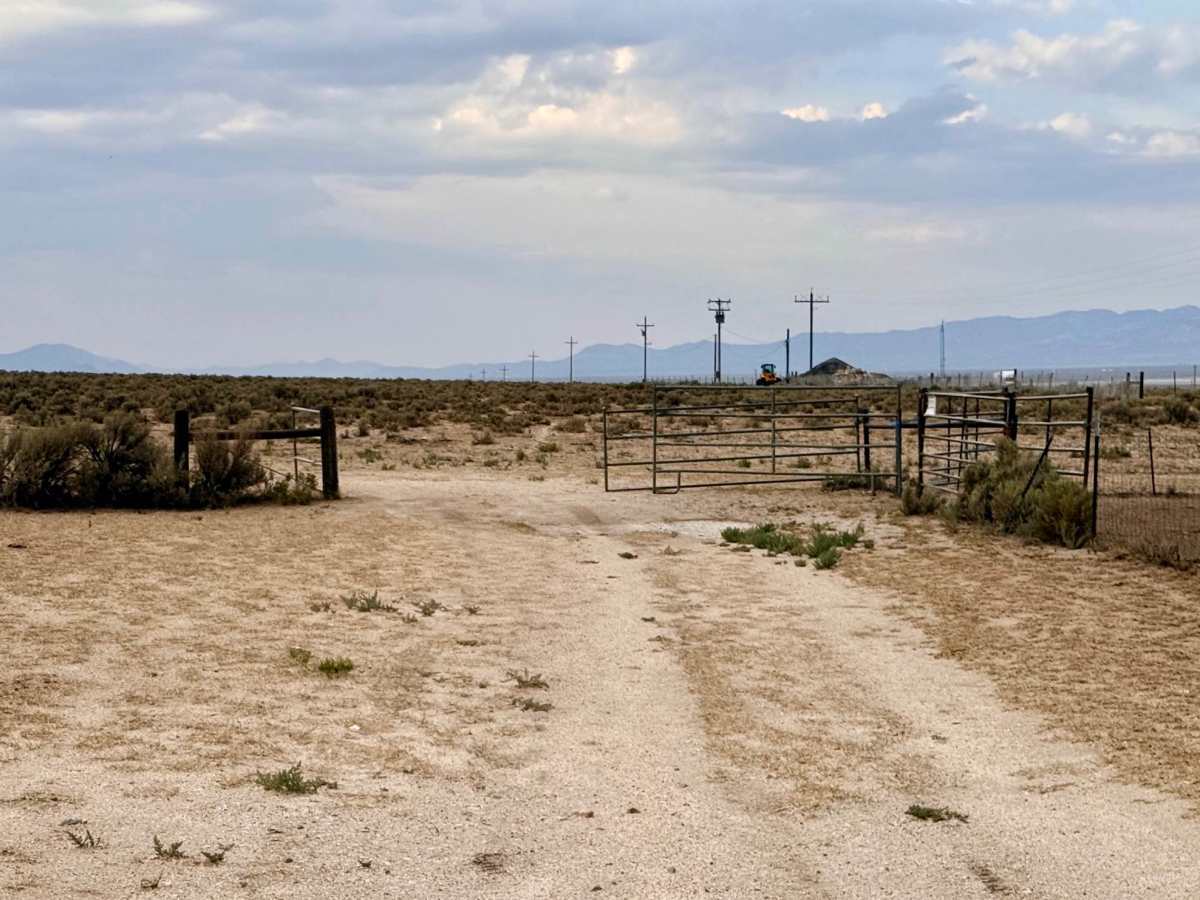
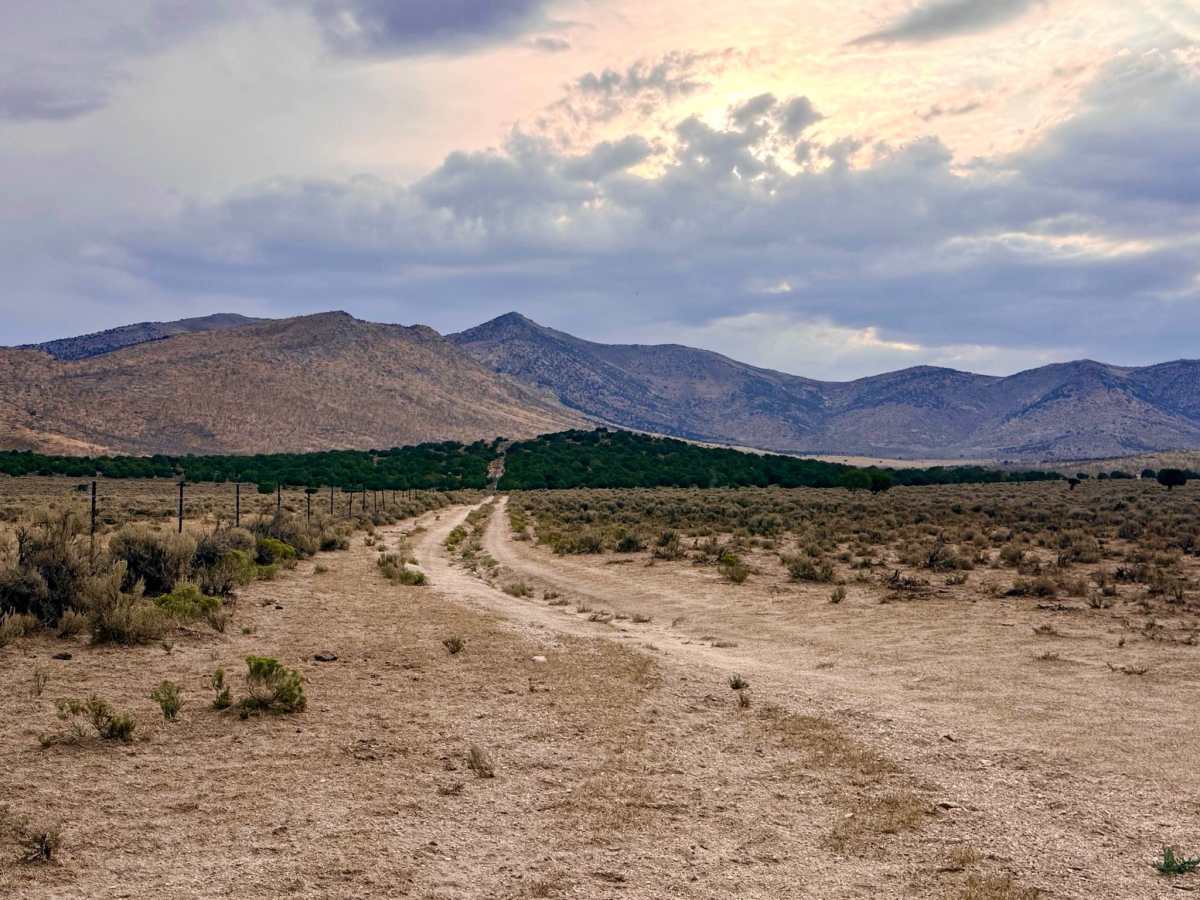
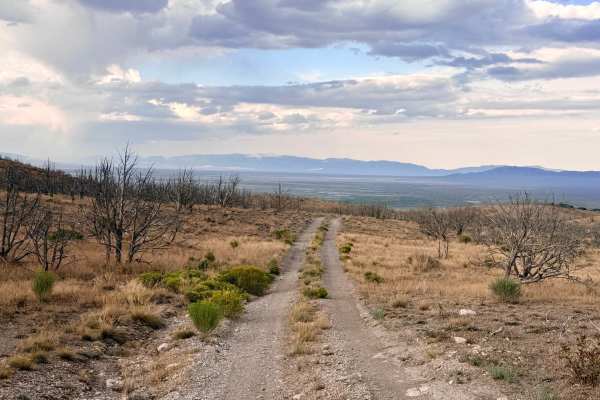
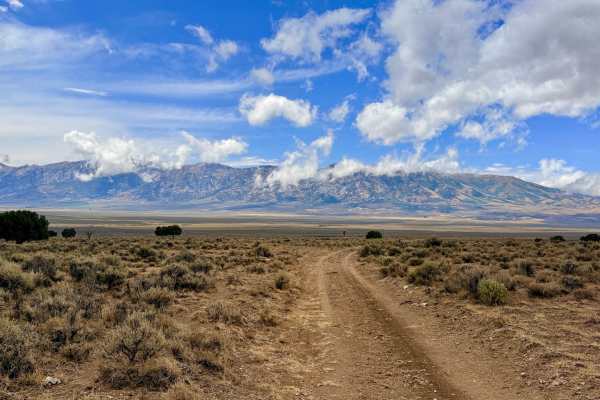
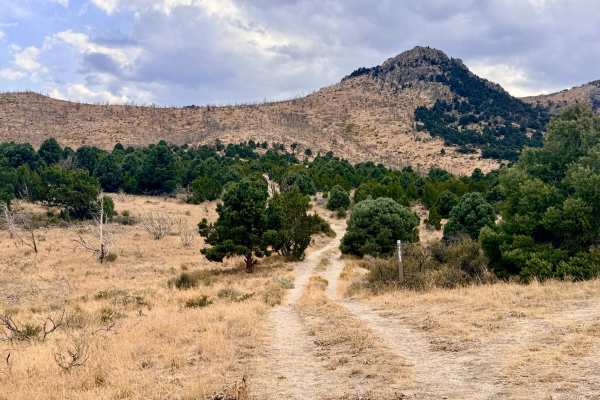
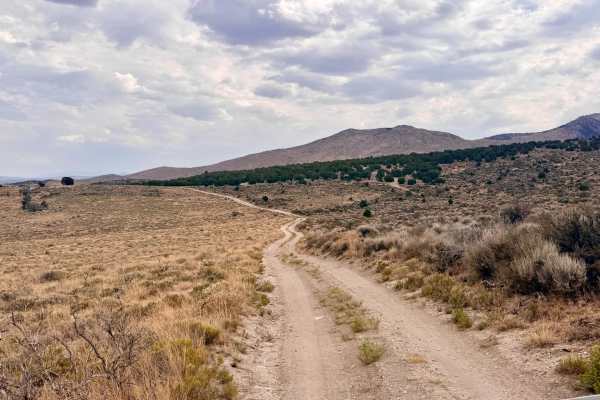
Crab is a scenic access route that twists and winds its way up from the lower elevations into the rolling foothills. Serving primarily as a gateway to Jerry Crab Spring and the wider network of crisscrossing trails above, this drive transitions beautifully into a landscape marked by a historic burned juniper forest. Despite being a short connector route, it offers plenty of natural beauty. Depending on the time of year, the hillsides are often dotted with vibrant seasonal wildflowers. It is also a fantastic corridor for wildlife viewing, so keep your eyes peeled for pronghorn antelope darting through the brush as you make your way up the trail. You will pass through a couple of active cattle gates. Always leave them exactly as you found them. You might catch one or two bars of LTE down by the main road, but that signal will fade to absolutely nothing as you reach the top of the trail in the foothills.
Difficulty
This is a very mild access route with only a few minor washouts that most high-clearance vehicles can easily navigate. However, the trail is quite narrow in spots; if you meet oncoming traffic, one of you will likely need to reverse to the nearest pullout. There is absolutely no winter maintenance on this route. Additionally, because there are sections where water naturally pools and gathers, this trail becomes dangerously slick and entirely impassable when wet. Avoid traveling here during or immediately after heavy rain.
History
Routes like Crab - FS 17540 perfectly illustrate the historic lifeblood of Great Basin ranching: access to water. This trail was historically carved out as a vital artery to reach Jerry Crab Spring. In the arid high desert of Nevada, reliable water sources dictated where early pioneers, Basque sheepherders, and cattle ranchers could survive and establish their livelihoods. The network of crisscrossing trails at the top of this route echoes the historic livestock and wagon paths used to rotate animals between seasonal grazing areas and precious spring water.