Trail Overview
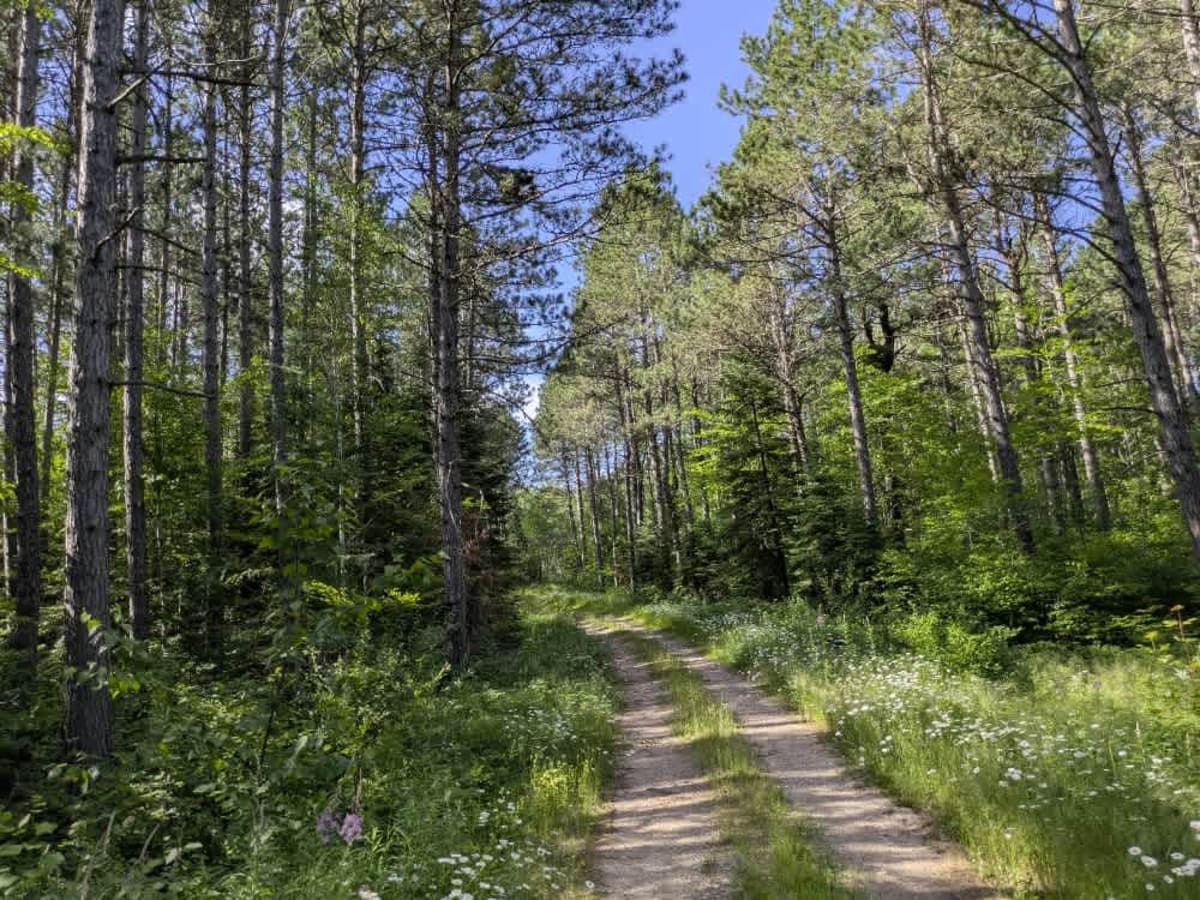
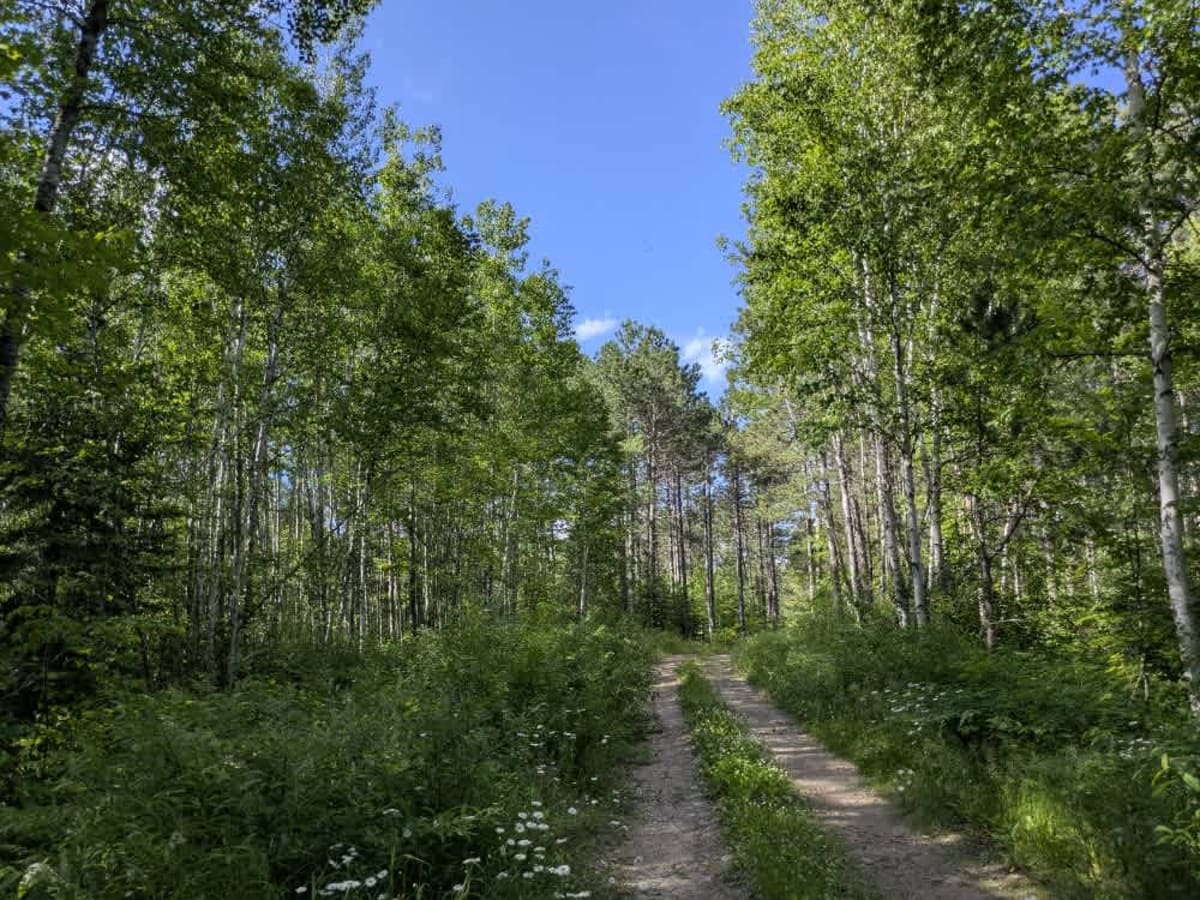
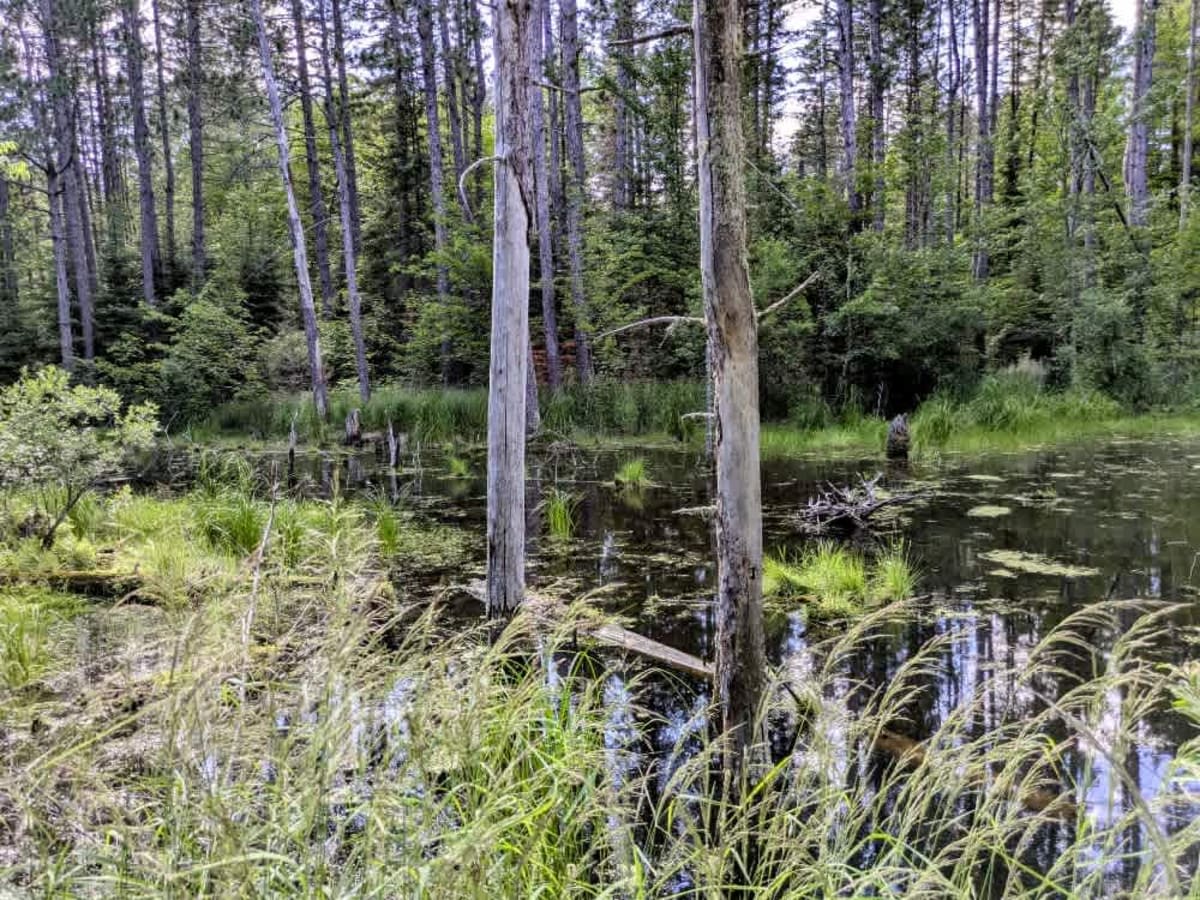
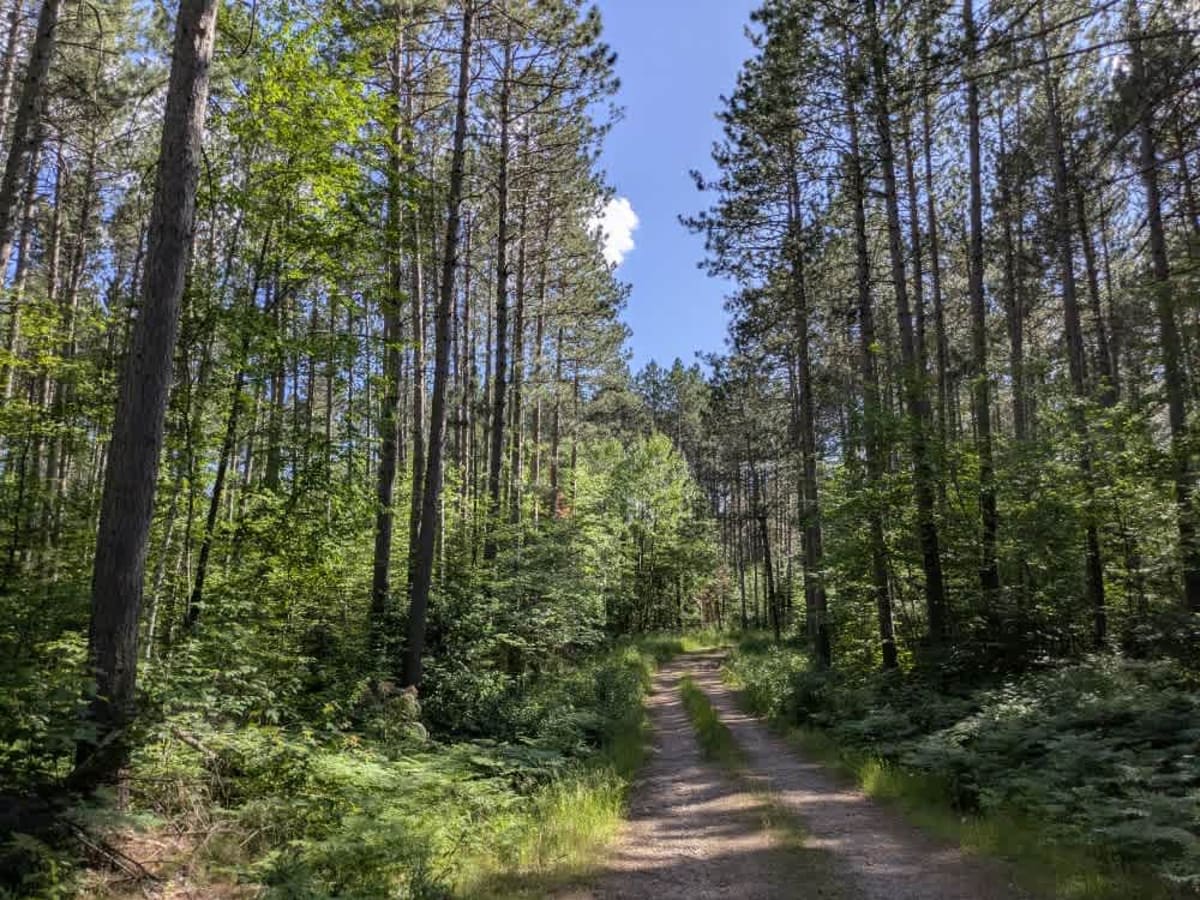
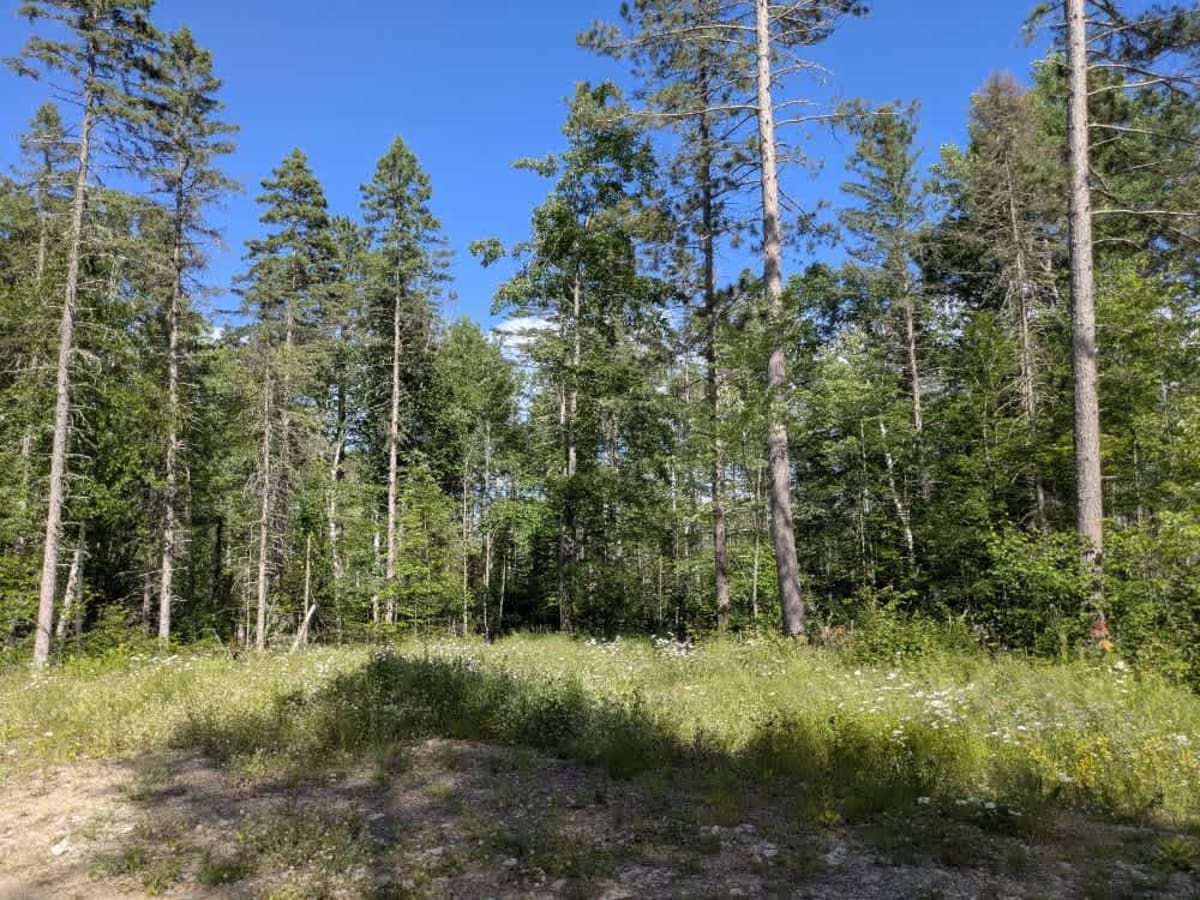
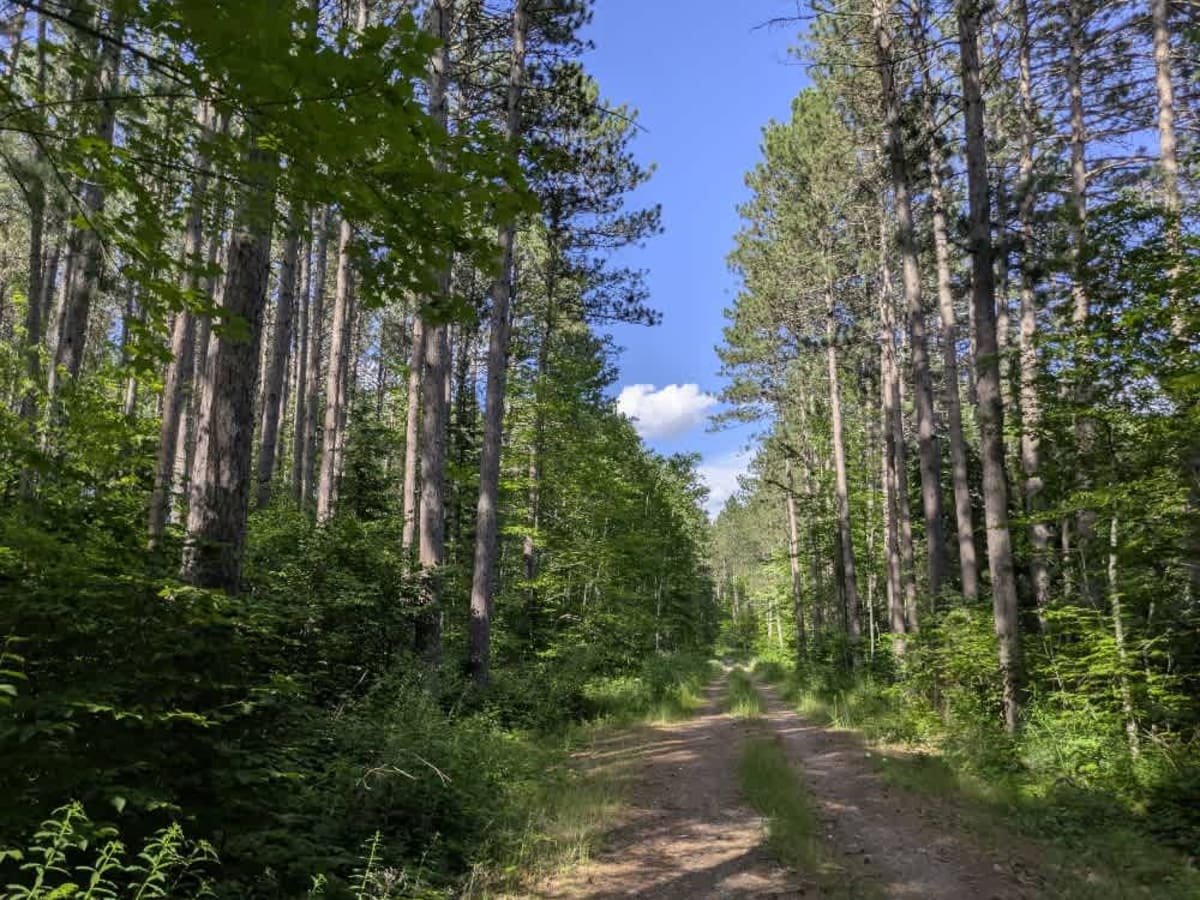
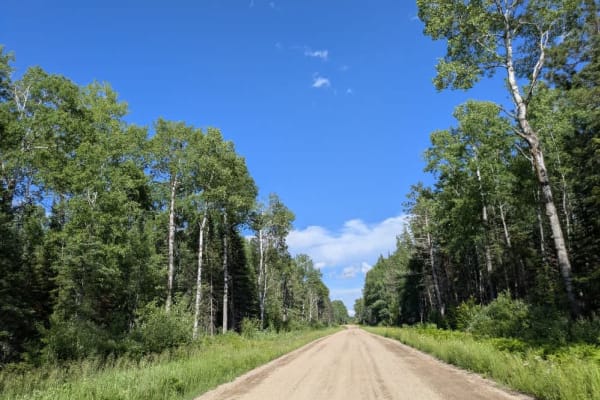
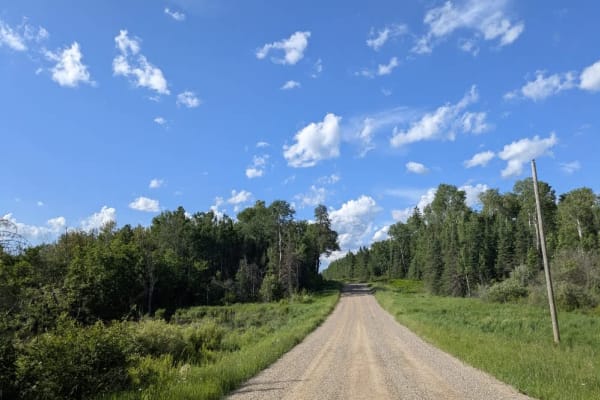
This trail begins near a small quarry and is narrow and somewhat overgrown, but it offers a peaceful and scenic drive through dense forest. In June, the area is especially attractive with a wide variety of wildflowers lining the route. The trail is unmaintained and features a mix of rocky, uneven patches and smoother sections. There are a few moderate ascents and descents, along with some gently off-camber stretches; however, nothing too technical for a capable vehicle. After rainfall, muddy puddles can form in lower-lying areas so that conditions may vary depending on the weather. Along the way, the trail passes a large pond before ending at a turnaround area. Beyond this point, the route becomes fully overgrown and impassable by vehicle. The area near the turnaround could serve as a dispersed campsite; however, please confirm whether camping is permitted. There are no formal campsites or services, and amenities such as water, trash disposal, and cell coverage are not available.
History
Superior National Forest was established in 1909 by President Theodore Roosevelt to protect the region's watersheds and natural resources after years of heavy logging and mining. The area has long been home to the Ojibwe people, who continue to maintain cultural ties to the land. In 1978, the Boundary Waters Canoe Area Wilderness within the forest was given added protection, making it one of the most visited wilderness areas in the U.S. today.