Trail Overview
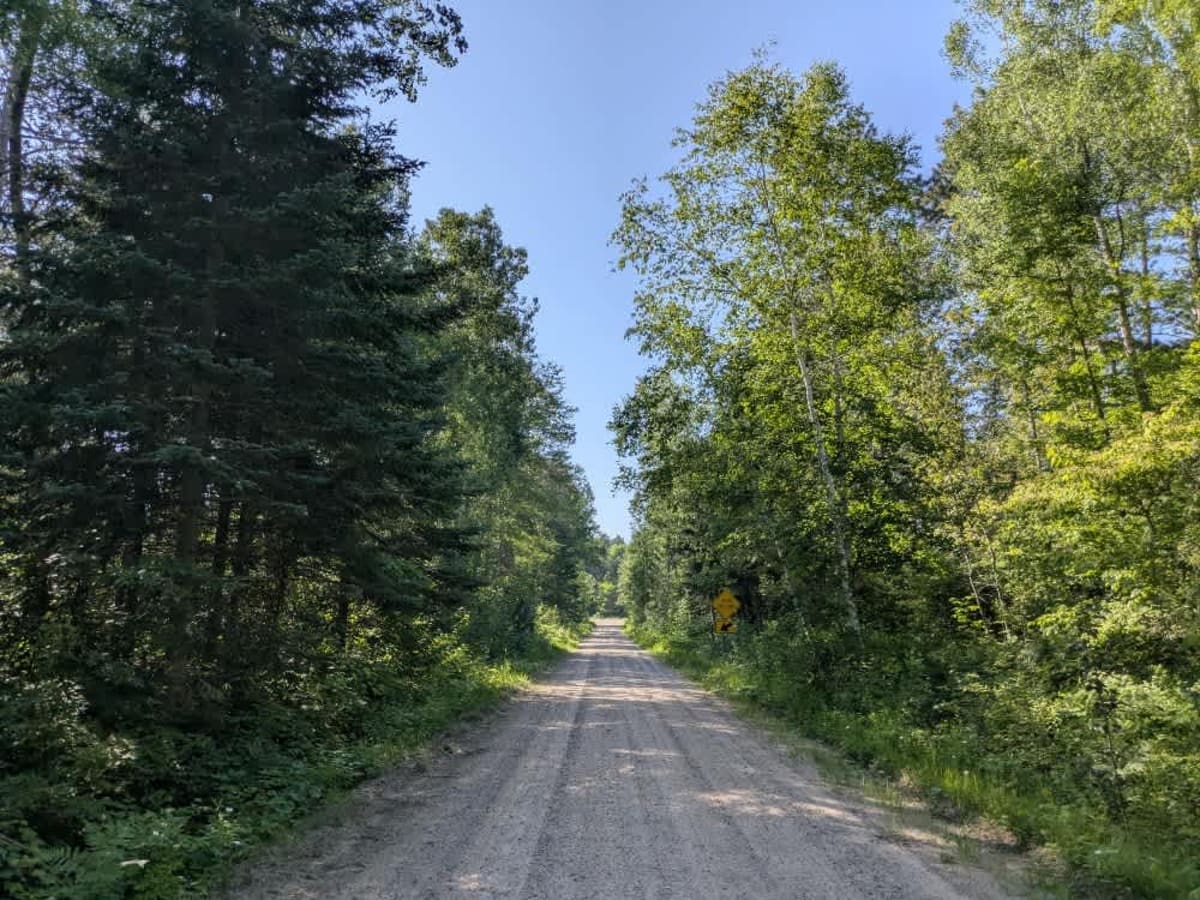
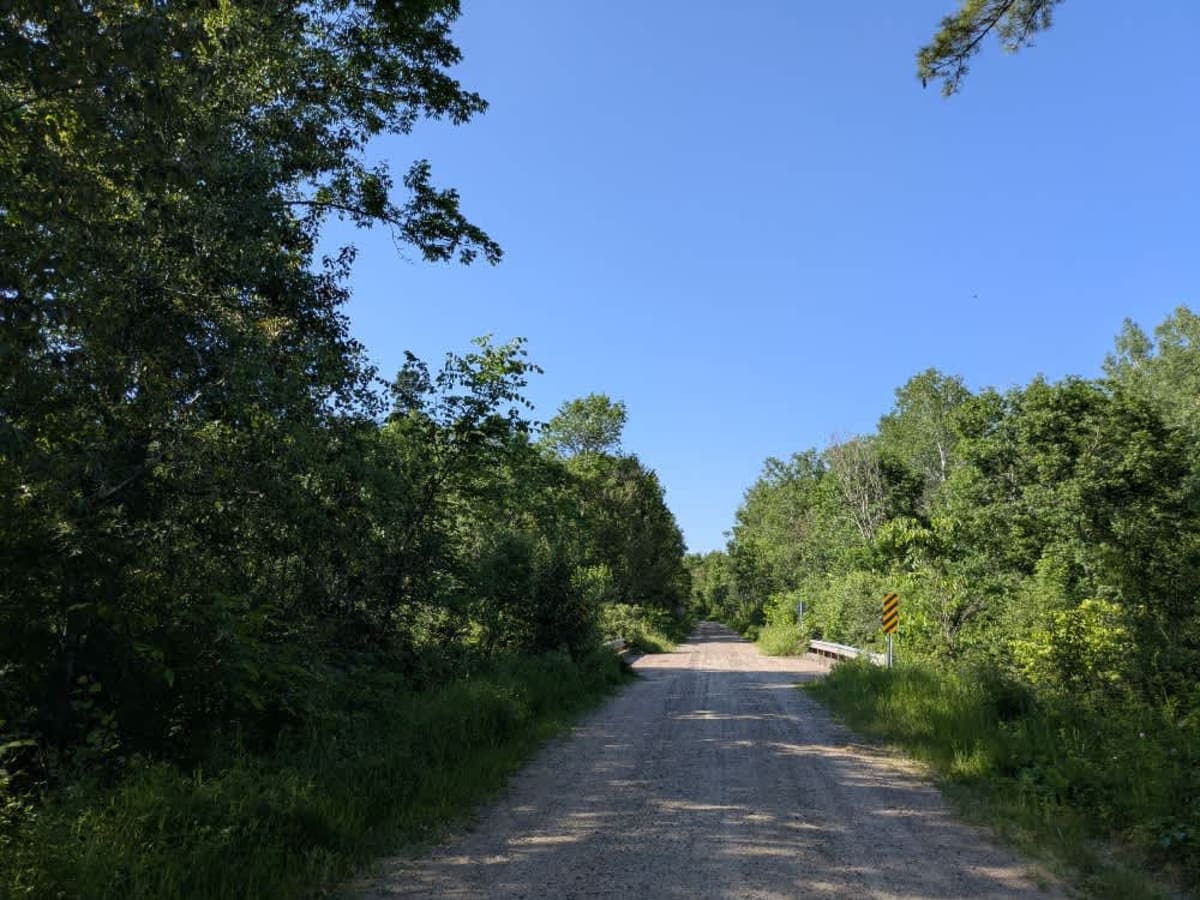
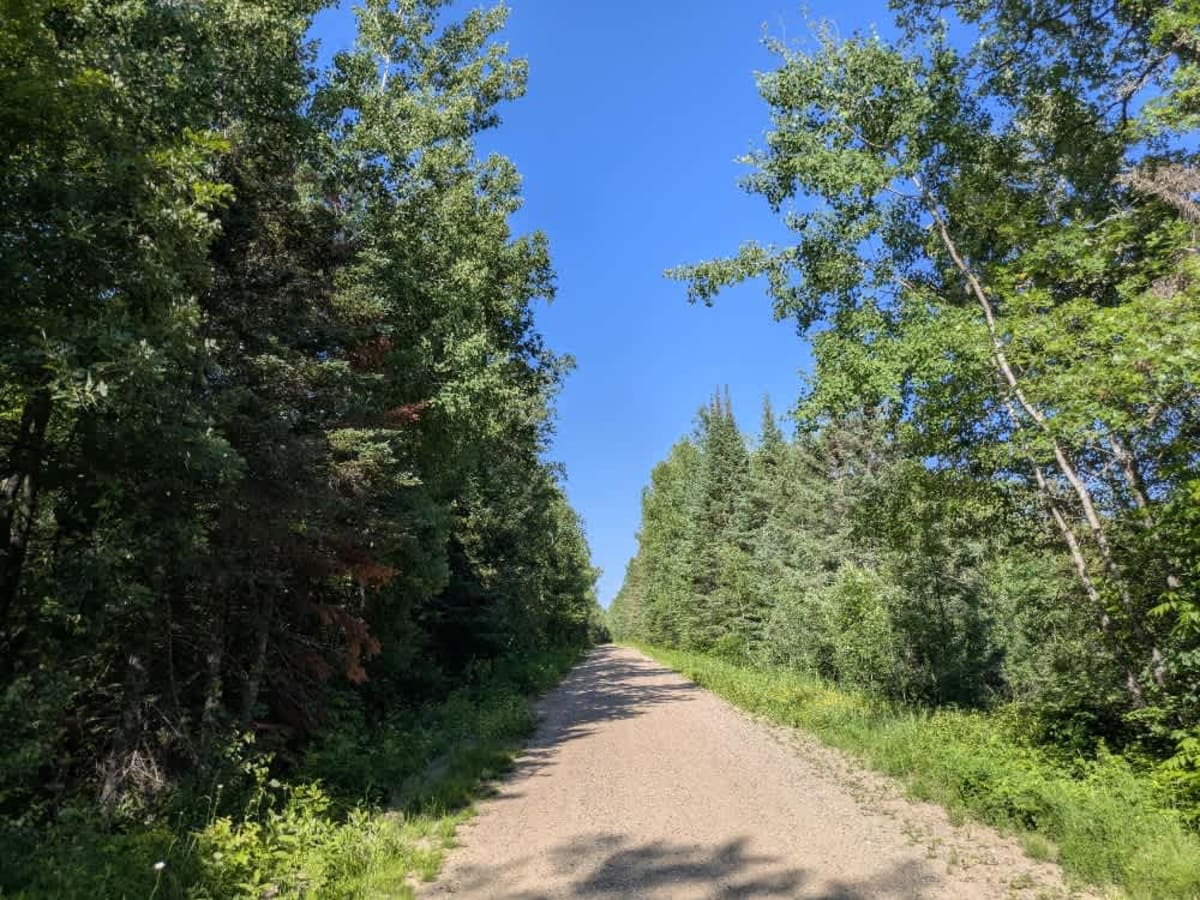
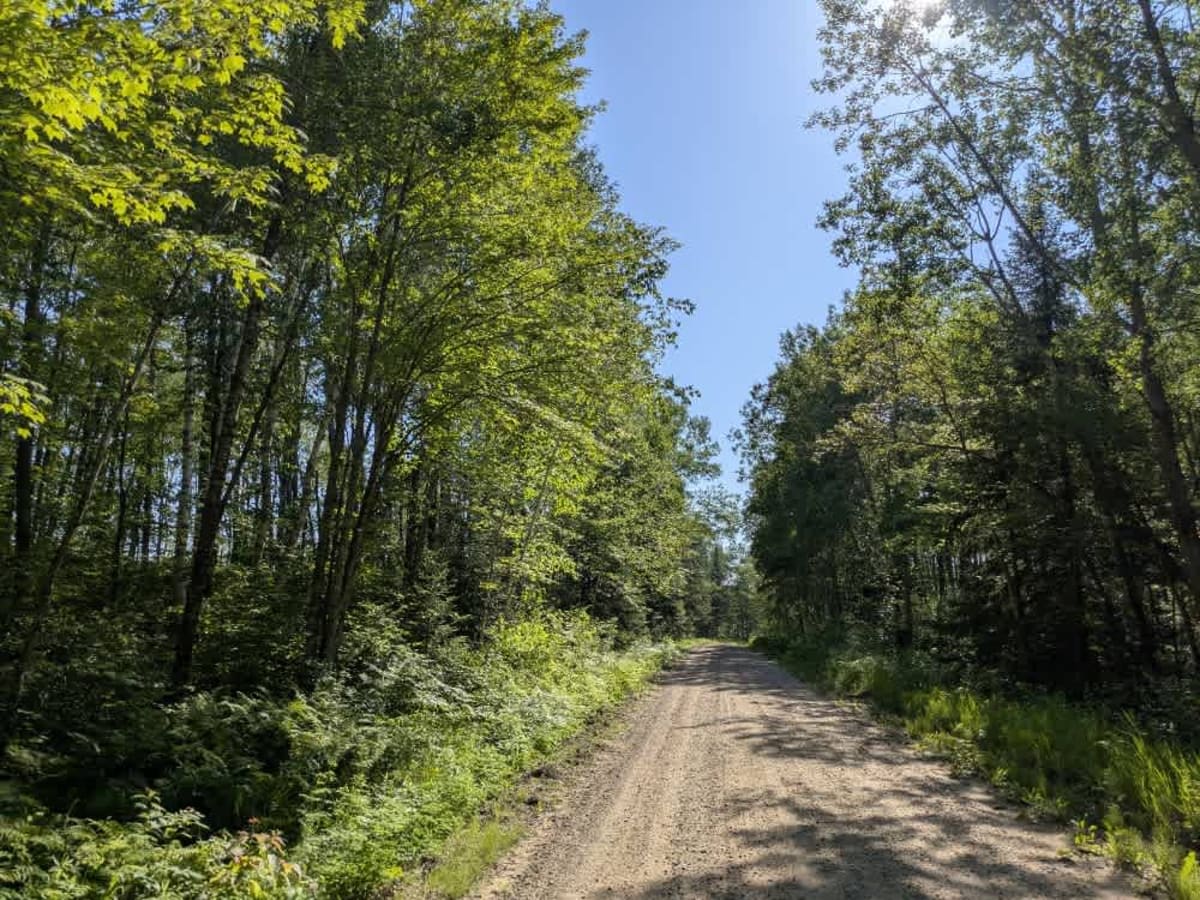
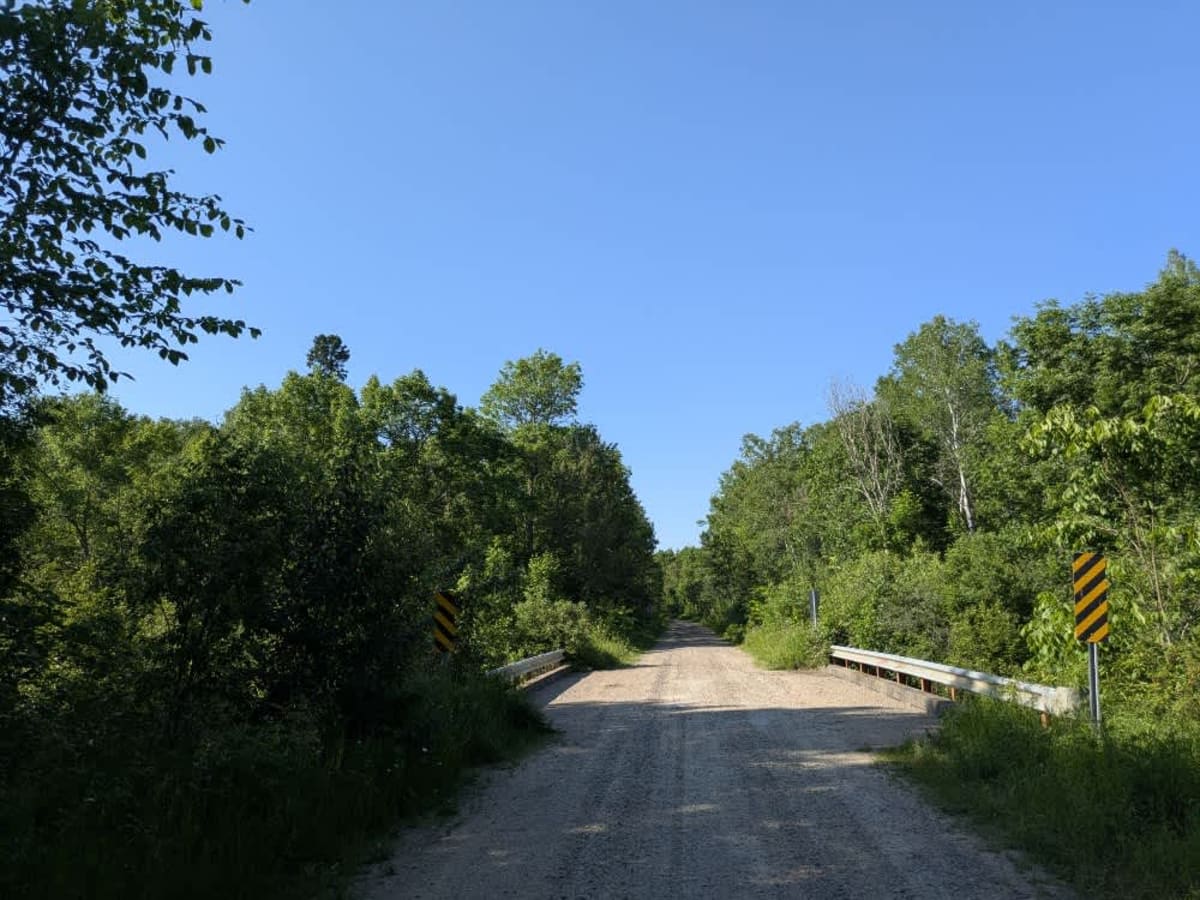
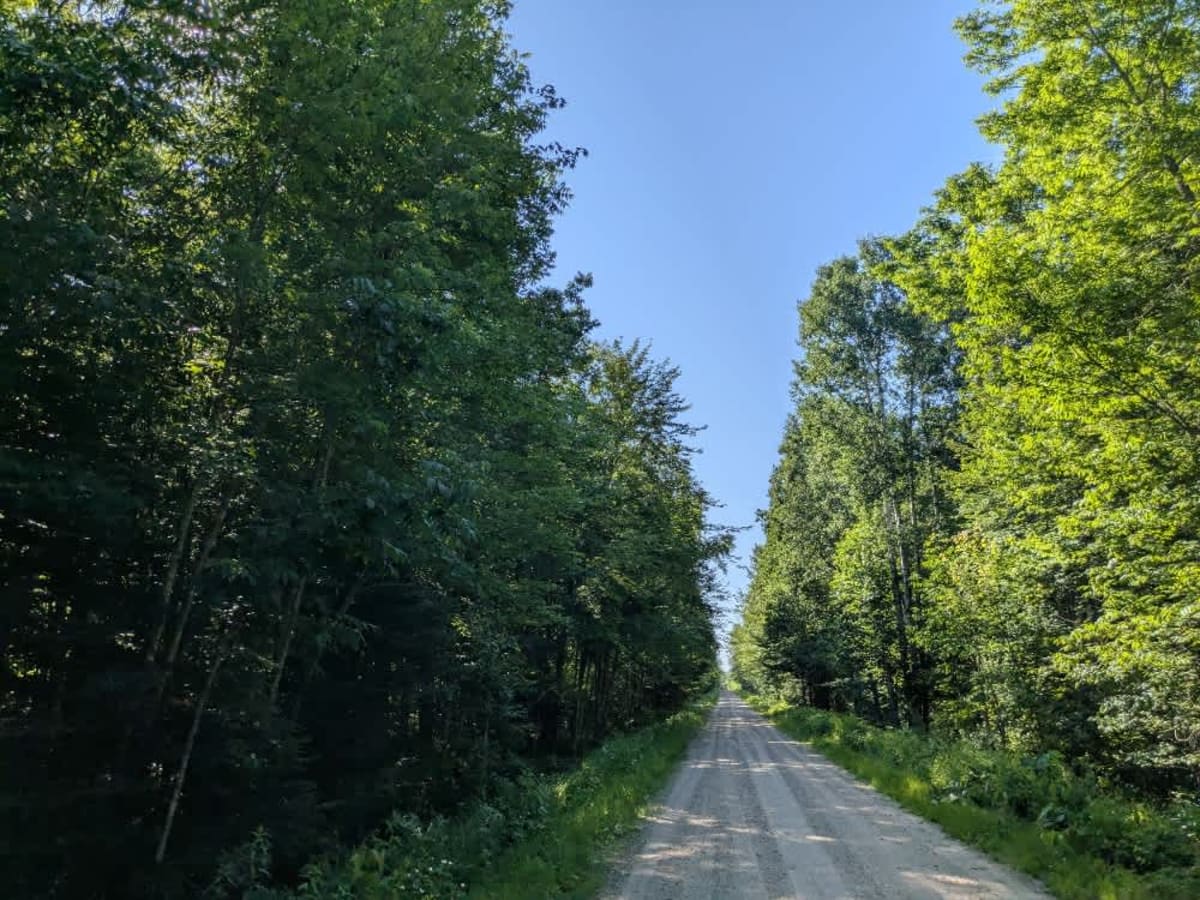
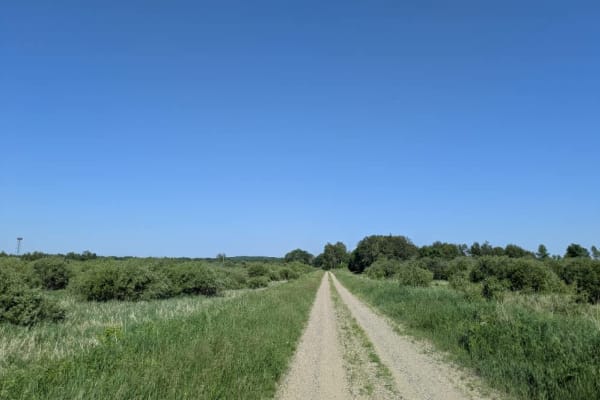
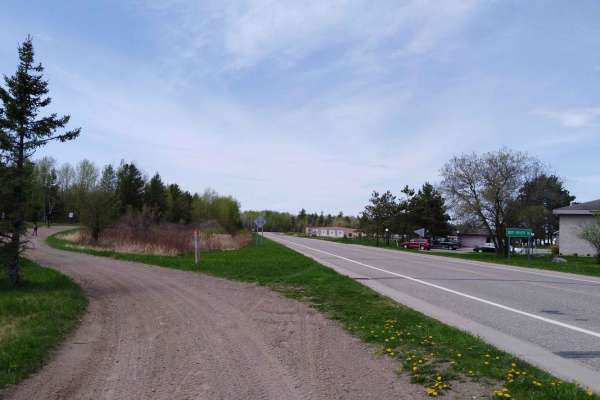
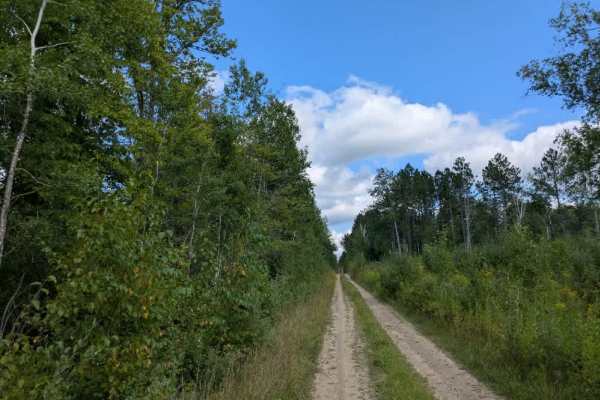
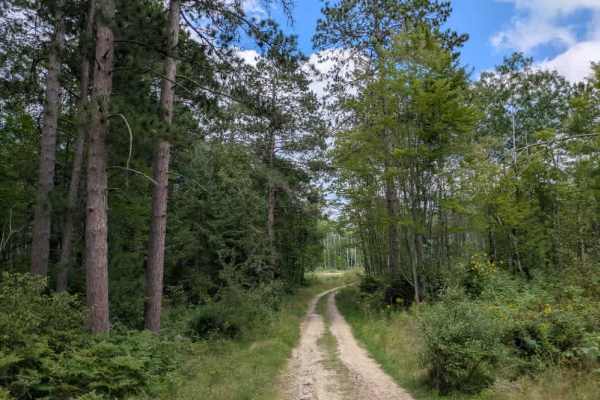
A short drive from this trail, there is a nearby town where travelers can stock up on supplies and fuel before heading out. The trail begins just off State Highway 200 as a wide, well-maintained gravel road. Early on, it passes a lake with signage prohibiting parking between marked areas, though it's common to see local residents leaving their vehicles there after launching boats. From this point, the trail leads to an intersection and then narrows significantly after passing a private residence, transitioning into an OHV trail. This narrower portion is sandy, smooth, and gently winding through the forest. While the trail is generally in good condition, long sections are overgrown, with dense vegetation forming a shaded canopy overhead. Wildlife is frequently observed in this area, including deer, hares, and a variety of birds. A few faint, overgrown trails branch off into the surrounding forest, and several hiking paths cross the route, most likely used by hunters. There are no formal or informal camping areas along the trail, and it lacks amenities such as potable water and waste disposal. Cell phone coverage may be spotty or unavailable for much of the route.
History
Covering more than 1.6 million acres of glacial lakes, red-pine uplands, and sphagnum bogs, Minnesota's Chippewa National Forest lets motorists experience the North Woods at an unrushed pace. Paved state highways soon yield to a lattice of numbered forest roads, most of them well-graded gravel that thread between kettle ponds and stands of towering white pine, the tree that helped earn the forest its 1908 designation as one of America's first national forests. The forest harbors one of the highest breeding densities of bald eagles in the continental United States, and patient drivers often glimpse loons, black bears, and white-tailed deer as they move from shoreline to clear-cut regrowth and back again.

 Offroad