Trail Overview
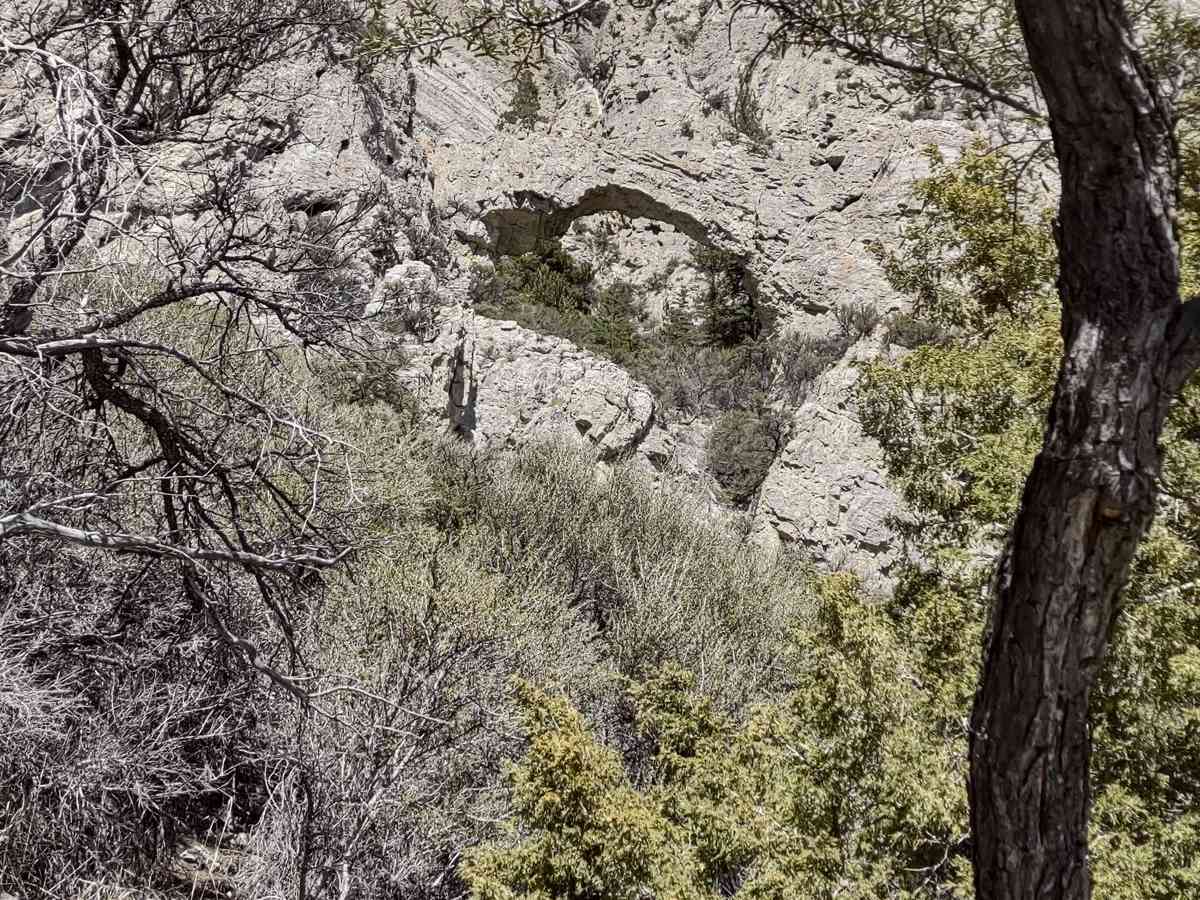
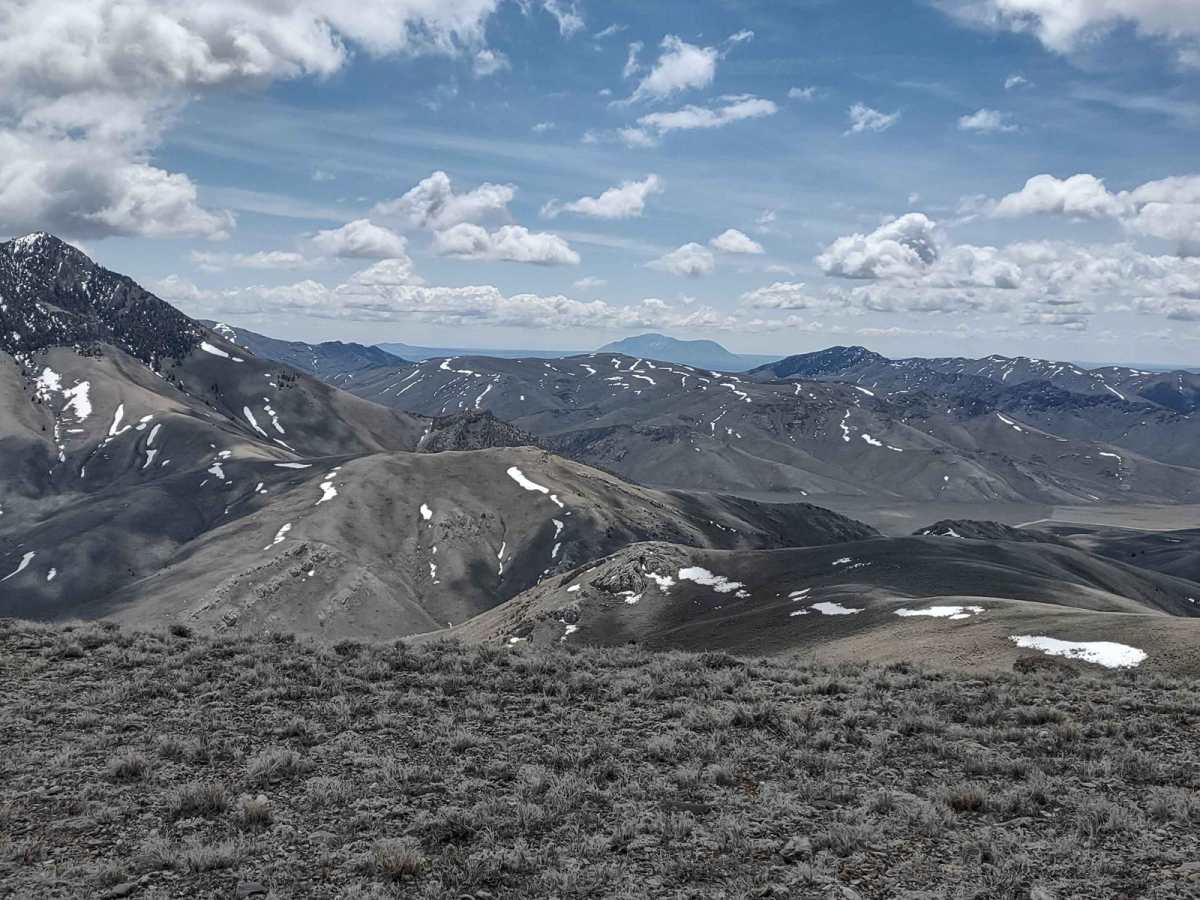
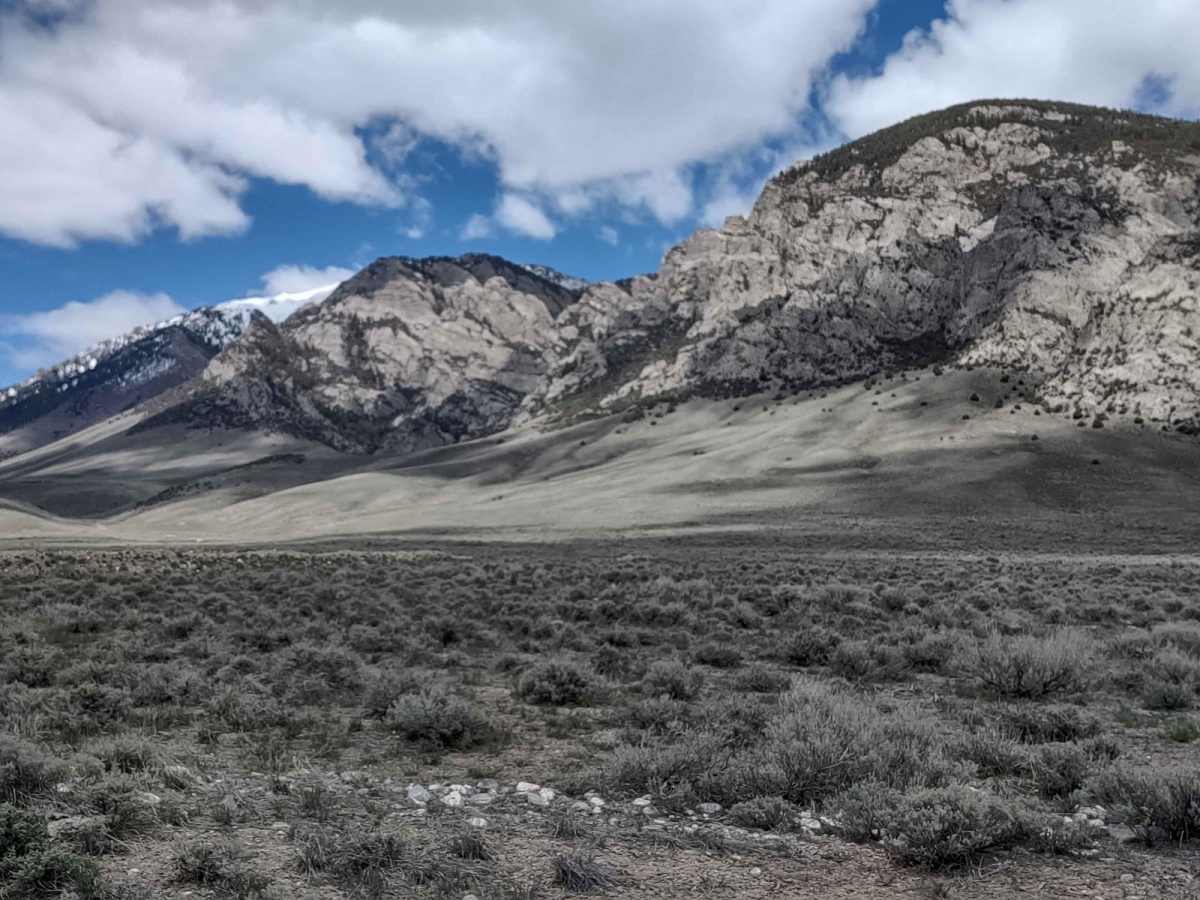
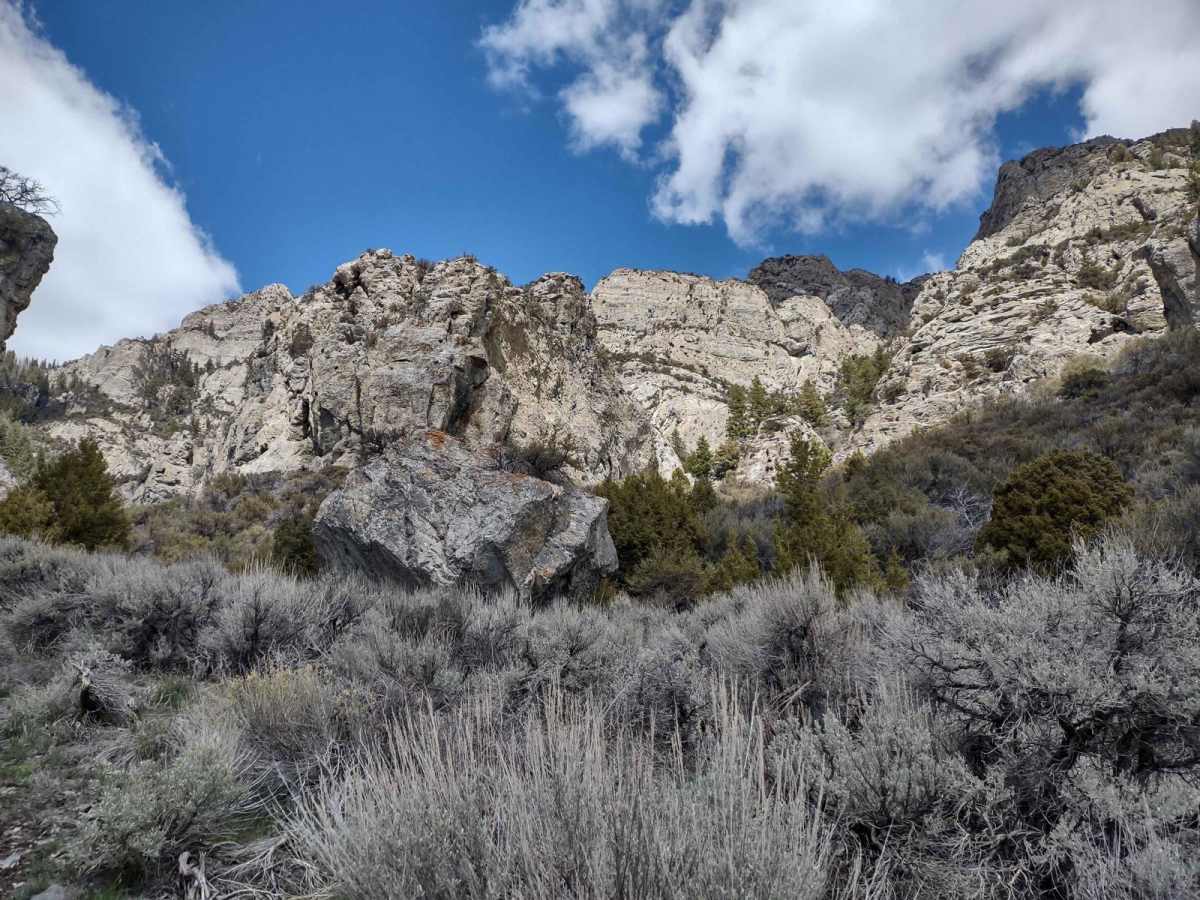
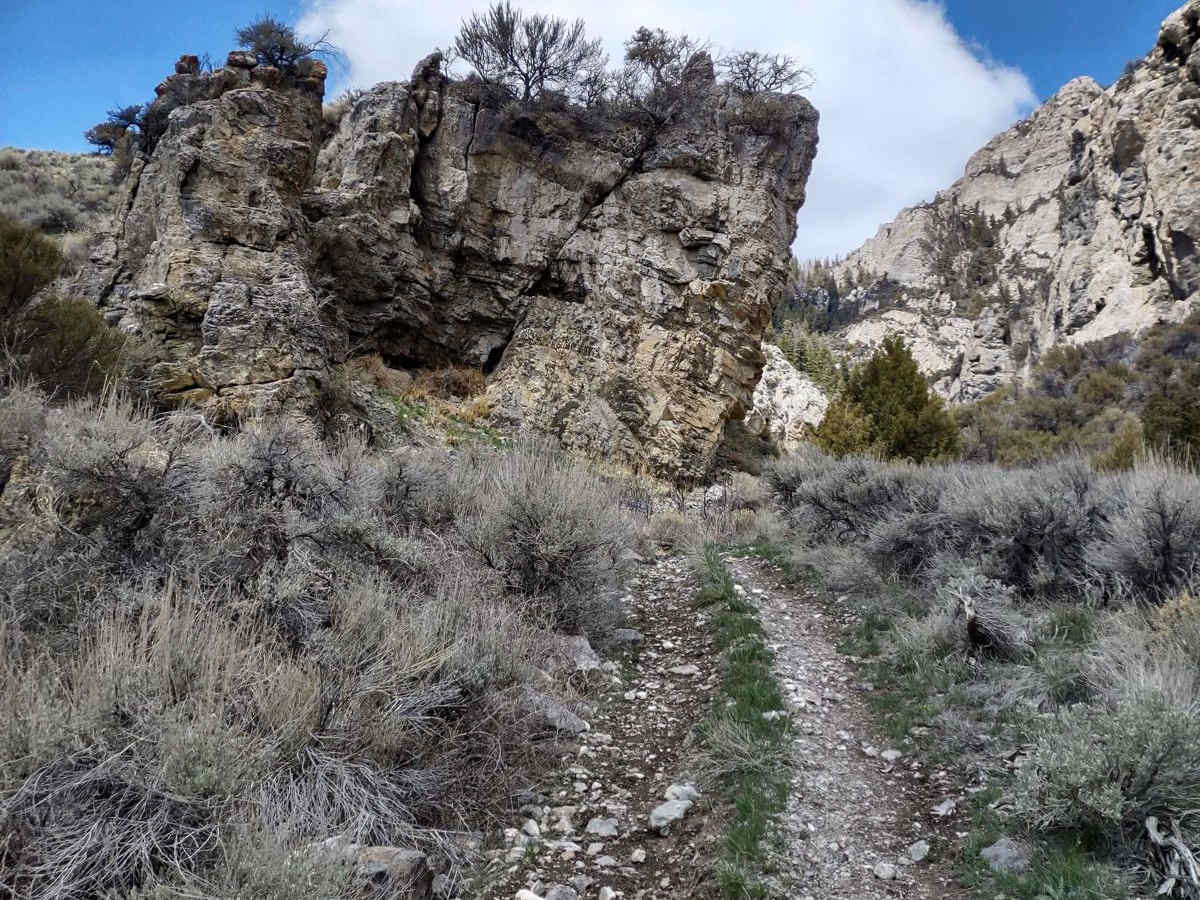
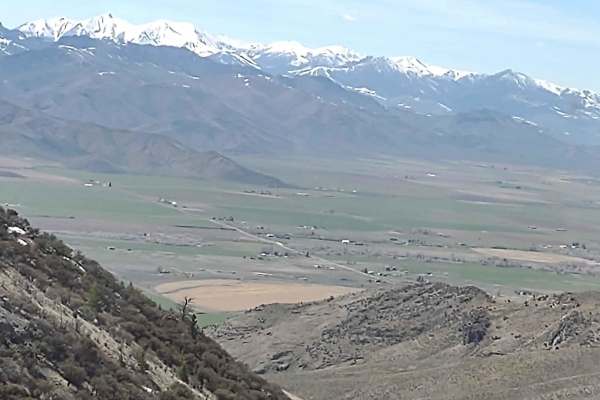
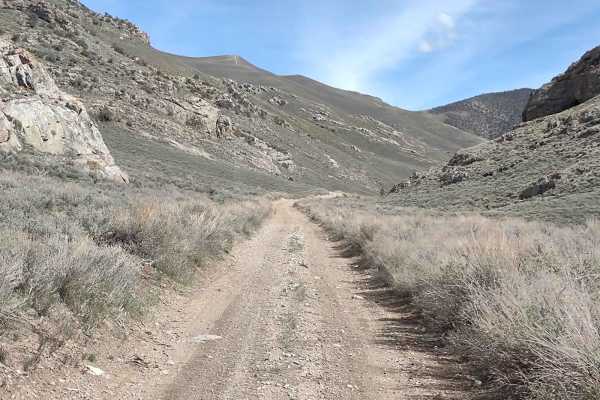
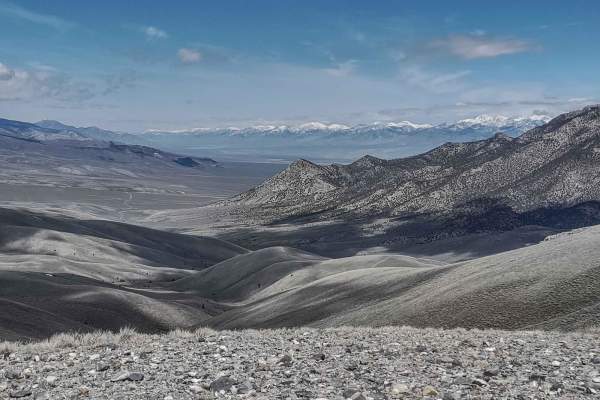
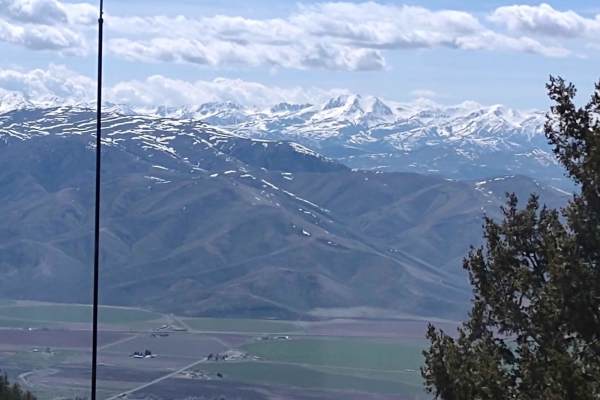
This scenic 3.2-mile trail in the Salmon-Challis National Forest is perfect for beginners and families seeking an easy offroad drive paired with a rewarding short hike to a stunning geological formation. Starting near Brier Canyon at an elevation of 5,850 feet, the route climbs steadily through rugged high-desert terrain up to 7,423 feet, offering panoramic views of the surrounding Lost River Range. The trail is well-suited for high-clearance four-wheel-drive vehicles and SxSs, making it an accessible adventure for most recreationists. Along the way, the path navigates moderate elevation gains before reaching the trailhead for the hike to the Natural Arch.
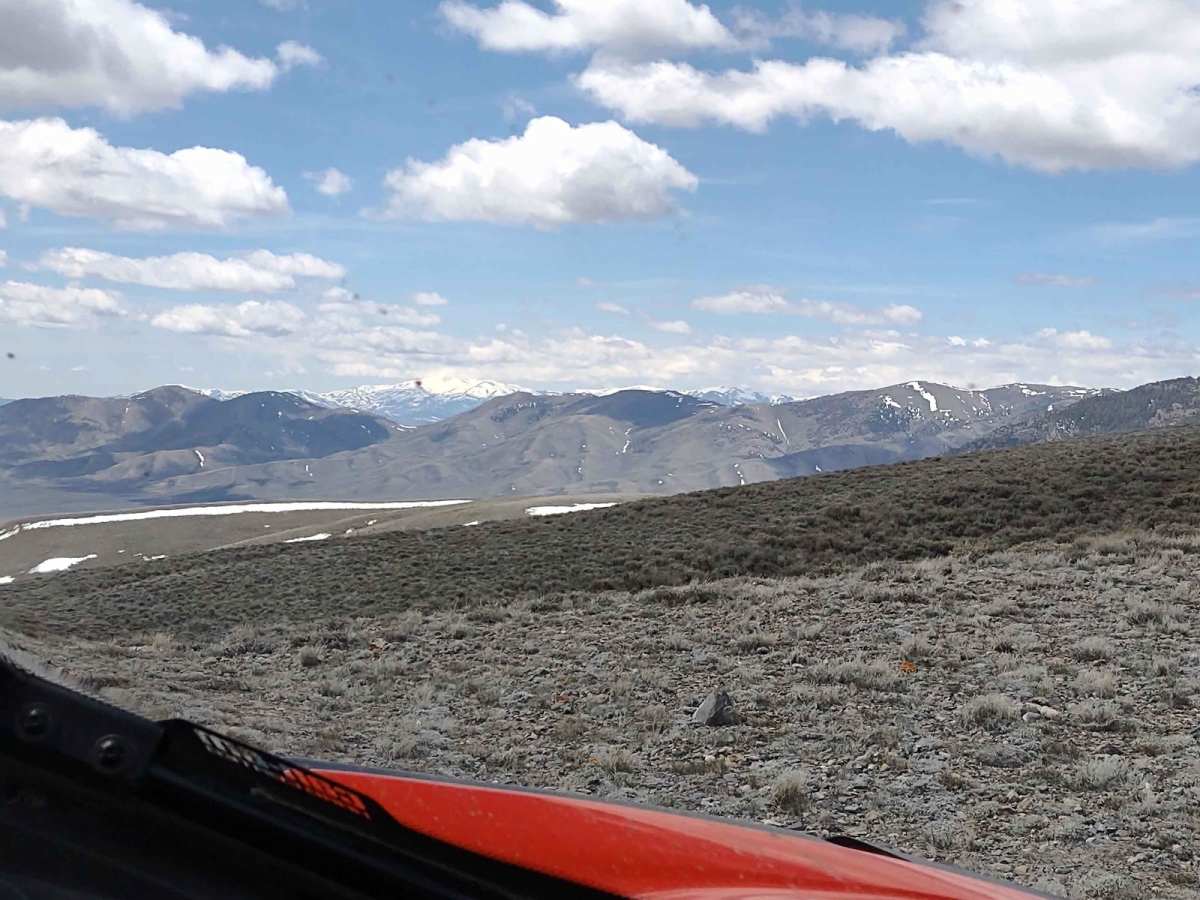
The drive itself is rated easy when dry, though spring travelers should prepare for muddy sections, runoff-induced erosion, and lingering snowbanks that can block passage before May. Once at the end of the motorized track, visitors can embark on a steep, one-mile foot trail featuring built-in steps to catch a close-up view of the magnificent Natural Arch. Since this trail connects to a vast network of offroad paths within the Salmon-Challis National Forest, riders can easily extend their journey into a full-day excursion. Be sure to bring plenty of water and wear sturdy hiking boots to fully enjoy both the drive and the climb to the arch.
Difficulty
Mud and snow are the only obstacles on this trail in the springtime. It's an easy trail when it's dry. And the hike is about a mile, and it's steep in places. There are steps built into the trail in parts of it, and it isn't a hard hike if you have a reasonable level of fitness.
History
The Challis National Forest is an Idaho State Park, and the section of the Forest in this area covers 135K acres. In total, the Salmon-Challis National Forest covers 4.3 million acres.
Access Description
This route is located within the Salmon-Challis National Forest. While there are no entry fees or permits required to access the trail, all vehicles must comply with Idaho off-highway vehicle (OHV) registration and equipment regulations. The route is highly seasonal, with snow often blocking passage well into early May.

 Offroad