Trail Overview
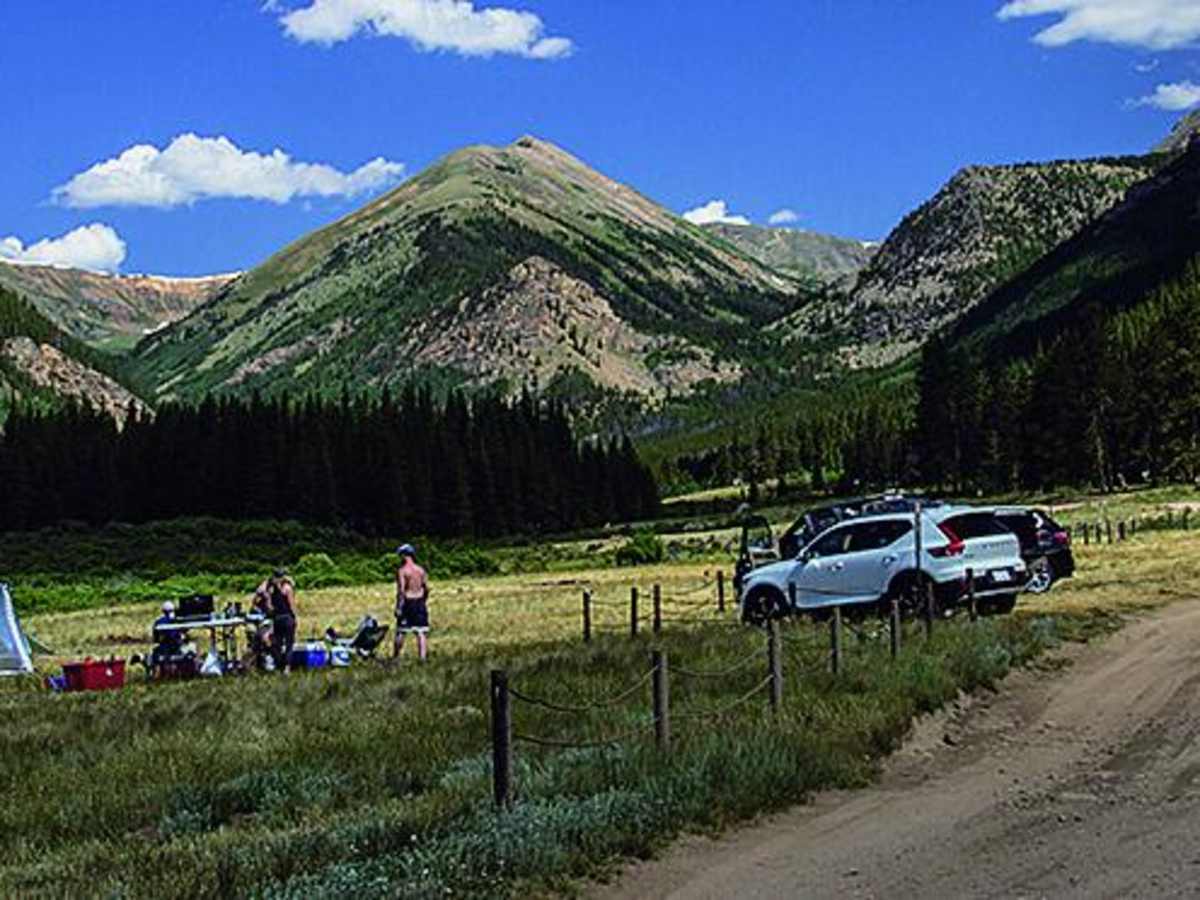
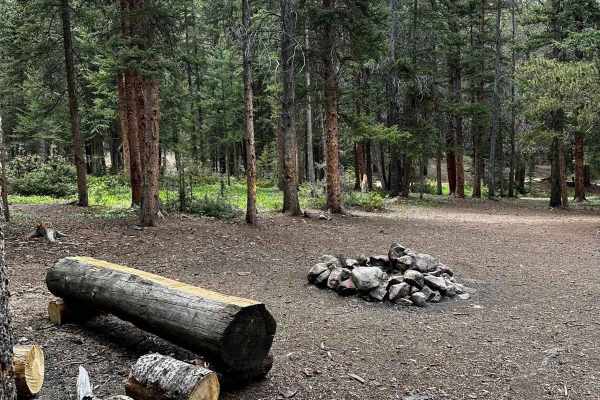
Geneva Creek is a moderately challenging trail that is perfect for scenic-focused offroaders and campers looking to explore a historic, high-altitude valley near Guanella Pass. Spanning approximately 6.7 miles, this route climbs from an elevation of 9,744 feet to a high point of 11,688 feet, gaining roughly 1,960 feet along its course. The first 4.6 miles are relatively bumpy but accessible for most standard passenger cars, making it a popular corridor for dispersed camping with plenty of designated spots and a fee-based campground. Beyond this point, the terrain becomes significantly steeper, narrower, and rockier, demanding higher-clearance four-wheel-drive vehicles to navigate safely.
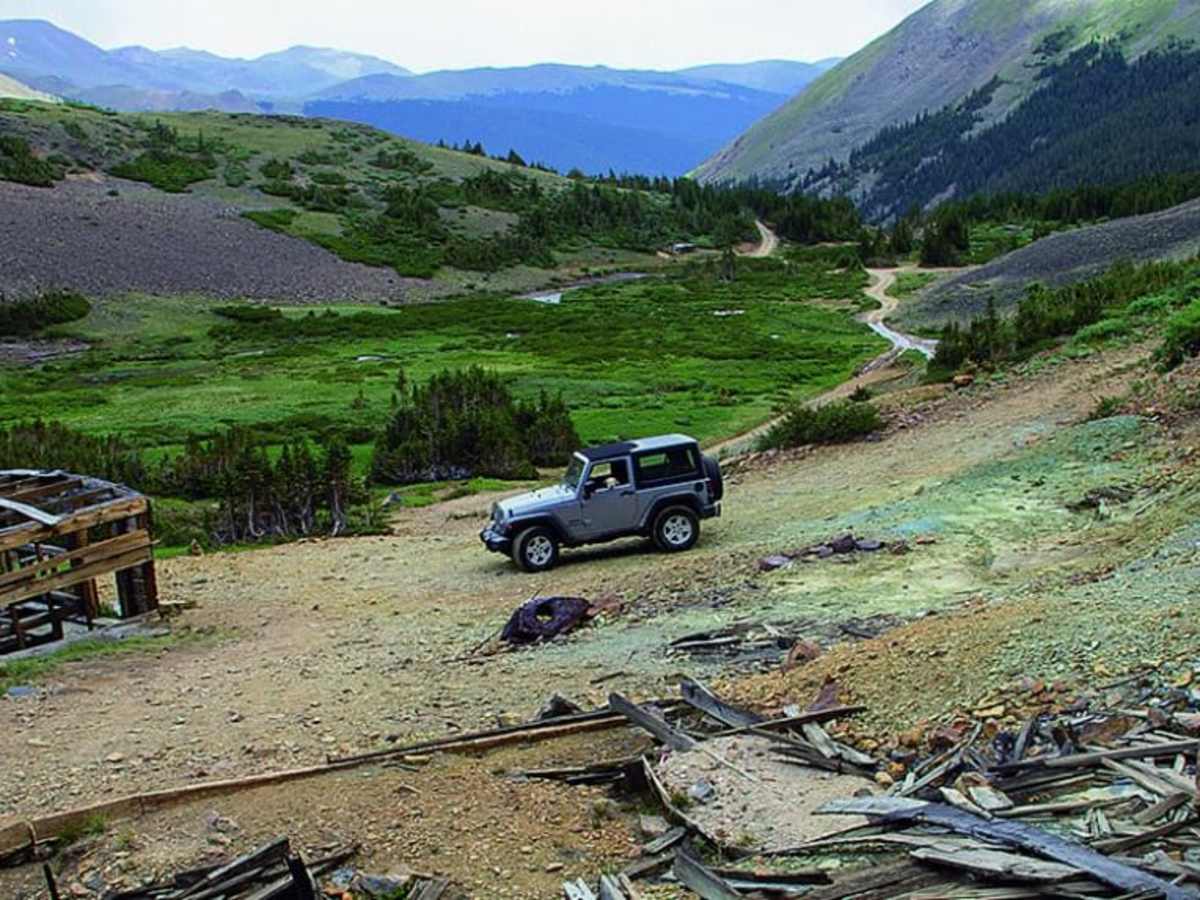
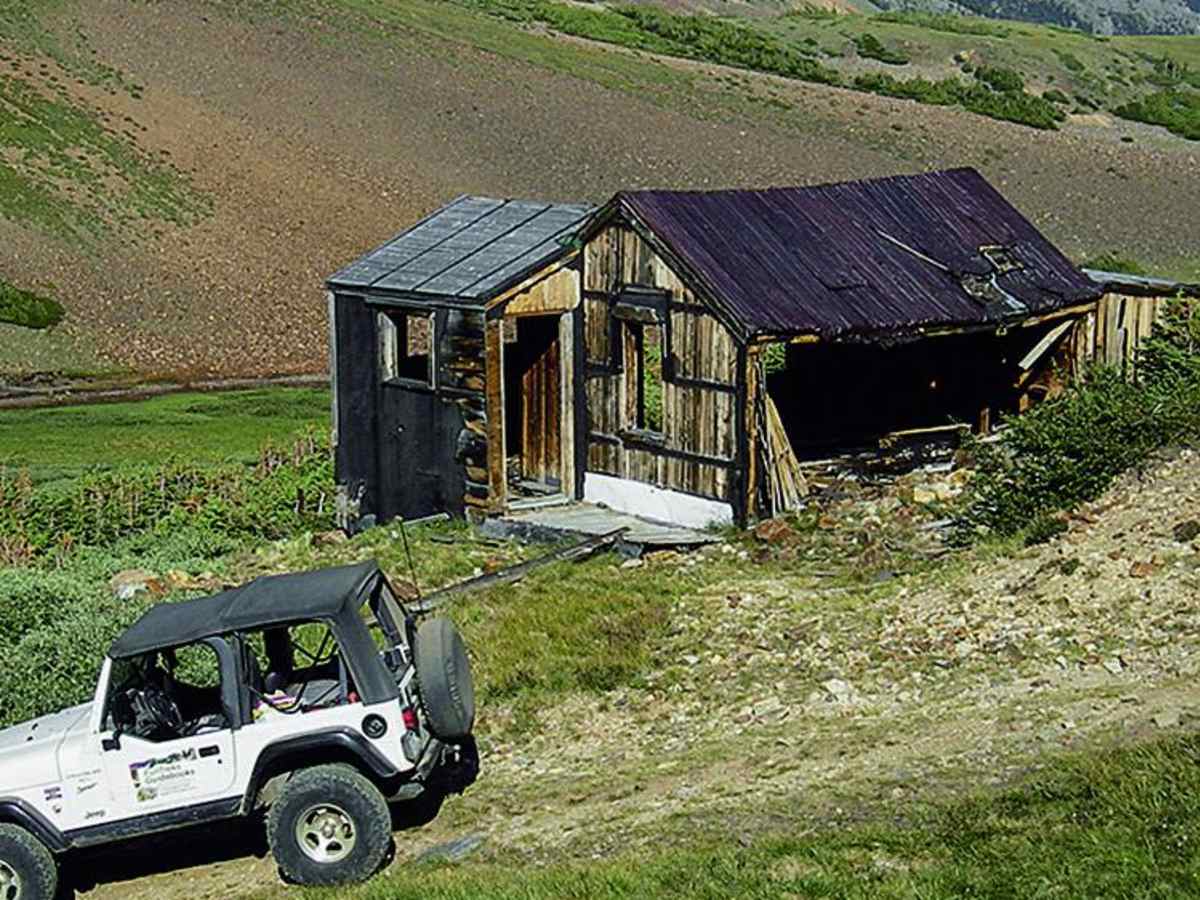
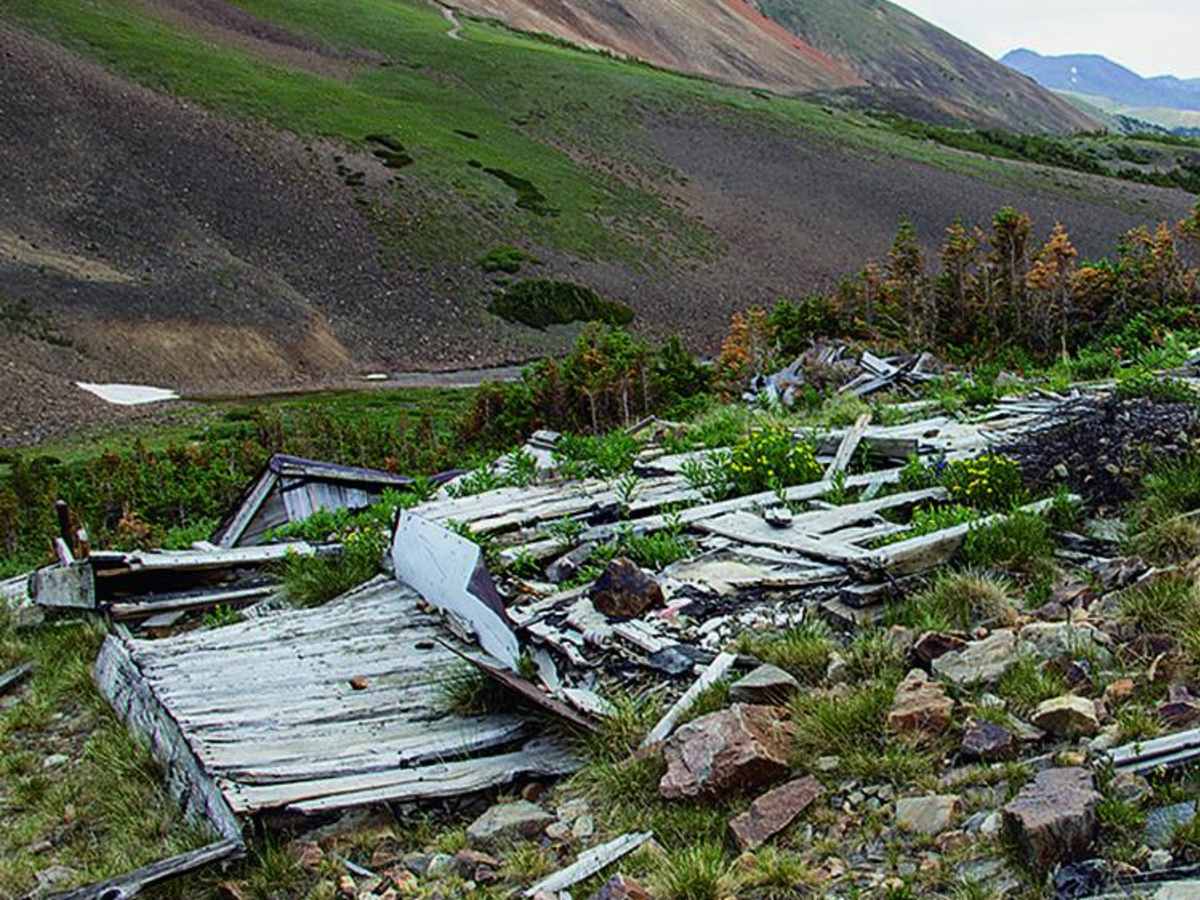
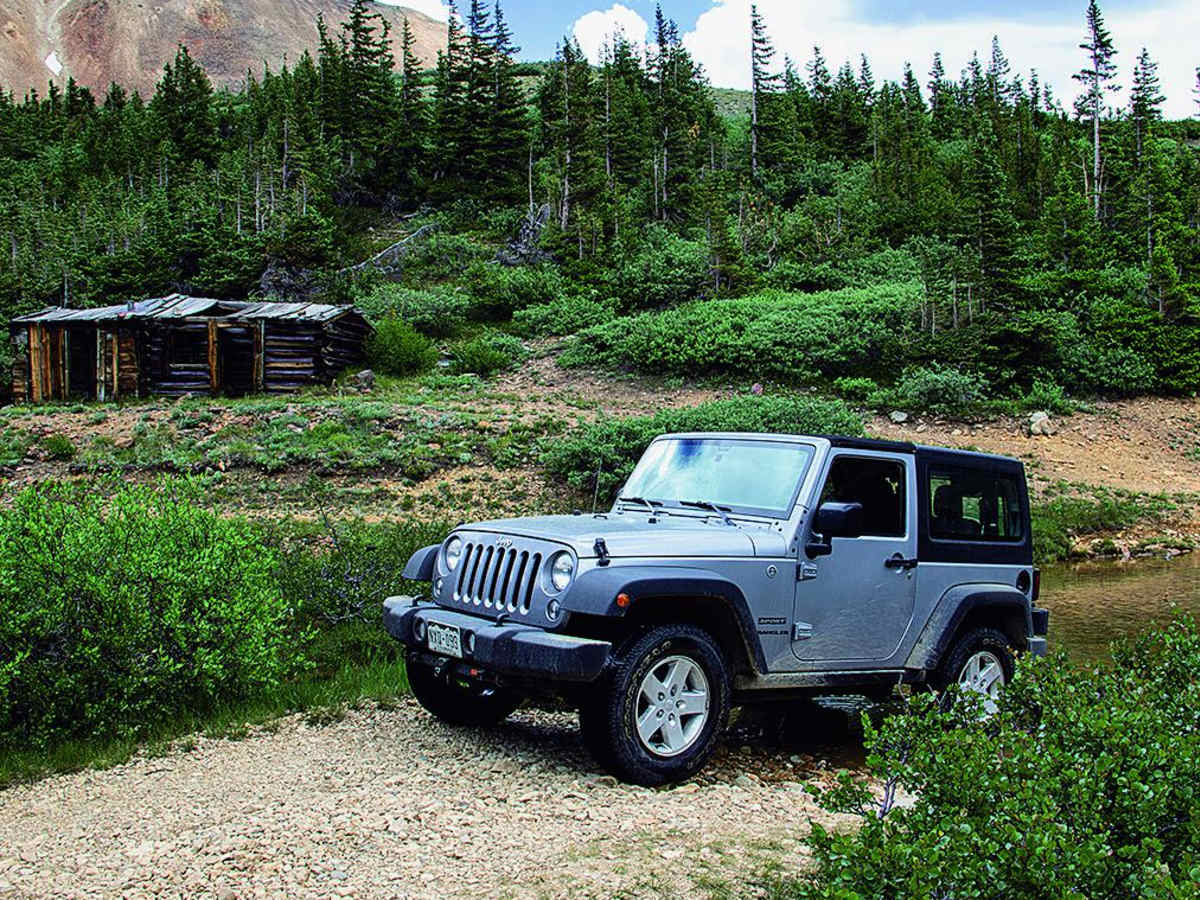
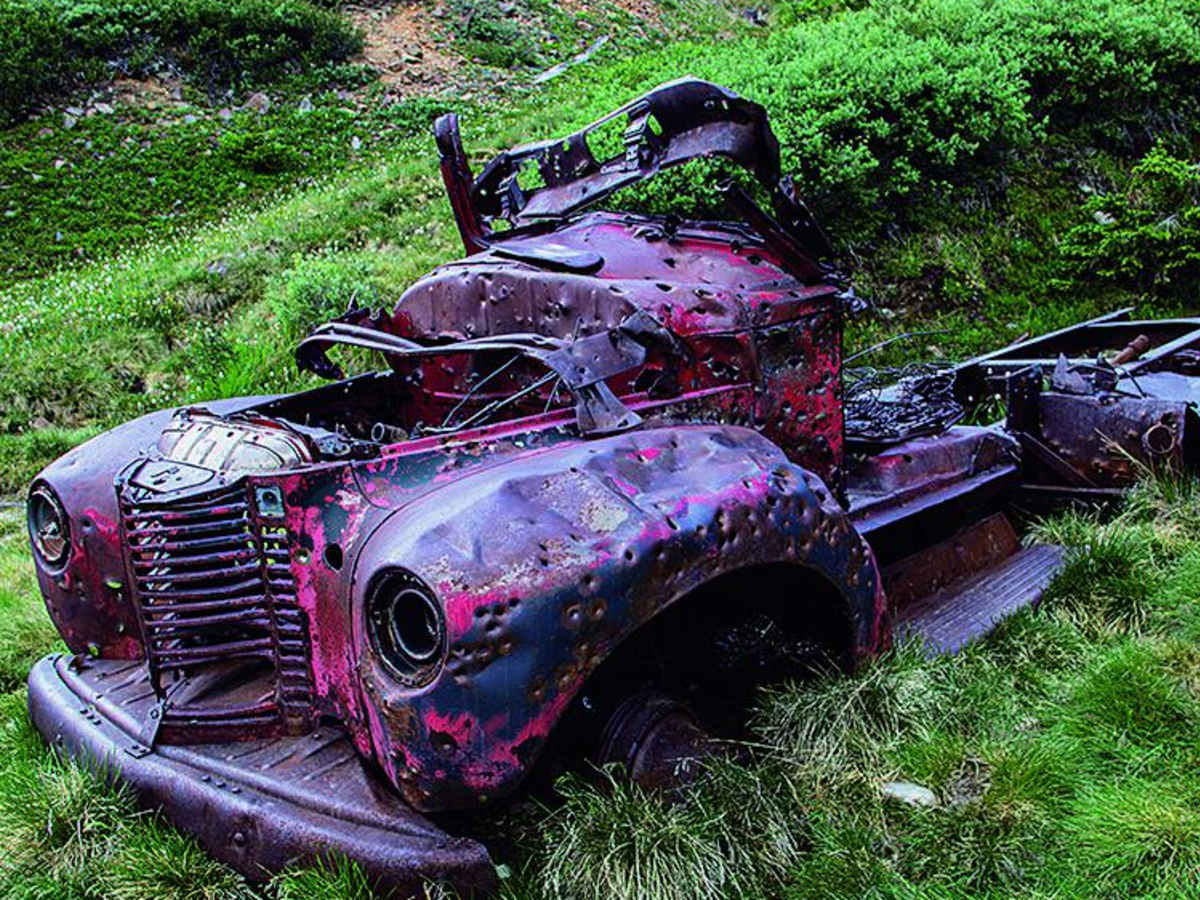
As the trail ascends, drivers will encounter muddy sections and creek crossings that can run deep during the peak spring runoff season. This route offers incredible access to outdoor activities like hiking, mountain biking, hunting, fishing, and horseback riding in the surrounding valley. History enthusiasts will appreciate passing through the historic area of Geneva City, an 1870s mining town where several small cabins still stand, along with the remains of an old smelter at the bottom of Smelter Gulch and an abandoned truck at an old mine. To reach the trailhead, take Highway 62 from Georgetown or Grant, turning onto Forest Service Road 119 near mile marker 7 on the south side of Guanella Pass.
Difficulty
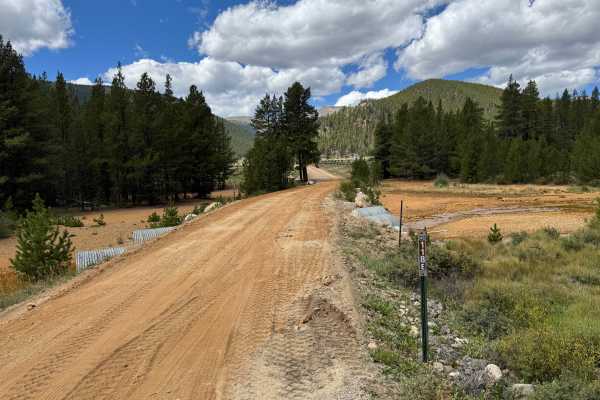
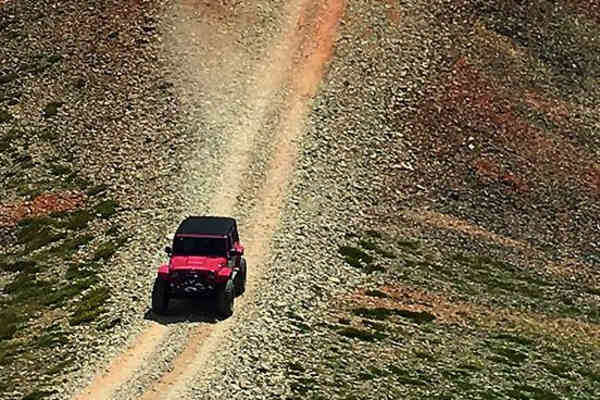
Moderate. First 4.6 miles is bumpy but doable in most cars. We saw large camping trailers within the first few miles. After Wpt. 02, the road gets rockier, narrower and steeper. Creek crossings may be deep during spring runoff. Muddy spots.
History
Several small cabins mark the general location of Geneva City, built in the 1870s. A smelter, built later at the bottom of Smelter Gulch, allowed the town to process its own ore. The silver crash in 1893 crippled the town, which ceased all Old truck at mine at Waypoint 04. operations by the turn of the century.
Access Description
Dispersed camping is free in designated spots along the trail, while camping in the campground requires a fee. Standard passenger vehicles can handle the first 4.6 miles, but high-clearance four-wheel-drive vehicles are required for the rockier, steeper, and narrower sections further up. Deep creek crossings and mud can be expected during the spring runoff.

 Offroad