Trail Overview
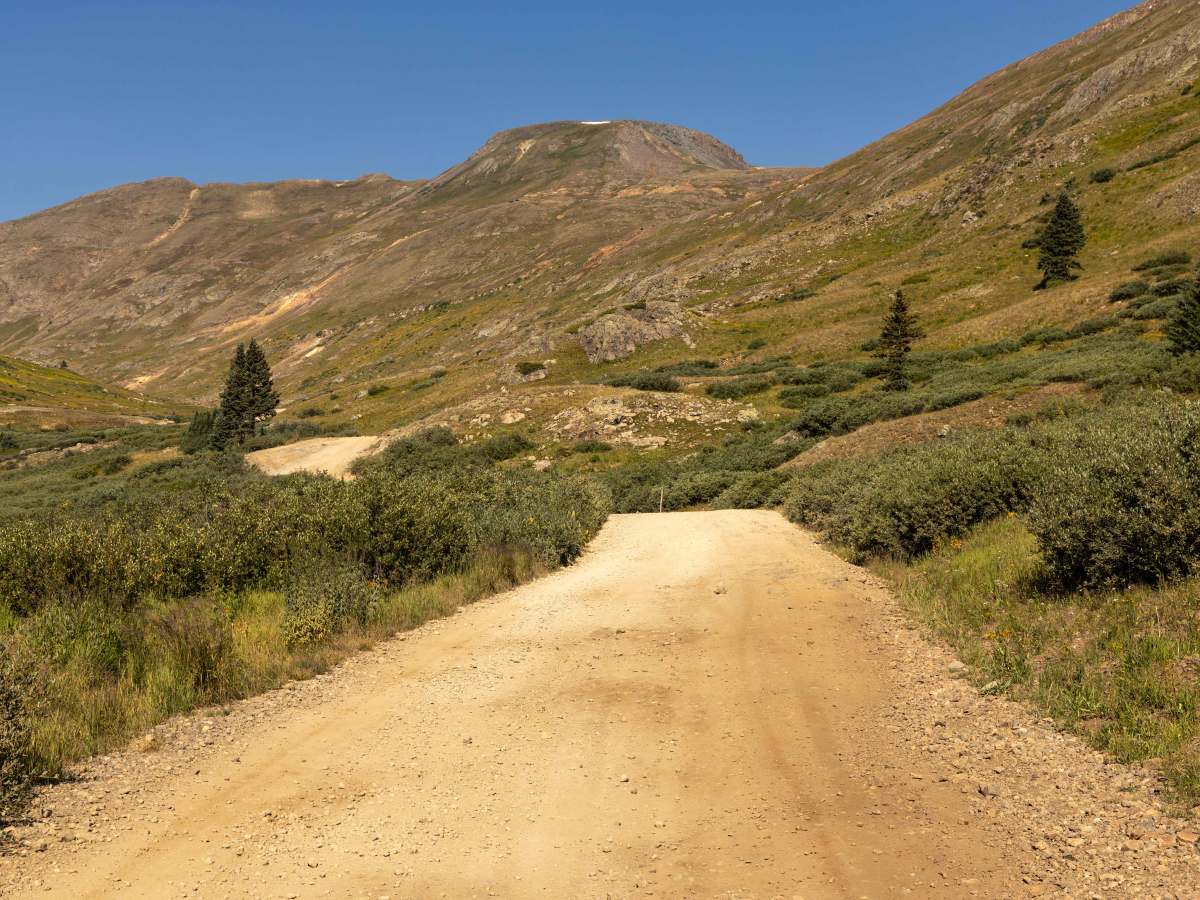
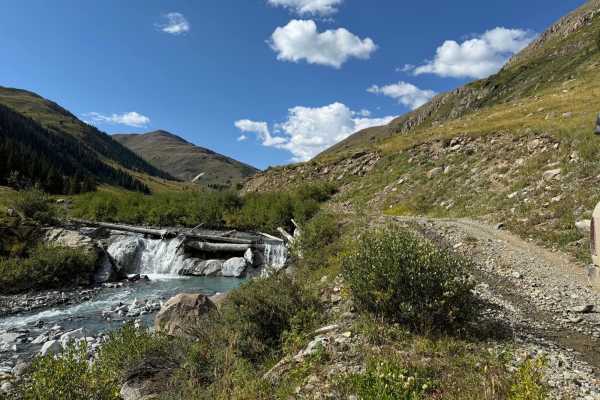
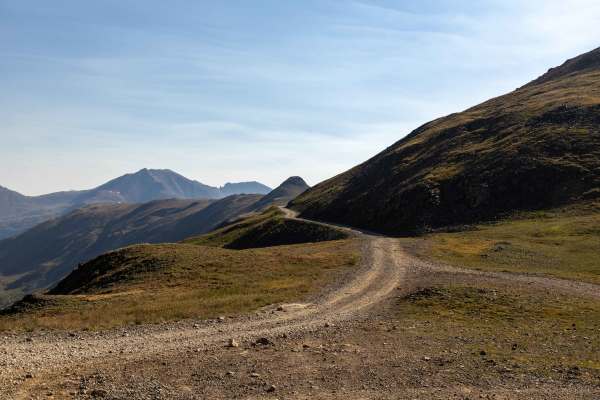
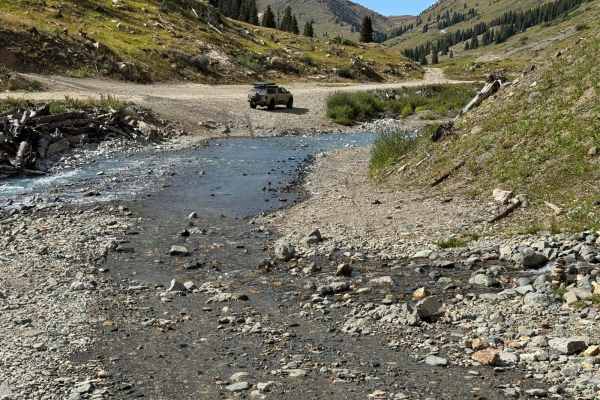
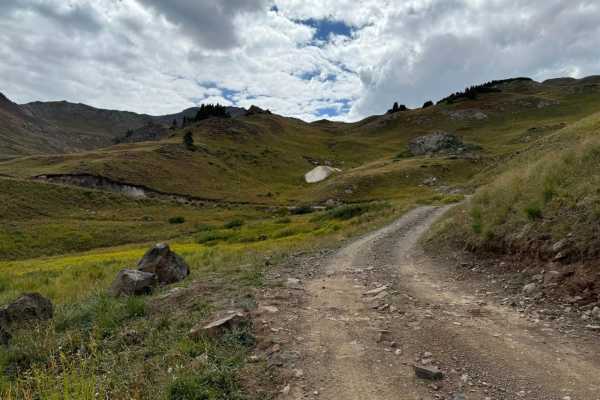
California Gulch is an ideal high-alpine route for stock four-wheel-drive vehicles and high-clearance SUVs seeking spectacular scenery and historical mining ruins in Colorado's rugged San Juan Mountains. This roughly five-mile trail climbs from an elevation of 10,988 feet up to a breathtaking 12,928 feet, gaining nearly 1,944 feet of elevation along its rocky path. The terrain is characterized by a bumpy, unmaintained surface composed of dirt, loose gravel, exposed bedrock, and occasional slickrock patches, but it remains free of major obstacles and carries a mild technical rating of 2. Drivers will encounter tight switchbacks, narrow shelf roads, and occasional shallow water crossings near the bottom of the gulch.
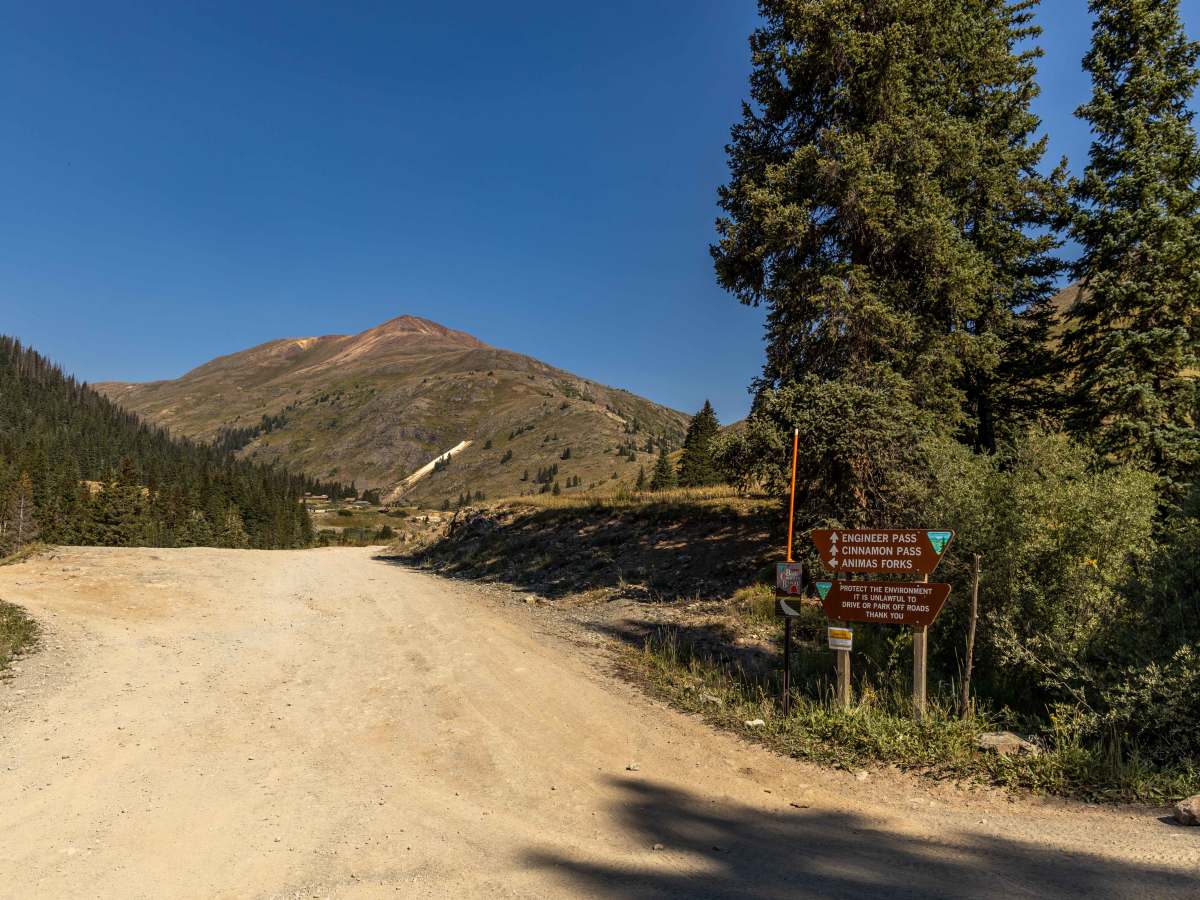
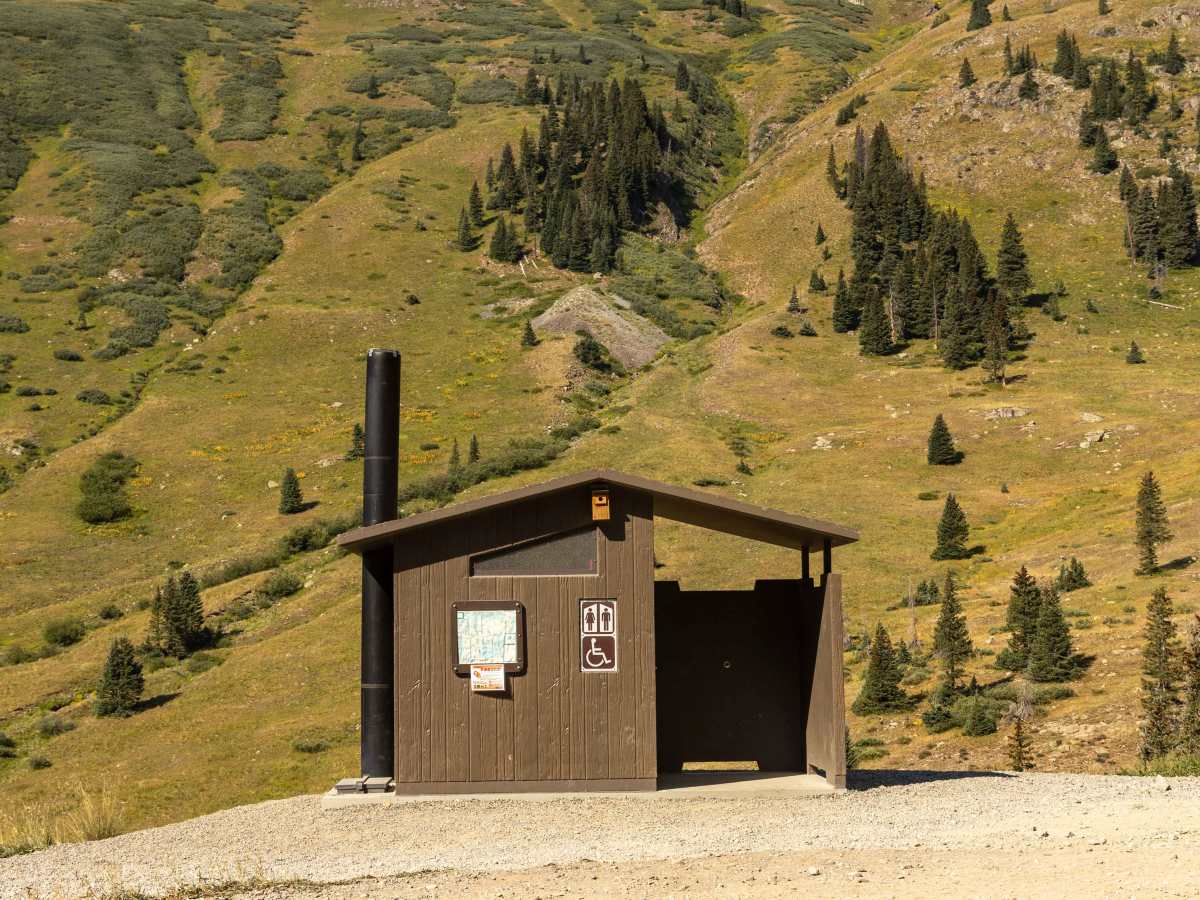
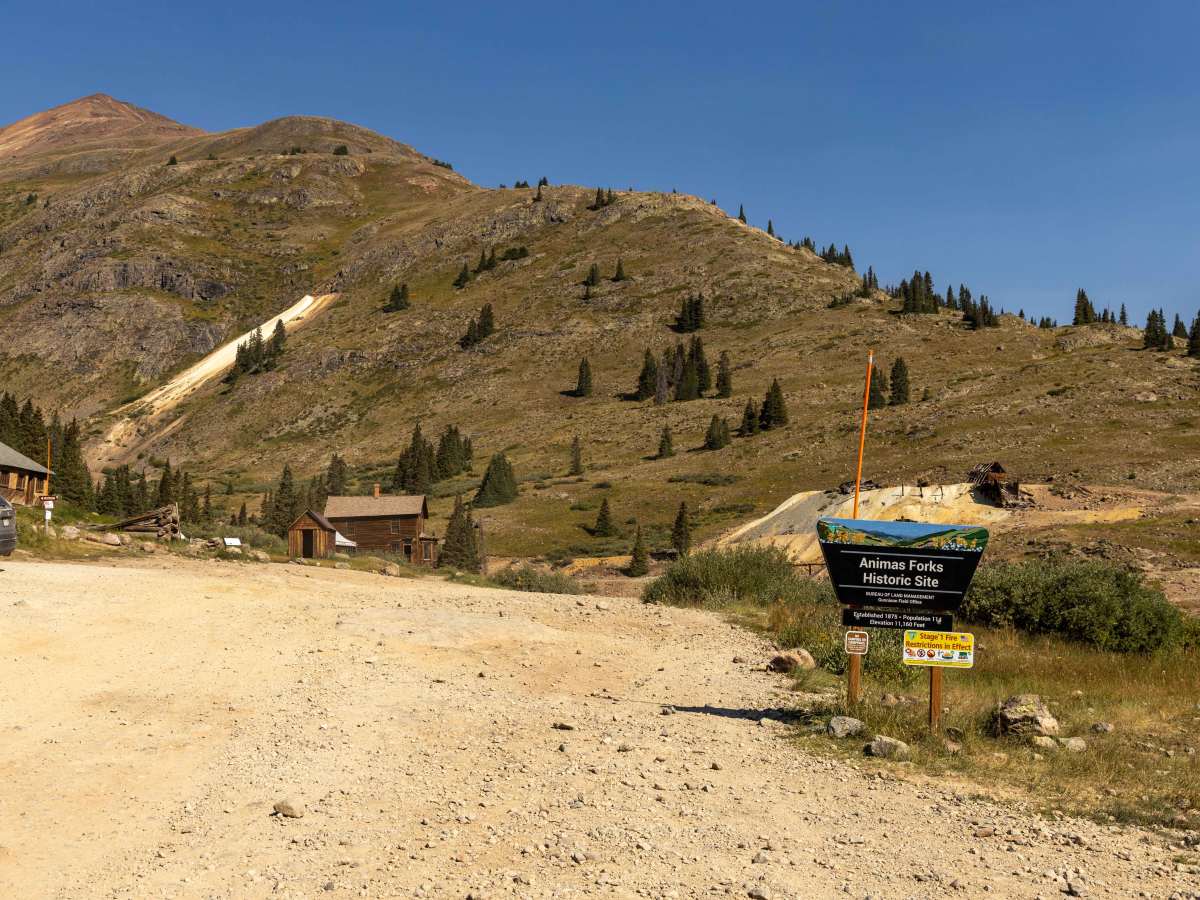
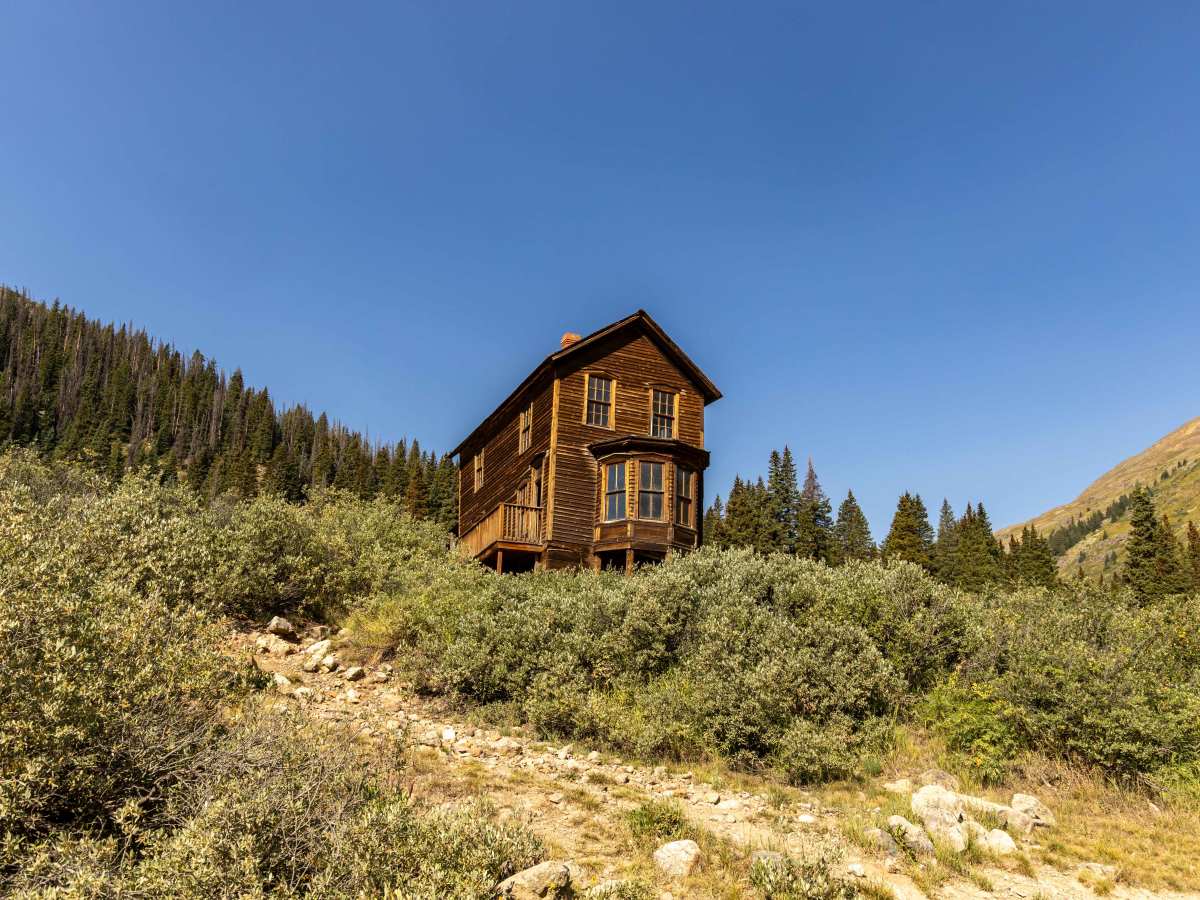
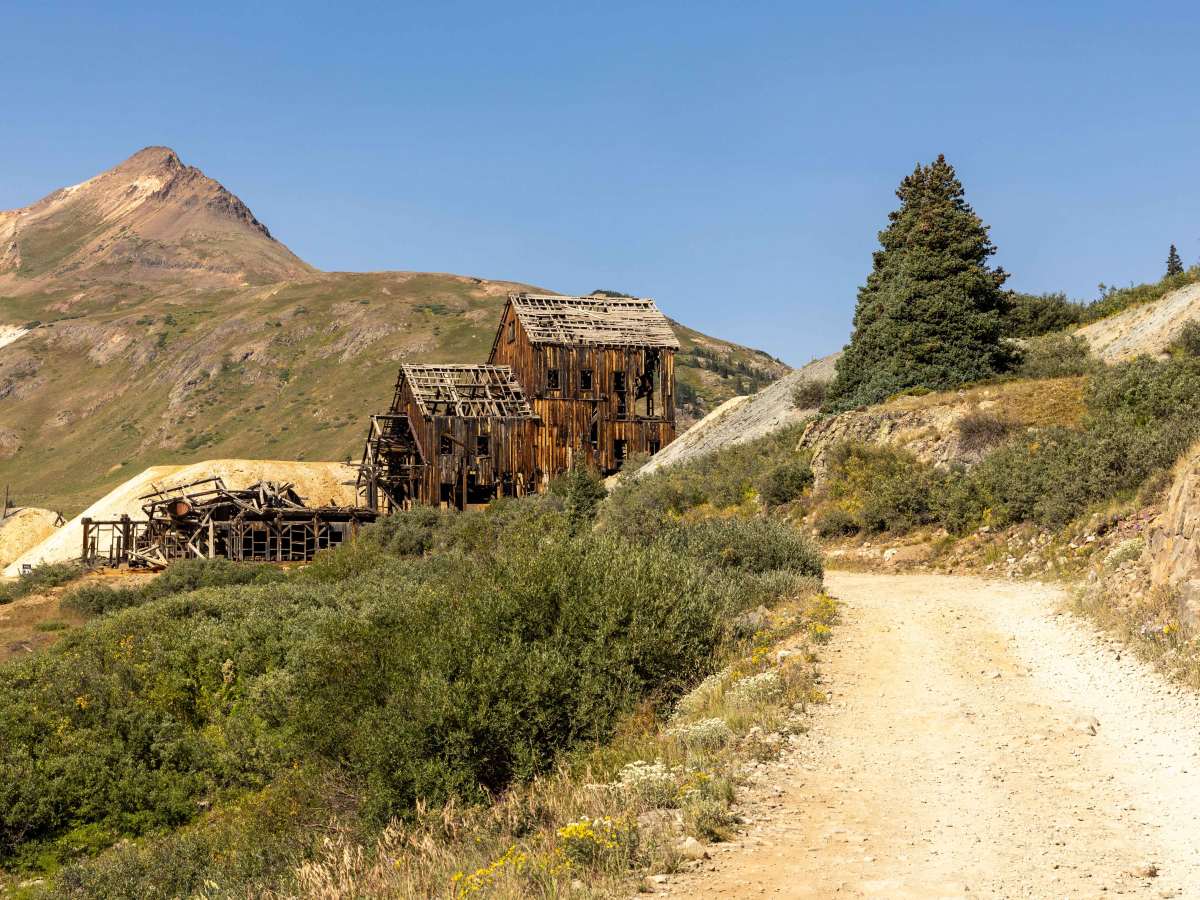
Starting from Silverton via County Road 2, the trail is well-marked and provides several spots to pull off, air down, and soak in the expansive alpine vistas. Rich in 19th-century mining history, the route passes preserved mining structures, historical remnants, and vibrant summer wildflower meadows that are frequently visited by local wildlife like marmots and pikas. At the lower end of the gulch, a pristine alpine lake provides a peaceful stopping point, complete with restrooms and parking.
Difficulty
This is an unmaintained trail that is well traveled. It is wide enough for room to pass, though it does narrow at some points on the shelf road sections that may require parties to reverse to pass. There is some water runoff near the bottom, as well as a preserved mining area, restrooms, and parking.
History
During the mid-to-late 1800s, California Gulch served as a bustling hub of early mining activity in the San Juan Mountains, where prospectors extracted silver and gold. Today, visitors can still observe preserved mining structures and historical remnants along the trail, interspersed with high-alpine meadows, summer wildflowers, and native wildlife such as marmots and pikas.
Access Description
Since the trail reaches elevations near 13,000 feet, winter snowpack typically keeps the route closed until late June or July. No fees or permits are required to drive the route, but vehicles must be street-legal or have appropriate Colorado OHV permits.