Trail Overview
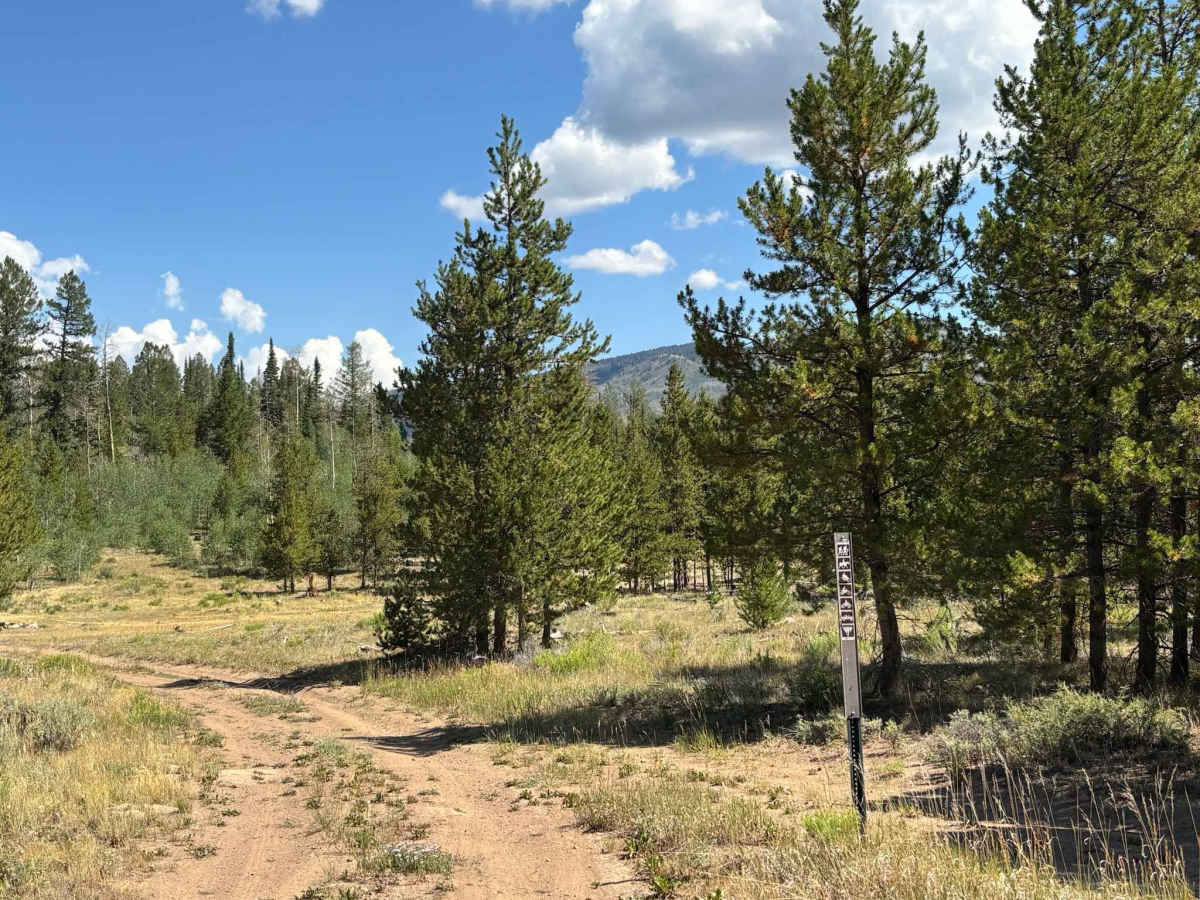
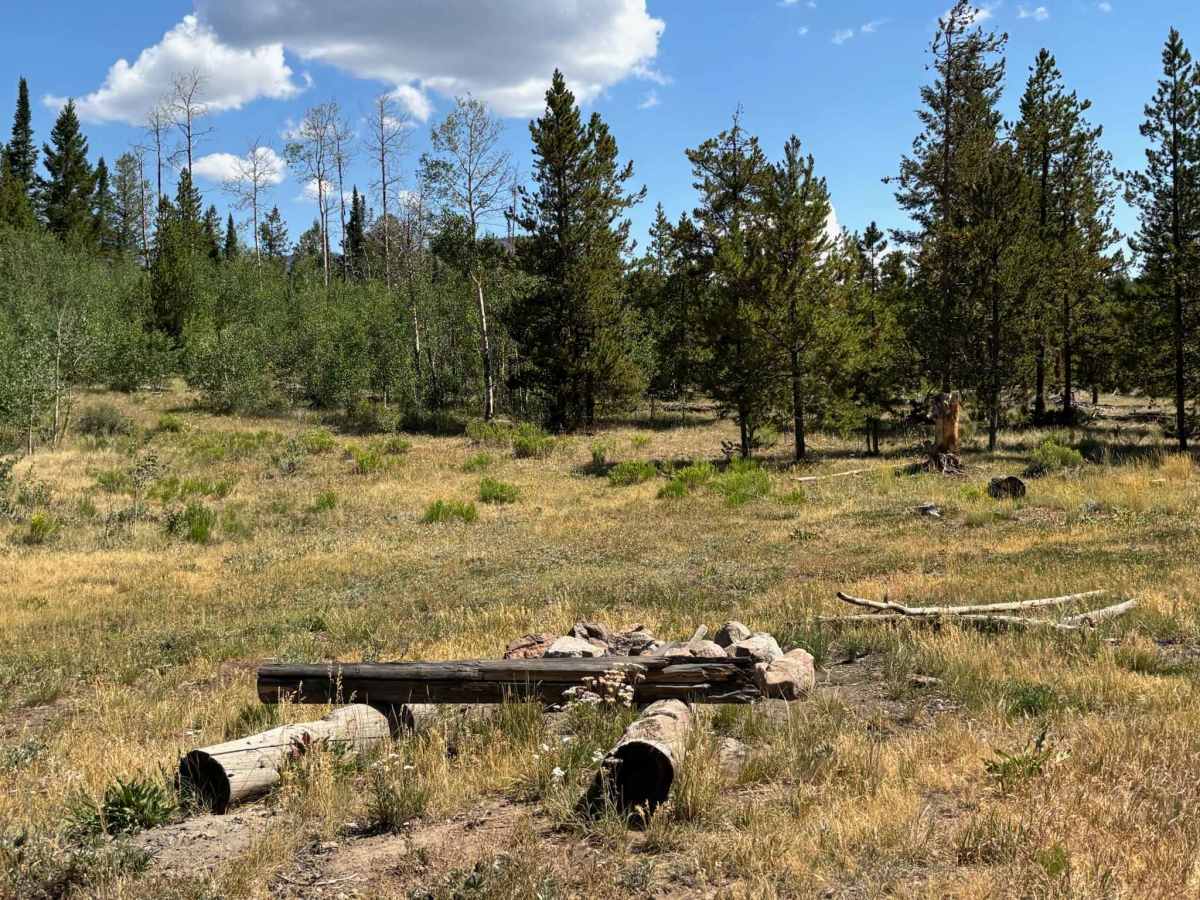
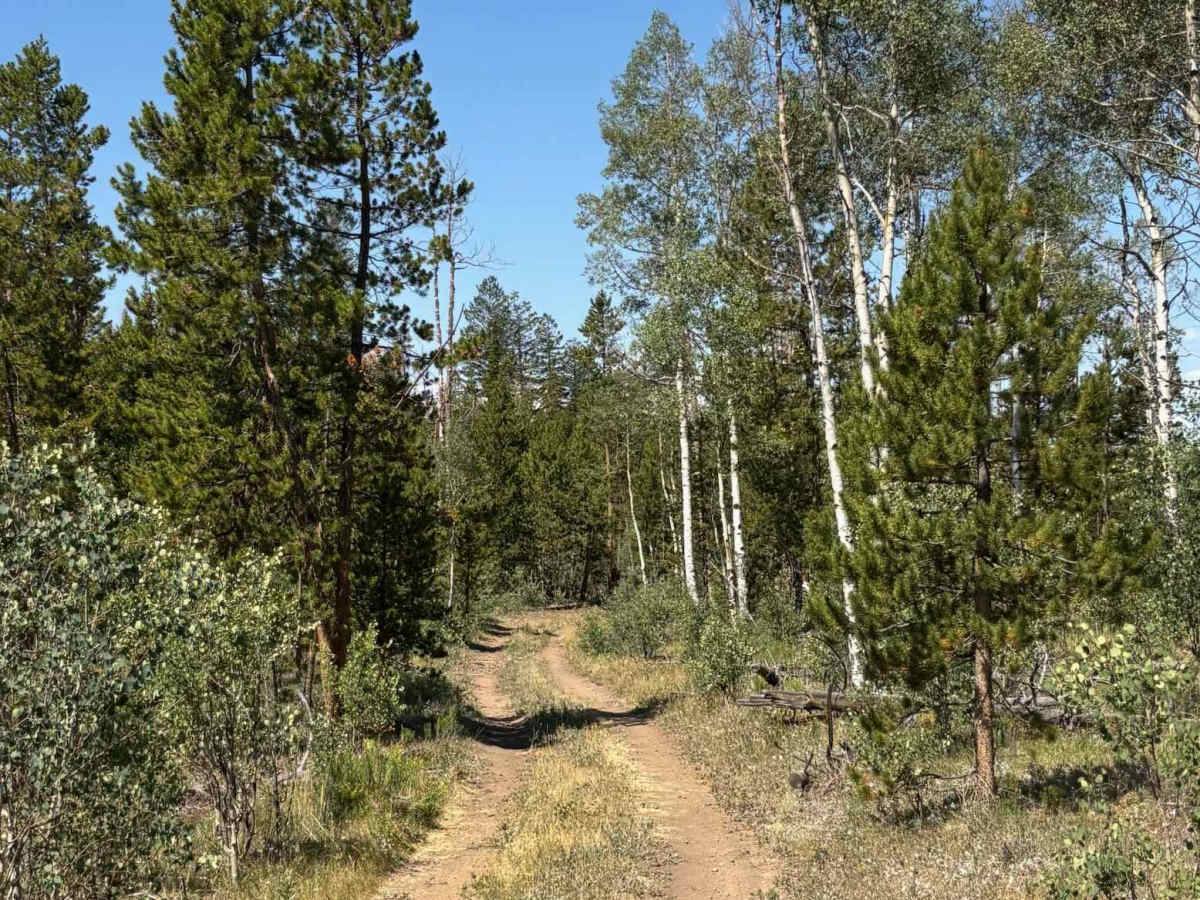
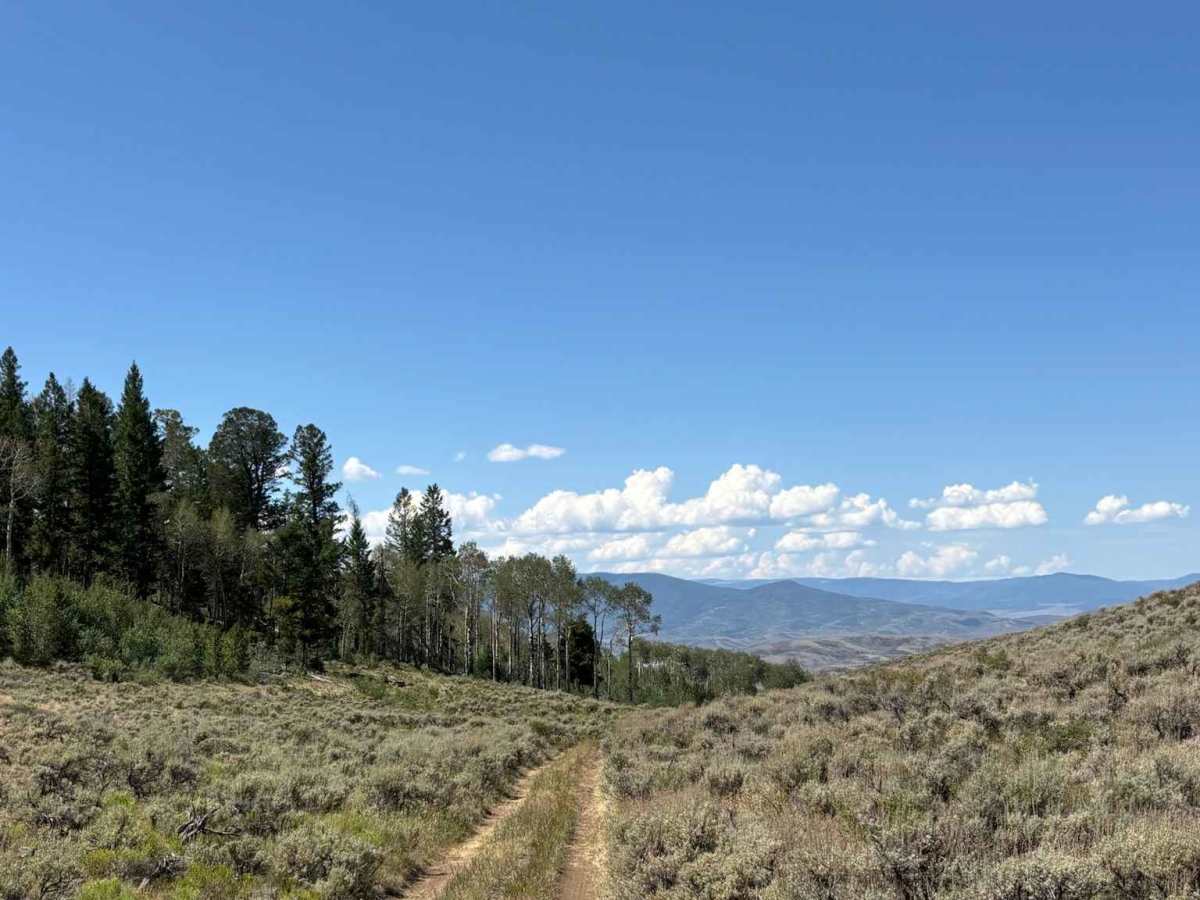
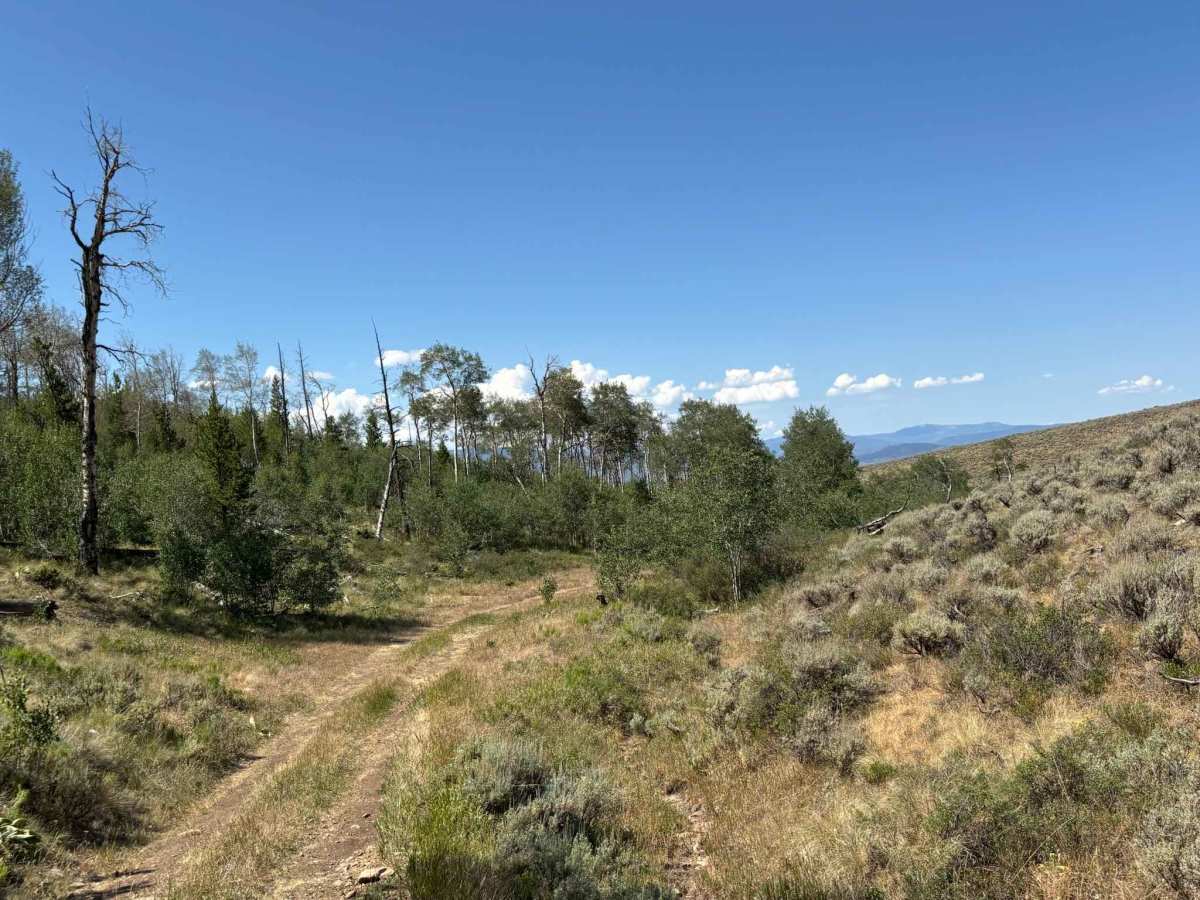
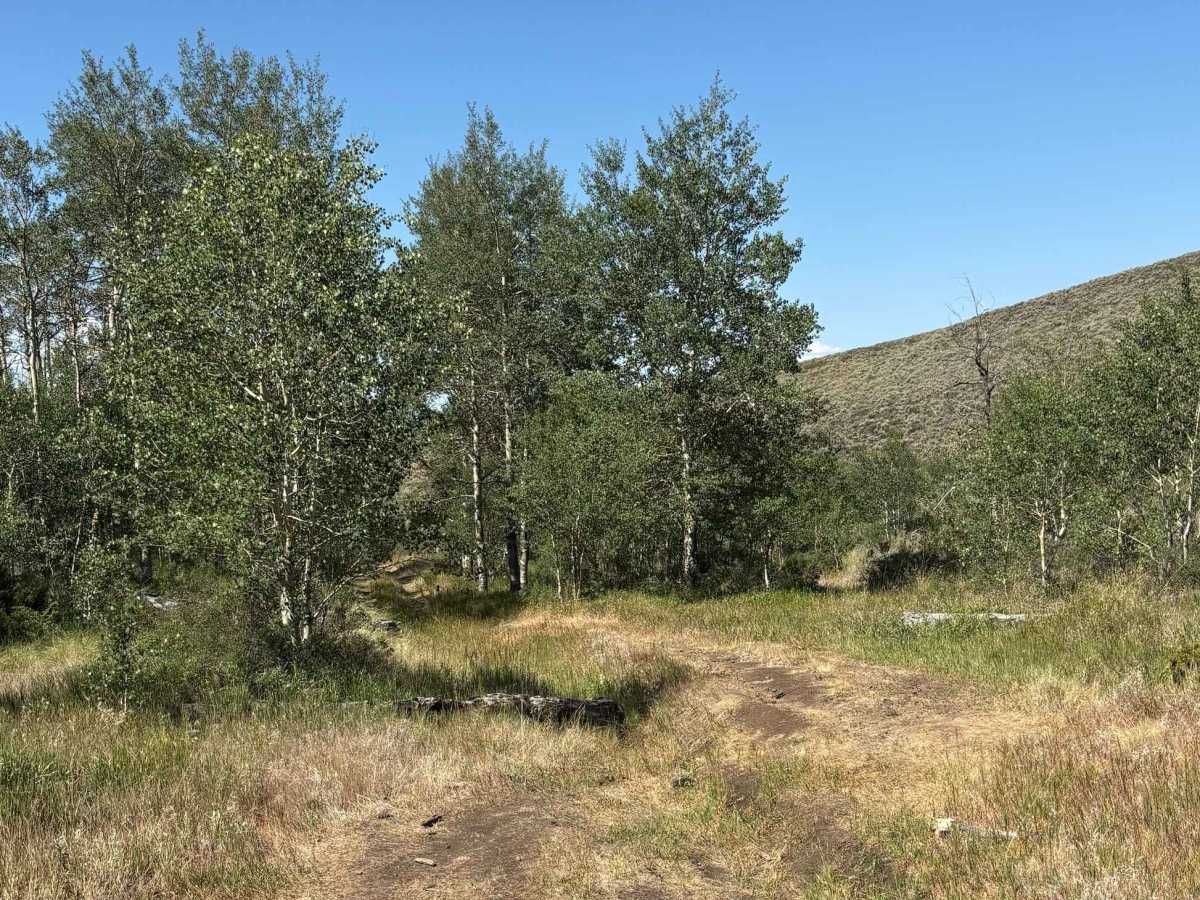
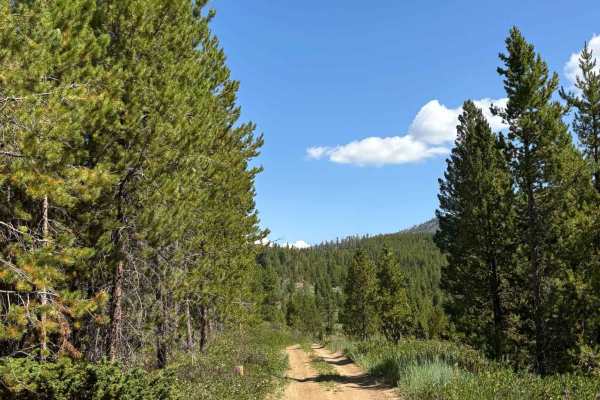
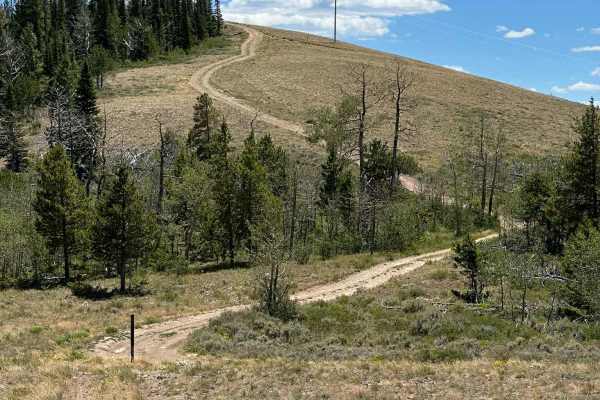
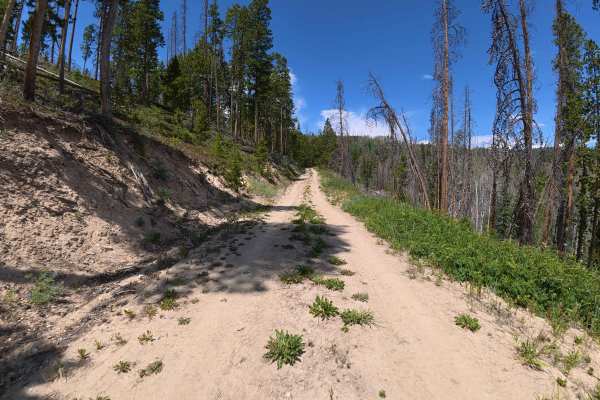
The Aspen Nook trail is a remarkably scenic, short forest route branching directly off BLM 2759, offering a distinct mix of highly accessible camping and increasingly rugged, technical terrain. The journey begins on a base of fine, soft dirt featuring moderate 4 to 6-inch ruts that are relatively easy to navigate. Almost immediately, visitors are greeted by a sprawling, beautifully leveled dispersed campsite that can comfortably accommodate 6 to 12 vehicles. This idyllic early spot features a rustic fire ring and boasts breathtaking views of the vibrant, surrounding Aspen trees and dense forest. Beyond this welcoming campsite, the trail's character shifts dramatically. The path becomes significantly tighter and more challenging, forcing drivers to navigate around fallen trees, encroaching brush, and low-hanging branches. The terrain introduces extended, tricky off-camber sections—tilting vehicles between 5 and 10 degrees—primarily caused by deepening ruts and the natural slope of the hillside. Approaching the trail's end, off-roaders will encounter a demanding, deep 14-inch rut that absolutely requires dedicated high clearance to pass safely without scraping. The route ultimately concludes at a sturdy locked gate marking a private property boundary. Due to the encroaching vegetation and deteriorating trail conditions, large campers and trailers are strongly advised to stop and set up at the initial campsite, as the latter half of the trail is strictly suited for nimble, well-equipped rigs.
Difficulty
While the initial stretch leading up to the primary campsite is relatively forgiving and easy to traverse, the trail quickly escalates to a level 3 rating further in. The latter half demands careful navigation through tight, brush-heavy corridors and tricky off-camber sections leaning 5 to 10 degrees. Furthermore, the presence of a formidable 14-inch deep rut near the route's terminus strictly requires a vehicle with high ground clearance to prevent severe undercarriage damage. Campers and trailers should entirely avoid navigating past the first large campsite due to these challenging, narrow, and uneven conditions.