Trail Overview
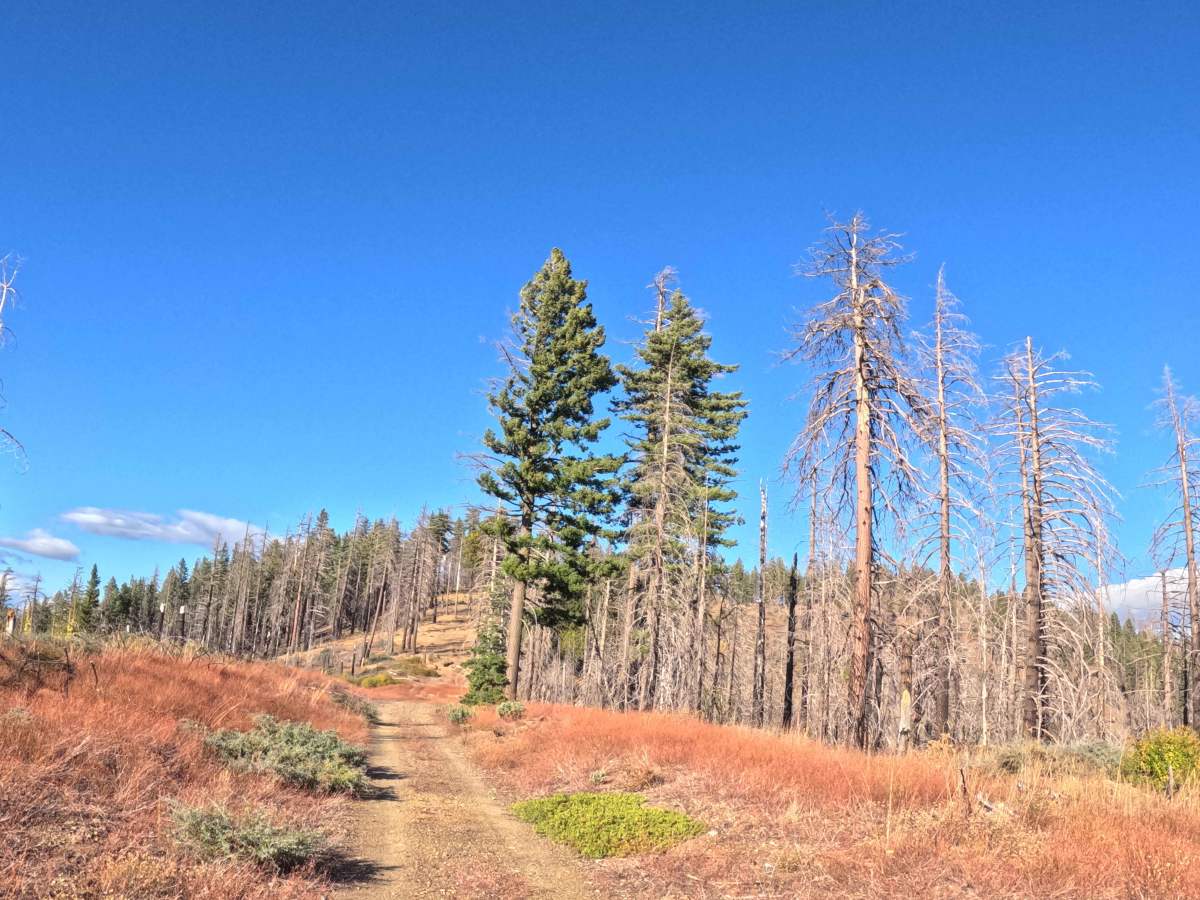
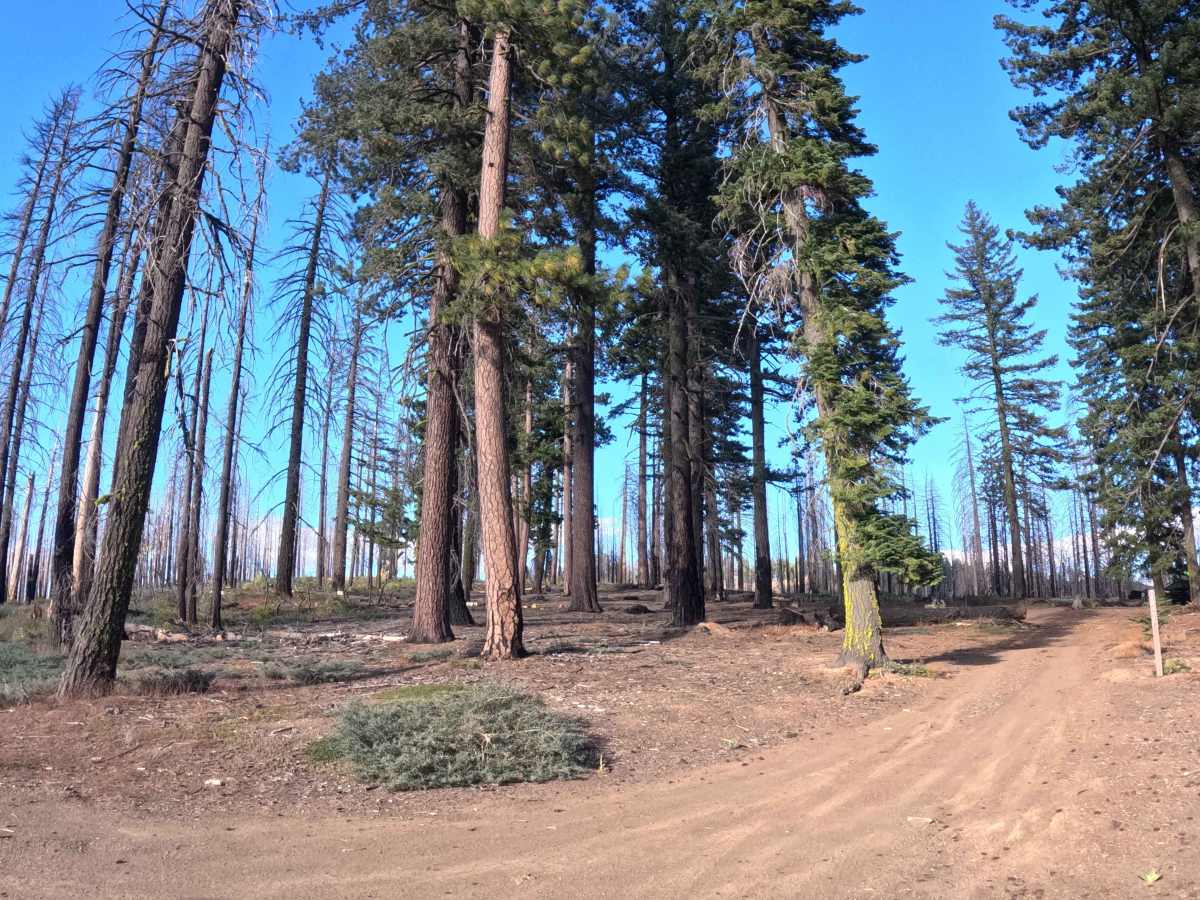
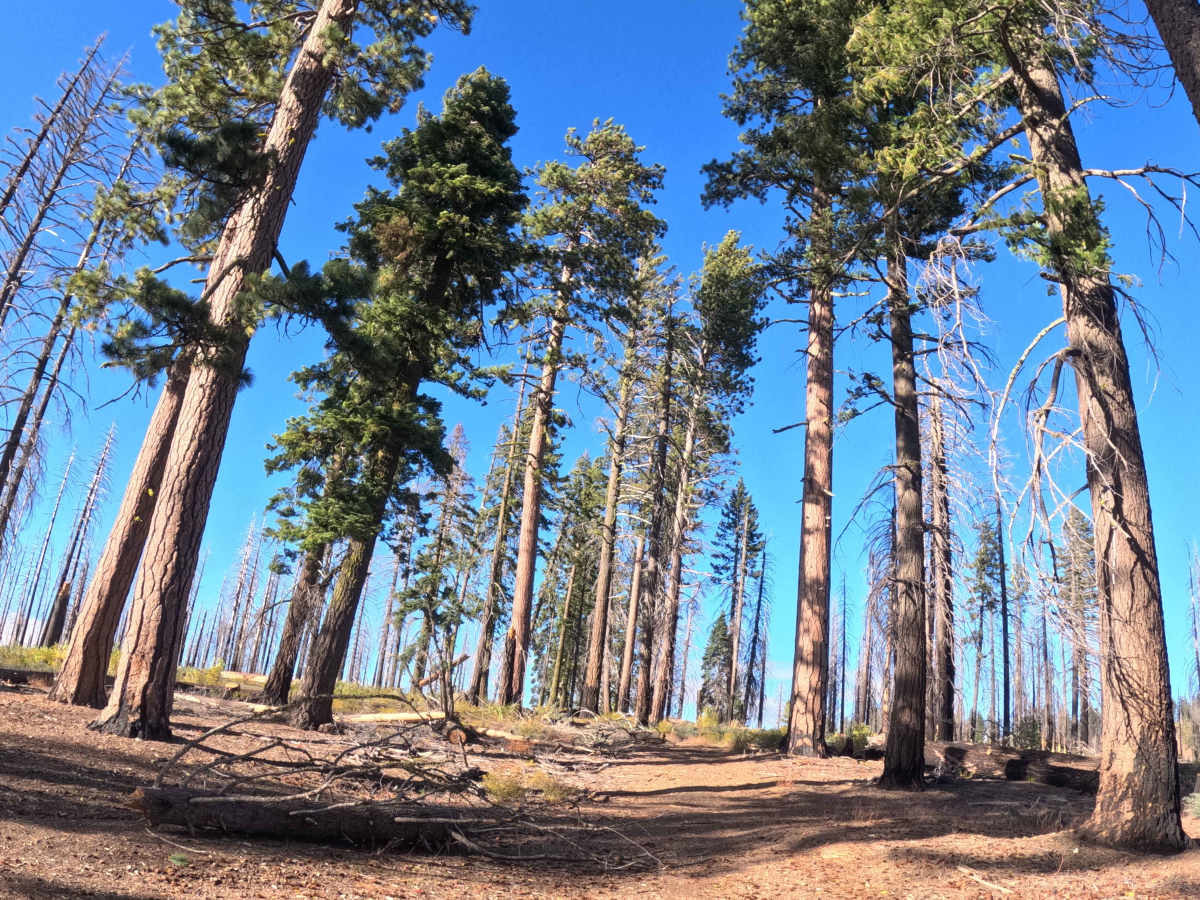
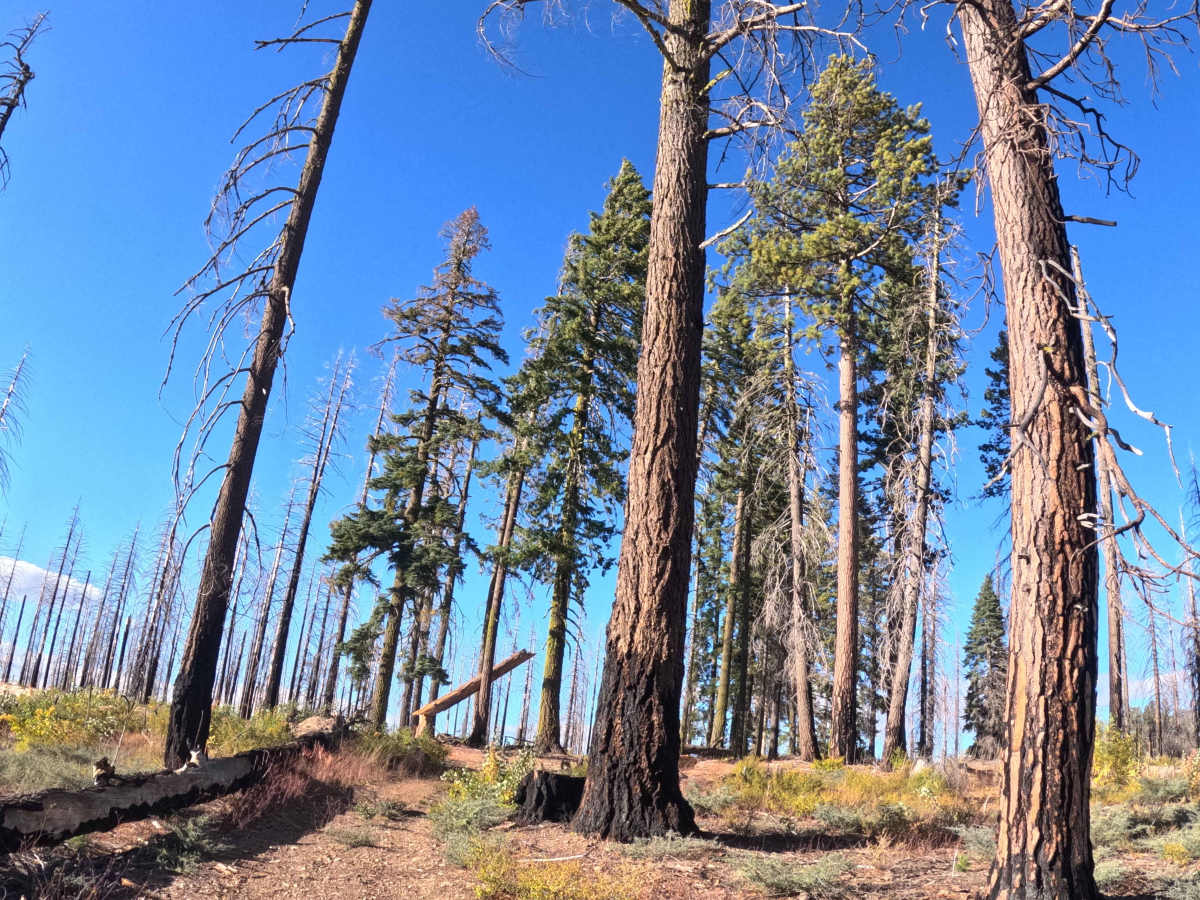
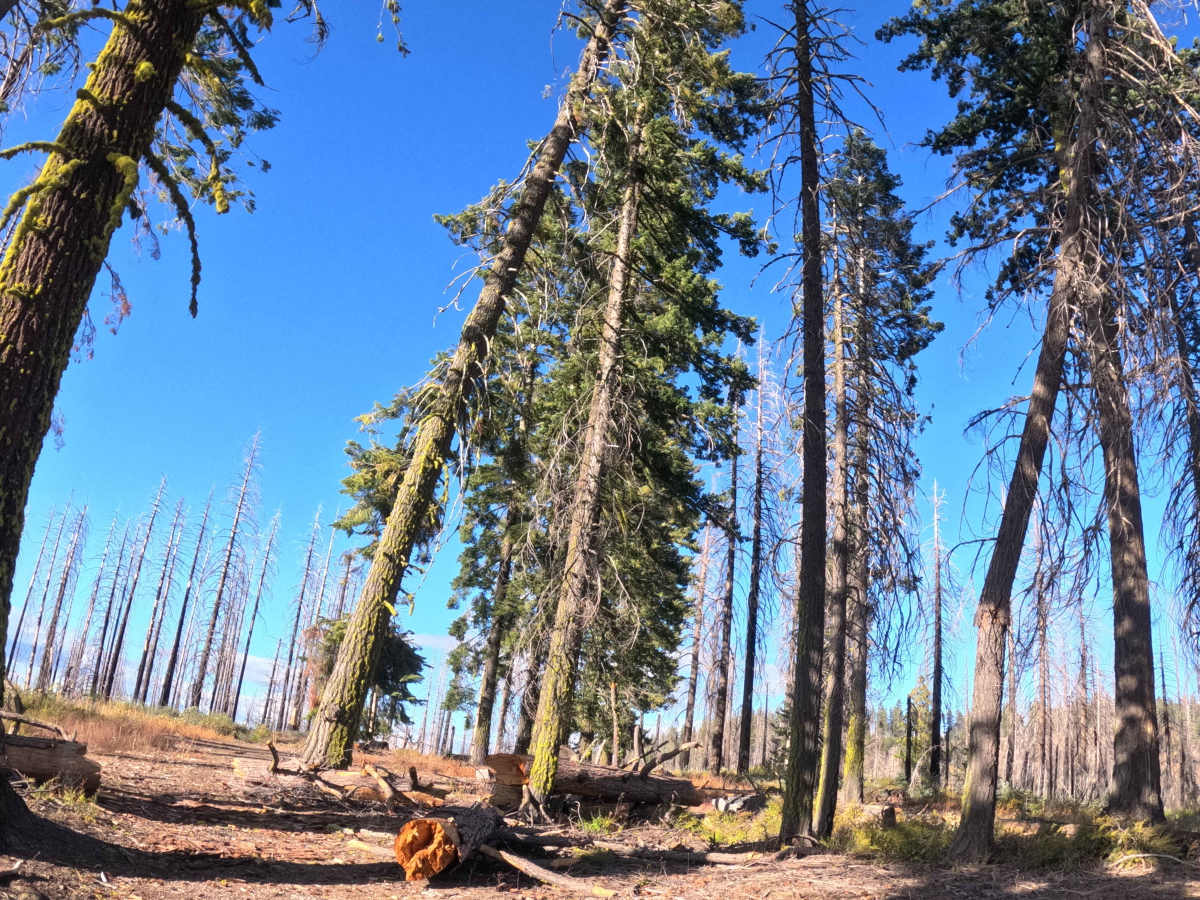
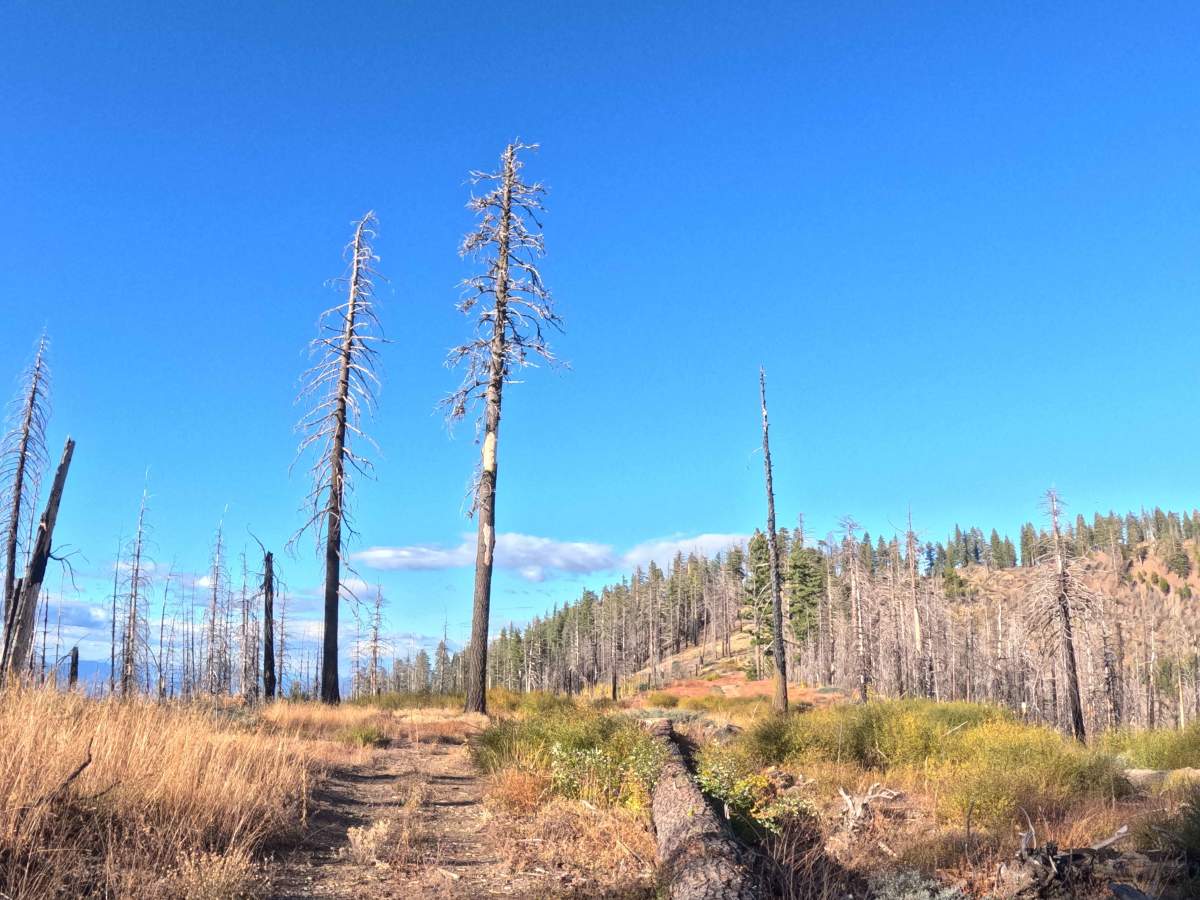
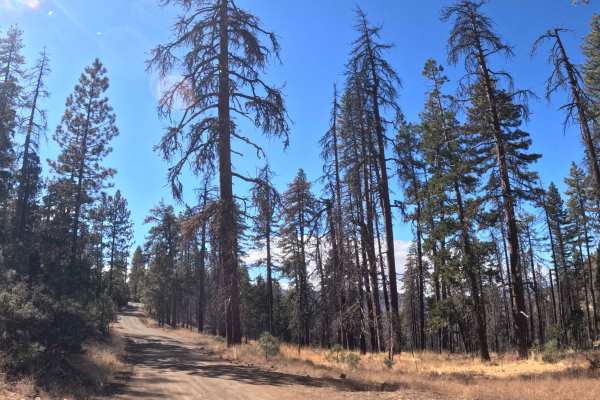
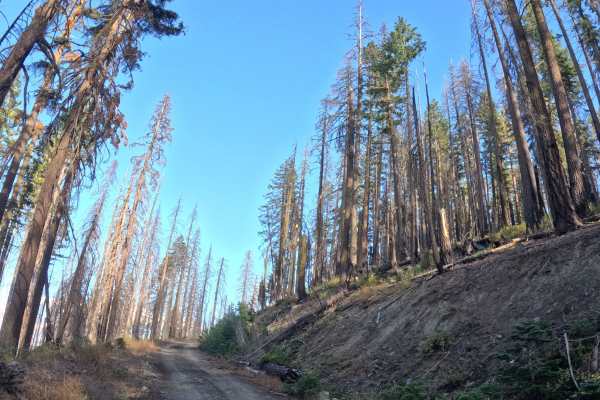
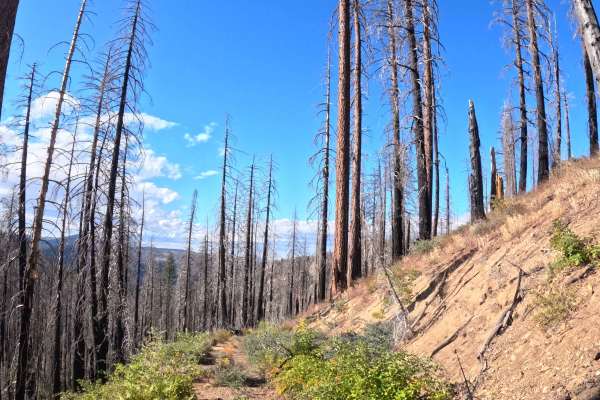
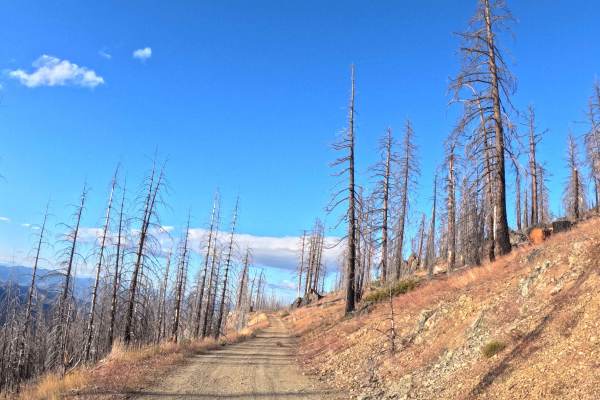
Serving as a rugged point-to-point connector linking Forest Road 29N45 with Trail 9W28, Tedoc Gap Spur C (FS 29N45C) delivers an adventurous through-route across the high country. The corridor navigates an open mountain landscape within the Shasta-Trinity National Forest, passing through a dynamic blend of surviving ponderosa pines and standing burn snags actively recovering from the 2021 McFarland Fire. Off-roaders, hunters, and backcountry campers frequently utilize this pathway to reach spacious dispersed camping sites tucked beneath mature timber or to transition between remote forest routes. Because the track directly ties into the area's wider trail network and serves as an access route toward the Yolla Bolly-Middle Eel Wilderness, drivers should watch for hikers, equestrian riders, and other recreationists near trail junctions. The driving surface consists of an unmaintained single-track gravel and dirt connector holding a technical Grade 3 difficulty rating. The primary obstacle is a prominent earthen barrier blocking the main roadway, requiring drivers to tackle an abrupt bypass with an intense 40% to 50% pitch, along with steep secondary climbs of 20% to 25% and scattered bucked timber along the cut.
Difficulty
Carrying a Grade 3 difficulty rating, this demanding mountain connector presents significant incline challenges and technical obstacles. The foremost hazard is a large dirt berm spanning the roadbed, compelling vehicles to take an aggressive bypass featuring a steep 40% to 50% grade over loose, uncompacted earth. In addition to the berm bypass, the route incorporates extended ascents and descents with 20% to 25% pitches that challenge traction and vehicle clearance. Navigating these steep sections requires steady, uninterrupted momentum, cautious throttle modulation to prevent wheel slippage, and precise line selection over loose gravel and bucked log debris. Utilizing lower forward gears provides necessary torque for climbing while delivering vital engine braking on the descents. Ample ground clearance is strongly recommended, as standard-clearance vehicles face a high risk of bottoming out or dragging the undercarriage across the aggressive bypass contour.

 Offroad