Trail Overview
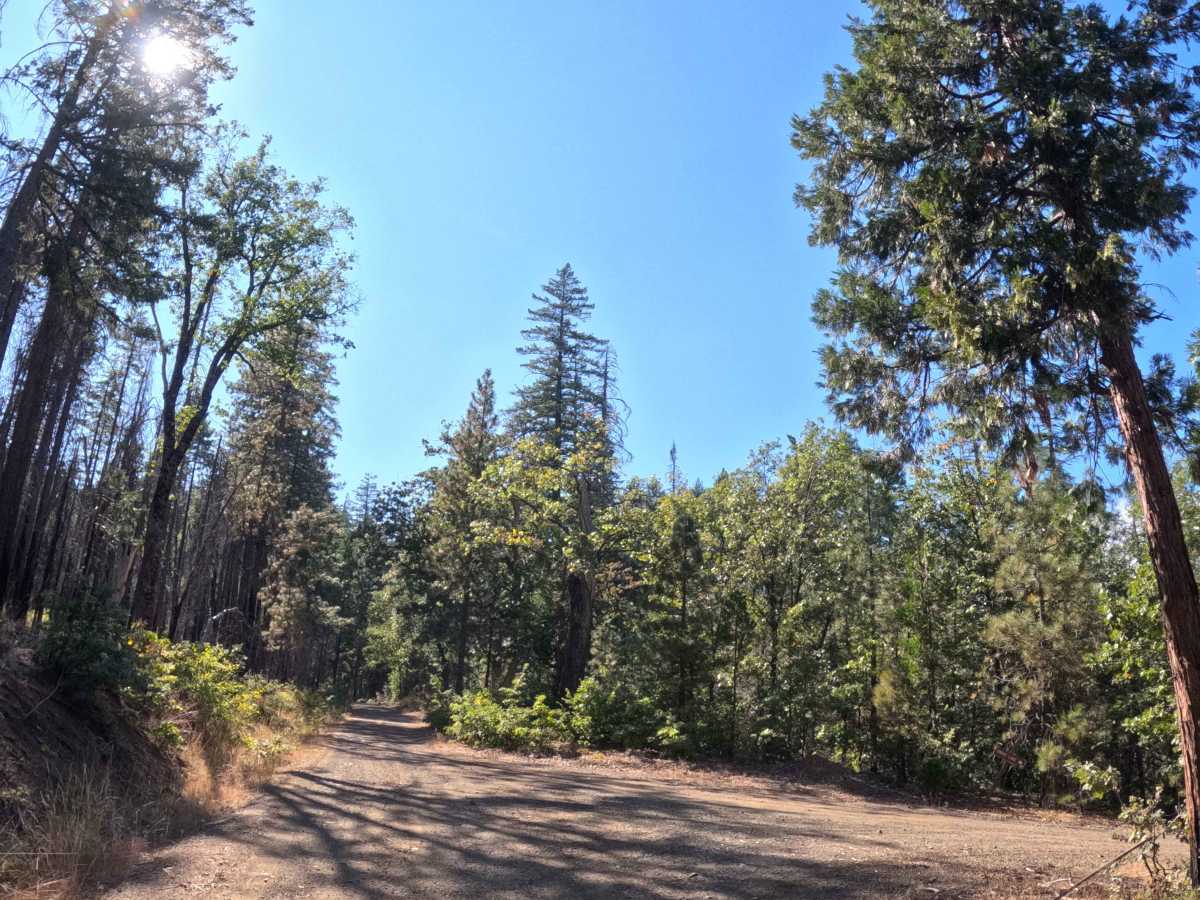
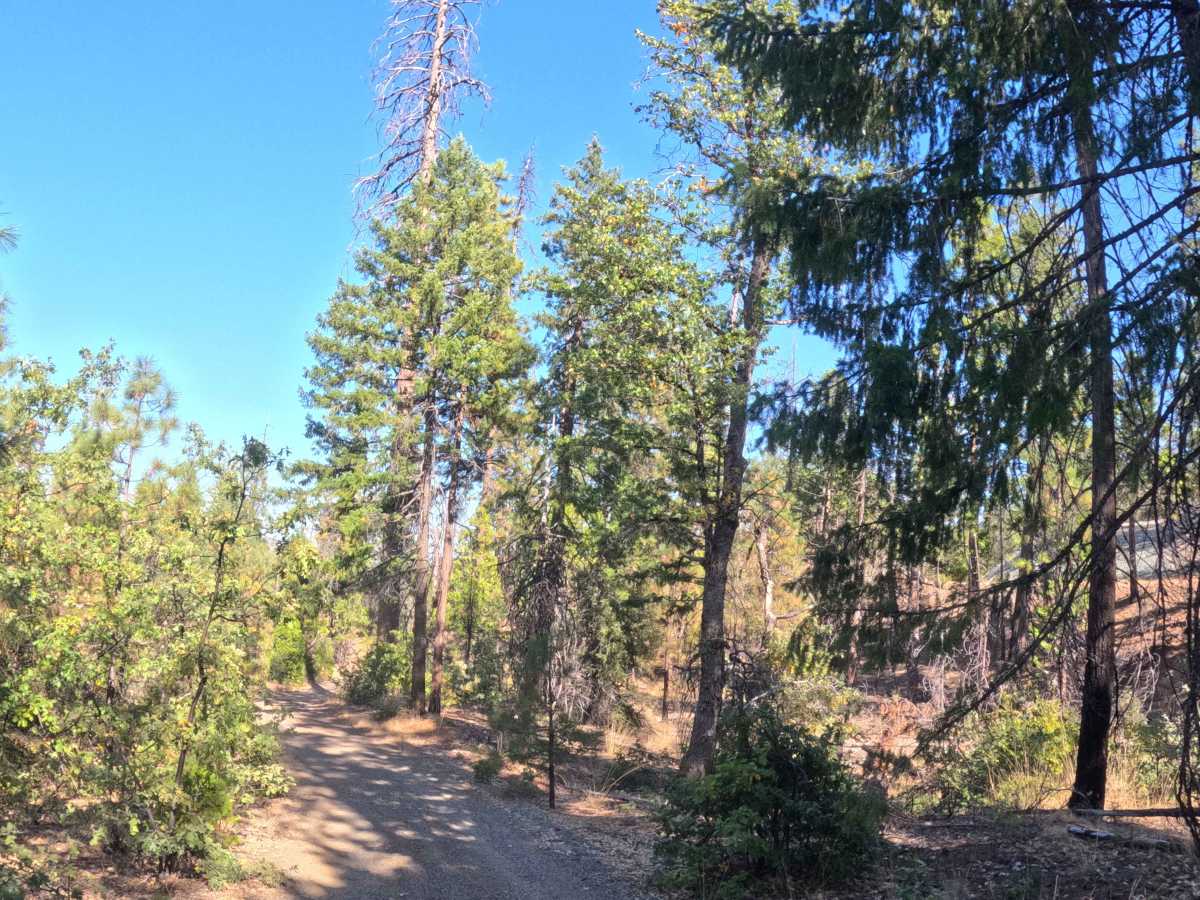
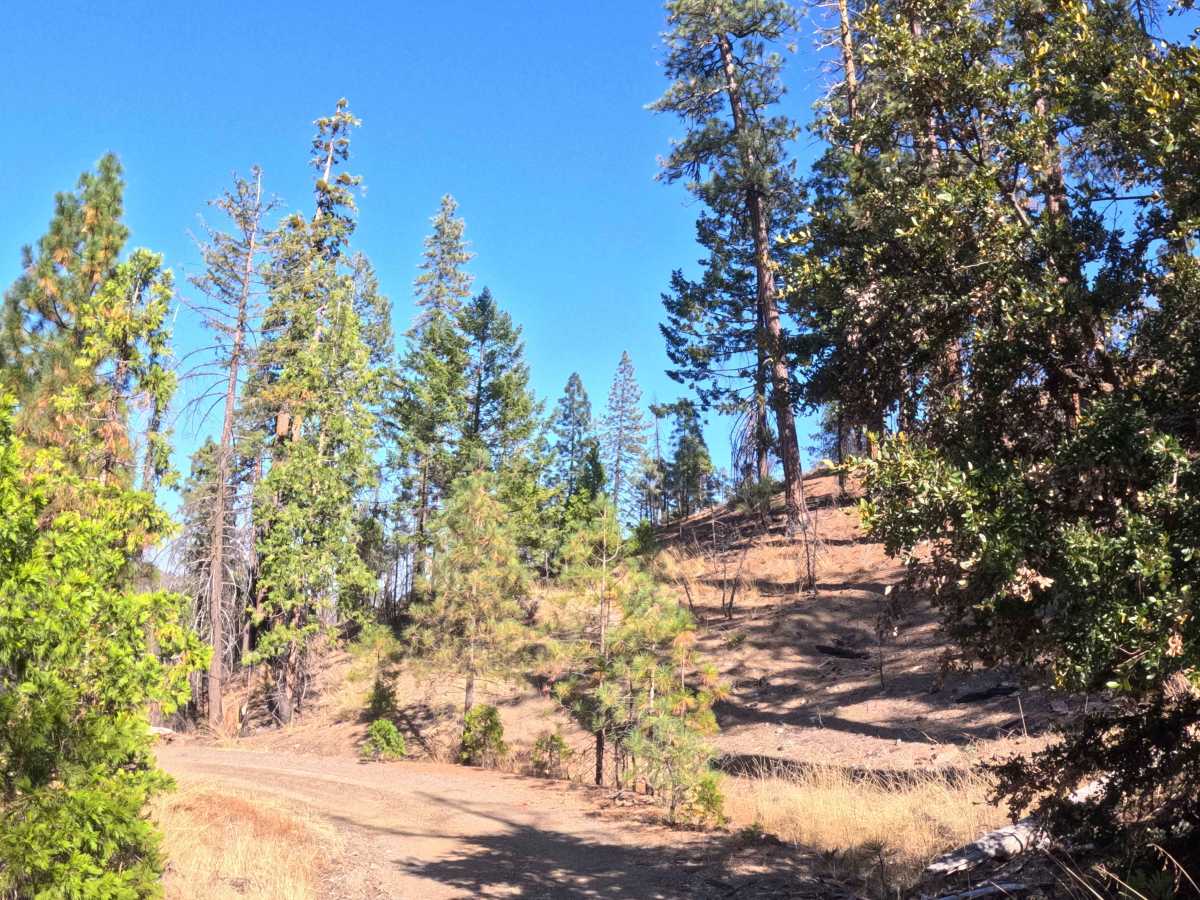
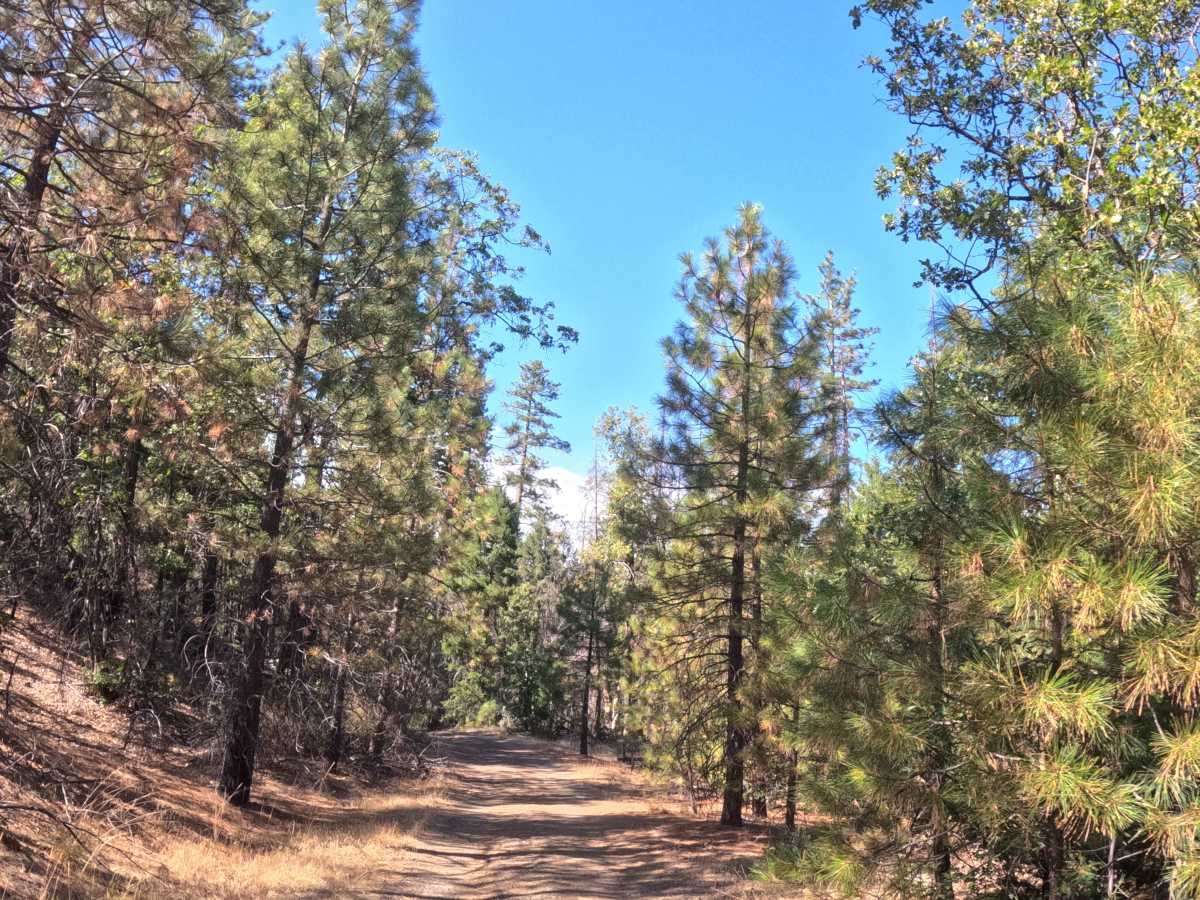
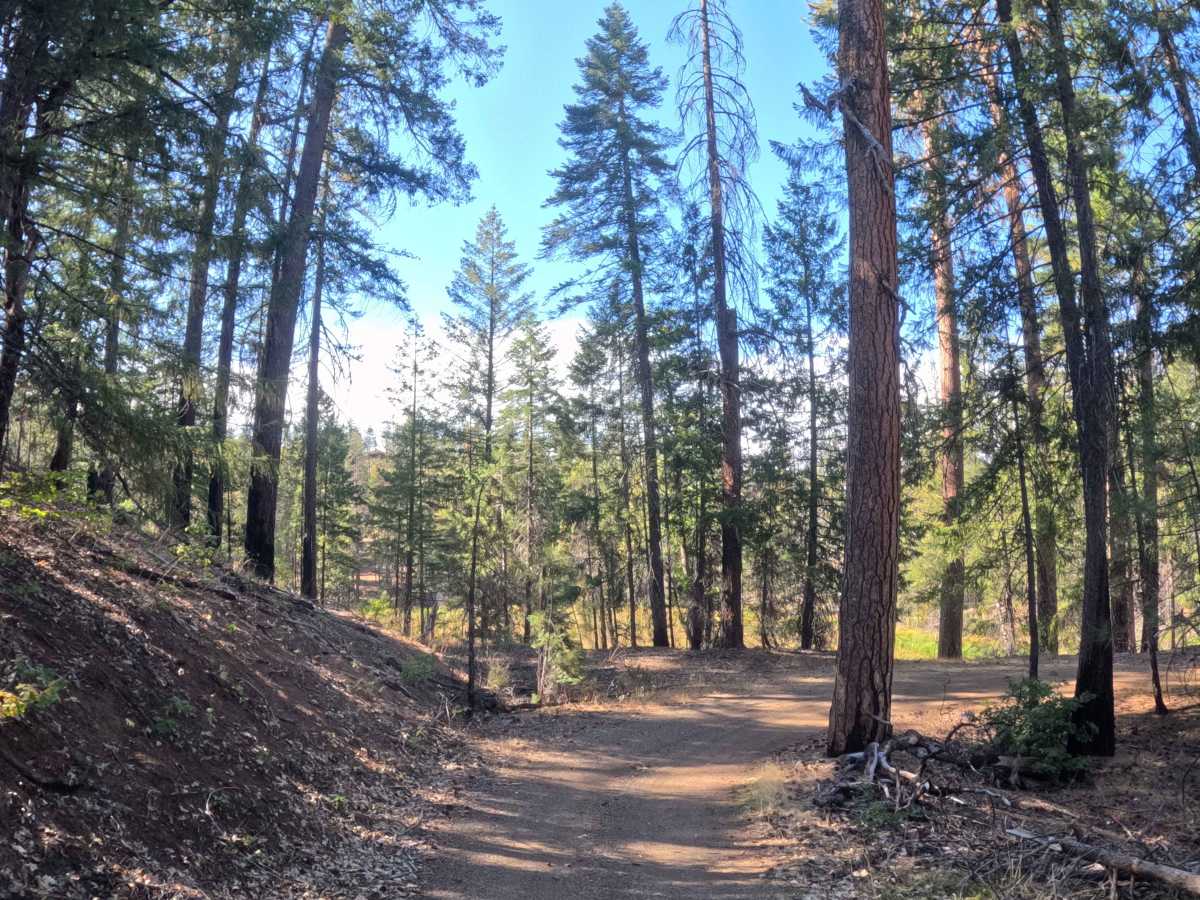
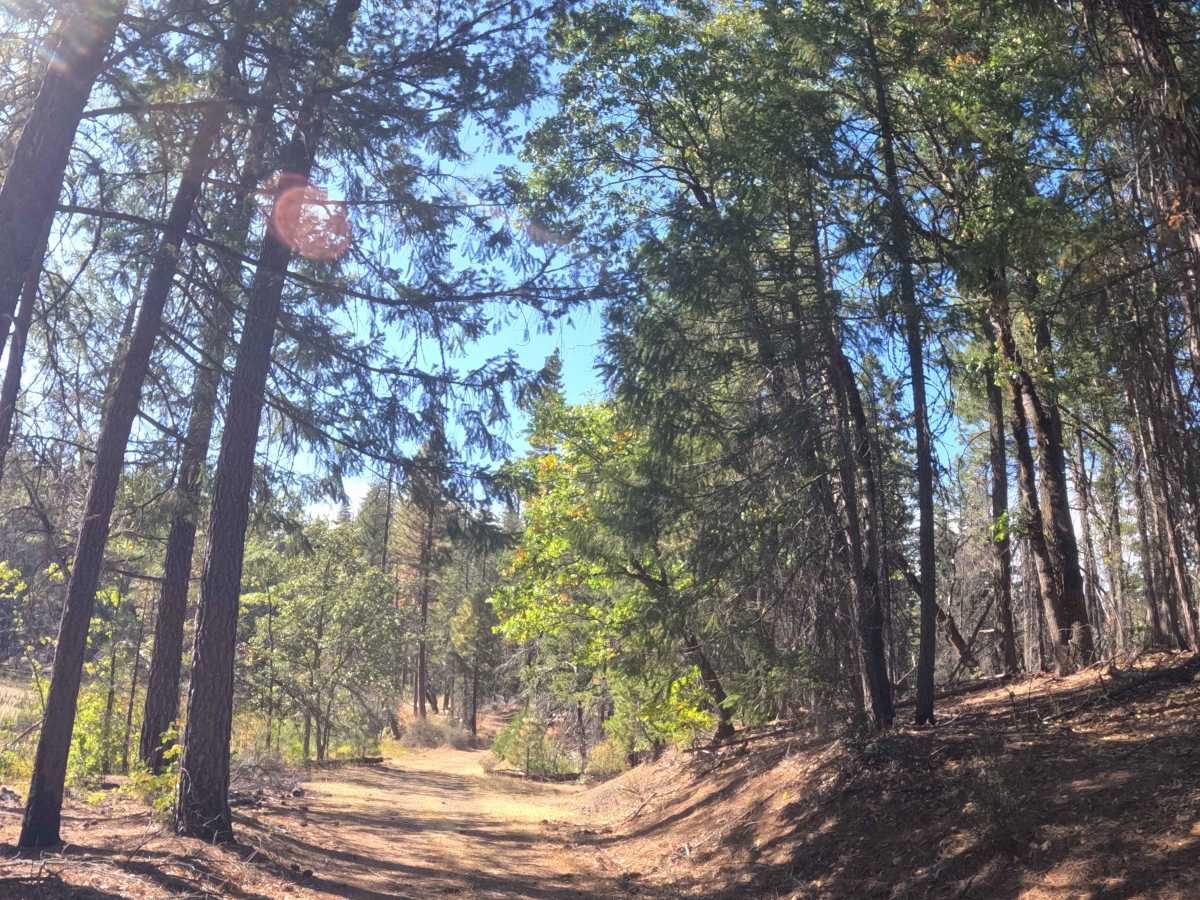
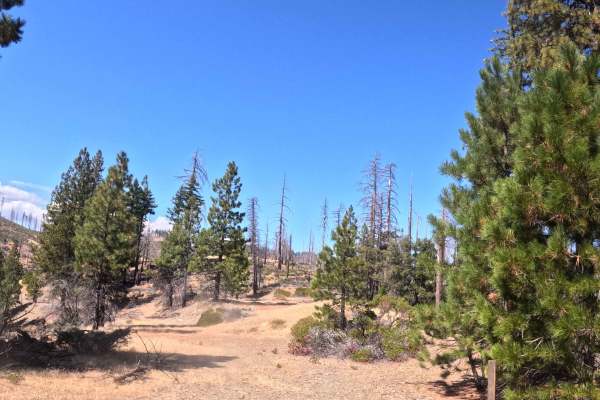
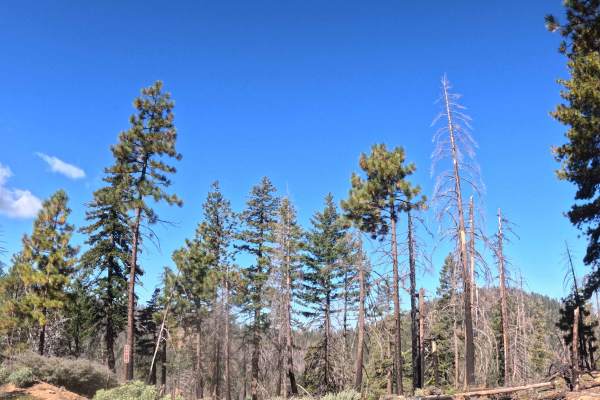
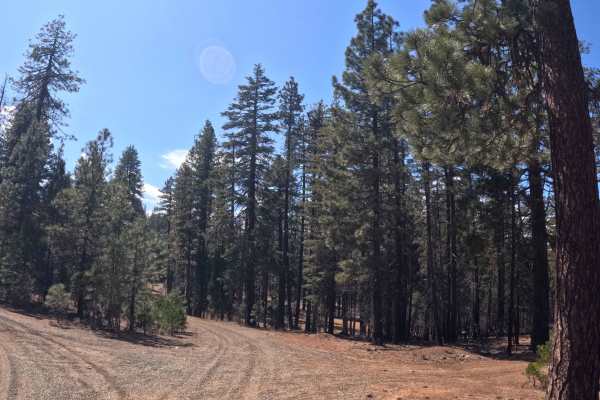
Forking north from the Stuart Gap transit corridor (FS 28N10), Snake Lake (FS 28N18) functions as a highly scenic, out-and-back gravel spur descending toward the water. The route wanders through a beautifully preserved section of the Trinity National Forest that largely escaped recent regional wildfire devastation, leaving behind a dense, shaded canopy of healthy, heavy pine. Outdoor enthusiasts, anglers, and backcountry campers frequently utilize this quiet side path to reach the shores of Snake Lake and claim one of the many excellent dispersed campsites scattered along the roadway and near the water's edge. Because the area acts as a localized hub for off-grid camping and shoreside recreation, operators should maintain strict situational awareness for pedestrians and parked vehicles. The driving surface consists of a narrow, single-track gravel path holding an easy Grade 1 difficulty rating. Providing a lush, green detour from the surrounding burn zones, the route eventually concludes just past the lake, where heavy natural overgrowth reclaims the remaining historical trail.
Difficulty
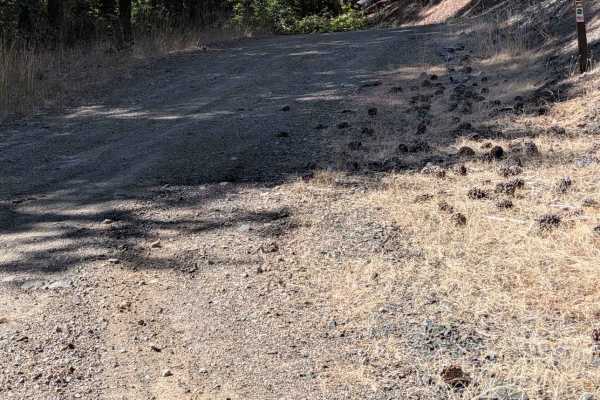
Providing an exceptionally easy Grade 1 driving experience, this single-track gravel spur features a reliably smooth and stable surface from start to finish. Severe off-road challenges such as deep mud trenches, large rocky steps, or aggressive washouts are completely absent from this lakeside descent. Operators simply need to manage a mild ten-percent grade variation as the road drops down toward the water. The surrounding pine forest is well-cleared back from the trail margins, ensuring drivers will not experience any annoying foliage rub or brush scraping against the exterior. The primary consideration involves safely maneuvering around other campers and executing a turnaround when the path finally surrenders to impassable forest overgrowth at its terminus. With a firm gravel base and no technical obstacles, any standard passenger vehicle with basic factory ground clearance can safely and comfortably complete this short forest drive under normal, dry seasonal conditions.