Trail Overview
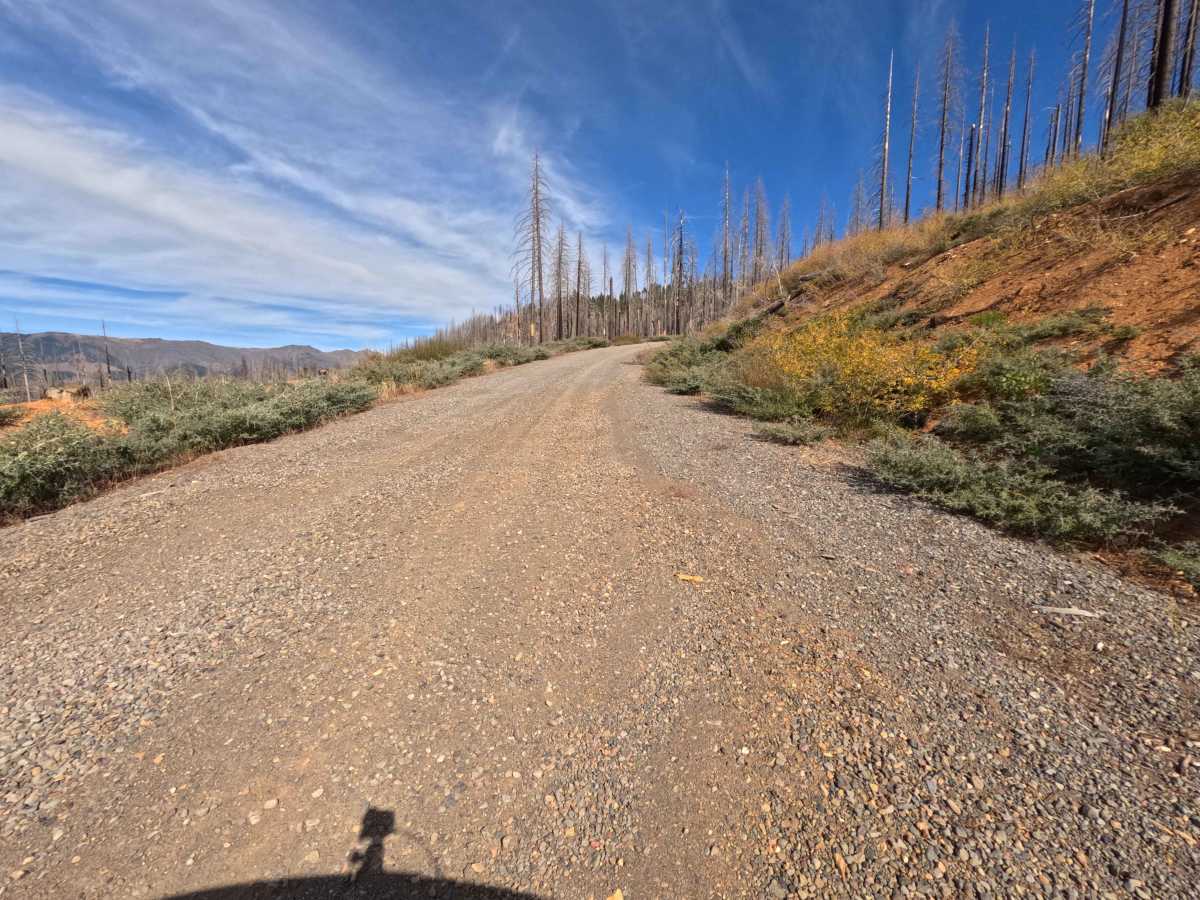
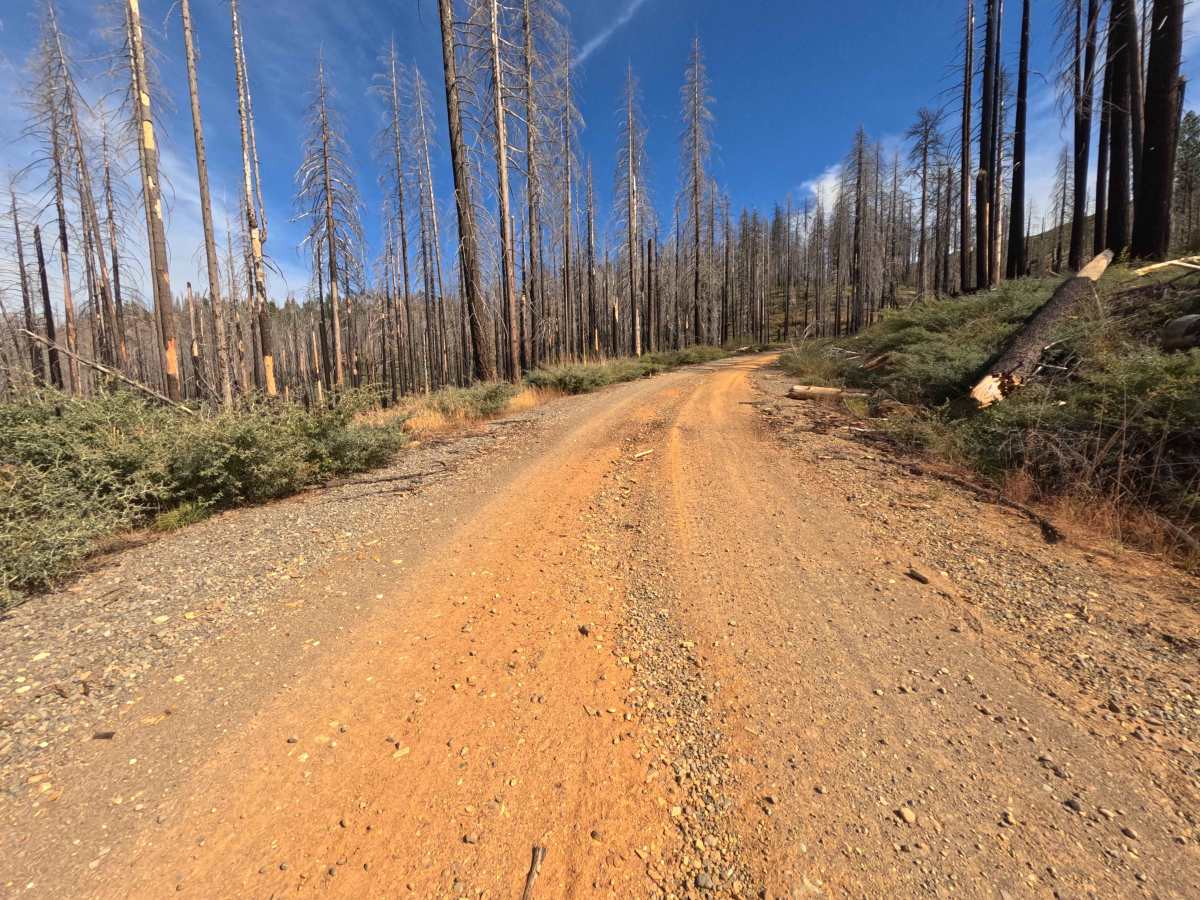
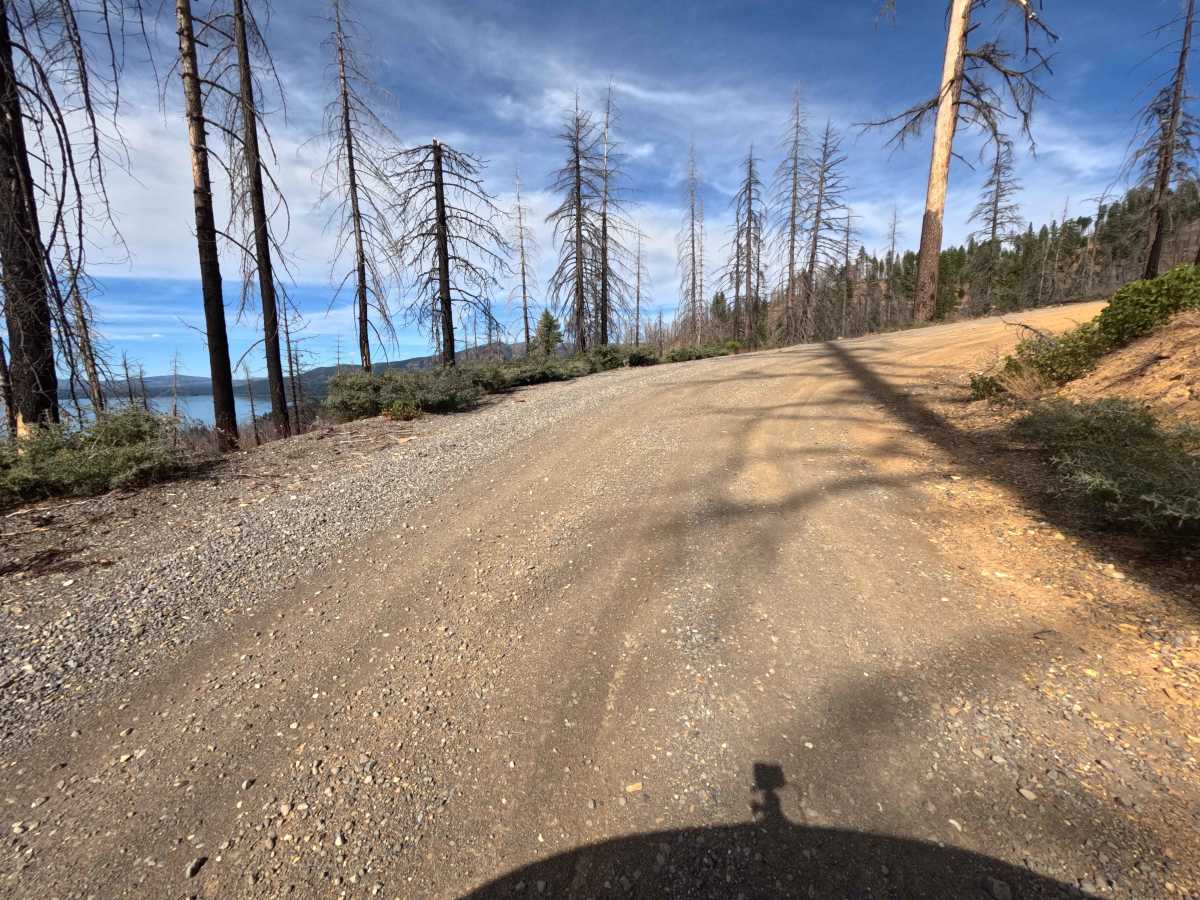
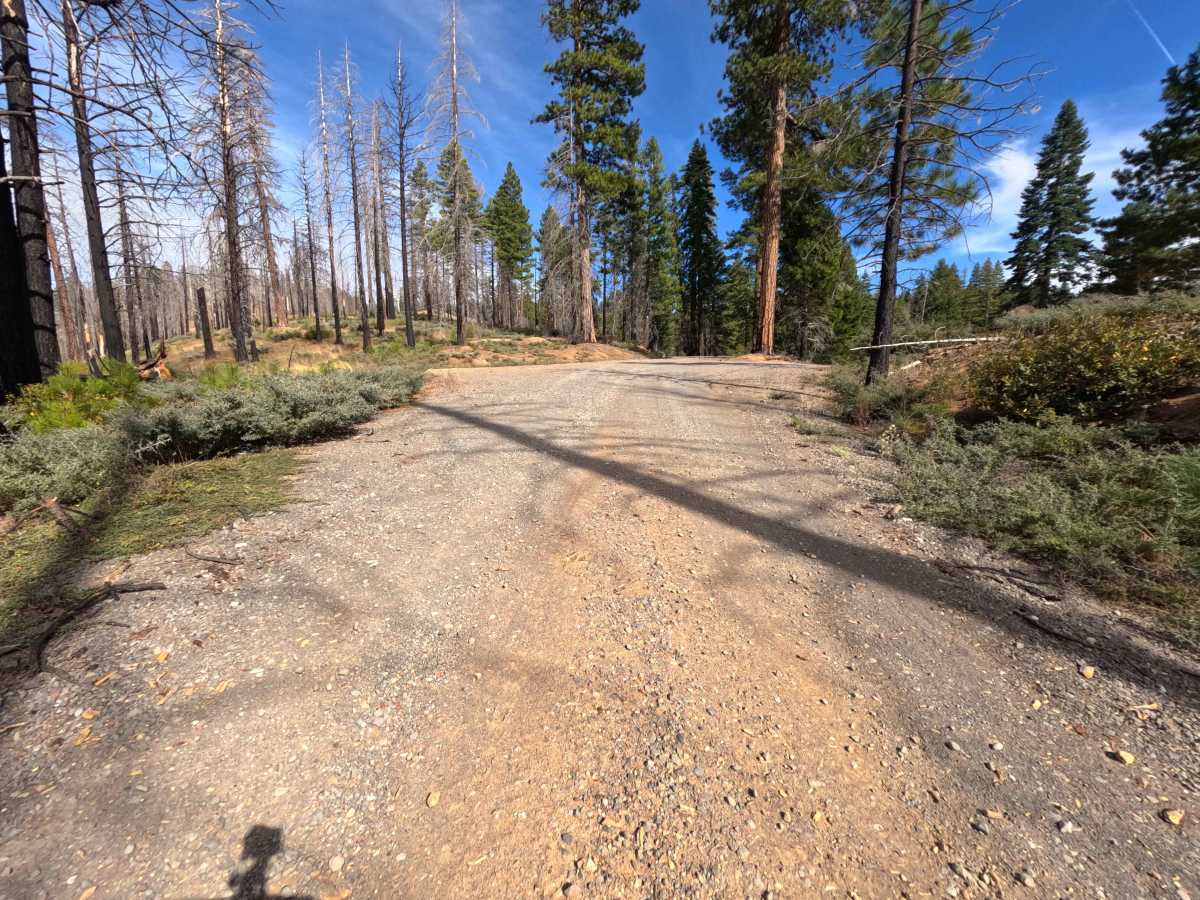
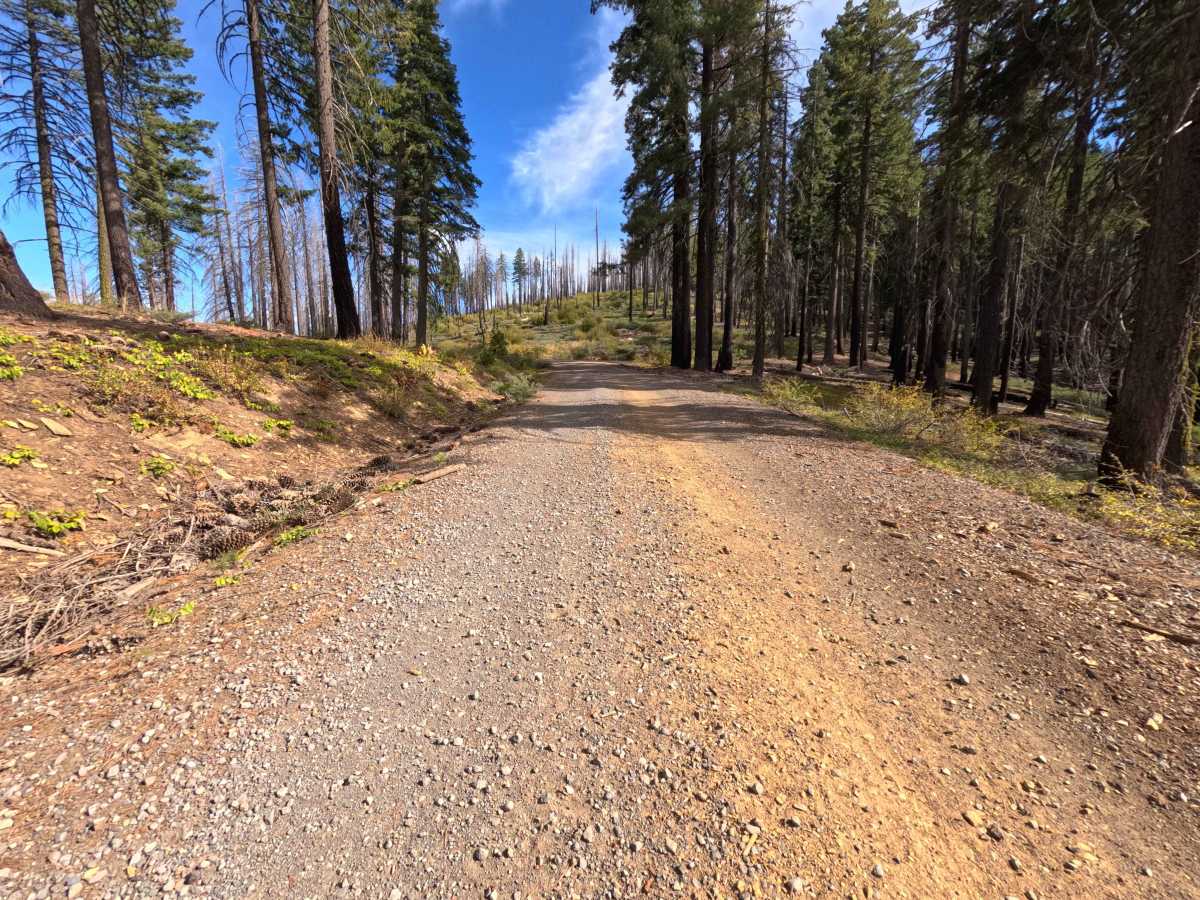
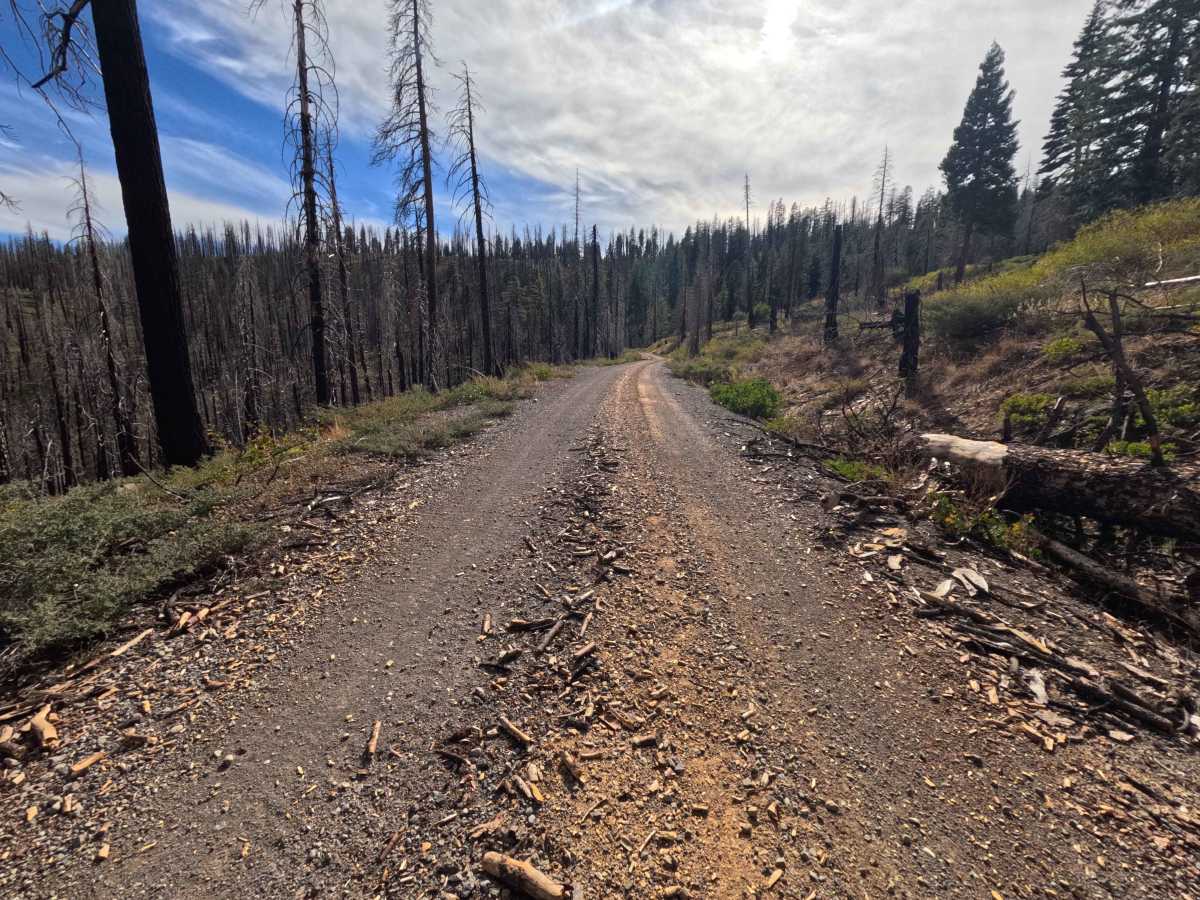
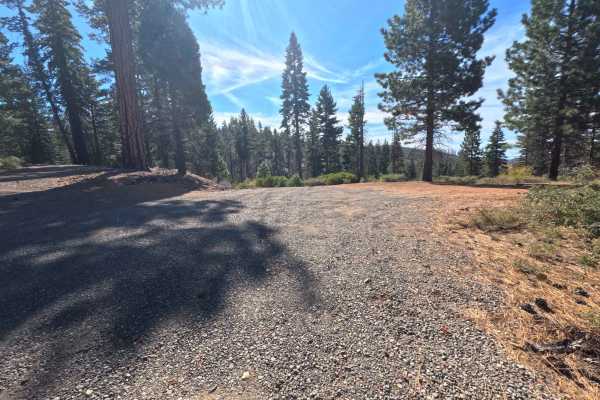
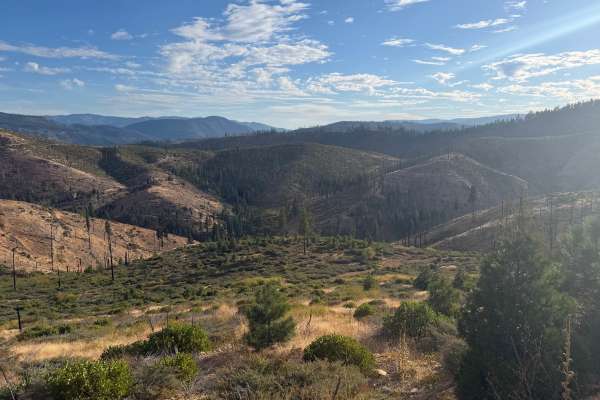
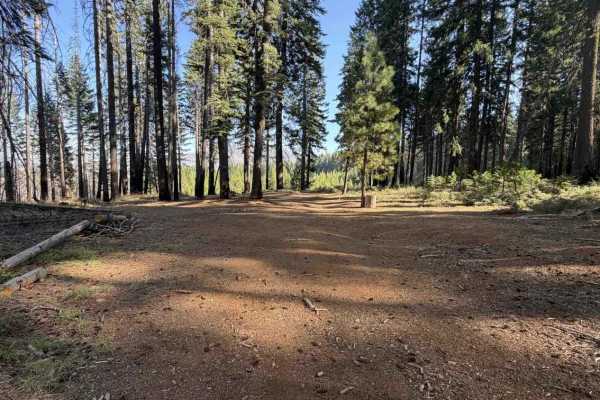
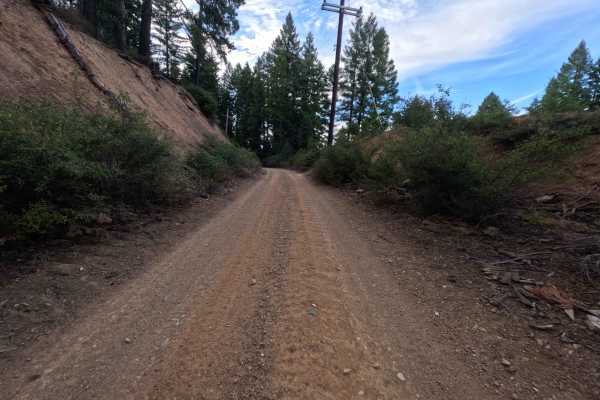
Originating from the large paved intersection at Seneca Road, Rush Hill (FS 27N38) operates as a lengthy, out-and-back mountain spur within the Plumas National Forest. The route steadily climbs up to a prominent ridgeline, weaving in and out of a stark, recovering landscape severely impacted by the 2021 Dixie Fire, where towering charred snags stand alongside patches of surviving green timber. Backcountry campers and overlanders frequently traverse this path to reach a spectacular dispersed campsite located two miles in, which offers enough space for a small group of vehicles and features stunning, unobstructed views overlooking Lake Almanor and the Mount Lassen region. The driving surface consists of a wide, single-track dirt and gravel road carrying a moderate Grade 2 difficulty rating. While navigating this corridor, drivers should remain alert for local foot traffic, as outdoor enthusiasts frequently explore the intersecting spurs and ridgeline clearings. The trail pushes deep into the wilderness before coming to an abrupt halt at the 7-mile mark, where a short incline is entirely blocked by massive fallen trees, forcing travelers to reverse course.
Difficulty
Earning a moderate Grade 2 difficulty rating, this wide, single-track gravel spur provides a generally reliable but occasionally rough driving experience. Extreme off-road hazards such as deep mud bogs, deep water crossings, or severe rock crawls are completely absent from this route. However, operators must carefully navigate stretches of loose cobble and intermittent drainage ruts that require a measured, controlled speed to maintain traction and prevent suspension impacts. The most significant obstacle occurs at the very end of the 7-mile journey; just as the final ridge begins to ascend, multiple massive downed logs completely barricade the path. Drivers are strongly advised to execute a turnaround in the clearings just before this blocked incline. Standard factory ground clearance is entirely sufficient to safely manage the ruts and cobble along the main transit under normal, dry seasonal conditions.