Trail Overview
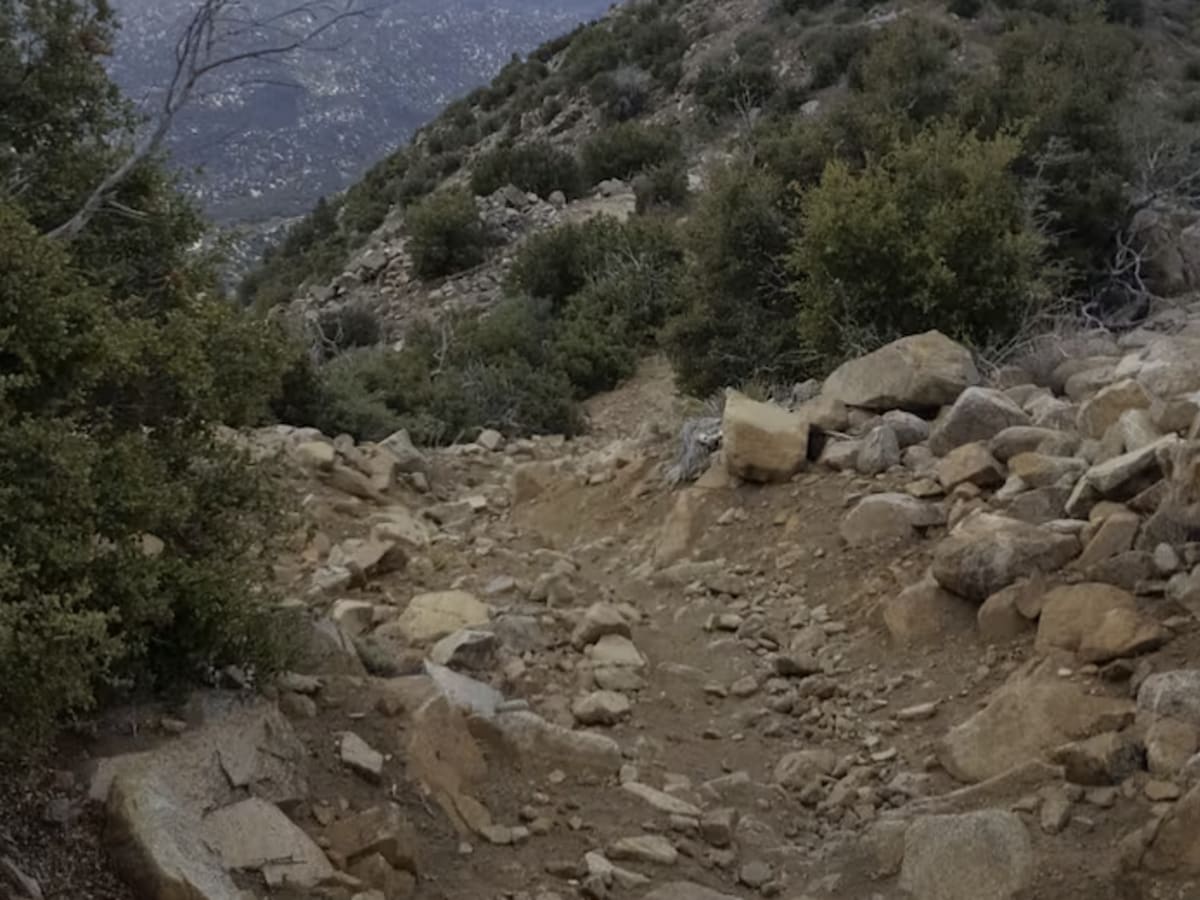
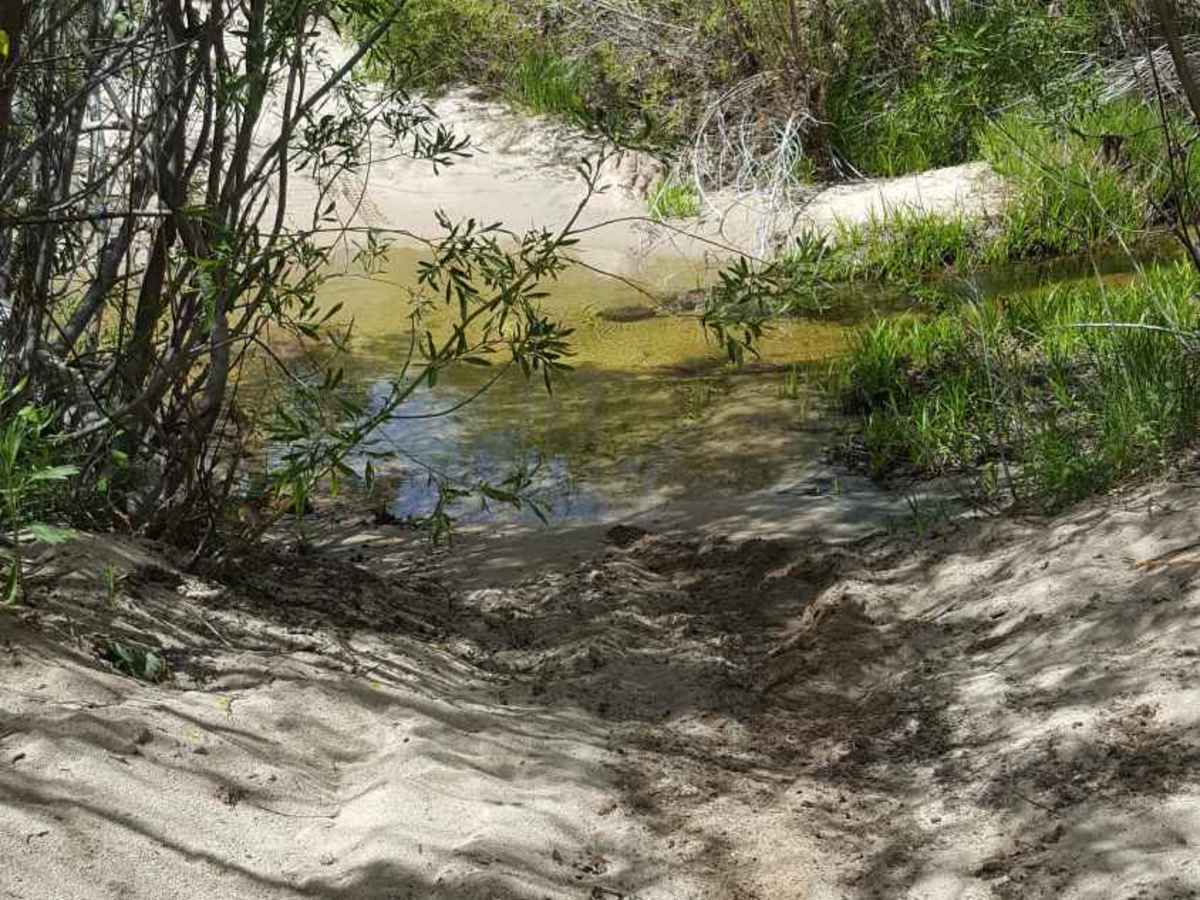
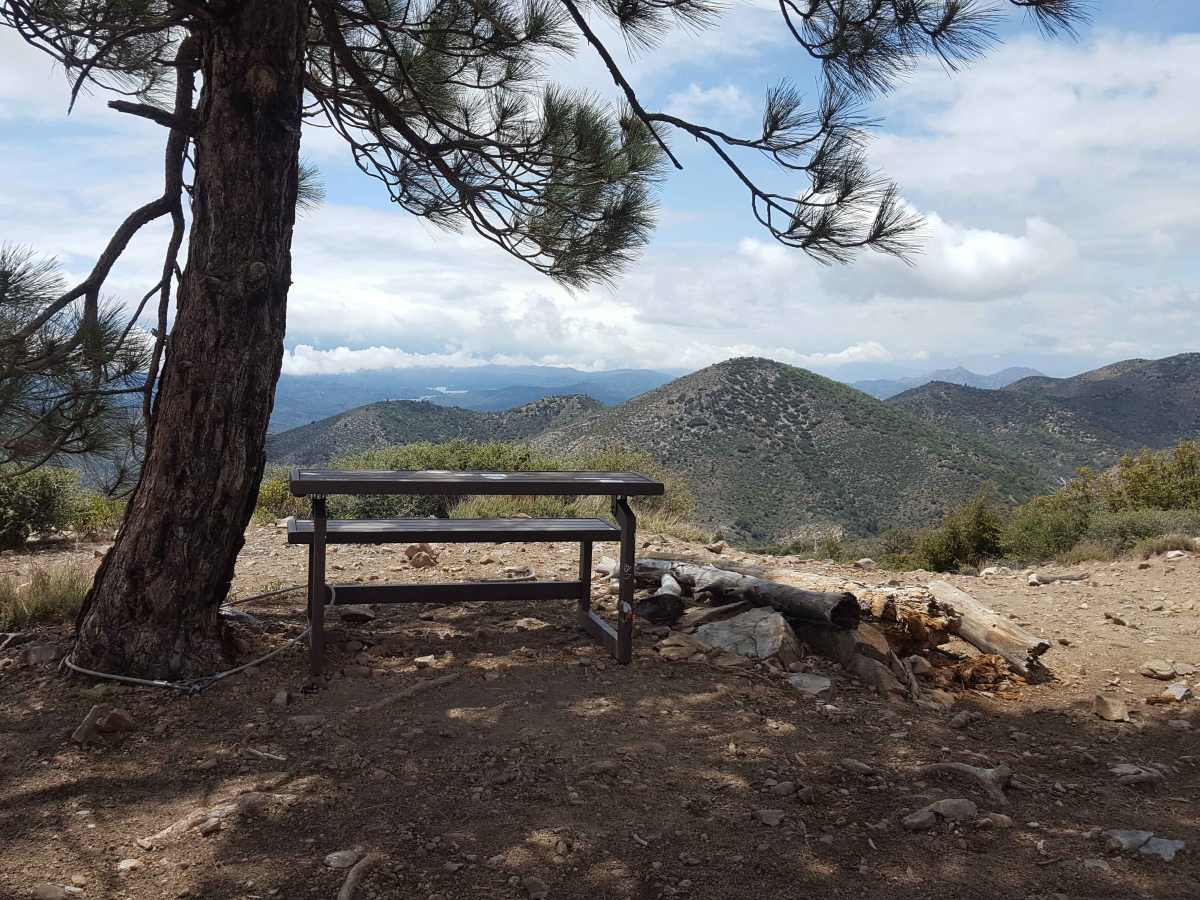
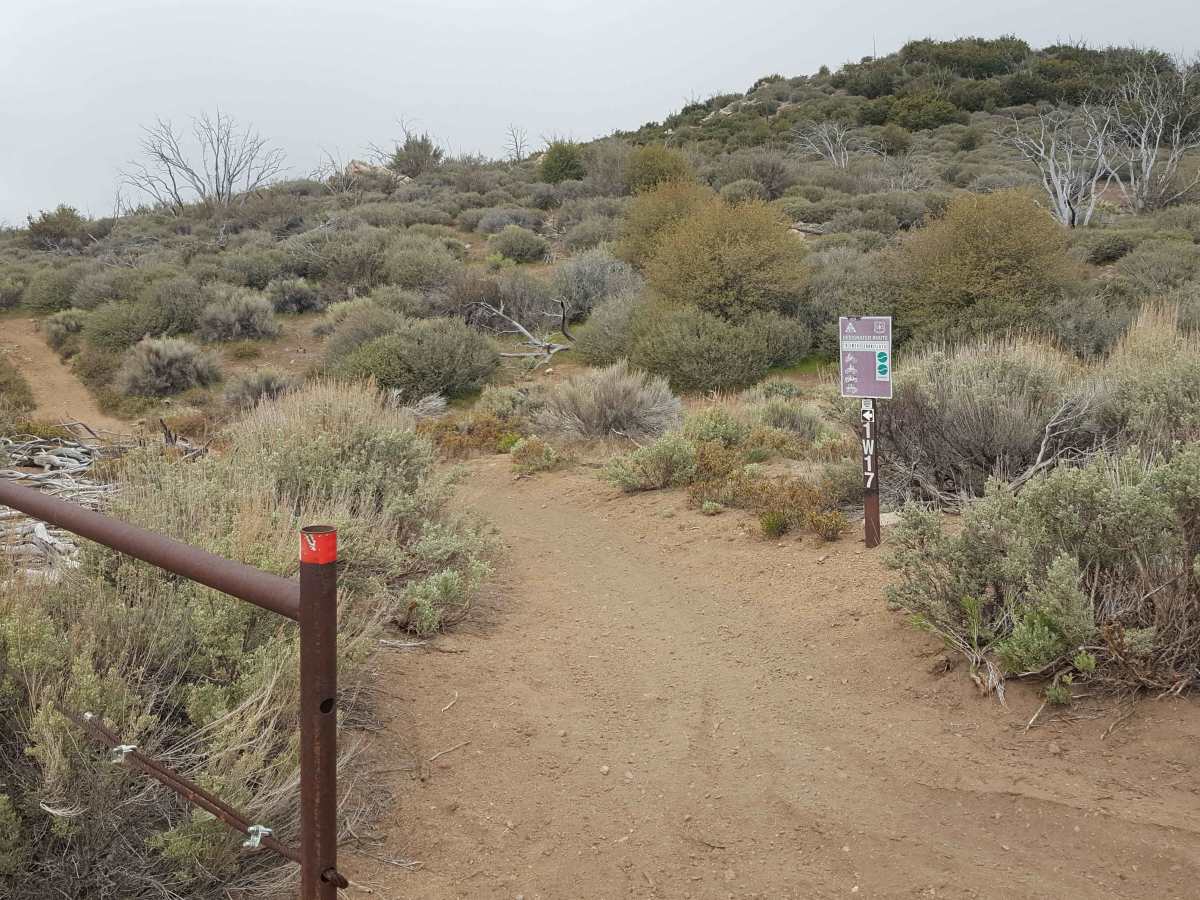
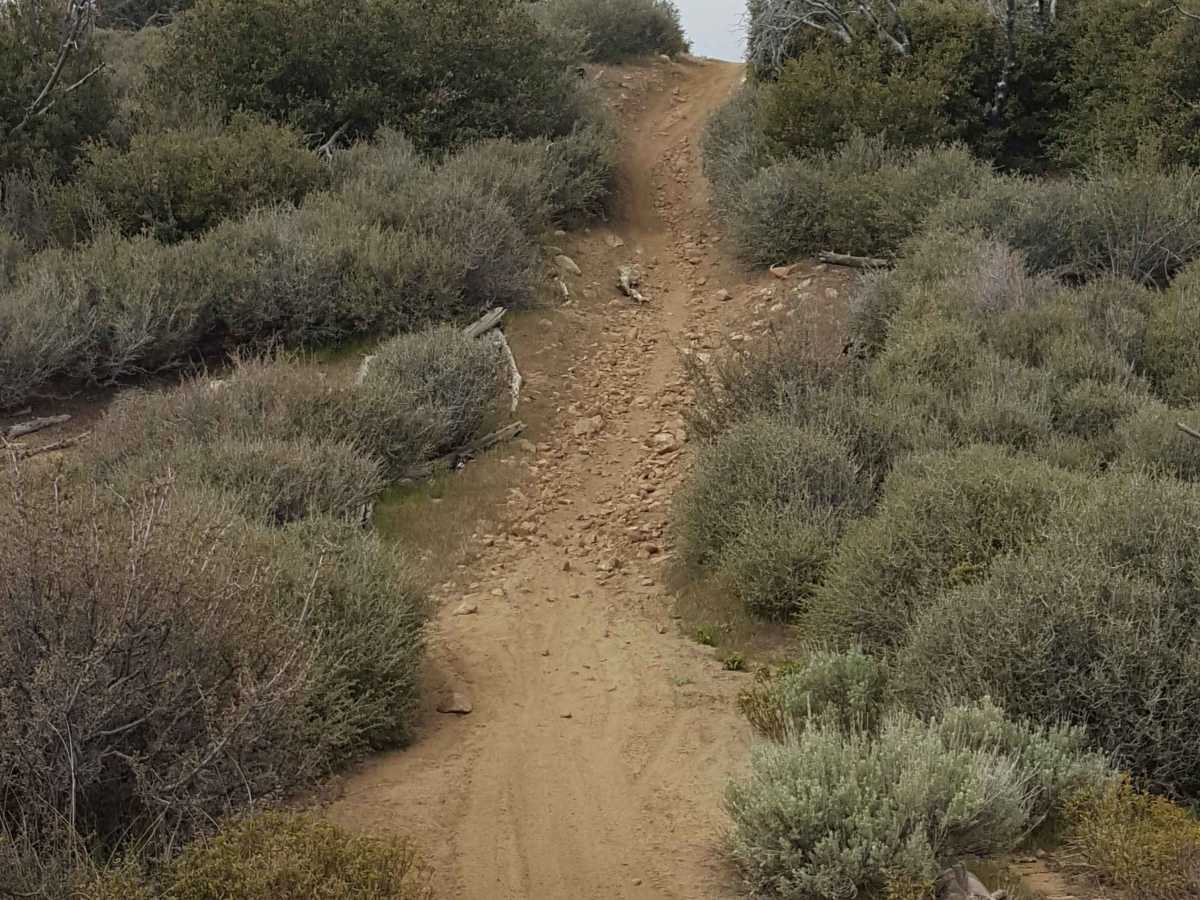
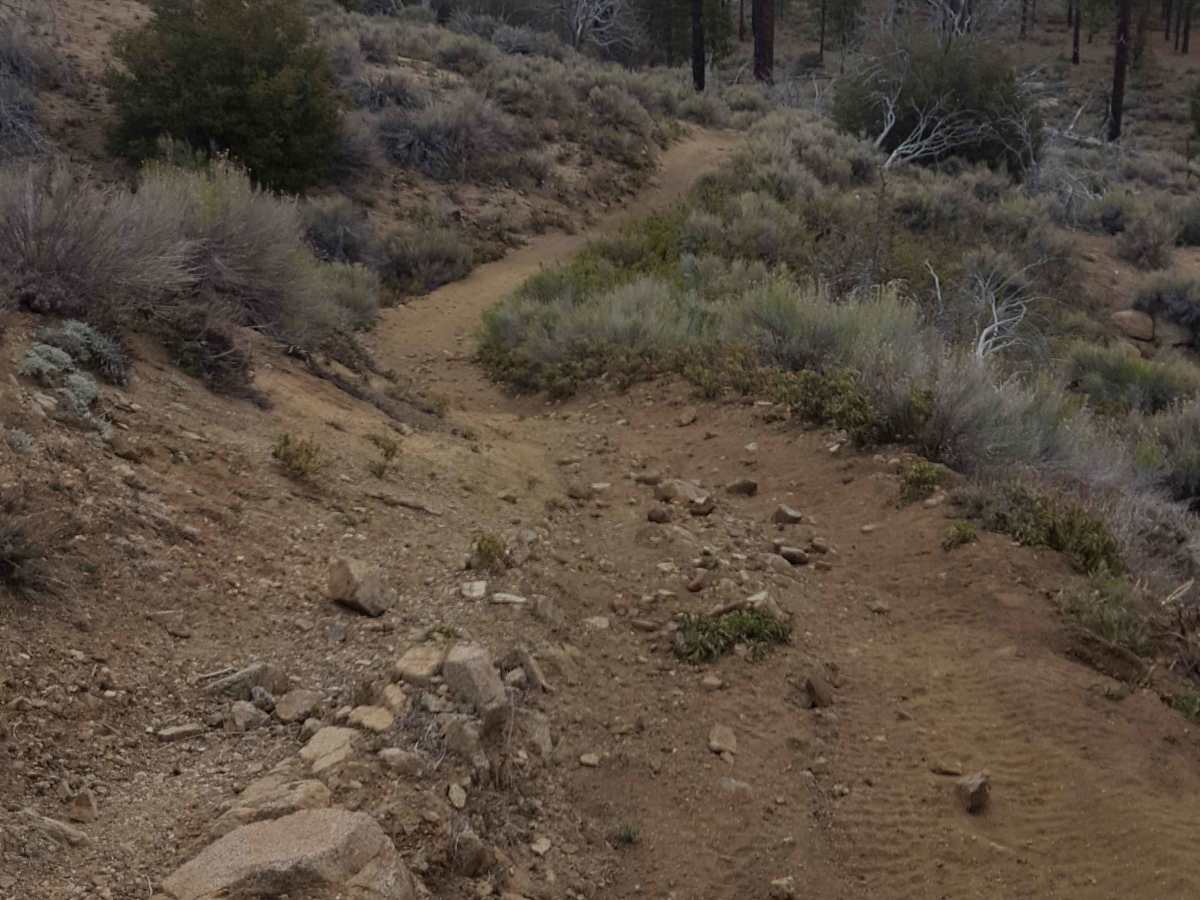
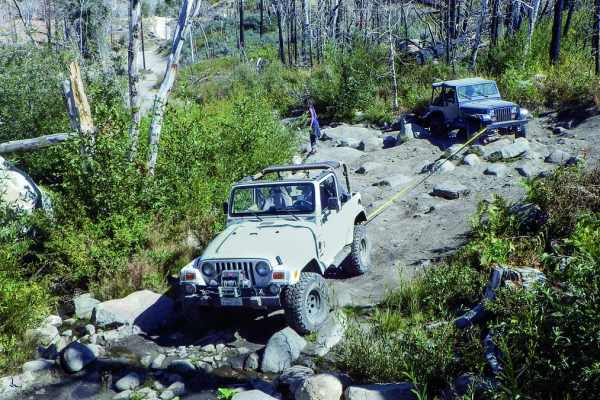
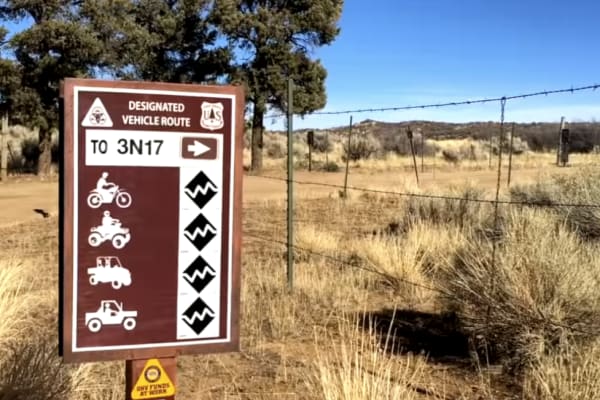
This is a point-to-point single-track trail that runs along the ridgeline of Redonda and Hawes Peaks, providing spectacular views of the Holcomb Valley area. Once you enter the trail below 3N14 (Coxey Rd) on the north end or at Crab Flats on the south end, there are no alternate exits or bypasses. The trail will travel across multiple steep grades as it climbs up and over the peaks of two mountains. These steep grades can consist of loosely packed rock, larger rocks and small boulders, rocky ledges, and/or deep ruts. Maintaining momentum and picking a clean line will be essential to conquer each, as stops/starts are difficult due to loose soil and silt-covered rocks. Traveling this trail from north to south will be a little easier, as some of the steep grades are more difficult to ascend than descend coming from the south end. There is a break area with a picnic table near the halfway point on top of Hawes Peak, which is a great vista to enjoy the scenery. This spot would also be a terrific campsite. Near the south end, the route drops quickly down the side of Hawes Peak and then crosses Holcomb Creek before climbing back up toward Crab Flats. Be aware that the Pacific Crest Trail (PCT) crosses this trail just south of Holcomb Creek, so keep an eye out for backpackers. Dispersed camping is allowed along this route. Come prepared with tools, spare parts, food/water, communication devices, and other riders to enjoy this trial. Cellular service is available along sections of the route. Tread Lightly and Pack-It-Out.
Difficulty
This trail is designated difficult by the Forest Service. It is generally single track with some wider stretches. There are multiple steep climbs and descents along the ridgeline over loose rock, boulder fields, and rocky ledges. There can be deep, narrow ruts running across and down the middle of the main path. Sections of the trail run along a steep hillside and have tight cutbacks. There are also sections running through tight vegetation. The trail will cross Holcomb Creek once, which can be a couple of feet deep and up to 10 feet wide depending on weather conditions and time of year.