Trail Overview
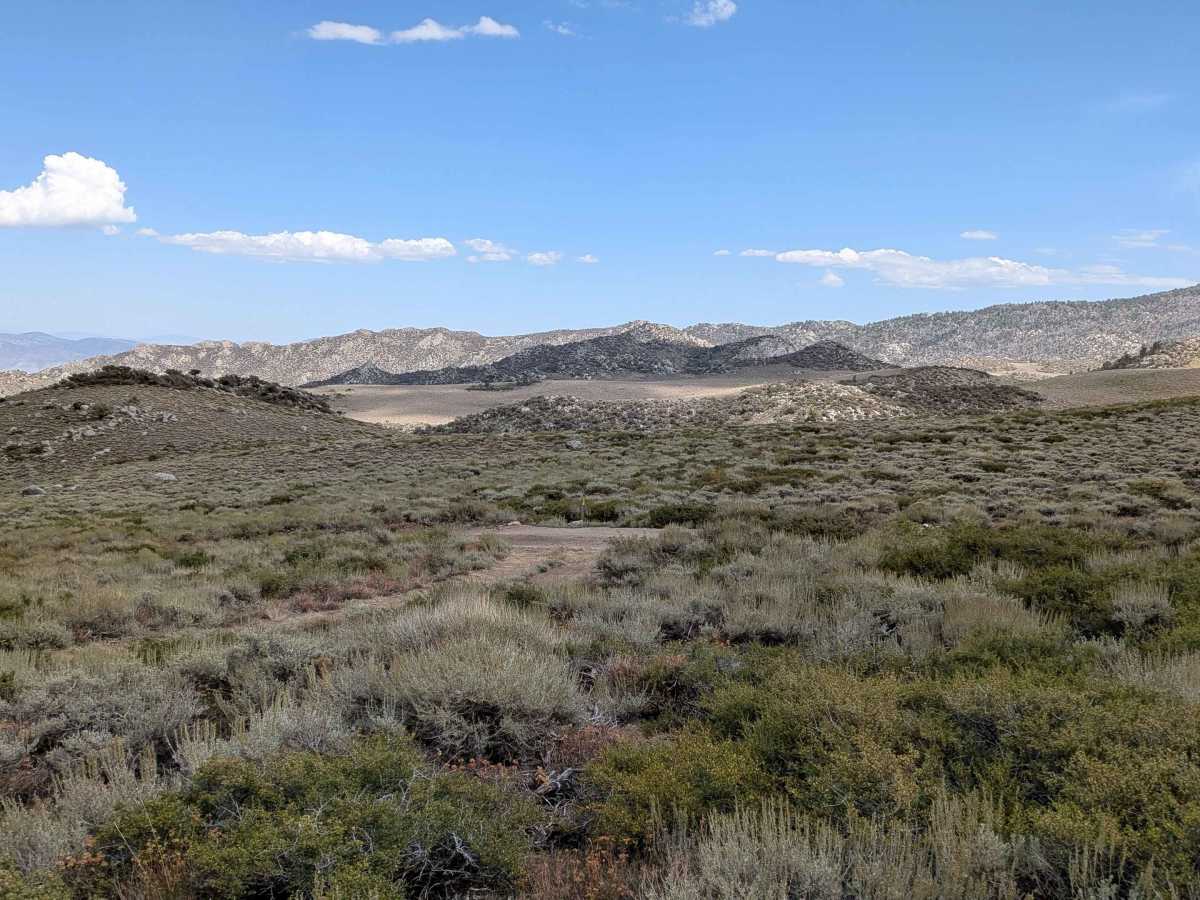
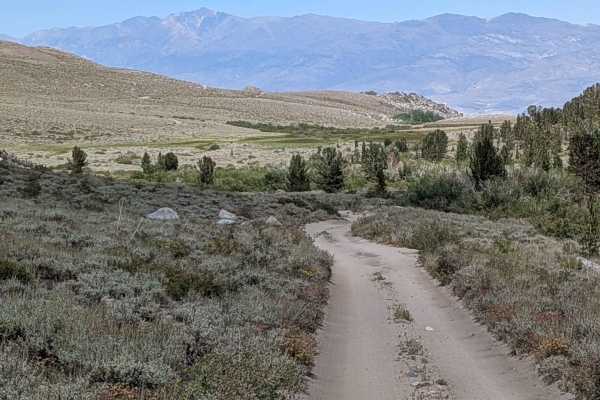
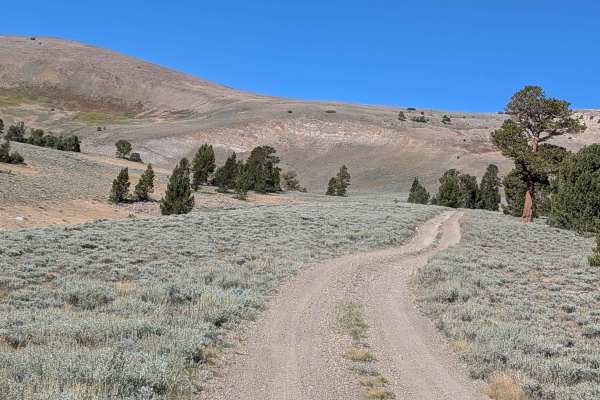
This 5.5-mile out-and-back trail climbs steadily toward one of the small peaks in the Eastern Sierra, offering a mix of rugged terrain and breathtaking vistas. The lower section starts as packed dirt with small embedded rocks, winding through an open meadow filled with brush and wildflowers. With no shade or protection, weather conditions here can change quickly, so prepare accordingly.
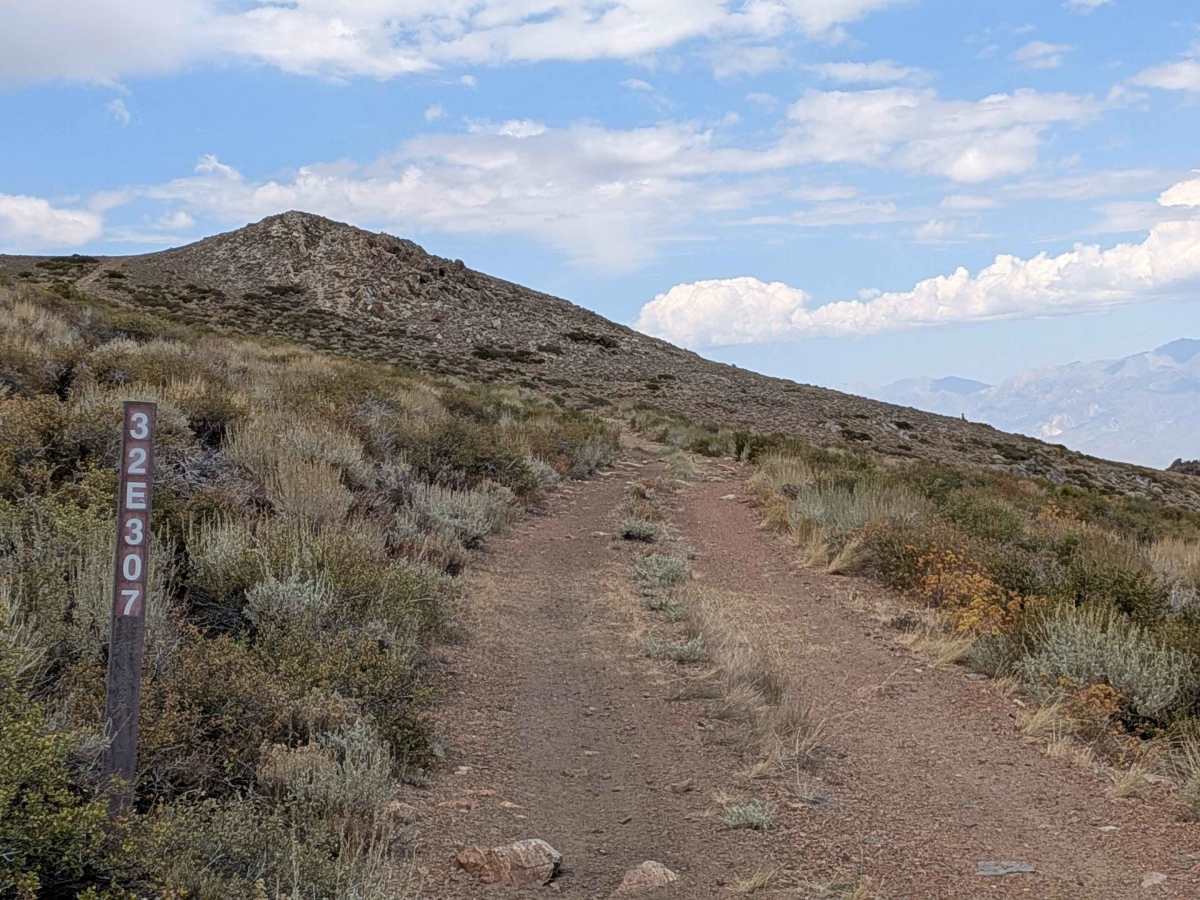
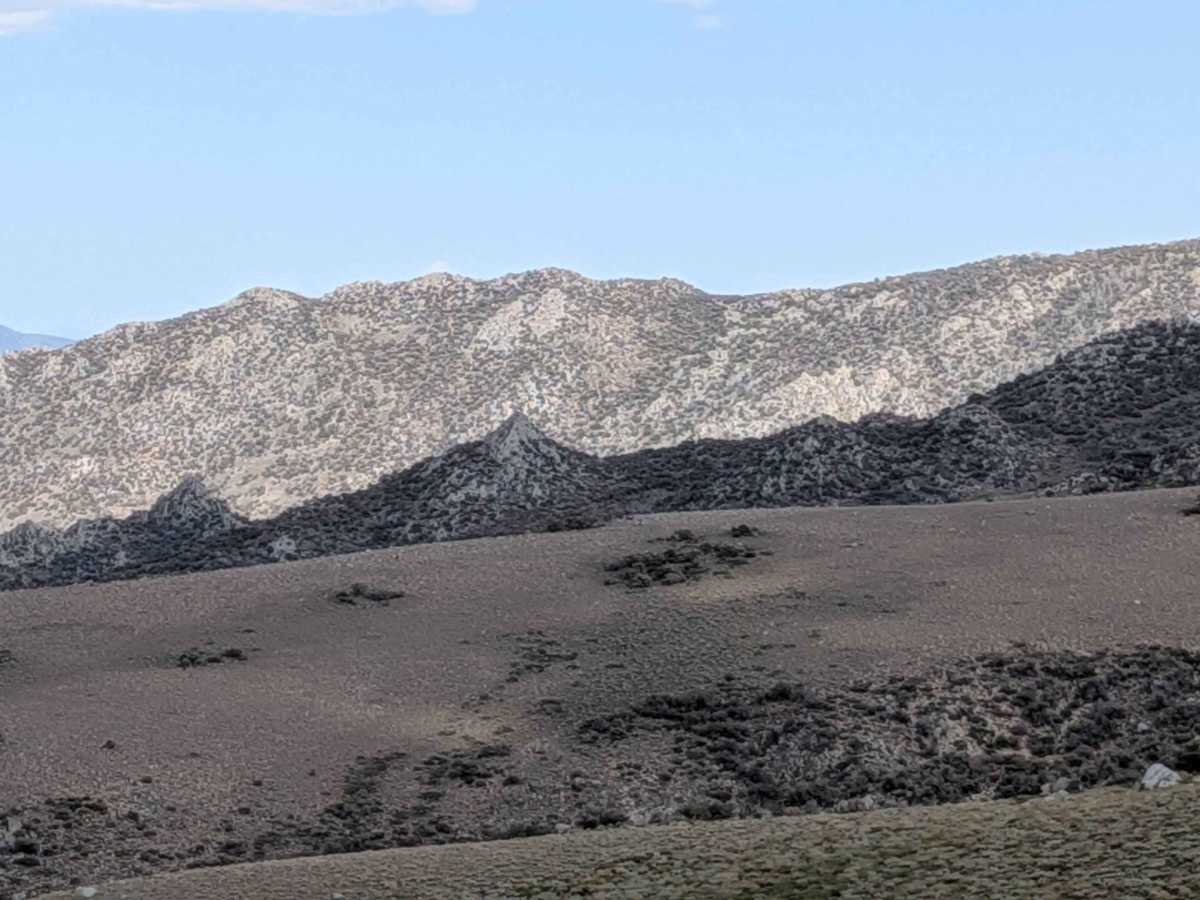
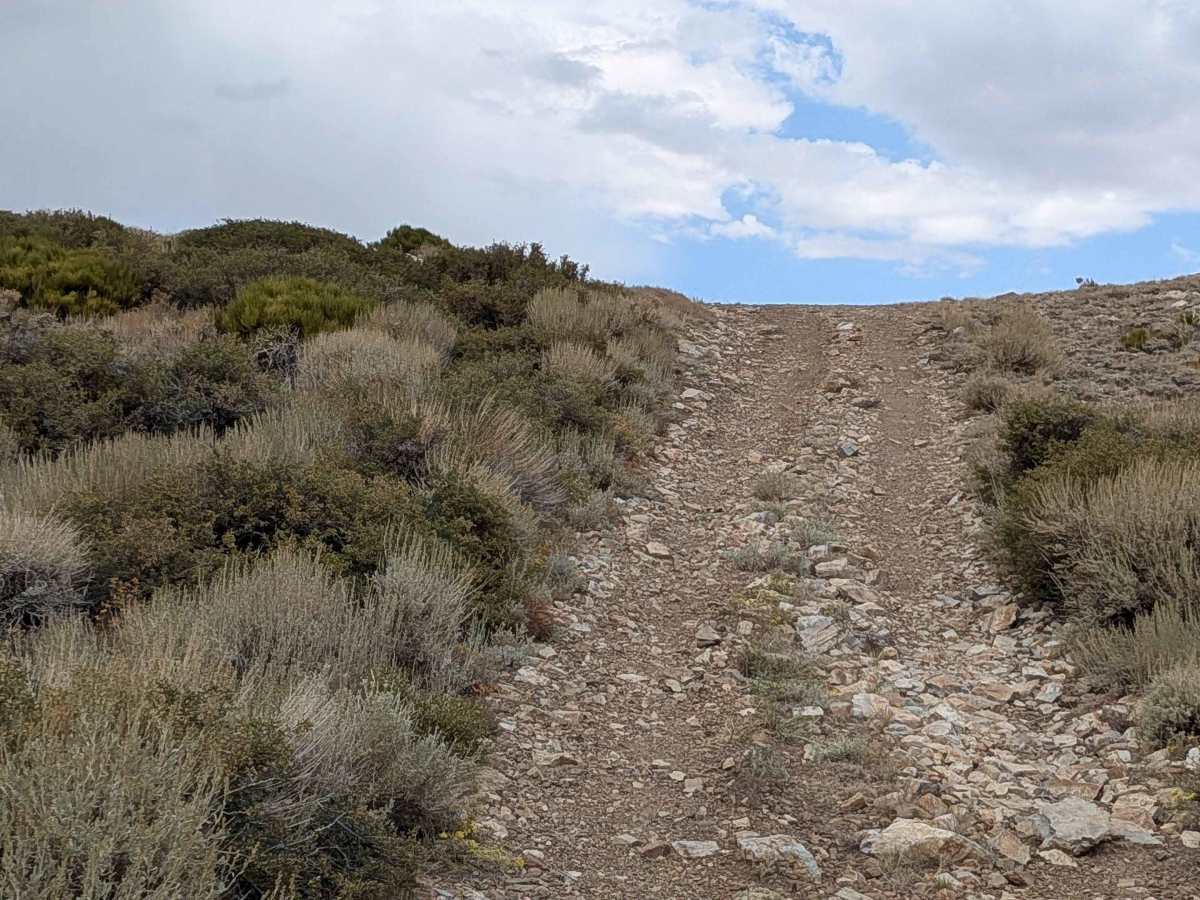
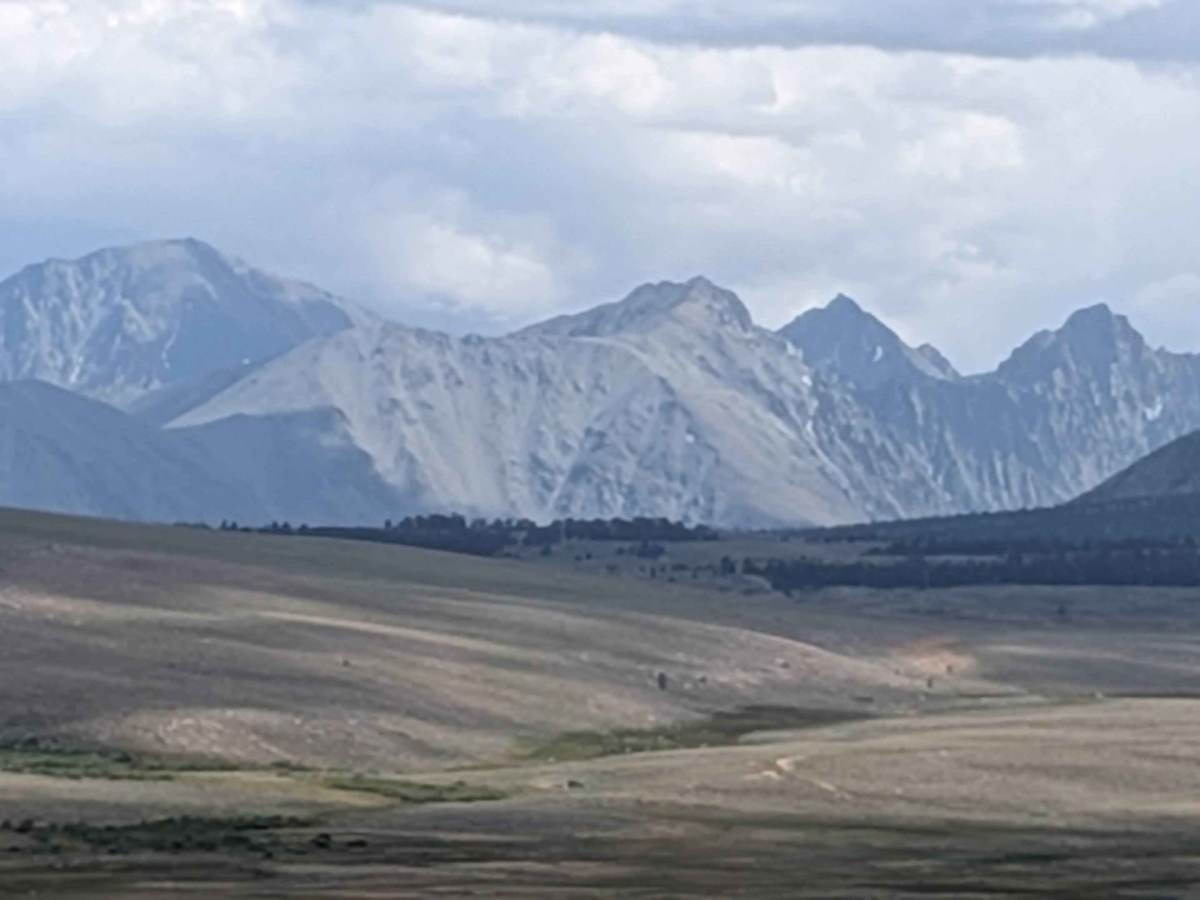
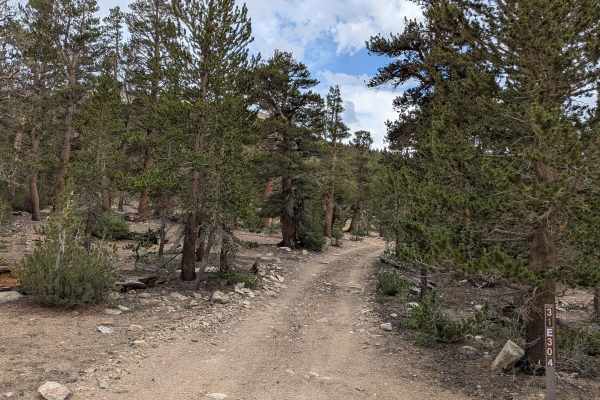
As the trail progresses, the surface becomes rougher, transitioning to gravel and loose rock. By mile 1.2, the road narrows, with brush close on both sides that will leave pinstripes on your vehicle. Several off-camber stretches, large rocks, and short shelf-road sections demand attentive driving and good ground clearance. At mile 1.7, the trail crests 10,000 feet, revealing sweeping 360° views of the Eastern Sierra — a highlight of the route. Shortly after, the road enters a small, windswept pine forest where low branches rub along vehicles, bearing visible scars from the area’s harsh winter winds. Wildlife is common in this remote setting, with mule deer often spotted along the way. Brush growing in the center of the trail adds an extra challenge, scraping undersides as you climb.
Difficulty
Expect tight brush, off-camber sections, rocks, and shelf roads. A high-clearance 4x4 with good tires is recommended. Weather and elevation can add to the challenge.
Tire Pressure: Consider airing down slightly (2–4 PSI lower than highway pressure) to smooth out rocks and washboard sections.
Clearance & Protection: Skid plates and rock sliders are helpful due to embedded rocks and the center brush that may scrape the undercarriage.
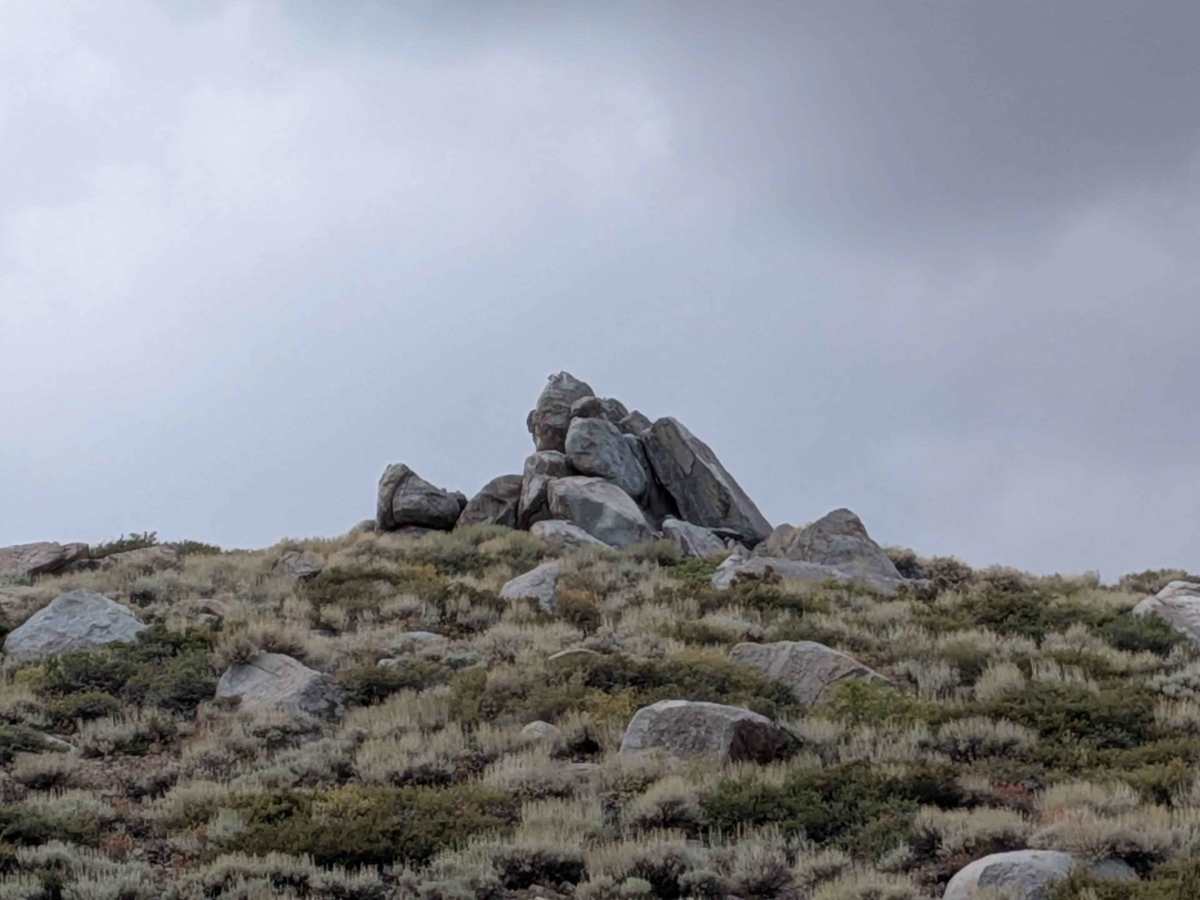
Weather Awareness: At 10,000 ft, storms can roll in quickly. Watch for lightning and avoid lingering in exposed meadows during bad weather.
Visibility: Narrow sections mean backing up for oncoming traffic may be required
Gearing: Use low range on steep climbs, descents, or off-camber shelf roads for better control and traction.


 Offroad