Trail Overview
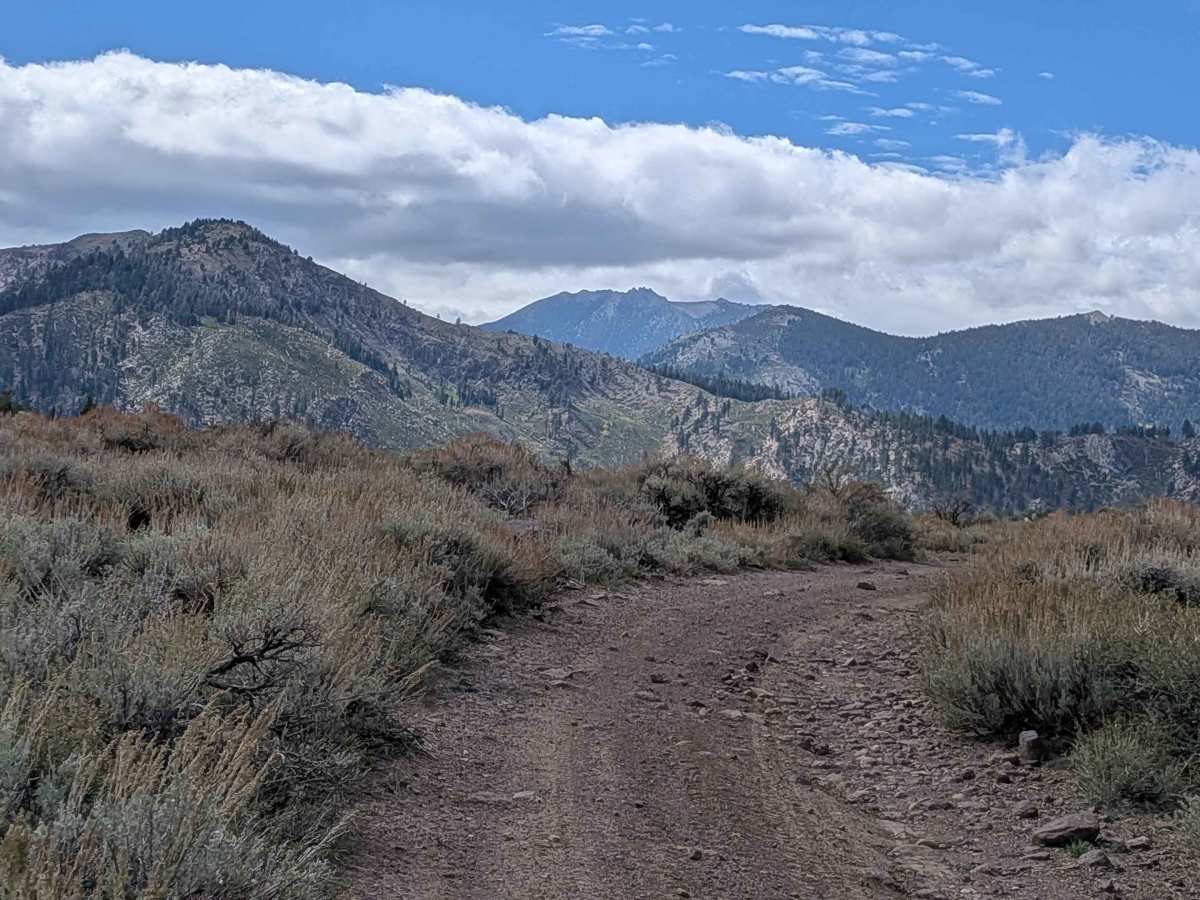
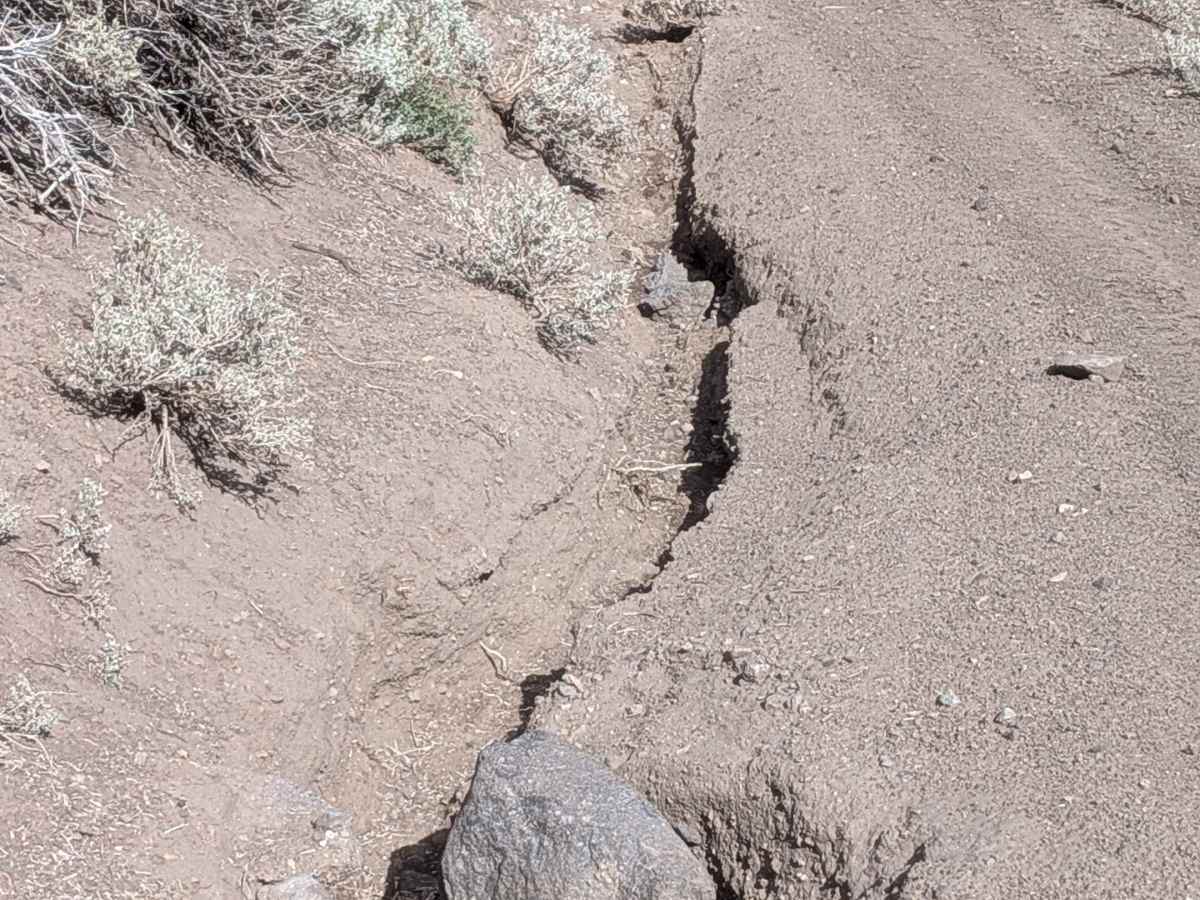
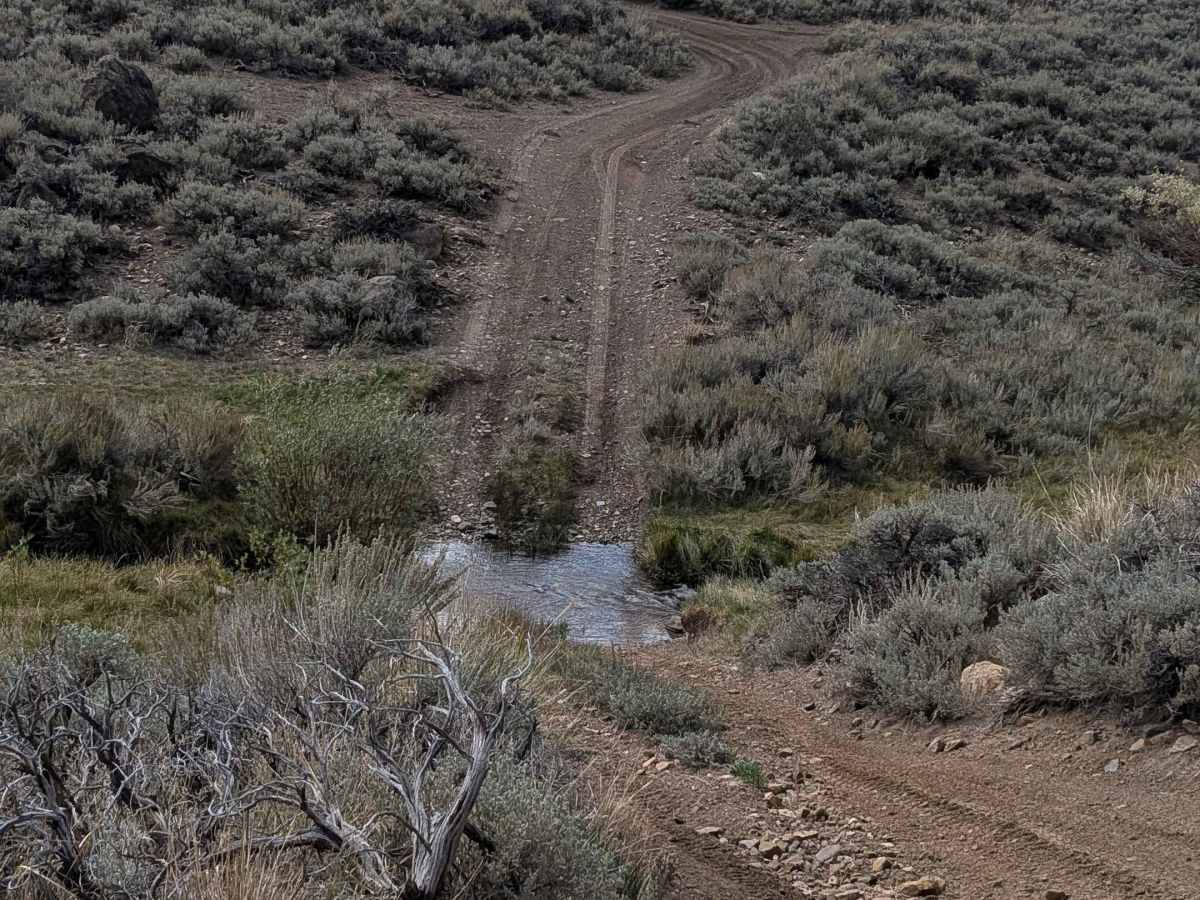
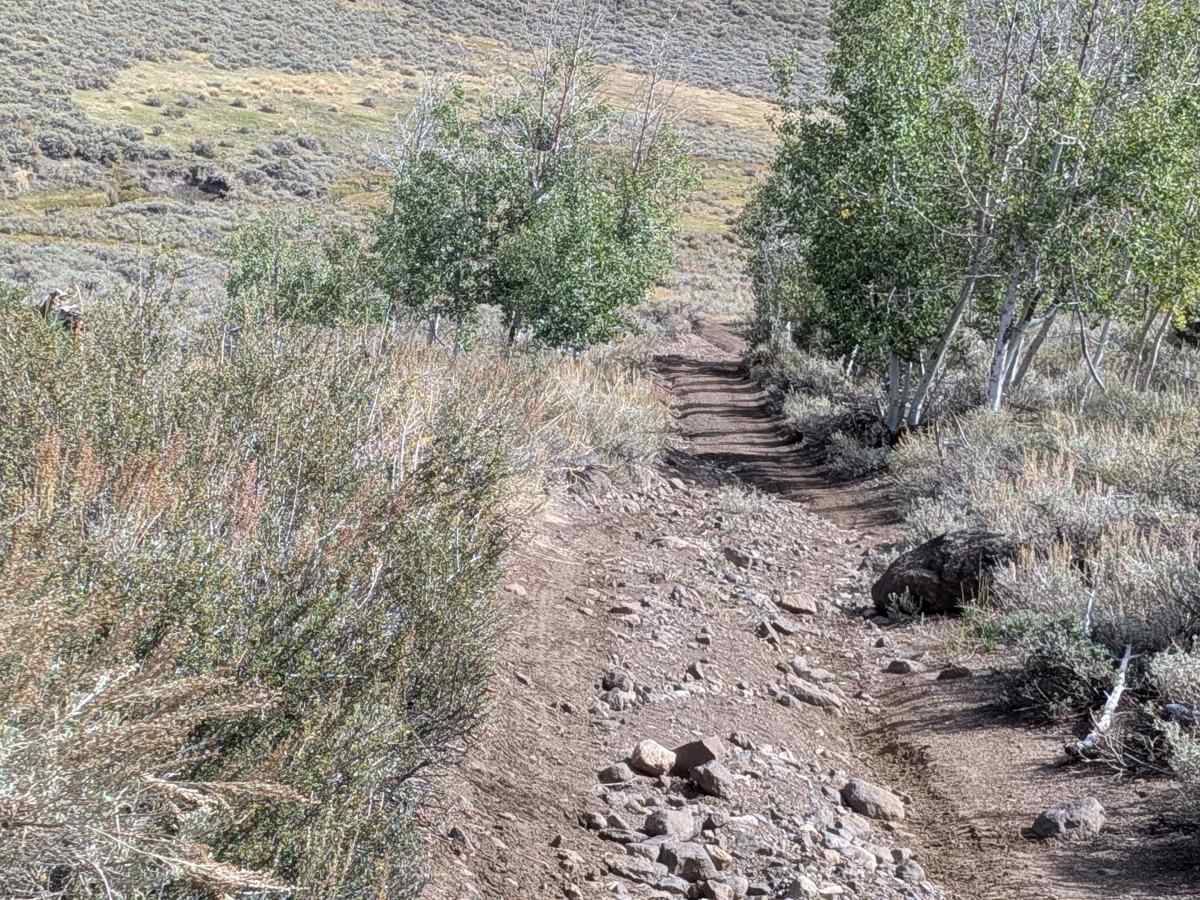
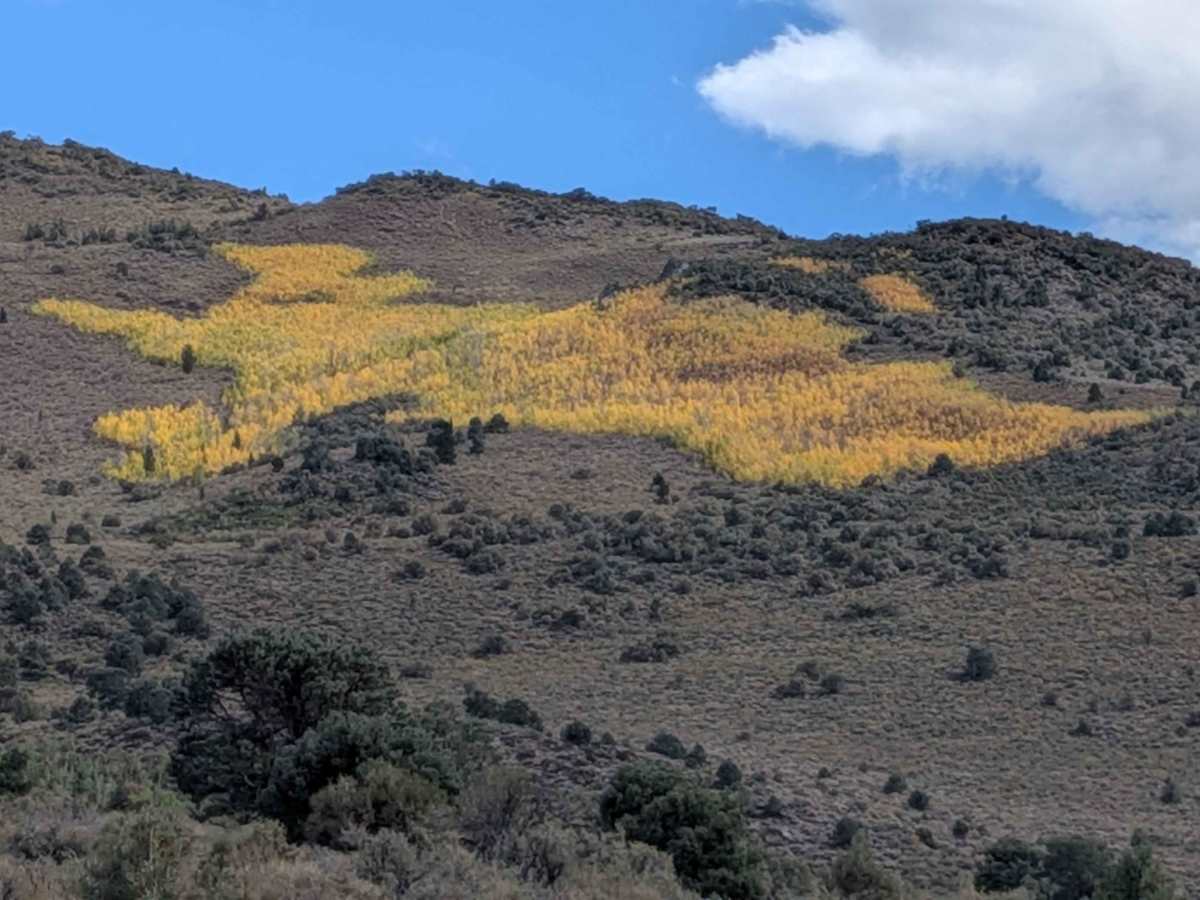
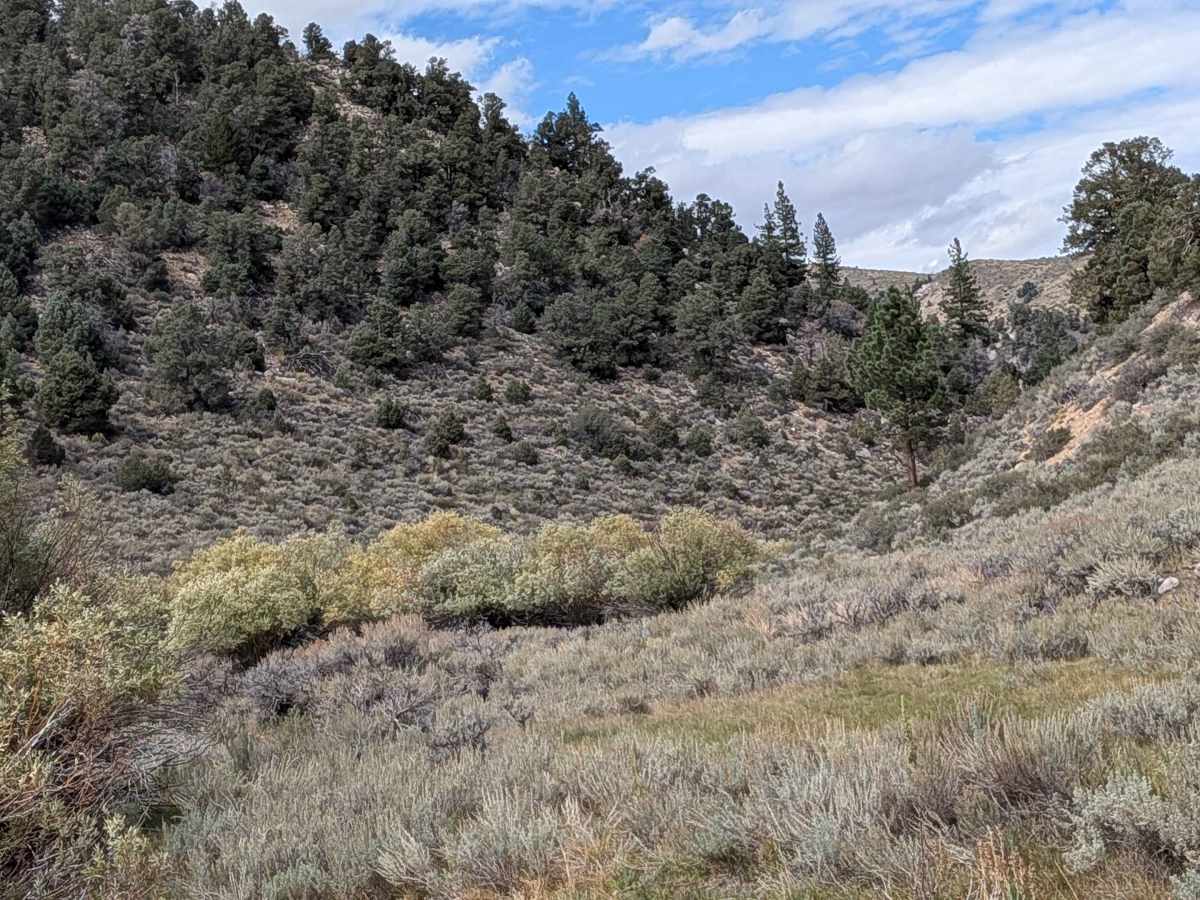
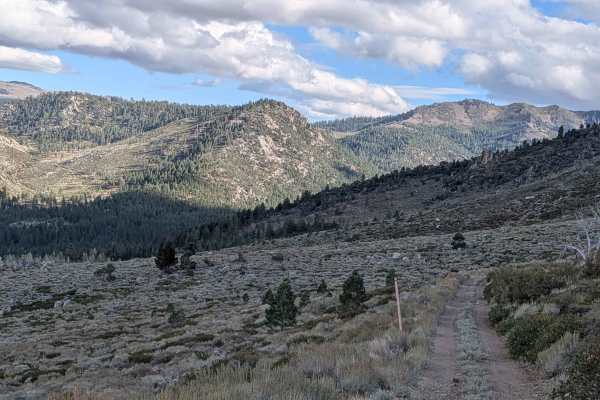
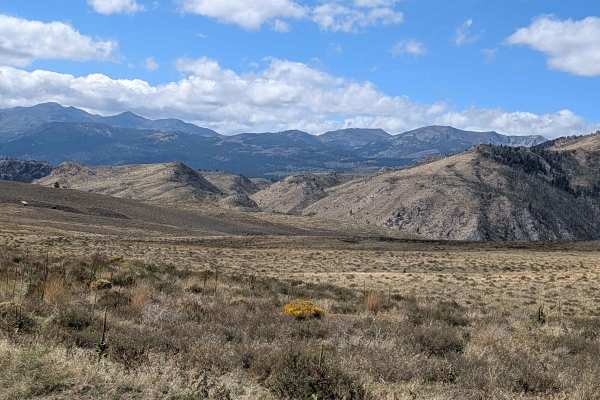
This 3-mile out-and-back trail starts at Burcham Flat North Road and quickly establishes its character as a narrow, technical route through varied terrain. The trail maintains a single vehicle width throughout, lined with grasses and brush that create an enclosed corridor feeling. The dirt surface features small rocks scattered along its length, with conditions progressively becoming more challenging as the route advances deeper into the landscape. The trail drops dramatically into a canyon and valley, losing over 300 feet of elevation before climbing almost 300 feet back up, creating significant elevation changes in a relatively short distance. Several slight off-camber sections and ruts appear throughout the route, requiring careful wheel placement and attention to vehicle angle. At approximately half a mile in, the trail becomes very narrow with extensive rutting and a steep downhill section that demands reduced speed and precise line selection. A small creek crossing occurs at mile 0.8, followed immediately by a challenging small hill that is off-camber with ruts, marking a transition point where the trail difficulty increases noticeably. Beyond this section, more rocks appear on the trail surface, adding to the technical demands. A short shelf road section crosses above the creek, requiring confidence with exposure. A small spur trail cuts through the valley below, and another small spur trail branches off at the end, offering brief exploration options. The trail culminates at a large pine tree where a small turnaround area allows for vehicle repositioning. From this endpoint, visitors can walk to the edge and enjoy views of the canyon below, providing a rewarding destination after the technical drive. During the fall season, patches of aspen groves may display brilliant yellow and orange colors, adding seasonal beauty to the canyon landscape.
Difficulty
This trail has a moderate-to-challenging difficulty rating (3) based on the narrow single-vehicle width, significant elevation changes exceeding 600 feet total, off-camber sections with ruts, steep downhill portions, creek crossing, shelf road exposure, and progressively rougher surface conditions with rocks. The primary challenges include maintaining control on steep, rutted descents, managing off-camber angles safely, navigating the narrow brushy corridor, and coordinating the out-and-back format on a single-vehicle-width trail where passing is difficult.

 Offroad