Trail Overview
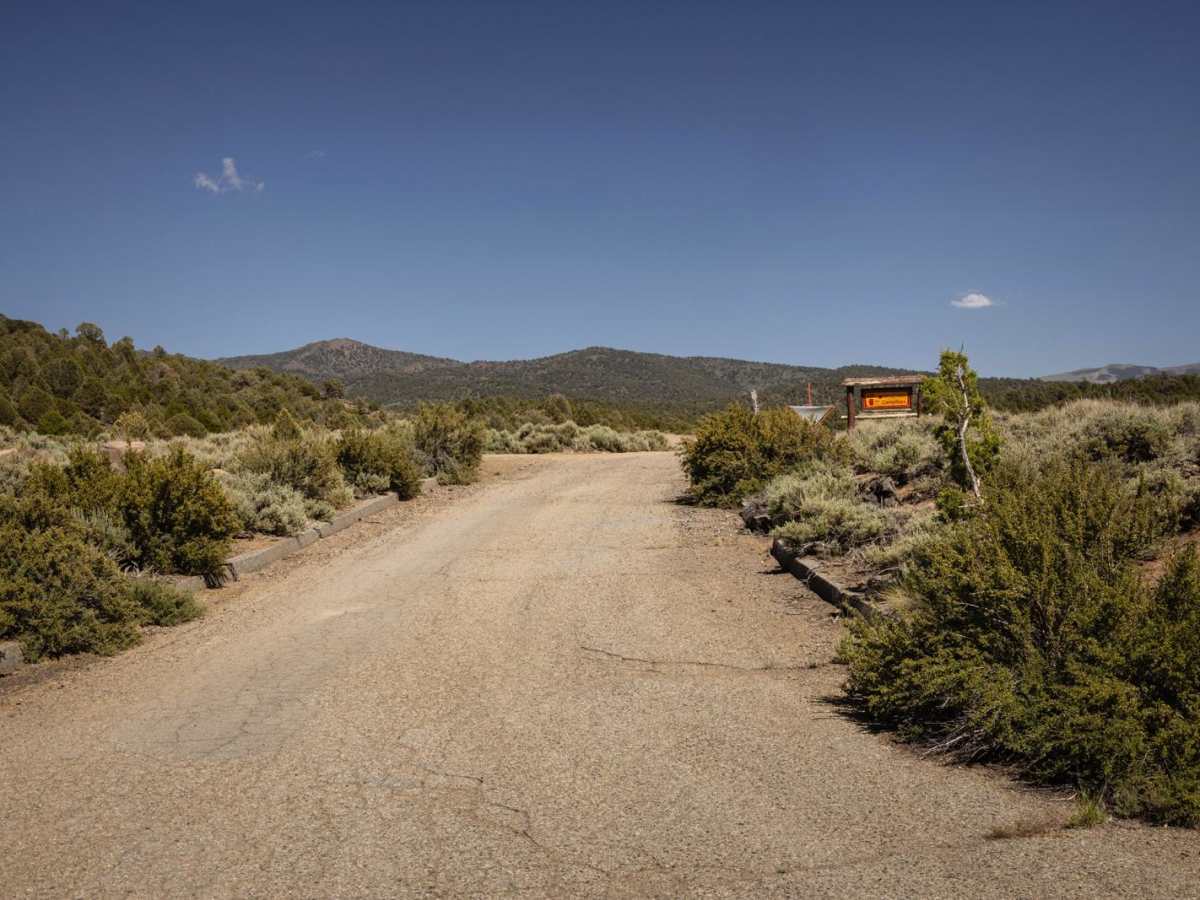
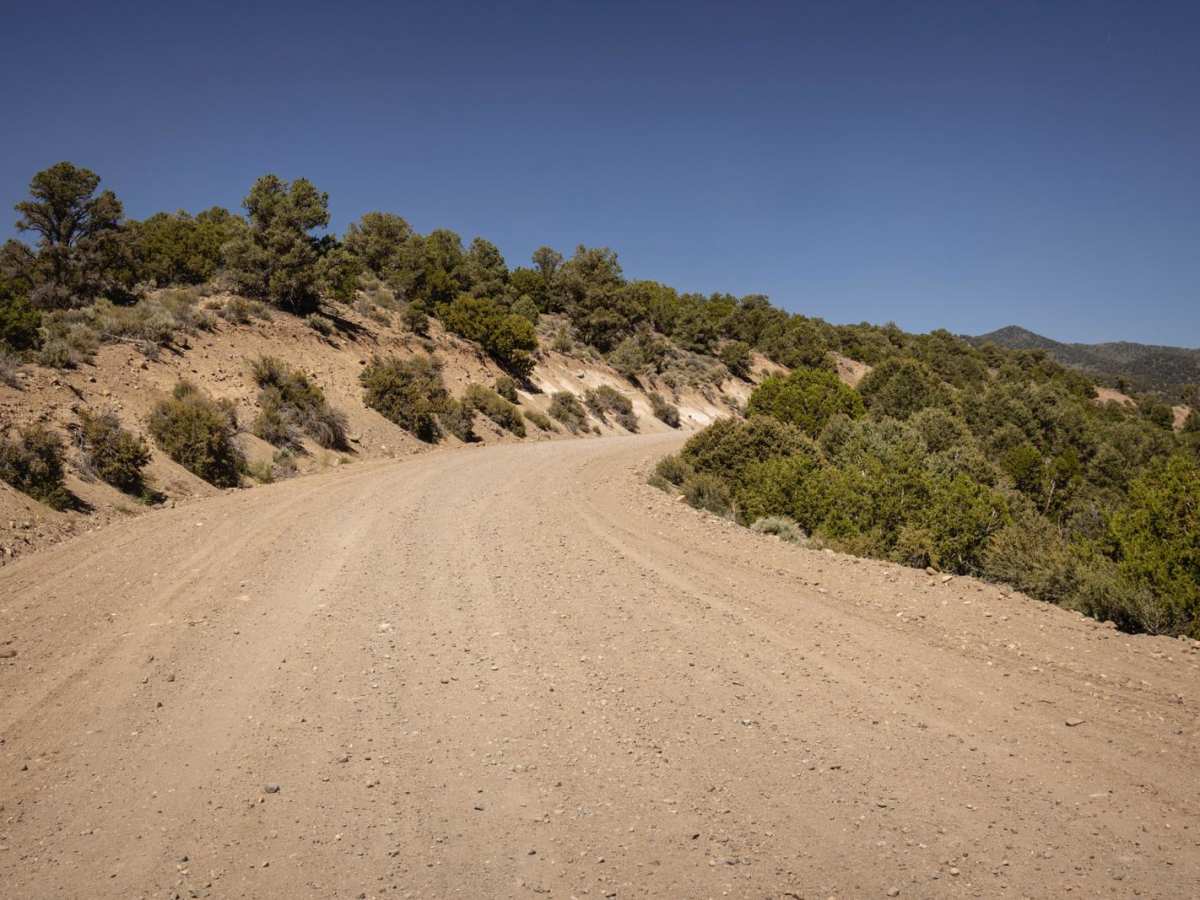
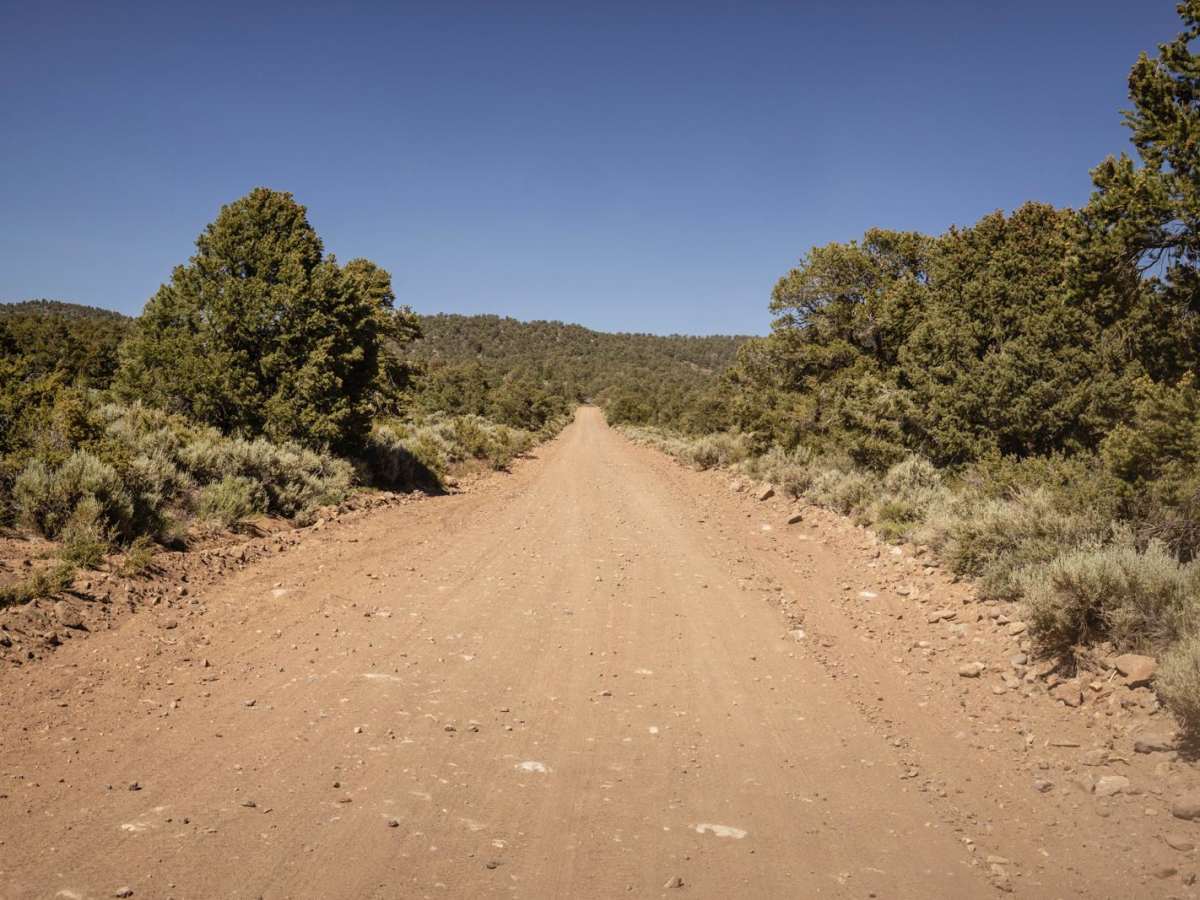
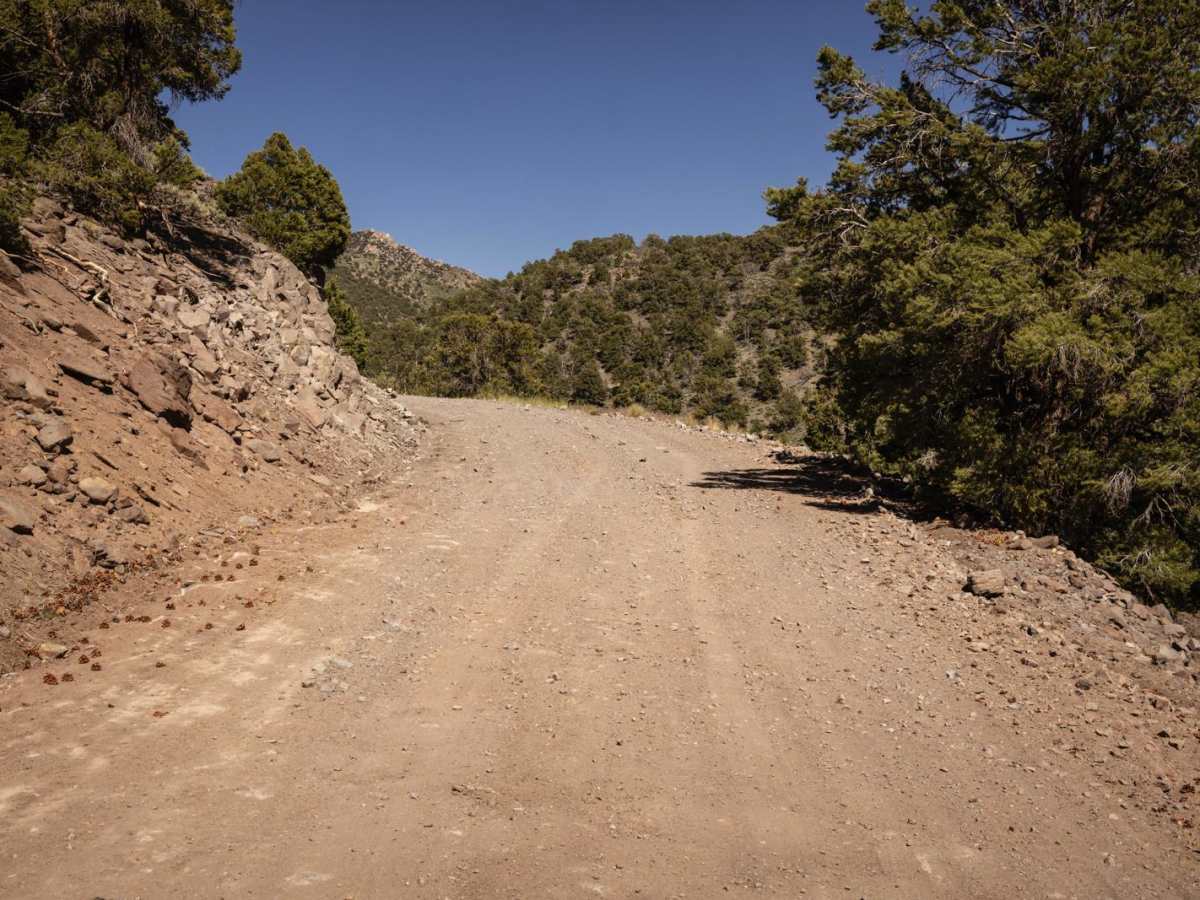
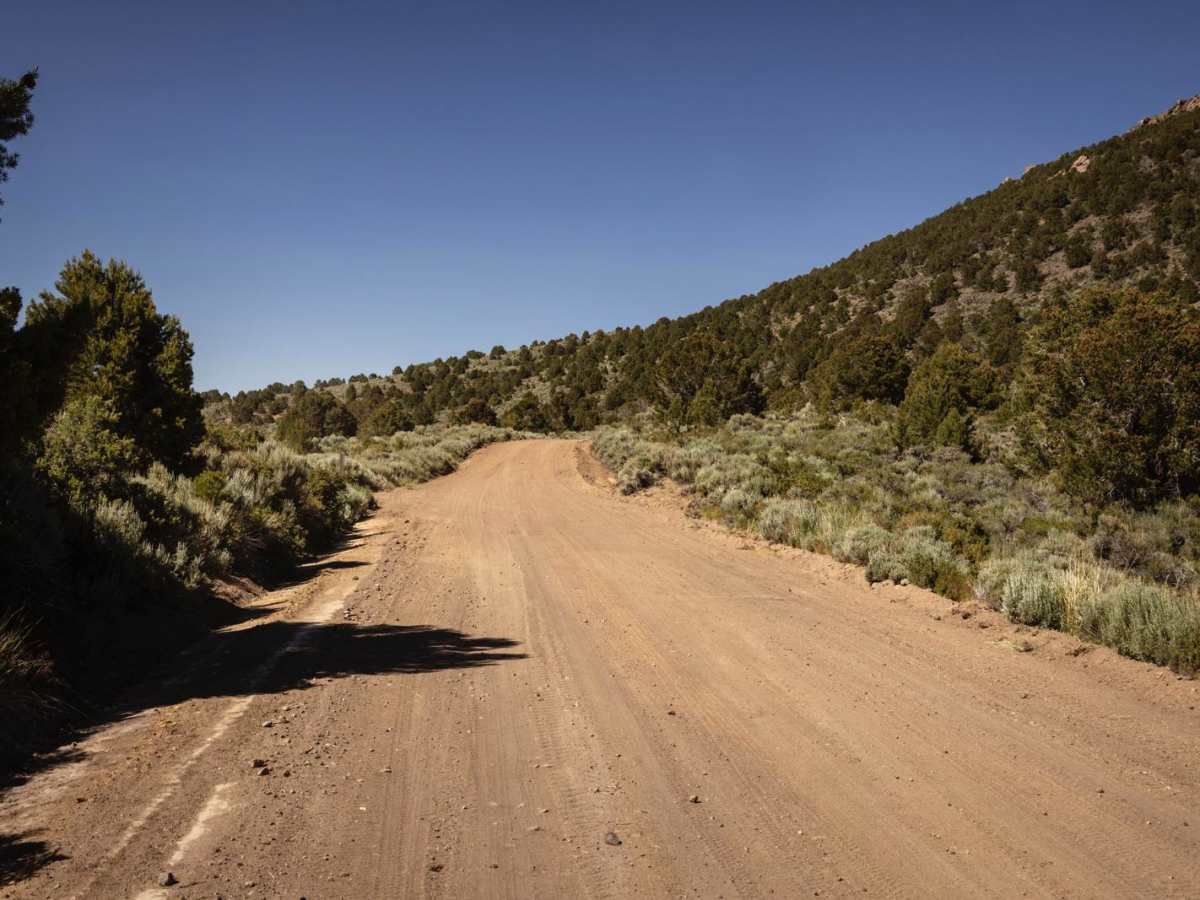
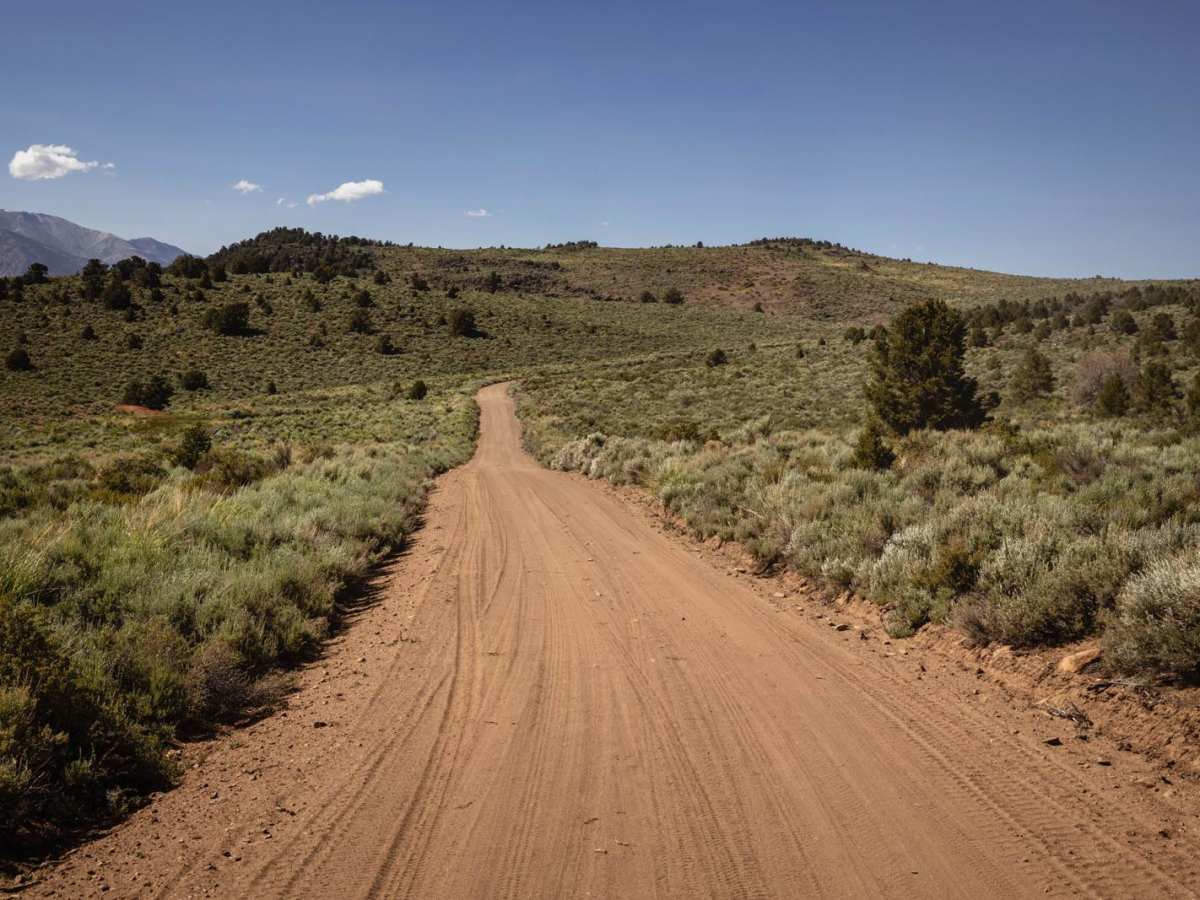
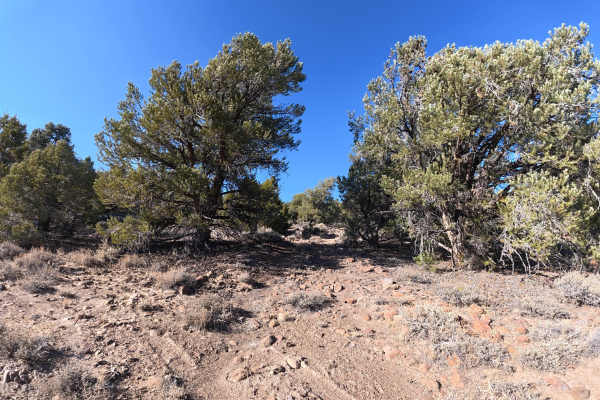
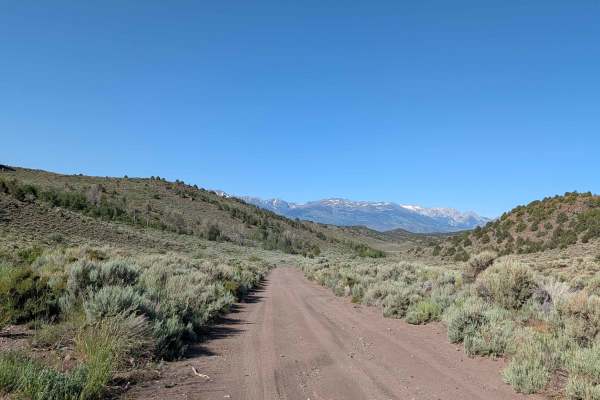
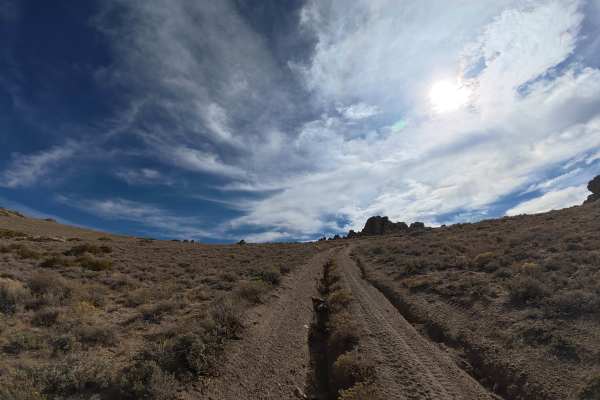
This moderately challenging 23.5-mile backcountry trail is ideal for history enthusiasts and offroaders seeking a scenic route through the rugged Bodie Mountains to the famous Bodie Ghost Town. Starting near the Bridgeport Reservoir at an elevation of 6,516 feet, the track climbs steadily through the high desert, reaching heights up to 9,254 feet with 4,318 feet of cumulative elevation gain. The majority of the route consists of unpaved dirt and washboard surfaces that are easily accessible to high-clearance four-wheel-drive vehicles, SxSs, and offroad motorcycles. As the trail progresses, drivers will navigate long, exposed shelf roads that offer sweeping panoramic views of the Sierra backcountry, requiring focused driving but no extreme technical maneuvers. While generally rated a 3 out of 10 on the technical scale, the final stretch leading into the historic townsite introduces rougher terrain with intermittent rock gardens, minor ruts, and loose stones where airing down tires is highly recommended for a more comfortable ride.
Along the route, travelers will pass near the historic Masonic mining district, where remnants of the early 20th-century gold rush lie scattered as weathered stone walls and rusted mining machinery. This path follows old stagecoach and mule trails, providing a deep sense of isolation with virtually no cellular service, making downloaded offline maps and self-reliance essential. Summer and early autumn are the best seasons to tackle this journey, as heavy winter snows and spring snowmelt at these high elevations can render the road impassable or extremely muddy. While the road itself does not require specialized rock crawling equipment, the relentless bouncing on the rocky segments can be taxing on stock vehicle suspensions. Visitors should plan for a full day of exploration to enjoy both the trail and the arrested decay of the Bodie State Historic Park, keeping in mind that dispersed camping is permitted on surrounding public lands but strictly prohibited within the state park boundaries.
Difficulty
This is a semi-maintained road that has the potential for water crossings and rougher sections, particularly after a snow or rain event. There is no service along this route, so offline maps are recommended.
History
Bodie was a bustling gold-mining town established in the late 19th century, eventually becoming a California State Historic Park preserved in a state of arrested decay. Along the northern section of the route lies the Masonic mining district, which was founded in 1902 and consisted of Upper, Middle, and Lower towns. At its peak, Masonic had over 1,000 residents chasing gold promises, but today only stone walls, rusted equipment, and skeletal structures remain.
Access Description
Entrance fees are required to enter Bodie State Historic Park, which operates during designated daytime hours. Dispersed camping is permitted on adjacent public BLM lands, but no camping is allowed within the state park boundaries.