Trail Overview
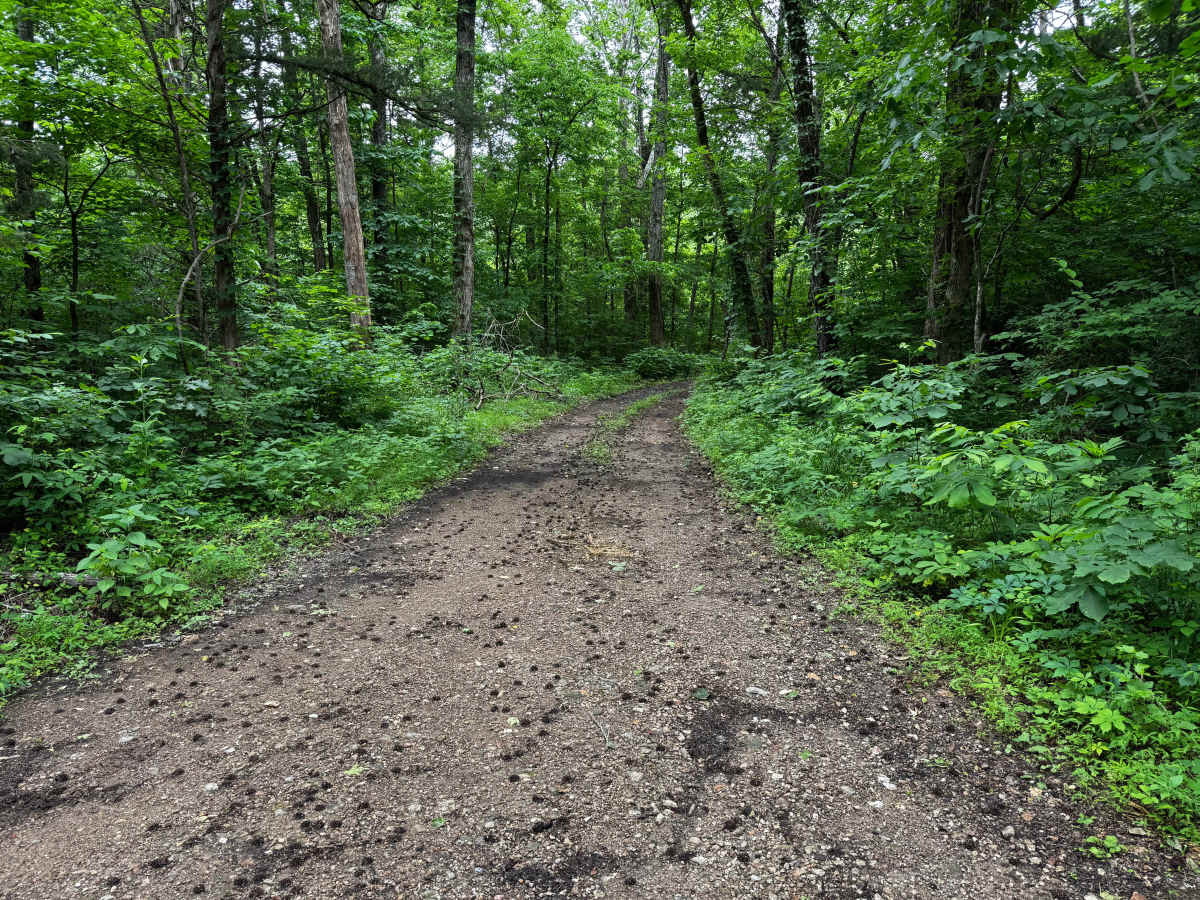
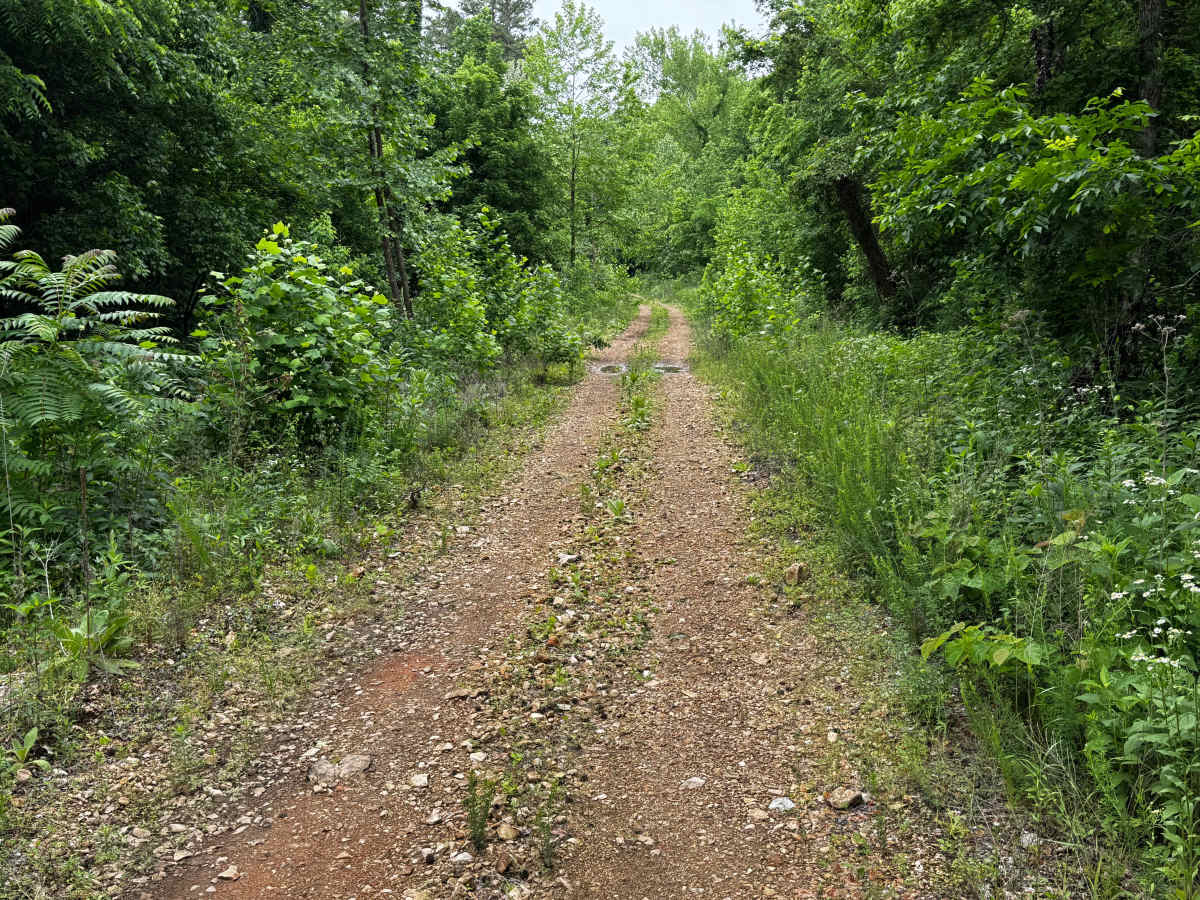
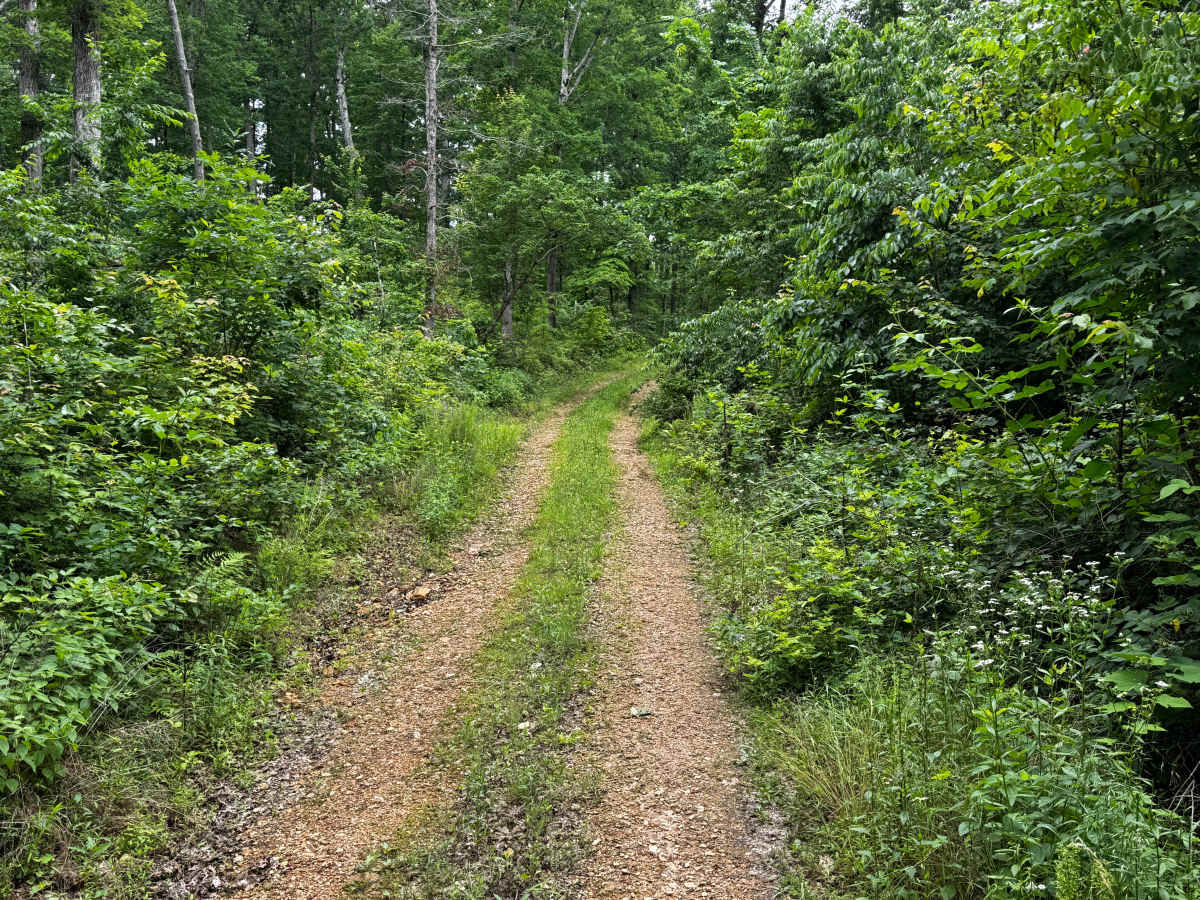
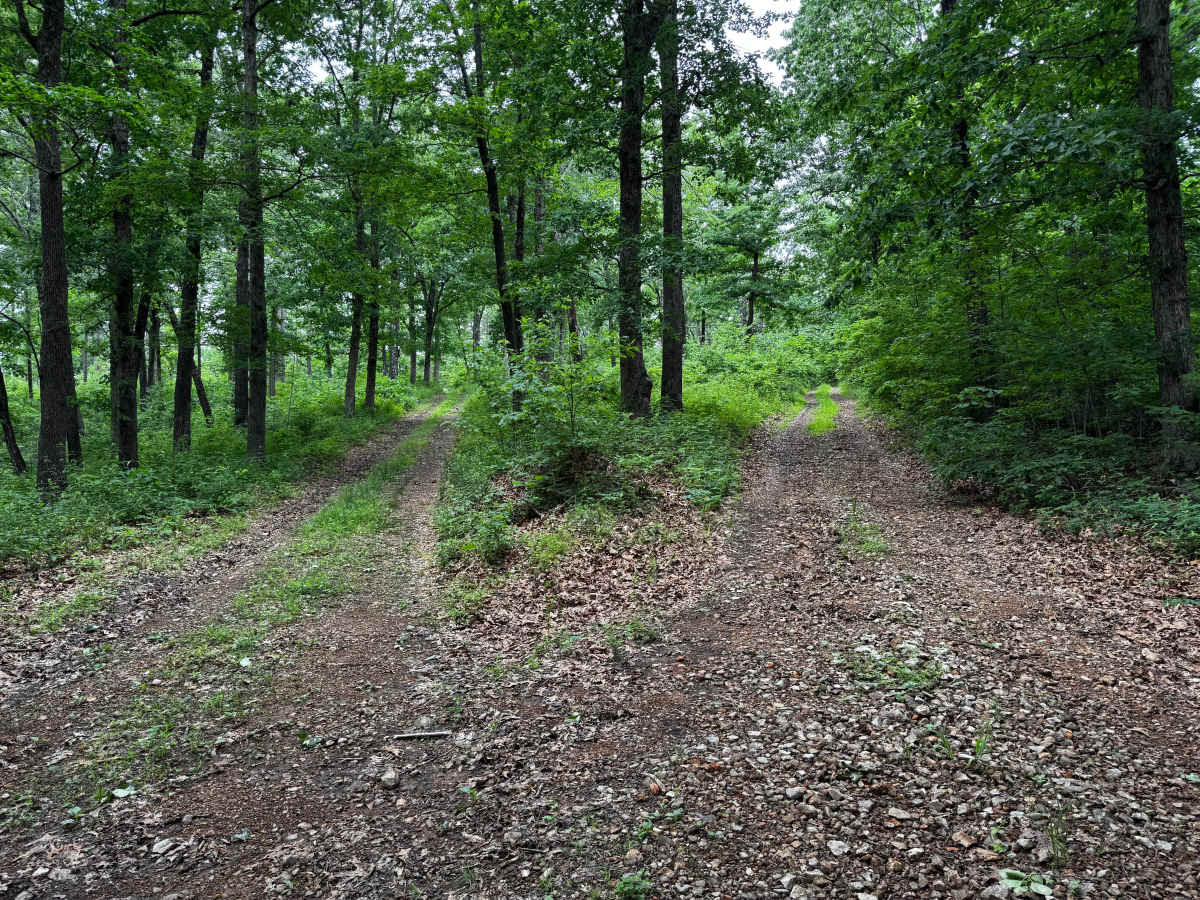
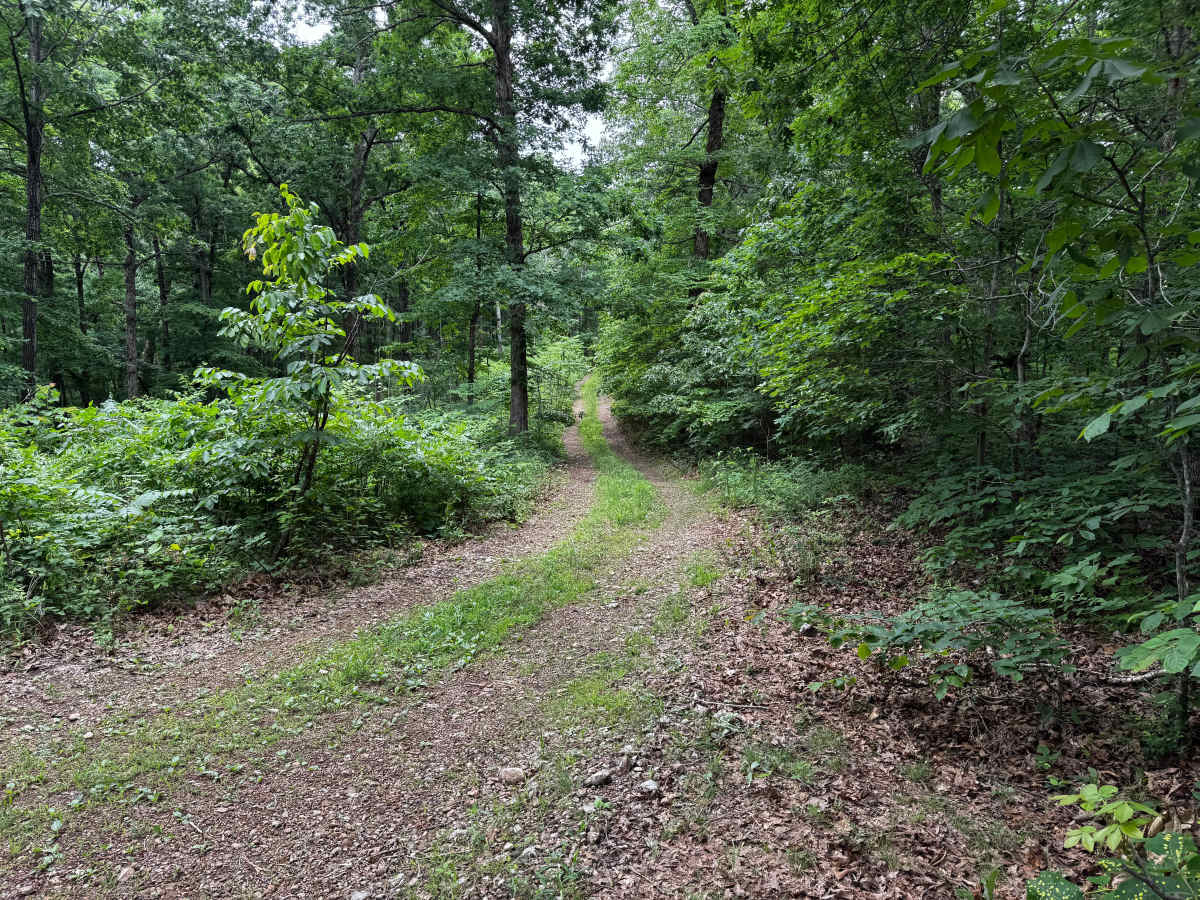
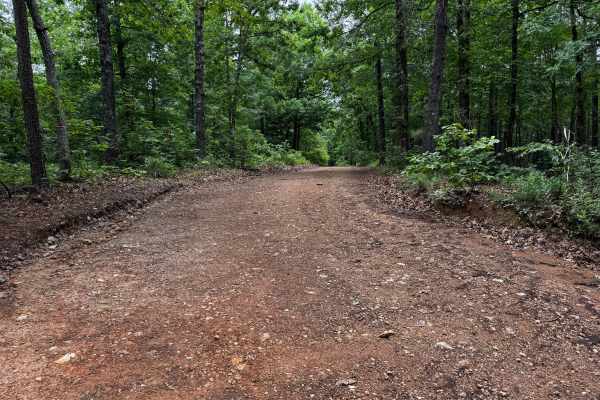
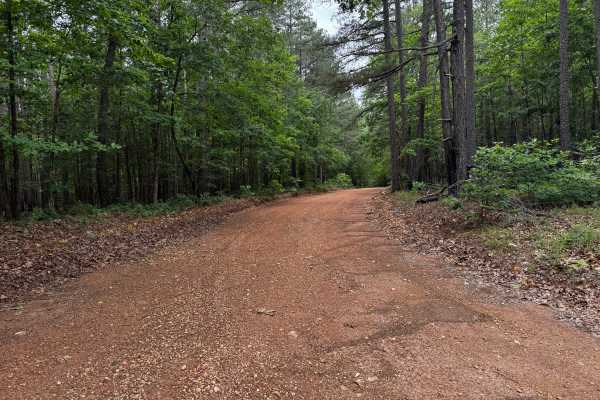
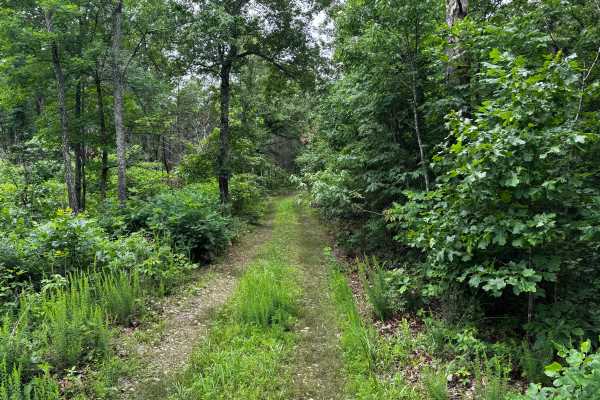
This route branches off from 1106 and quickly transitions into a quieter, more secluded forest route surrounded by dense hardwoods and thick underbrush. The surface is mostly gravel and packed dirt with patches of grass growing between the tire tracks, giving parts of the route a lightly traveled feel. While there are no major rock obstacles or steep climbs, sections of the route become narrow due to heavy vegetation pressing in from both sides. Drivers of wider vehicles should expect possible pinstriping from branches and overgrowth along the edge of the trail. The route winds through shaded woods before ending at a Y intersection near private property. A turnaround area is available before reaching the private road, allowing drivers to safely head back the way they came.
Difficulty
The trail surface is primarily gravel, dirt, and light grass-covered two-track with no major rock obstacles. Narrow sections caused by heavy overgrowth are the main challenge, especially for wider vehicles where pinstriping is likely. The route can become tighter near the wooded sections and at the Y intersection near private property, but there are turnaround opportunities available.
History
The roads throughout this region were originally established for logging, mining, homestead access, and fire management long before recreational off-roading became popular. Portions of the surrounding Buffalo National River area contain deep ties to Ozark pioneer history, including old settlements, abandoned homesites, family cemeteries, and former mining operations dating back to the late 1800s and early 1900s. The nearby Rush Historic District was once one of the largest zinc mining communities in Arkansas during the early 20th century. Many of the ridge roads and hollows drivers travel today follow paths historically used by miners, loggers, ranchers, and local residents navigating the rugged Ozark terrain long before modern highways existed.