Trail Overview
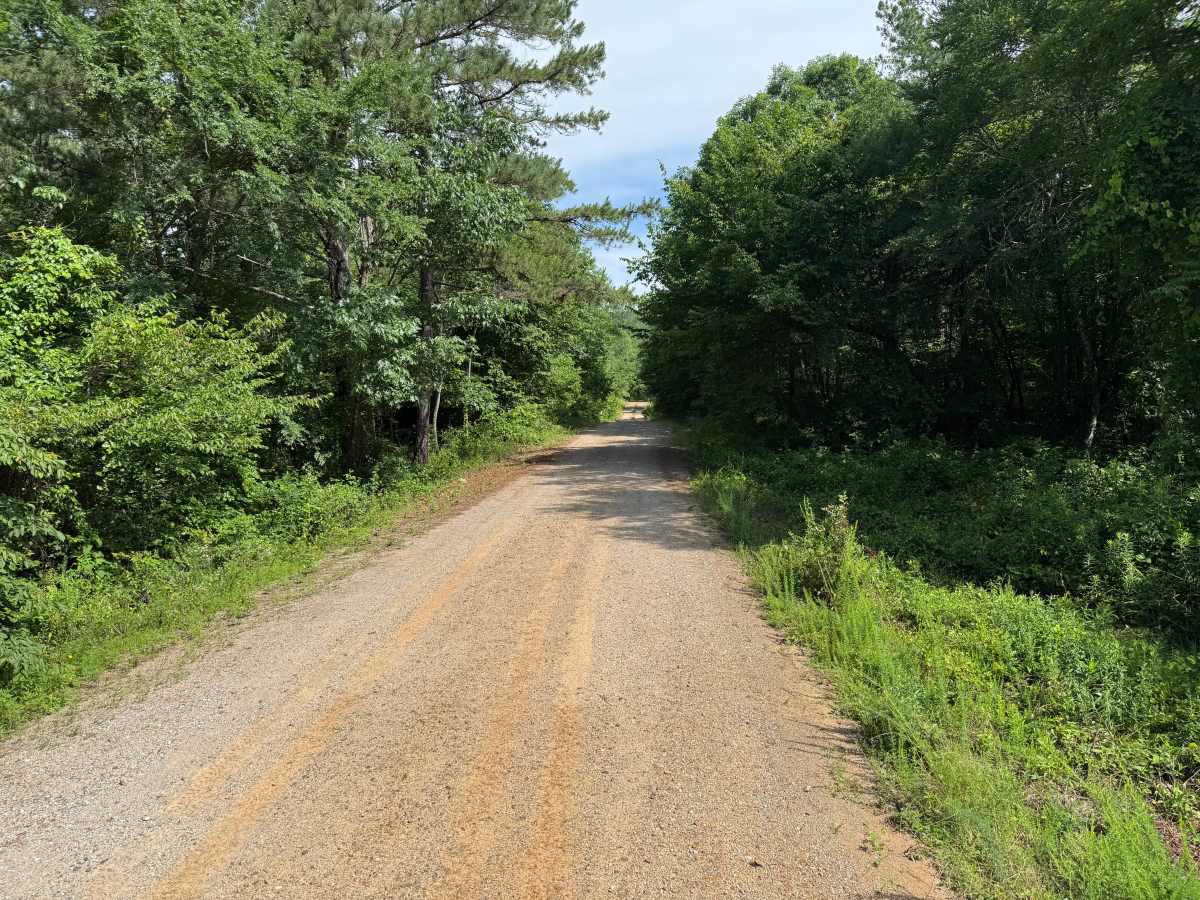
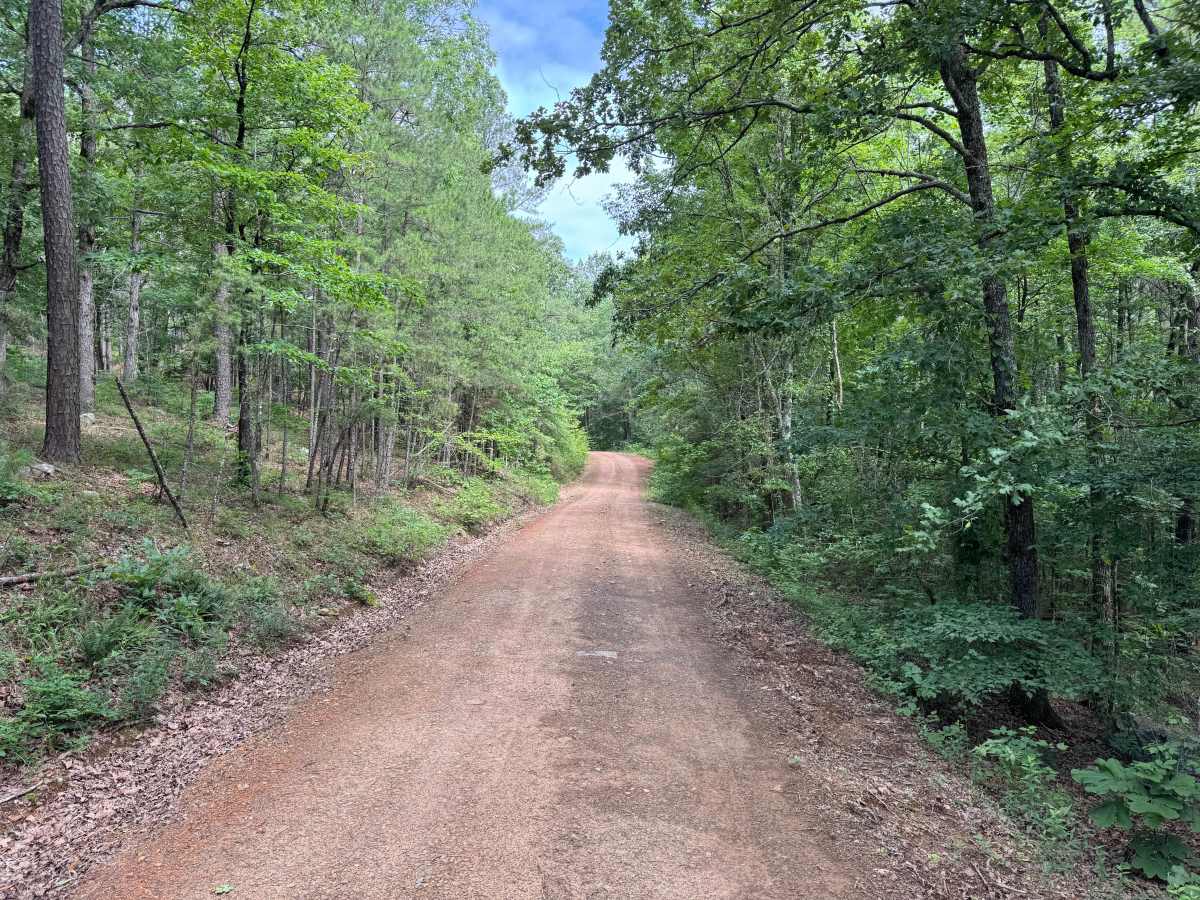
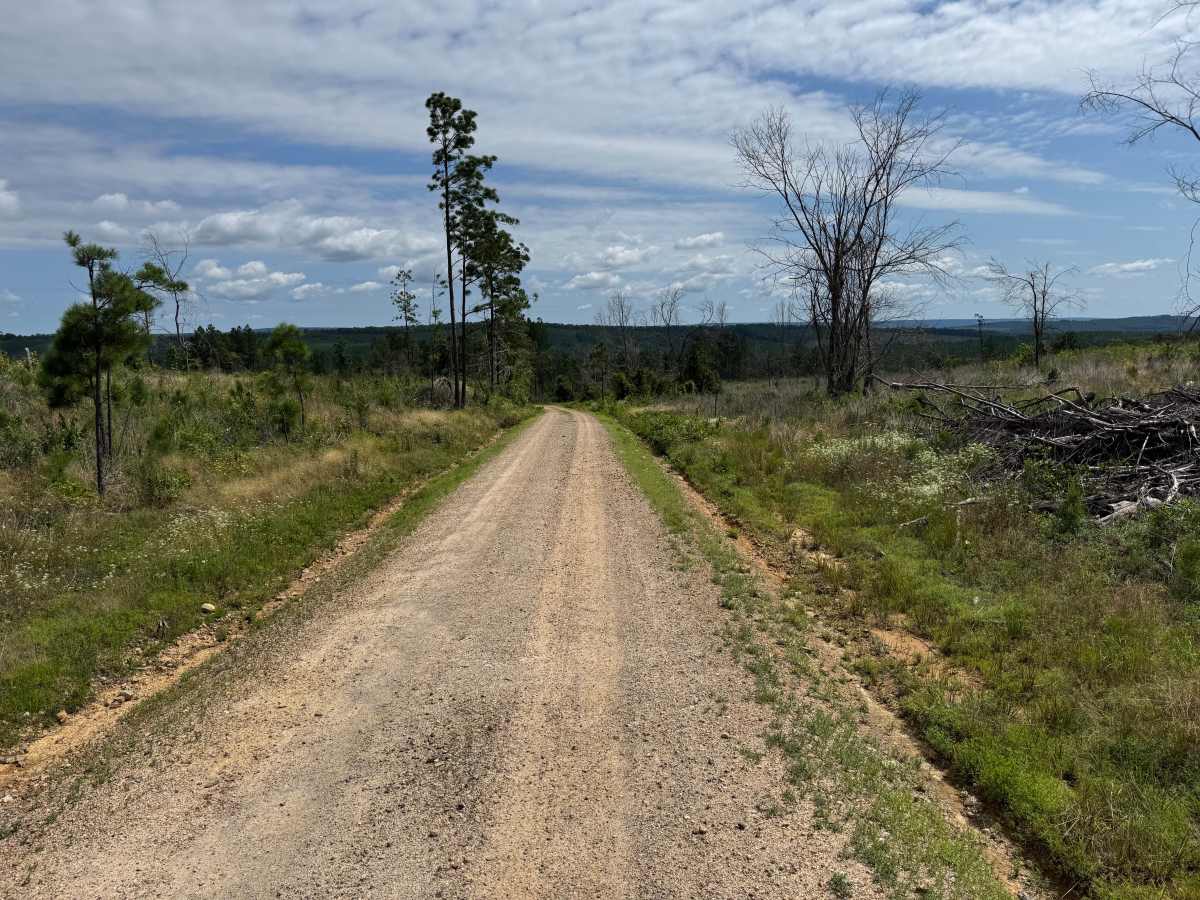
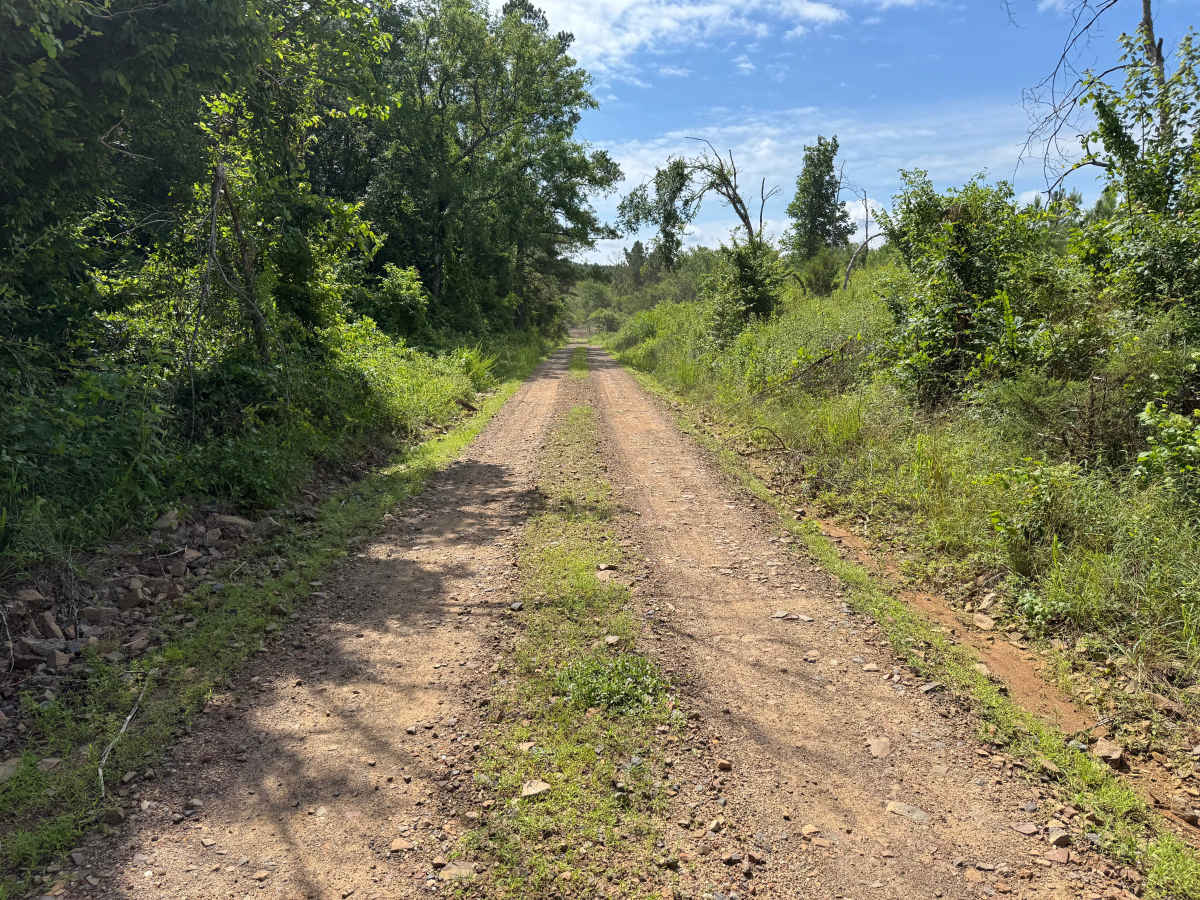
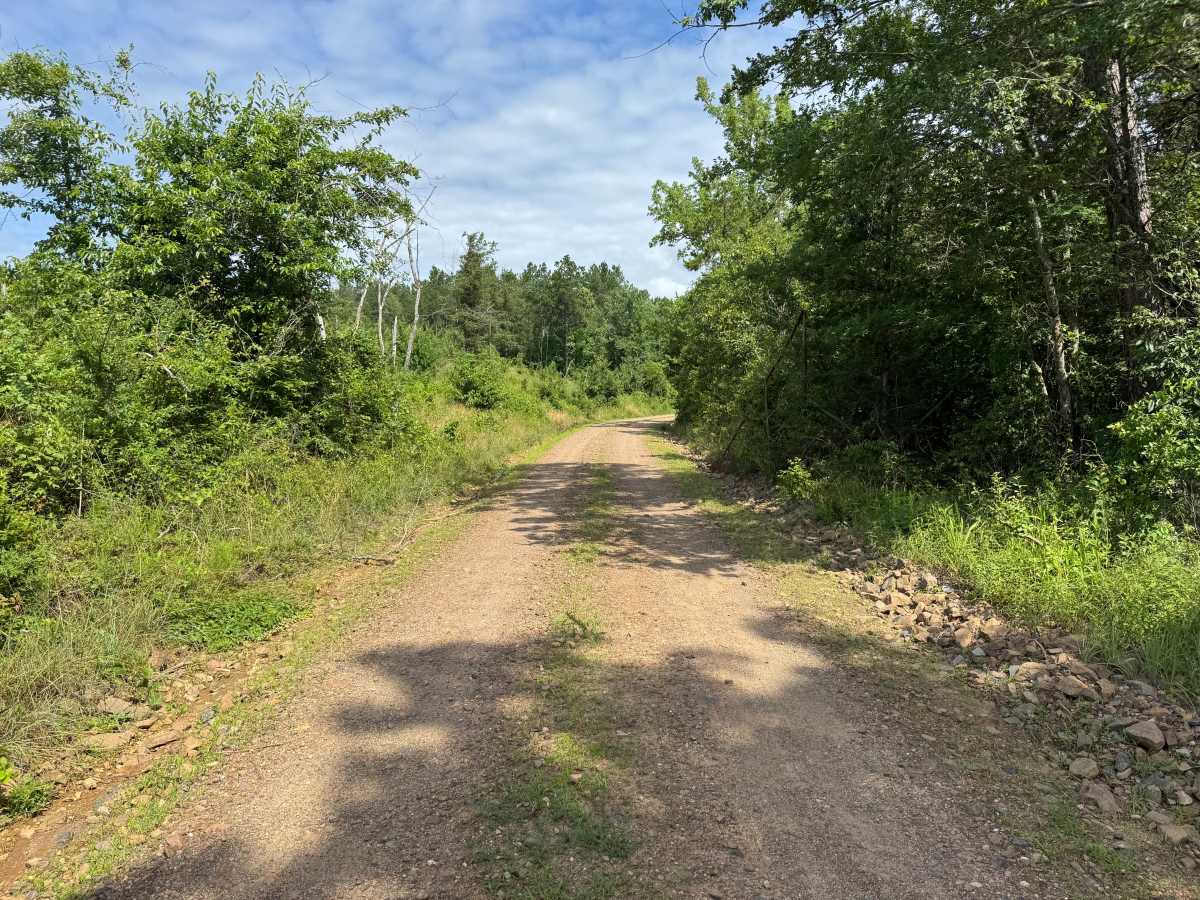
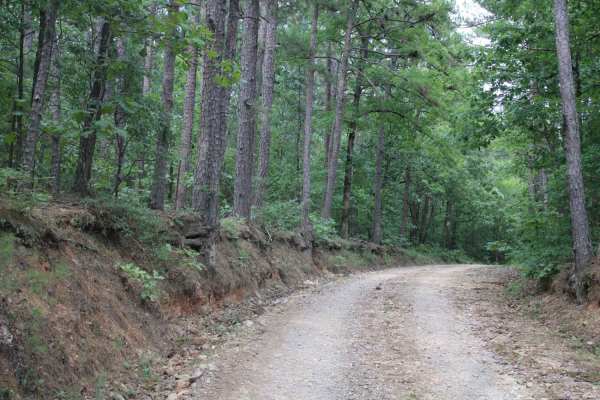
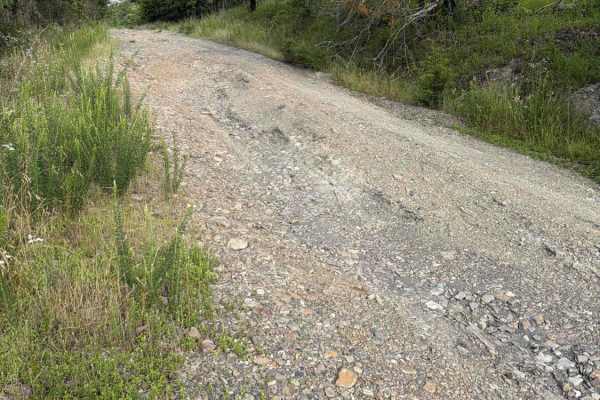
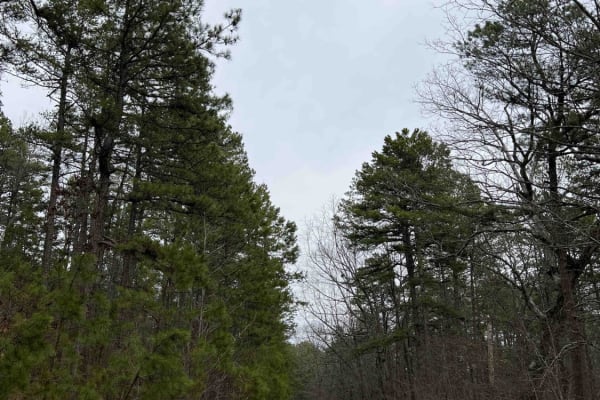
This remote forest route winds through a mix of pines, mature hardwood timber, and recently logged sections that provide occasional long-distance views across the surrounding hills. The route is primarily a single-lane road with very few opportunities for two vehicles to pass. The surface consists mainly of compacted gravel with scattered dirt sections and occasional muddy spots. While there are no technical obstacles, drivers should remain alert for active logging operations and logging trucks that may be encountered along the route. Several concrete low-water crossings are present, and although they are generally straightforward in dry conditions, they should be approached with caution following heavy rain. One of the highlights of this route is the changing scenery. Dense forest corridors transition into recently harvested timber areas that open up expansive views of the surrounding landscape before returning to shaded woodland sections. Toward one end of the route, travelers will encounter gates marked for a hunting club. Depending on the season and land-use agreements, portions of the route may be restricted during hunting season. Checking local access conditions before travel is recommended. Overall, this is an enjoyable scenic route that offers peaceful forest travel, occasional views, and easy driving conditions for most vehicles.
Difficulty
No rock obstacles, steep climbs, deep water crossings, or off-camber sections were observed. The narrow road width, potential mud, logging activity, and seasonal access restrictions are the primary considerations.
History
The Ouachita National Forest was established in 1907 and is recognized as the oldest national forest in the southern United States. Many roads found throughout the forest today originated as logging, timber management, fire access, or resource extraction routes before becoming part of the modern Forest Service road network. Forest management remains an important part of the landscape, and travelers may encounter evidence of prescribed burns, timber thinning, and habitat restoration efforts. The Ouachita Mountains themselves are among the oldest mountain ranges in North America and are notable for their unique east-west orientation.