Trail Overview
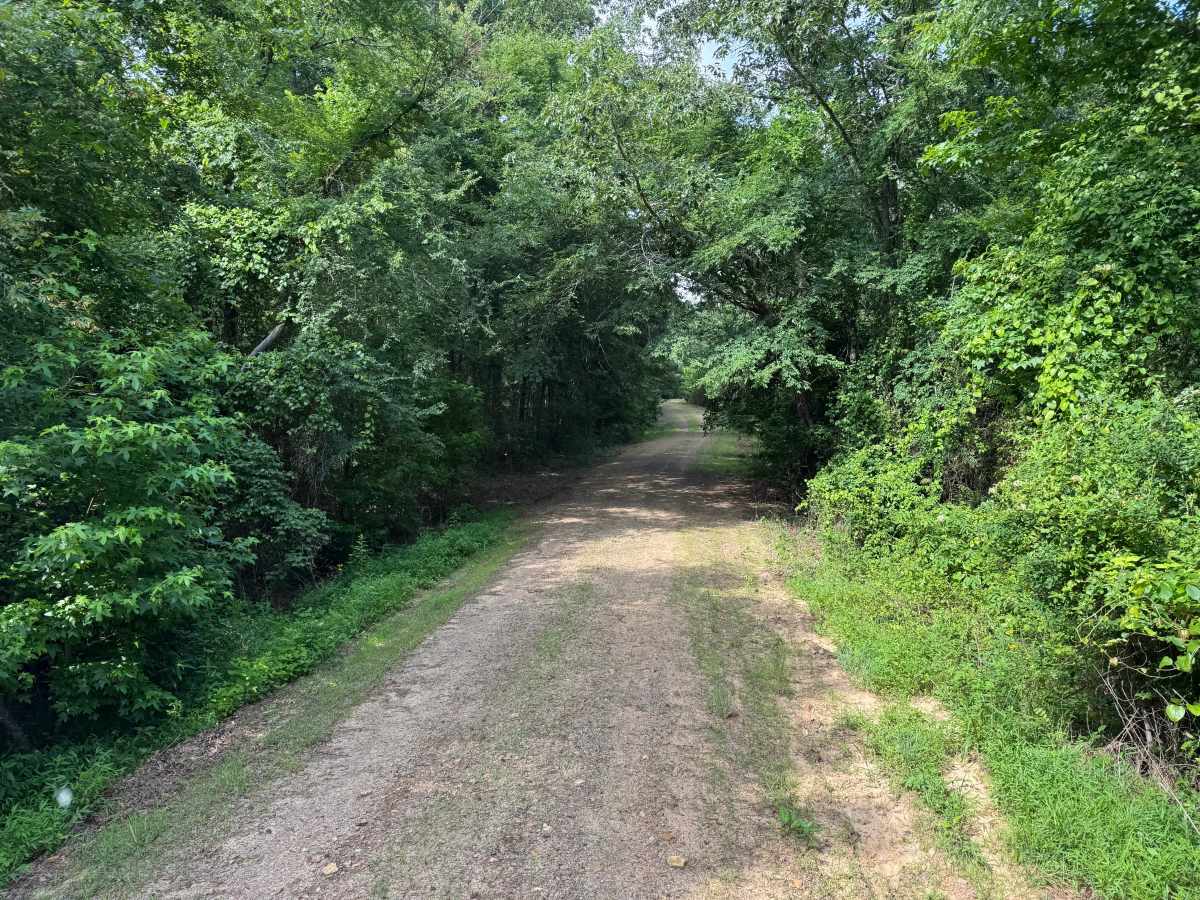
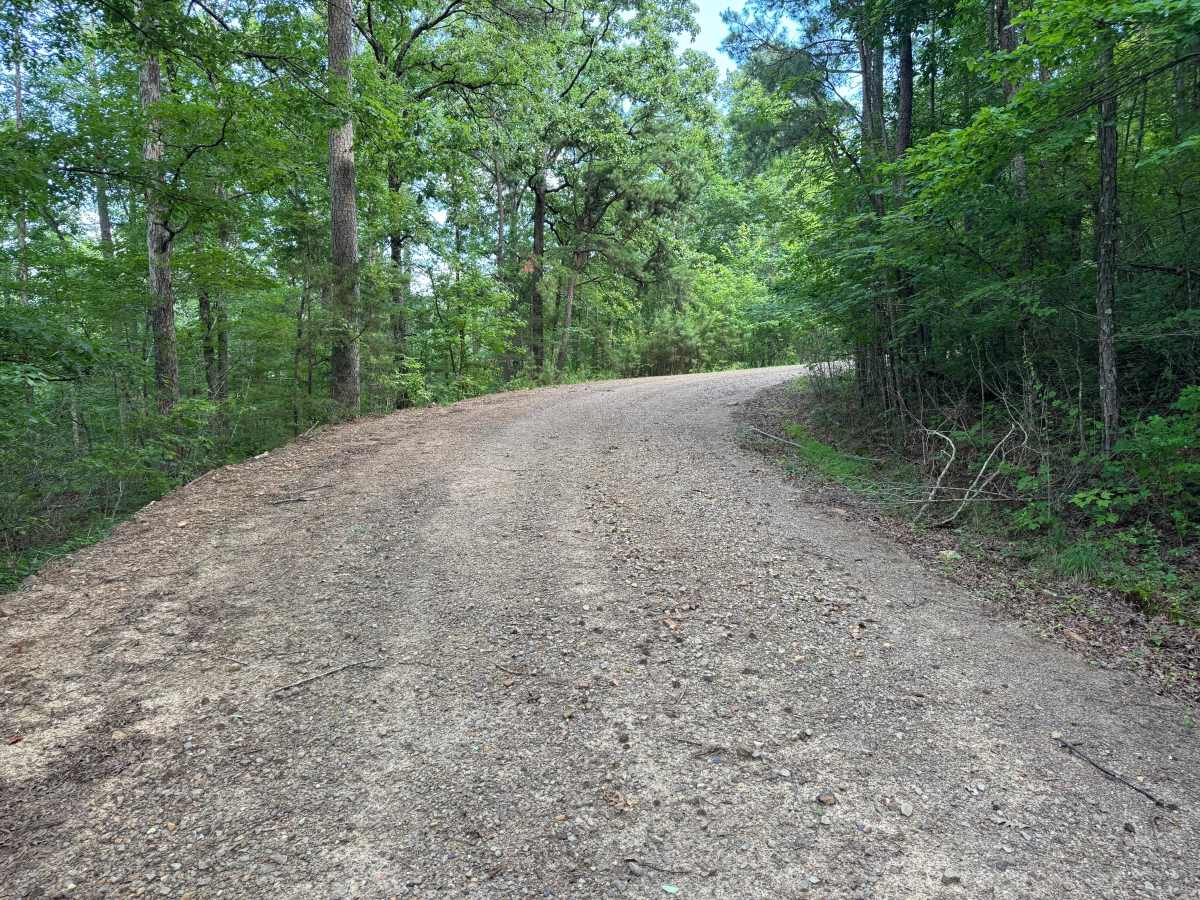
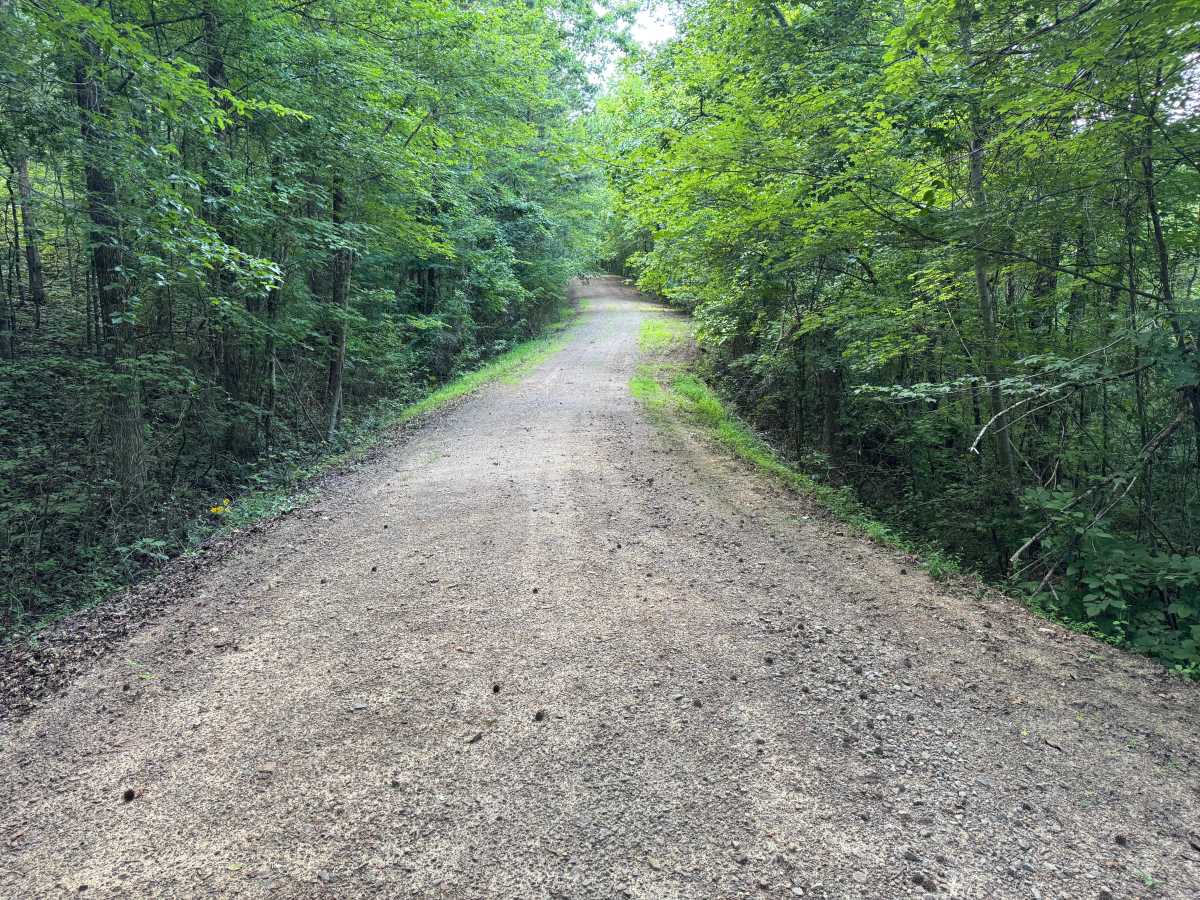
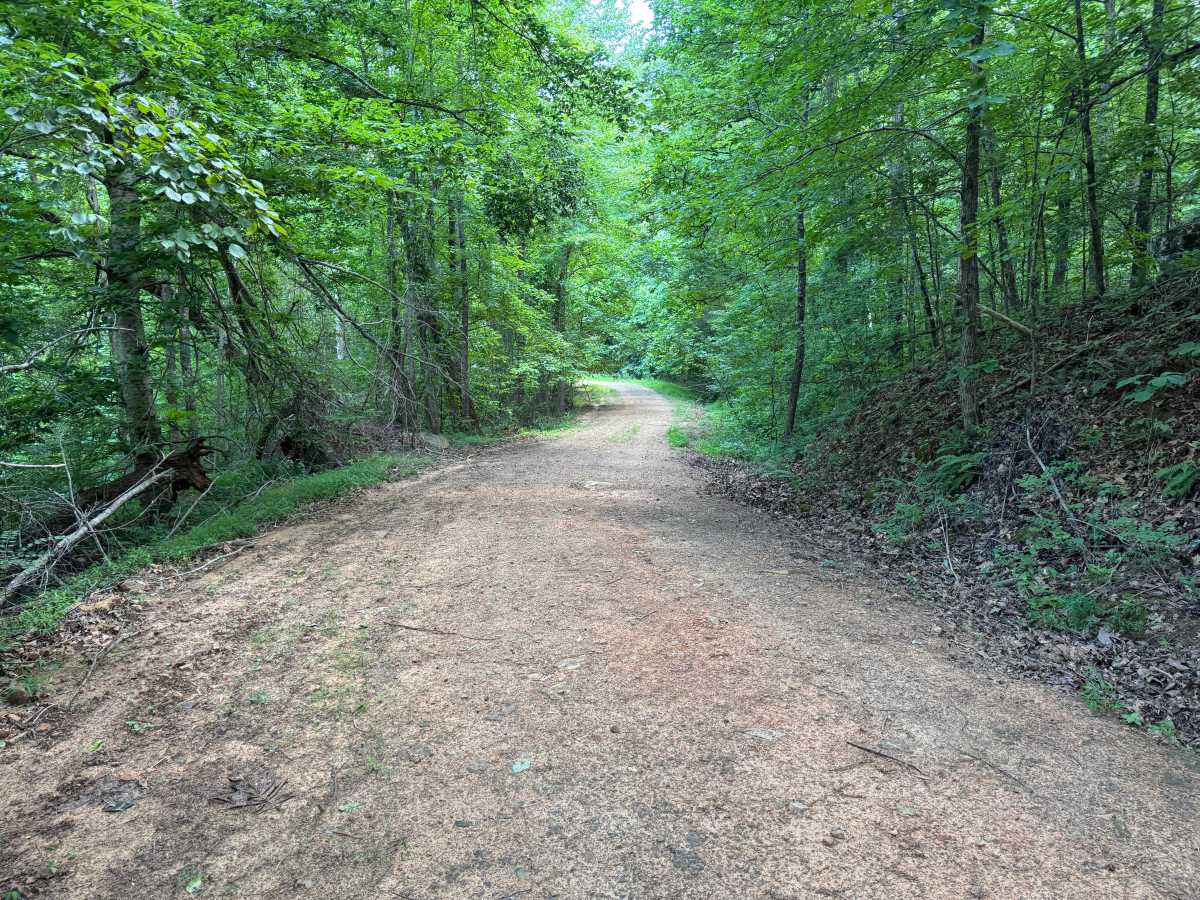
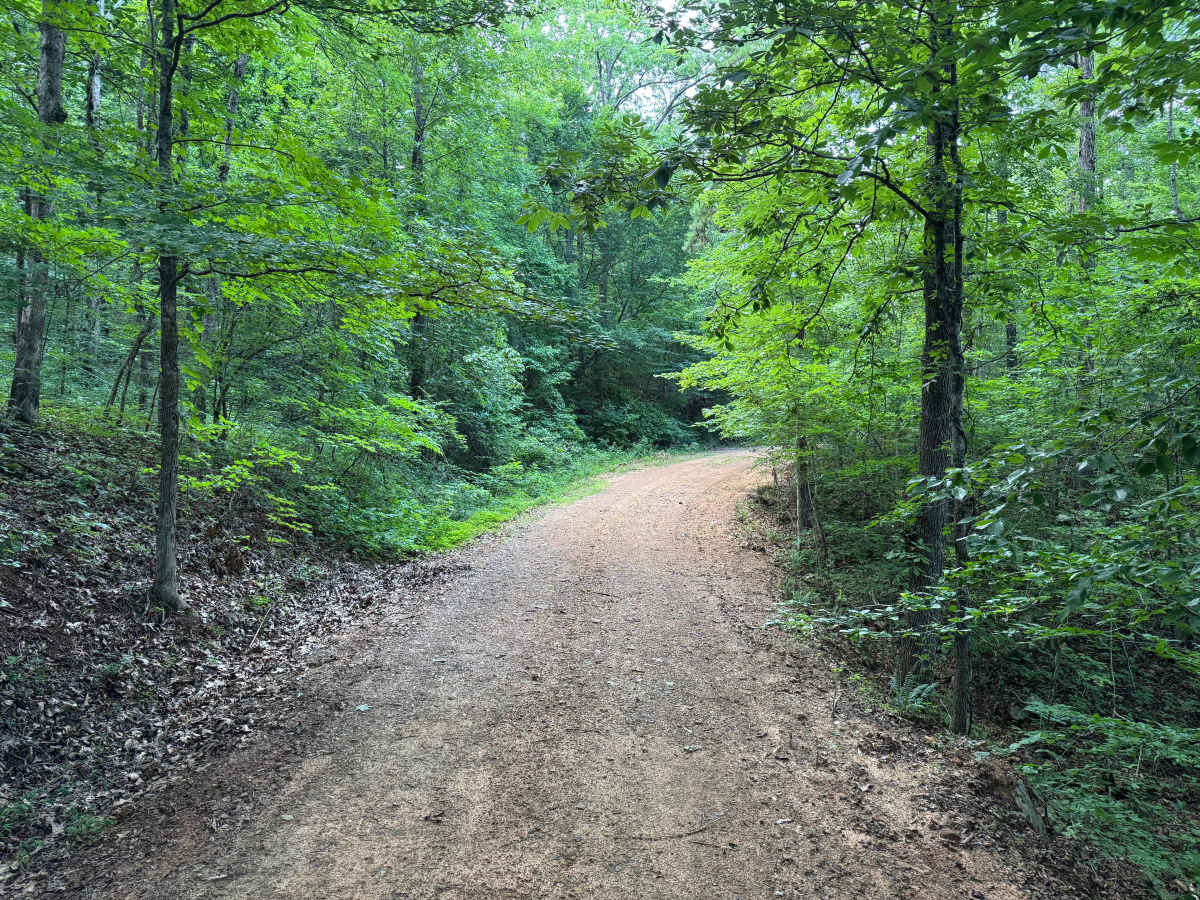
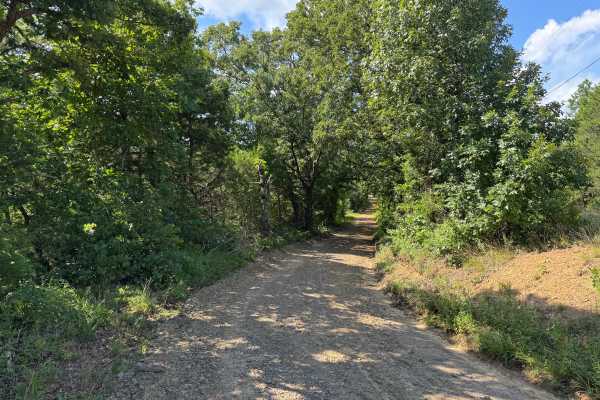
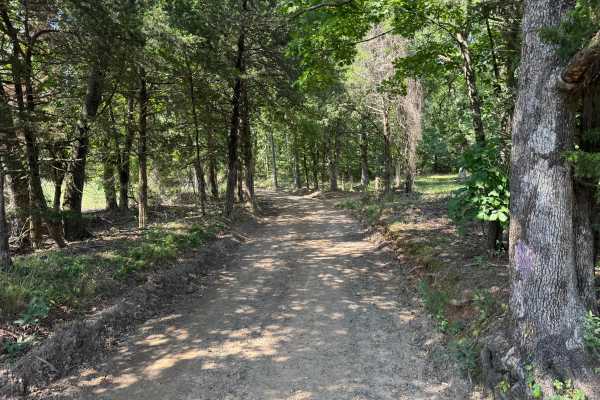
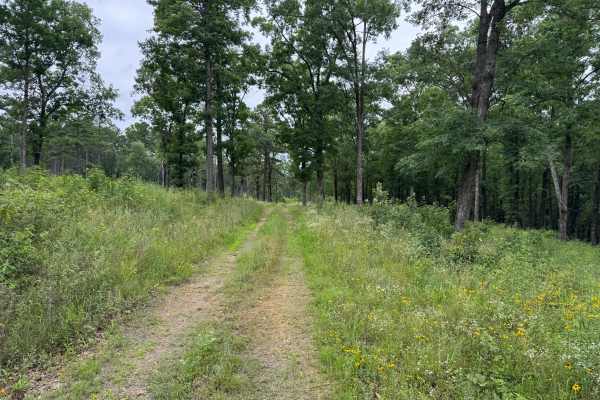
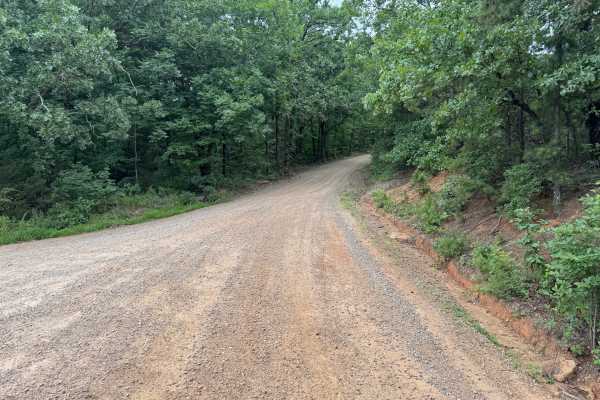
This out-and-back route offers a relaxing drive through a dense hardwood and pine forest with a mix of shaded corridors and occasional openings where sunlight filters through the canopy. The road surface is primarily well-maintained gravel with gentle elevation changes and sweeping curves, creating an enjoyable drive without requiring technical off-road skills. Several sections are wide enough for two vehicles to pass comfortably, while other portions narrow to a single lane with periodic pull-offs for oncoming traffic. The route features several blind corners, so maintaining a moderate speed is recommended to ensure visibility around bends. Near the end of the trail, the road terminates at a large mud hole that serves as the turnaround point. The mud hole can easily swallow nearly half of a 37-inch tire and should not be attempted unless conditions and vehicle capability are appropriate. Aside from the turnaround, drivers can expect typical water erosion in the form of shallow whoops, small dips, and minor ruts that generally do not present a challenge in dry conditions. As with many forest roads, seasonal storms may leave fallen trees across the route, and wildlife such as deer and other forest animals are common.
Difficulty
The route is primarily maintained in gravel with gentle grades, minor whoops, shallow dips, and small ruts from water erosion. The only significant obstacle is the deep mud hole at the turnaround, which can swallow nearly half of a 37-inch tire and should be avoided unless your vehicle is properly equipped. Watch for blind corners, downed trees after storms, loose gravel, and wildlife.
History
The Ozark National Forest was established in 1908 and today forms part of the Ozark-St. Francis National Forests, protecting more than one million acres across northern Arkansas. Many of the Forest Service roads traveled today began as logging, fire access, or resource management roads before becoming part of the modern recreation network. Forest management continues to play an important role in maintaining healthy ecosystems through timber management, prescribed fire, wildlife habitat restoration, and watershed protection. The rugged Boston Mountains and surrounding Ozark Highlands remain one of the oldest and most geologically significant mountain regions in North America, offering visitors a unique combination of natural beauty and rich forest history.