Trail Overview
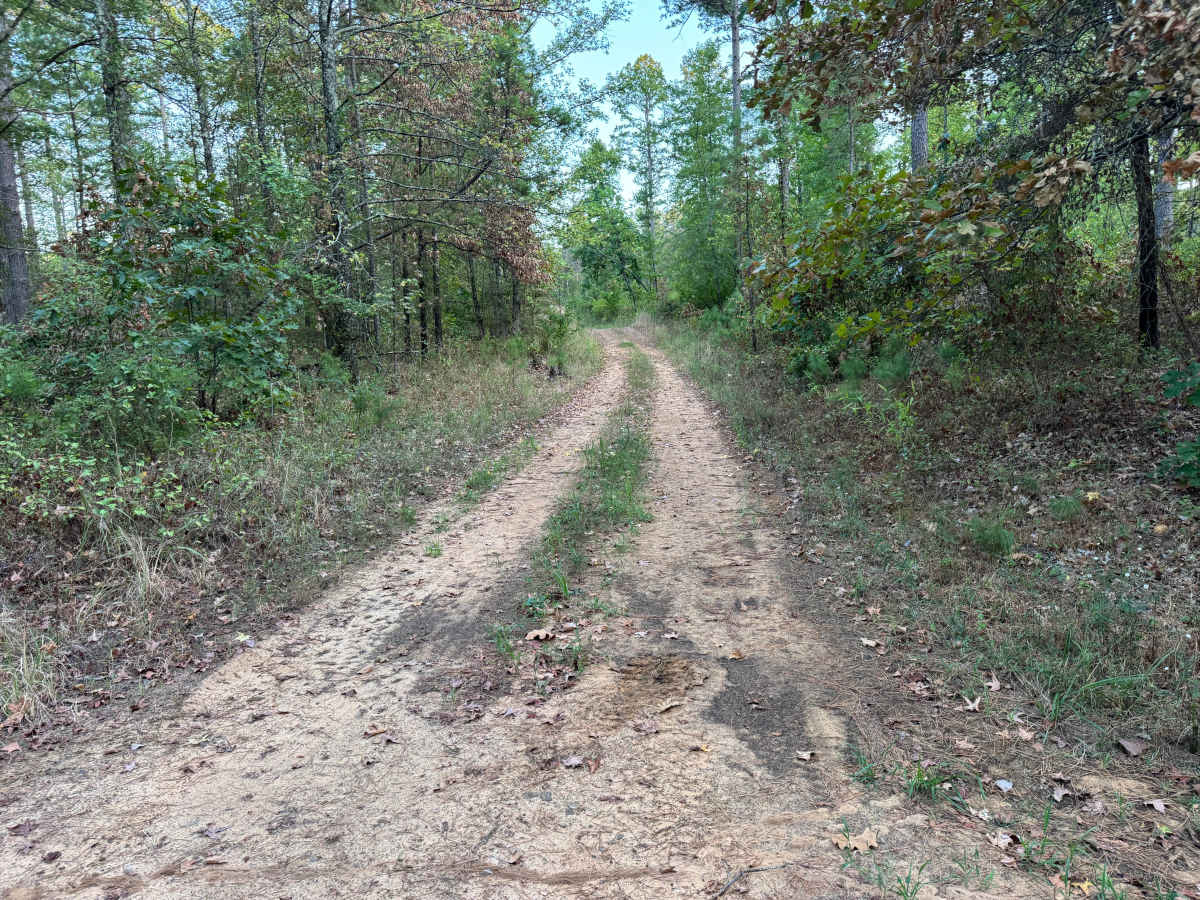
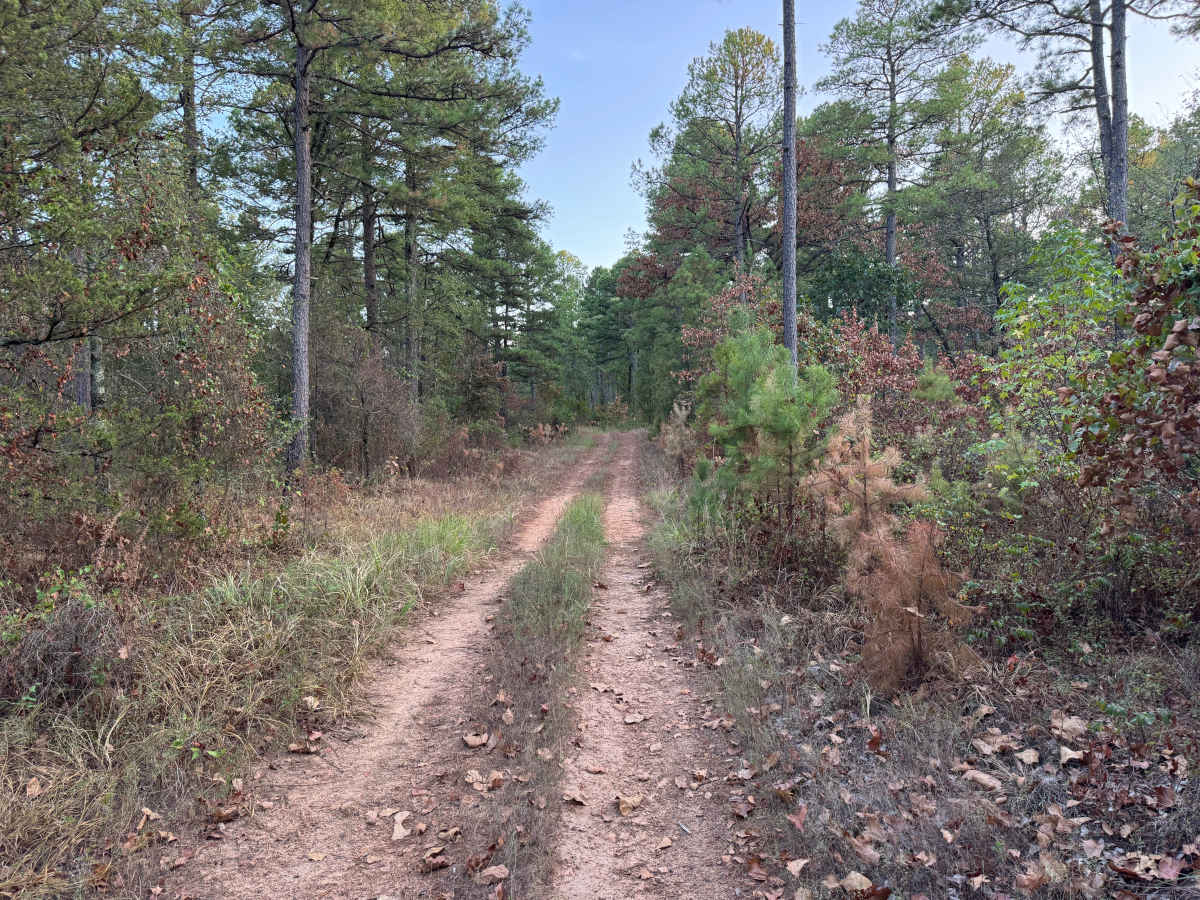
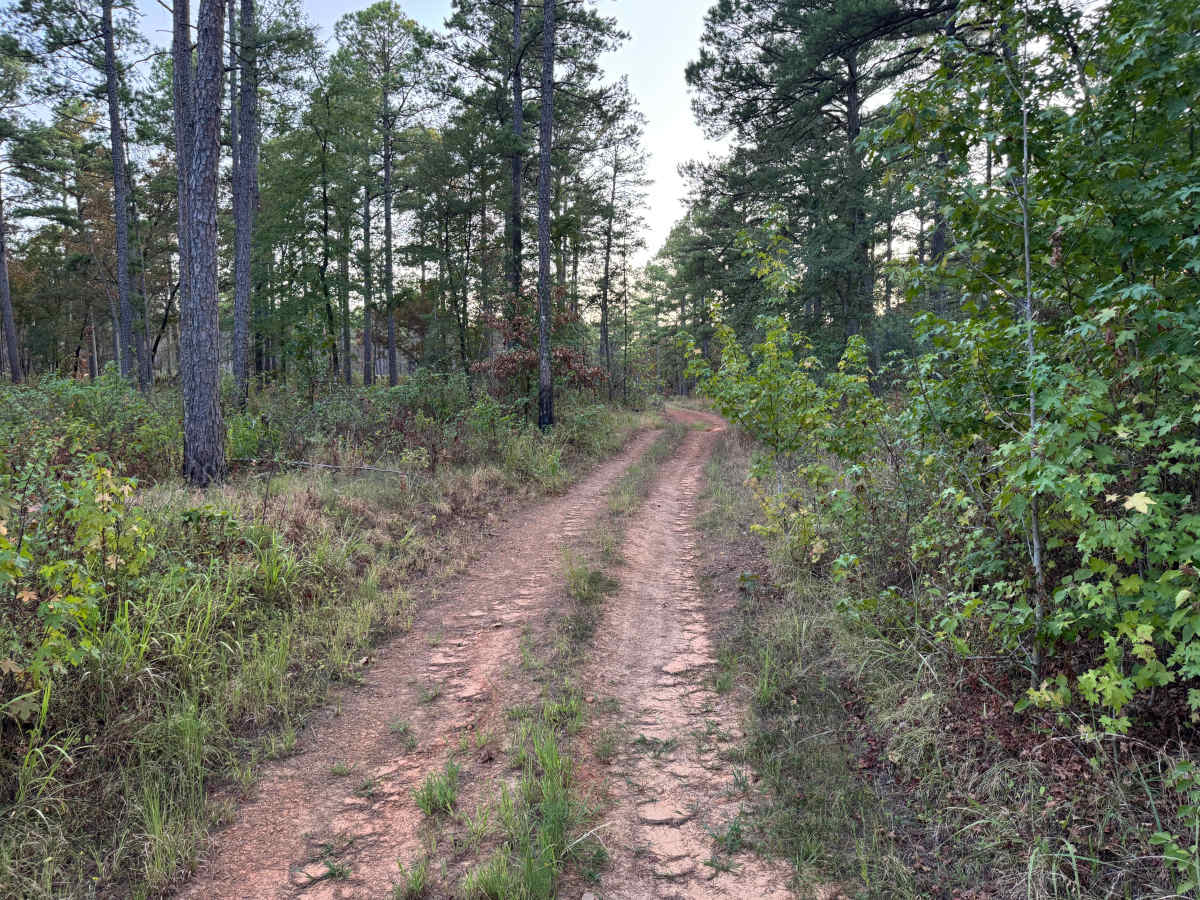
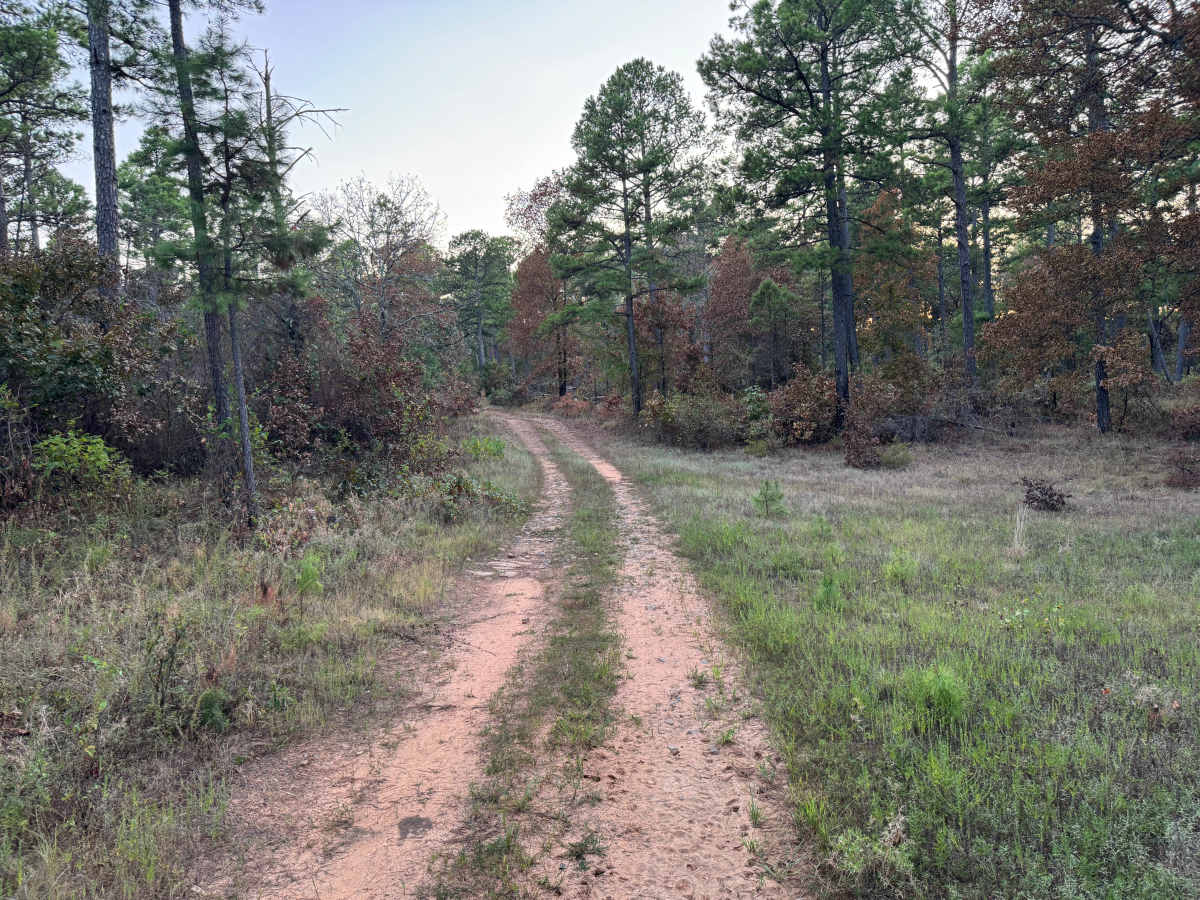
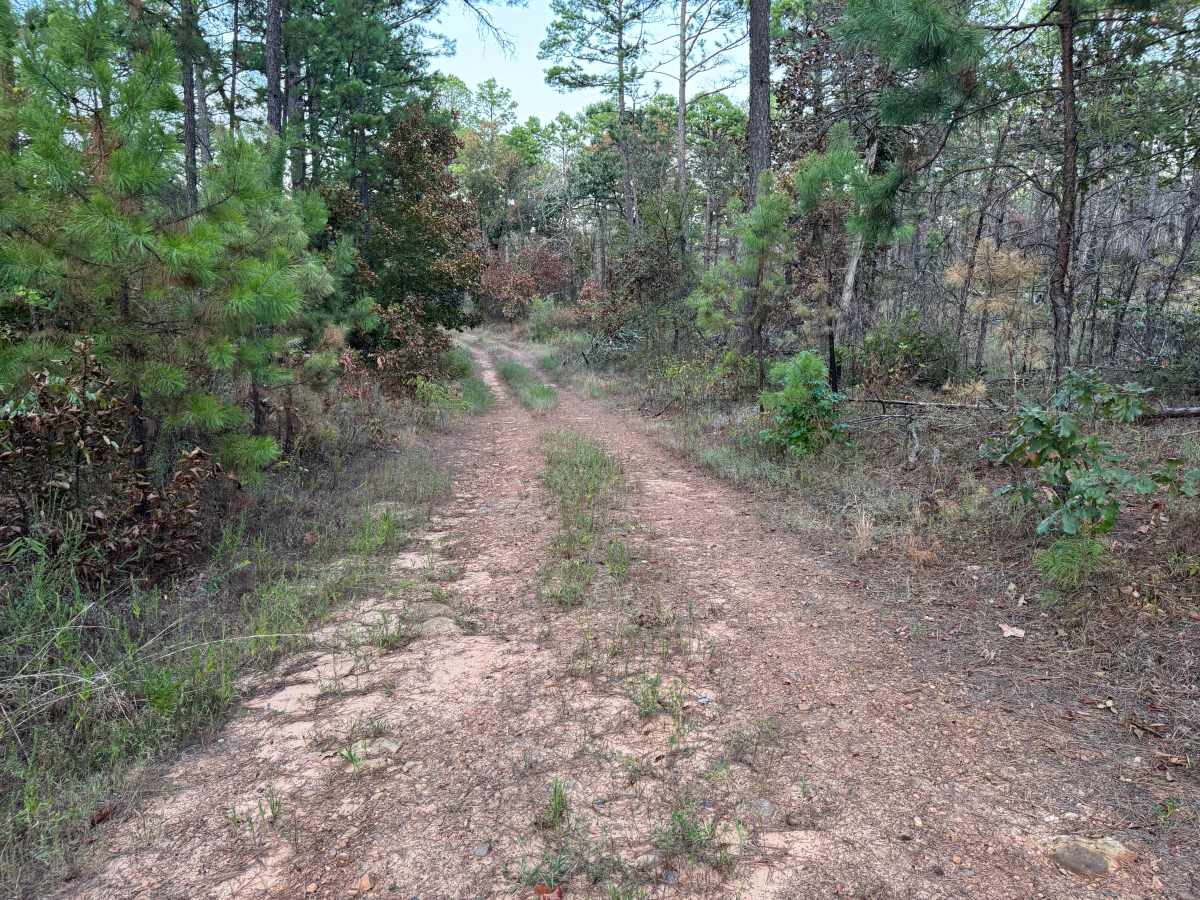
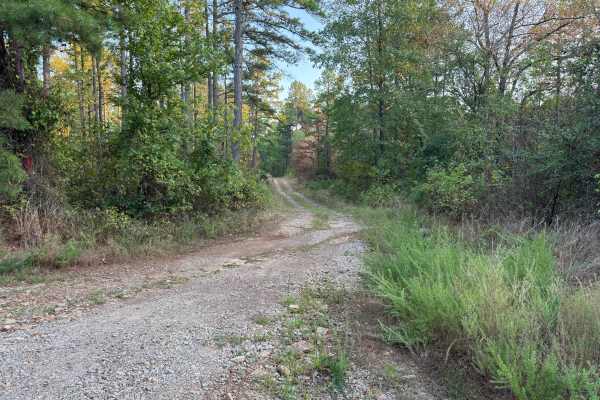
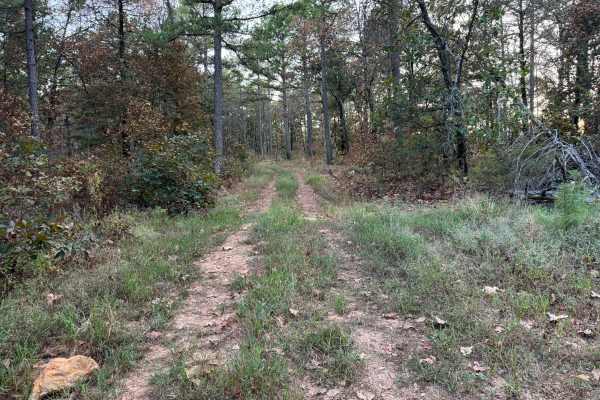
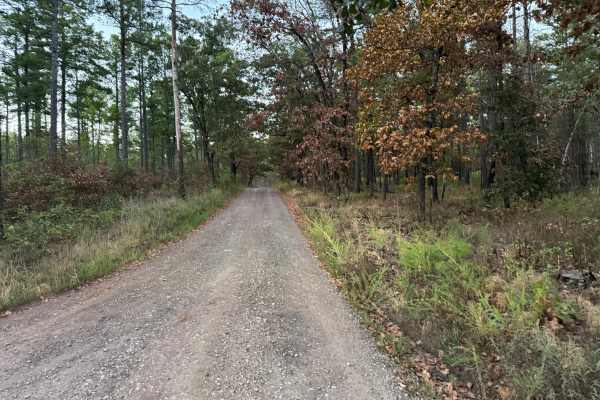
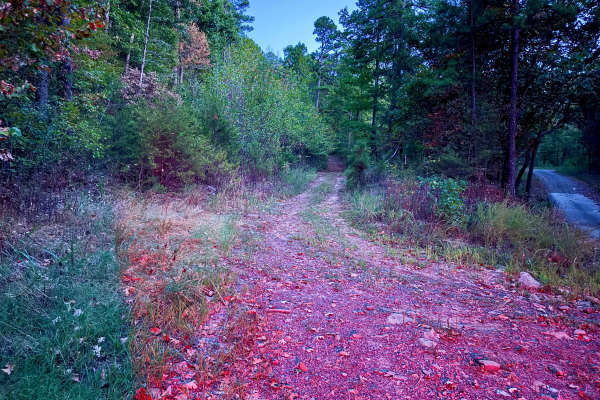
This route travels through a mixture of pine and hardwood forest on a lightly traveled two-track. The surface is primarily native reddish dirt with areas of fine gravel and scattered small rocks. Grass and other low vegetation grow between the tire tracks through much of the route, while fallen leaves and pine needles cover sections beneath the heavier tree canopy. The surrounding forest includes tall mature pines and hardwoods mixed with younger pines, saplings, shrubs, and grasses. Some portions pass through relatively open woodland, while others become more enclosed by thicker roadside vegetation. The route is roughly one vehicle wide, with limited areas available for opposing vehicles to pass. Wildlife may frequently use or cross the route, and fallen trees or branches are possible.
Difficulty
Typical whoops, dips, and mud puddles create minor uneven terrain along the route. Wet conditions may increase the amount of mud and standing water.
History
The Mount Magazine area has a long history of transportation, forestry, and recreation. During the Great Depression, federal programs including the Civilian Conservation Corps and Works Progress Administration developed roads and recreation infrastructure around the mountain. Cove Lake was constructed as part of the Mount Magazine land-use project and was completed in 1938, while CCC crews based at nearby Blue Mountain performed forestry work and improved roads throughout the area. Many of today's routes travel through the same national forest landscape that was extensively managed and developed during this period.