Trail Overview
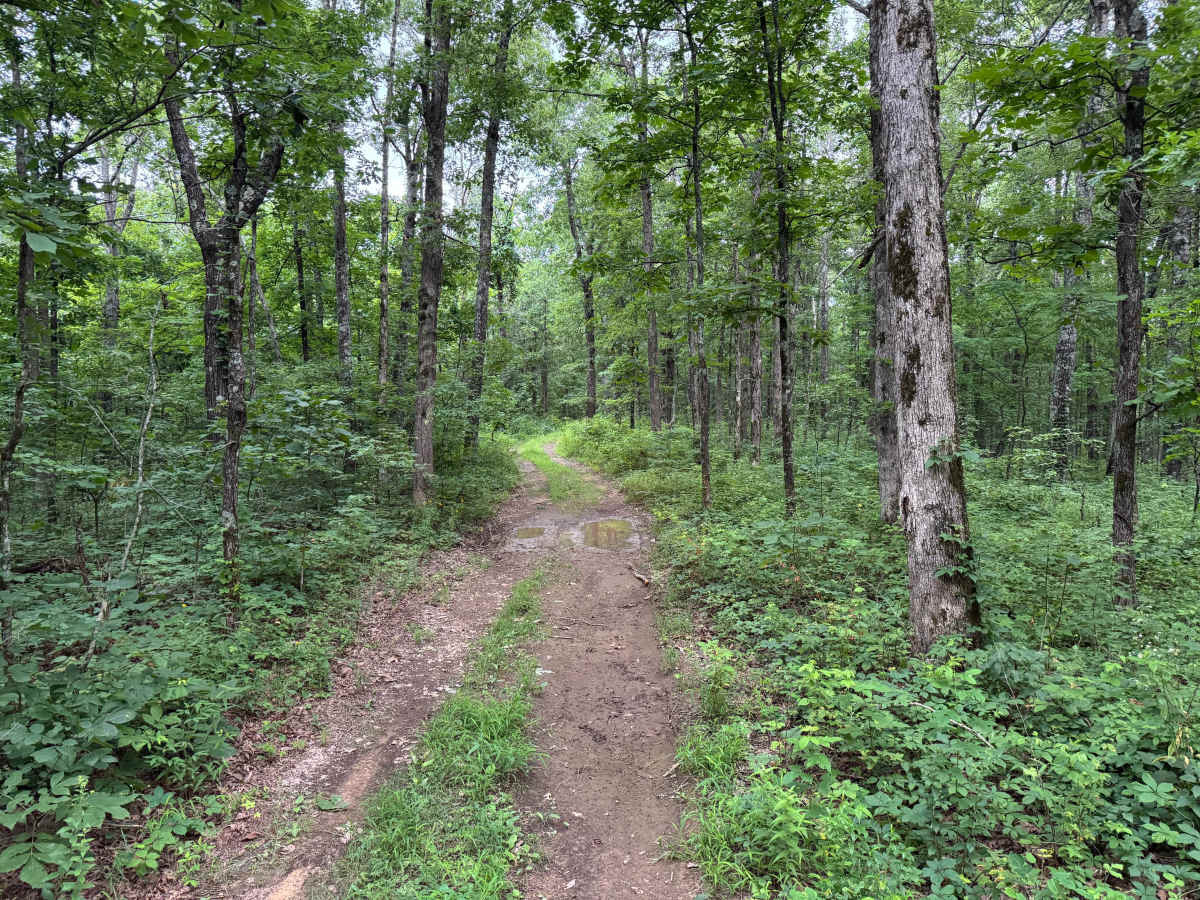
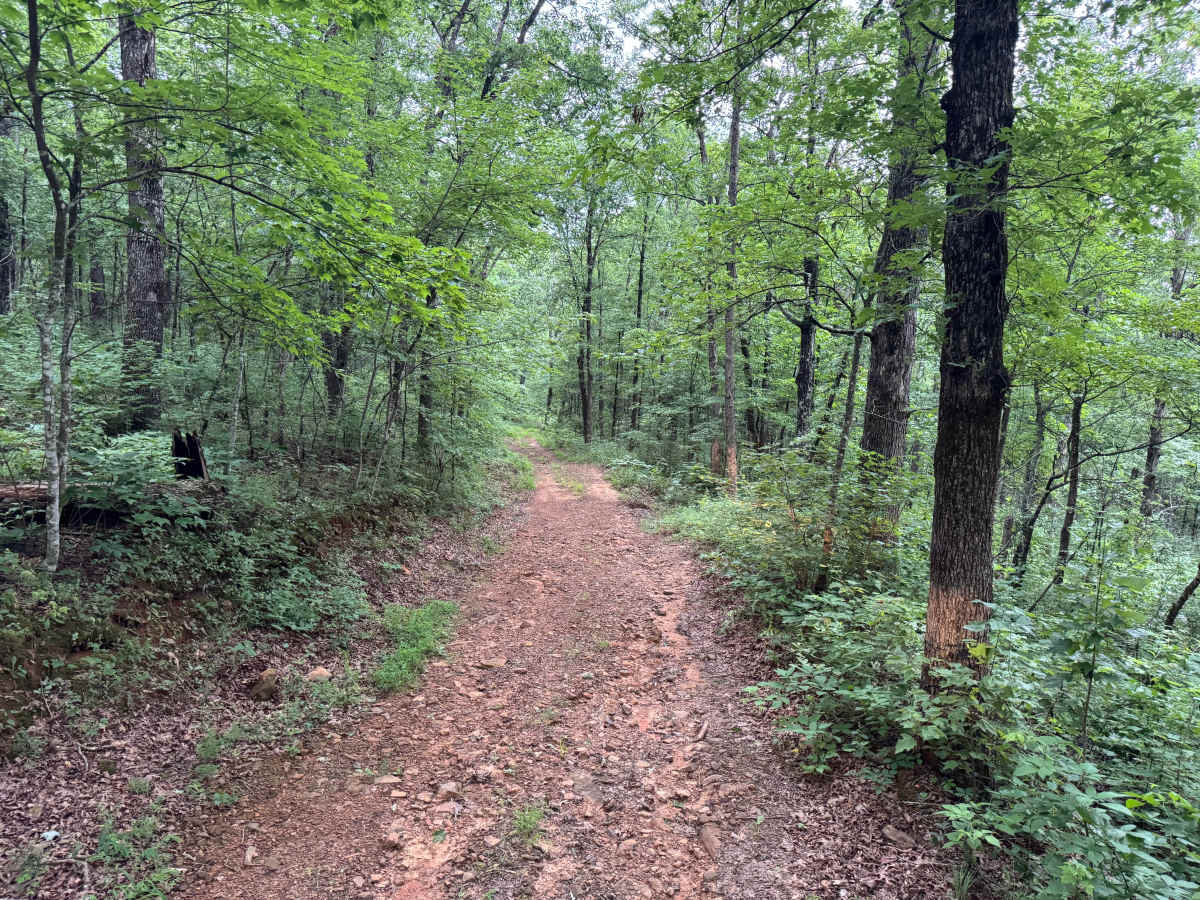
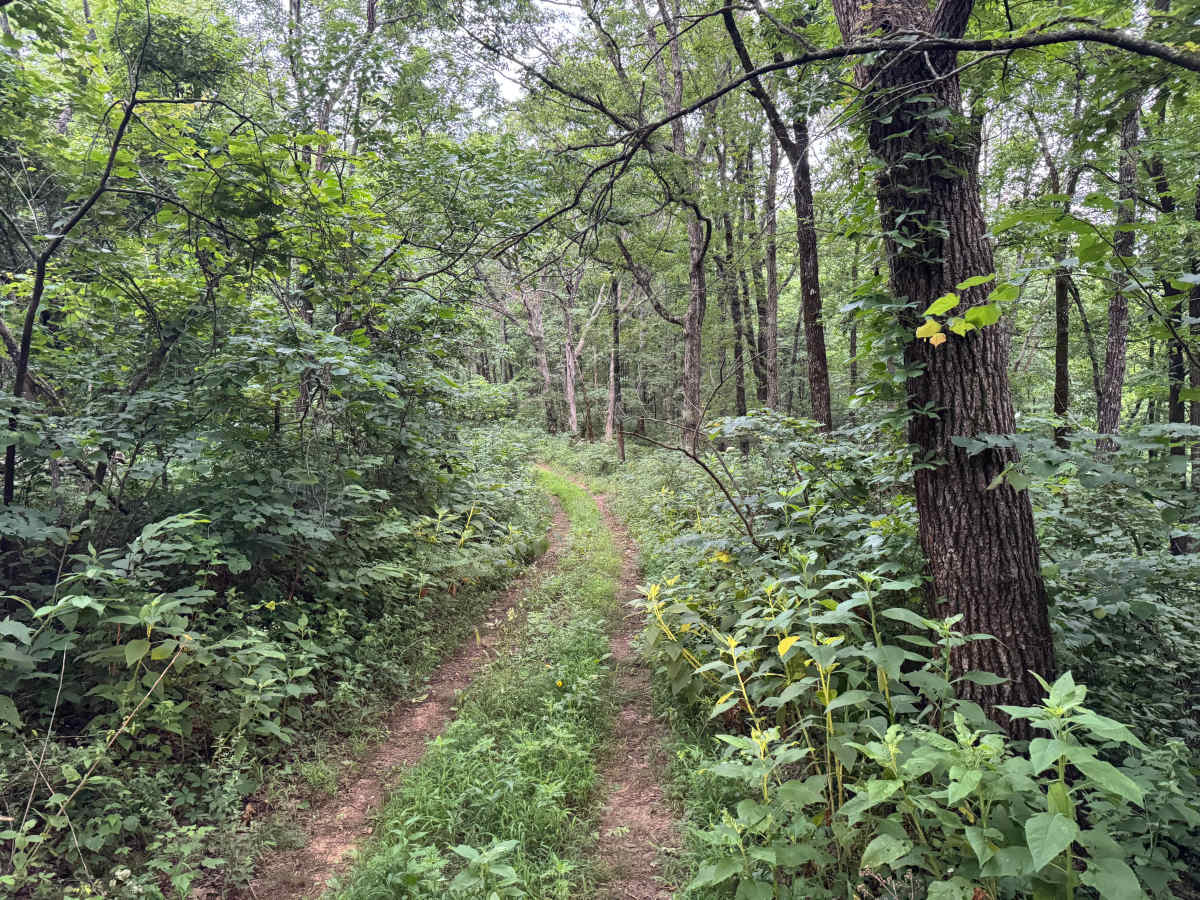
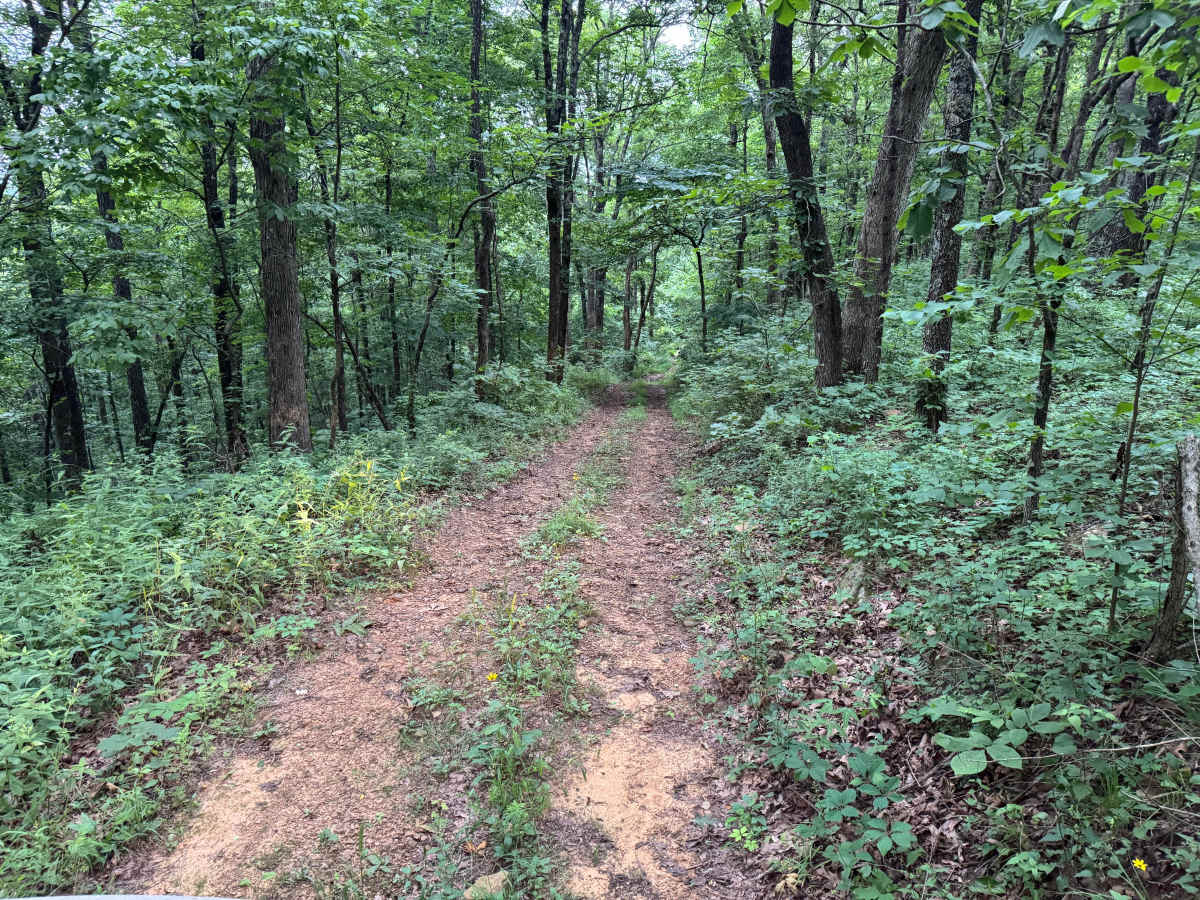
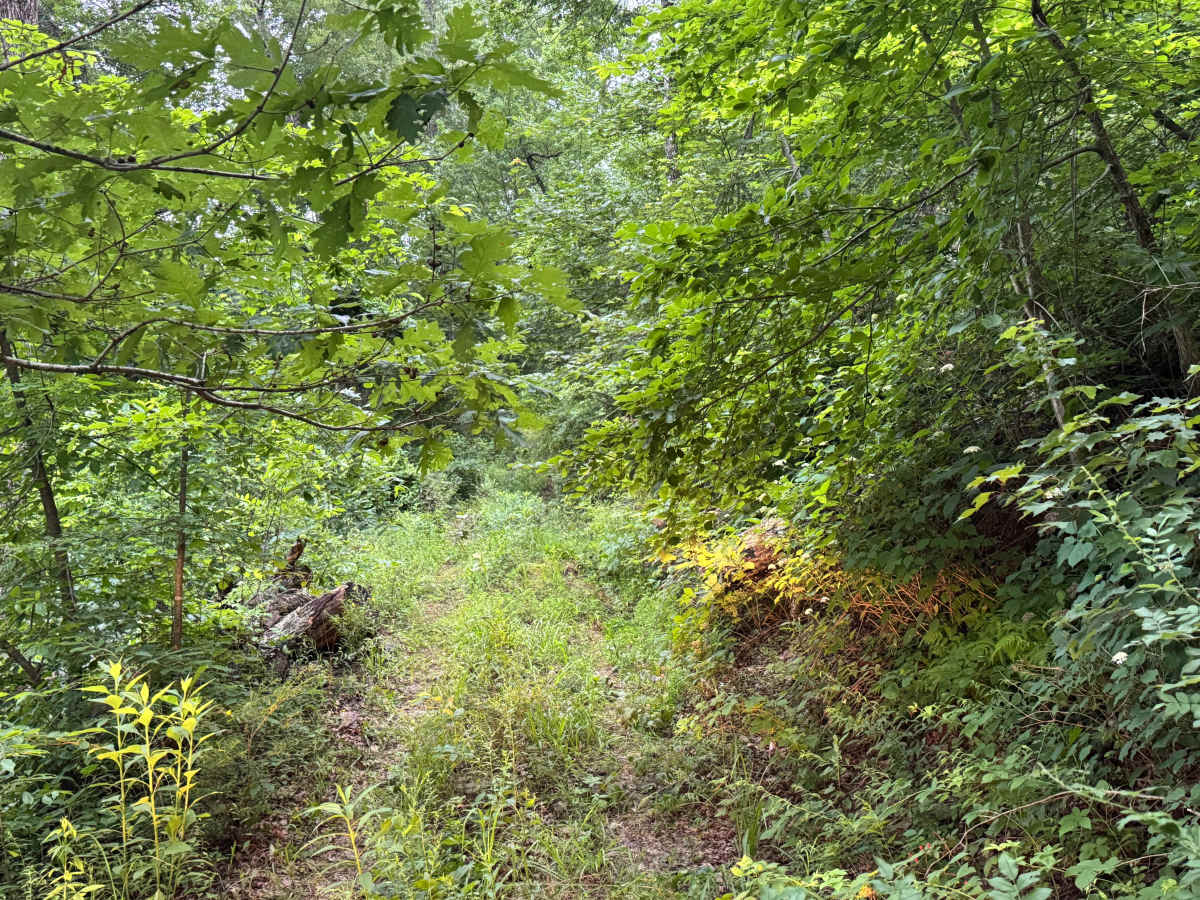
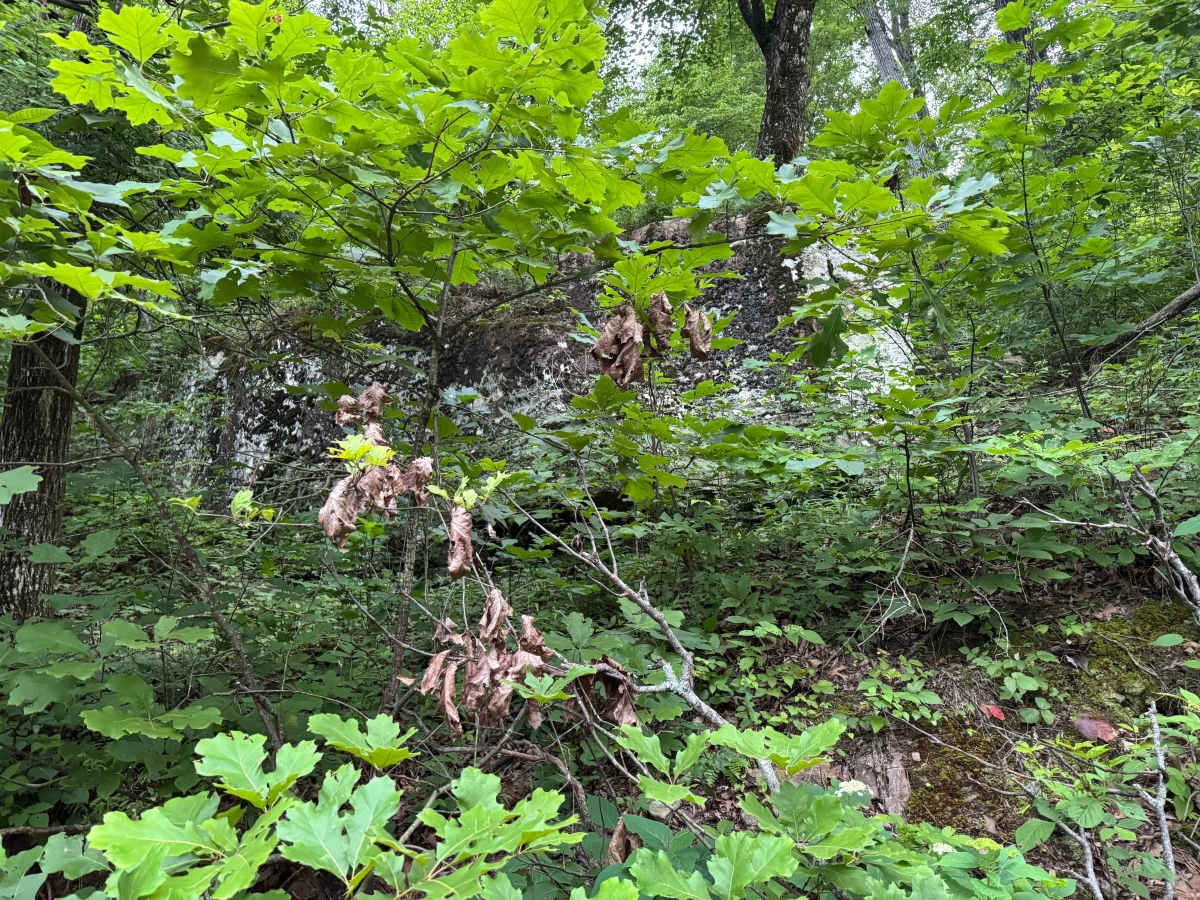
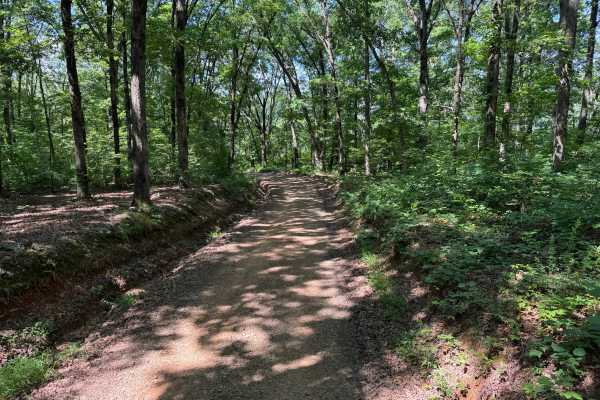
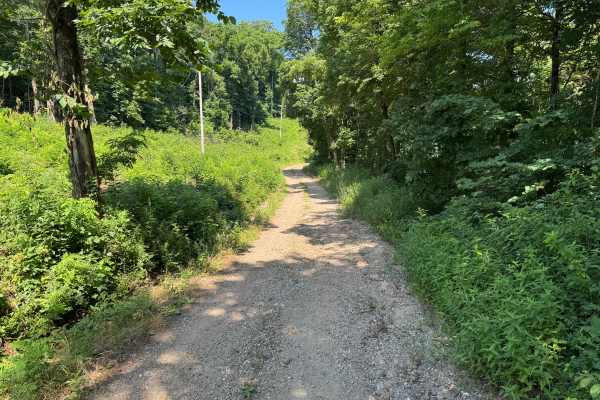
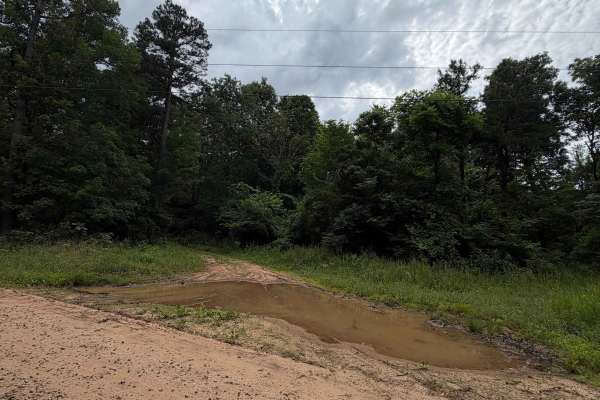
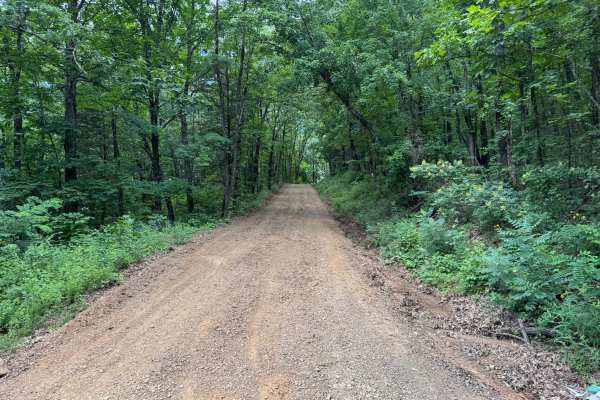
This out-and-back trail begins as a narrow but well-defined one-lane forest road before gradually becoming much more primitive and overgrown. The route winds through a dense hardwood forest with a lush green canopy, occasional muddy spots, rocky sections, and a few gentle elevation changes. As you descend, the trail hugs the base of a hillside where large moss-covered boulders and an impressive rock wall are partially hidden behind thick vegetation, rewarding those who take the time to look beyond the brush. The second half of the trail is heavily overgrown, with branches and brush crowding the path, making pinstriping and minor body damage likely, especially for wider vehicles. Despite the encroaching vegetation, there are very few significant obstacles beyond the overgrowth itself. The trail eventually reaches a suitable turnaround point where Mother Nature has reclaimed the original route beyond. Drivers who prefer to avoid the tight vegetation will find a few opportunities to turn around before reaching the end.
Difficulty
A narrow, one-vehicle-wide route with limited turnaround opportunities and heavy overgrowth in the second half. While there are few technical obstacles, dense brush will cause pinstriping and may result in minor body damage. A high-clearance 4WD vehicle is recommended, with careful driving through the tighter sections.
History
The Ozark National Forest was established in 1908 and today forms part of the Ozark-St. Francis National Forests protect more than one million acres across northern Arkansas. Many of the Forest Service roads traveled today began as logging, fire access, or resource management roads before becoming part of the modern recreation network. Forest management continues to play an important role in maintaining healthy ecosystems through timber management, prescribed fire, wildlife habitat restoration, and watershed protection. The rugged Boston Mountains and surrounding Ozark Highlands remain one of the oldest and most geologically significant mountain regions in North America, offering visitors a unique combination of natural beauty and rich forest history.