Trail Overview
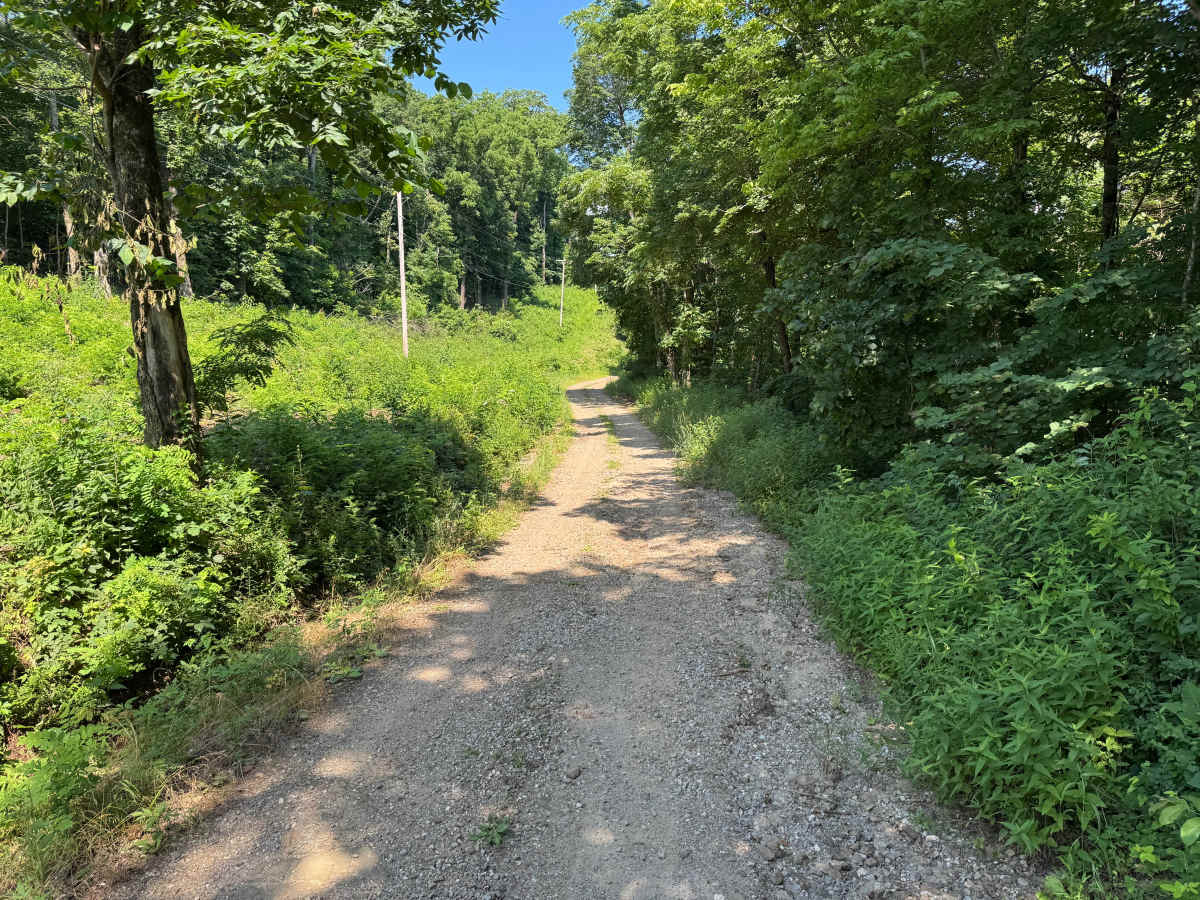
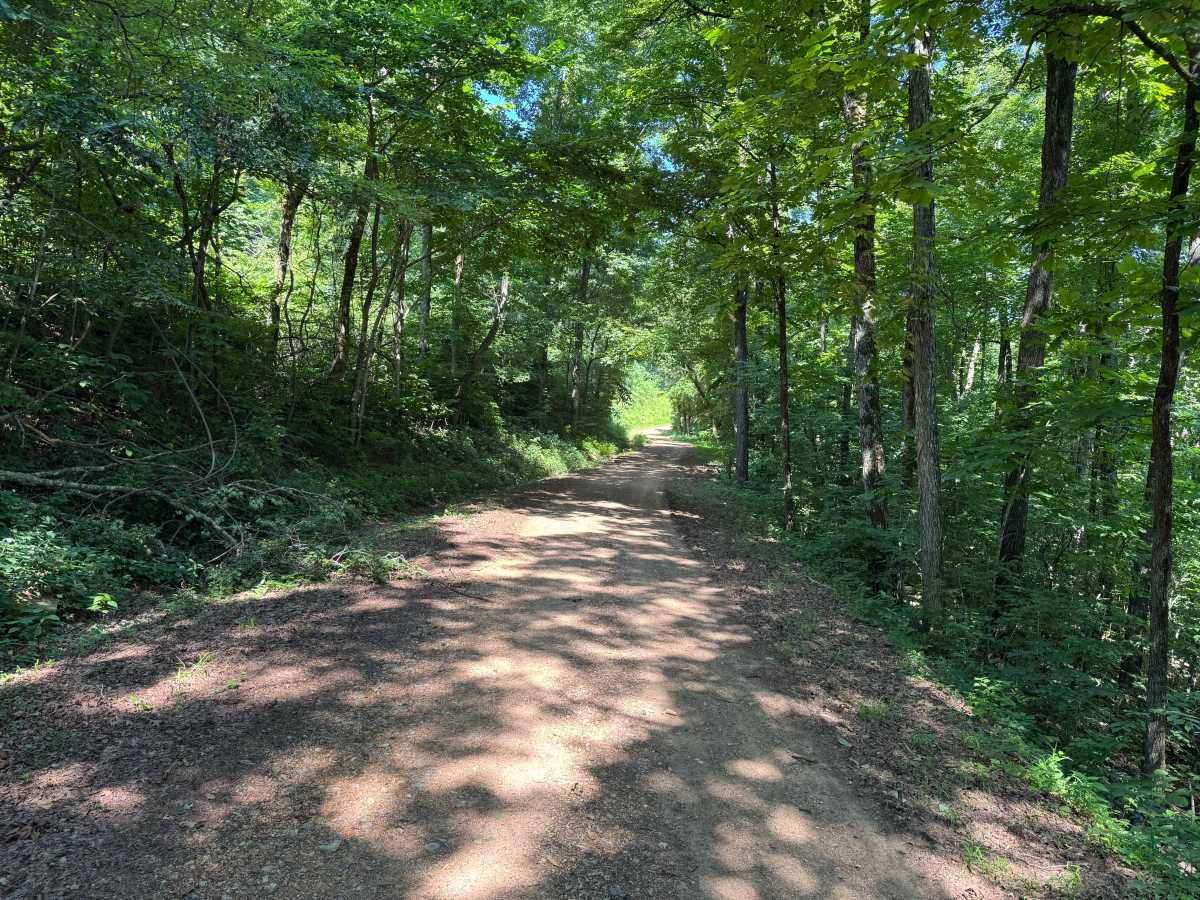
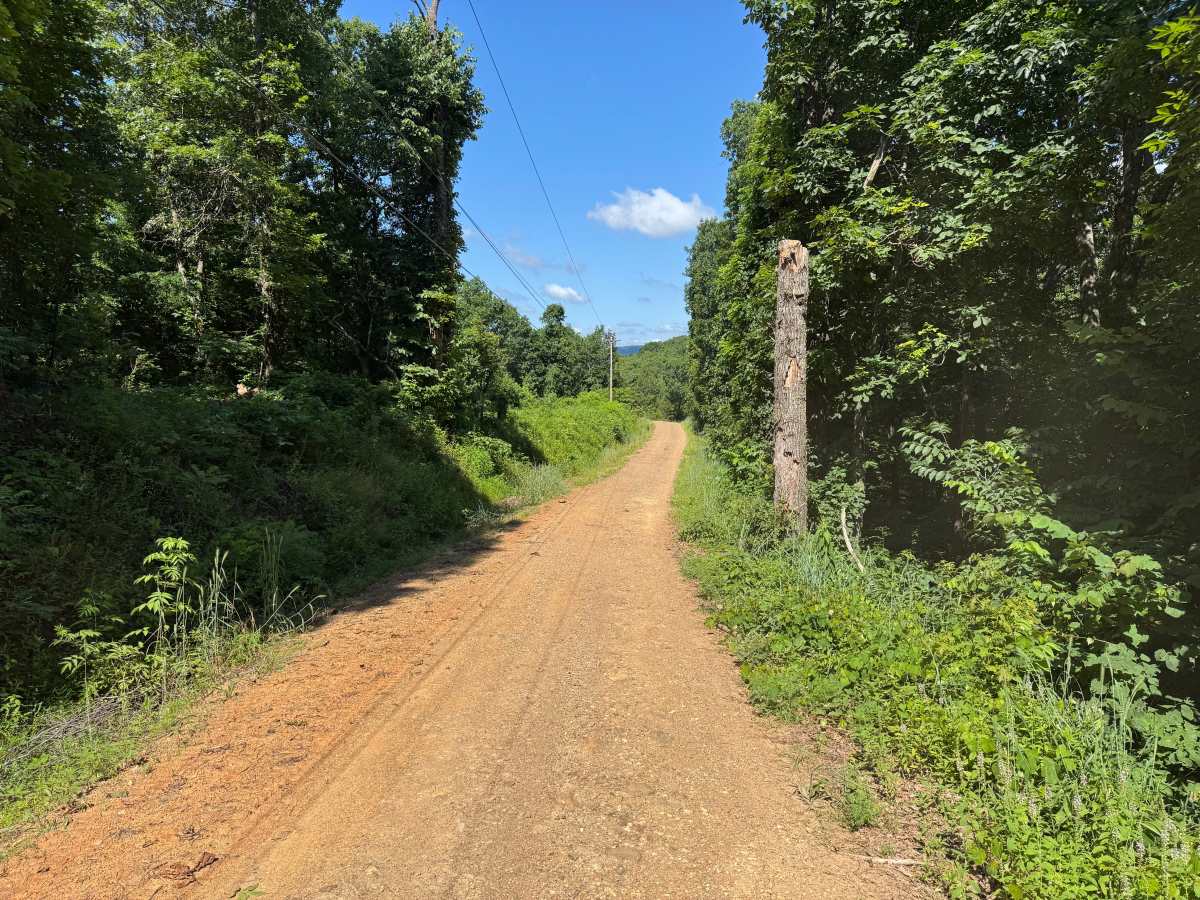
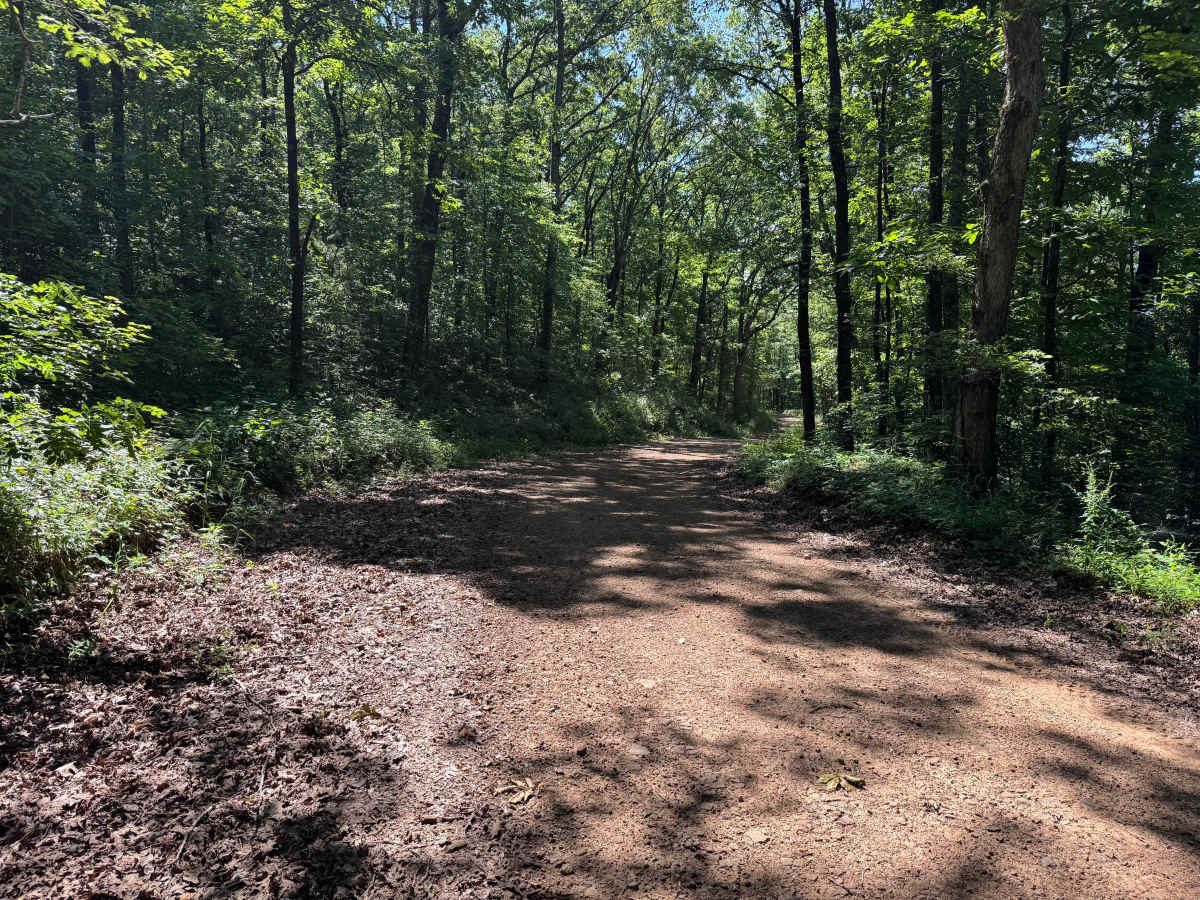
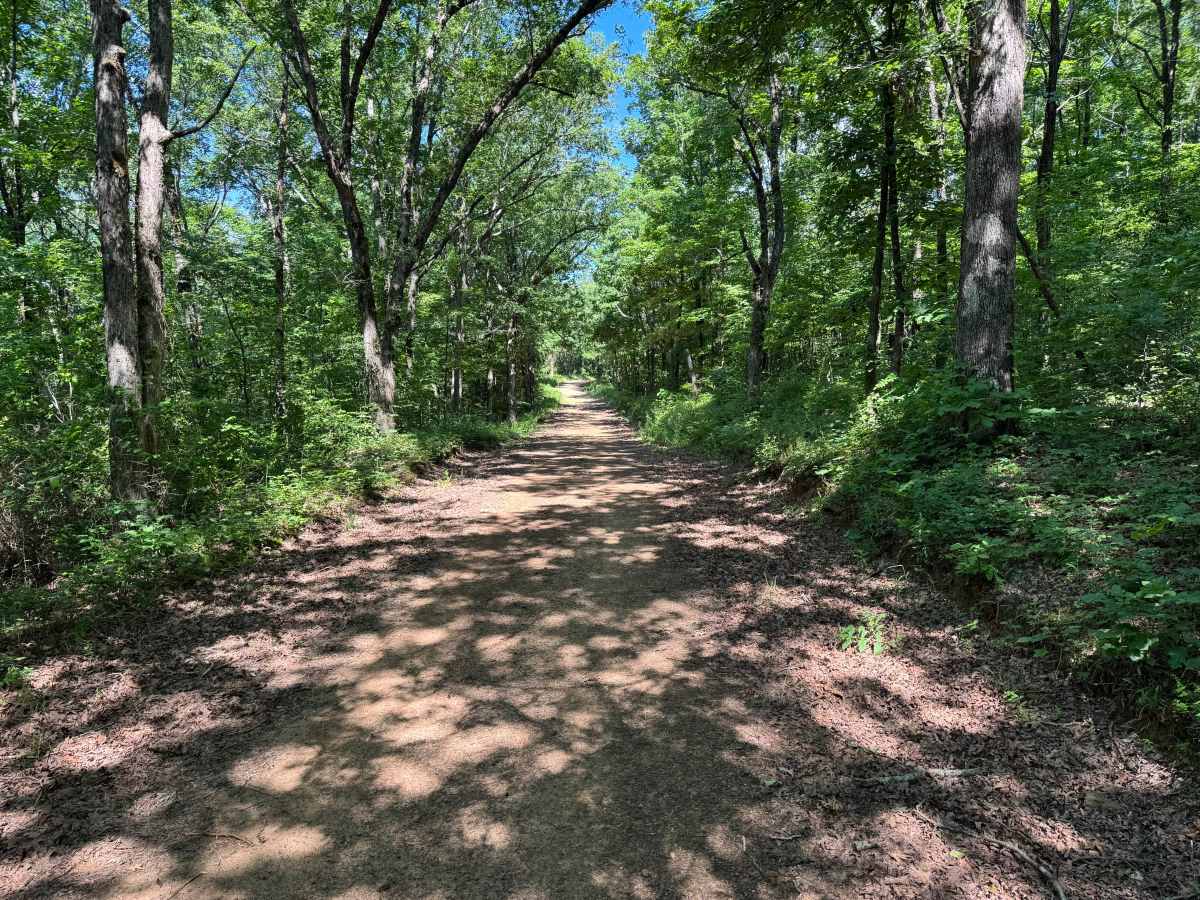
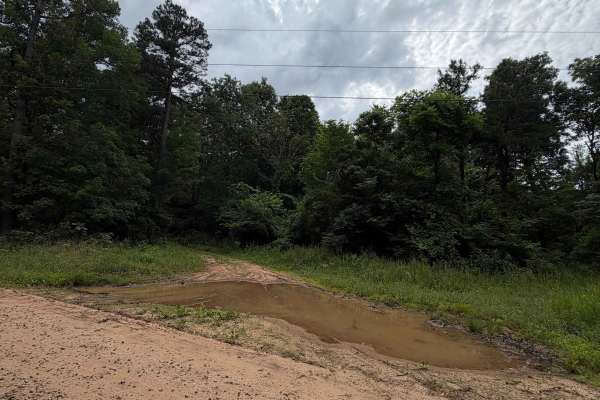
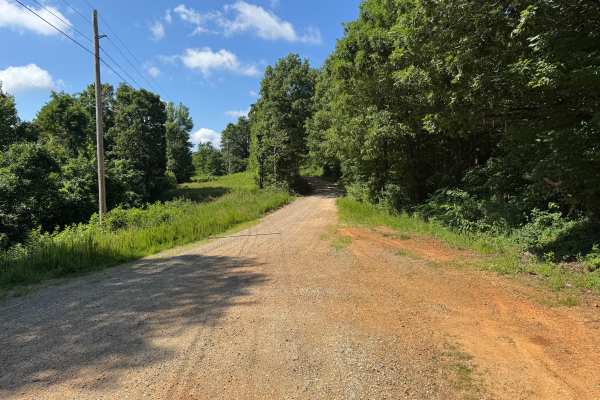
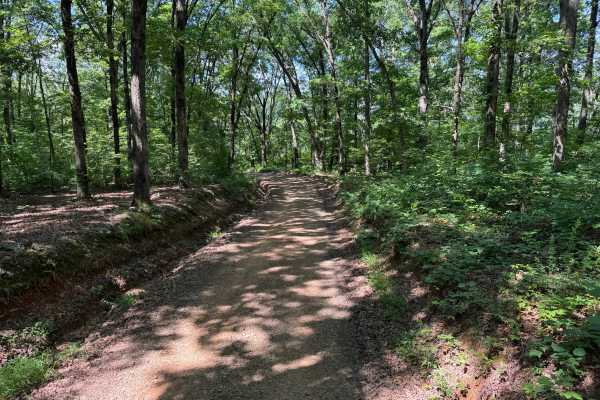
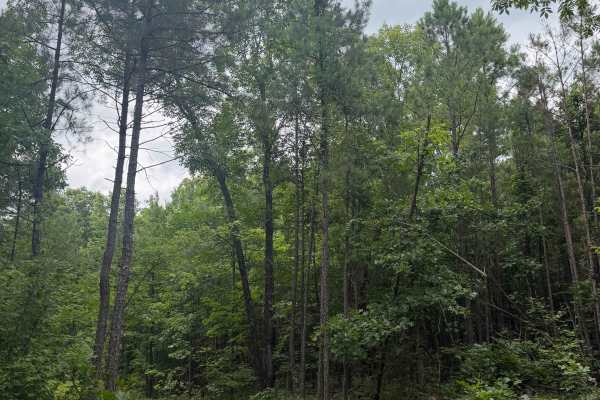
This narrow forest road offers a more secluded drive than many of the surrounding routes, winding beneath a dense canopy of mature hardwoods that provides welcome shade throughout much of the trip. In several areas, the road narrows to a single-vehicle width, with vegetation growing close to the edge that may result in light pinstriping for wider vehicles. The surface is primarily hard-packed gravel with occasional dirt sections where mud can develop after heavy rain. Gentle climbs and descents add some variety, but there are no major obstacles or technical features to navigate. Sunlight filters through the trees, creating a peaceful atmosphere, while occasional openings along the utility corridor provide long views down the valley before the route returns to the thick forest. As with any wooded route, be prepared for the possibility of downed trees, wildlife crossings, or loose gravel, especially after storms. Overall, this is a quiet, scenic drive well suited for those looking to enjoy the forest without encountering significant off-road challenges.
Difficulty
This is an easy forest road suitable for any high-clearance SUV or 4WD vehicle in dry conditions. The route is mostly hard-packed gravel with a few dirt sections that can become muddy after rain. Narrow stretches may result in light pinstriping, and there are a few moderate grades, but there are no technical obstacles, rock ledges, or water crossings. Be alert for downed trees, wildlife, and oncoming traffic where the road narrows to a single lane.
History
The Ozark National Forest was established in 1908 and today forms part of the Ozark-St. Francis National Forests, protecting more than one million acres across northern Arkansas. Many of the Forest Service roads traveled today began as logging, fire access, or resource management roads before becoming part of the modern recreation network. Forest management continues to play an important role in maintaining healthy ecosystems through timber management, prescribed fire, wildlife habitat restoration, and watershed protection. The rugged Boston Mountains and surrounding Ozark Highlands remain one of the oldest and most geologically significant mountain regions in North America, offering visitors a unique combination of natural beauty and rich forest history.