Trail Overview
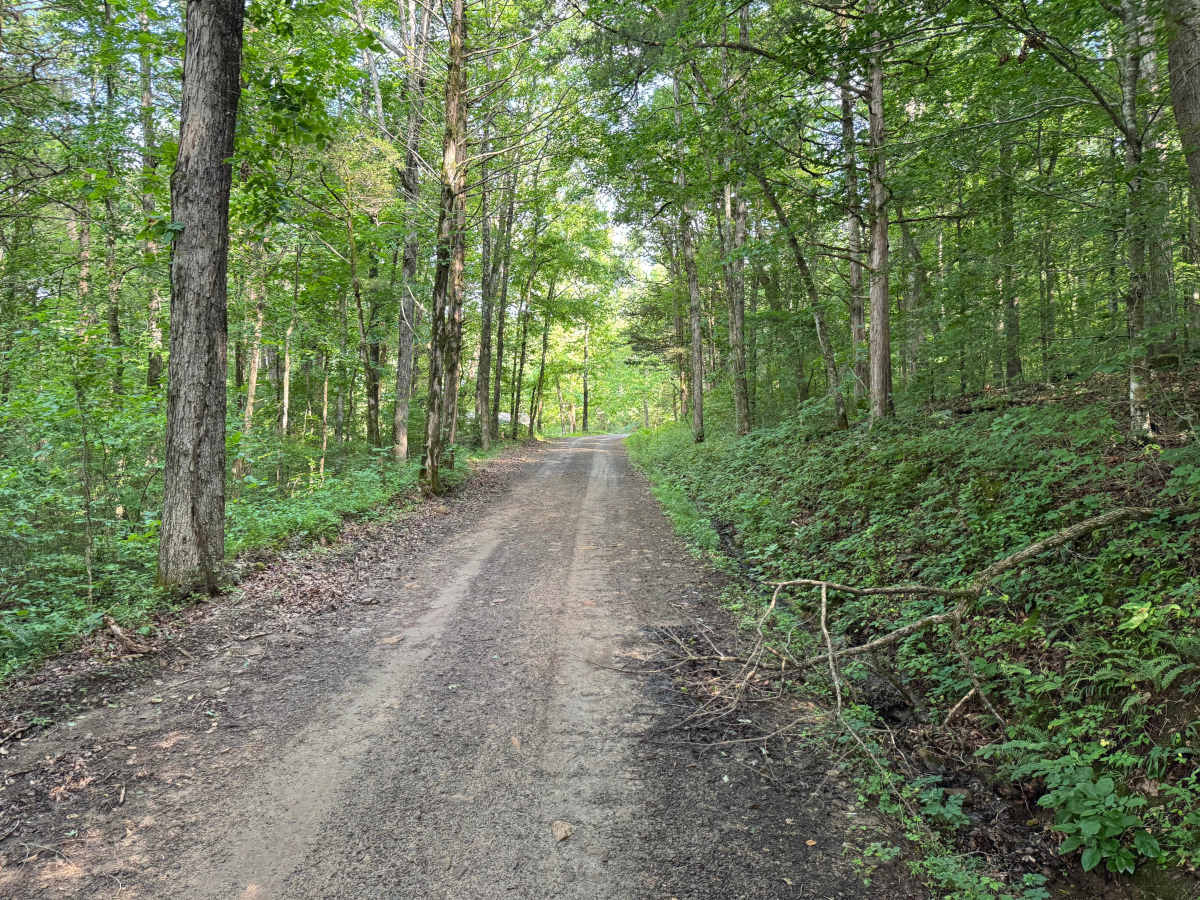
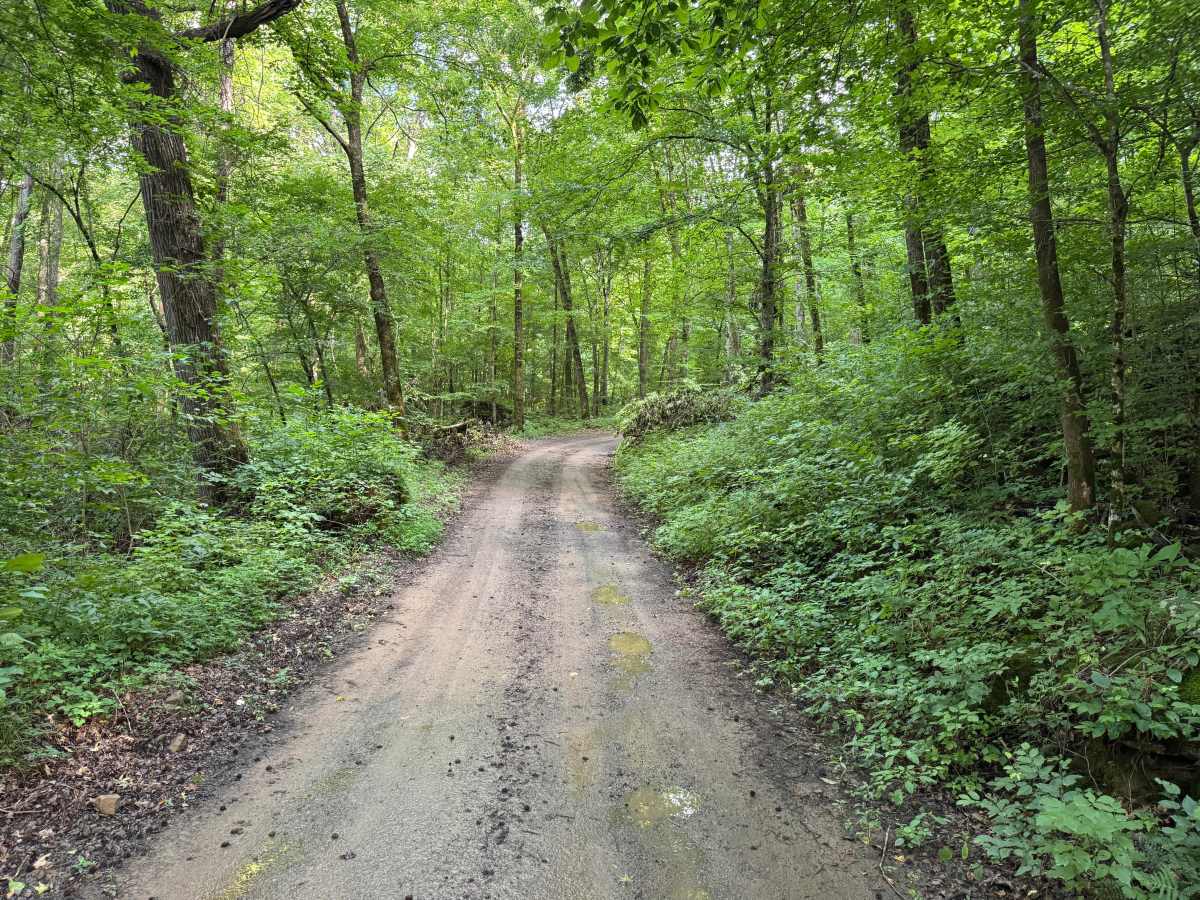
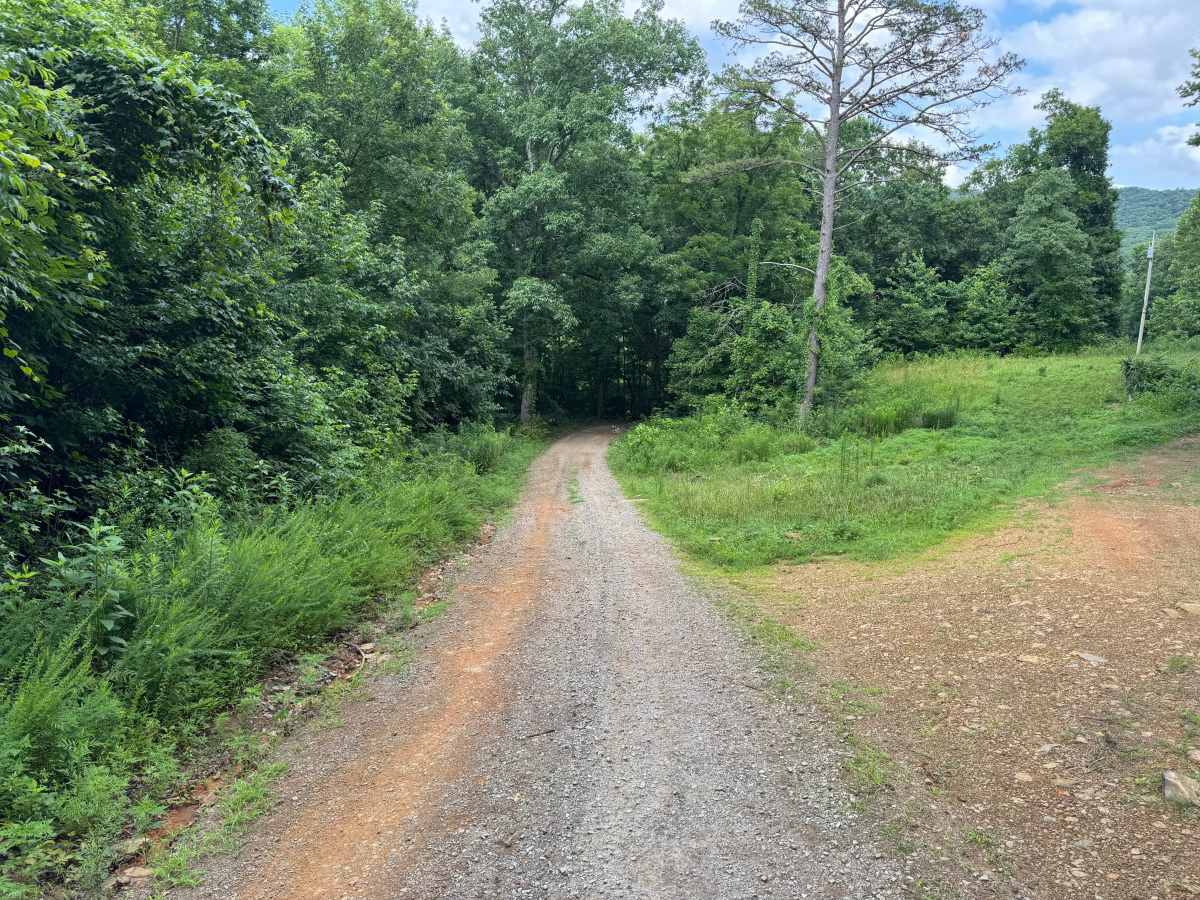
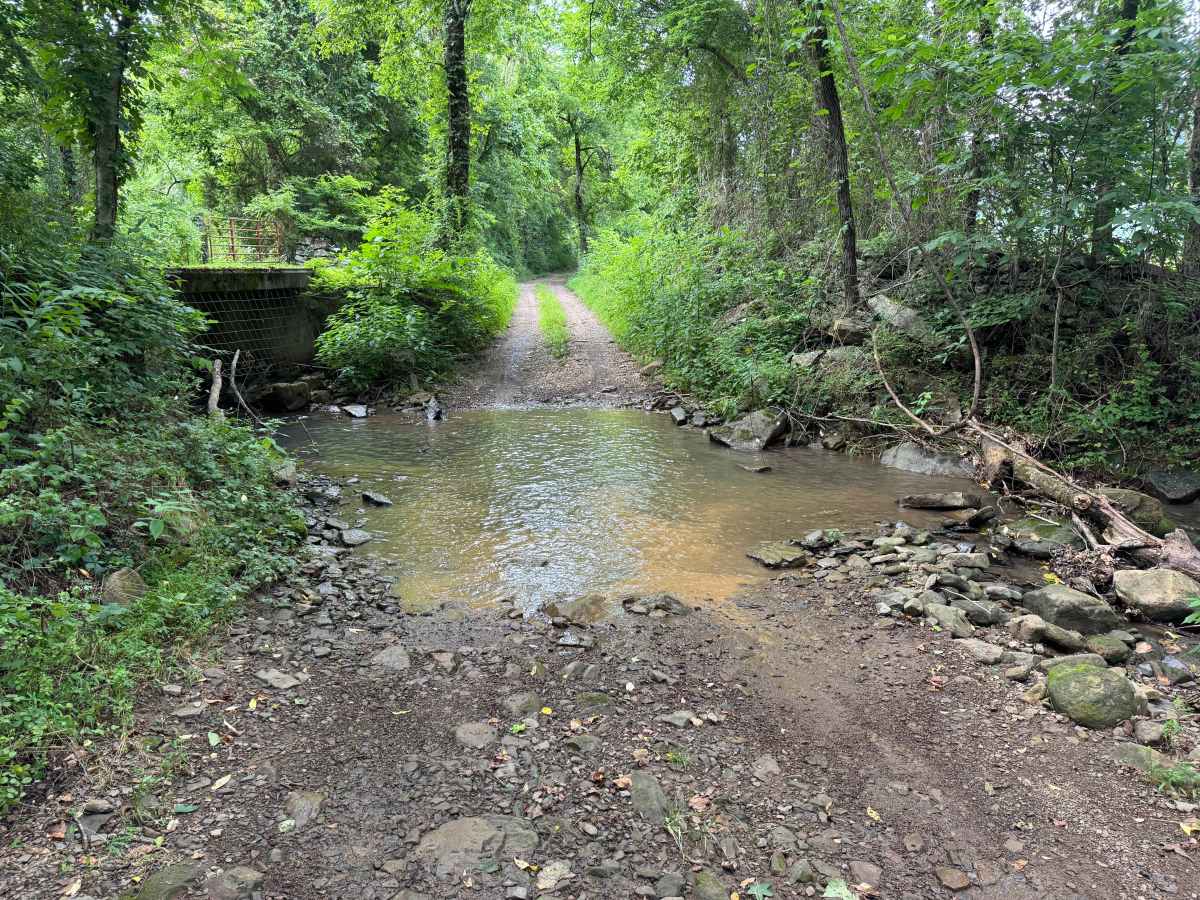
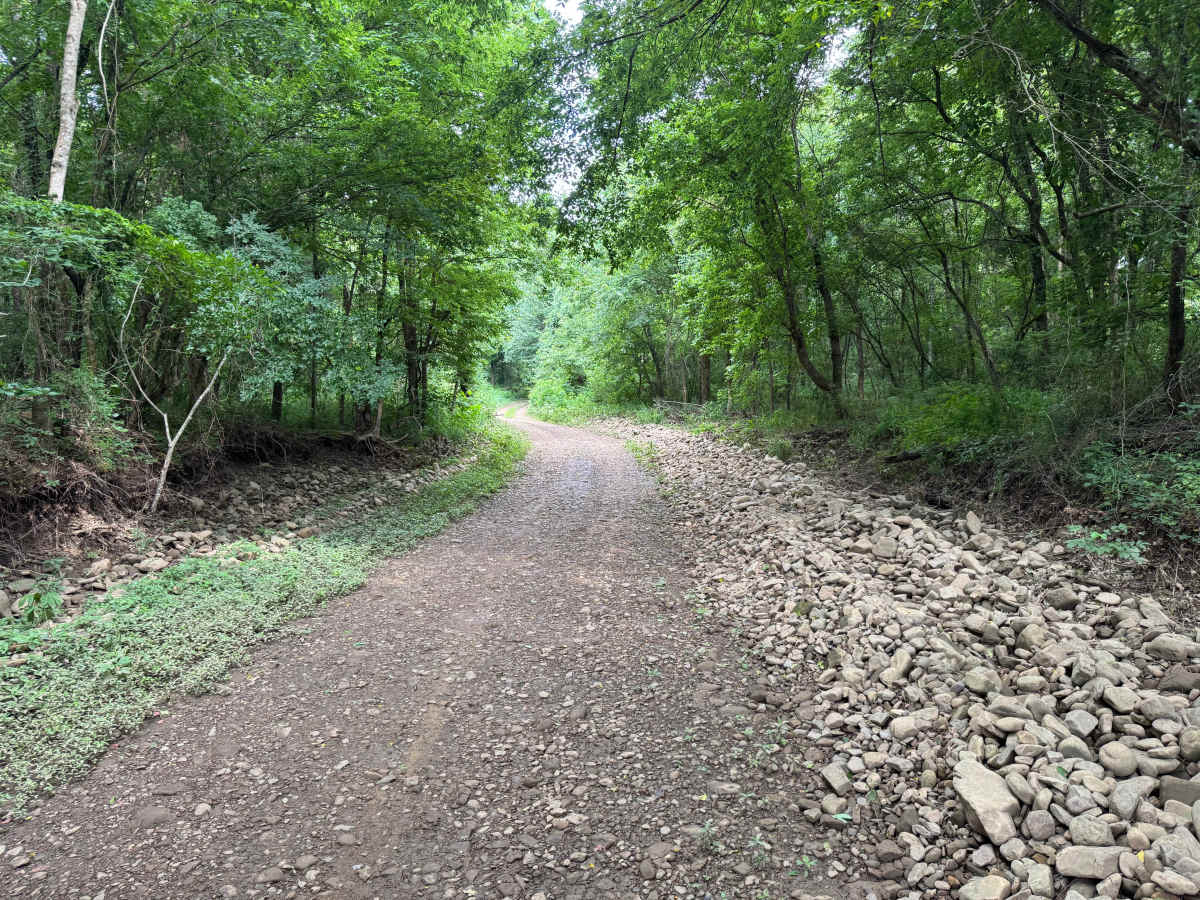
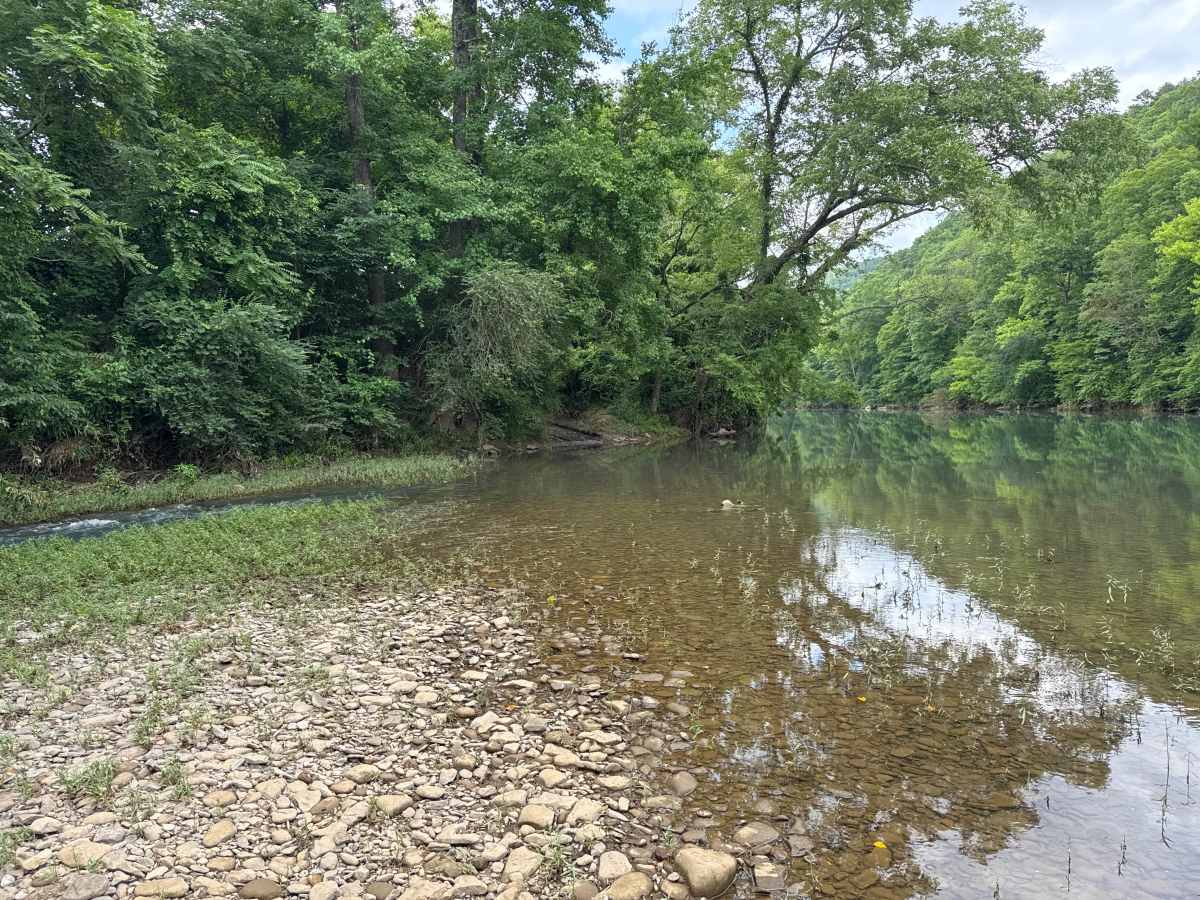
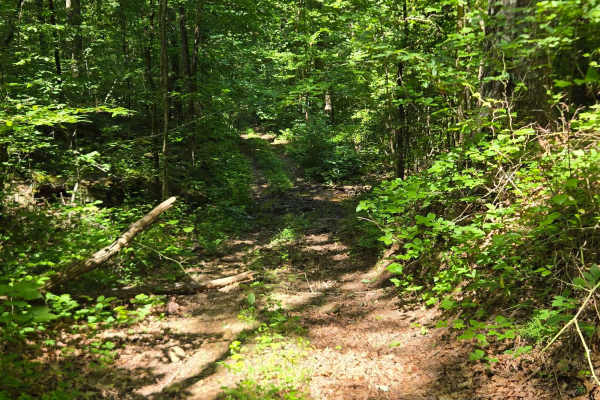
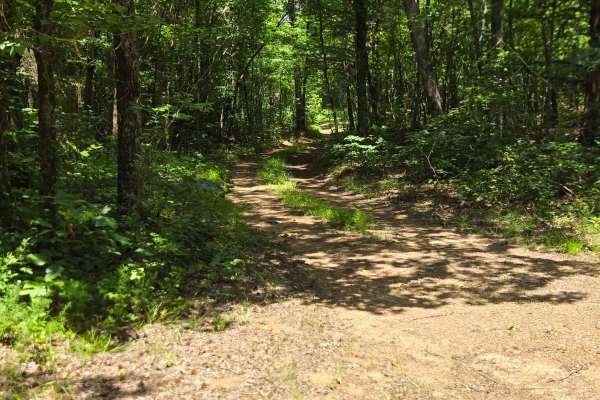
This out-and-back county road provides an easy drive through a quiet stretch of the Ozark National Forest, winding beneath a dense canopy of hardwoods before opening into occasional clearings and creek bottoms. The road alternates between maintained gravel and sections of dirt and sandy soil, with a generally smooth surface suitable for most high-clearance vehicles in dry conditions. It is primarily one vehicle wide, with only a handful of pull-offs where oncoming traffic can safely pass. Wildlife sightings are common, and downed trees may be encountered after storms. The highlight of the route is the crossing of the crystal-clear Big Piney Creek, where turquoise water flows over a rocky bottom before leading to a broad gravel bar and rock island that serves as the turnaround point. Water levels can rise quickly after heavy rain, so always evaluate the creek before crossing. Aside from the seasonal creek crossing, there are no significant obstacles, making this a scenic and relaxing drive through one of the Ozarks' most picturesque river corridors.
Difficulty
The road consists primarily of maintained gravel with sections of dirt and sand, and the only notable obstacle is the shallow crossing of Big Piney Creek at the end of the route. Water depth can increase significantly after heavy rain, making the crossing the primary factor affecting difficulty. Expect a narrow, one-lane road with limited passing areas, occasional downed trees, and wildlife, but no technical terrain in normal conditions.
History
The Ozark National Forest was established in 1908 and today forms part of the Ozark-St. Francis National Forests, protecting more than one million acres across northern Arkansas. Many of the Forest Service roads traveled today began as logging, fire access, or resource management roads before becoming part of the modern recreation network. Forest management continues to play an important role in maintaining healthy ecosystems through timber management, prescribed fire, wildlife habitat restoration, and watershed protection. The rugged Boston Mountains and surrounding Ozark Highlands remain one of the oldest and most geologically significant mountain regions in North America, offering visitors a unique combination of natural beauty and rich forest history.