Trail Overview
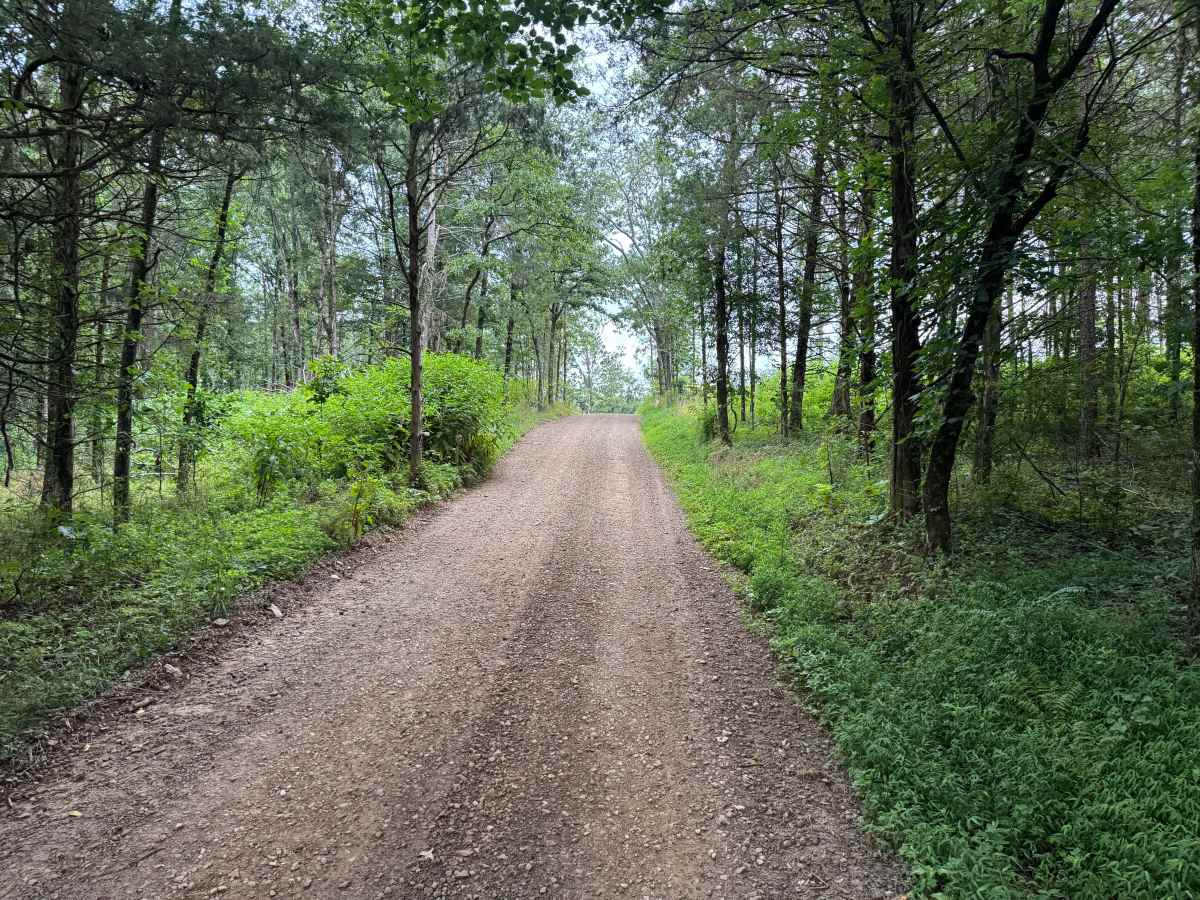
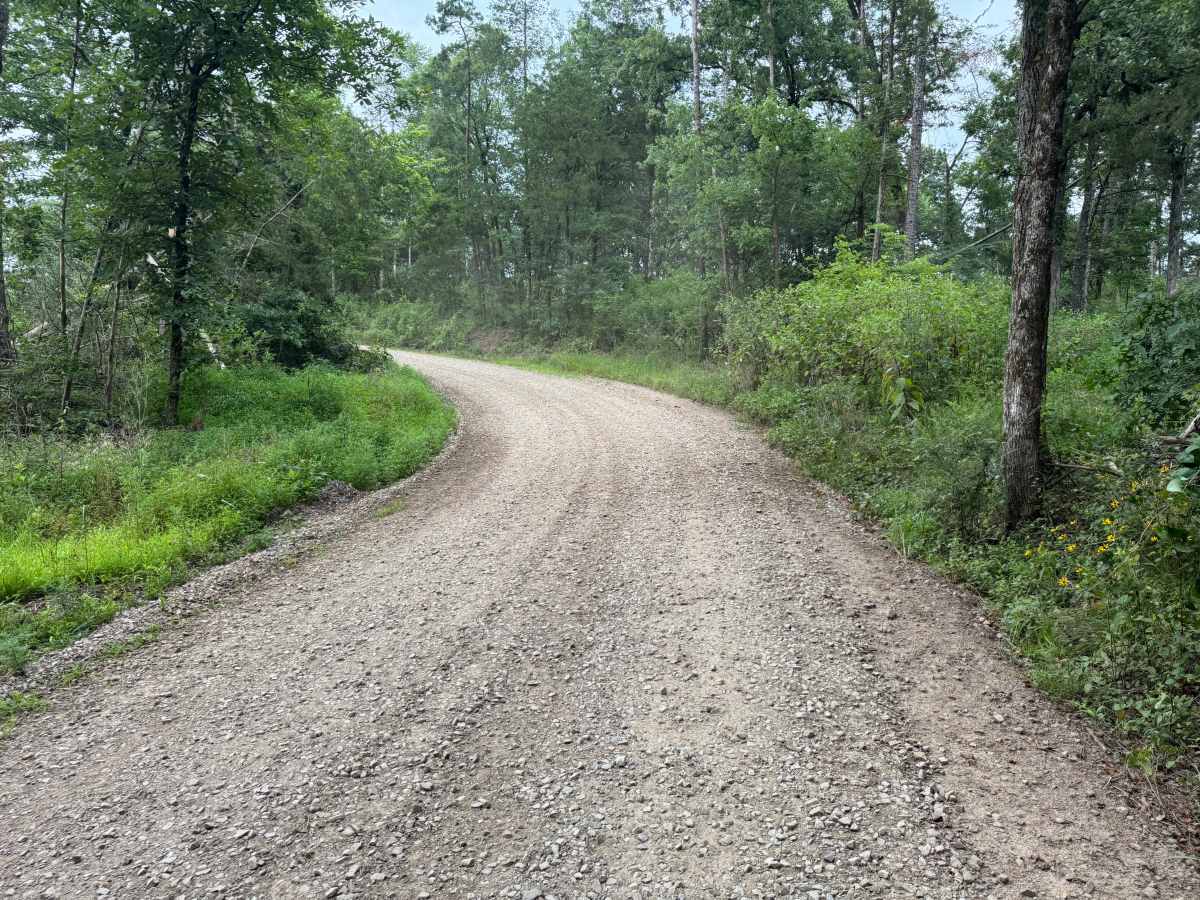
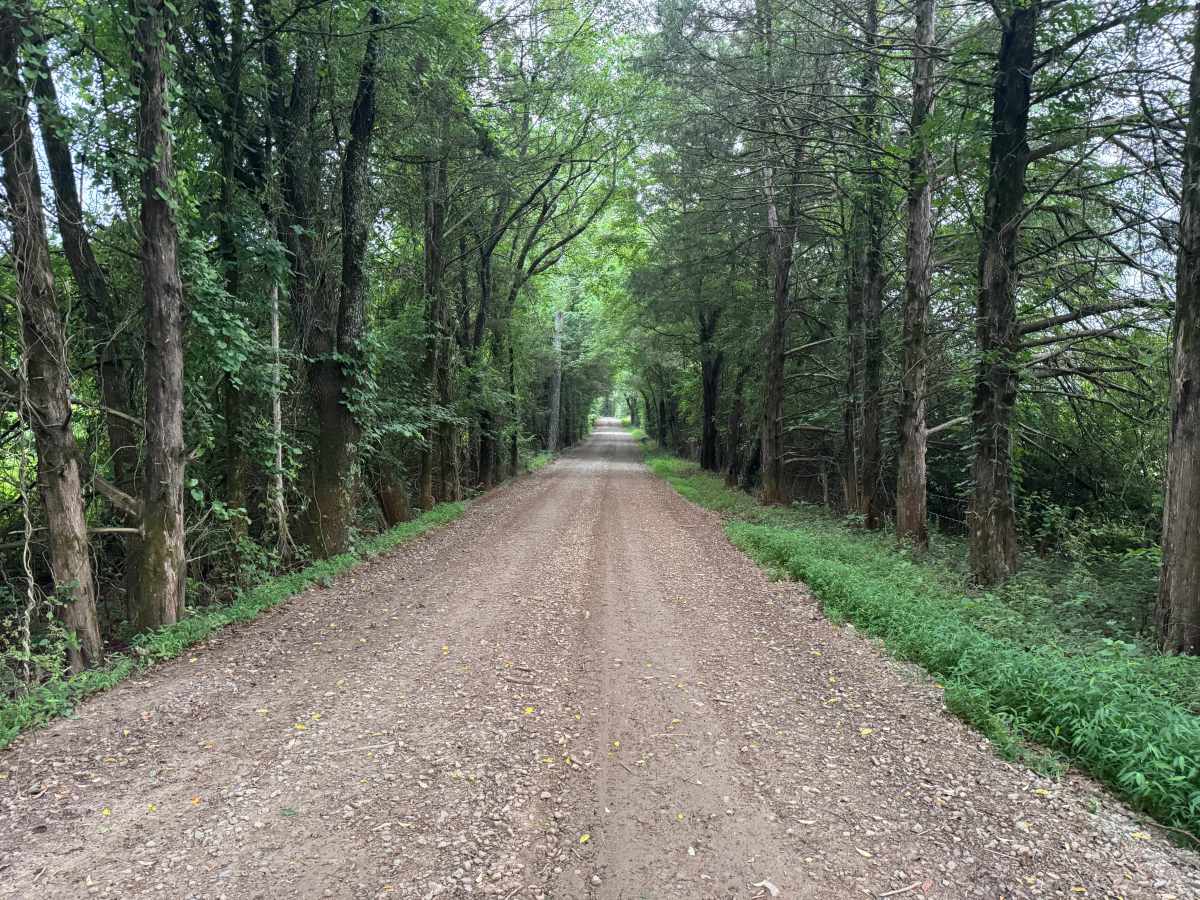
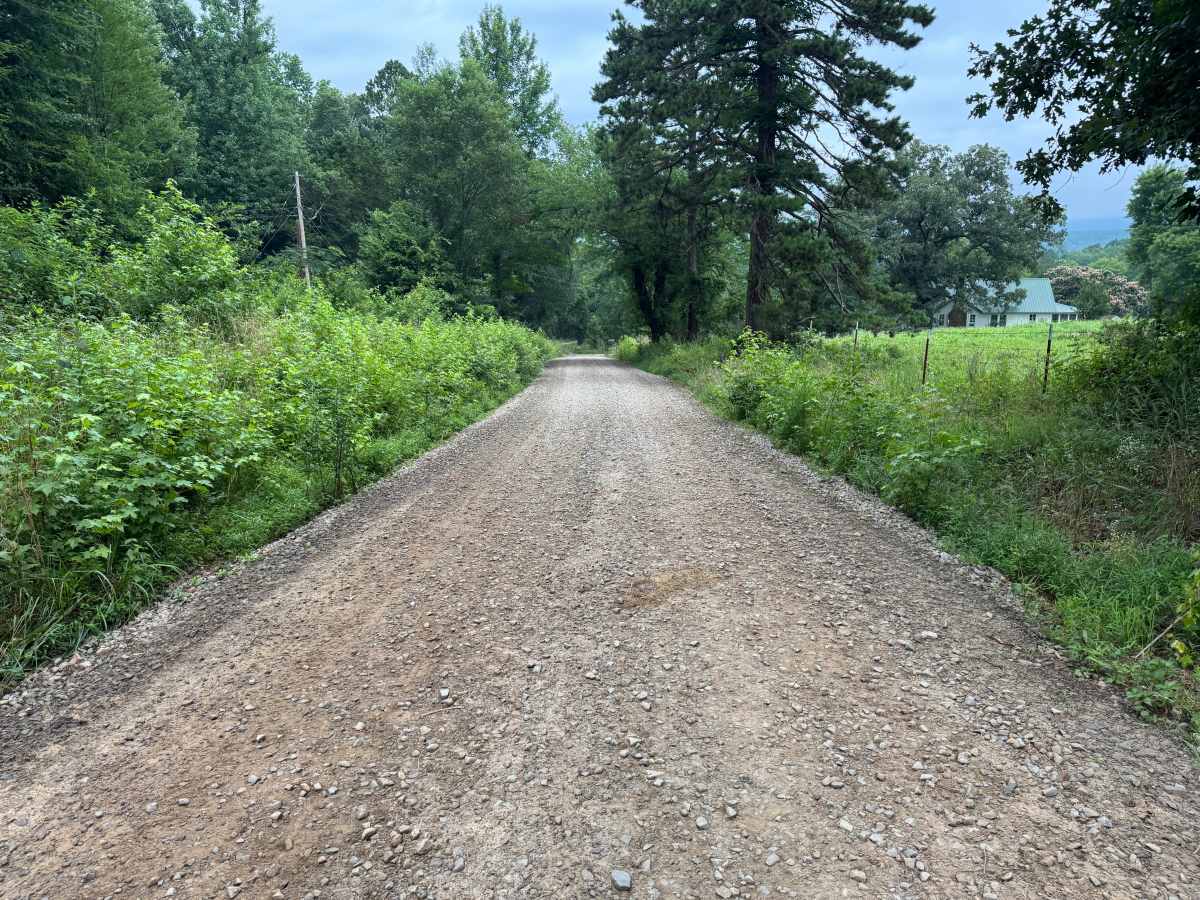
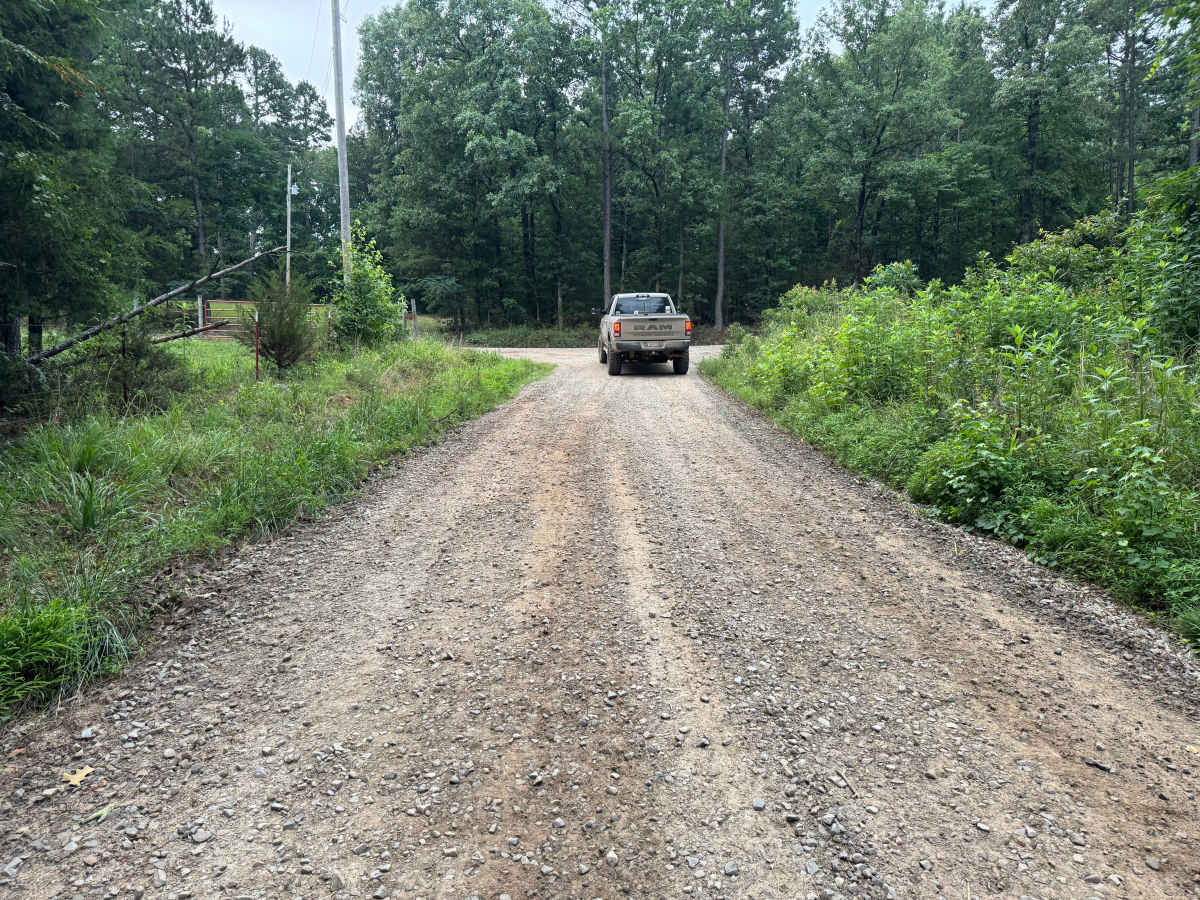
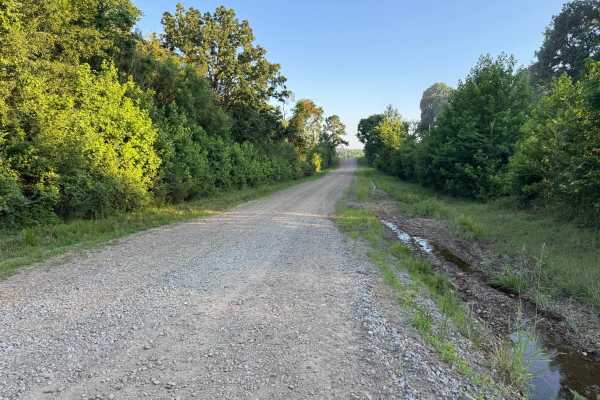
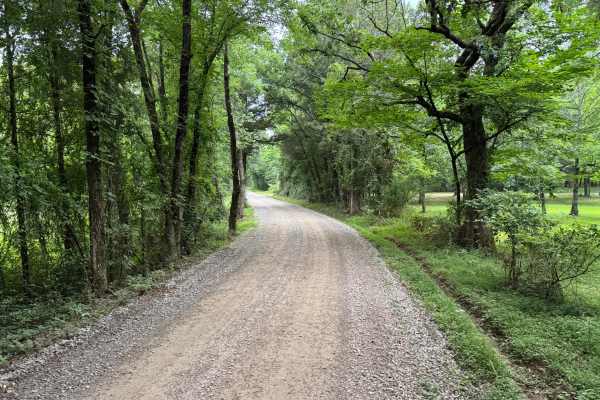
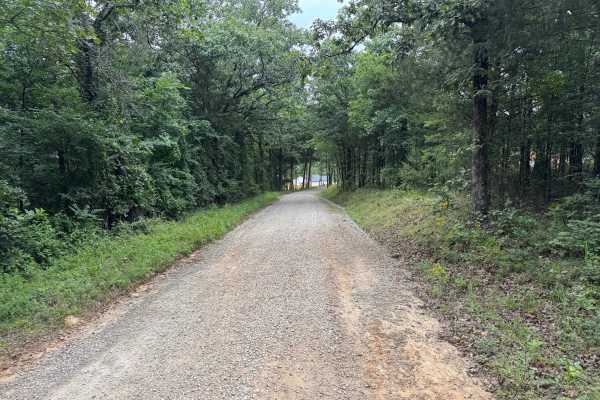
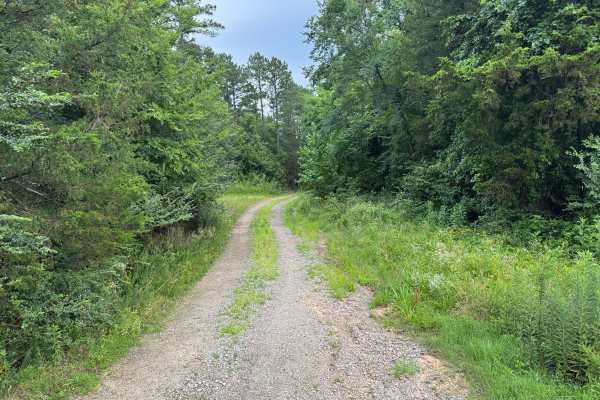
This maintained gravel route winds through a scenic blend of hardwood forest and quiet rural farmland, offering a peaceful drive with no major obstacles. Much of the road is lined by mature trees that form a shaded canopy, while other sections open to small fields, pastures, and scattered homes tucked into the countryside. The route is primarily one vehicle wide, although there are several wider areas where drivers can safely pull over to allow oncoming traffic to pass. Expect gentle curves and rolling terrain rather than technical challenges. As you travel, be mindful of nearby private property, and watch for pets that may wander into the roadway near homes and farms. Wildlife is common throughout the area, and fallen trees or limbs may occasionally block portions of the road after storms, so always drive at a safe speed and be prepared for changing conditions.
Difficulty
The route is mostly one vehicle wide, but pull-offs are available for passing oncoming traffic. The primary hazards are loose gravel, occasional downed trees after storms, wildlife, and pets near nearby homes.
History
The Ozark National Forest was established in 1908 and today forms part of the Ozark-St. Francis National Forests, protecting more than one million acres across northern Arkansas. Many of the Forest Service roads traveled today began as logging, fire access, or resource management roads before becoming part of the modern recreation network. Forest management continues to play an important role in maintaining healthy ecosystems through timber management, prescribed fire, wildlife habitat restoration, and watershed protection. The rugged Boston Mountains and surrounding Ozark Highlands remain one of the oldest and most geologically significant mountain regions in North America, offering visitors a unique combination of natural beauty and rich forest history.

 Offroad