Trail Overview
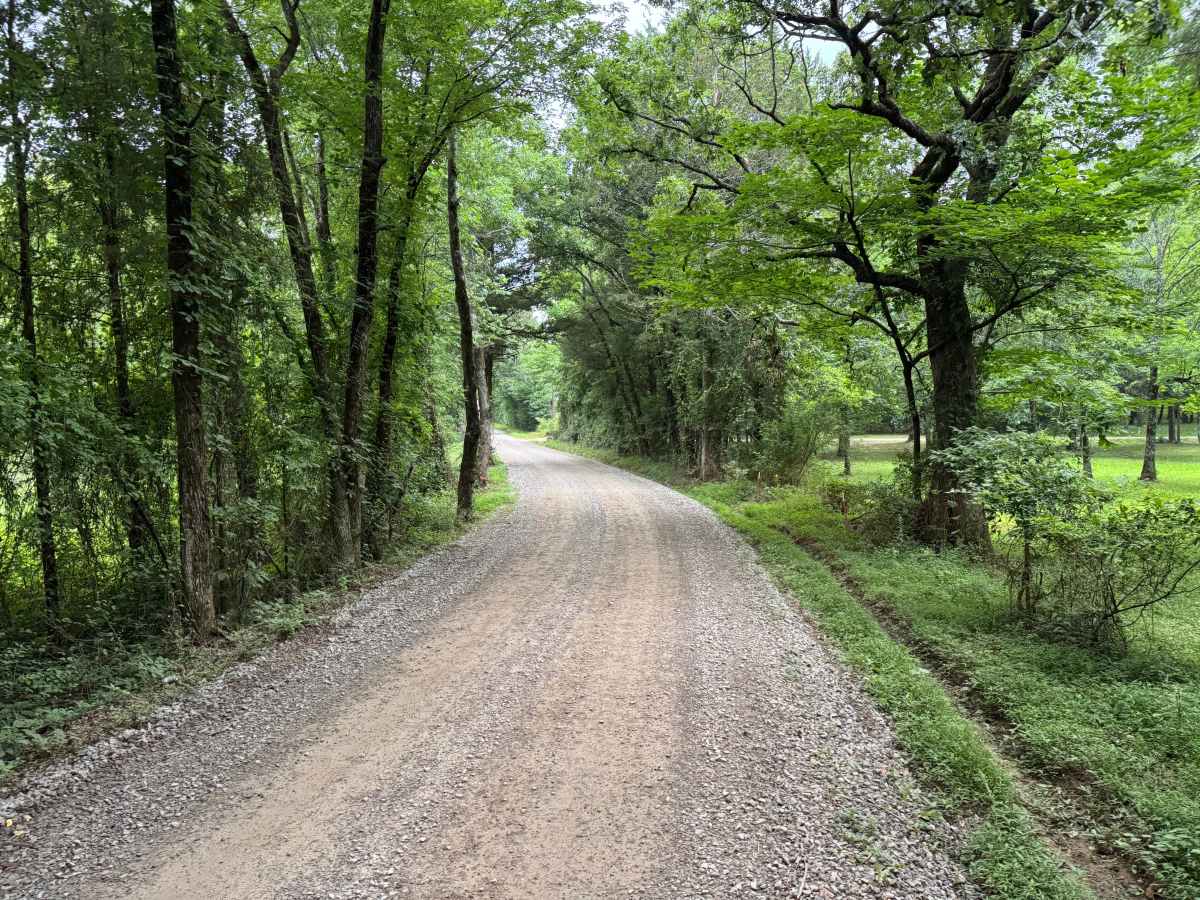
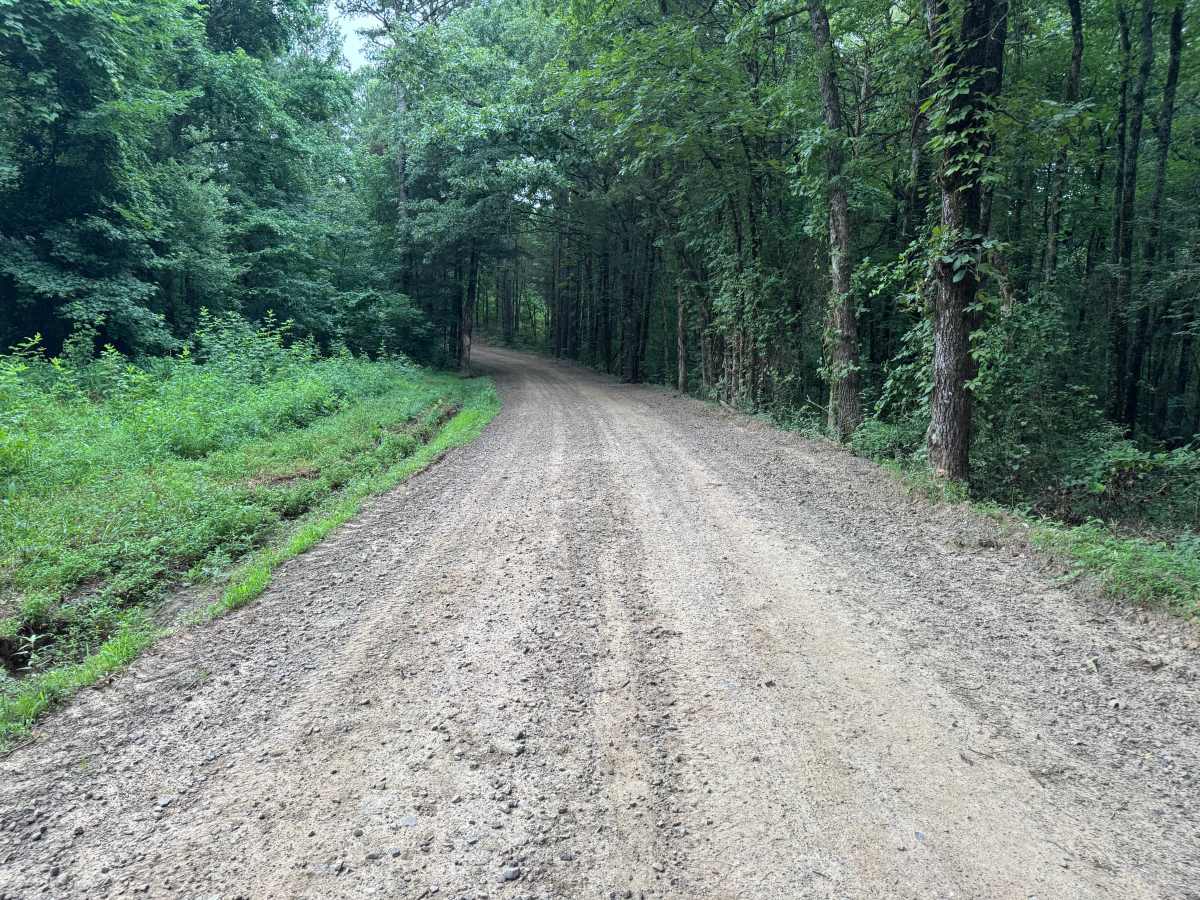
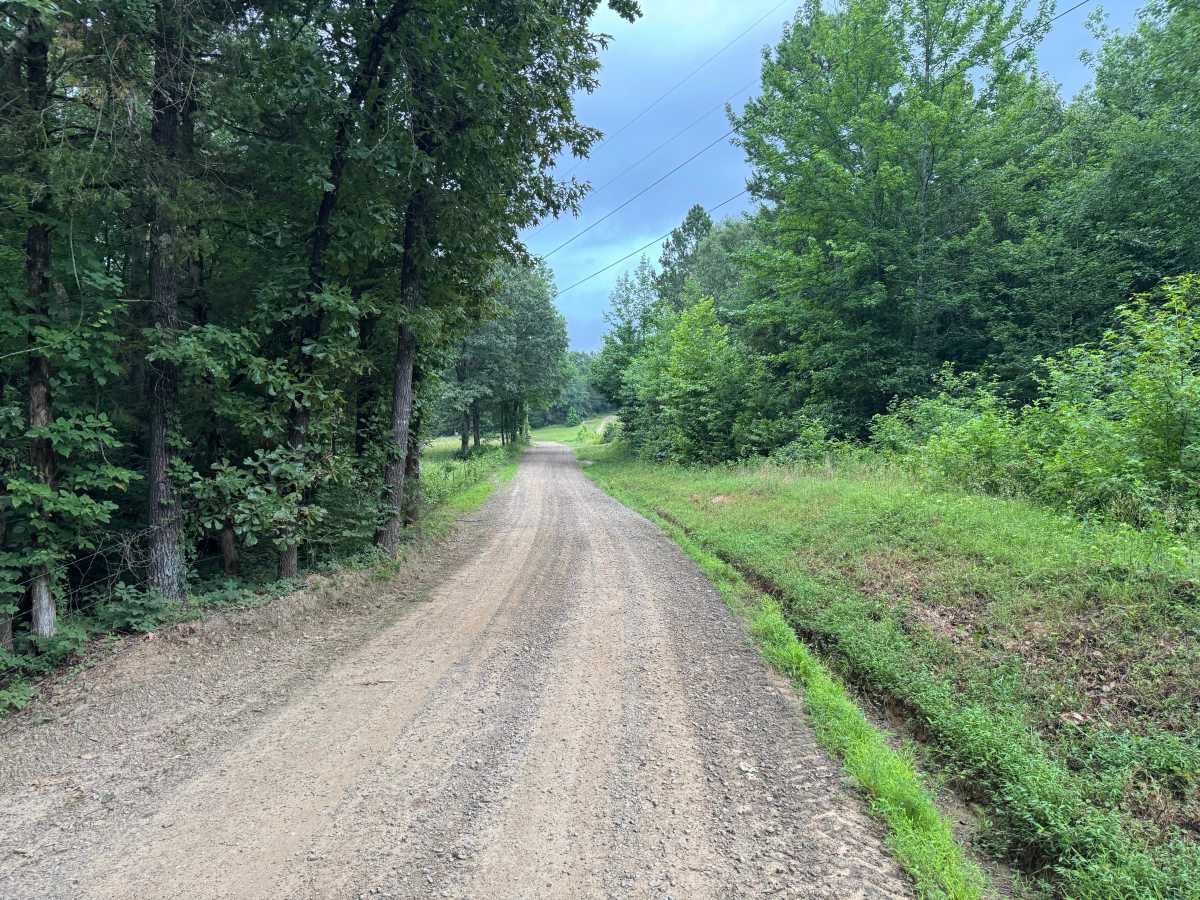
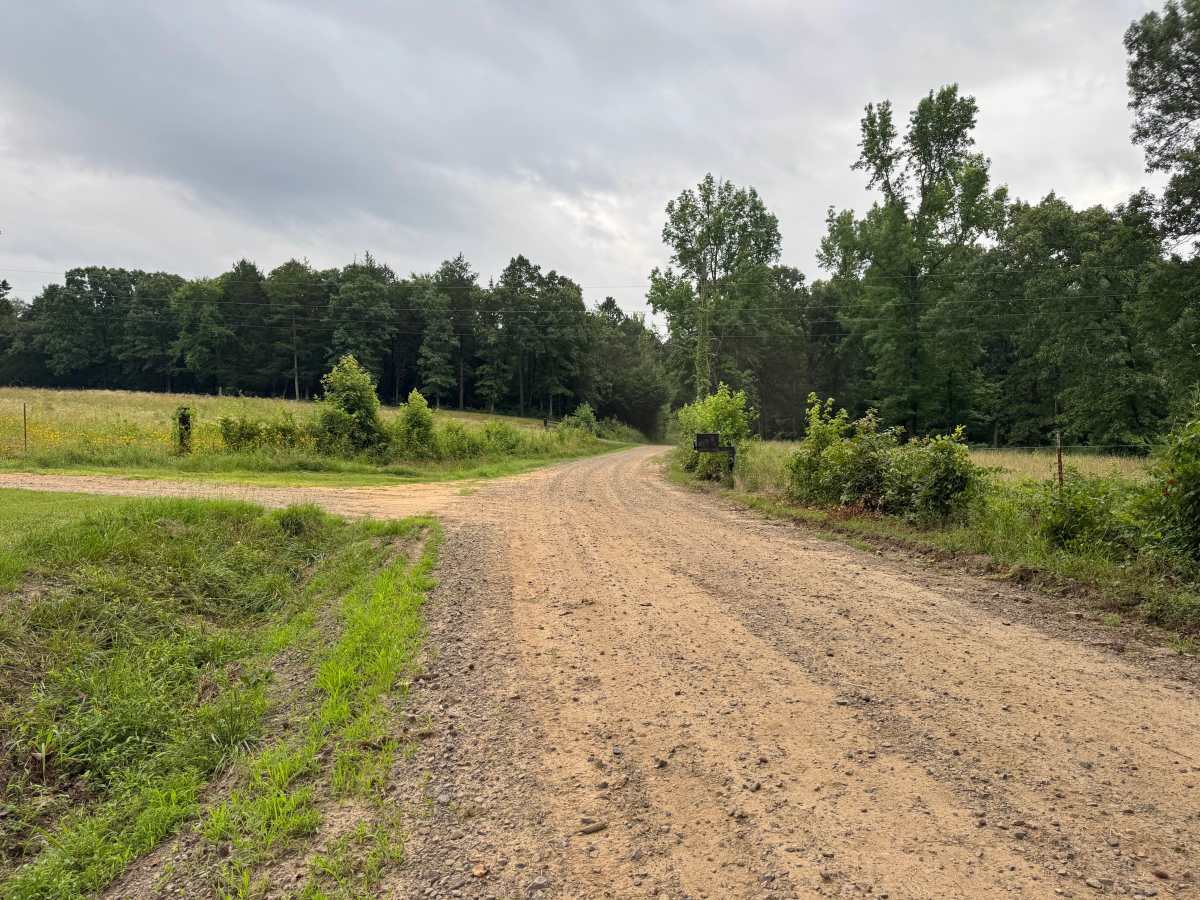
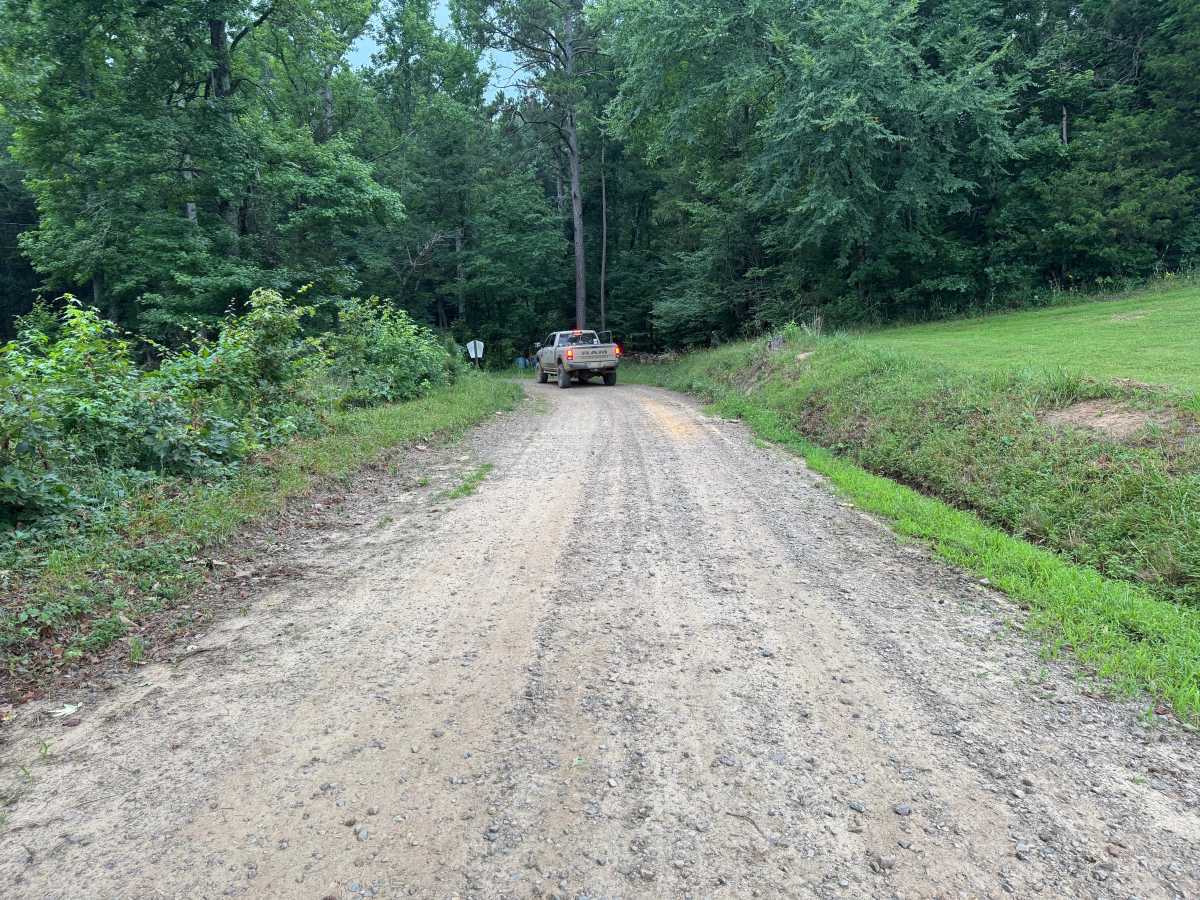
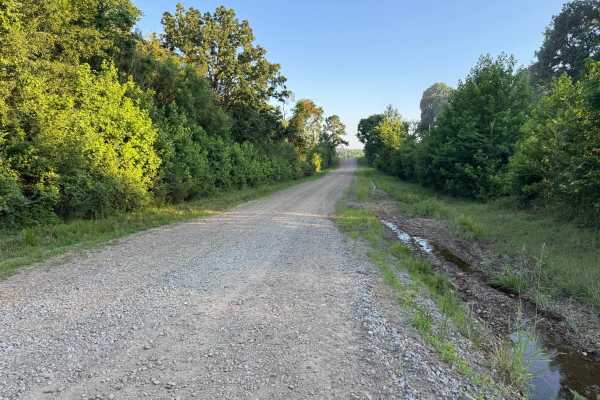
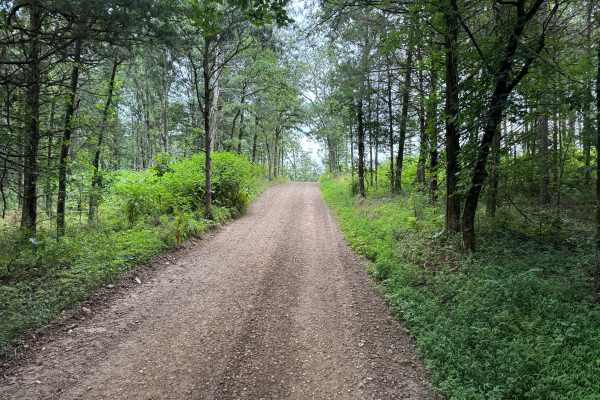
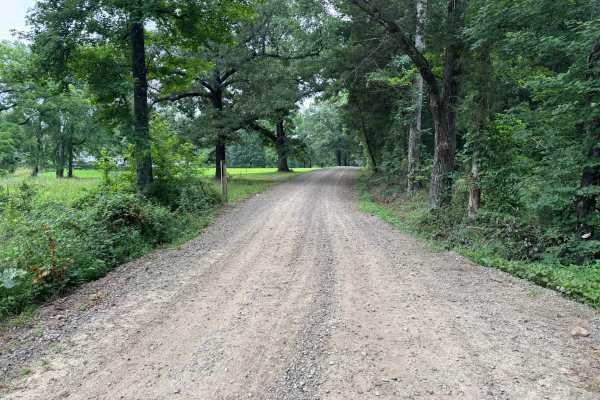
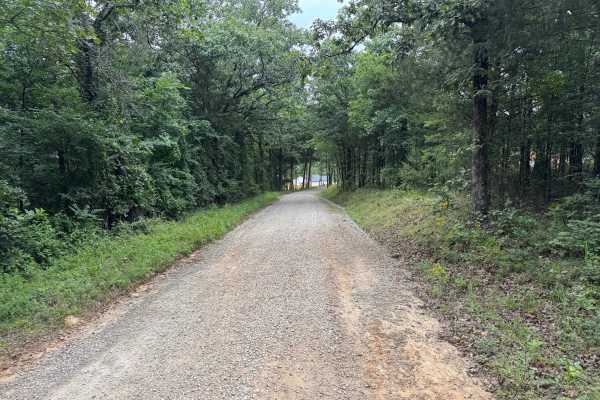
This maintained gravel route winds through a scenic mix of mature hardwood forest and open countryside, creating a peaceful drive with frequent views of towering oaks, pines, and small clearings. The route gently curves beneath a leafy canopy before opening to grassy fields and rural homes, offering a classic backroad experience. While the route travels past several private properties, it remains well-maintained and easy to follow. Please respect property boundaries and remain on the designated roadway. There are no technical obstacles, water crossings, or difficult terrain. The road is nearly two vehicles wide for much of its length, though oncoming traffic may require one driver to slow and move toward the shoulder to pass safely. The route connects several rural routes and is suitable for nearly any vehicle while providing a relaxing drive through the Arkansas countryside.
Difficulty
The maintained gravel surface is smooth with no technical obstacles, steep grades, or water crossings. Expect gentle curves, occasional oncoming traffic on the mostly two-vehicle-wide road, and possible hazards such as wildlife, pets, or downed trees after storms. Use caution near private residences and yield where the roadway narrows.
History
The Ozark National Forest was established in 1908 and today forms part of the Ozark-St. Francis National Forests, protecting more than one million acres across northern Arkansas. Many of the Forest Service roads traveled today began as logging, fire access, or resource management roads before becoming part of the modern recreation network. Forest management continues to play an important role in maintaining healthy ecosystems through timber management, prescribed fire, wildlife habitat restoration, and watershed protection. The rugged Boston Mountains and surrounding Ozark Highlands remain one of the oldest and most geologically significant mountain regions in North America, offering visitors a unique combination of natural beauty and rich forest history.

 Offroad