Trail Overview
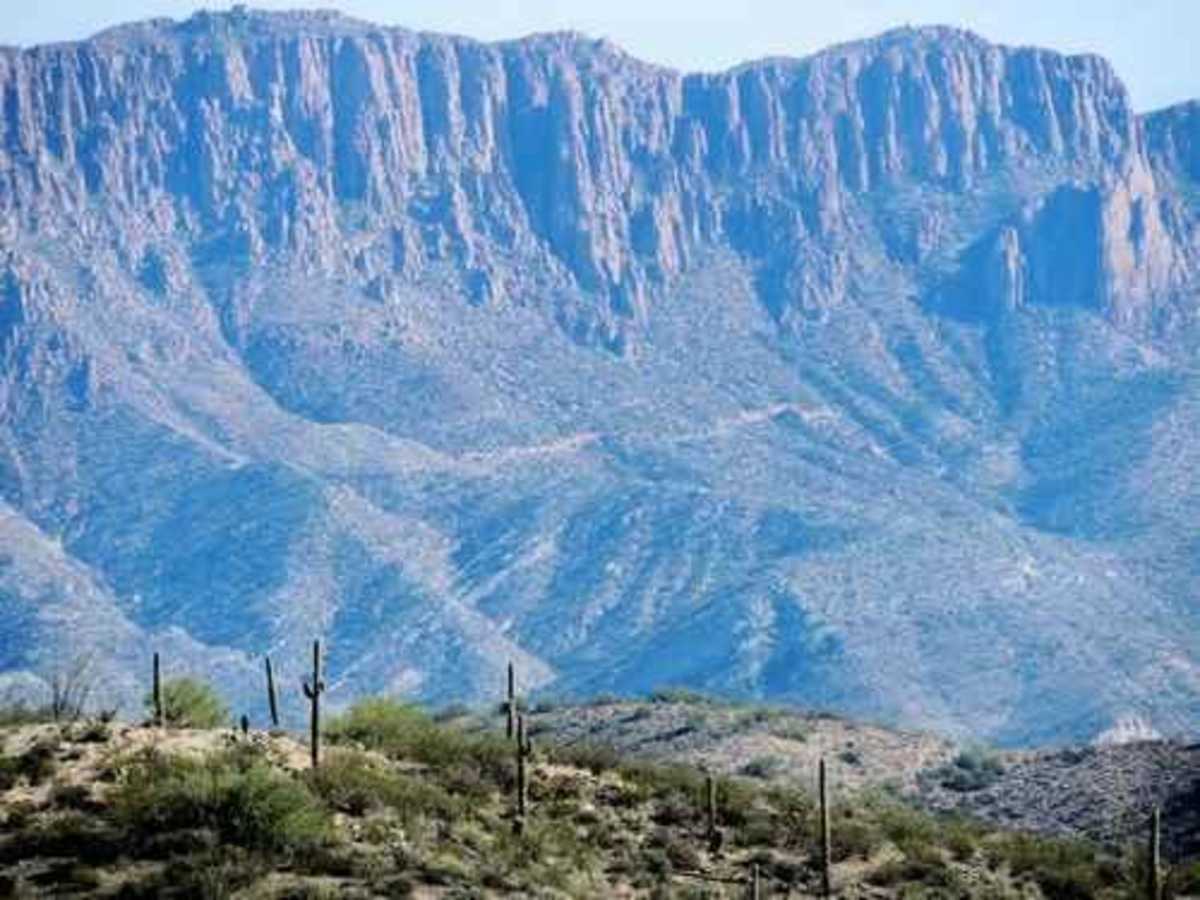
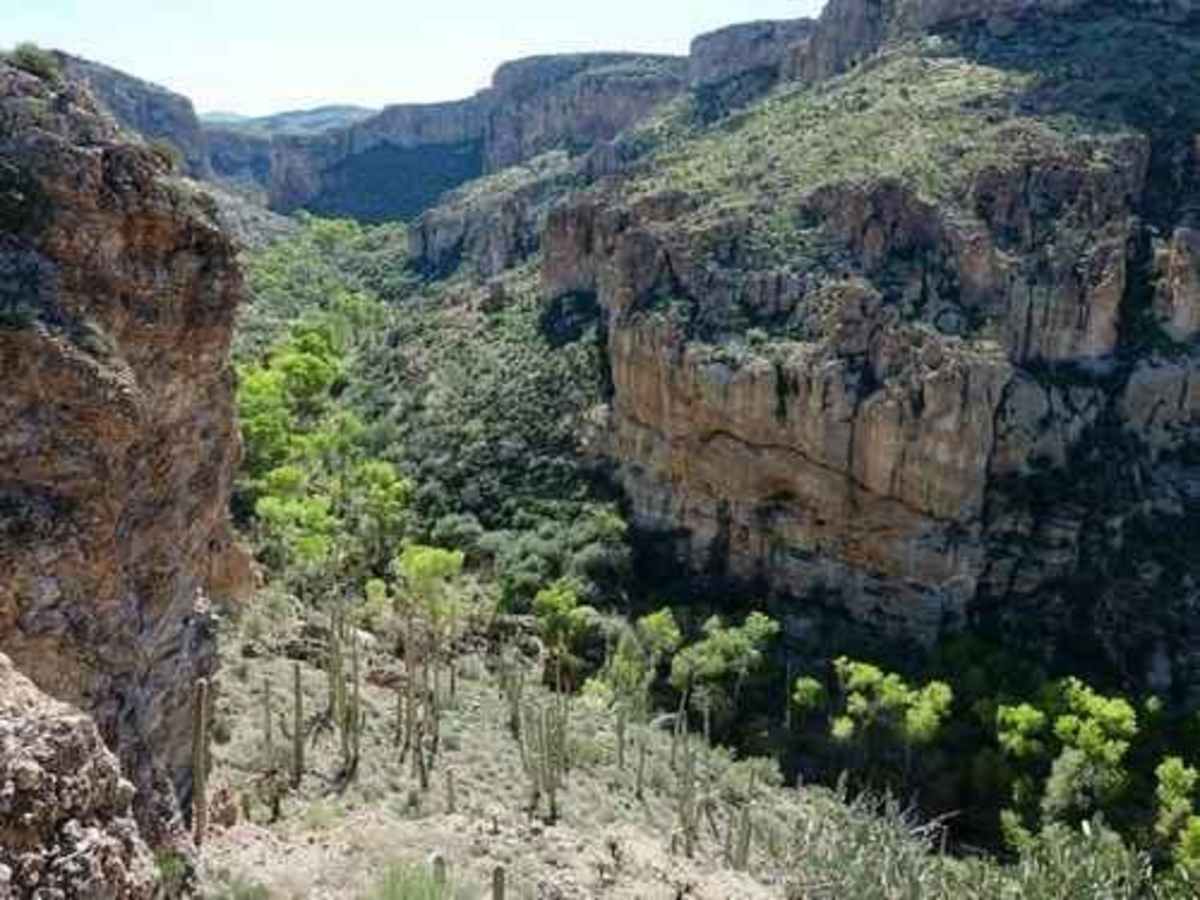
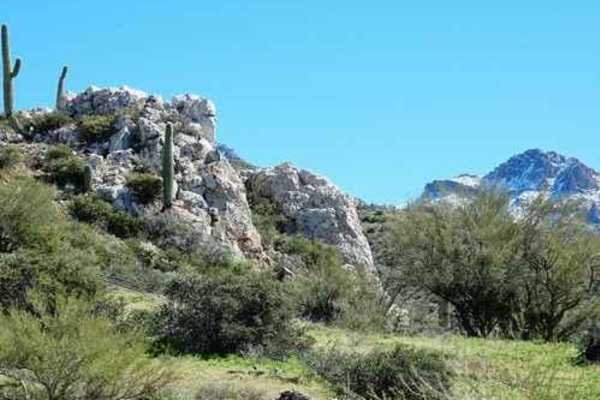
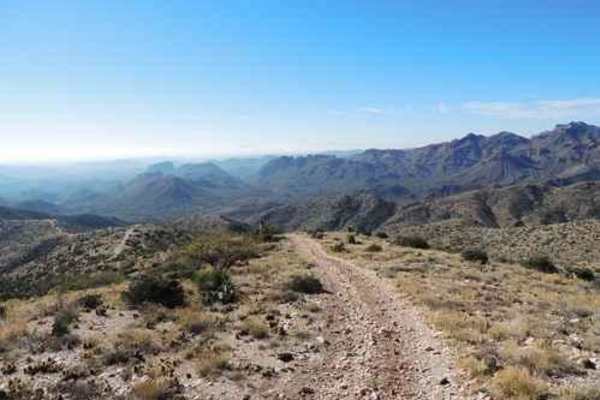
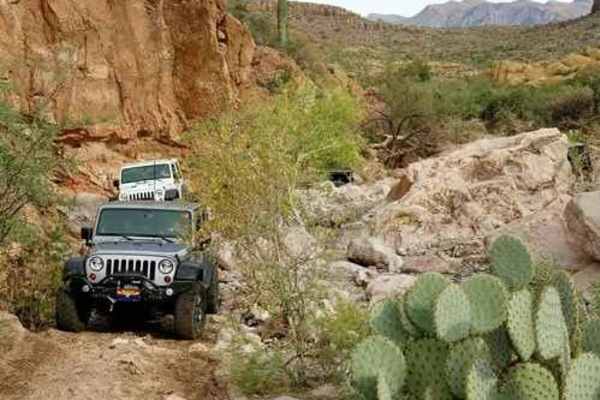
Wagon Tracks, Apache Tears, and Arnett Canyon is an easy-to-navigate, scenic offroad route near Superior, Arizona, that is perfect for stock four-wheel-drive vehicles, SxSs, and dirt bikes looking to combine desert exploring with rich regional history. Spanning just over two miles, this trail starts near the east end of the municipal airport and winds south across Queen Creek, which is typically dry or carries minimal flow from the local treatment facility. The trail offers a gentle climb with around 243 feet of total elevation gain, presenting a mild technical rating of 3 that is highly accessible yet deeply rewarding. Travelers on this scenic corridor are treated to dramatic views of Apache Leap, the high, steep cliff rising prominently to the east.
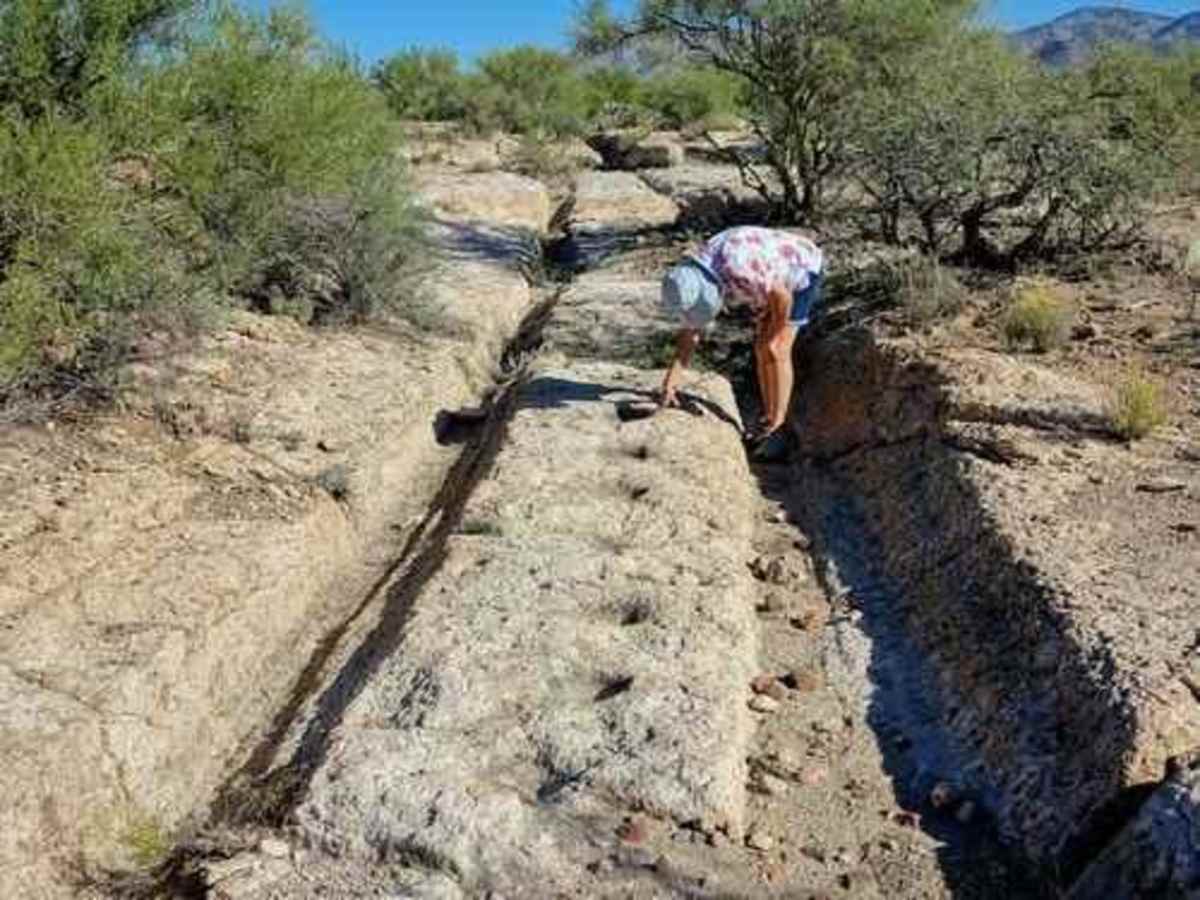
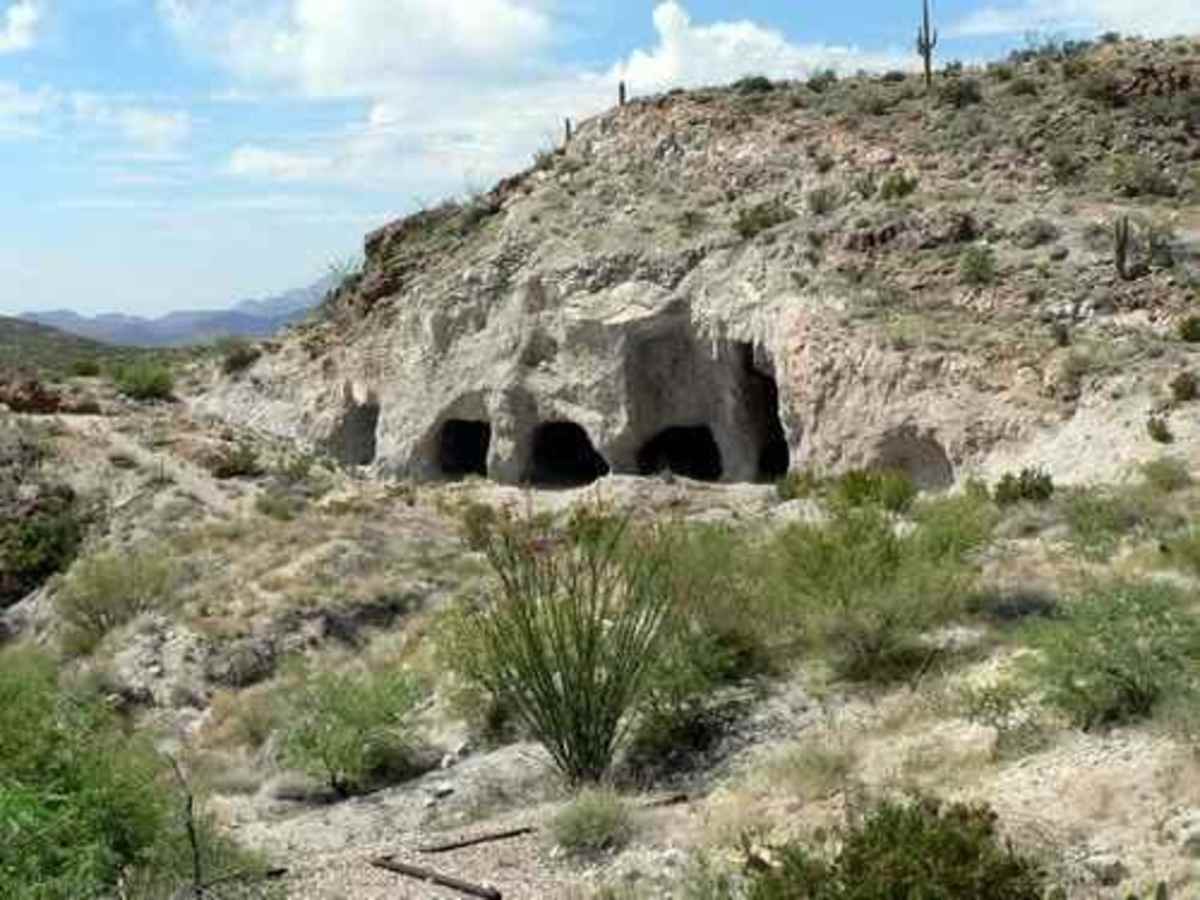
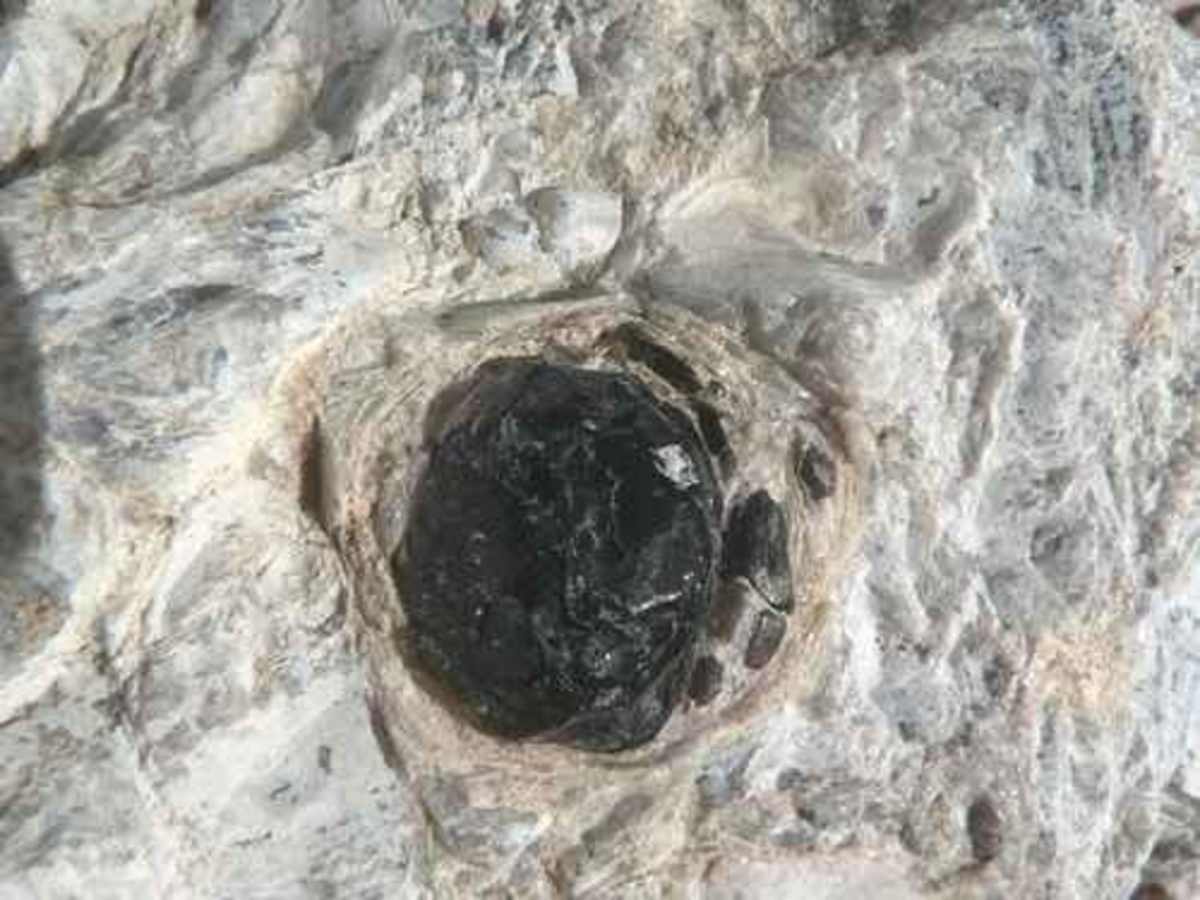
Further along the route, historical ore wagon tracks are visible, where heavy metal-rimmed wagons traveling from the Silver King Mine in the late 1800s wore deep, permanent ruts into the volcanic tuff. A gated rock barrier marks the trailhead for a short 0.6-mile optional hike to the Perlite Caves, where visitors can search the mining waste for Apache Tears—translucent nodules of obsidian volcanic glass embedded in the flaky white perlite. The route continues toward the scenic Arnett Canyon area, providing an excellent day trip for history buffs and rockhounds who want to explore unique geological formations and remnants of Arizona's rich mining heritage without needing a heavily modified rig.
History
According to local historical records, the tracks are the result of heavy ore wagons hauling silver ore from the Silver King Mine to the Pinal Mill on Queen Creek during the late 1870s and early 1880s. The ore wagon road crossed a large deposit of welded volcanic tuff (ash), which was not resistant to the metal rims of the heavy wagon wheels. The wheels etched two deep ruts across this deposit that remain visible today, along with step impressions from the mule teams.
The origins of the nearby "Apache Leap" cliff date back to U.S. soldiers stationed near present-day Superior in 1871. According to legend, about 75 Apache warriors were trapped on the large rock ledge by cavalry troops from Camp Pinal. Rather than surrender, the warriors leaped off the cliff to their deaths. Relatives who gathered at the base of the cliff mourned their losses, and legend states that their tears were embedded into the black obsidian stones found in the area, known today as Apache Tears.