Trail Overview
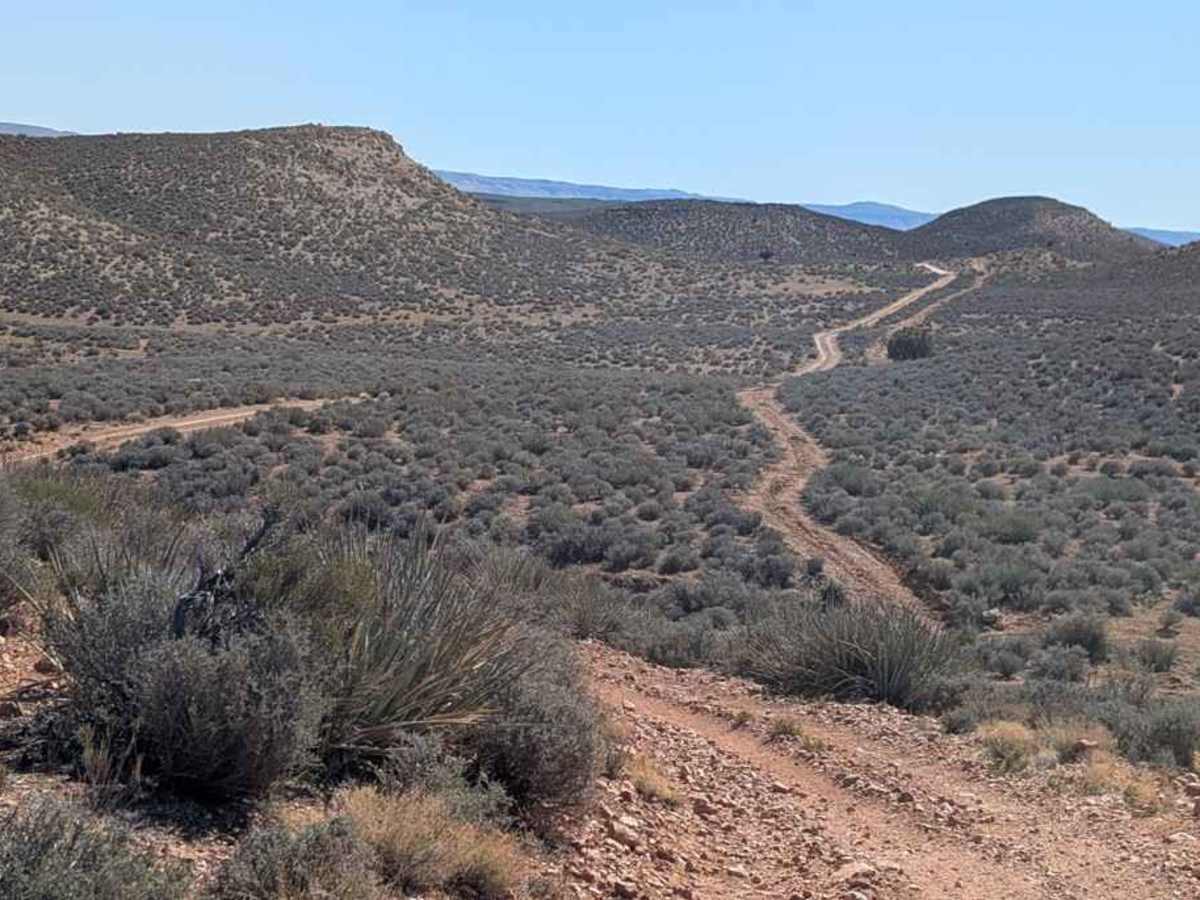
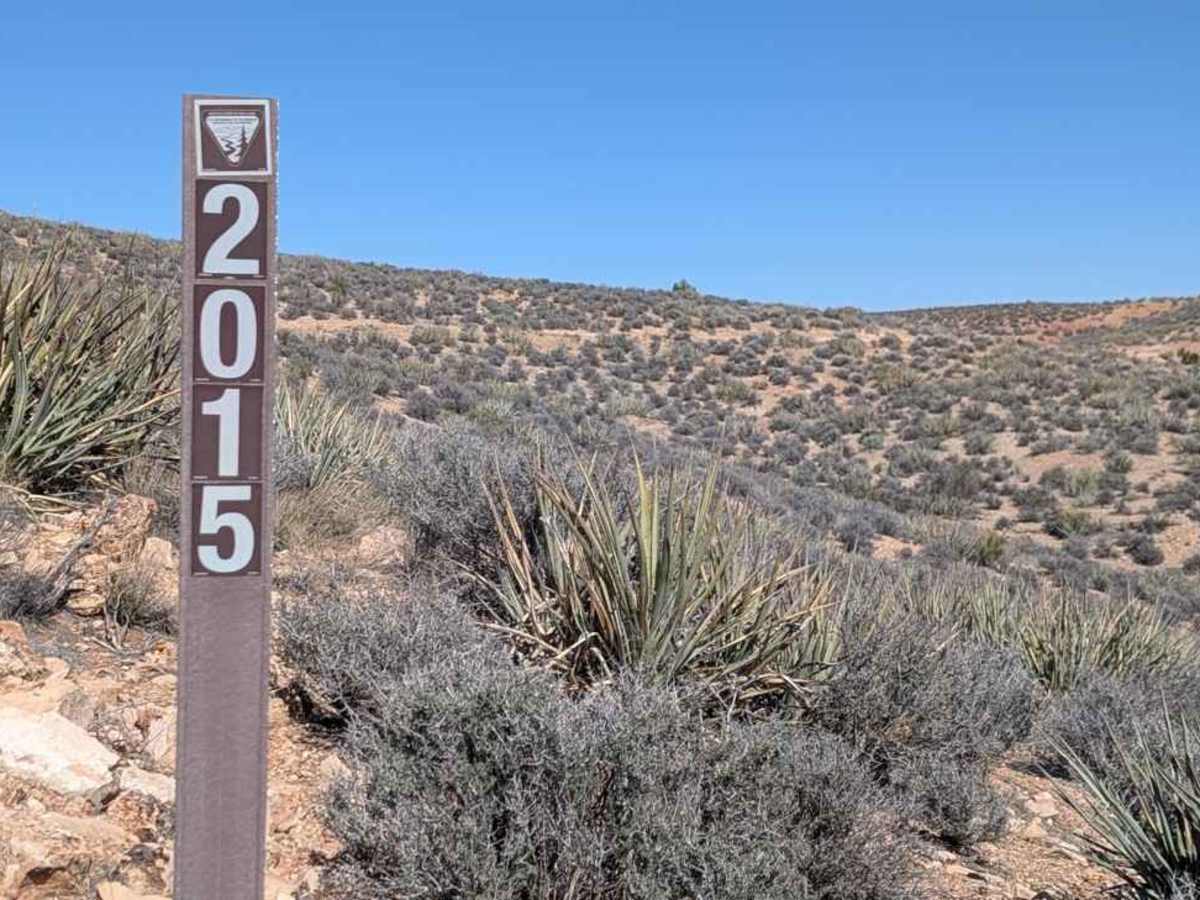
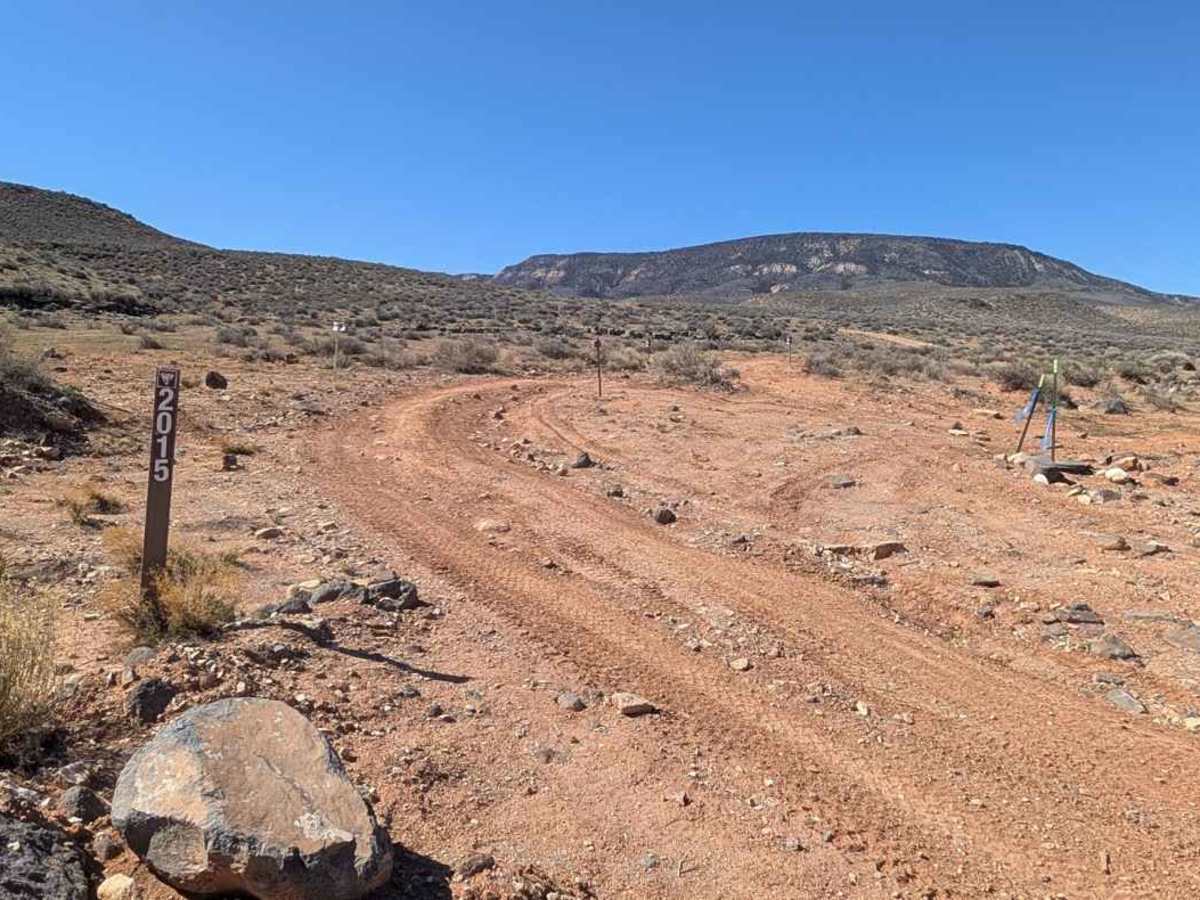
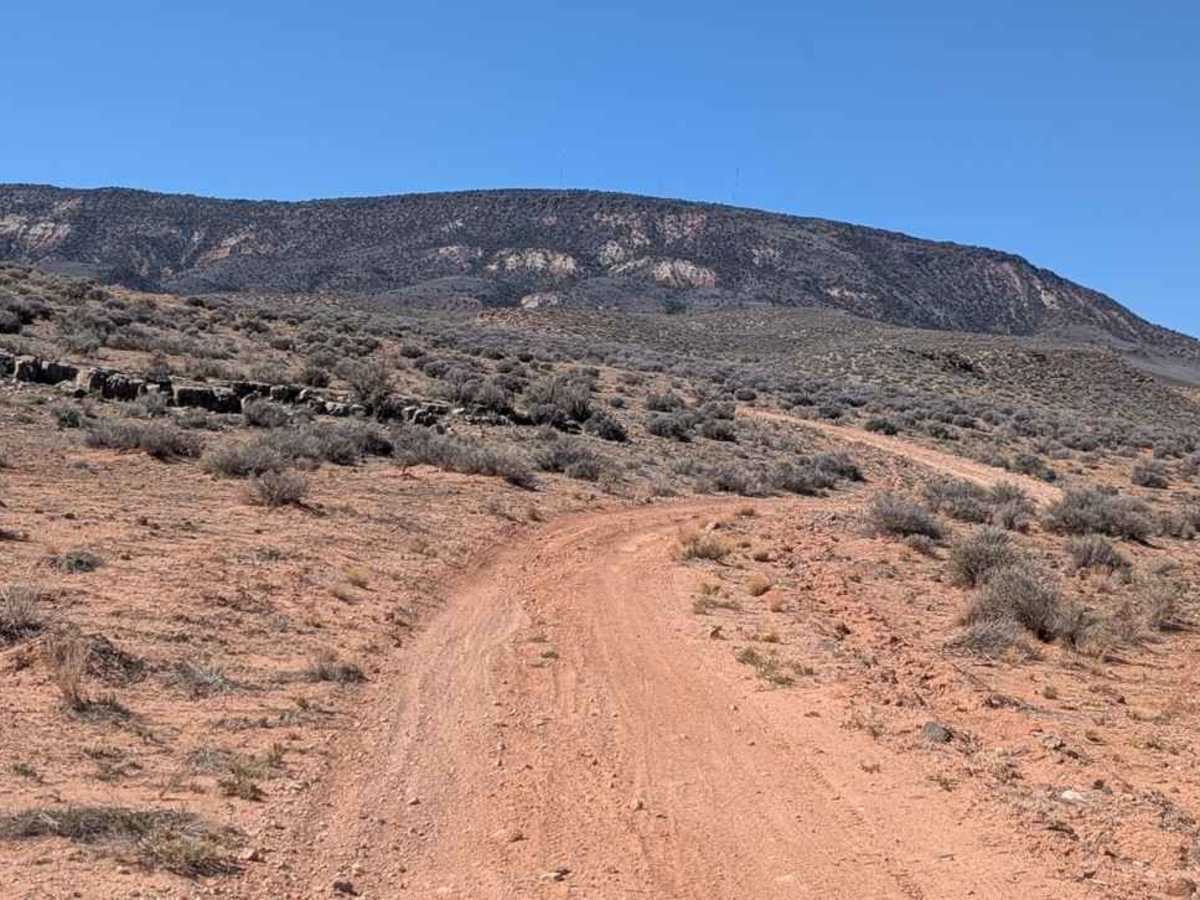
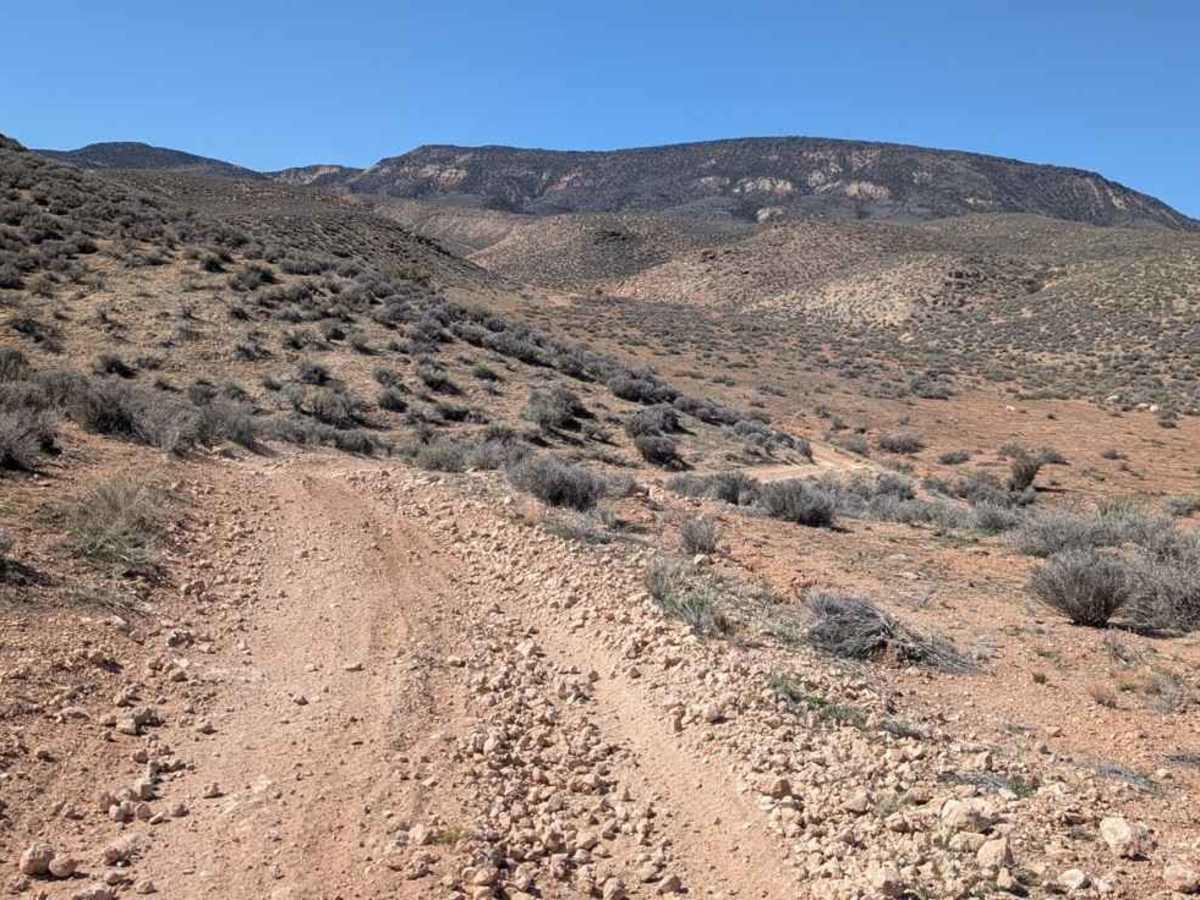
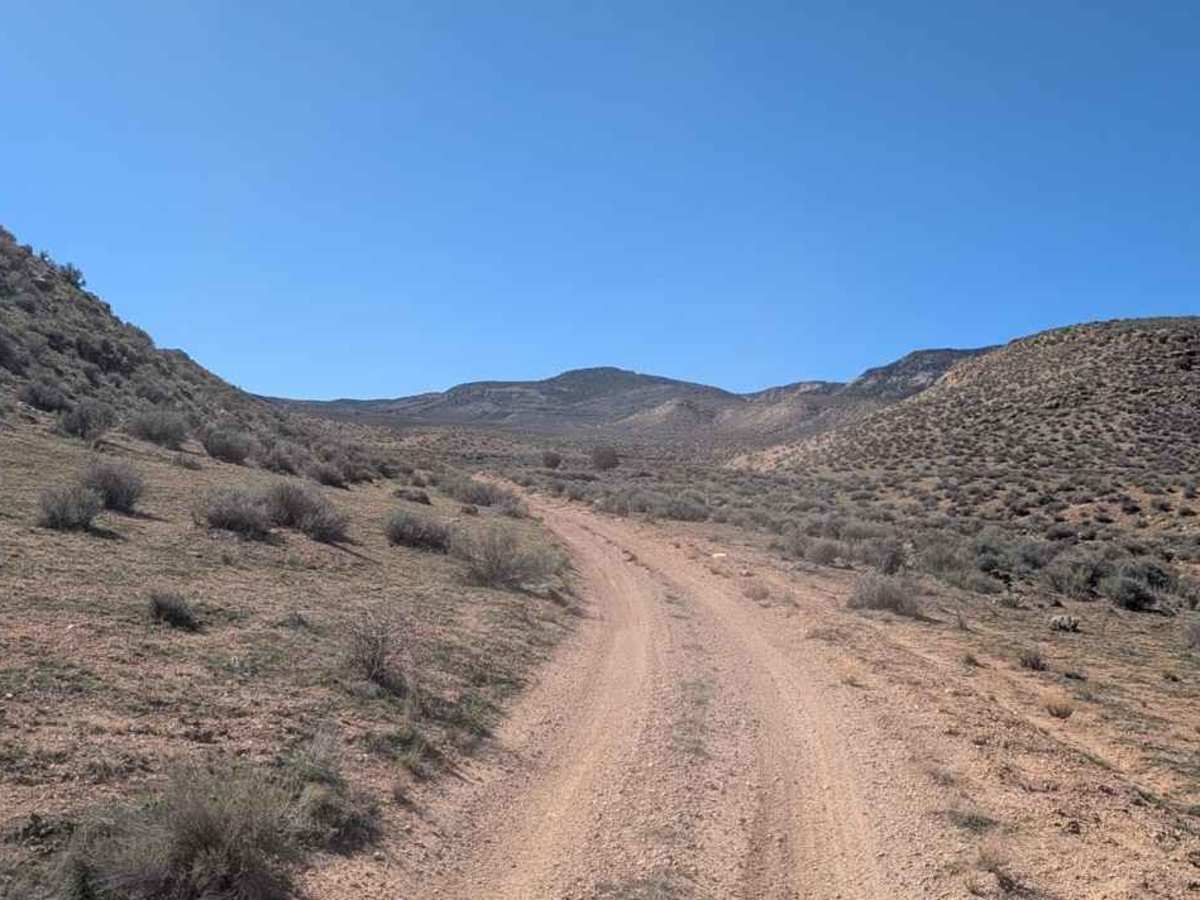
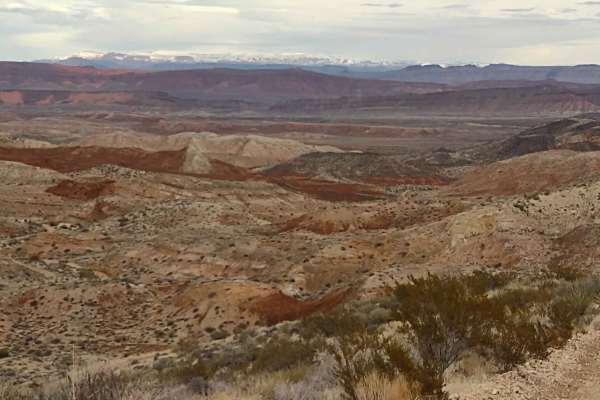
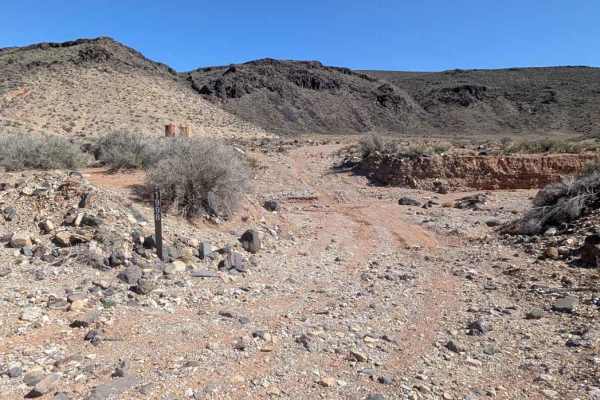
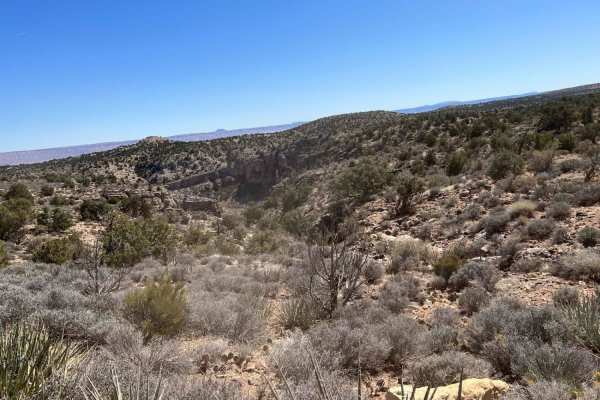
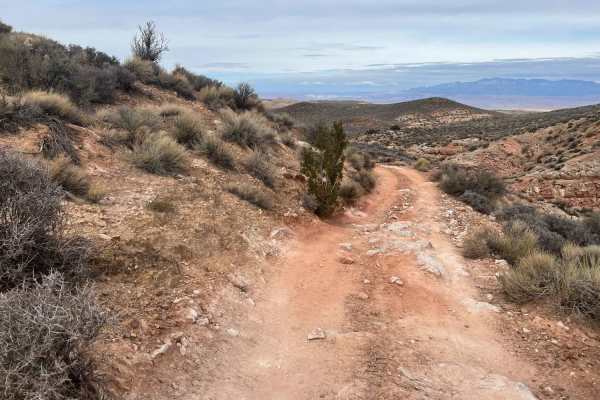
Swiss Canyon is a 2.8-mile point-to-point high desert trail rated 3 of 10 located in the northwest corner of Mohave County. This hard-packed dirt and sand trail crosses open desert and dry washes and runs on the east side of Segmiller Mountain. The trail connects the West Mesa Trail in the north to the Segmiller Trail in the south and is marked with BLM 2015 at both ends. Offering scenic views of desert landscape, this remote and barren terrain is full of life if you know where to look. From desert flora to various reptiles and mammals. This trail is unusual in that the wash within this canyon flows south to north (away from the Grand Canyon). This area is remote and can be unforgiving to those not prepared for high desert heat in the summer or the below-freezing temperatures in the winter. The trail remains below 5000 feet in elevation and will not generally get snow, but rain will turn sections of this trail into slick mud. There are an abundance of featured trails and other trails in this area worth exploring, and they can be stitched together to make a great day trip. The nearest services will be located in St. George, roughly 20 miles north. Cell phone service is pretty much non-existent except maybe on a few of the higher peaks in the area. This area can get brutally hot in the summer months, and during winter drops below freezing (especially at night). Be prepared for travel in this area and always ensure there is extra water available.
Difficulty
Trail consisting of loose rocks, dirt, and sand with some slickrock surfaces, mud holes possible, no steps higher than 12 inches.
History
The Grand Canyon isolates the Arizona Strip from the rest of Arizona, making it among the most remote and rugged public land in the lower 48 states. There are approximately 4,000 miles of unpaved roads leading to spectacular scenic vistas, remoteness, and solitude among rough scenic canyons and ponderosa pine forests. This distinctive part of Arizona has a special appeal to many. Artifacts dating back 8,000 years indicate the long human habitation of this harsh landscape. Though Native Americans, from ancient Puebloans to modern Paiutes, have lived in the area for centuries.

 Offroad