Trail Overview
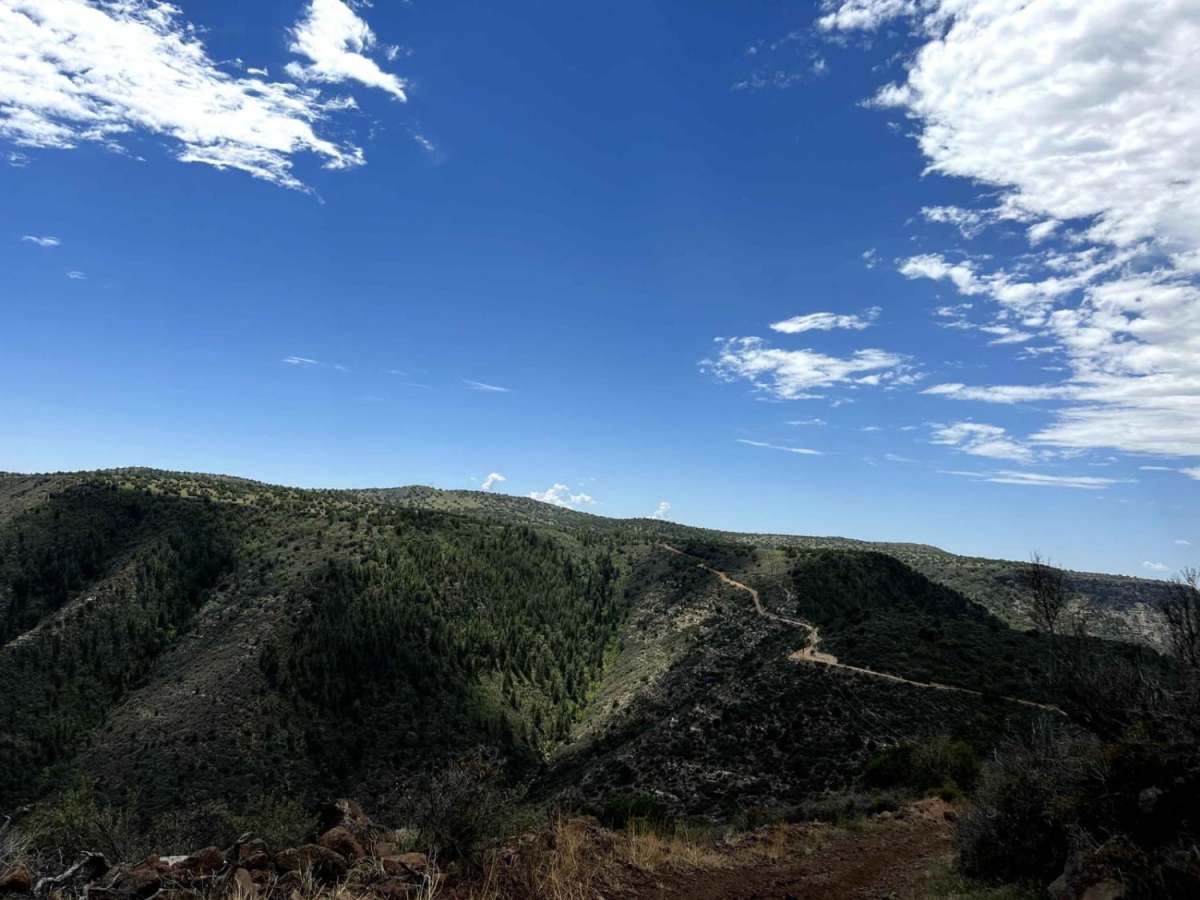
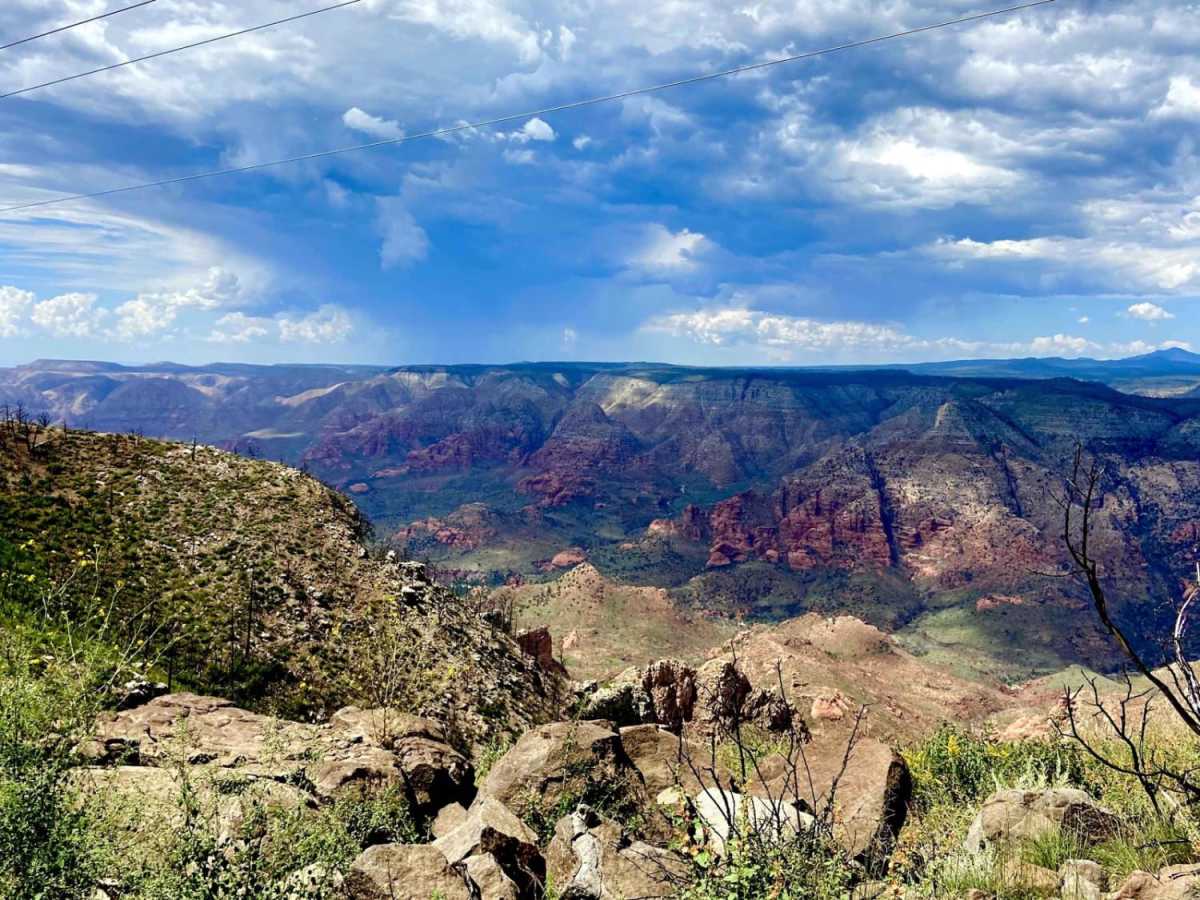
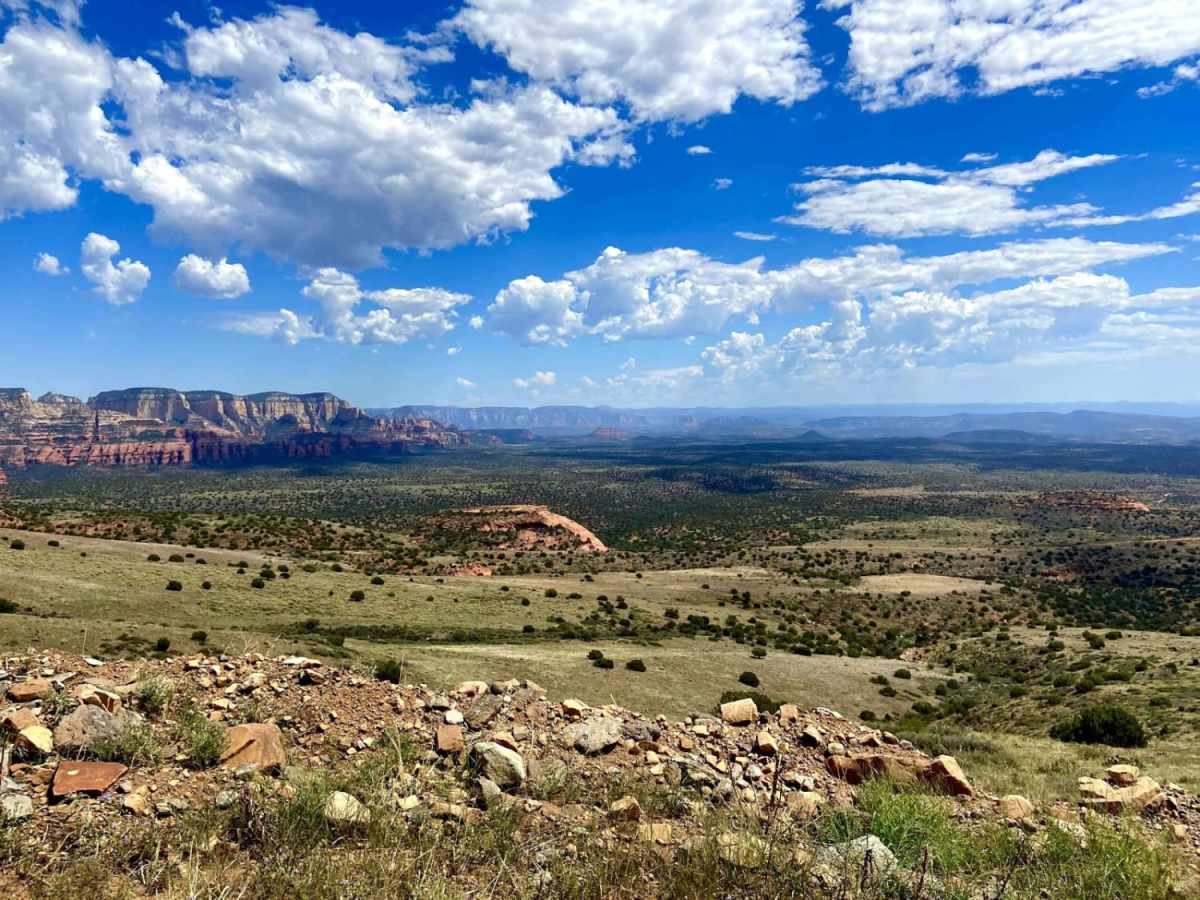
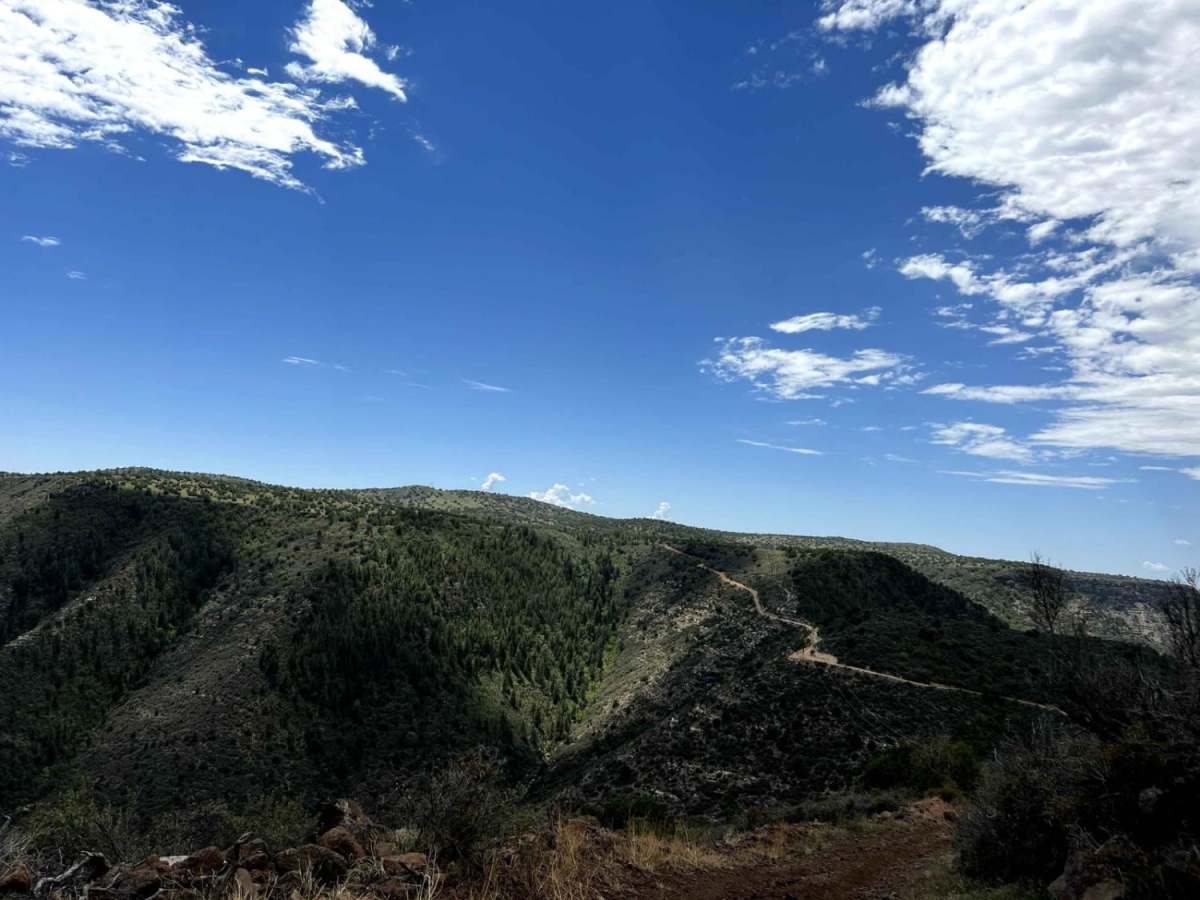
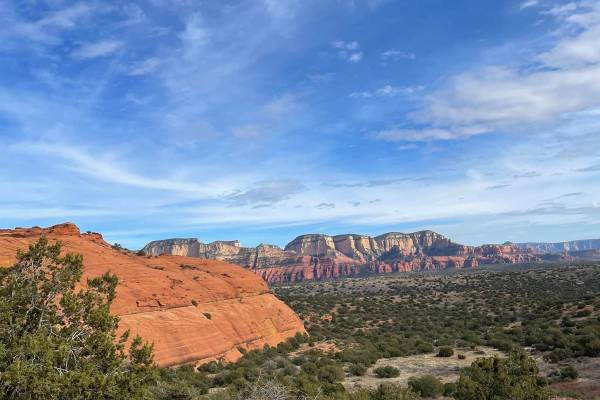
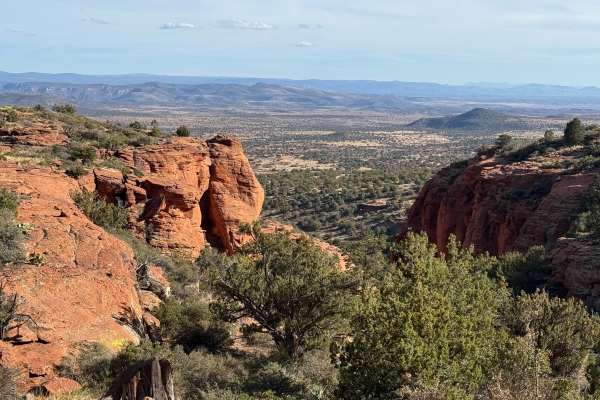
Casner Mountain Trail is an exceptional challenge for experienced four-wheel-drive enthusiasts and capable SxS drivers seeking unmatched, panoramic views of the Sedona Red Rocks and the surrounding Coconino National Forest. Spanning approximately 6.5 miles, this primitive, extremely narrow route climbs steeply along the rugged ridge of Casner Mountain, reaching a maximum elevation of 6,821 feet. When traveled from south to north, drivers must navigate a technical series of switchbacks and ledges over loose materials and large rocks, demanding high-clearance four-wheel-drive vehicles and careful tire placement. The sheer drop-offs and tight clearances require constant focus, making it essential to bring the vehicle to a complete stop before taking in the dramatic Arizonan landscape.
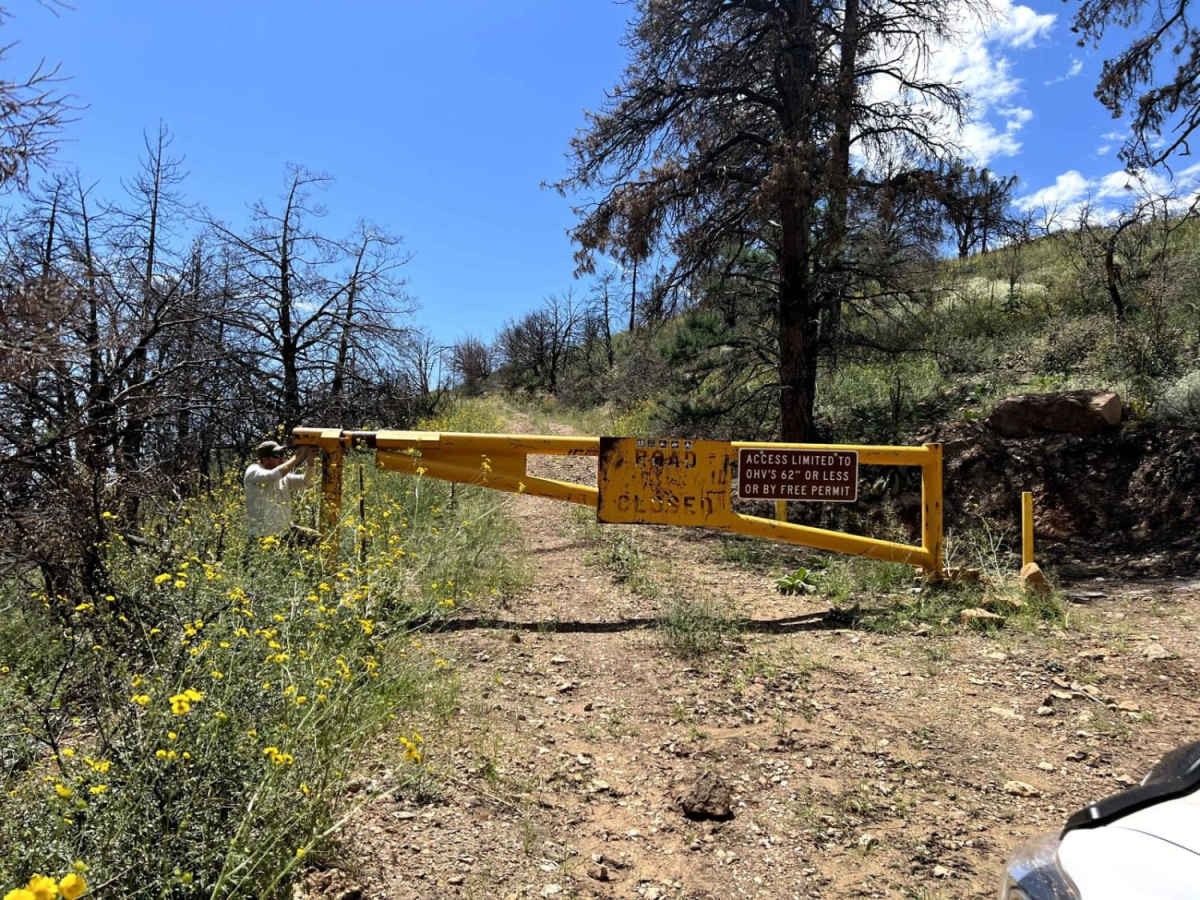
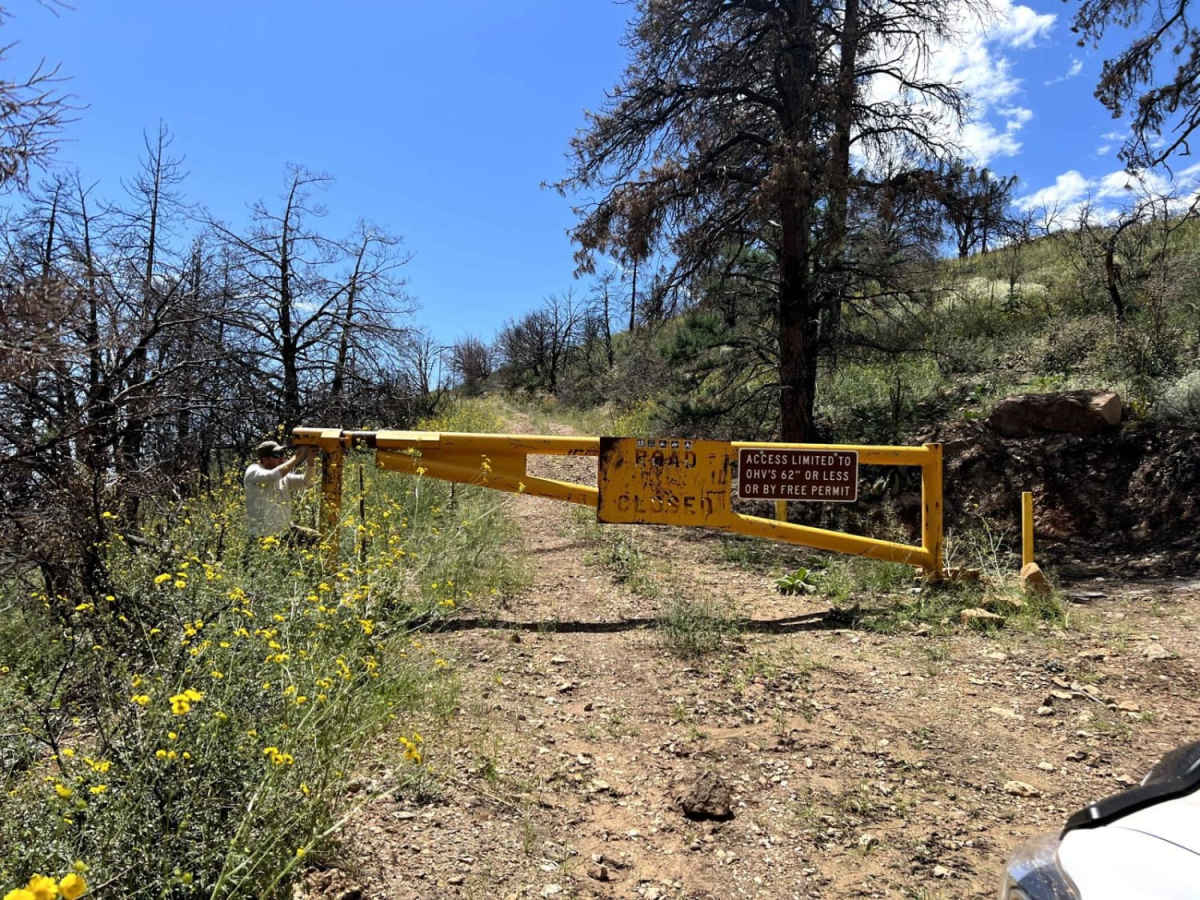
Permits are strictly required through the Coconino National Forest and are issued on a limited, first-come, first-served basis twice a year, ensuring a solitary and pristine experience on the mountain. To reach the trail from the north, travelers can take Interstate 17 to the Pulliam Airport exit, refuel in Flagstaff, and navigate south via Fry Park Trail and Secret Mountain Trail to the north gate. Alternatively, the southern access begins off State Route 89A between Cottonwood and Sedona, leading north along Loy Butte Honanki Trail and Sycamore Pass Trail. While the ridge itself mimics a standard powerline road, the southern descent features a technical rating of 4 due to its steep grades and loose rocky terrain, making the north-to-south direction the recommended itinerary for the best scenic vistas.
Difficulty
The top of the trail runs the entire mountain ridge with terrain similar to any powerline road, while the southernmost part of the trail has a series of switchbacks and ledges. When headed south to north, the trail is more technical, requiring navigation over steep grades and terrain made of large rocks and loose materials warranting the rating. Note that getting to the north gate of the trail requires traveling over more undulating terrain, washes, and forest roads.