Trail Overview
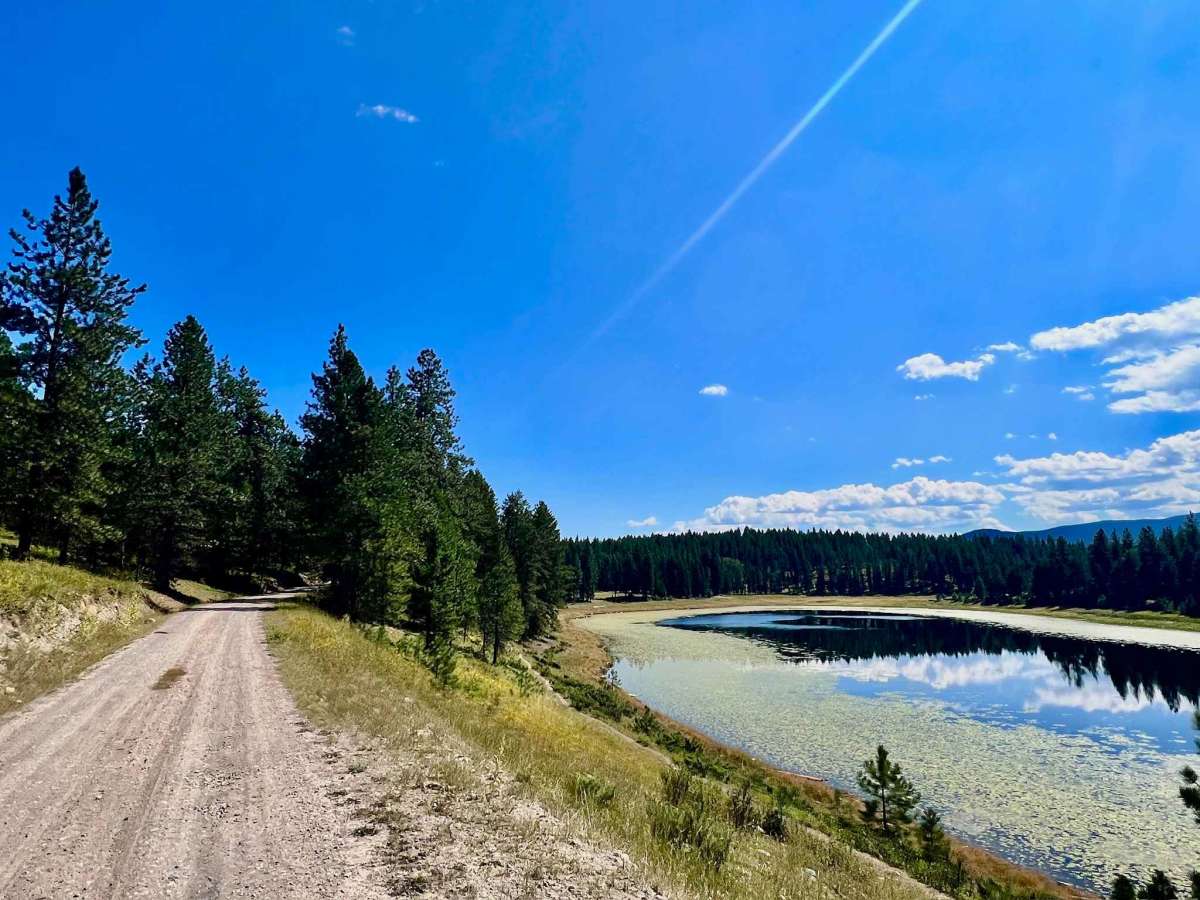
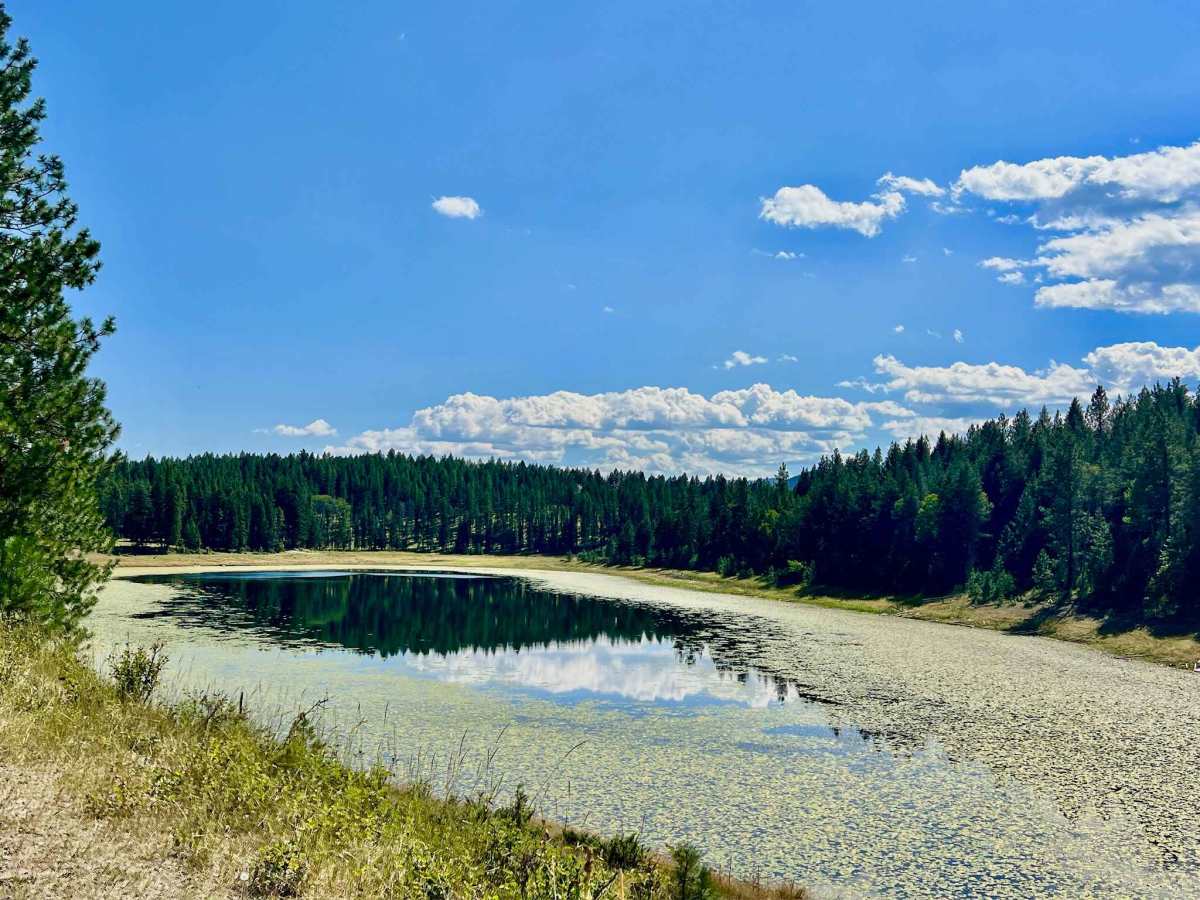
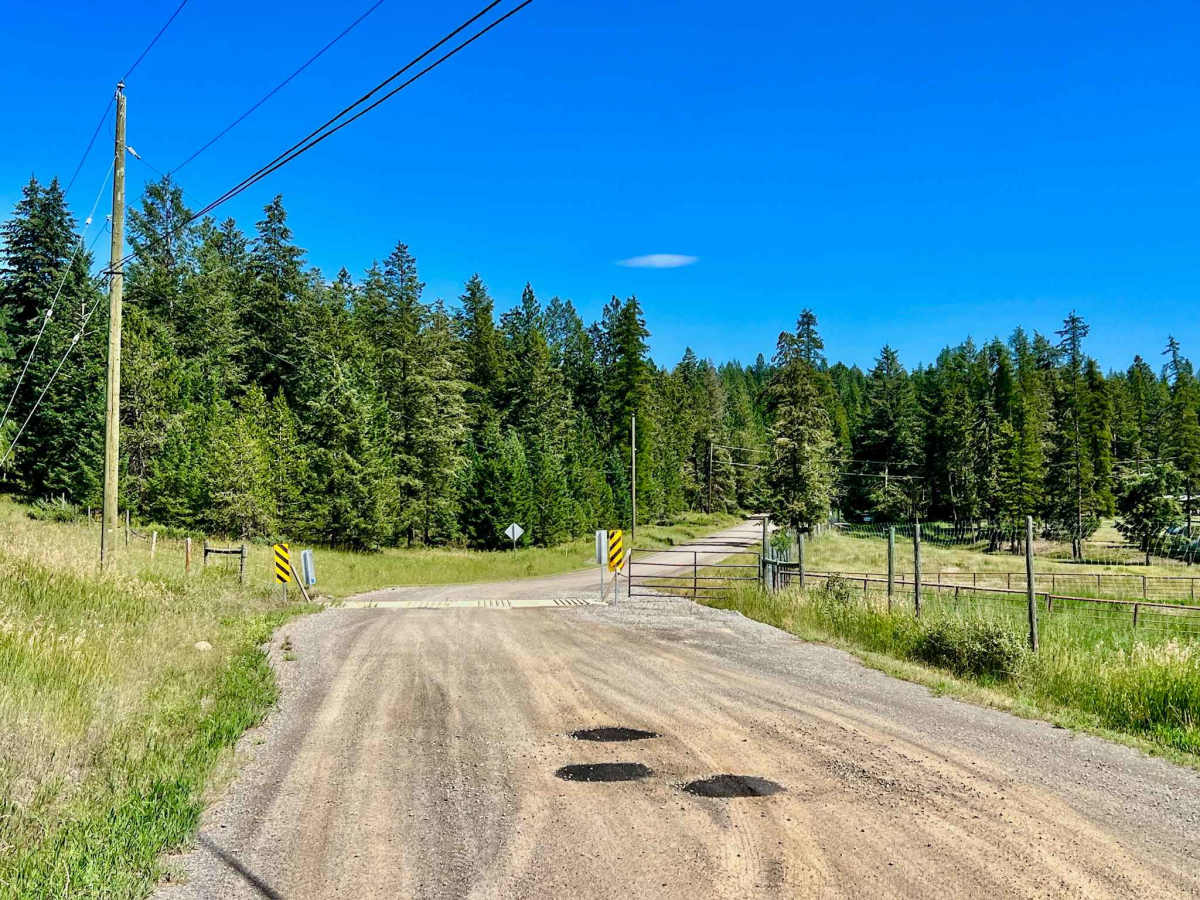
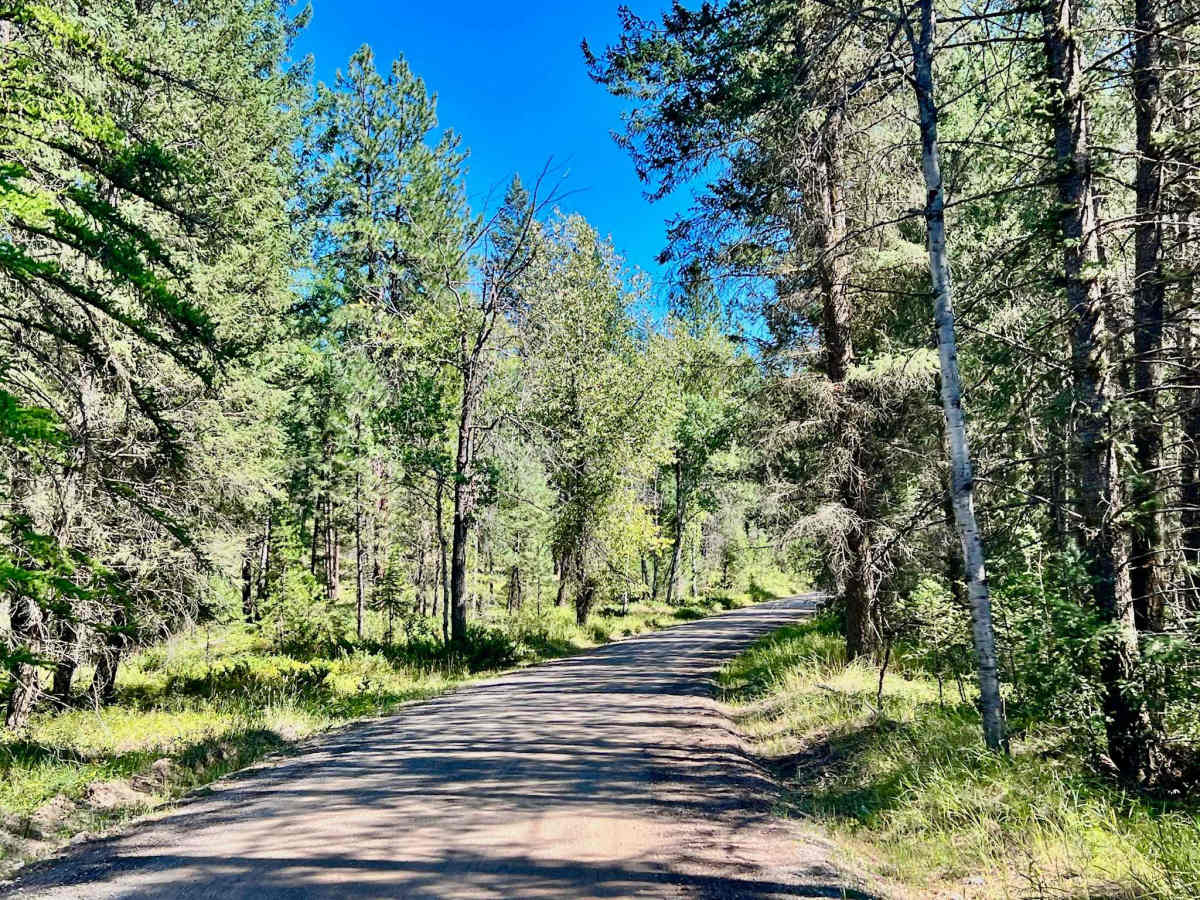
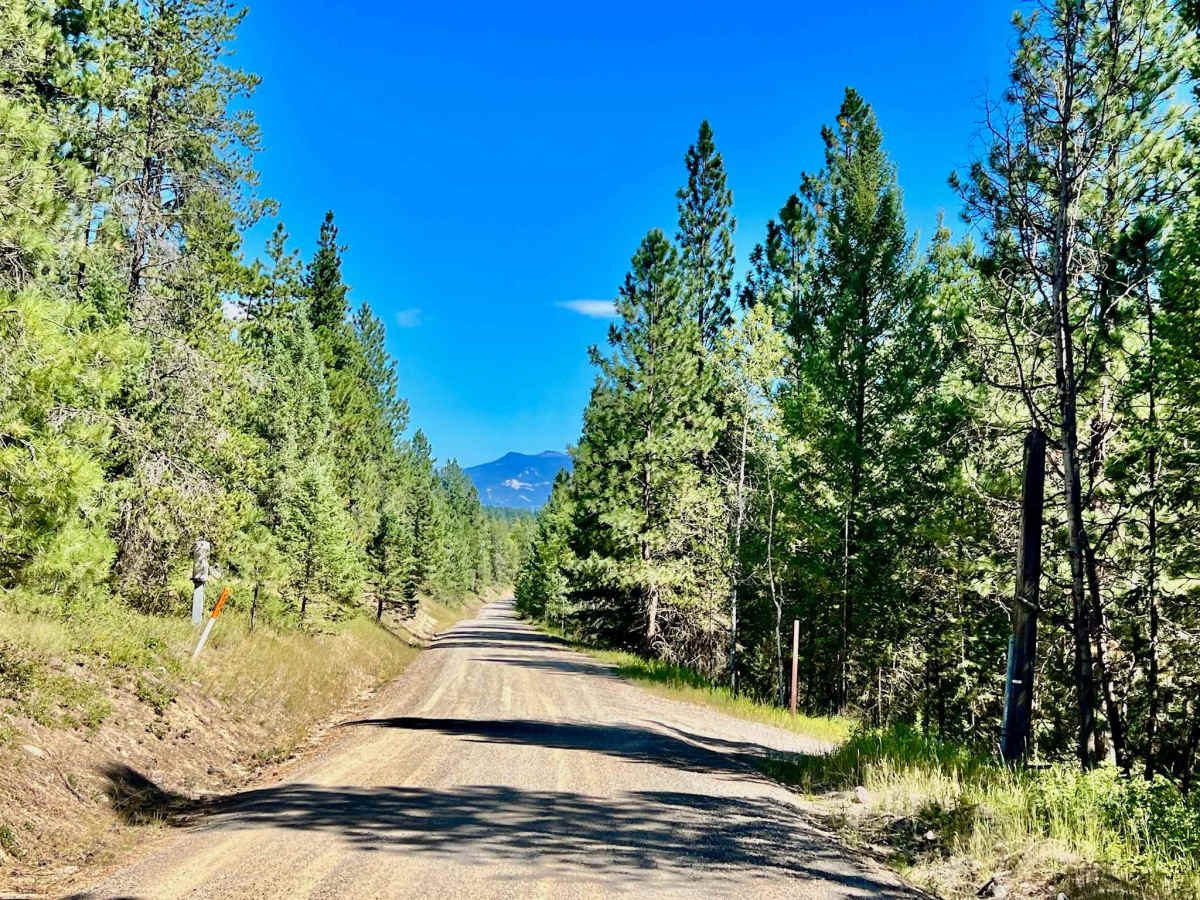
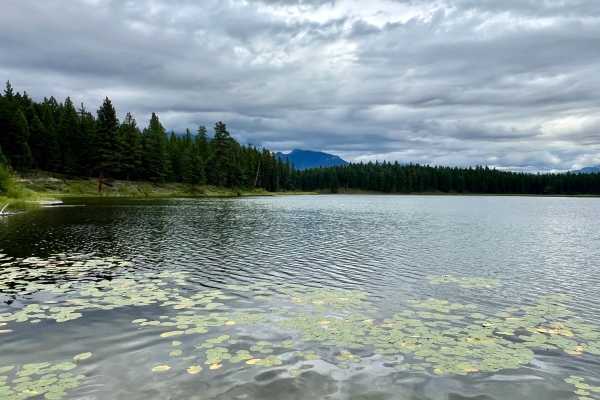
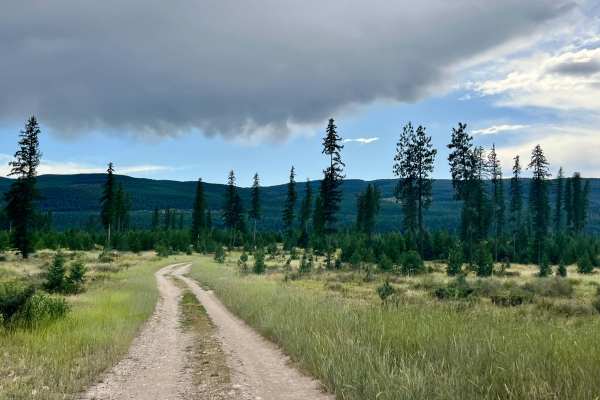
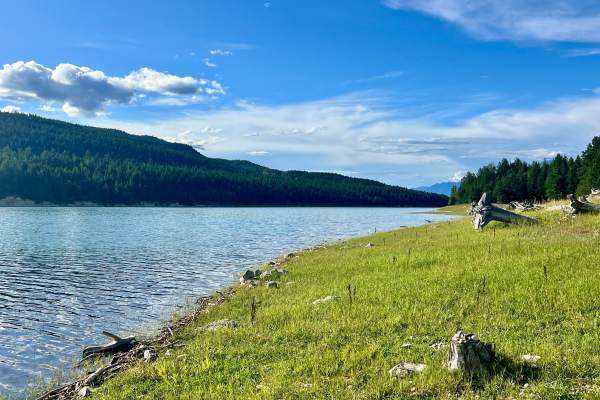
Wapiti Lake via Shelbourn offers a fantastic, straightforward route, with a convenient restock at the Shell Market, right out to the lake. The main road, Shelbourn, is well-graded and pleasant to drive, making for a straightforward approach. Once you enter the nice recreation area, the road narrows down to a single lane. Here, you'll discover fire pits and picnic tables overlooking a lovely lake dotted with lily pads, creating a truly serene setting. This spot is a great choice to spend a night or even a week, offering easy access right off the main highway. As an unmaintained site, it adheres to the "pack it in, pack it out" principle, so come prepared. Expect one bar of Verizon cell service, which can be inconsistent.
History
The route to Wapiti Lake via Shelbourn, while easily accessible today, passes through lands that have been vital to life for centuries. This area lies within the traditional territory of the Ktunaxa people, who utilized the abundant resources of the Kootenay River valley and its numerous smaller lakes. The very presence of a well-graded road highlights a later chapter in human presence, likely serving early settlers or resource industries such as logging and farming that dotted the region. Though not directly on the shores of Lake Koocanusa itself (the massive reservoir created by the Libby Dam in the 1970s), Wapiti Lake benefits from its proximity to this central recreational hub, offering a quieter, more intimate lakeside experience while still connecting to the broader historical and natural tapestry of the Kootenays. Wapiti Lake is a charming, serene lake, characterized by its peaceful setting and lily pads. It offers a tranquil escape for those seeking lakeside camping and quiet recreation. The Koocanusa Recreation Management Area (KRMA) was established to manage and enhance recreational opportunities in the Lake Koocanusa area while protecting natural resources. The KRMA encompasses a large area of Crown land and offers a wide range of recreational activities, including camping, hiking, boating, fishing, and off-roading. The KRMA is managed by the British Columbia Ministry of Forests, Lands, Natural Resource Operations and Rural Development. It is important to check their website for any closures or restrictions.