Trail Overview
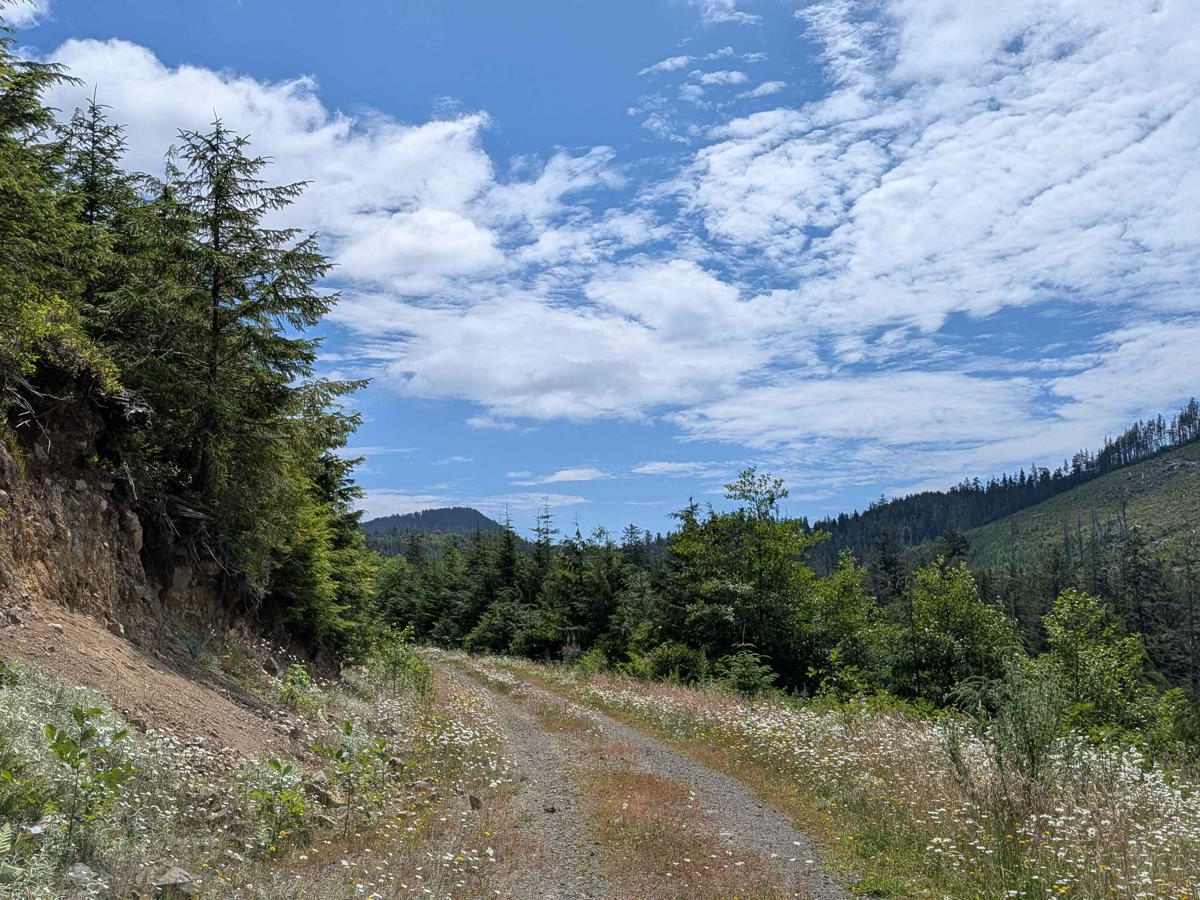
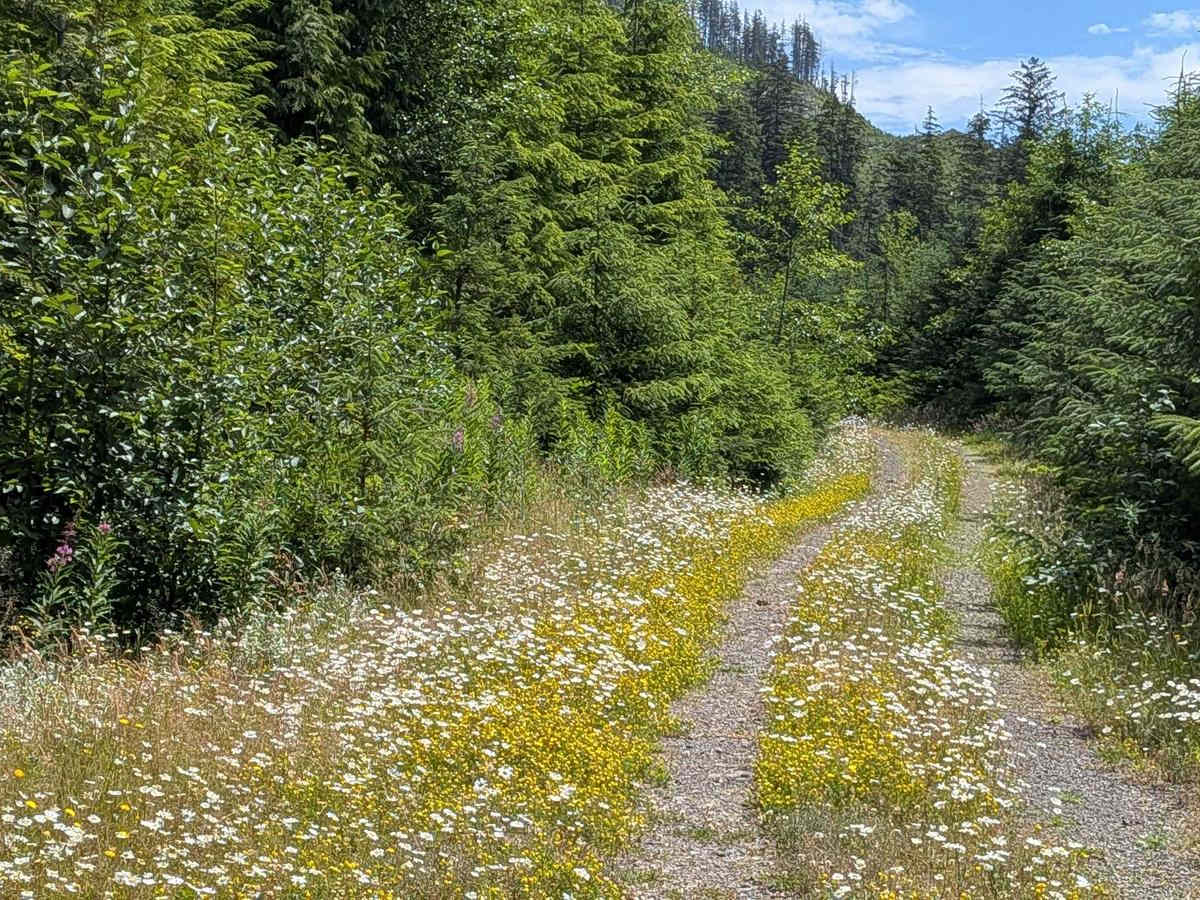
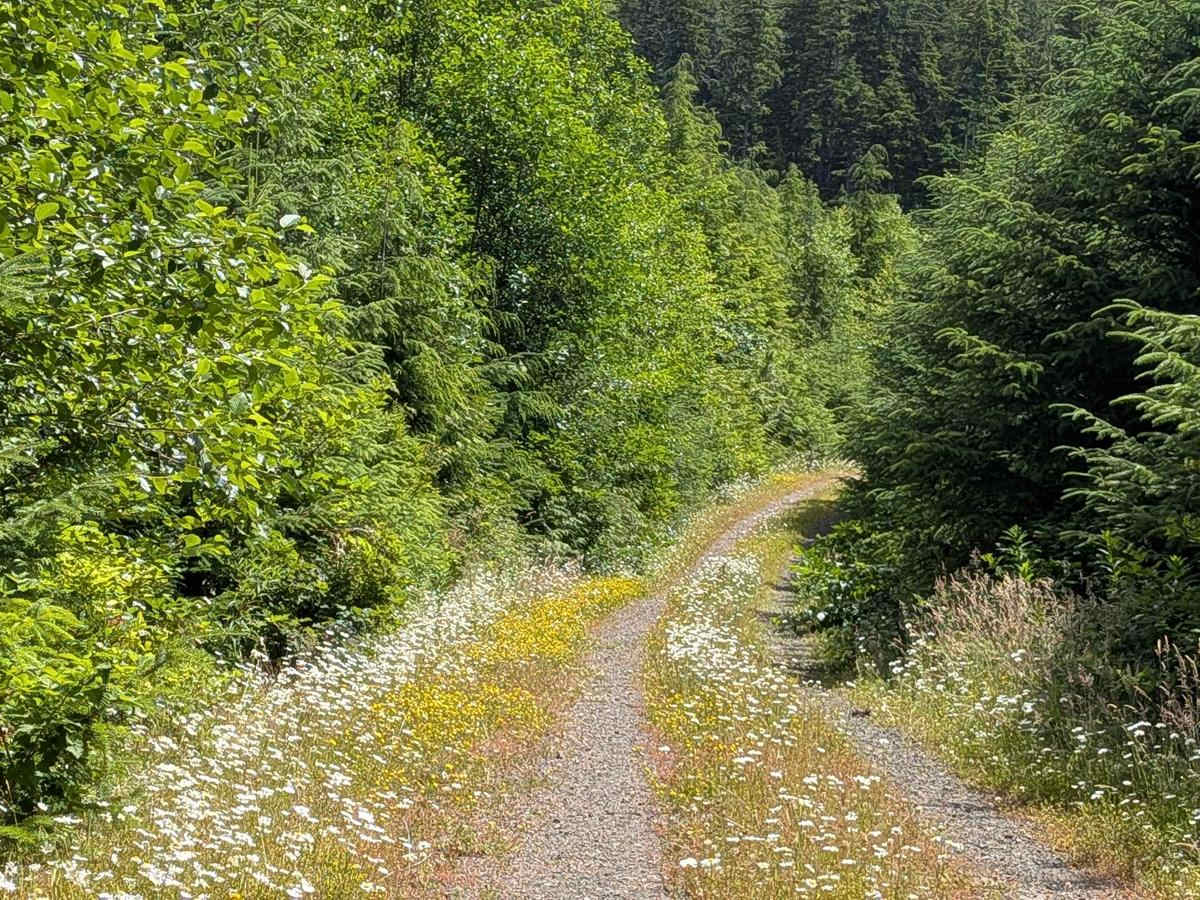
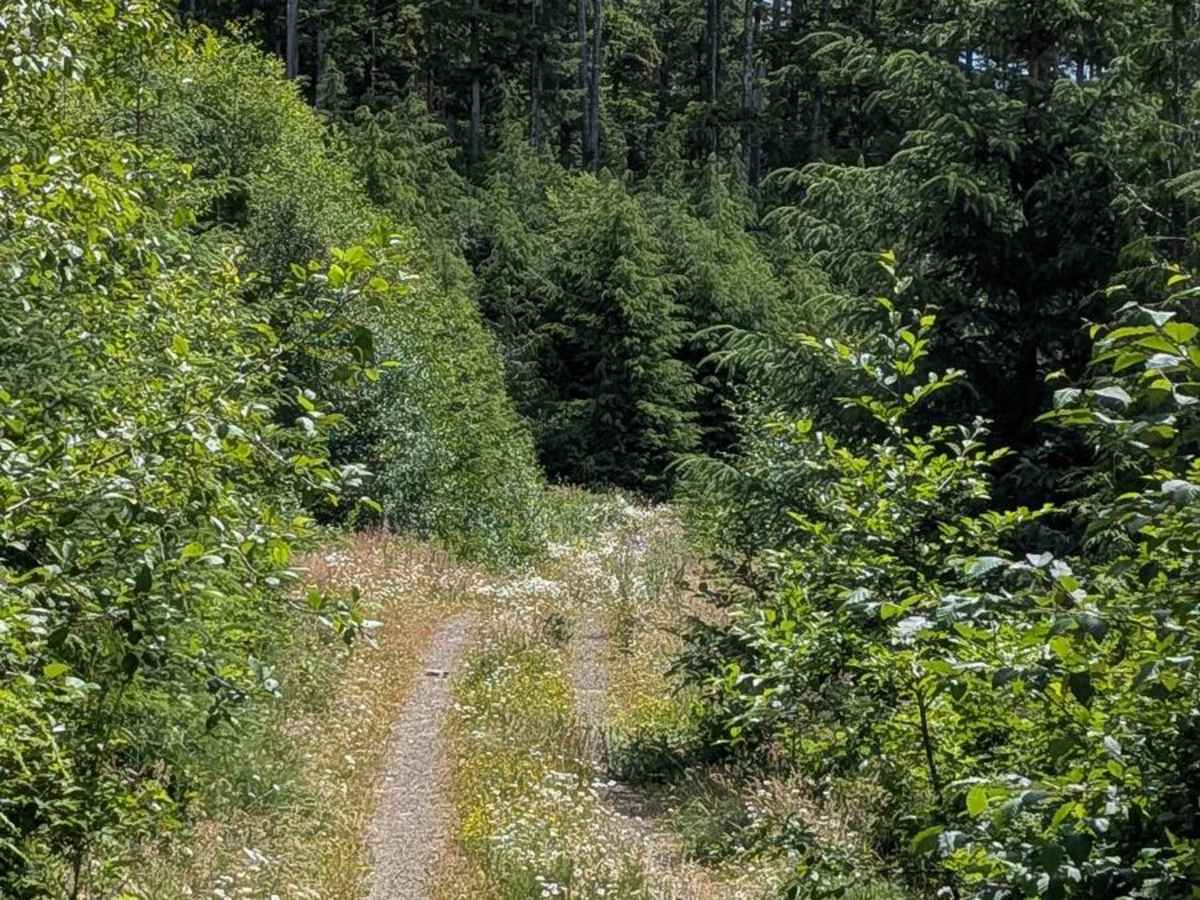
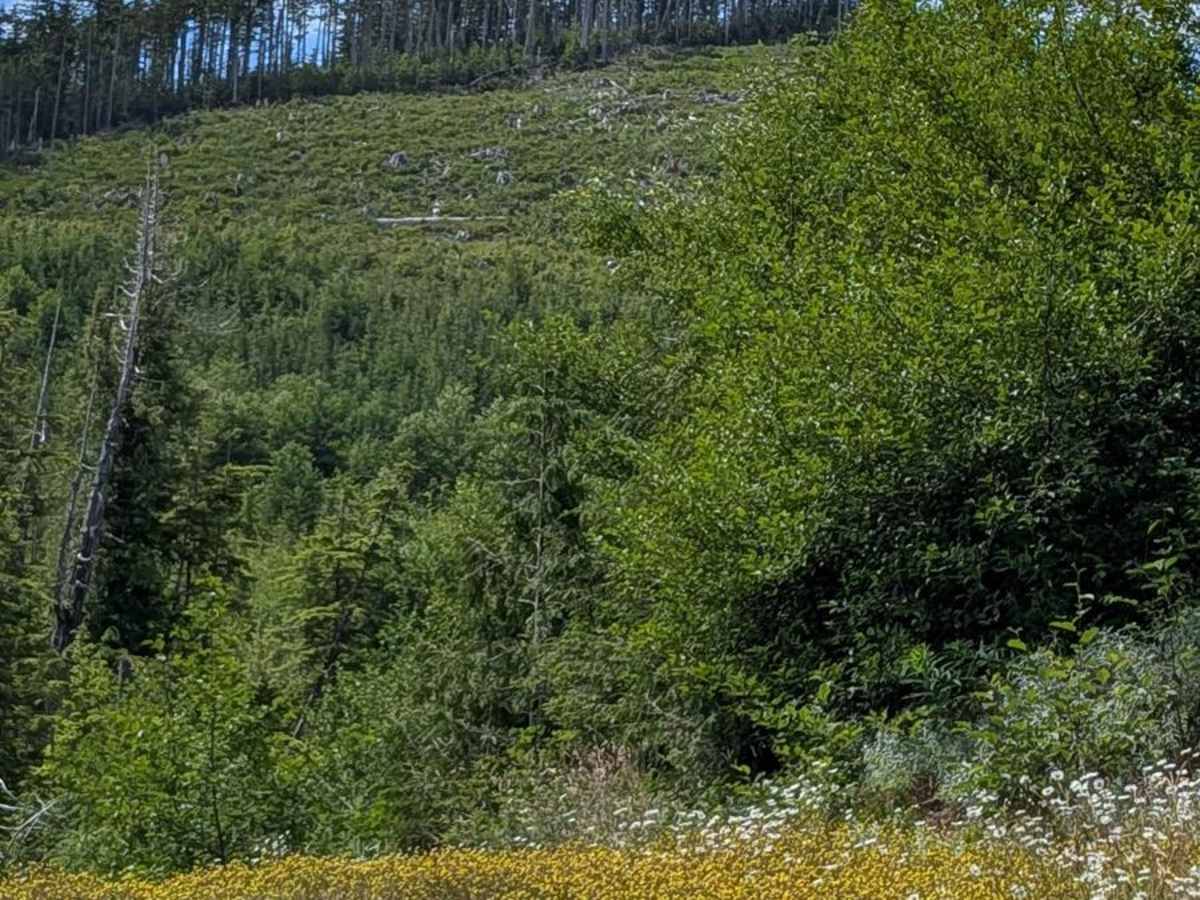
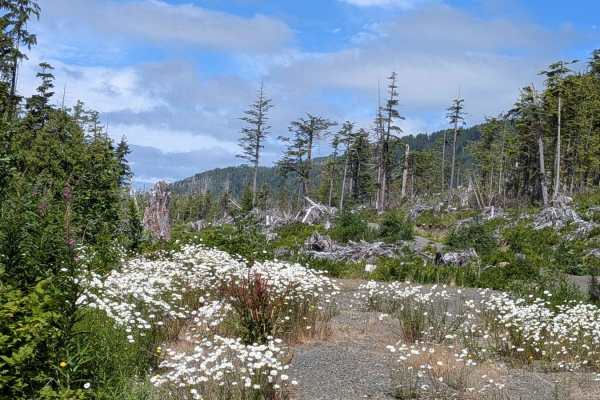
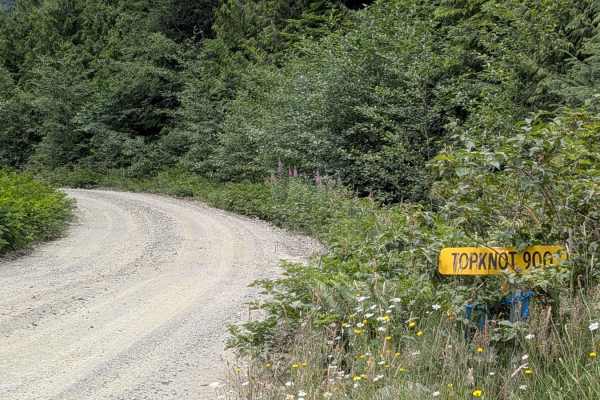
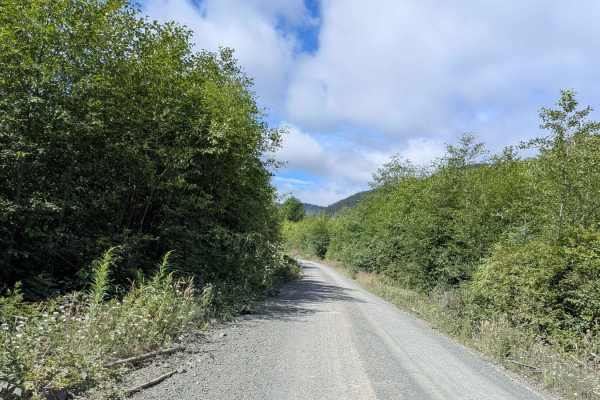
This 7-kilometer (4-mile) out-and-back trail follows an old logging road that climbs 300 meters above the ocean, rewarding drivers with stunning panoramic views of the surrounding hills, mountains, and coastline. The route begins on crushed gravel, offering a relatively smooth drive with the occasional whoop--requiring careful attention, especially for lower-clearance vehicles. The trail winds along a ridgeline, with cliff-edge sections that offer dramatic drop-offs and scenic overlooks, making it a great stop for photos. The path is lined with vibrant wildflowers, adding seasonal beauty to the journey. While much of the road is in good condition, this area was once part of a logging zone, and drivers will pass through clear-cut terrain with wide-open vistas. There are frequent signs of bear activity, so be bear-aware if stopping or camping. No major obstacles exist, but caution is recommended due to exposure near the cliffside and wildlife presence.
Difficulty
Though generally smooth and not overly technical, the presence of cliffside exposure, minor whoops, and wildlife considerations place this trail at a solid Rating 2. Suitable for stock 4WD or capable AWD vehicles with some clearance. Not ideal for trailers.
History
General History of Logging in BC: Early Commercial Logging: Began in the 1820s, utilizing coastal forests for ship masts. Expansion and Industrialization: Sawmills were established in the late 1860s, and the completion of the Canadian Pacific Railway in 1886 created a stable market for timber. Dominance of Truck Transportation: By the 1940s, trucks became the primary means of transporting logs. Forest Loss: According to data from Global Forest Watch, British Columbia has experienced significant forest loss due to both wildfires and forestry practices, losing 86,000 square kilometers of tree cover from 2001 to 2021. Clear-cutting and Old-Growth Forests: Clear-cutting is a logging method where all trees in a designated area are removed simultaneously. Impact on Old-Growth: Old-growth forests, defined as forests with trees 250 years or older on the coast and 140 years or older in some interior regions, are particularly vulnerable to clear-cutting. Biodiversity Impacts: Clearcutting can reduce biodiversity by destroying habitats and impacting animal populations.