Non-Toxic Shot and Reducing Crippling
Lee Kjos from BOSS Shotshells explains the importance of non-toxic shot, conservation, and more.
Non-Toxic Shot 101
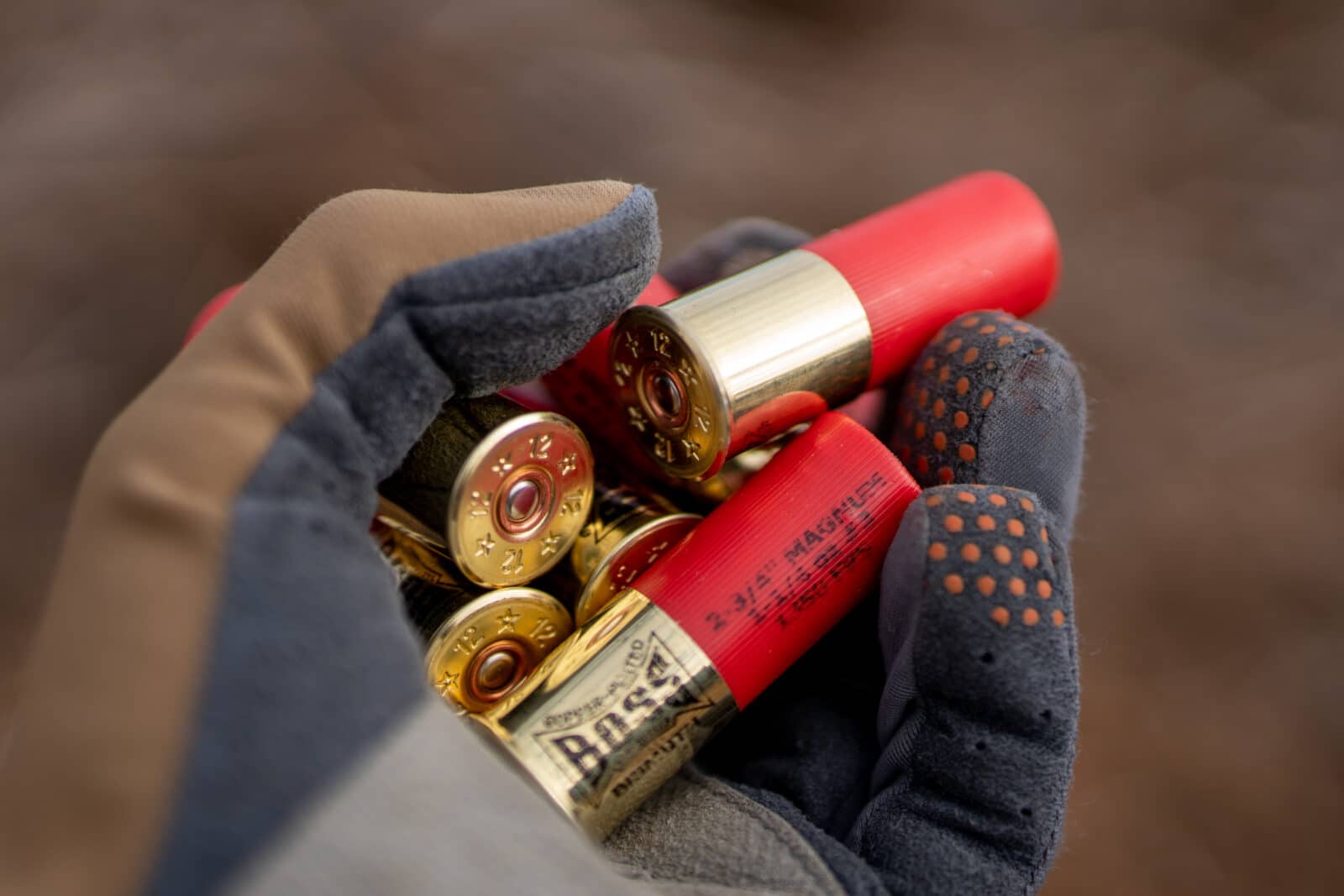
The U.S. Fish and Wildlife Service (USFWS) defines non-toxic shot as any shot type that does not cause sickness or death when ingested by migratory birds. Lead, which was traditionally used in waterfowl loads, becomes toxic once in the bird’s digestive system. It also slowly dissolves, leaching into groundwater and creating issues for human water sources, crops, and fisheries. Lead was banned for all U.S. waterfowl hunting in 1991.
Currently, 14 kinds of non-toxic shot are approved by the USFWS for waterfowl hunting, such as:
- Steel, arguably the most commonly used non-toxic shot, is known for efficiency, durability, and—more recently—its affordability. However, it is less dense than lead, weighing roughly one-third less than an equal-size lead pellet. Less weight means less energy, which means the shot may not have the impact (or clean kill ratio) as lead. Steel is also harder than lead, and therefore produces a denser shot pattern.
- HEVI-Shot is a blend of iron, tungsten, and nickel. True to its name, it’s heavy—heavier than lead—and hard, two factors that aid in velocity. It’s also commensurately expensive.
- Tungsten, often touted as one of the best-performing shot options, due to its heavy density, is another lead alternative, but comes at a steep cost.
- And then there’s bismuth-tin, another alternative that performs similarly to lead. Similar to lead in density and weight, bismuth-tin is a better tradeoff between price and performance. It’s also a favorite for older shotguns that don’t fare well with hard steel shot.
Most alternatives are more expensive than lead to produce, as the vast majority of shotgun shells are still loaded with lead. The market for non-toxic shot alternatives is constantly changing and advancing, offering an ever-evolving variety of shotshells for waterfowl hunters.
Reducing Crippling
One topic BOSS Shotshells Co-founder and Owner Lee Kjos is keen to address is crippling. He shares that, according to many waterfowl biologists he’s spoken with over the years, 3.4 to 3.7 million birds are lost a year due to crippling shots.
“If we practice shooting, shoot a much better shell—a humane, killing shell—it’s better for all involved. We could reduce that number by half,” he advocates. “If you’re going to take a life, take a life.”
Know the shot.
Kjos also emphasizes the need to police our own kind, as waterfowlers. Offer reminders to buddies who are taking crippling shots. If you see them taking long shots in the blind, call them out on it. If you see someone posting irresponsible images on social media, unfollow them. Send emails or letters to their sponsors, noting why you, your friends, and your greater circle of people won’t use their products since they’re sponsoring irresponsible hunting. Hunters should know better.