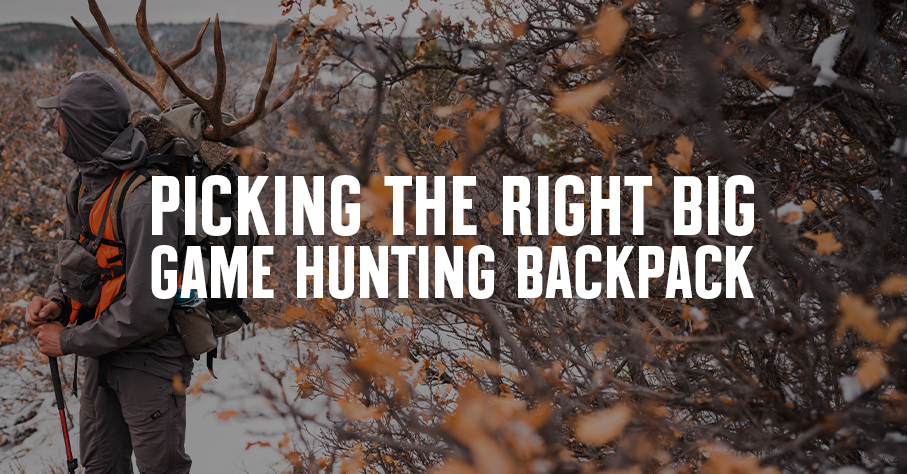
Essential Gear
Be prepared and make your hunt more comfortable by having essential hunting gear with you at all times.
Clothing
Hypothermia happens when your body loses heat faster than it produces it, causing your core body temperature to fall, and it can happen at temperatures as high as 50° Fahrenheit. Having the right clothes is paramount.
Rain Gear
One of the best ways to protect yourself against hypothermia is to have good rain gear. Quality rain gear not only protects from moisture getting to the body, but it will also prevent trapping moisture produced by the body (i.e. sweat) through proper ventilation.
Base Layers
Base layers wick perspiration away from the body to keep your skin dry. There is a wide range of base layer fabrics, including synthetics like polyester and nylon, or natural fibers like merino wool or silk. Some hunting brands specialize in base layers that block scent and offer extra durability.
Socks
If you keep your feet dry and in good shape you will be able to go further, stay out longer, and move around comfortably in all weather conditions. The number one rule with socks is to avoid cotton. Just like a vital base layer, having socks that wick moisture, provide protection and warmth, and prevent blisters will pay dividends during your hunt.
Boots
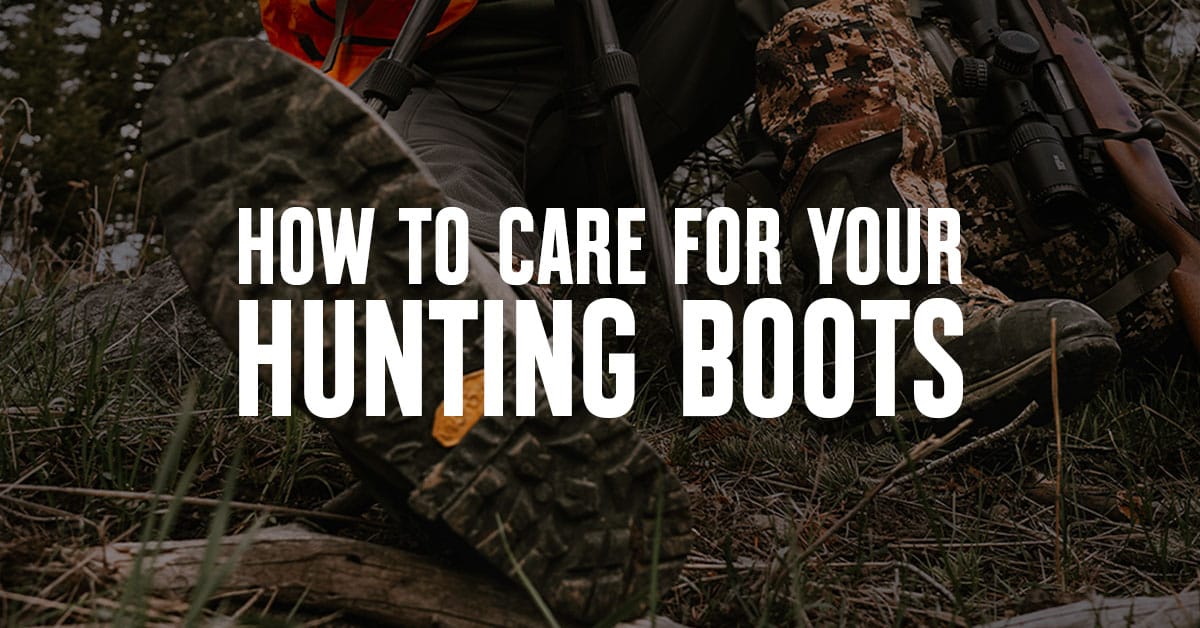
Western mountain elk hunting is strenuous, and the weather is unpredictable. You’ll be carrying a heavy load if you harvest an elk. You’ll need boots with excellent ankle support and waterproof linings.

Tools
Hunting Knife
From cleaning game, cutting rope, or notching hunting tags, a hunting knife is one of the most essential pieces of hunting gear you can have with you.
Here we’ve gathered some advantages of different styles of knives to help you narrow your choice:
Fixed Blade
- Will Not Break.
- Easy to Maintain.
- Larger Blades.
Folding Knife
- Easy To Pack.
- Multiple Blade Types.
- Lightweight.
Multi-Tool
- Most Versatile.
- Screwdriver, Saw, Scissors – All-in-One Hunting Tool.
A growing number of hunters are opting to carry knives with replaceable blades because they are ultralight, don’t need sharpening, and are affordable.
Game Bags
When you’ve finally gotten an elk on the ground, you’ll need quality cloth game bags to protect the quarters and meat after field dressing. Game bags keep flies and other insects off of your game but are breathable, allowing the meat to cool when hung properly. Before they’re needed for packing out an elk, these bags are also helpful for storing and organizing extra clothes in your pack.
Paracord
30-50 feet of p-cord in your pack and you’re ready to do just about anything. From hanging food from a tree, building a shelter, or having for a primitive bow drill for fire-making, paracord is the multi-tool of rope. There’s even a company that makes p-cord with a flammable core (FireCord).
Glassing Gear
Binoculars: The 10×42 binocular is the most versatile magnification. It’s small enough to freehand but has enough punch to throw on a tripod for more meticulous glassing sessions without giving up a wide field of view like bigger magnifications are known to do.
Spotting Scope: A spotting scope is more of a specialty tool to be used when glassing from an extremely long distance or when you need to examine something in detail, such as determining the legality or size of an animal. Between 50mm up to 65mm will handle almost anything.
Tripod: A tripod and a fluid pan head are essential for efficient glassing. They stabilize your optics and allow you to notice small movements. Consider adding something like the Vortex High Country Tripod to your kit. At just over two pounds, your eyes and arms will thank you for a clearer view and less fatigue.
Rangefinder: Take all the guesswork out of your shot with a lightweight rangefinder. For bowhunting, you’ll want a rangefinder that works well in close proximity (10 yards or less), with readings marked in fractions of yards.
Seat Pad: Entirely optional, a glassing pad like the Therm-a-Rest Z Seat will increase comfort and provide a barrier against cold or wet earth.
Emergency Supplies
Consider this list as the absolute minimum you should consider carrying in case of emergency:
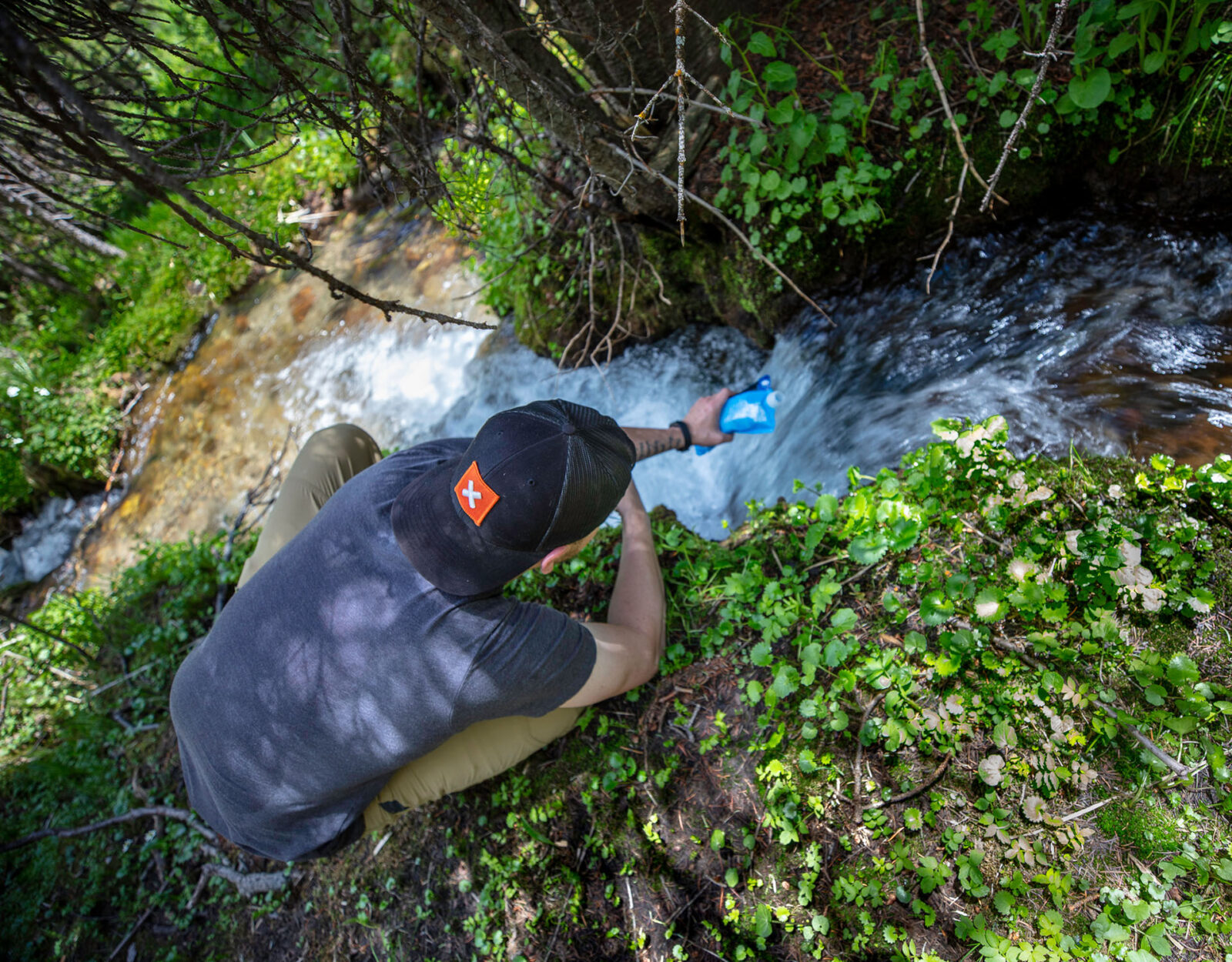
- Water and Water Purification System (UV filter and iodine tablets).
- Food (high-calorie foods with 40 percent carbs, 30 percent protein, and 30 percent fats).
- Shelter (space blanket or emergency bivvy sack).
- First Aid Kit.
- Fire-making Supplies (two lighters wrapped with duct tape and a waterproof Magnesium striker).
- Illumination (flashlight, headlamp, and extra batteries).