Ready to explore this trail?
View Trail Map in AppPath Type
Point to Point
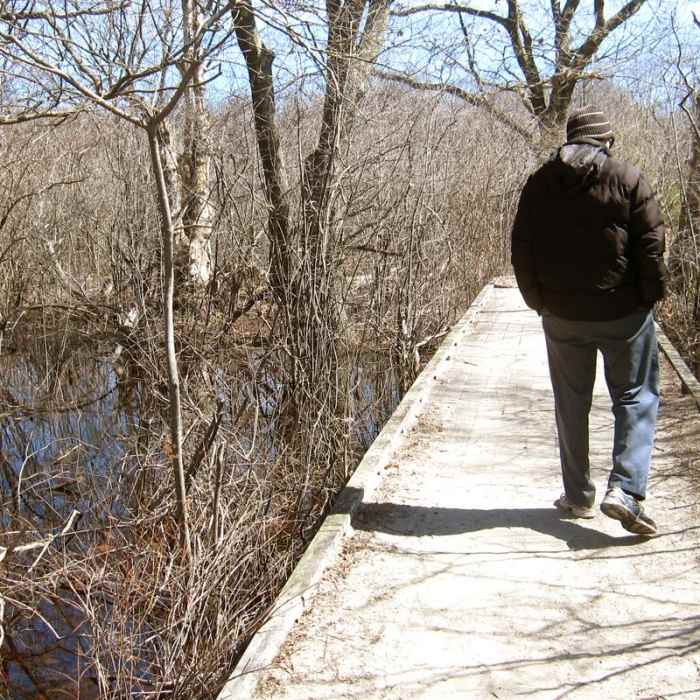
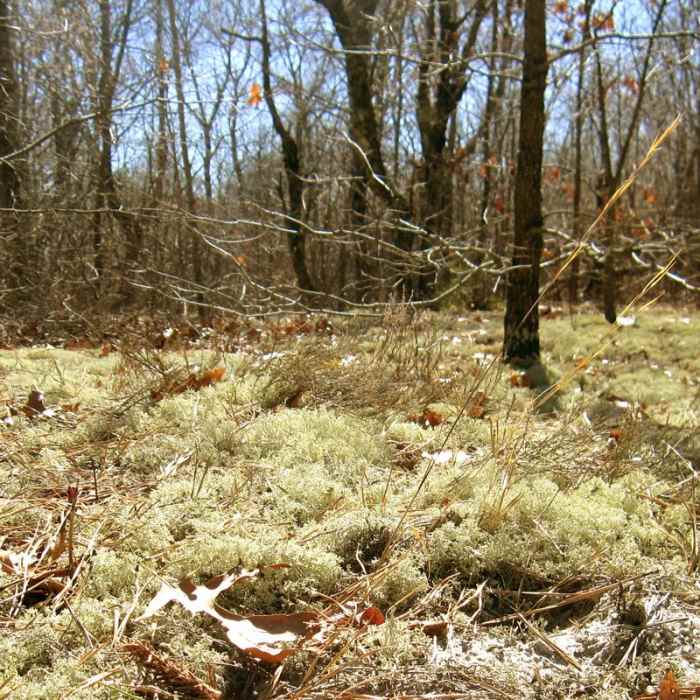
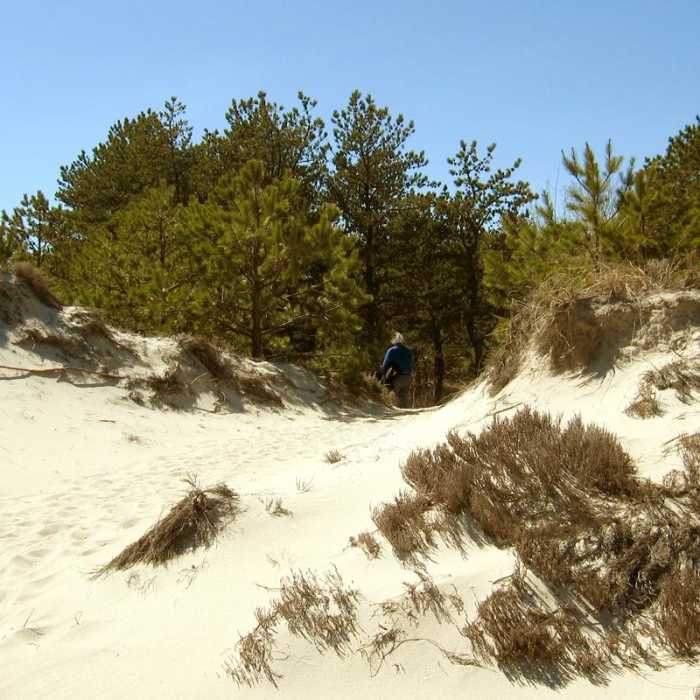
The Crane Wildlife Refuge and Crane Beach offer spectacular birding and more than 5 miles of scenic hiking on the North Atlantic coast. The trails begin at the eastern end of the Crane Beach parking lot. (Access fees vary.) Here multiple connected trails make it easy to take a longer or shorter hike. All travel through a mix of barrier dunes, pitch pine forest, and red maple swamp. Depending on the season you may see golden crowned kinglets, bobolinks, savannah sparrows, and sharp shinned hawks. You may also spot deer, coyote or foxes (or their tracks in the sand.) The trail network begins with the Green Loop, which provides easy access to a variety of habitats and Crane Beach. The Red loop is more challenging with some steep climbs on sandy dunes. The reward is panoramic views of the Atlantic and the Great Marsh. The easternmost Yellow and Black trails run along part of the largest salt marsh in the northeast. Across the Essex River youall see a number of islands that were once a summer fishing ground of the Agawam tribe of Native Americans. In the 18th century, the largest of these was named after the Choate family, who farmed it and planted the now mature spruce forest. Closer to the water you might spot herons, egrets, snipe, sanderlings, and sandpipers Parts of the Red and Yellow trails carefully thread through one of the worldas most important nesting sites for the endangered Piping Plover. In the spring and summer, flocks of plover, terns, bank swallows and other shore birds nest between the dunes and the beach. Youall spot the adults and juveniles feeding at the shoreline on Crane Beach or swooping above the beach grass. A westerly walk along the beach leads back to the parking lot. Deer ticks are common in this area and can carry Lyme disease. Protect yourself by using DEET or wearing a long sleeved shirt and long trousers tucked into socks, and check yourself for ticks after hiking.
No Condition Reports
Contributors