Trail Overview
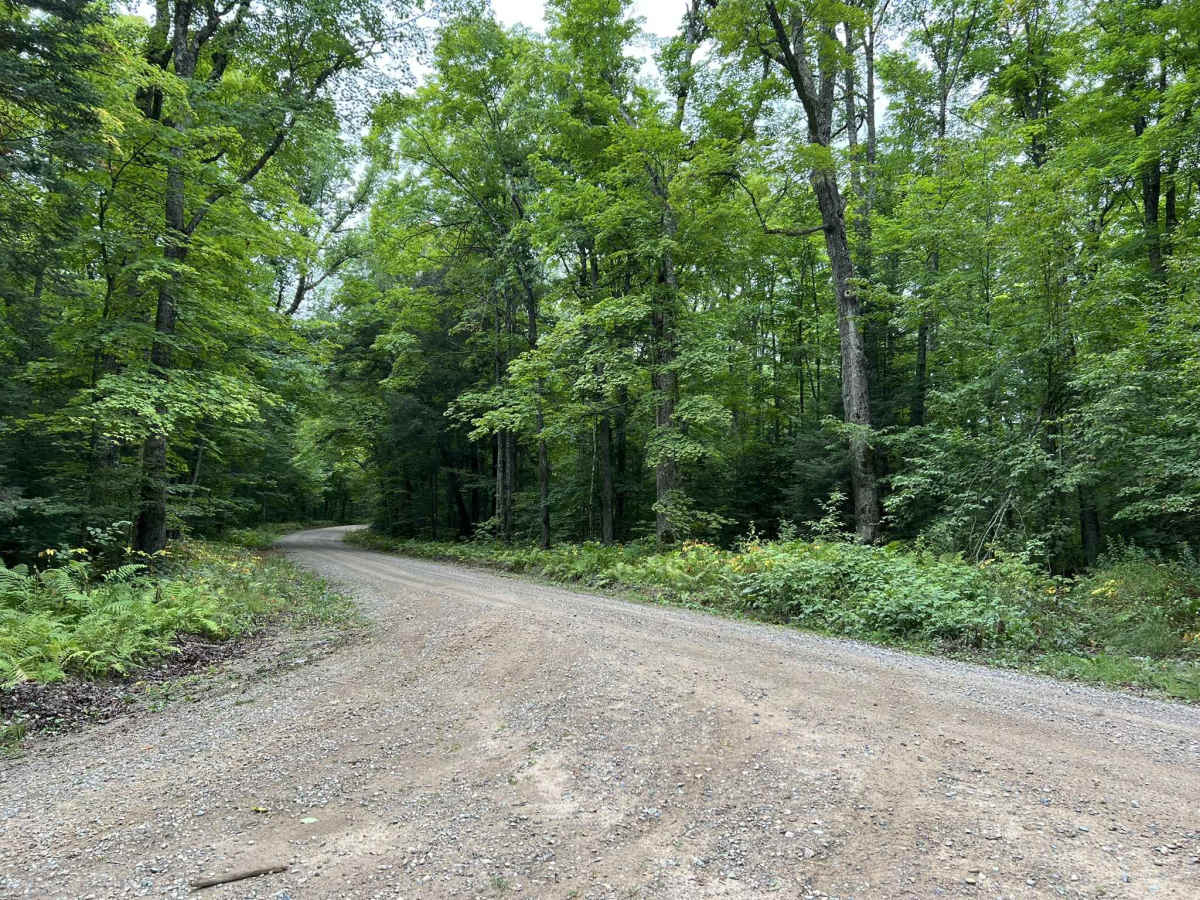
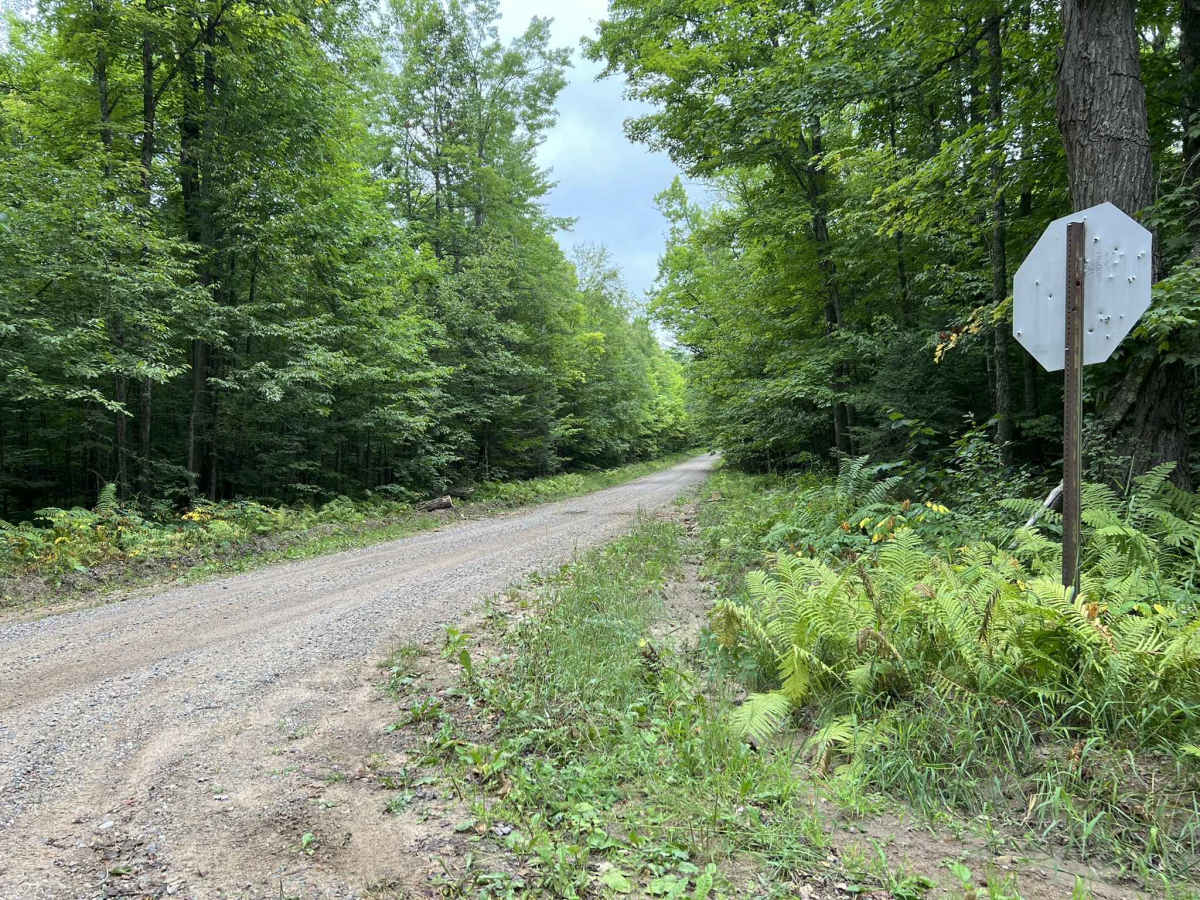
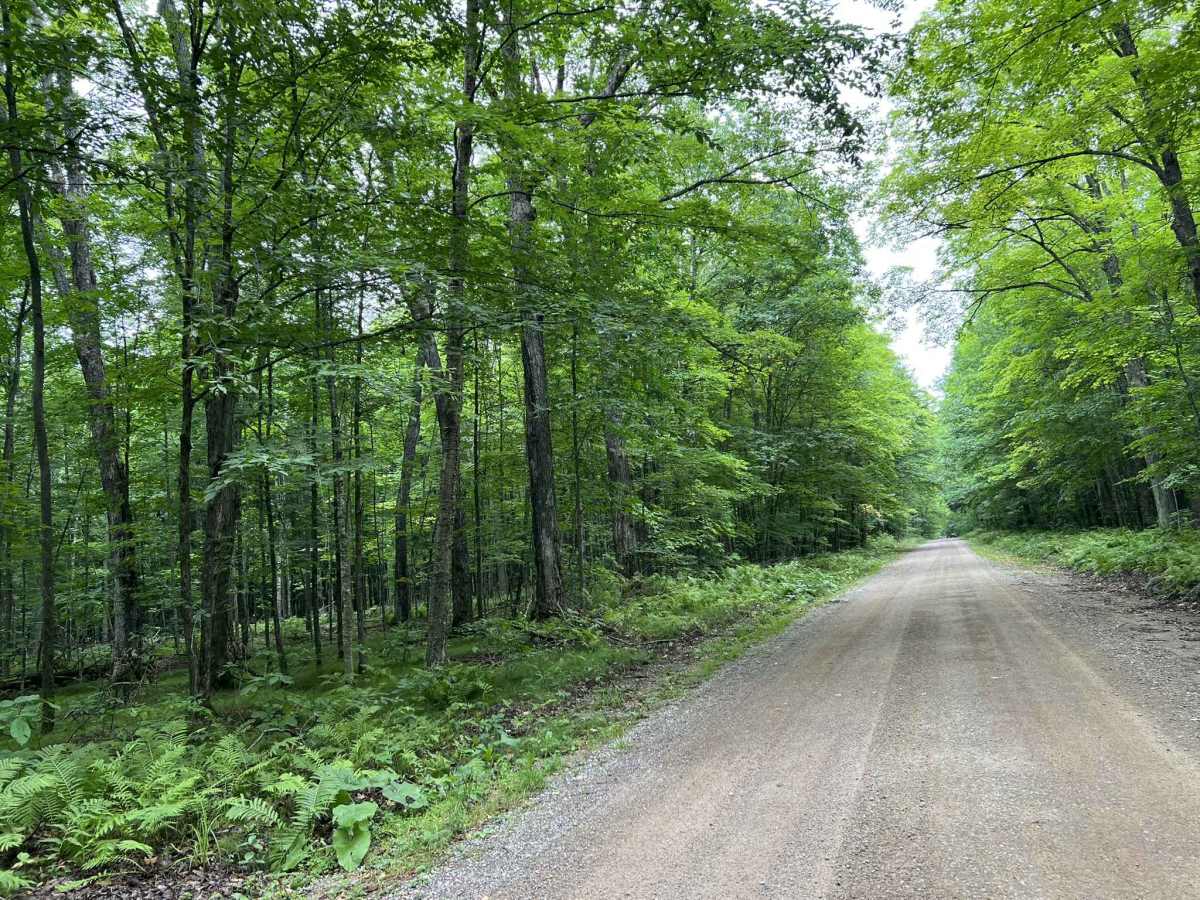
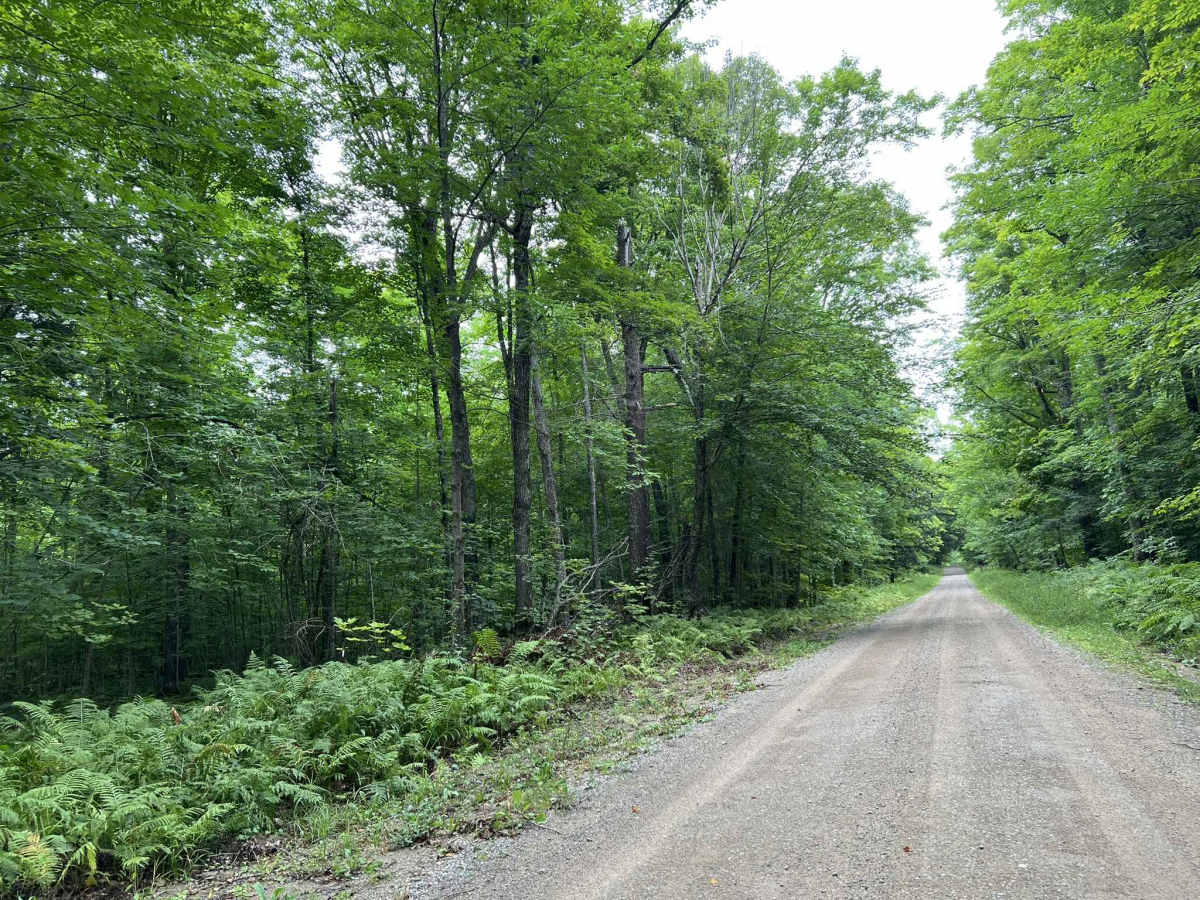
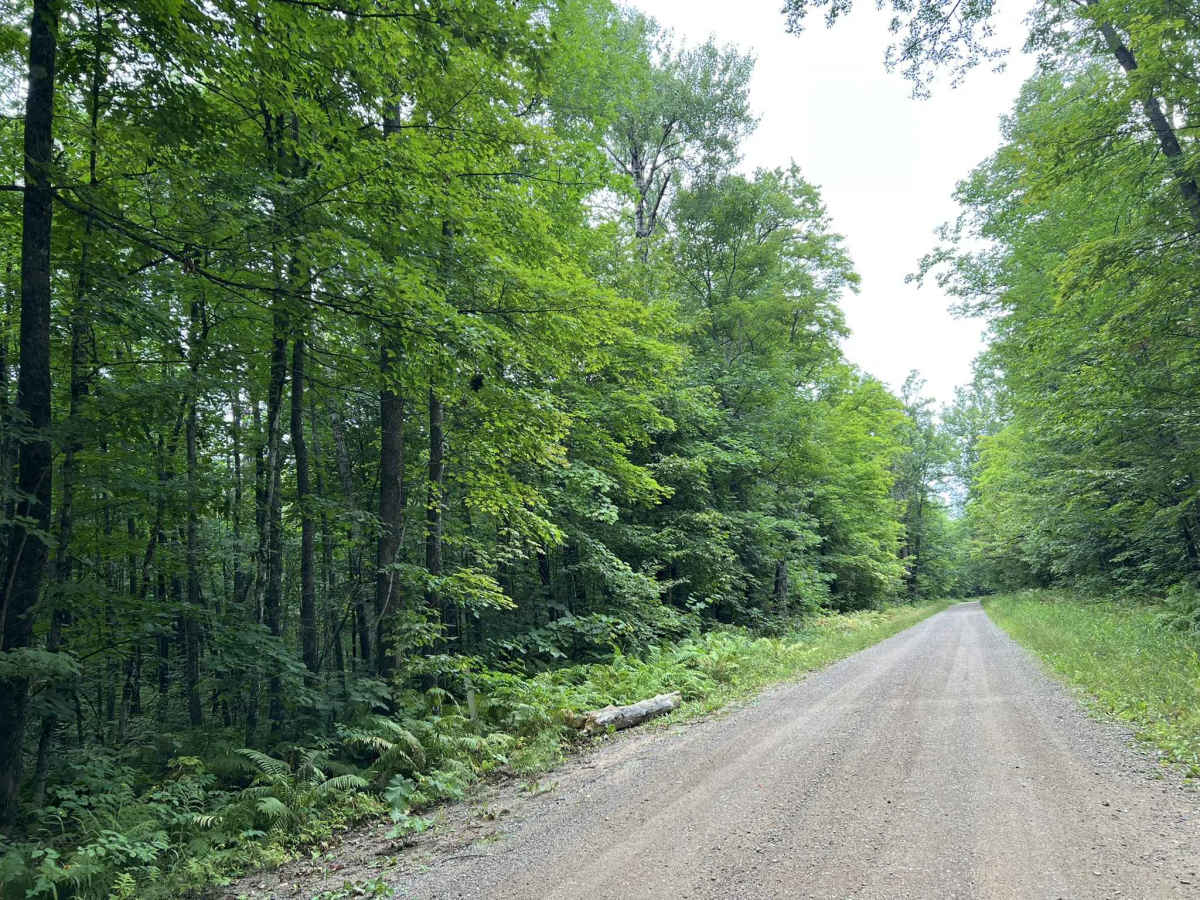
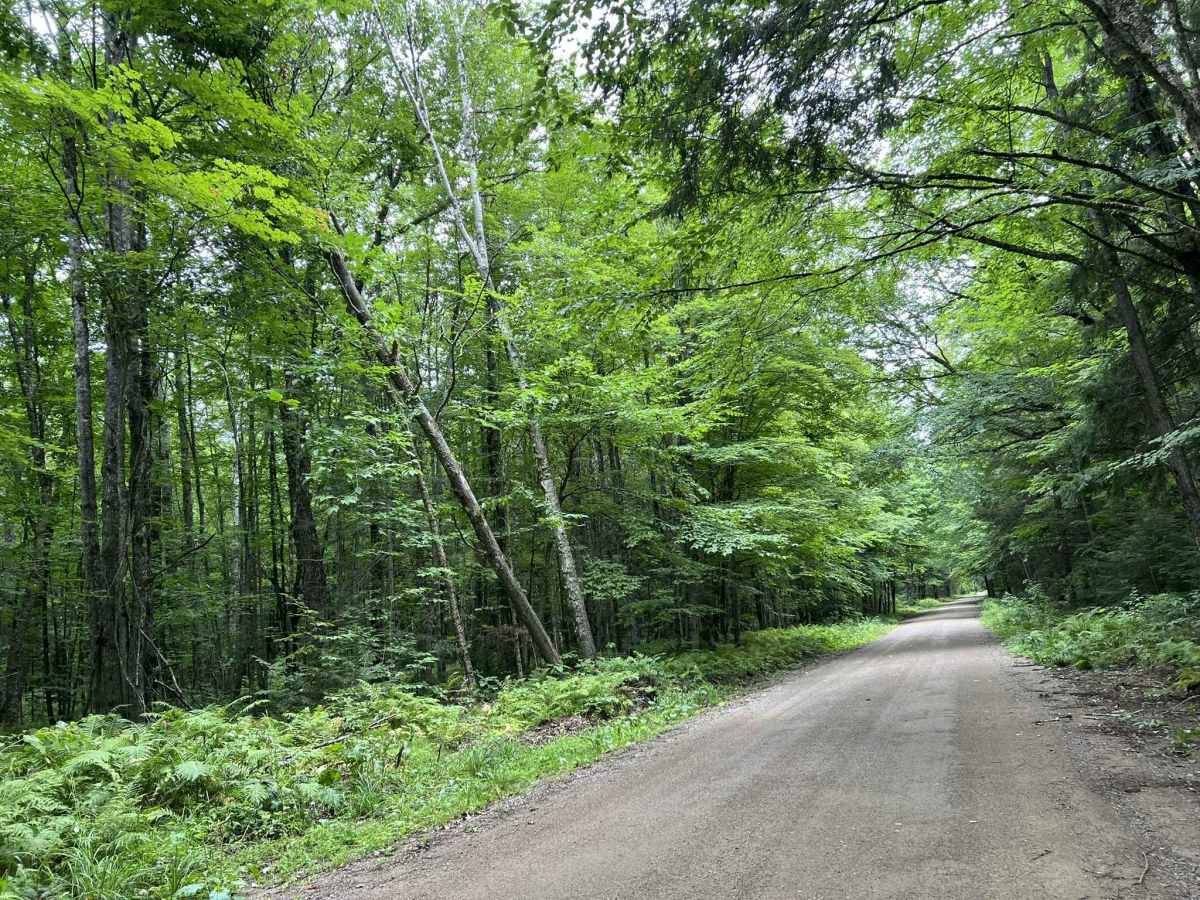
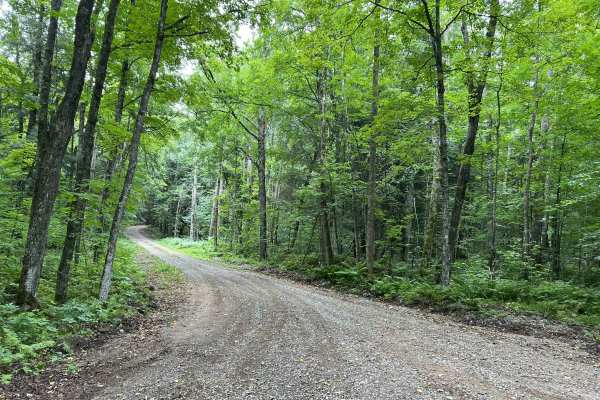
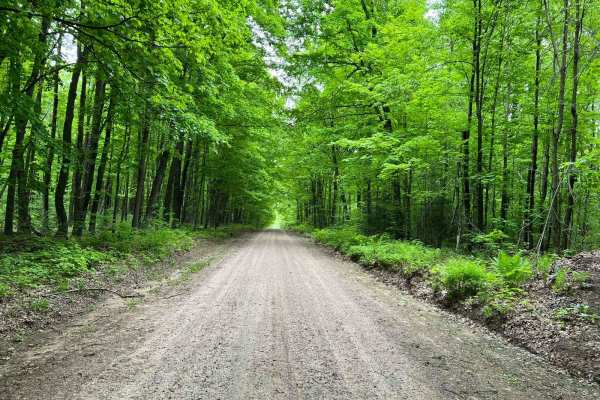
Experimental Road - FS 2184 is a gentle, rolling gravel forest road that navigates from its southern intersection with Highway 32 to its northern intersection with FS 2183. This trail is just under 2 vehicles wide for its entire length and has similar terrain and features to other trails in the area. The trail is a good mix of gentle rolling elevation changes, with mild sweeping corners. The trail's surface is a very fine, hard-packed gravel that holds up well under many environmental conditions. The scenery surrounding this trail is made up of a variety of tree types as well as the age of trees. This results in an area that produces a wide variety of colors in peak fall. Undergrowth along the trail is mostly wild ferns with some grass mixed throughout. It is not out of place to see downed tree limbs located along the edges of this trail as well. This trail is open to road-going vehicles as well as ATV's and SxSs, so be sure to remain aware of your surroundings. Cell service in this area is generally acceptable, and downloaded maps are not needed but should still be considered if traveling elsewhere in the region.
History
Argonne Experimental Forest features the largest contiguous tract of old-growth hemlock hardwood forest on drumlinized ground moraine. These types of protected rich mesic hardwood forests are very scarce in northern Wisconsin and on this land type (Argonne Outwash Plains). A northern hardwood forest dominated by sugar maple, hemlock, yellow birch, and basswood is located on a gently sloping, unpitted outwash fan. Shrubs include leatherwood and elderberry. Understory plants include oak fern, ground pine, wood ferns, rosy twisted stalk, Canada mayflower, running club-moss, lady fern, and sweet cicely. This area is surrounded by a conifer swamp, which has several rare species. The conifer swamp is dominated by black spruce, tamarack, and white cedar. Understory species include Labrador tea, leather-leaf, balsam fir, yellow bluebead lily, false mayflower, creeping snowberry, Canada blueberry, and sphagnum. Rare species include small round-leaved orchis, sparse-flowered sedge, and northern bog sedge. The extensive habitat of Argonne Experimental Forest supports uncommon boreal bird species such as boreal chickadee and gray jay. In addition, the rare three-toed woodpecker (Picoides tridactylus) has been seen in the conifer swamp. Other birds include broad-winged hawk, blackburnian warbler, and scarlet tanager.

 Offroad