Trail Overview
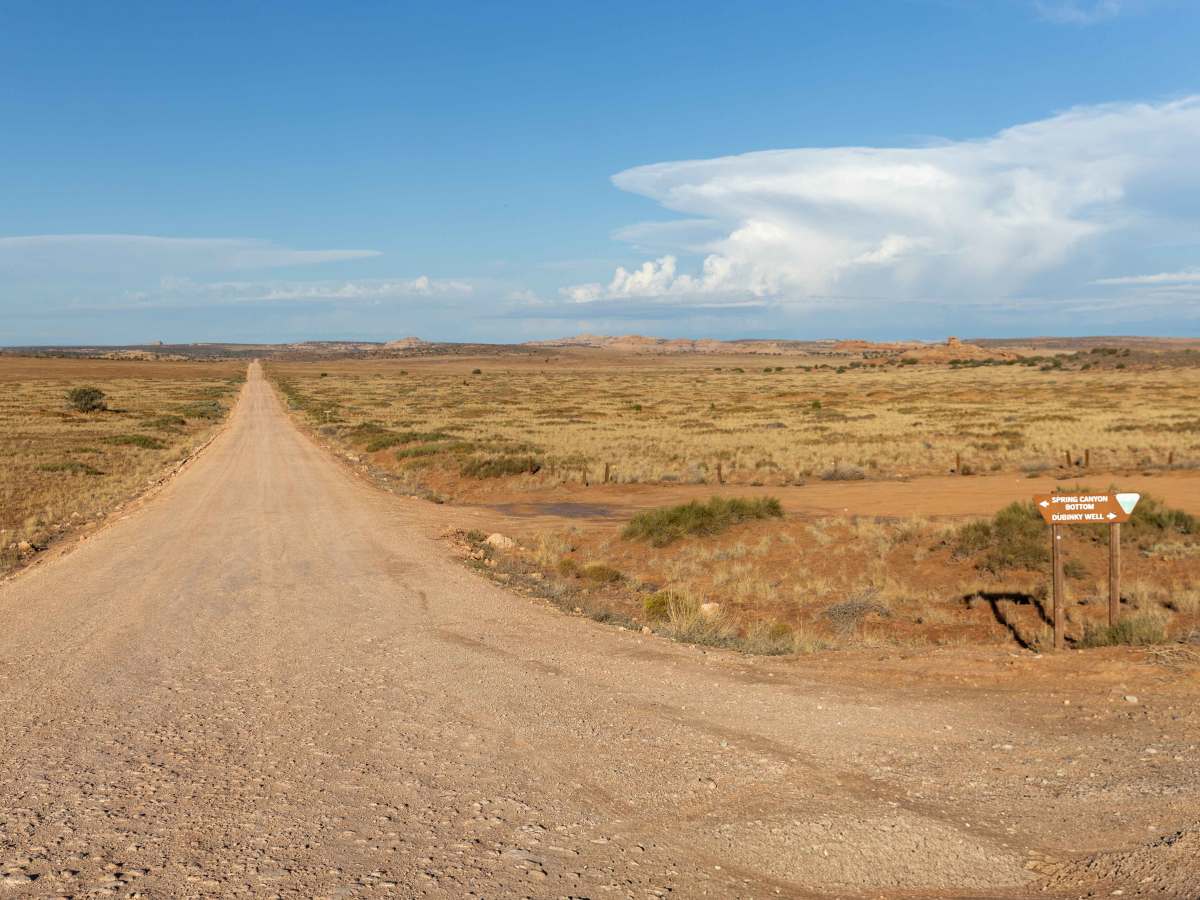
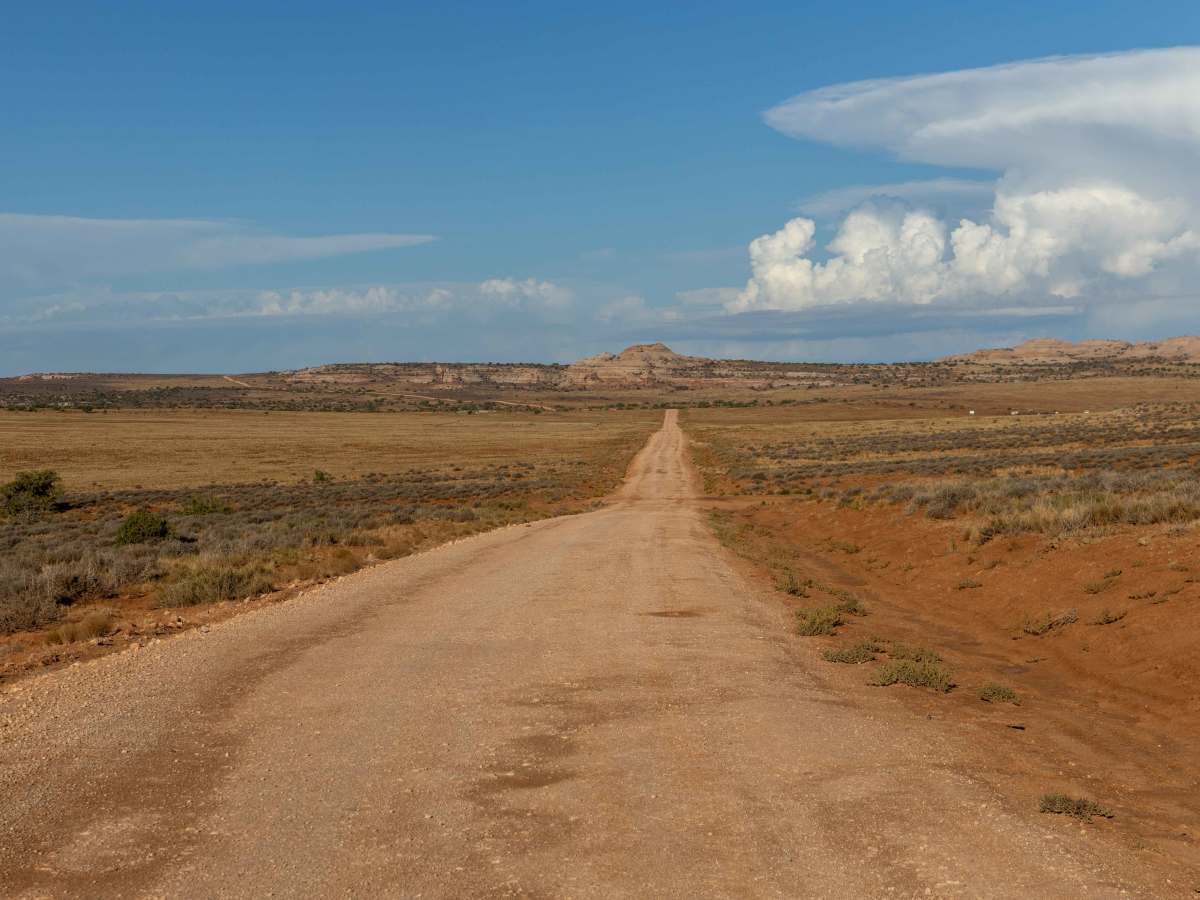
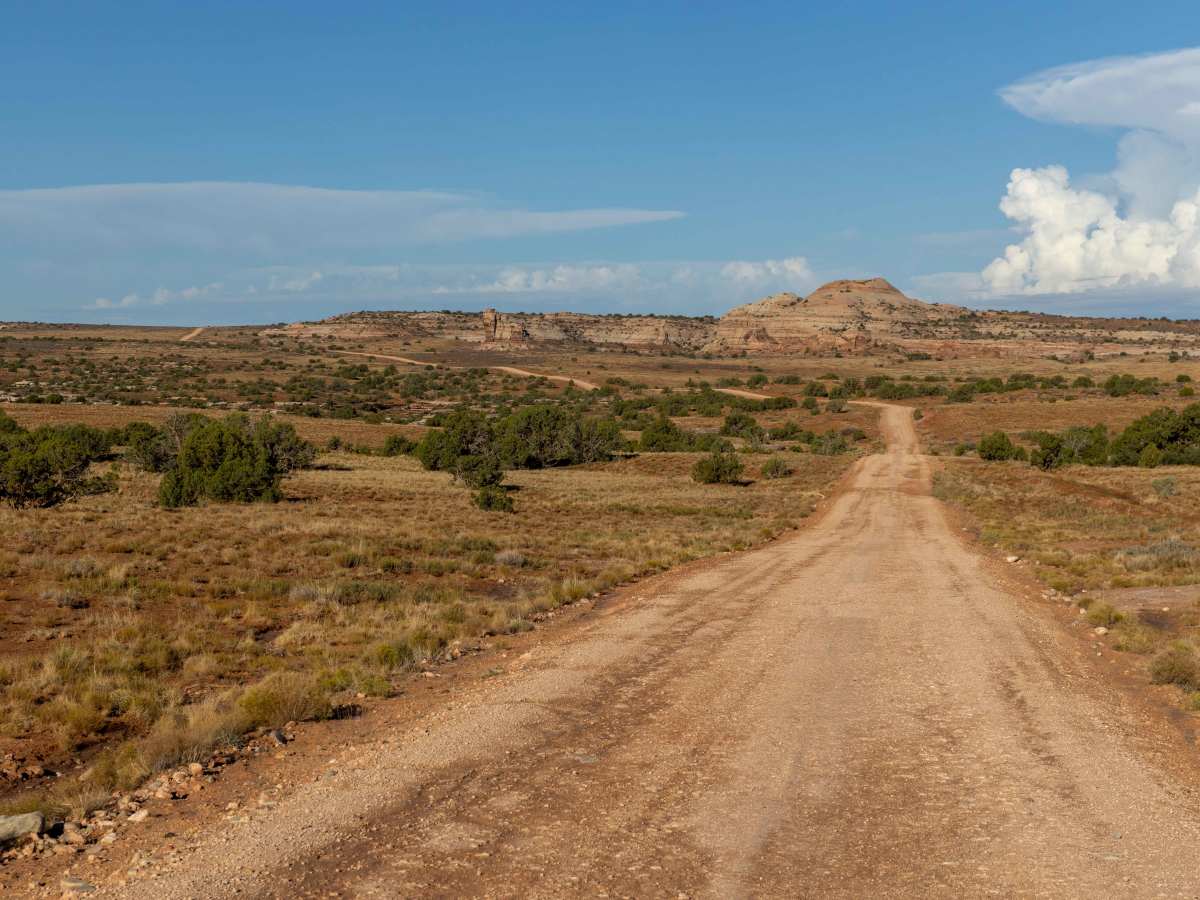
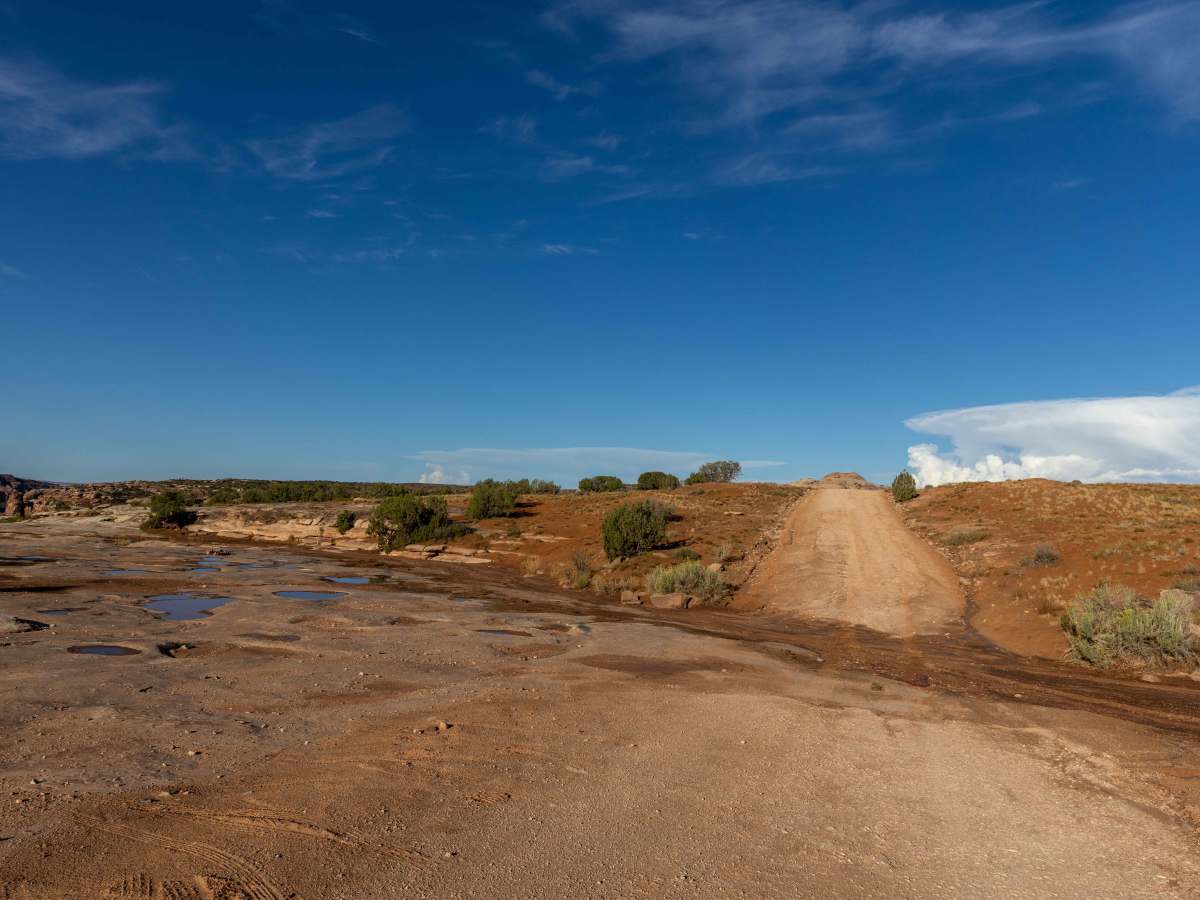
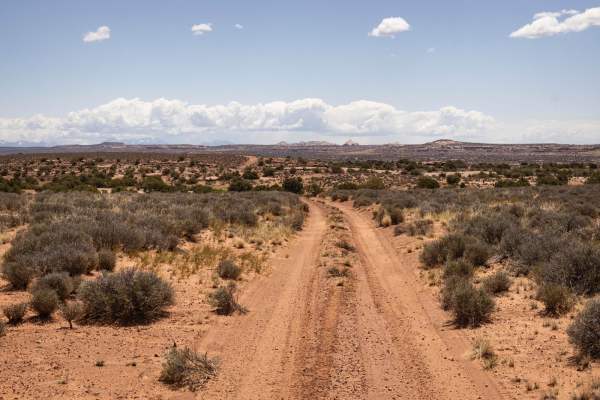
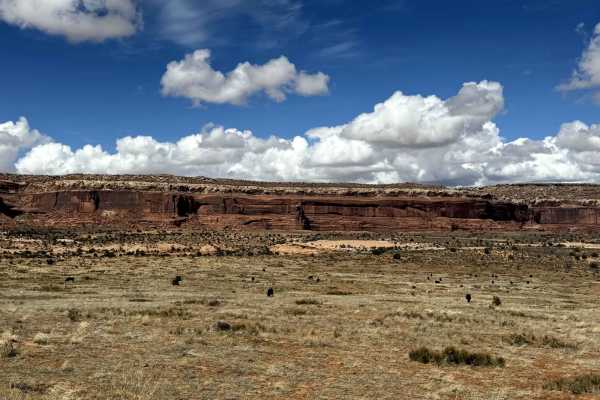
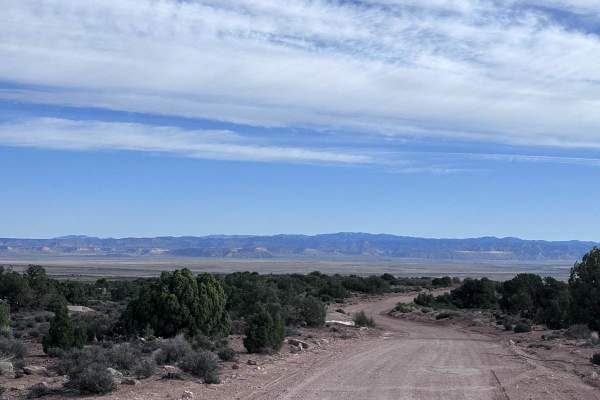
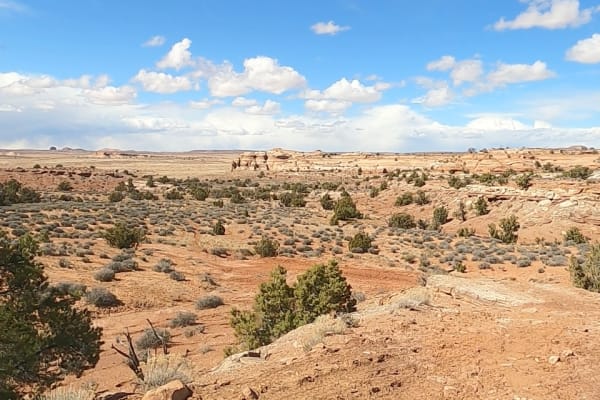
Spring Canyon Bottom is a scenic and historic 12.2-mile descent into a deep sandstone canyon near Moab, offering stock four-wheel-drive vehicles and high-clearance SxSs an adventurous journey to the banks of the Green River. Starting near State Route 313 at an elevation of 5,282 feet, the trail begins as a wide, easy-to-follow dirt and gravel route that winds westward across the mesa toward the canyon rim. As the road approaches the rim, it begins a dramatic descent down a shelf road, dropping nearly 2,000 feet through layers of weathered Wingate Sandstone and the older Cutler Formation. This descent provides sweeping vistas of the surrounding red rock wilderness but demands driver focus due to narrow sections and steep, unprotected drop-offs along the canyon wall.
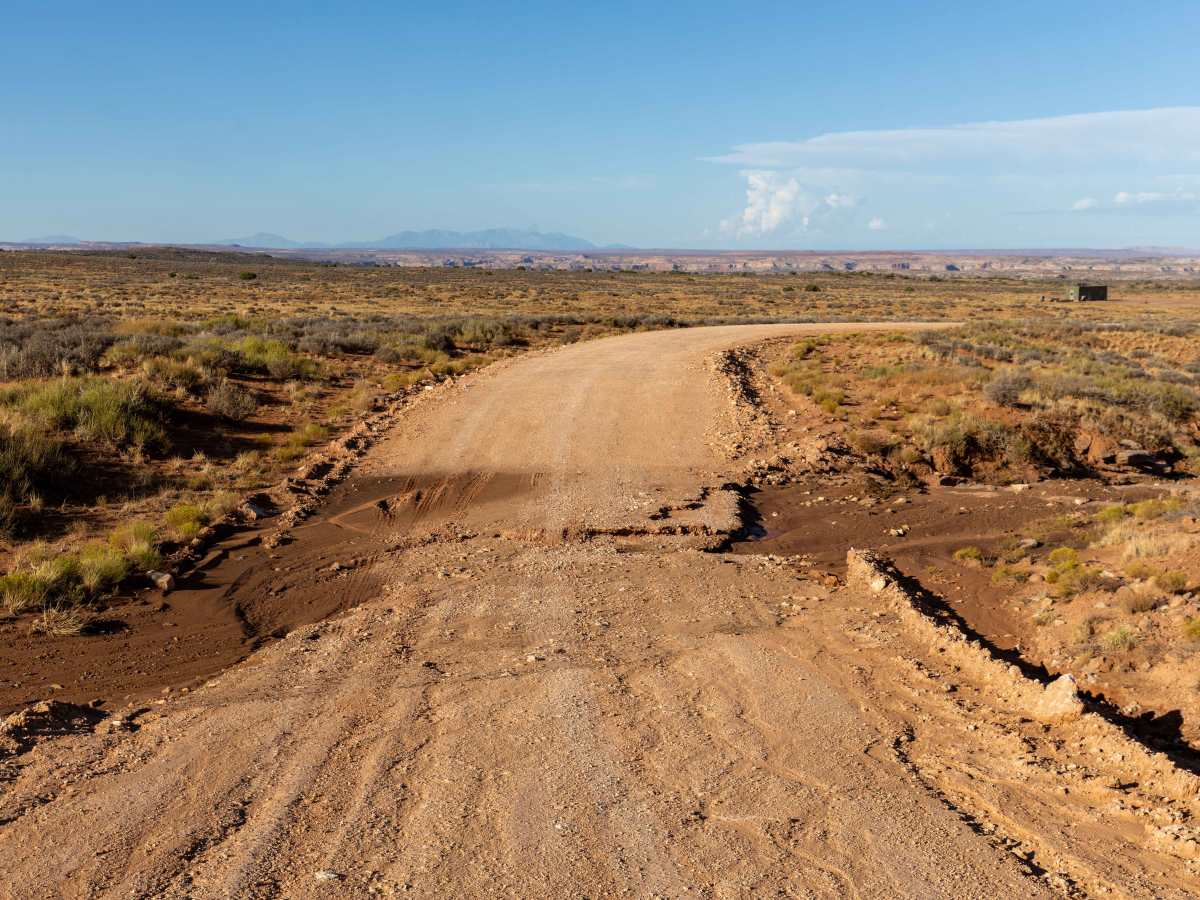
With a technical rating of 3, the unmaintained trail features moderate challenges including frequent wash crossings, loose rocks, and erosion cracks that require careful tire placement. While there are no major obstacles to block your path, high clearance is necessary to navigate the rougher stretches on the shelf road and the canyon floor. At the bottom of the canyon, a primitive Bureau of Land Management campground offers remote dispersed camping in a peaceful setting along the river. Cellular service is nonexistent throughout the canyon, so offroaders should download offline maps, carry recovery gear, and prepare for self-rescue. The trail concludes near the Green River, where visitors can relax by the water or plan side trips to nearby historic points such as the Hey Joe Mine uranium operations.
Difficulty
This is an unmaintained trail that has its roughest sections after the gate, on the shelf road into the canyon. Erosion and trail damage require careful tire placement, and a steep drop-off of the shelf road demands your attention. Caution is urged.
History
The trail was built during the mid-20th-century uranium boom and petroleum exploration, providing access to remote prospect sites and the Hey Joe Mine uranium operations along the Green River.
Access Description
The trail is located on Bureau of Land Management (BLM) land with free access and no day-use permit requirements. Dispersed camping is allowed on the canyon floor, but there are no services, water, or cellular coverage, requiring visitors to pack out all waste.

 Offroad