Trail Overview
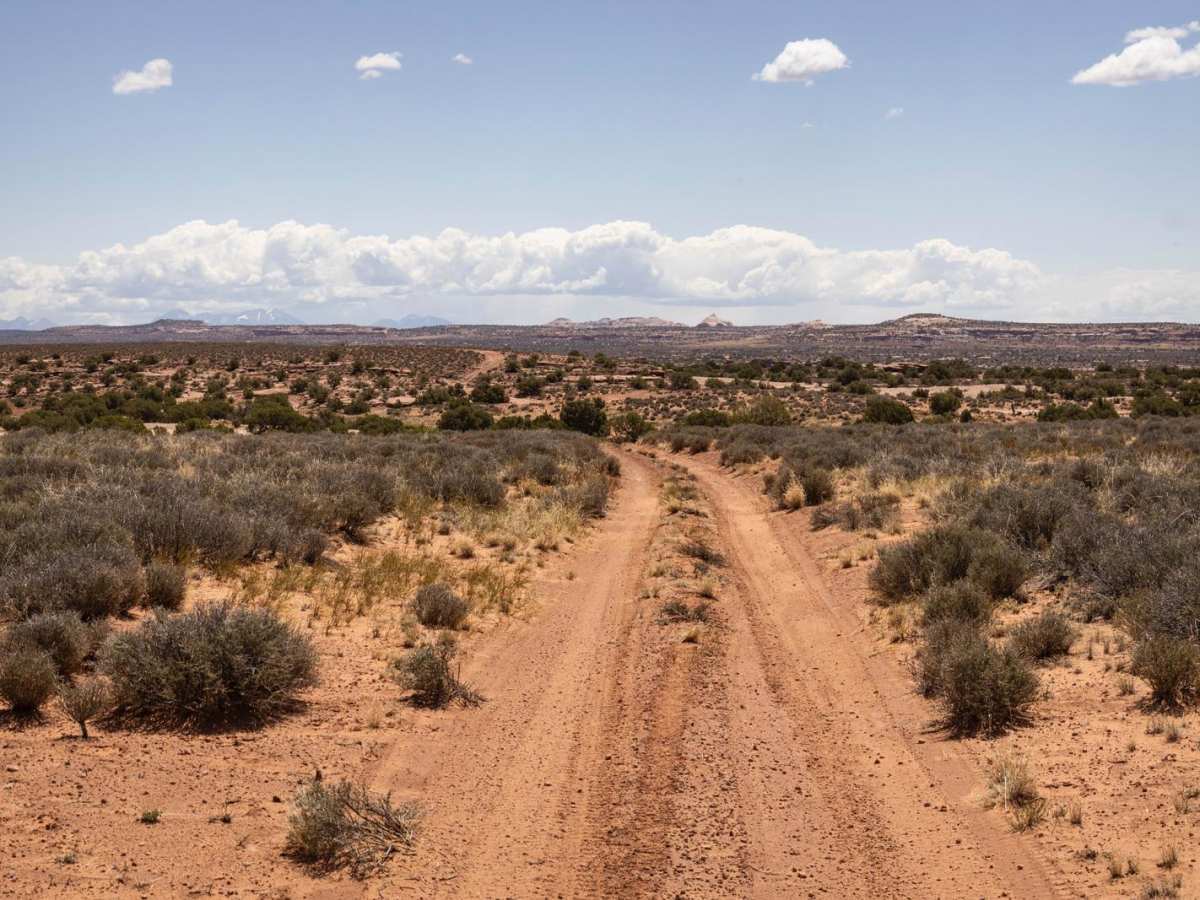
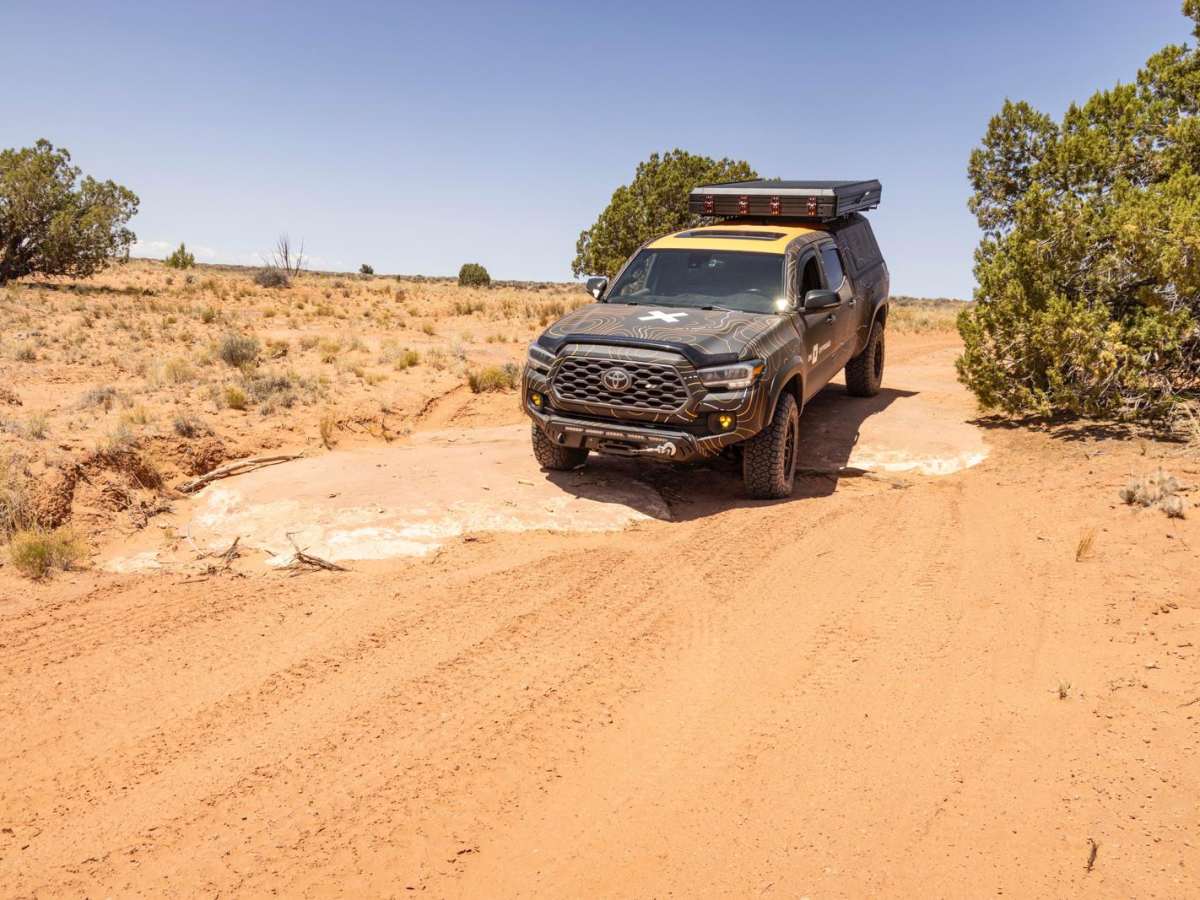
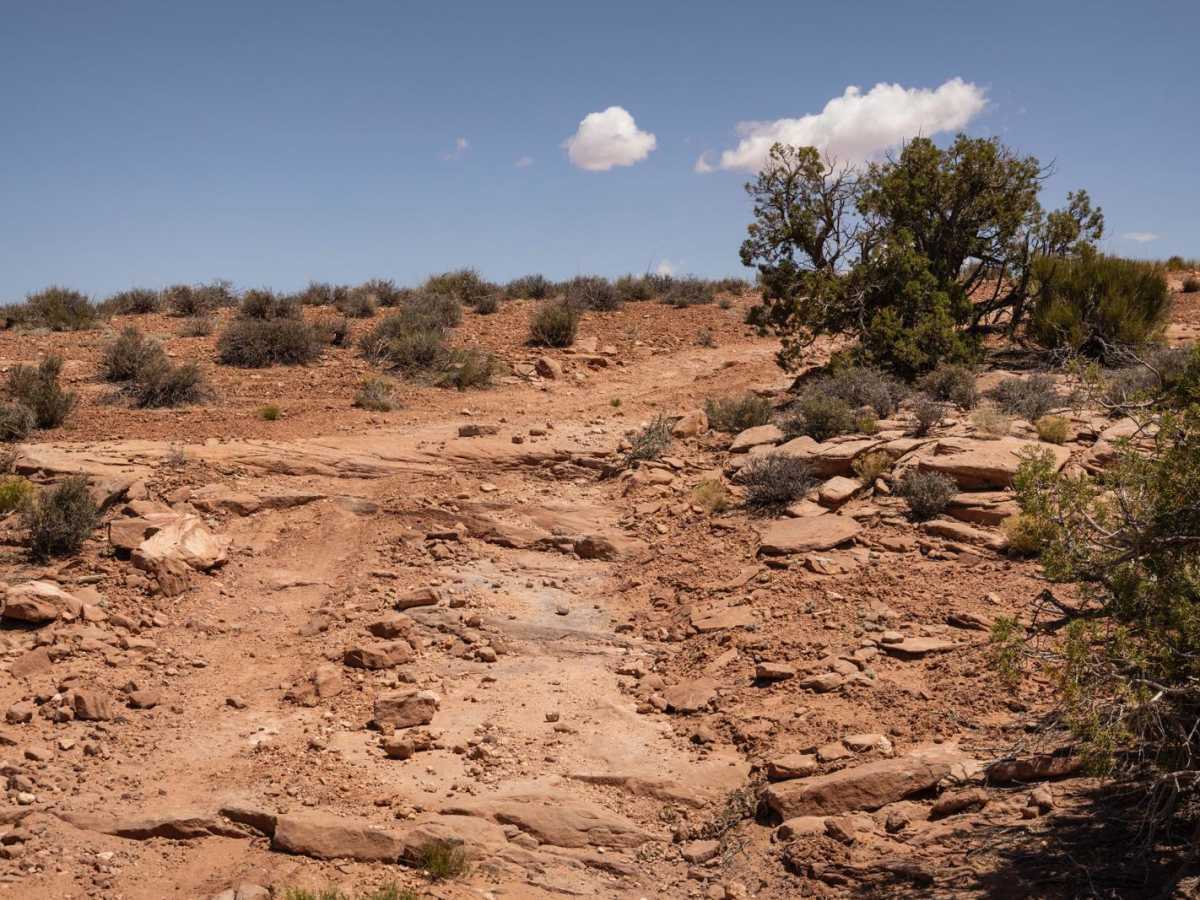
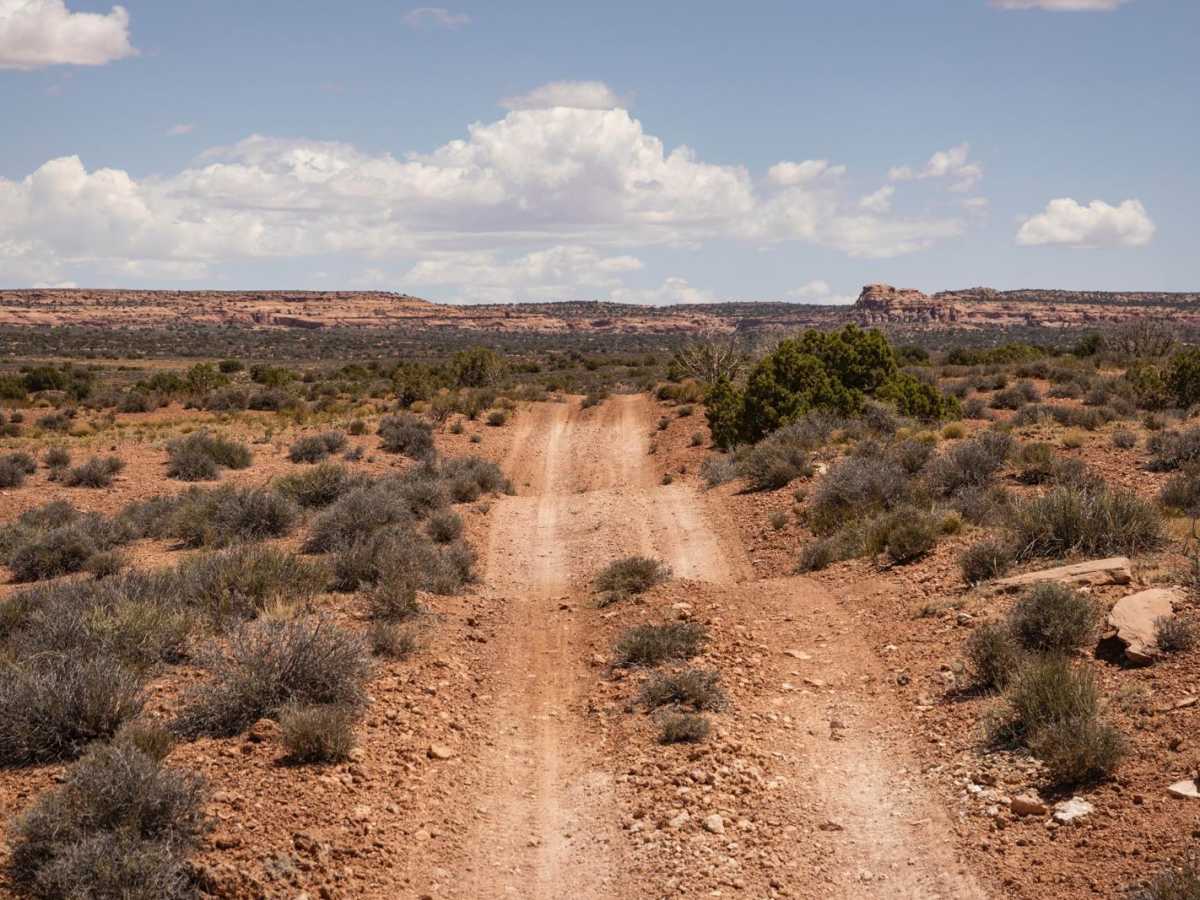
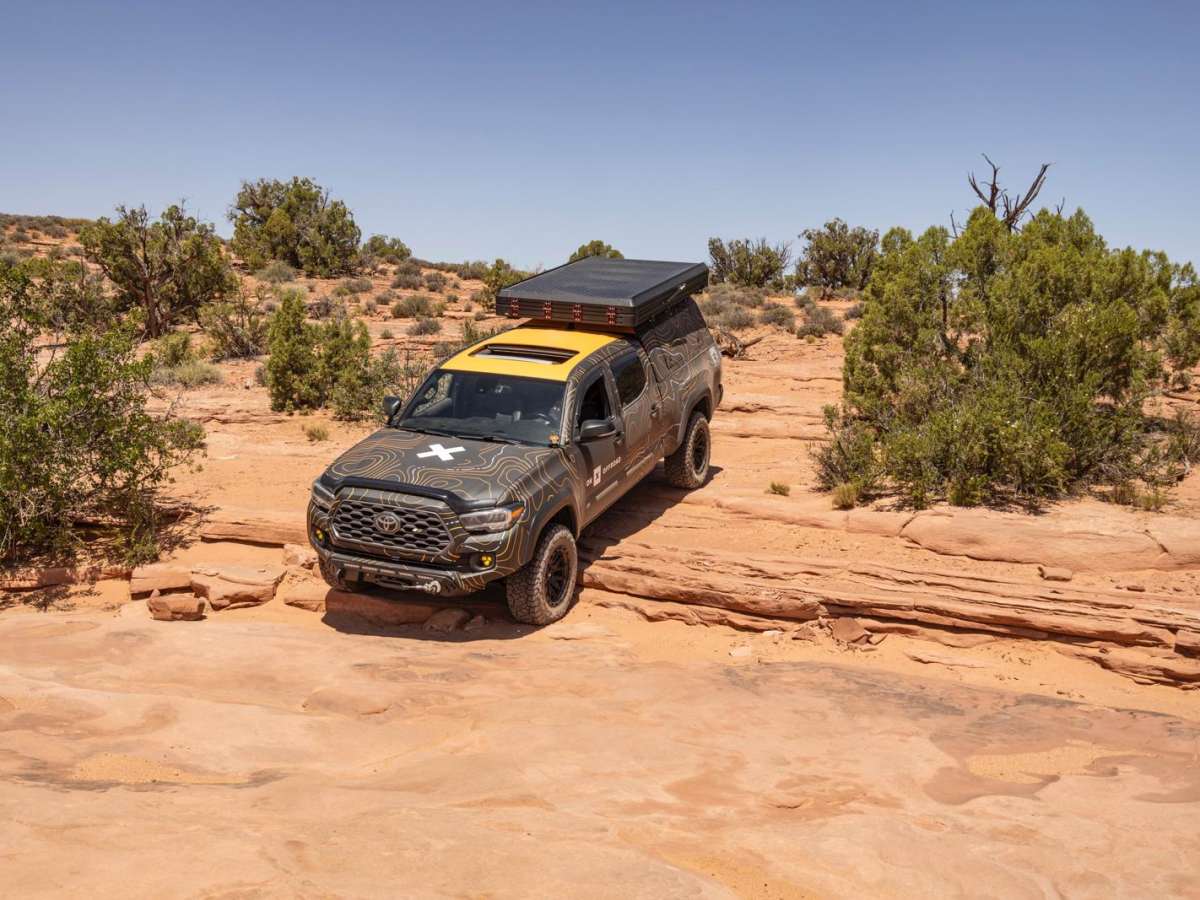
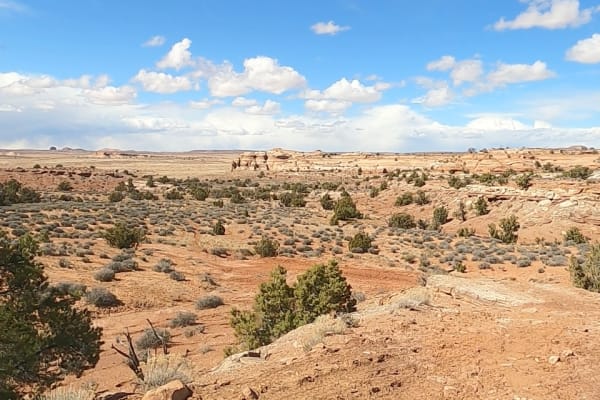
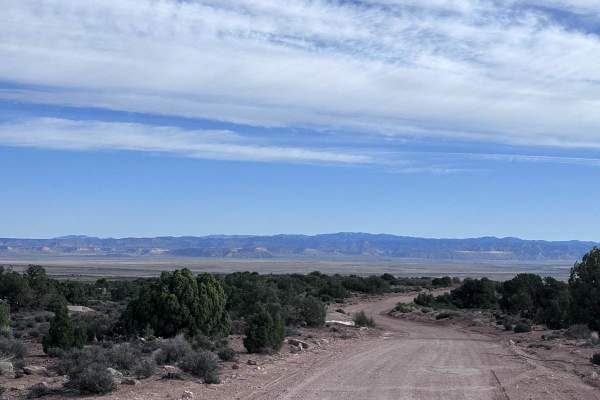
Hell Roaring Rim lives up to its name with a raw, rugged, and highly technical ride that rewards only the most capable rigs and confident drivers. This advanced trail carves its way through high desert terrain, culminating in stunning views from the mesa's edge--but not without demanding your full attention and skill. Expect frequent ledges between 12-18 inches, rock ramp ascents, and tight switchbacks that feature step-ups and steep, shelfed-out climbs. Much of the route is off-camber, especially in hill sections where the line choice is crucial. The surface constantly changes from bedrock to deep sand, punctuated by whoops and deep ditch crossings--some of which may contain water depending on season and recent storms. As you ascend toward the rim, the terrain becomes increasingly complex, with back-to-back technical sections and few chances to relax. Spotting is often necessary, and vehicles without proper clearance, traction aids, and underbody protection will struggle. While the driving is intense, the rewards are equally powerful. The mesa delivers panoramic views of the surrounding canyon wilderness, and sightings of bighorn sheep are not uncommon. This trail is not recommended for stock vehicles. Run it with a partner, and be prepared for the commitment: there are few bailout points once you're in the thick of it. Hell Roaring Rim is a true test of your setup and your driving--and one of the most memorable technical trails in the region.
Difficulty
This trail is highly technical with multiple shelves, ledges, and rocky hill climbs. There are tight off camber turns and switchbacks with obstacles in the middle of these features that demand good tire placement, 4lo, and a high clearance vehicle. There is no cell service in the area, so offline maps are essential.
History
The Hell Roaring Rim Trail in Moab, Utah, has a rich history, dating back to its use by Native Americans and later becoming a cattle trail, a 4-wheel drive road, and now primarily a route for hikers and rock climbers. The trail's origins are deeply intertwined with the region's geography, particularly the canyons and the headwaters of various streams.