Trail Overview
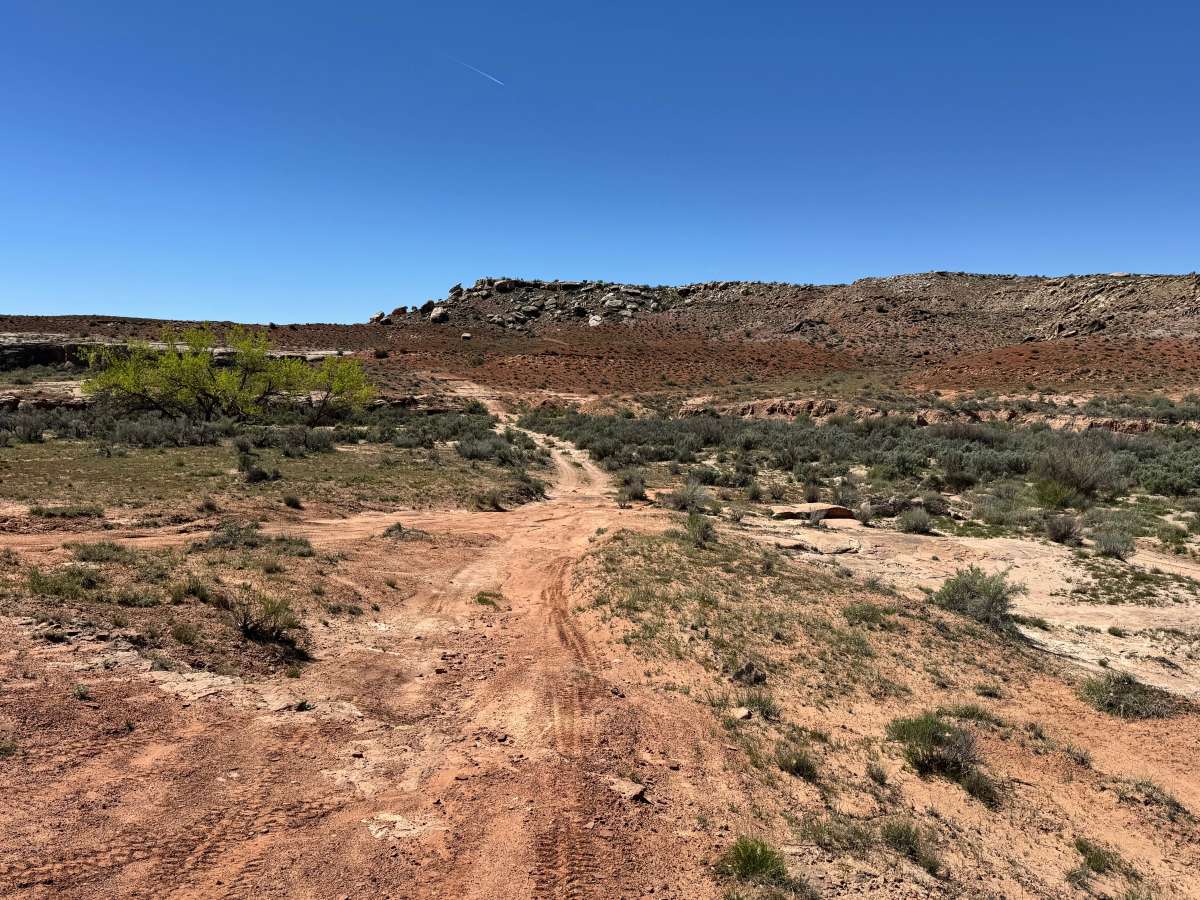
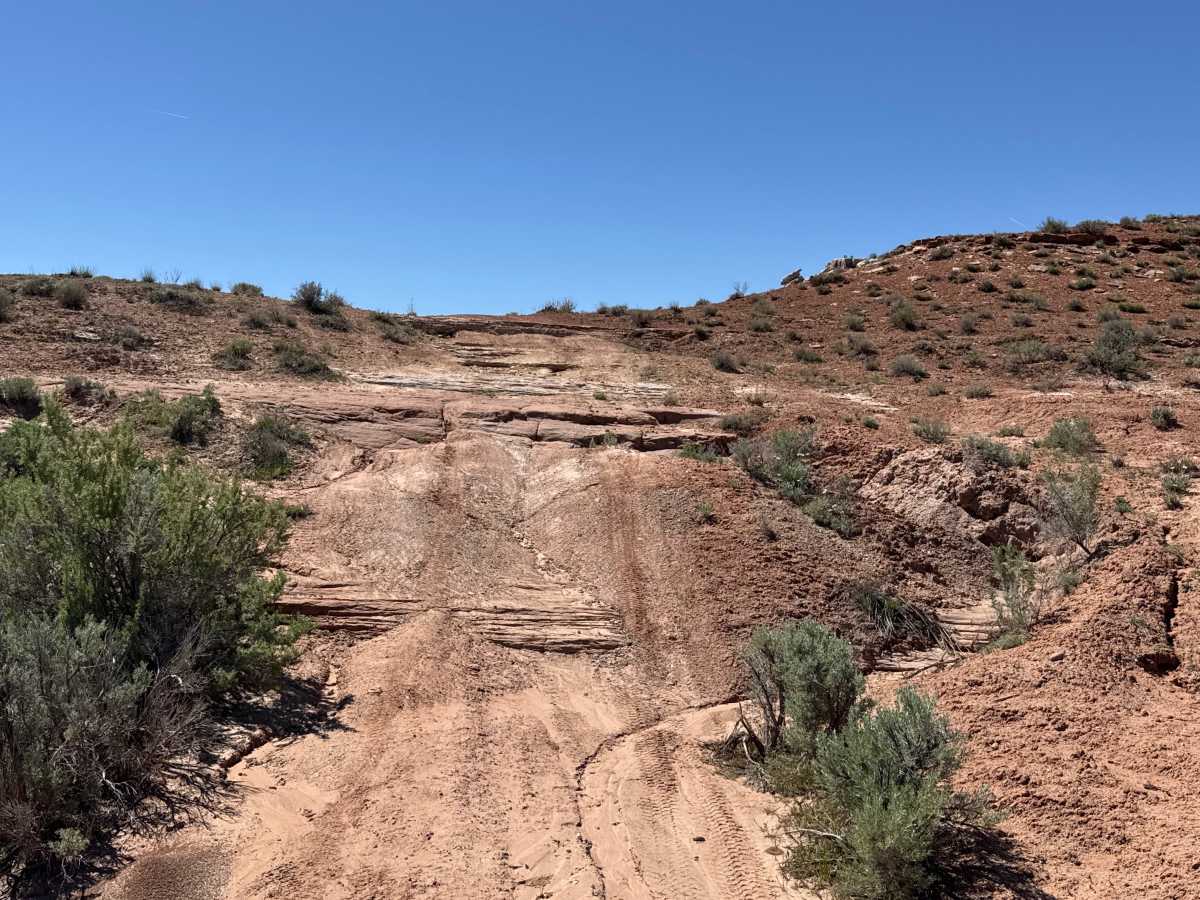
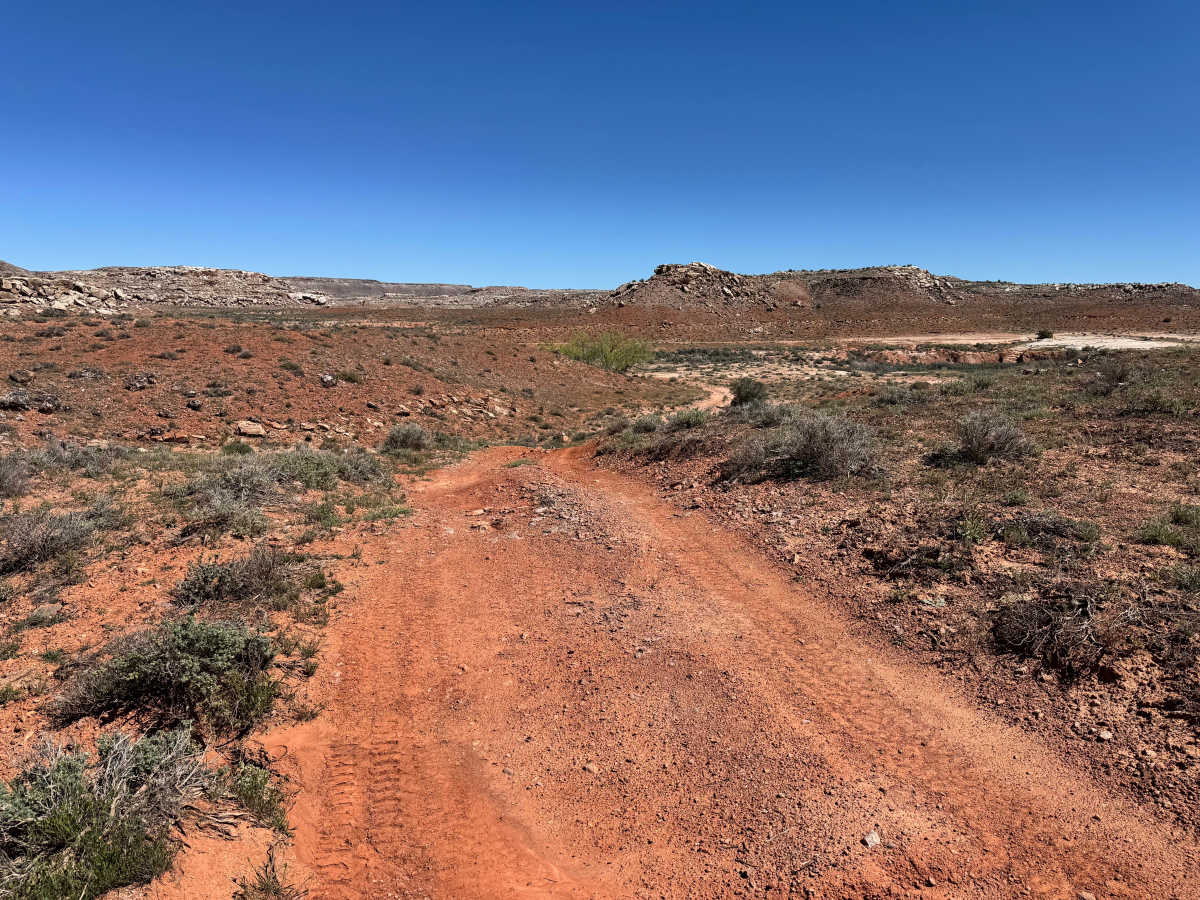
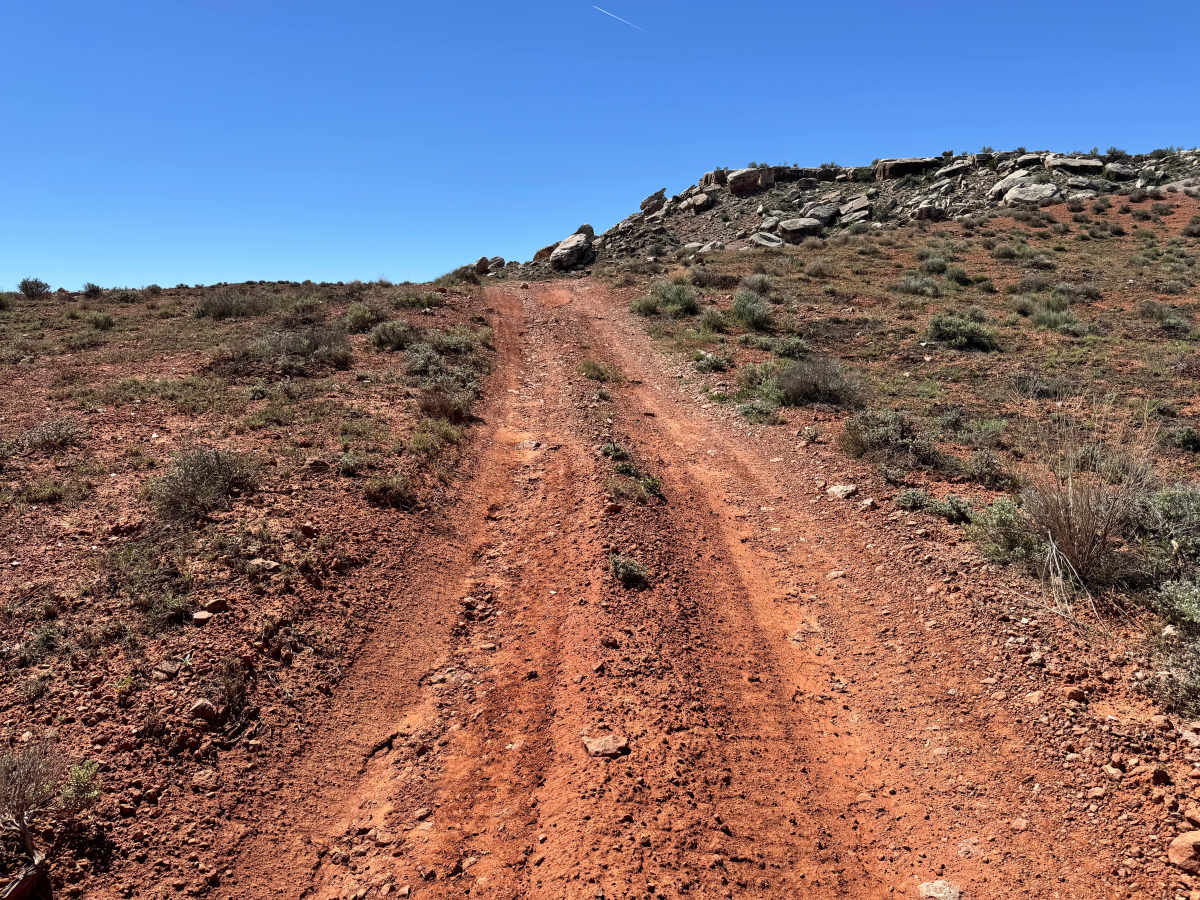
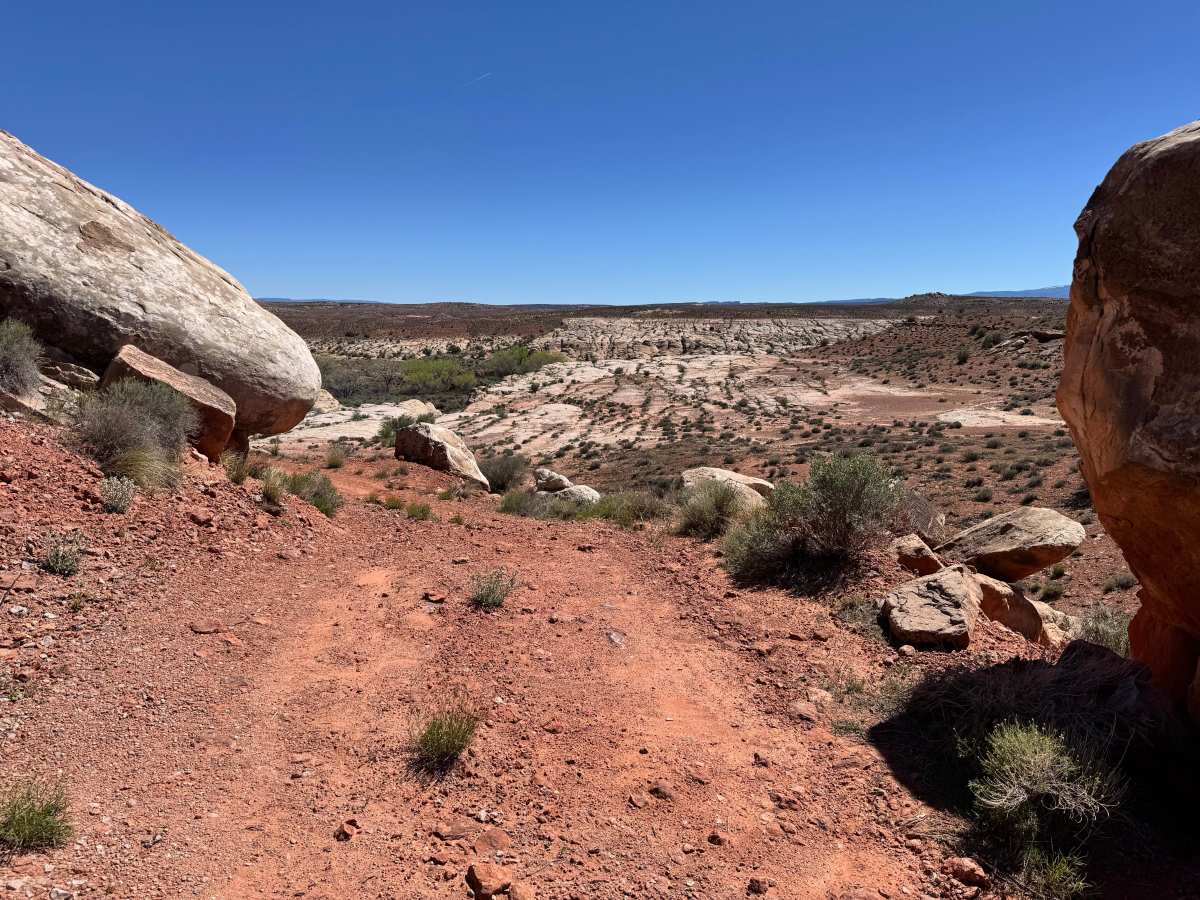
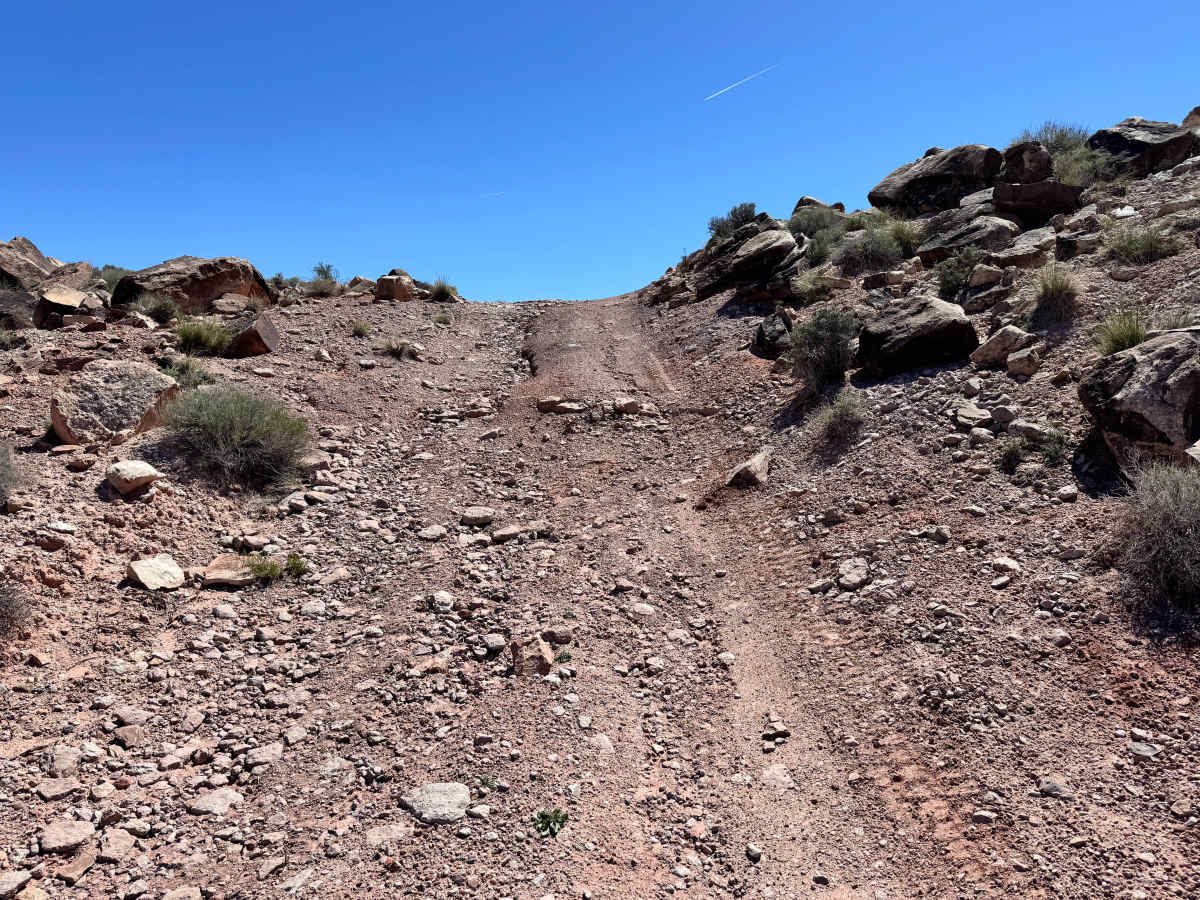
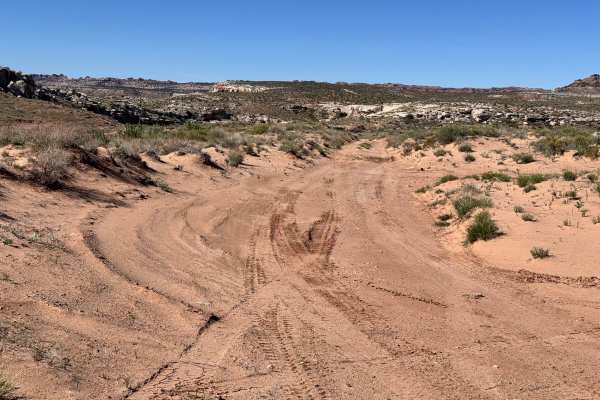
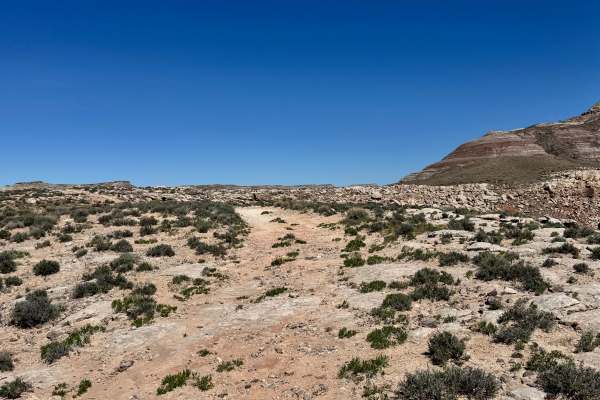
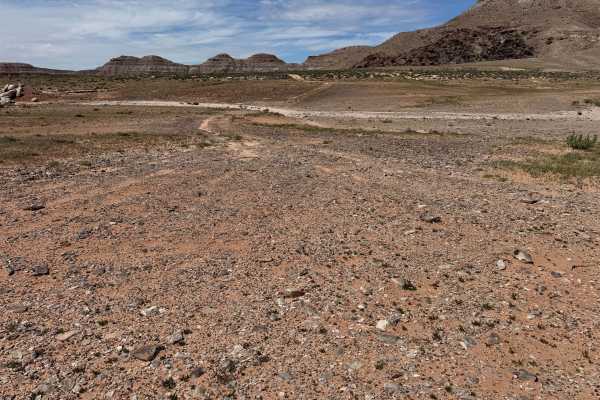
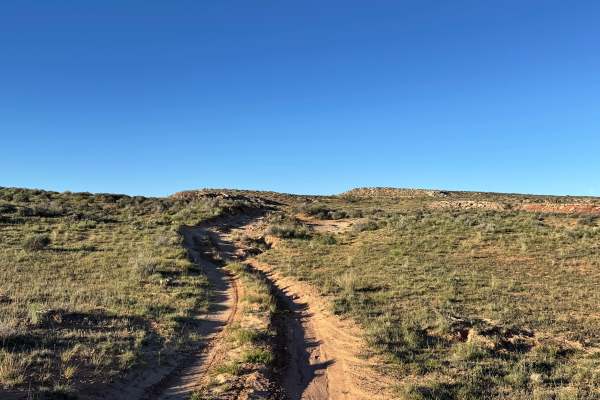
Non-Resident OHV permits apply to ATVs, UTVs, and dirt bikes. Plated street-legal vehicles typically do not need one on legal motorized routes. This route delivers a fun mix of mostly manageable desert terrain with enough obstacles to keep drivers engaged. The trail winds through open desert country, sandy washes, and narrow two-track sections surrounded by sweeping views. Most of the route is relatively easy, but several steep hill climbs add challenge, especially where loose rock and ledges up to 1 foot tall require careful tire placement and steady momentum. A few shelf road sections bring exposure and reward you with impressive scenery. The biggest obstacle is a soft sandy washout that appears to stay wet year-round. If conditions are soft, recovery could be extremely difficult due to the lack of nearby trees or solid anchor points, so travel prepared and avoid the mud after storms.
Difficulty
Most of this route is straightforward and suitable for most 4x4 vehicles. The difficulty comes from several steep climbs with loose rock, ledges up to 1 foot tall, shelf road exposure, and the soft sandy creek bed section that can quickly raise the challenge depending on conditions. In dry weather, stock 4x4s with good tires should manage it with careful driving. When wet, the sandy crossing could become the hardest obstacle on the trail and significantly increase recovery risk.
History
This region is closely tied to the uranium and vanadium mining booms that shaped eastern Utah in the mid-1900s. During the Cold War, demand for uranium surged, bringing roads, claims, camps, and small industrial sites into the desert. Evidence of that era remains today in the form of old structures, fenced or barricaded mine openings, tailings areas, and abandoned access roads. These remnants are part of the area’s story; look at and photograph them without disturbing anything.