Trail Overview
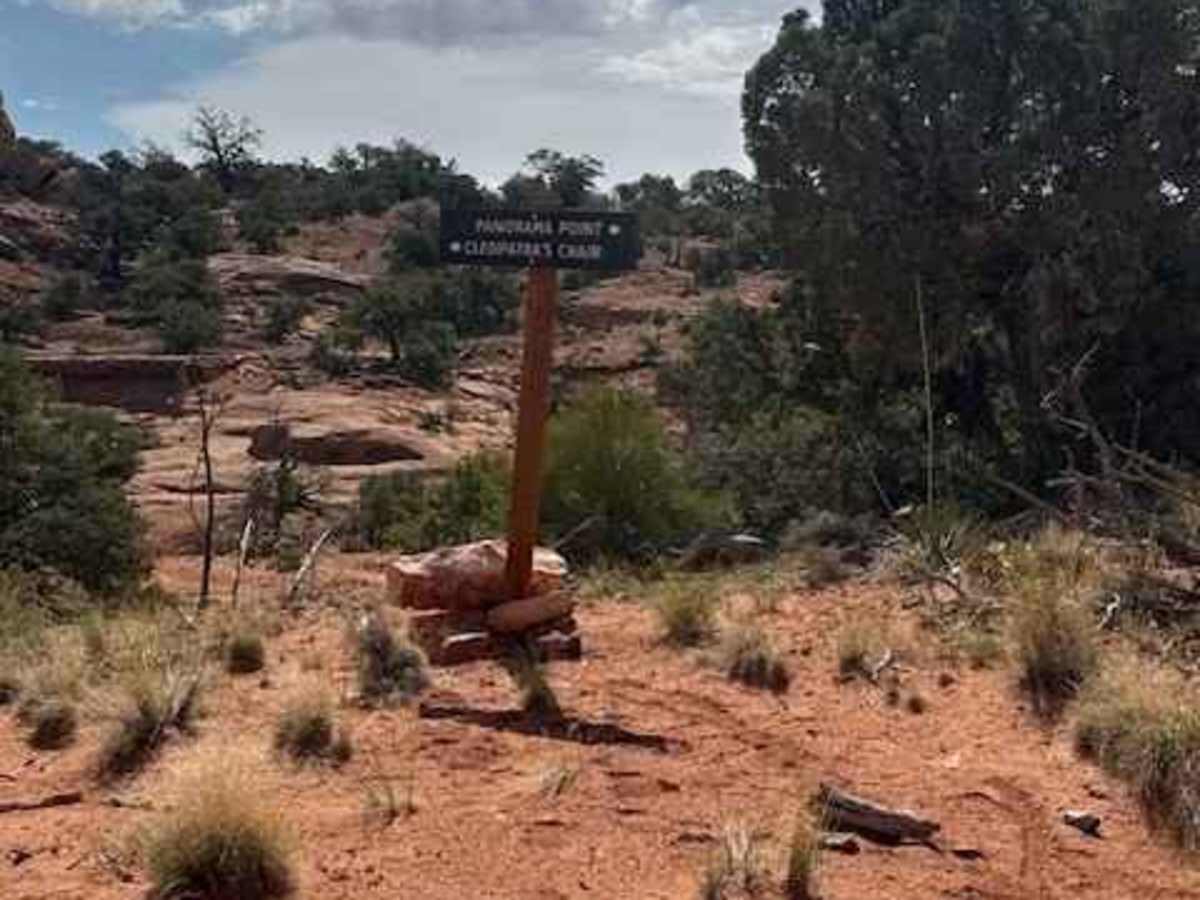
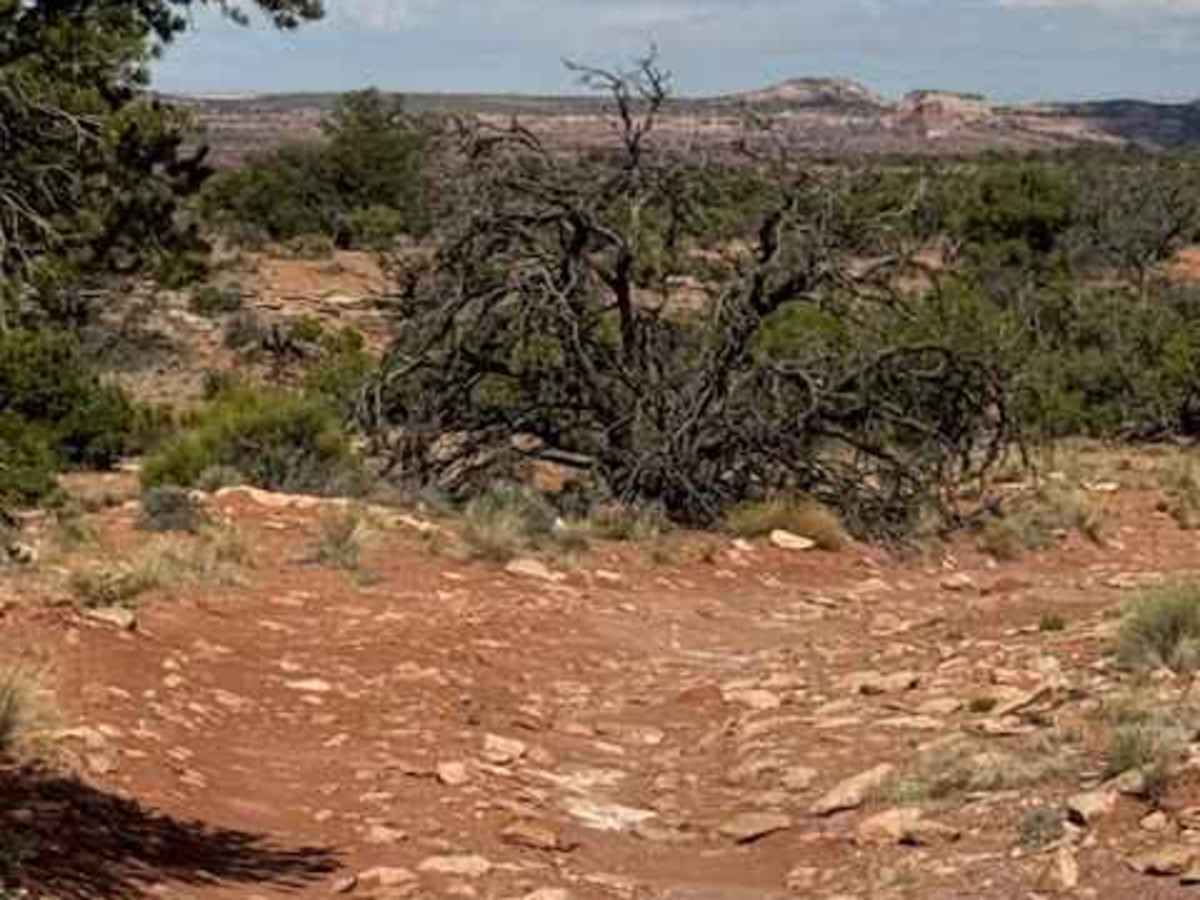
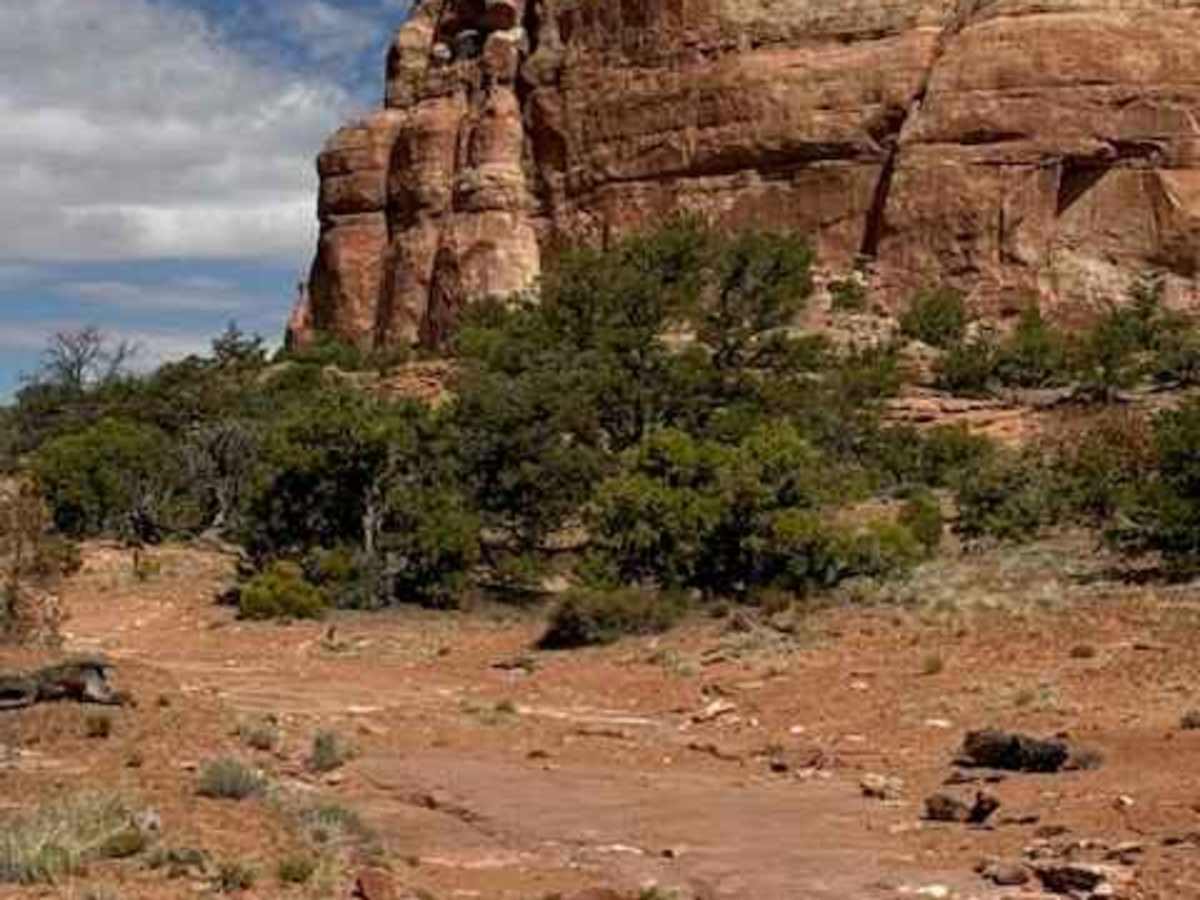
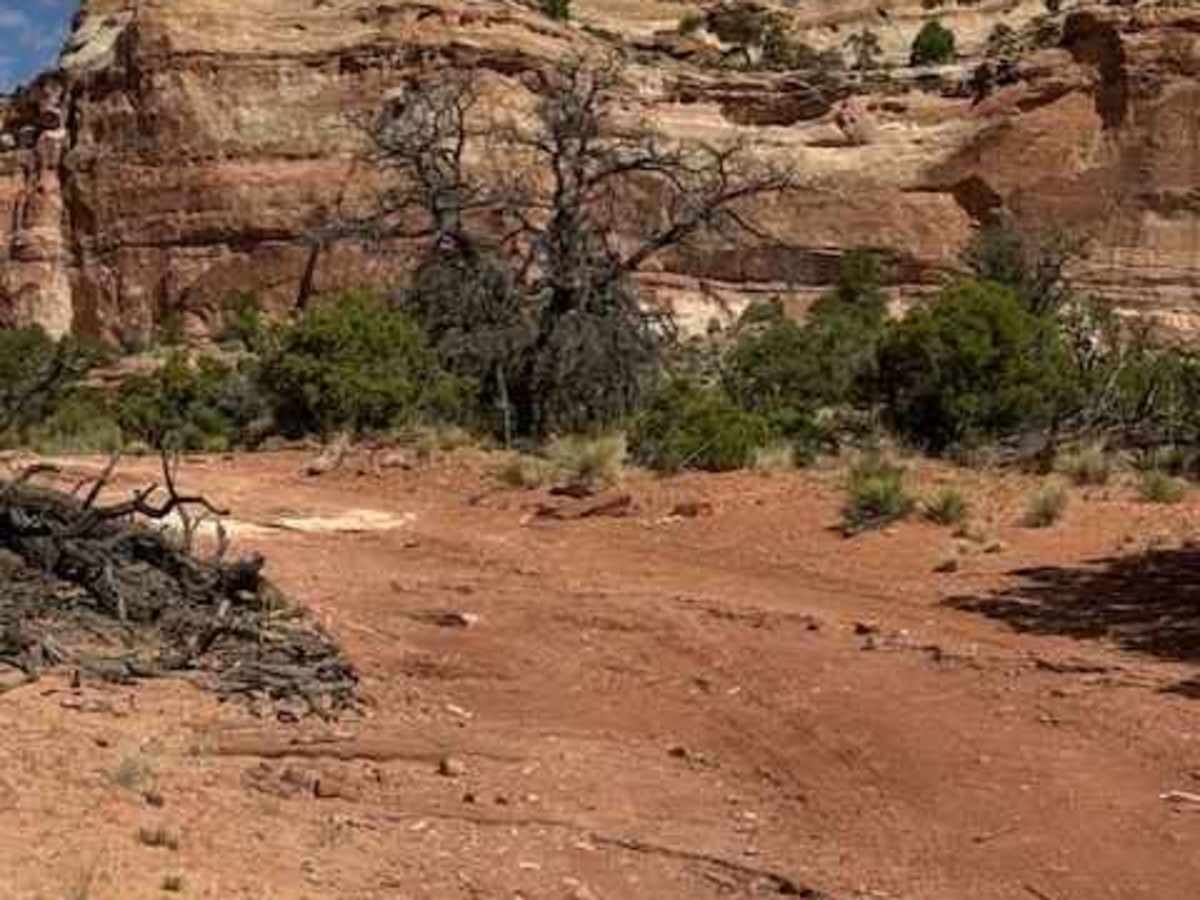
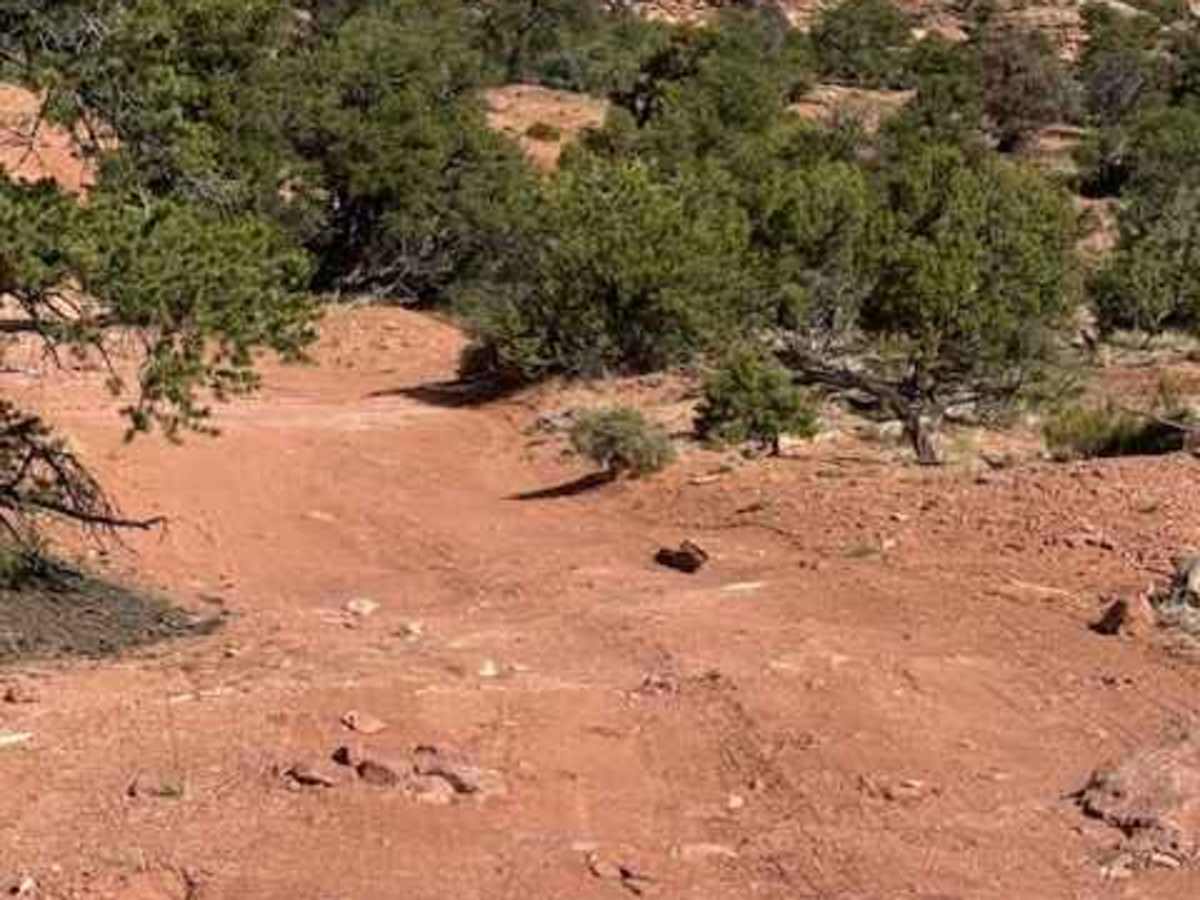
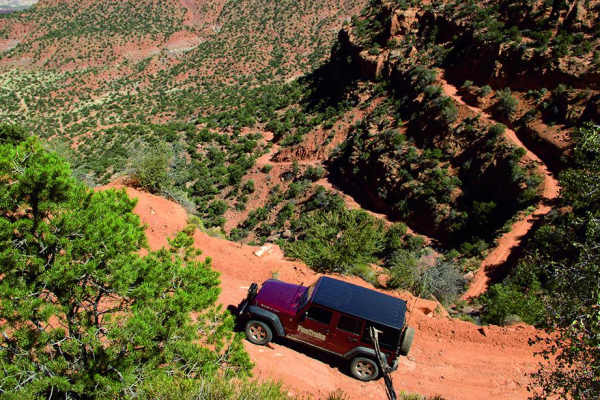
The trail begins at the Y intersection off Panorama Point Trail—stay left. This is an out-and-back red dirt trail with rocky, bumpy sections throughout. Right at the start, you’ll encounter a small 12” rock ledge before the trail winds around the first large rock butte lined with juniper and pine trees.
As you round the butte, the top of Cleopatra’s Chair starts to come into view. Along the way are a few rock garden steps and mild obstacles—nothing too technical, just watch your wheel placement and pick your line carefully.
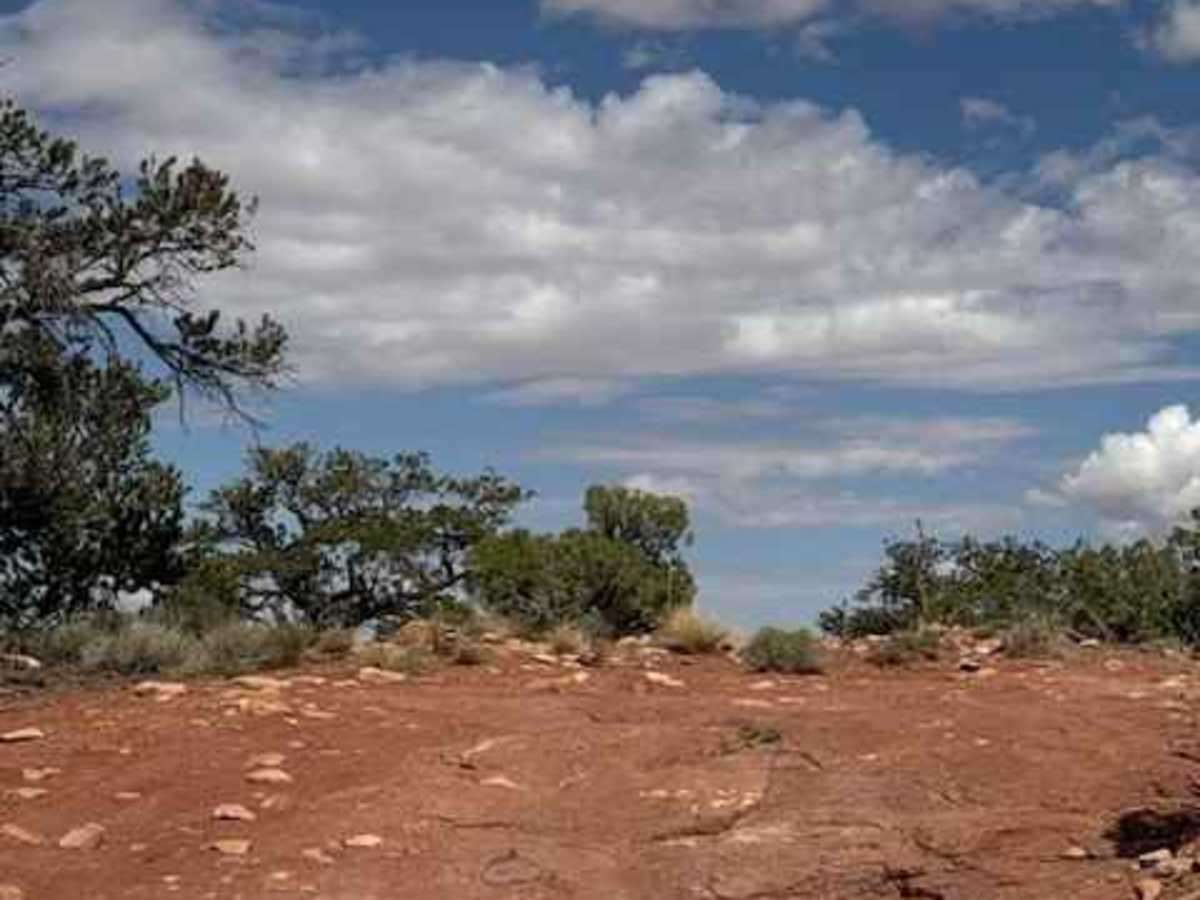
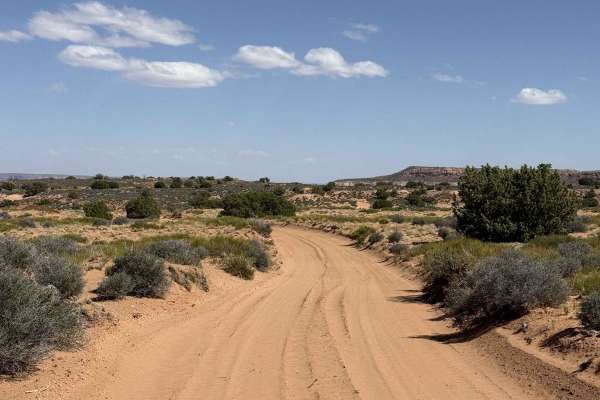
From there, the trail continues through classic desert scenery with softer dirt and fewer rocks. In wet weather, this section could quickly become impassable.
The trail eventually drops into camp directly in front of the south-facing side of Cleopatra’s Chair. Campsites are fairly flat with incredible 360° views. Camp must remain contained within the wooden post boundaries, as the trail beyond camp has been closed and now appears to continue as a hiking route only.
Permit required to camp. A National Park pass is required to enter the park.
Fun trail with mellow obstacles, beautiful scenery, and rewarding views the entire way. Trail ends at camp, much shorter trail than digital and paper maps show.
Difficulty
Few rock shelf obstacles, soft sand, 12” ledges. Permit required, park pass required. Impassable in bad weather.
History
The name “Cleopatra’s Chair” comes from the unique sandstone formation resembling a massive stone throne perched above the surrounding canyon country. The area became known among overlanders and backcountry explorers for its dramatic views, extreme remoteness, and difficult access requiring high-clearance four-wheel drive vehicles. Long before becoming part of Canyonlands National Park in 1964, the region was traveled by Indigenous peoples, early ranchers, prospectors, and uranium miners navigating the harsh desert landscape. Today, the trail remains one of the more remote adventures in Canyonlands, offering sweeping views of the Maze District and a glimpse into the rugged history of southeastern Utah exploration.