Trail Overview
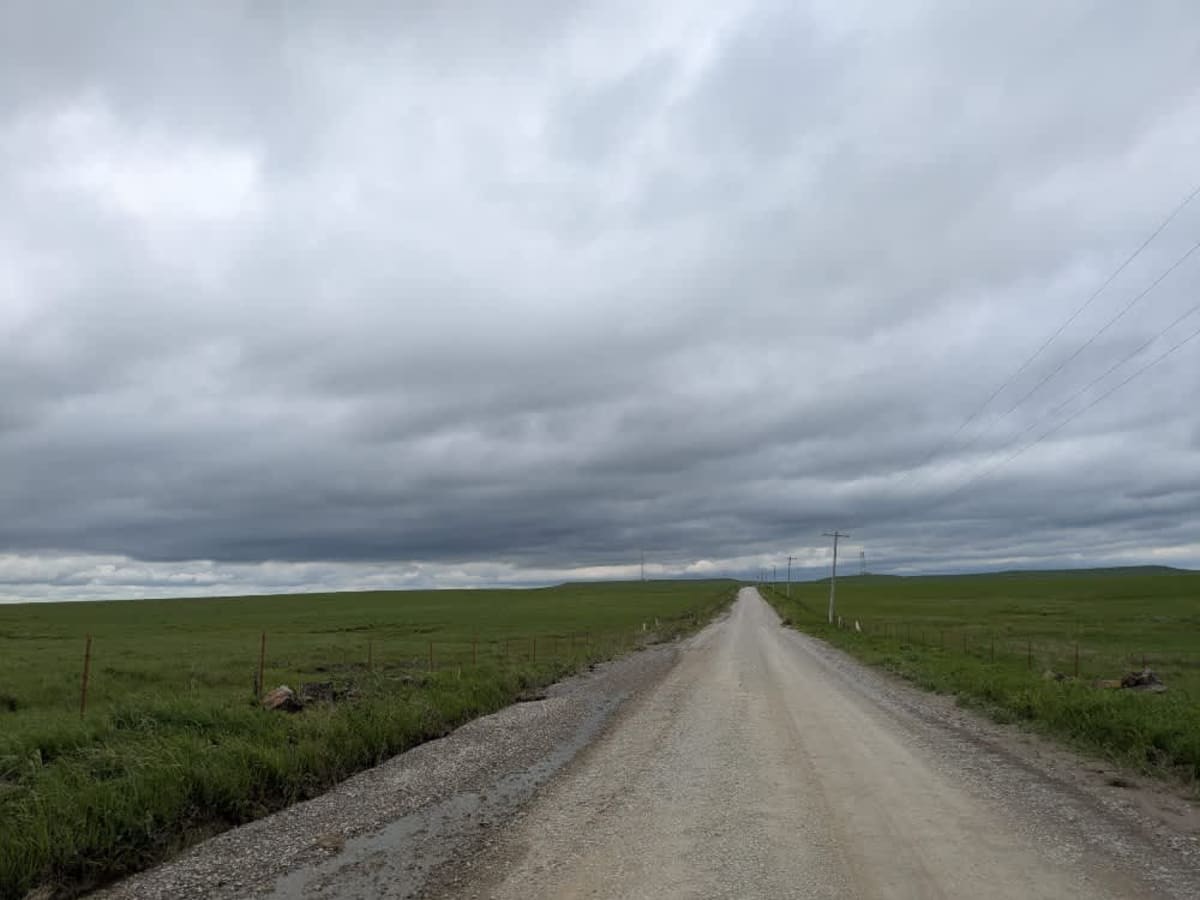
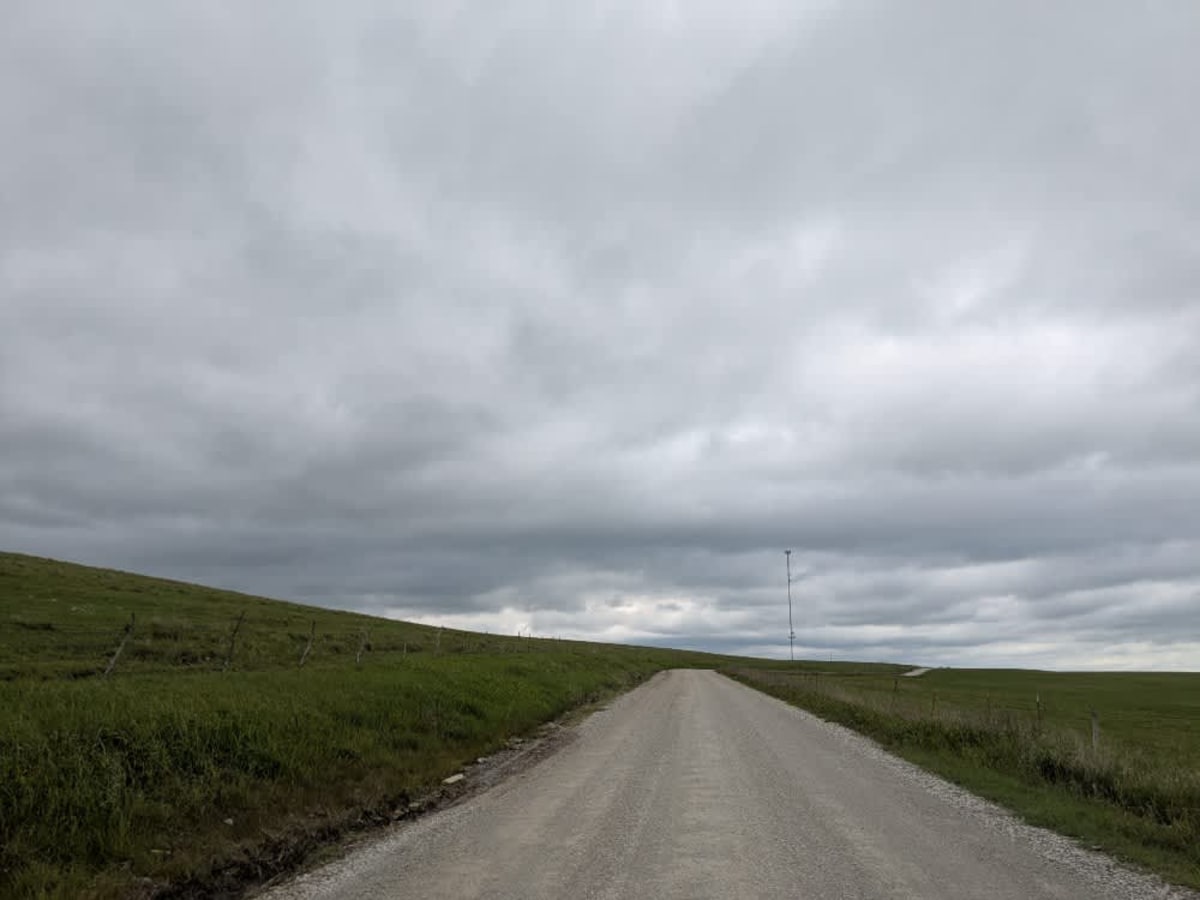
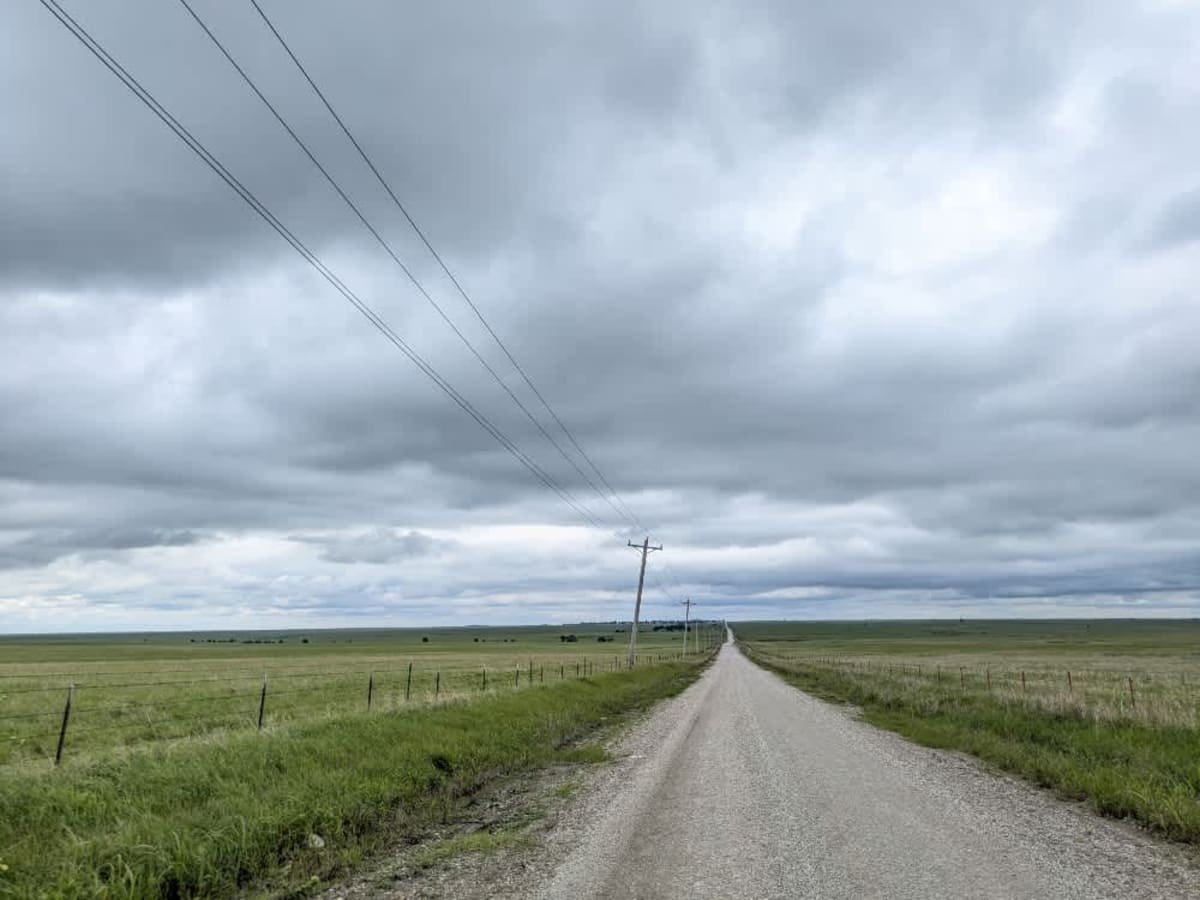
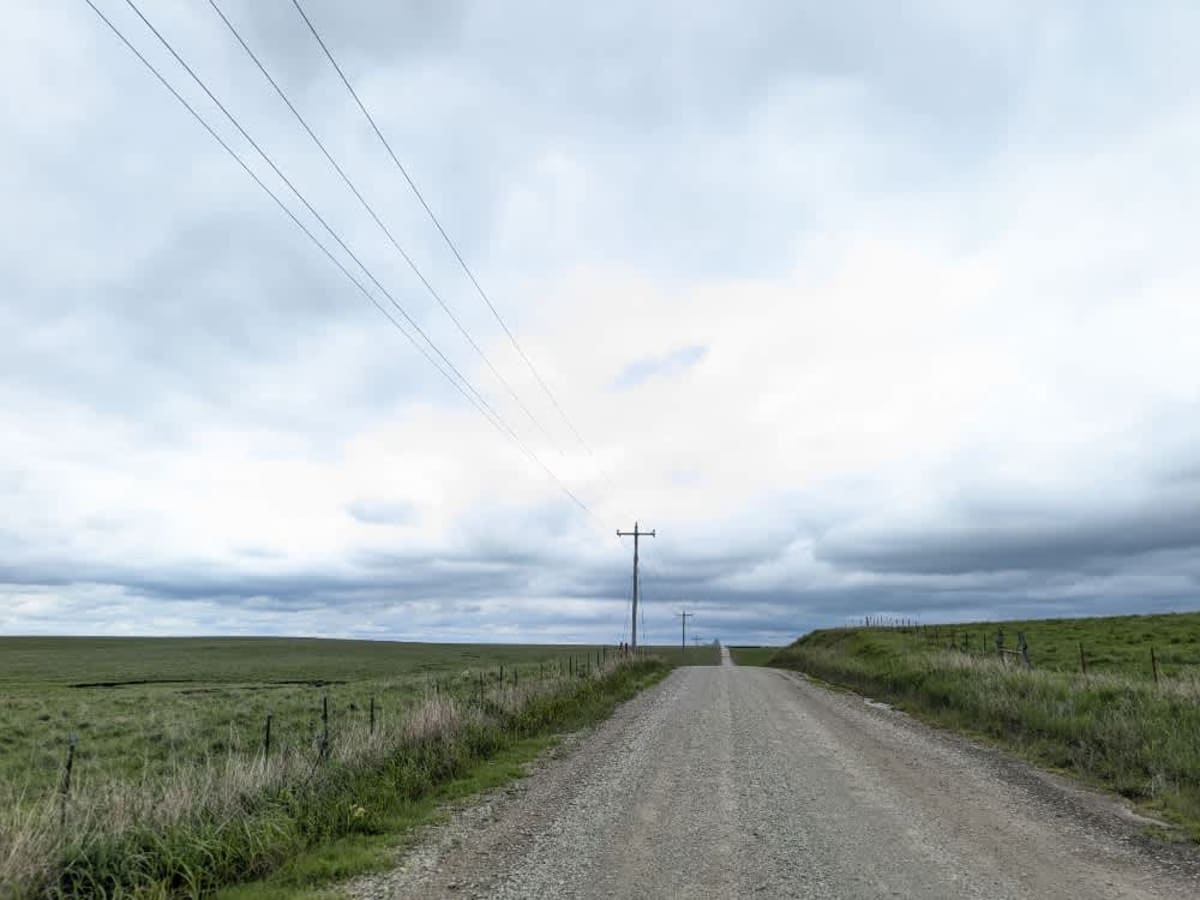
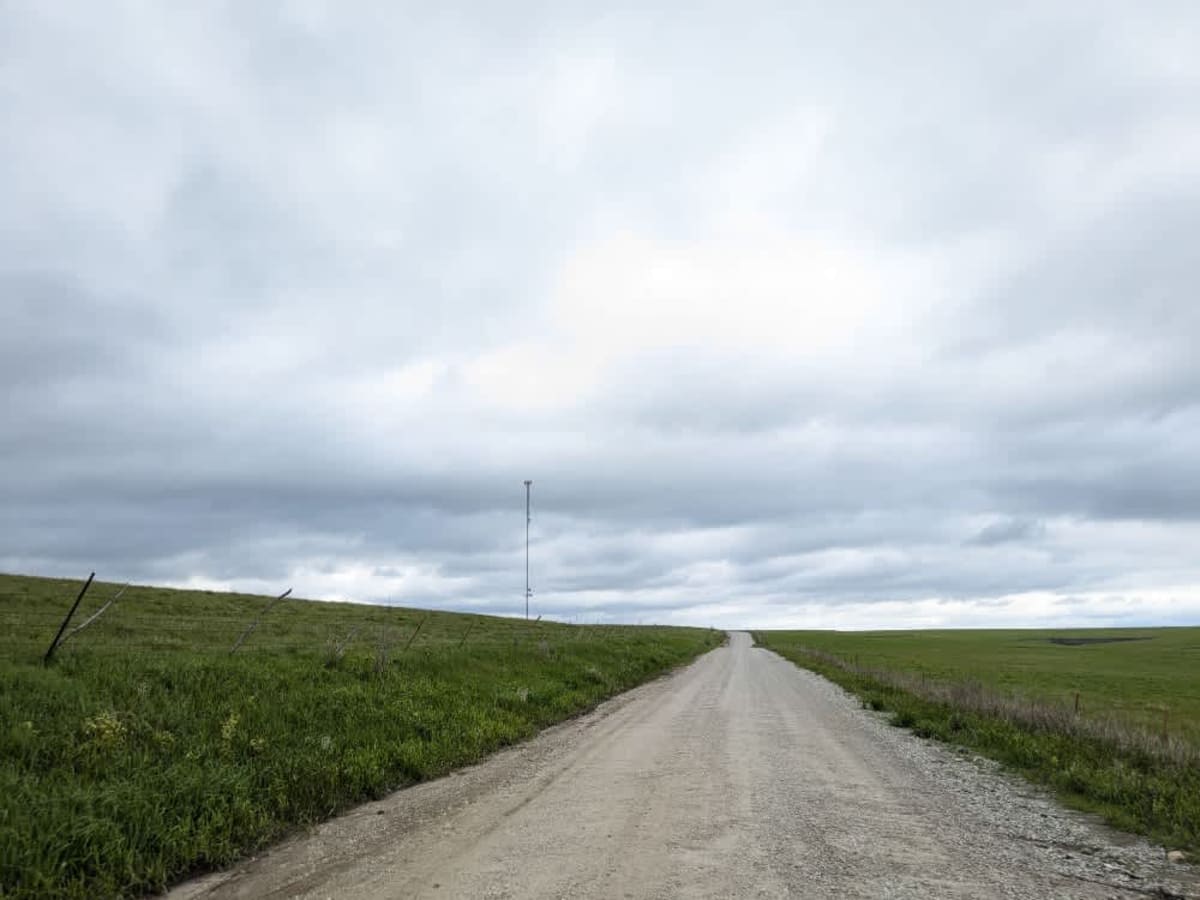
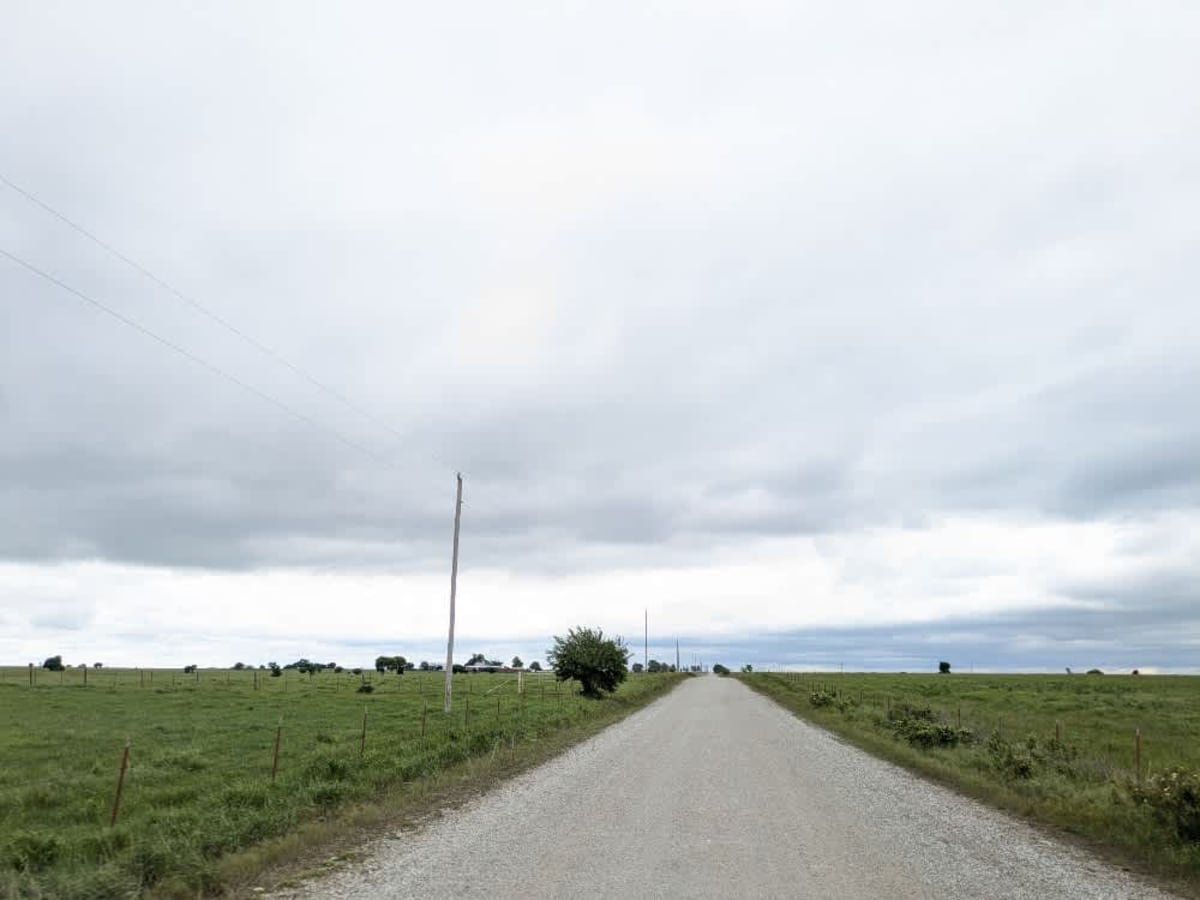
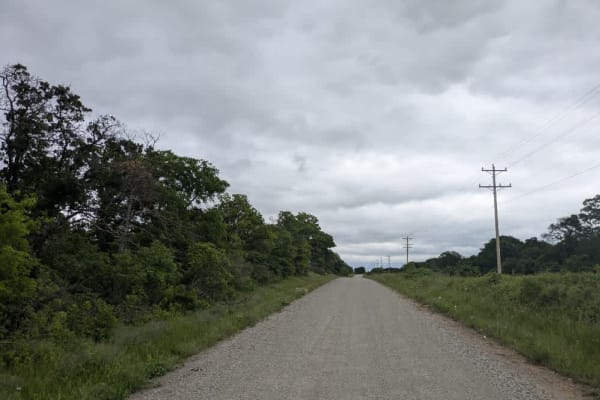
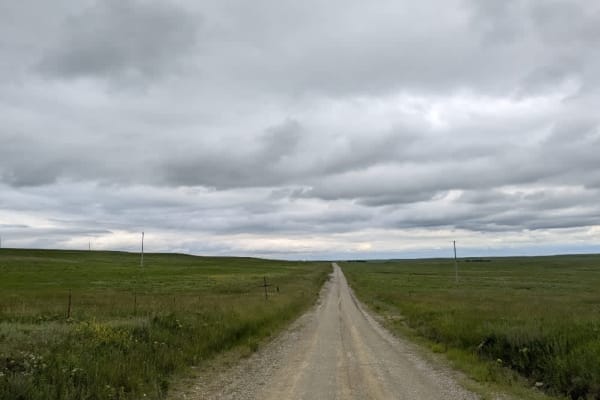
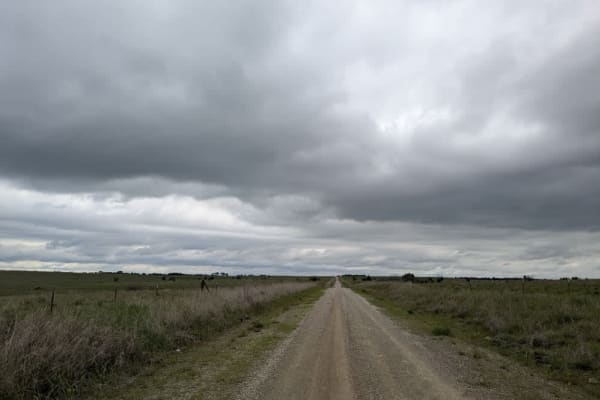
The route rolls out as a loose-gravel back road that is generally sound but still rattled by washboard ridges and potholes left behind by recent storms and the trucks that rumble through. Long, straight stretches dominate, bending only now and then around low rises so you can drink in an endless panorama of grass-covered hills dotted with unhurried cattle. We met just a few other vehicles, making it easy to pause, cue up the "Twister 2" soundtrack, and enjoy the breeze without rushing. You will not find campsites, bins, or a potable tap here, and the phone signal fades, so check your onX coverage before you set off.
Difficulty
This road consists primarily of well-maintained county gravel roads and rural connectors running through the eastern edge of the Flint Hills. Roads are graded regularly, wide enough for two vehicles to pass, and suitable for all high-clearance vehicles and most passenger vehicles in dry conditions.
History
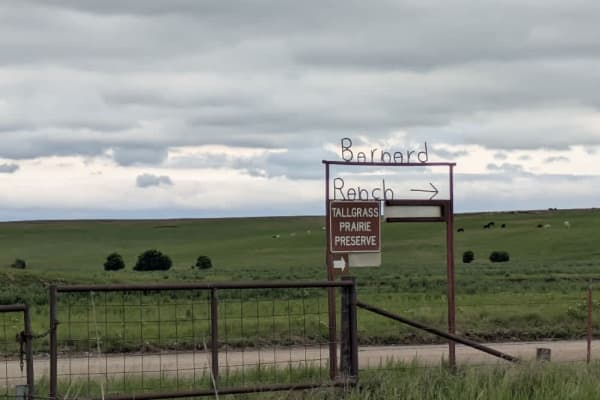
This route traces the historic heartland of the Flint Hills, a region that has remained largely untouched by modern agriculture due to its shallow, rocky soils--making it one of the last strongholds of North America's tall grass prairie. The trail crosses land with deep cultural roots--from Native American hunting grounds to working cattle ranches. Expect long views over tallgrass prairie, passing ghost towns, century-old barns, and scenic byways that have carried generations of ranchers and travelers alike.