Trail Overview
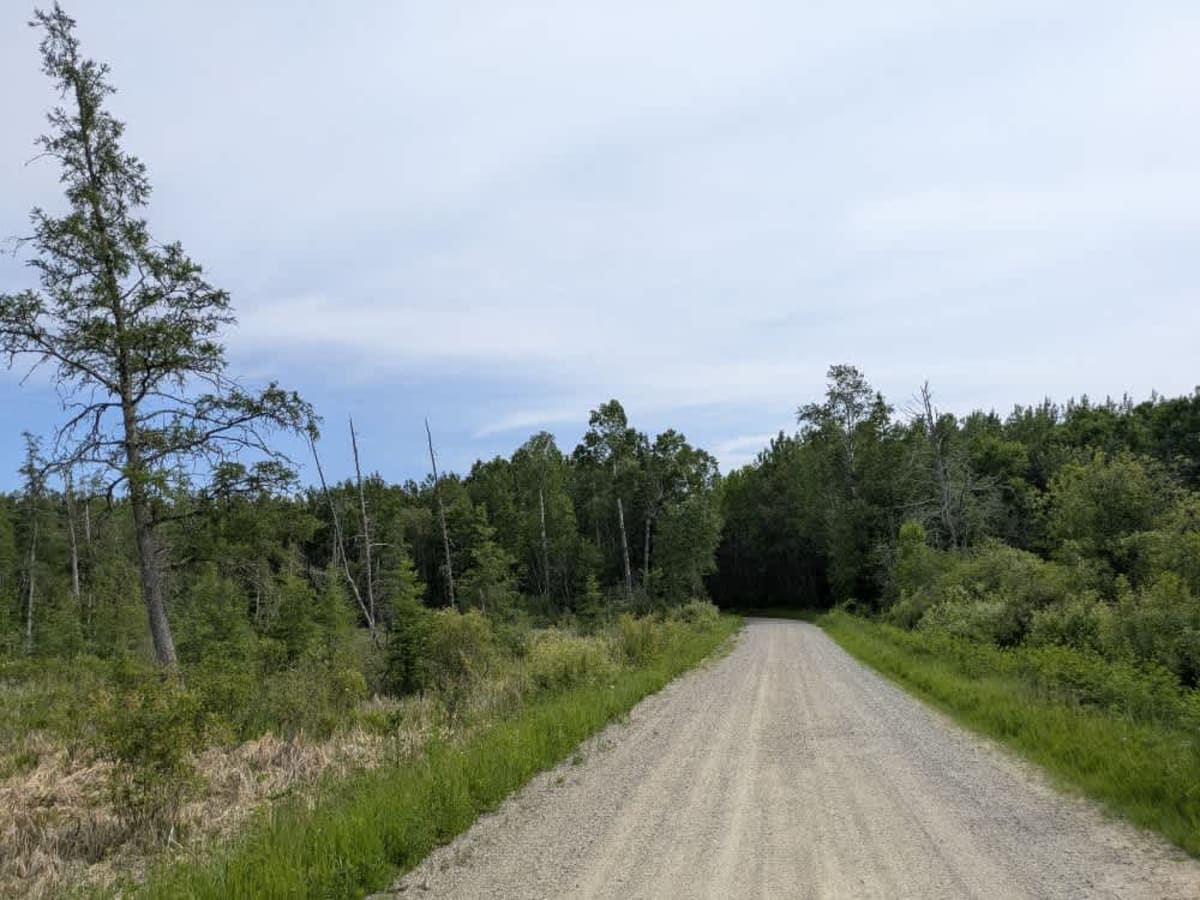
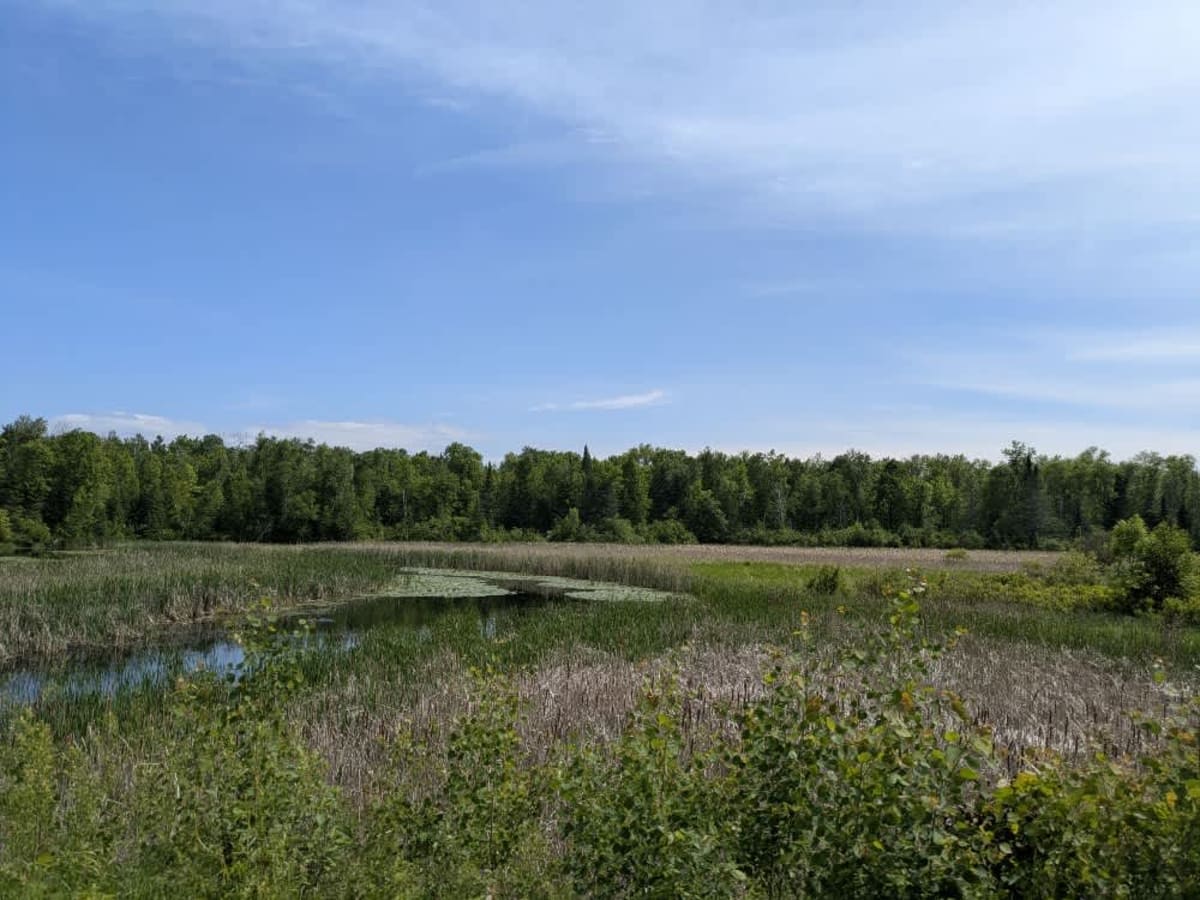
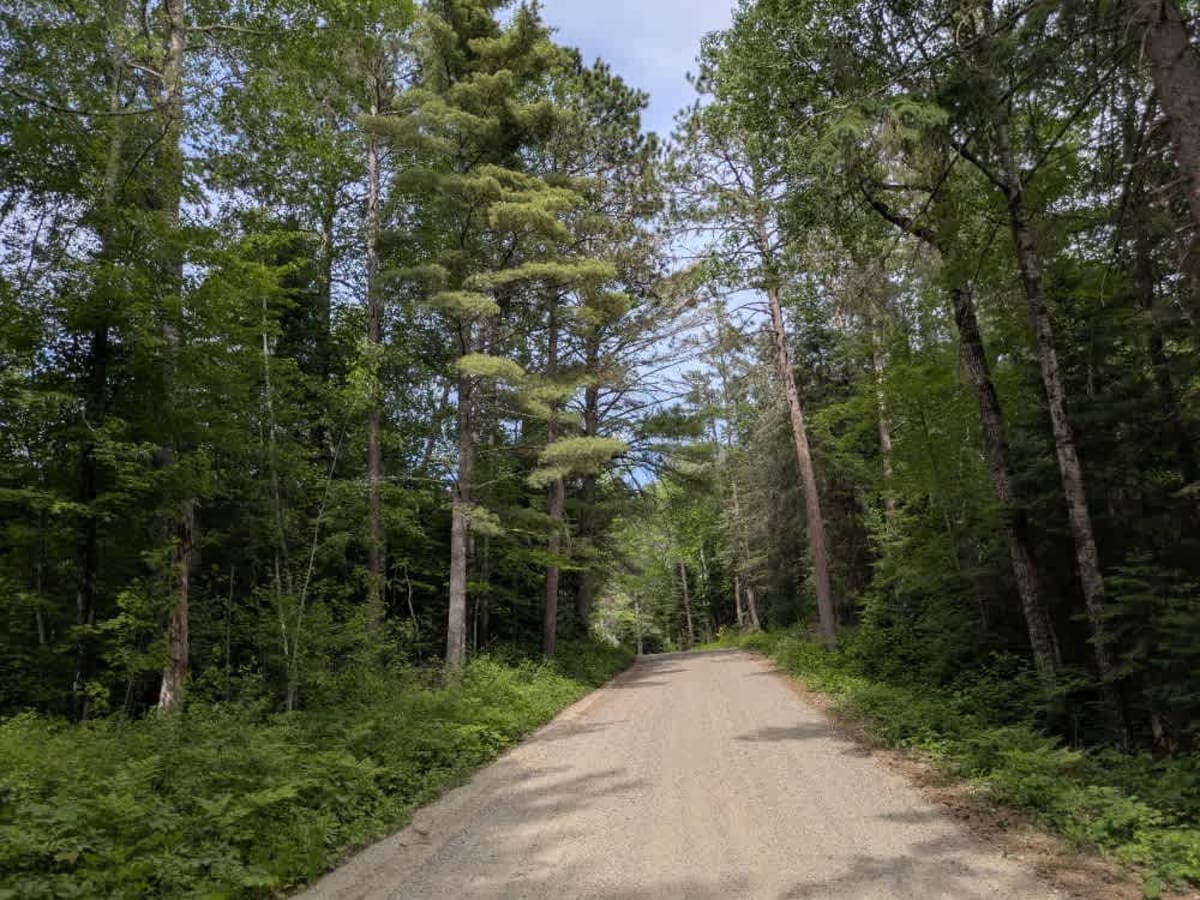
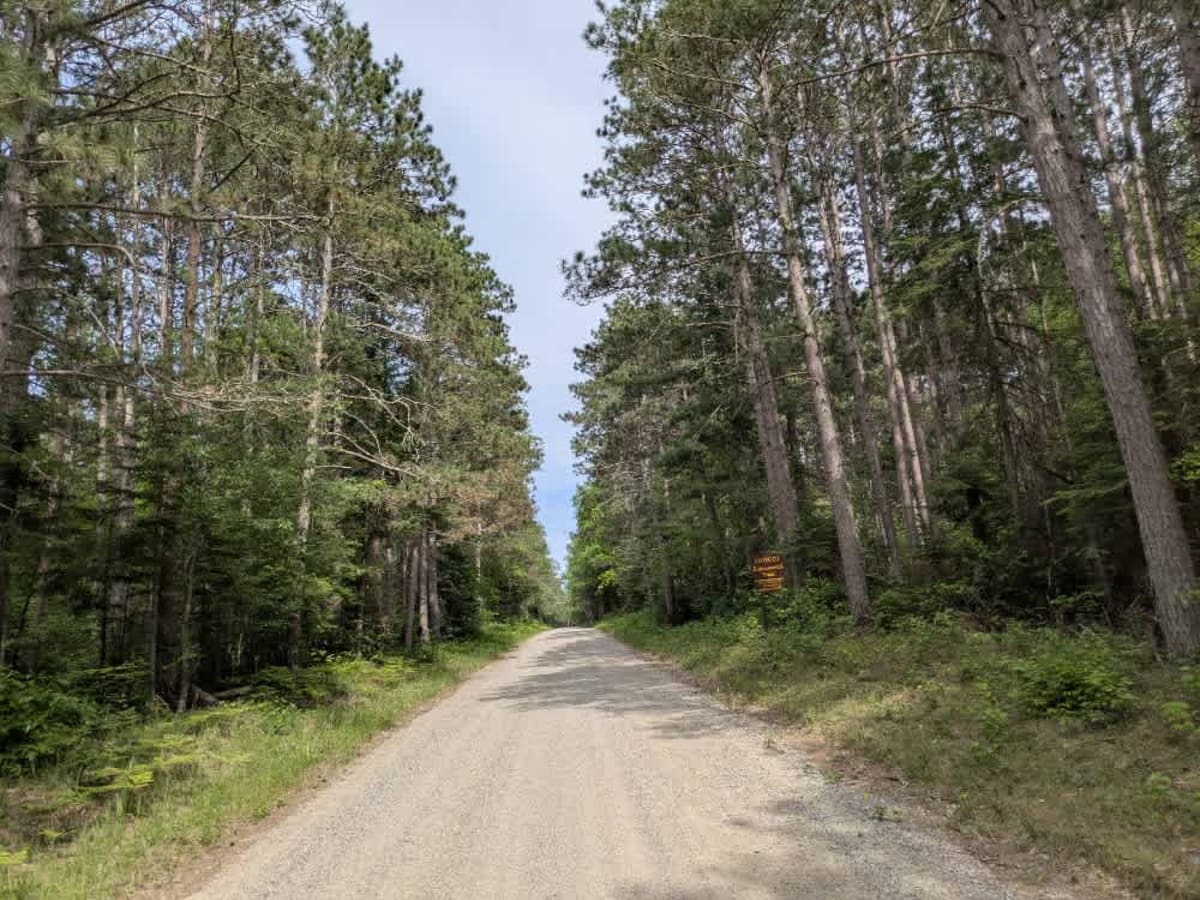
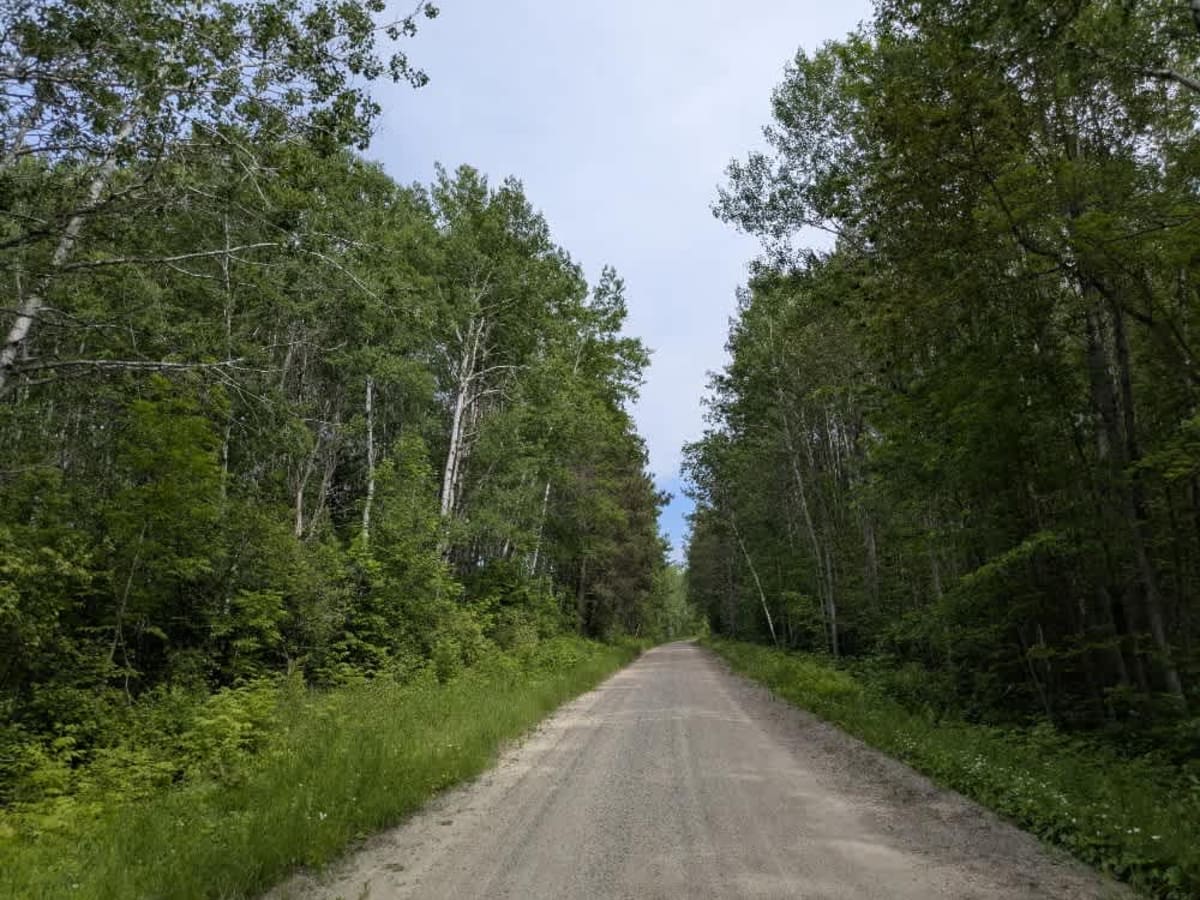
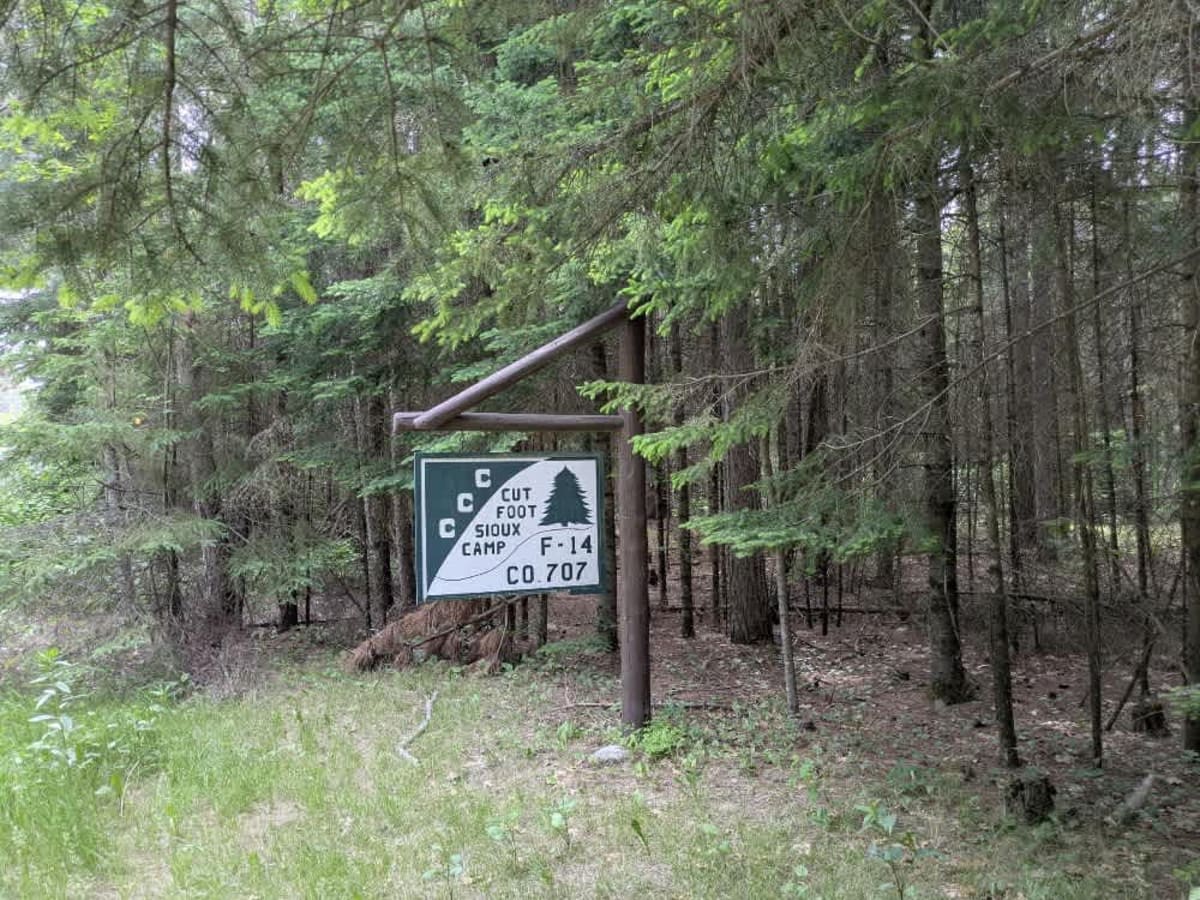
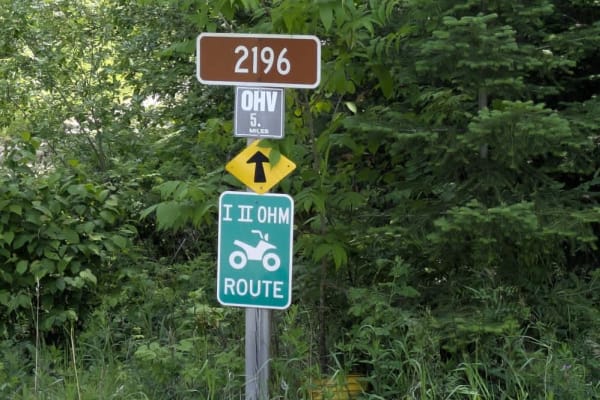
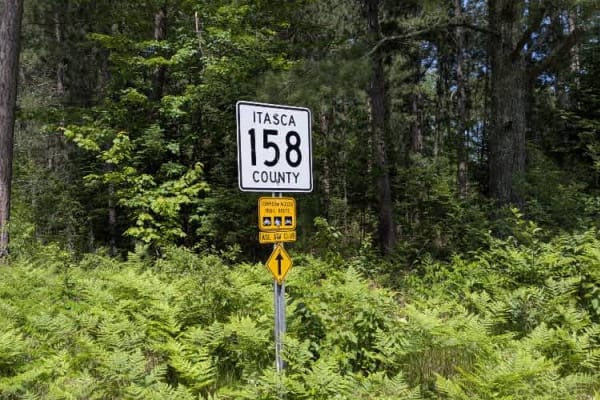
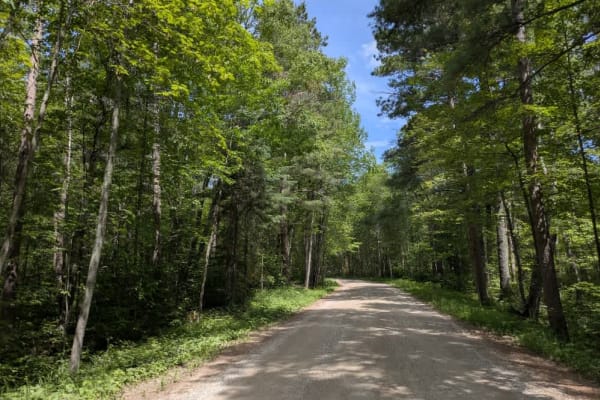
This trail serves as one of the main routes through the area and is popular among OHV users. It is long and generally well-maintained, though certain sections are bumpy, potholed, or corrugated. The trail winds primarily through the forest, crossing several bridges and passing a few lakes along the way. Multiple smaller trails branch off from the main route, offering opportunities for further exploration. A horse camp is located along the trail, and drivers should remain cautious of local traffic and trail riders. At one end of the trail lies the historic Cut Foot Sioux camp, a Civilian Conservation Corps site active during the Great Depression. Young men stationed there between 1933 and 1941 were responsible for building much of the region's early infrastructure, including roads and campgrounds, before many of them were sent to serve in the war. There are no formal or dispersed campsites along the trail, and it lacks amenities such as water and trash disposal. Cell service is available throughout most of the route.
History
Covering more than 1.6 million acres of glacial lakes, red-pine uplands, and sphagnum bogs, Minnesota's Chippewa National Forest lets motorists experience the North Woods at an unrushed pace. Paved state highways soon yield to a lattice of numbered forest roads, most of them well-graded gravel that thread between kettle ponds and stands of towering white pine, the tree that helped earn the forest its 1908 designation as one of America's first national forests. The forest harbors one of the highest breeding densities of bald eagles in the continental United States, and patient drivers often glimpse loons, black bears, and white-tailed deer as they move from shoreline to clear-cut regrowth and back again.