Trail Overview
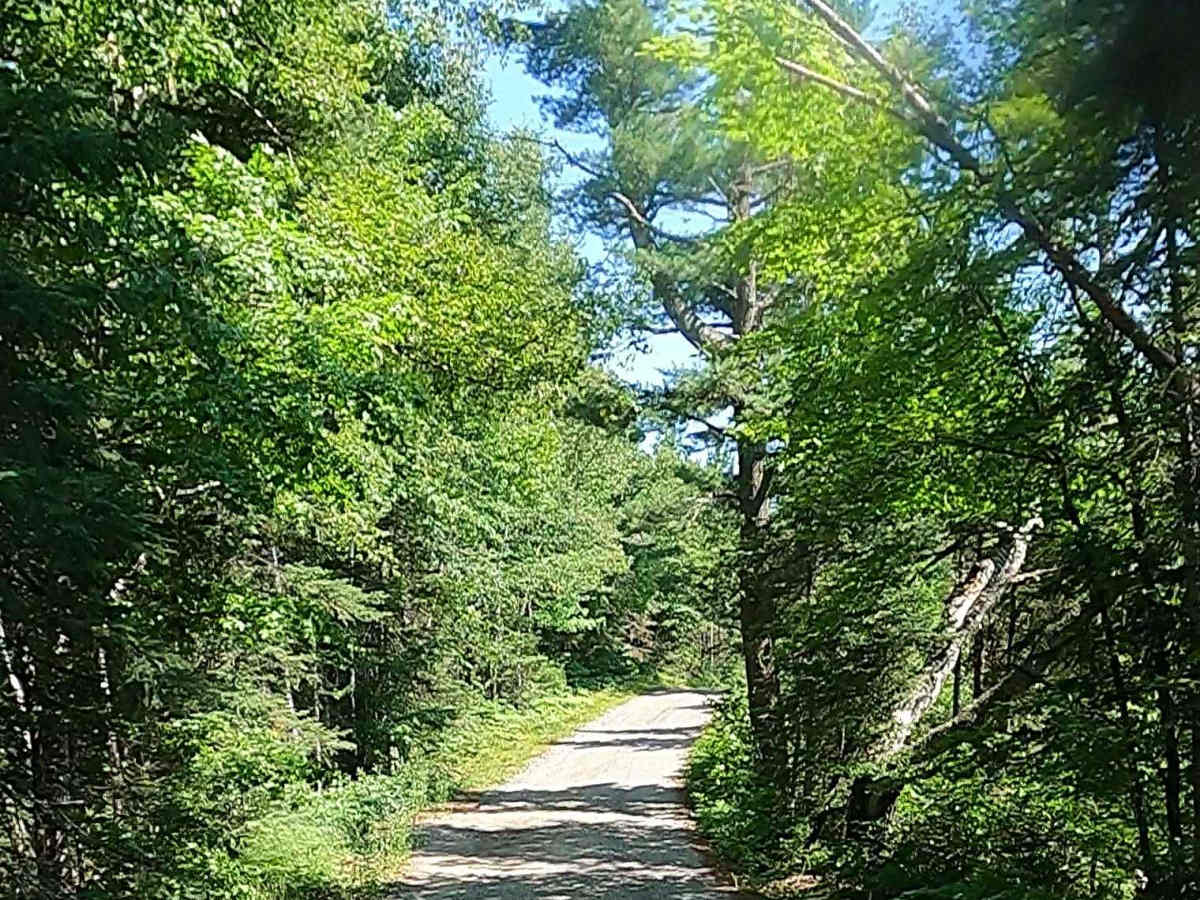
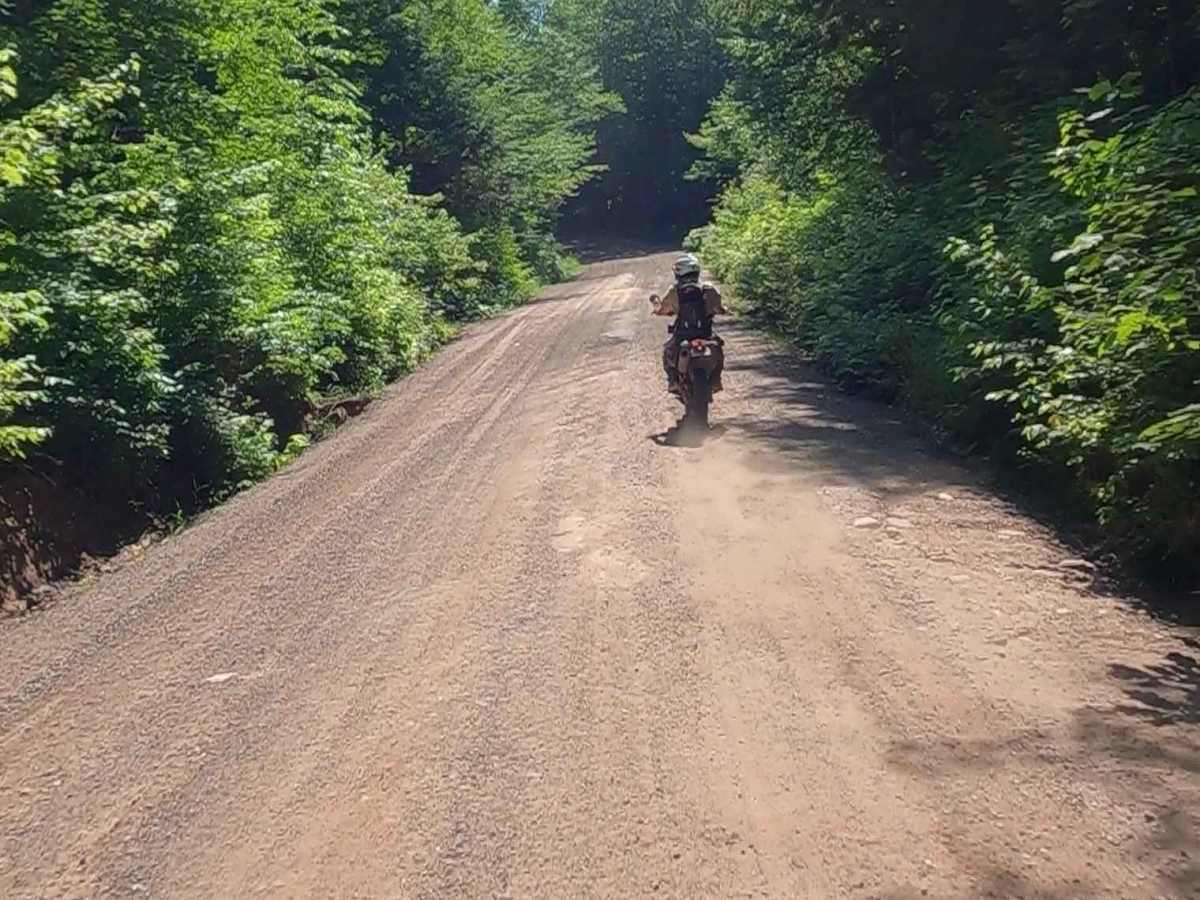
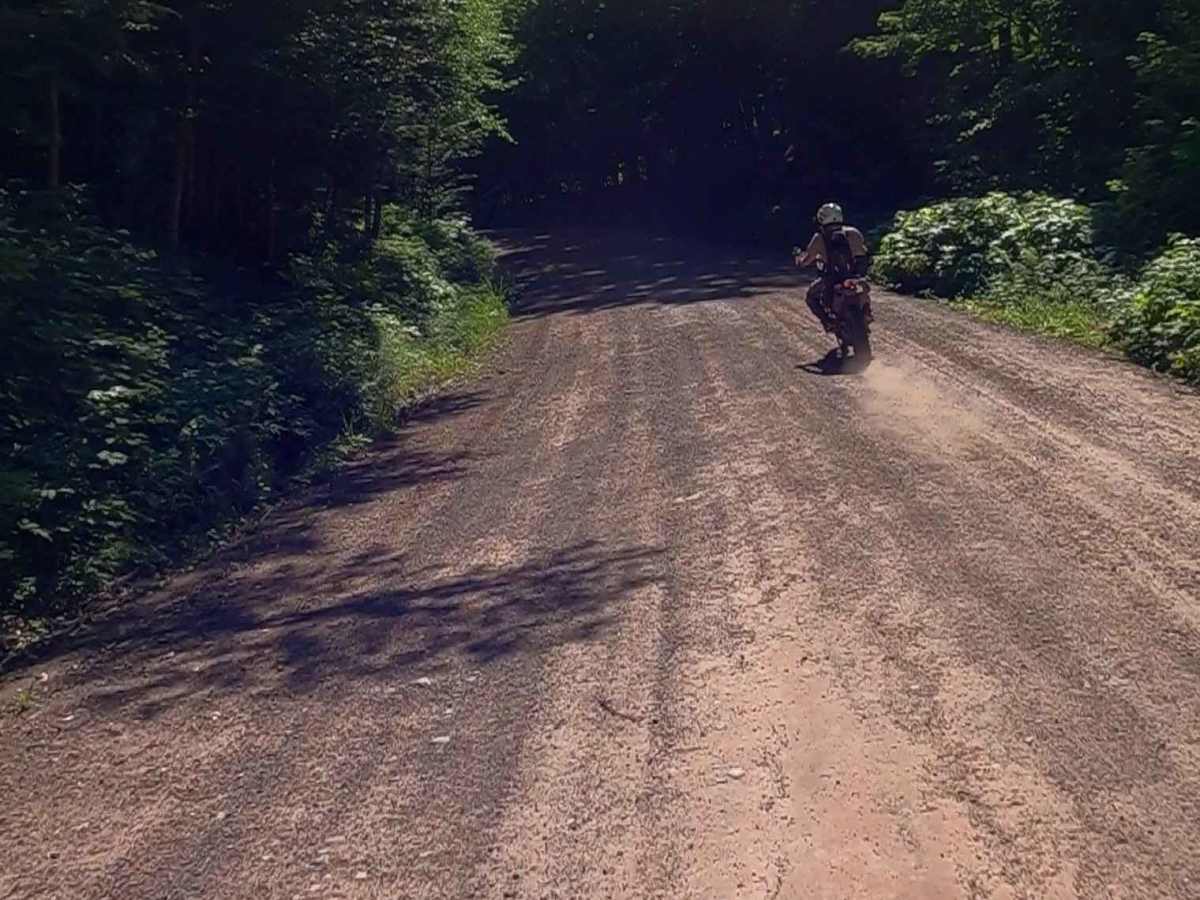
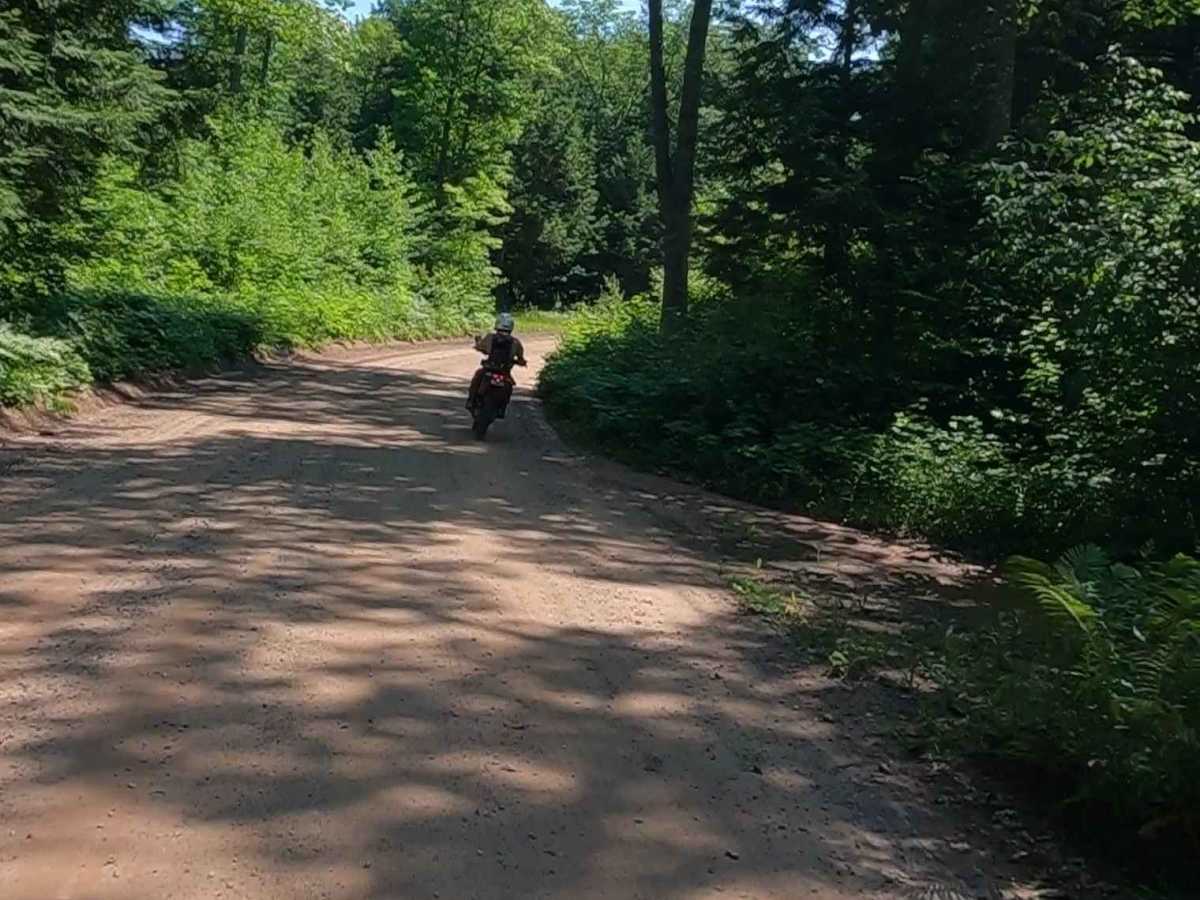
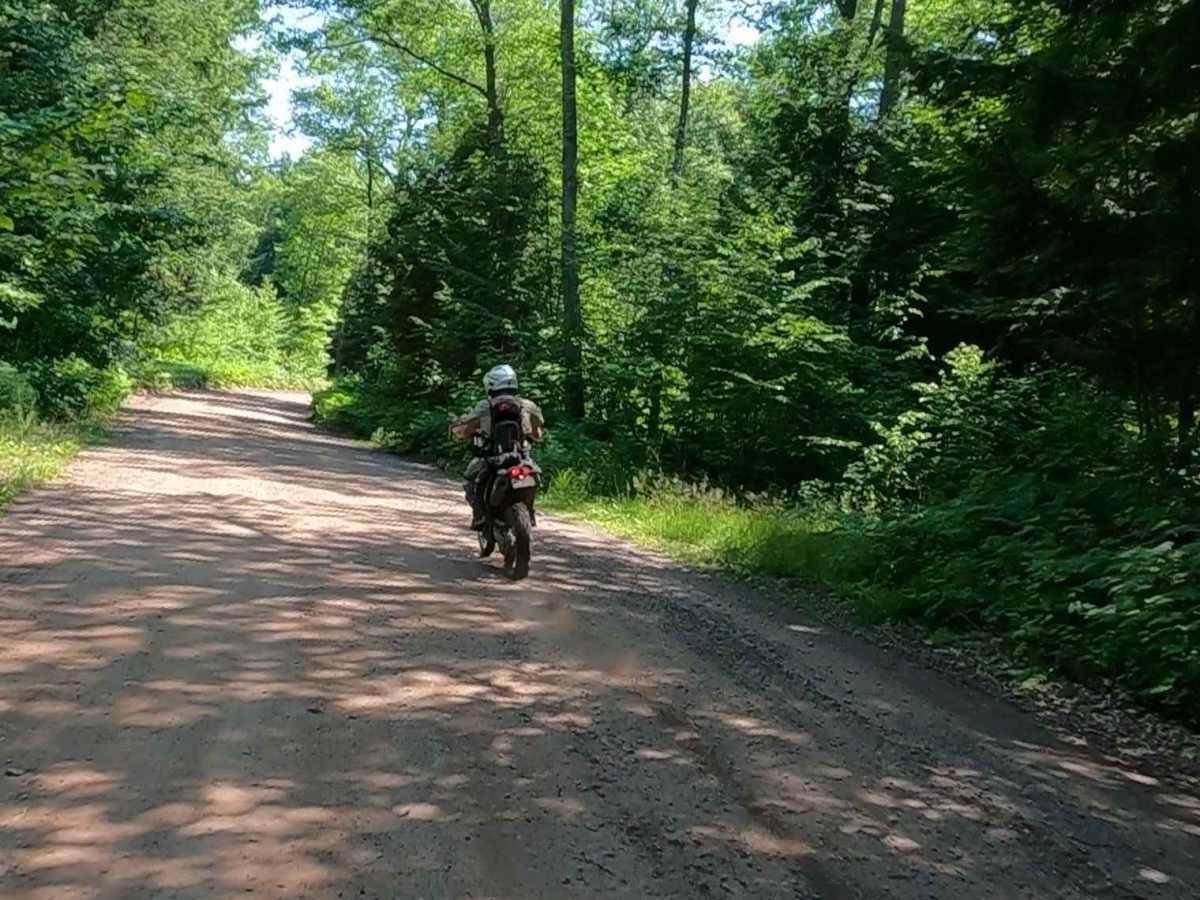
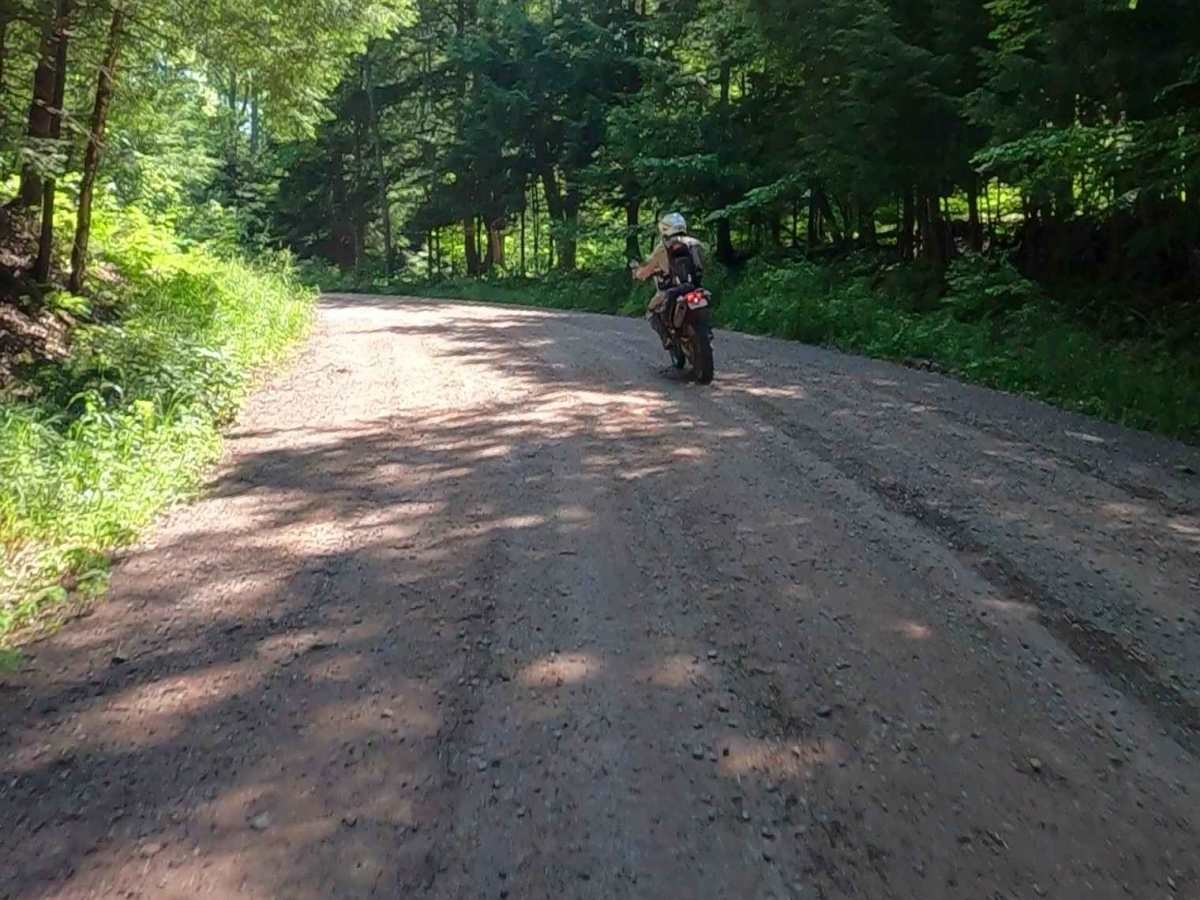
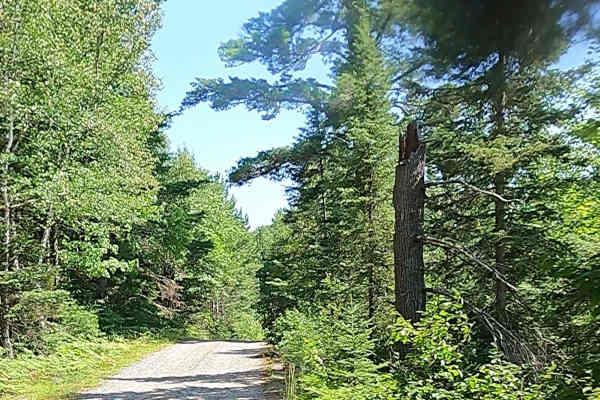
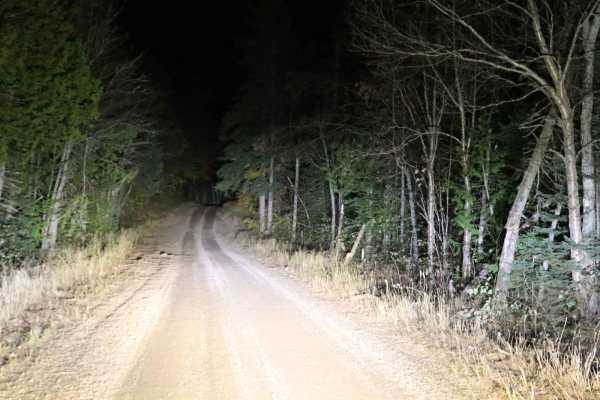
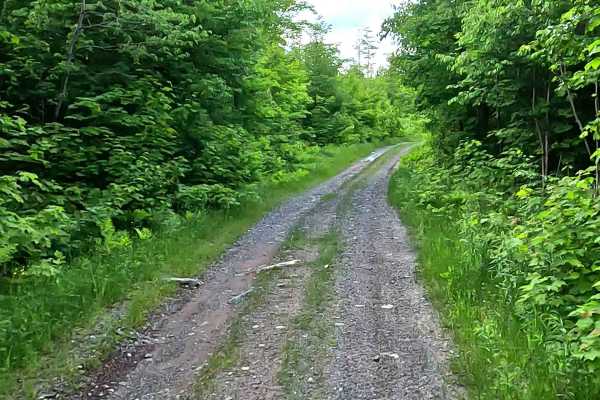
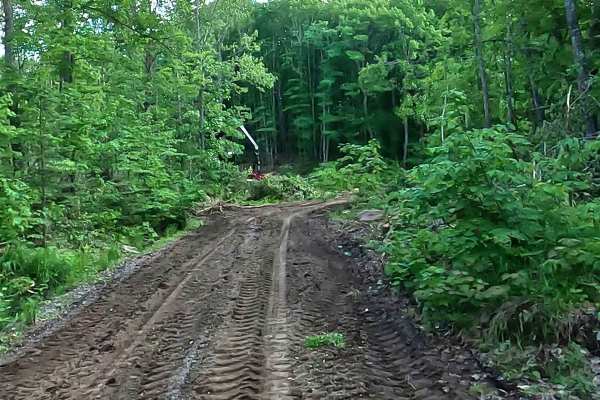
Craig Lake Road is a non-DNR road with an unspecified owner. The surface is gravel, and the overall condition is considered fair. Since it is not a DNR road, ORV use is subject to local government laws. The road remains open under current closure criteria. This route often experiences mixed traffic due to tourist interest in Craig Lake, the Teddy Lake Yurts, the Craig Lake Trailhead, and the Craig Lake State Park Trailhead.
History
Craig Lake, in Michigan's Craig Lake State Park, was once part of a large property owned by the Miller Brewing Company family and was named for Frederick Miller's son. After the tragic death of Frederick Miller and his son in a 1954 plane crash, the land was sold to logging companies, and eventually, a significant portion was given to the state to become Craig Lake State Park. The park retains some of the Miller family's cabins, including a large lodge on the lake. The Miller Family Ownership. A Private Retreat: The rugged land that now makes up Craig Lake State Park was once a vast private preserve owned by Frederick Miller, the grandson of the Miller Brewing Company founder. Lake Names: Miller named several lakes in the area after his children, including Craig Lake, which was named after his eldest son. Tragedy and Sale: In 1954, Frederick Miller and his son Frederick Jr. died in a plane crash in Wisconsin. Following this tragedy, the family eventually sold their large property to logging companies. Legacy of the Cabins: Two of the original Miller family cabins remain on Craig Lake. The larger lodge, which can sleep up to 14 people, is available for rental to the public. From Private Land to State Park. State Acquisition: The land was eventually donated to the state of Michigan for use as a public park.
Craig Lake State Park: Craig Lake is the namesake for the park, which is known for its remote and rugged wilderness. It features six islands, high granite bluffs, and is home to various wildlife like deer, black bears, beavers, loons, and moose.
Wilderness Experience: The park offers a wilderness camping experience with self-pay campsites, and visitors can canoe or portage to various lakes within the park.