Trail Overview
Road Primary Name: LITTLE BLACK RIVER.
Road Type: Non-DNR Road
ORV Status: Not a DNR Road - See local government laws
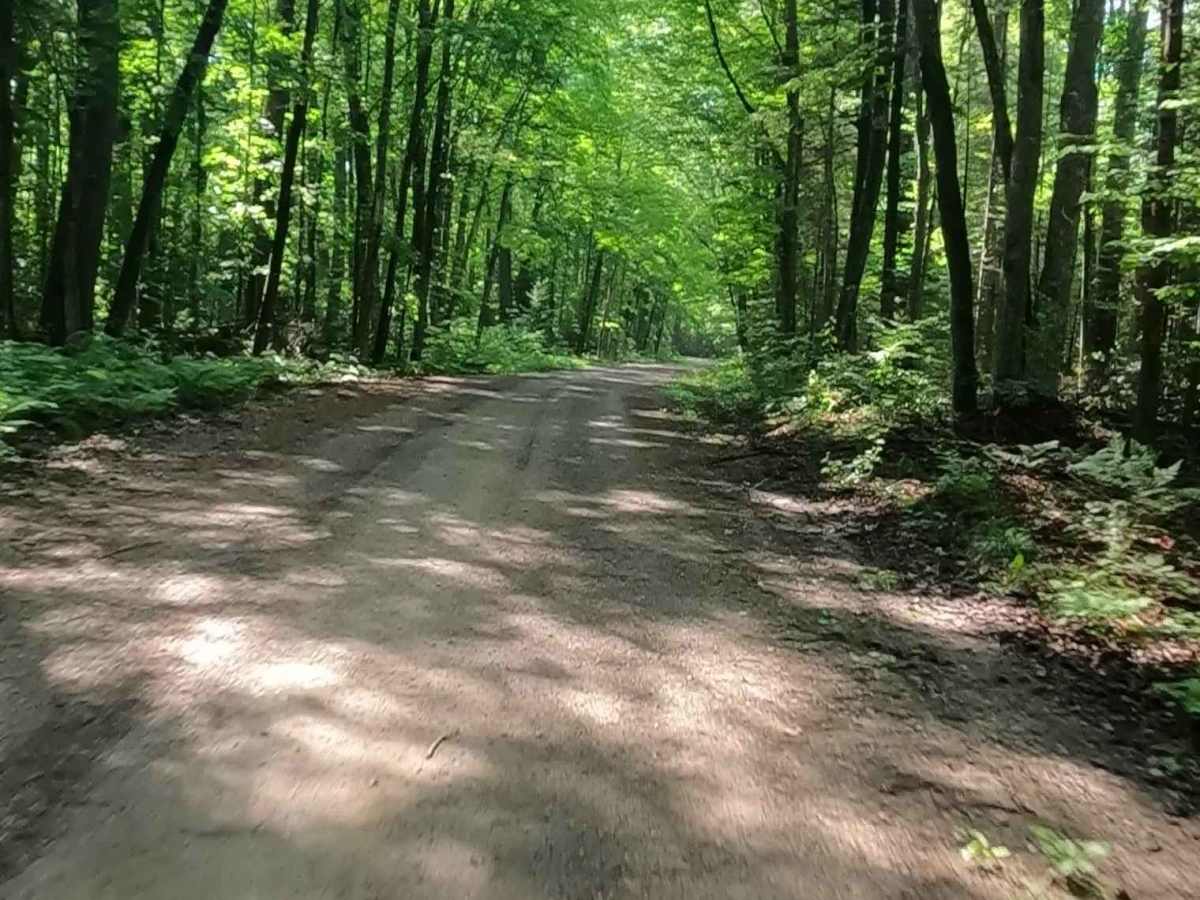
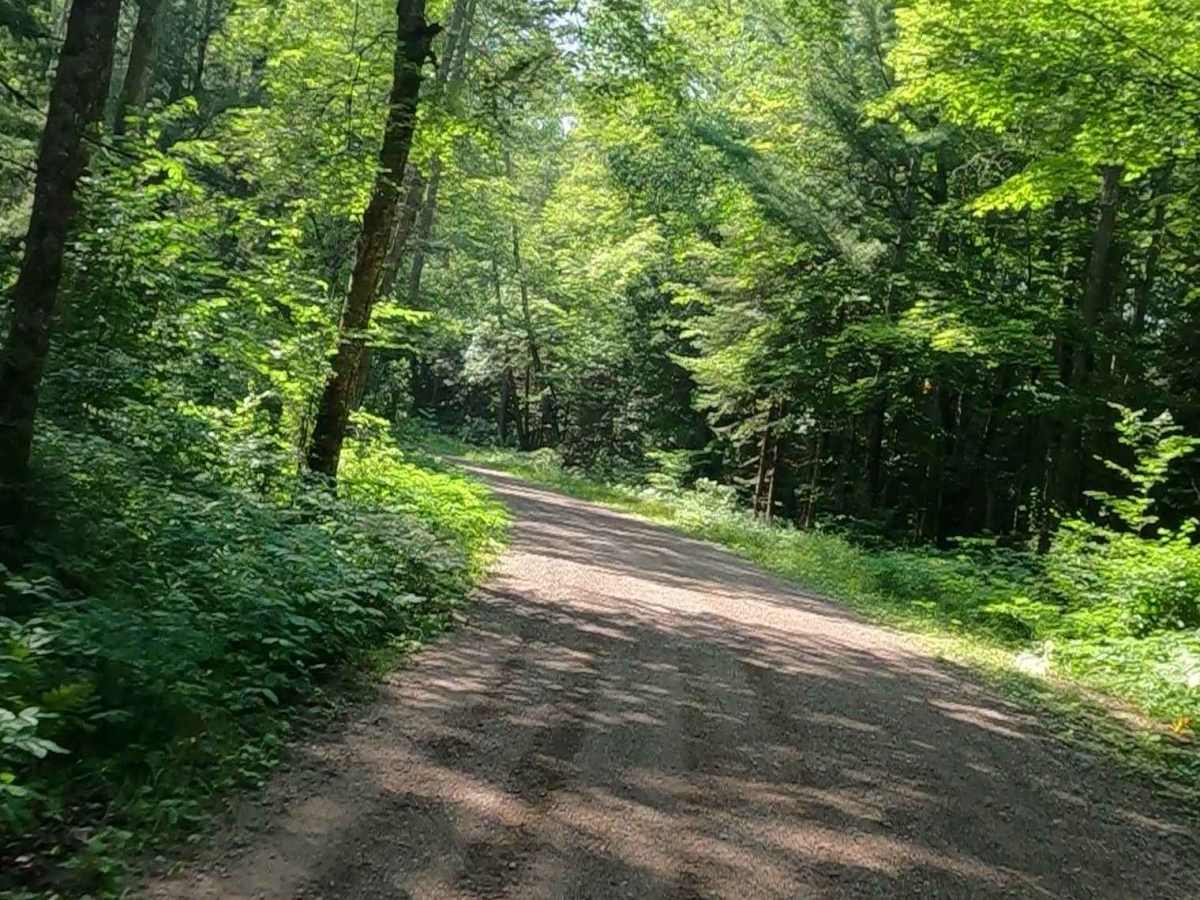
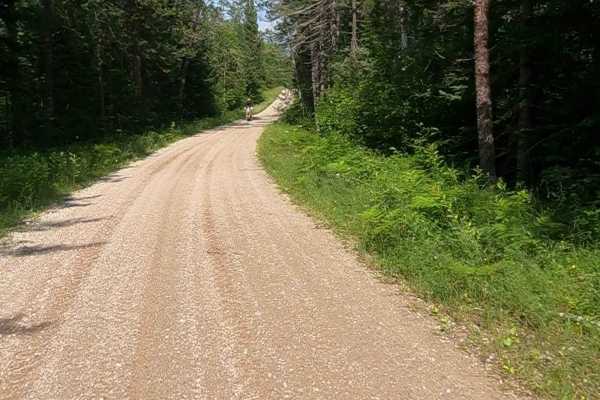
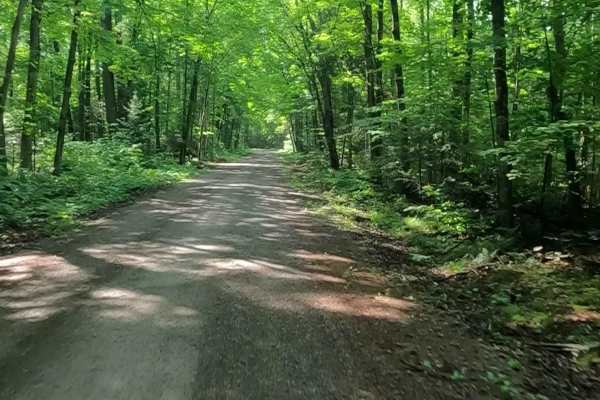
Surface Type: Dirt, Gravel, Paved
Condition: Fair
Owner: Unspecified
Closure Criteria: Open
Also Known As: Dd Road. Note: closed during the winter season.
Description created on 7/24/25.
Difficulty
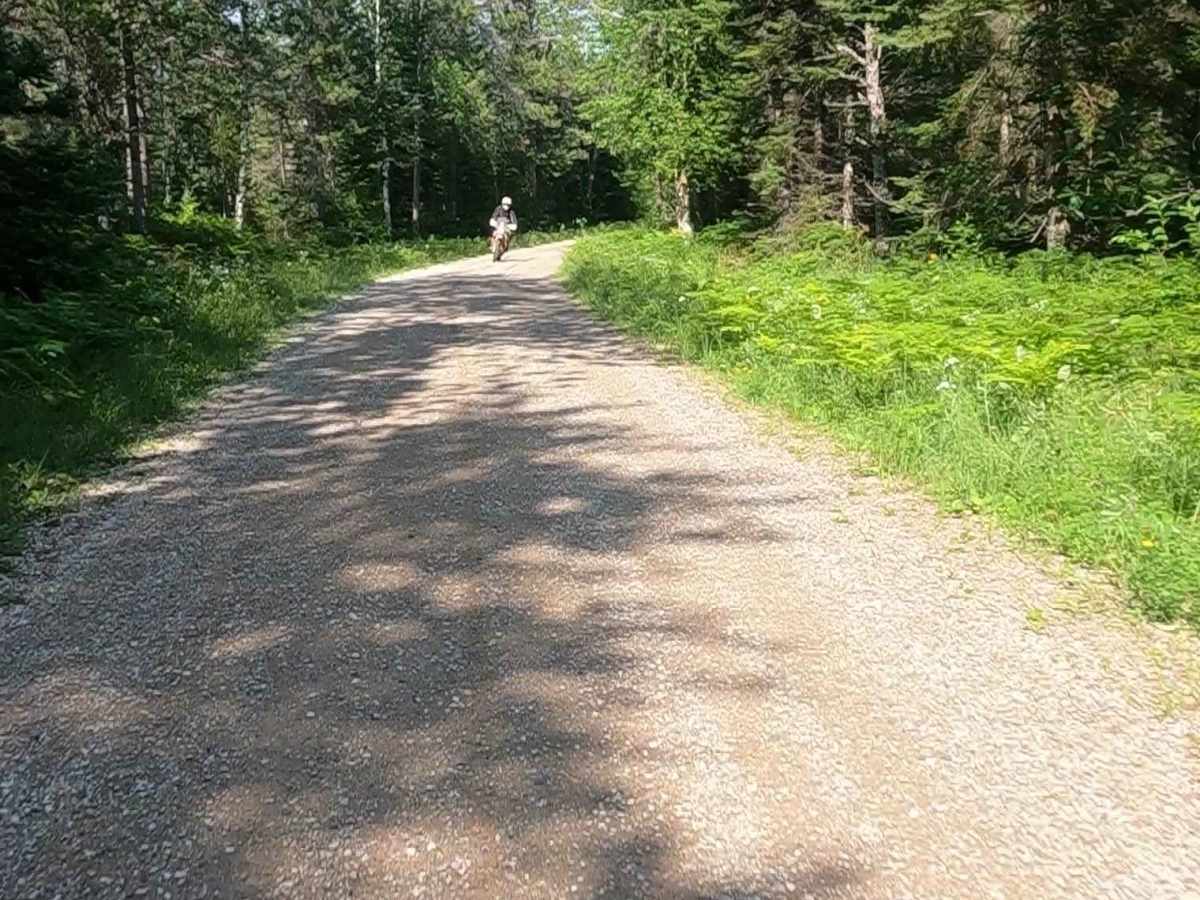
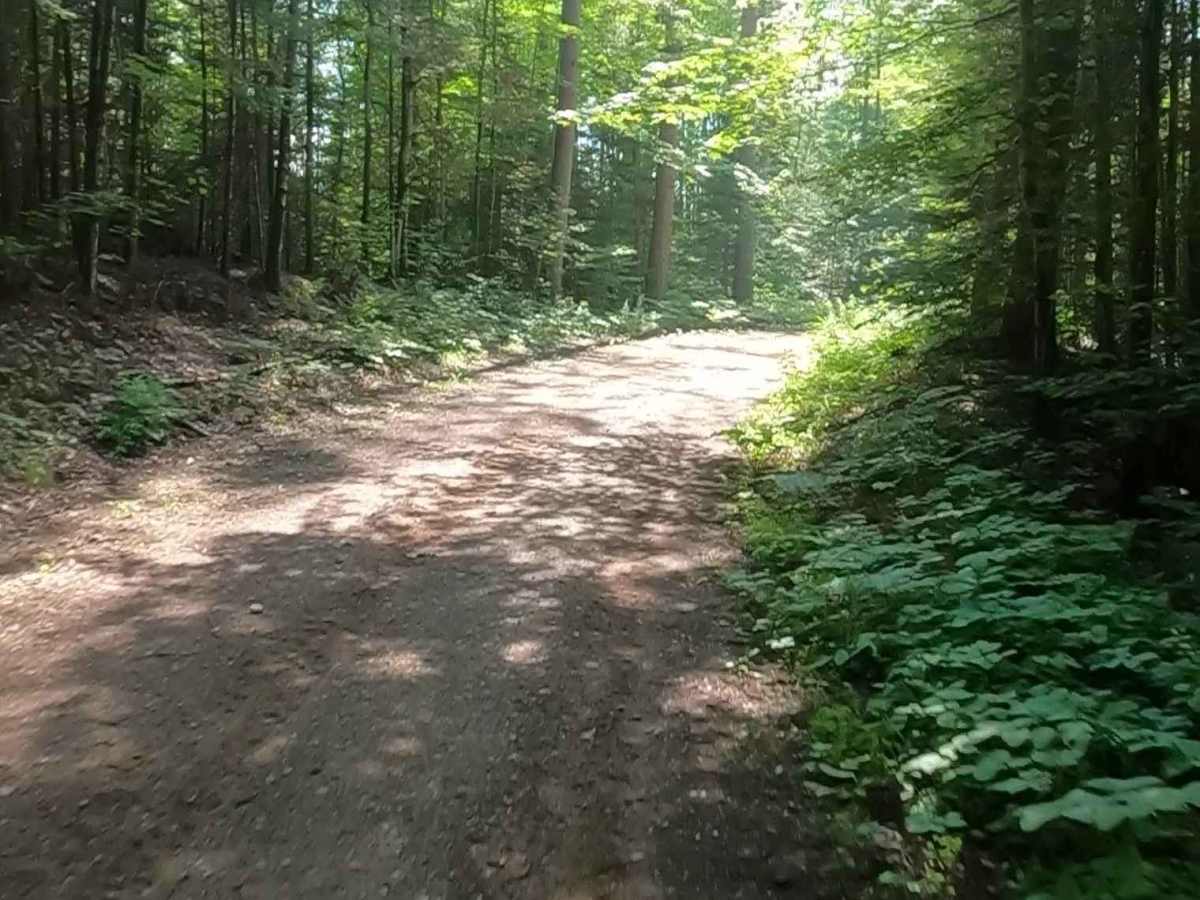
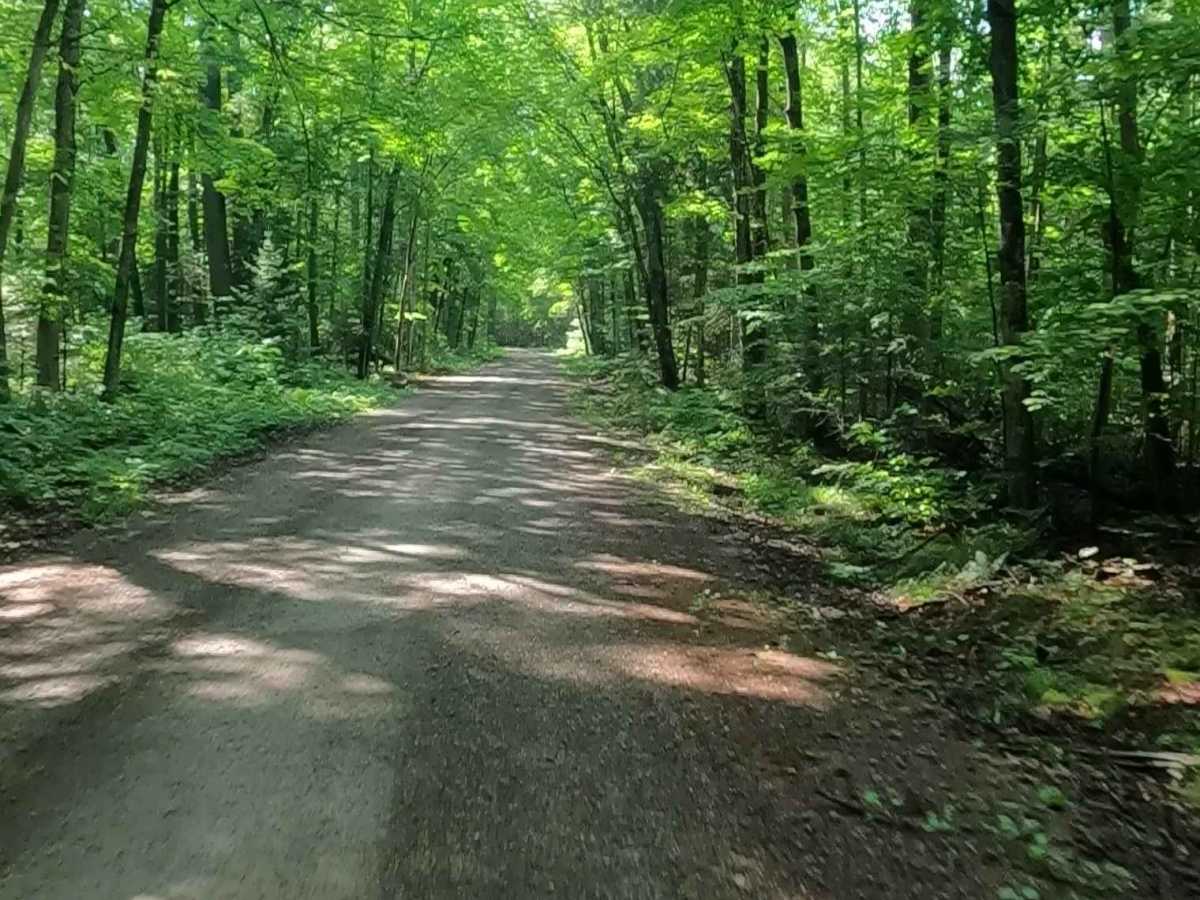
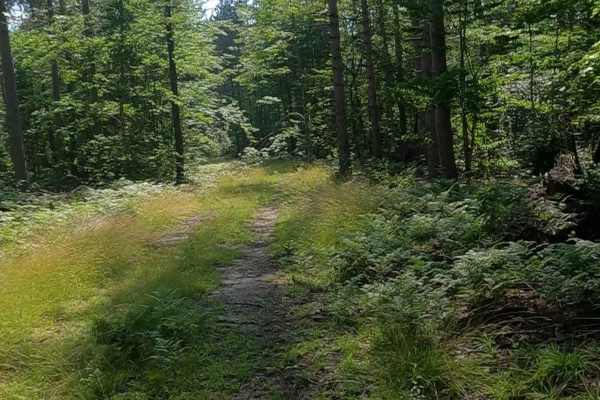
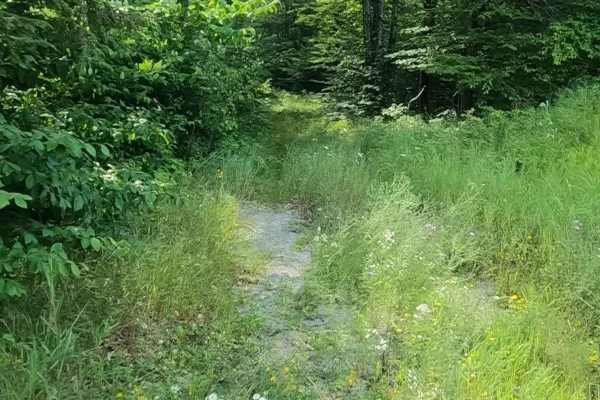
Dirt, sand, and native material, typically unmaintained after rain or snow. You may encounter shallow water crossings and obstacles under 12” on the trail, including small ledges. Road is one to two vehicles wide.
History
The Little Black River and the Rapid River area in Michigan have a rich history intertwined with logging, Indigenous populations, and settlement.
Here's what the available information suggests:
Native American Significance: The area encompassing the Little Black River and Rapid River held importance for Indigenous people for thousands of years, particularly the Ojibwe/Chippewa, Ottawa, and Potawatomi, who are known as the Anishinaabe or the "People of the Three Fires." The Maywood History Trail in Rapid River, located near the Little Black River Road area, highlights Native American sites and the history of human activity in the region.
Logging Era: Like much of Michigan, the area around Rapid River experienced a significant logging boom, particularly in the late 19th and early 20th centuries. Rivers, including the Rapid River, were crucial for transporting logs to sawmills.
Early Settlements and Development: Rapid River itself was once a thriving logging town. The first sawmill in the Upper Peninsula was built along the Rapid River in 1835. While not directly about the road, this demonstrates the significance of the river and surrounding area in the region's development.
Origin of Name: The Black River, and likely the Little Black River, earned its name from the dark brown color of its water, a result of suspended sediments and organic materials.
In essence, Little Black River Road likely played a role in connecting early settlements and logging operations in the Rapid River area to the broader infrastructure that relied heavily on the natural resources of the region, and it was a site of importance for the area's Indigenous populations.

 Offroad