Trail Overview
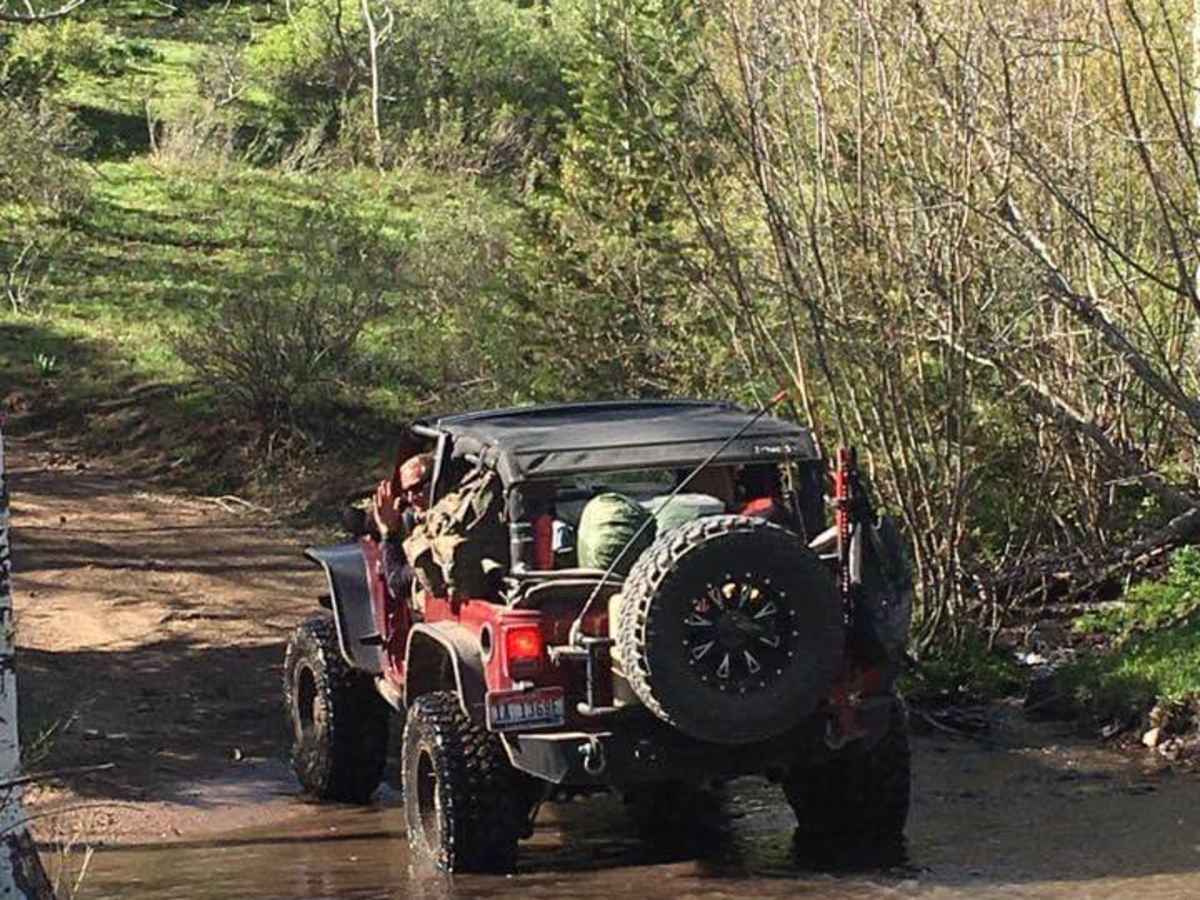
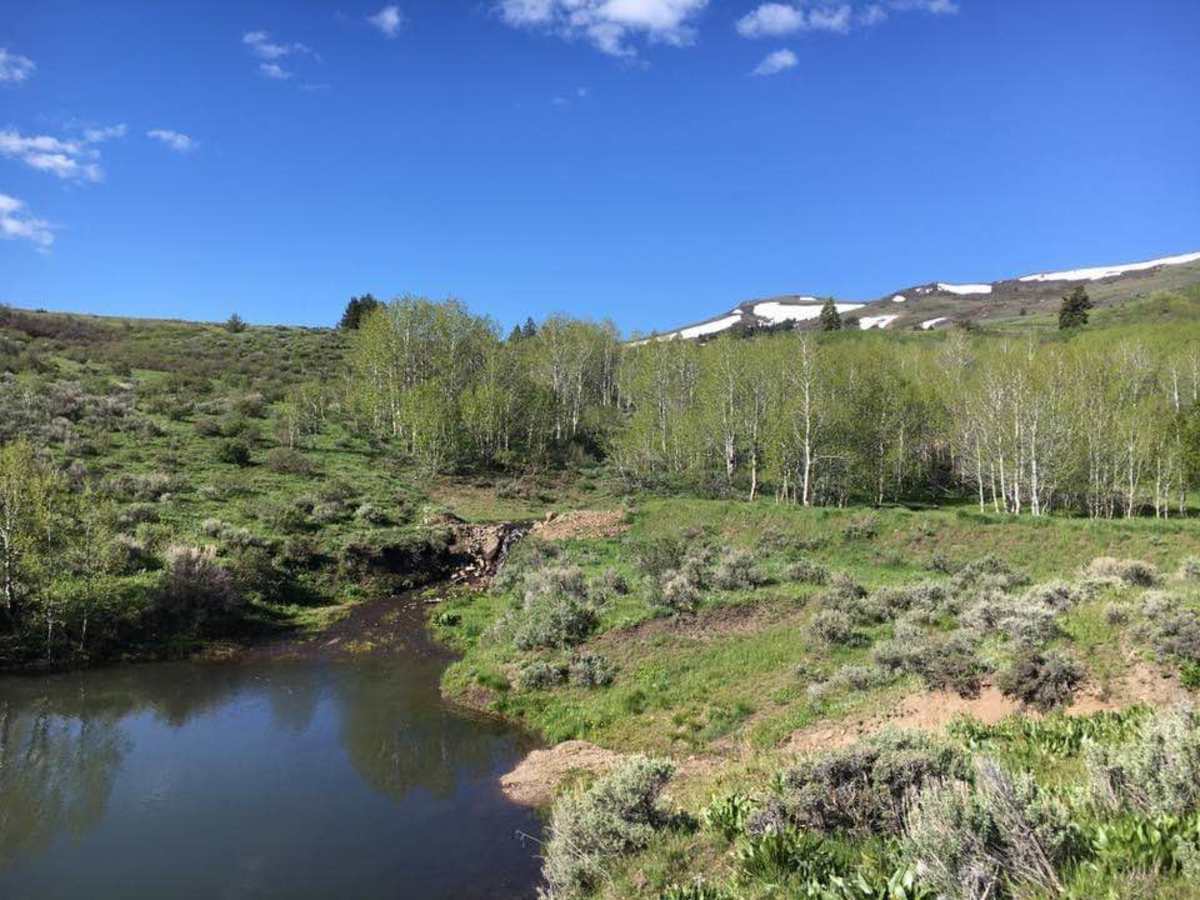
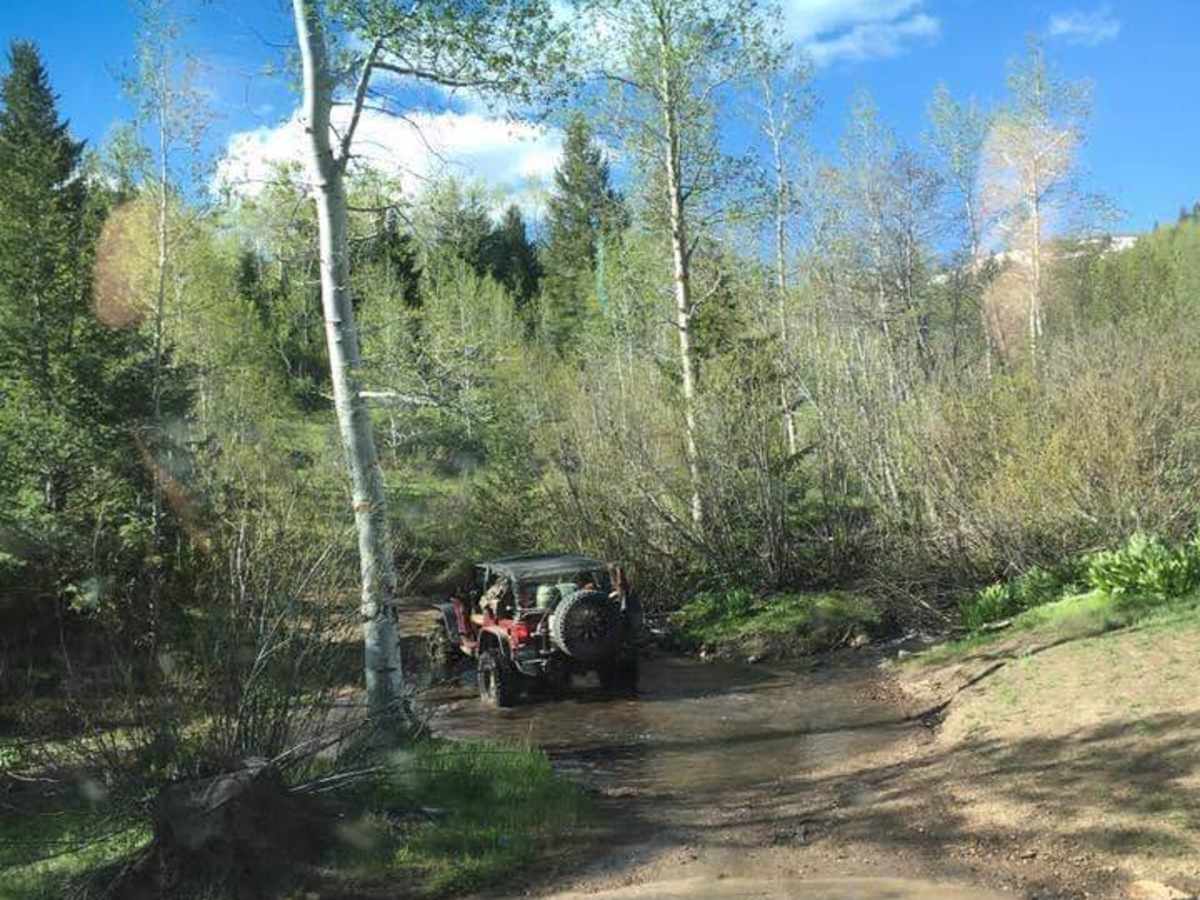
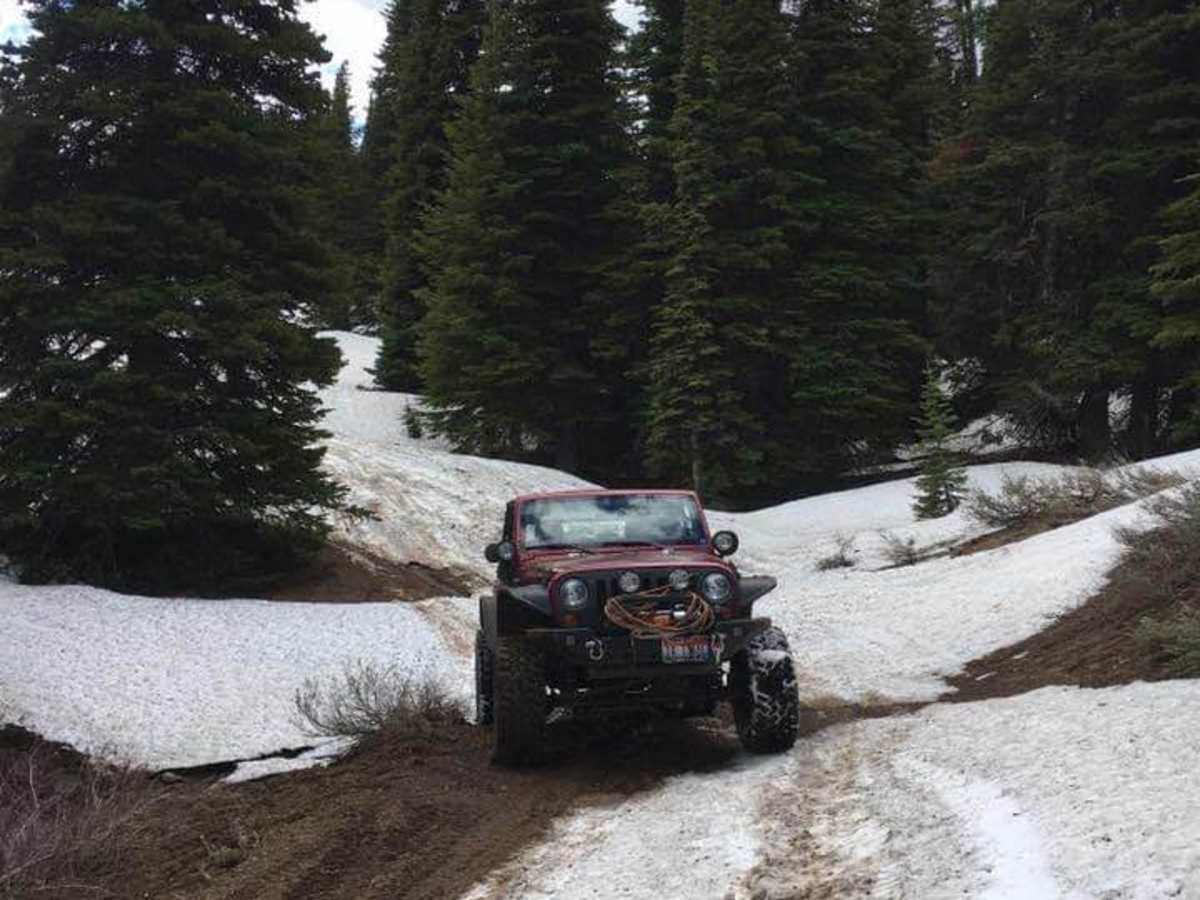
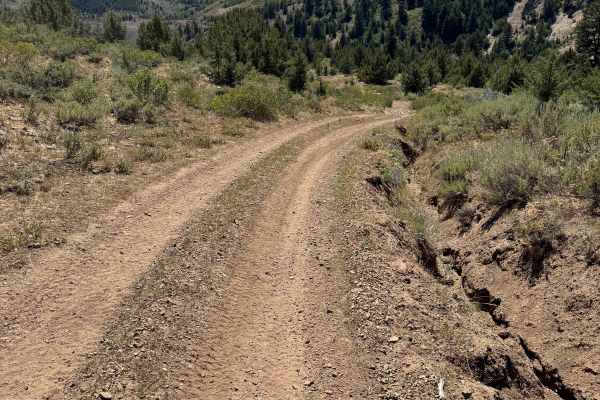
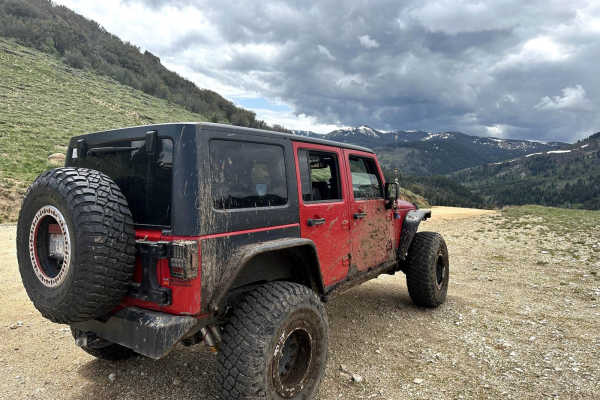
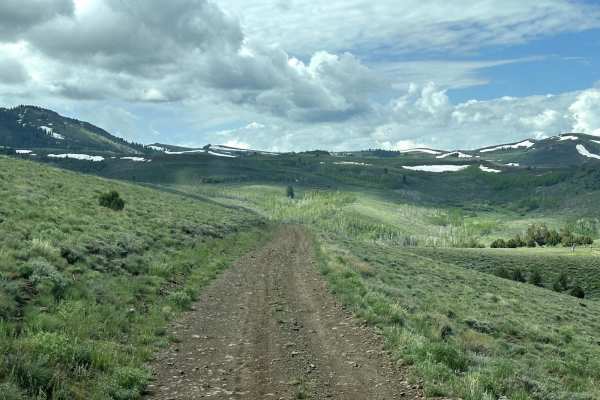
Whiskey Mountain Road is a scenic 15.7-mile point-to-point trail in the Owyhee Mountains designed for high-clearance four-wheel-drive vehicles and SxSs looking for a moderately challenging climb to a historic ghost town. The route begins as an improved dirt road before quickly climbing via multiple switchbacks into the high country, offering dramatic views as it ascends from 3,507 feet to a maximum elevation of 5,913 feet. Traveling south, the trail passes through a closed cattle gate where it transitions to a more rugged, technical surface. Drivers will navigate creek crossings, muddy areas near cattle water reserves, and exposed tree roots. This high-elevation trek is particularly scenic during late spring and early summer when the surrounding landscape is vibrant and creek levels are manageable.
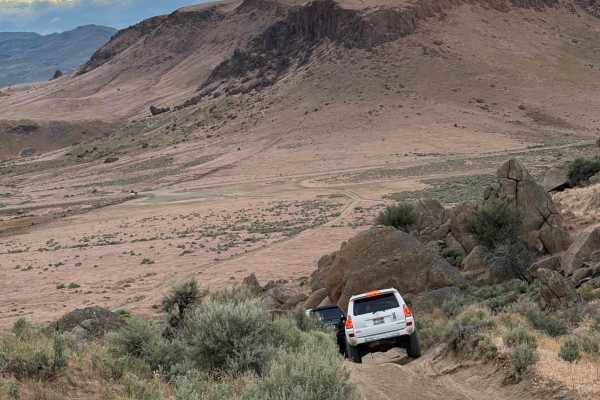
With a technical rating of 4, the trail demands careful wheel placement over rocks and roots, and since there are no bypasses around these small obstacles, staying on the main path is essential to preserve the area. Accessing the trail is best done from the Hemingway Butte BLM off-road area, traveling south through the Butte to the watershed area off Rabbit Creek Road, and heading southwest past the cemetery to find the mountain ascent. For staging, ATV riders will find a small pull-off suitable for a few rigs at the bottom of the mountain, while those with SxSs are encouraged to park in the main Hemingway Butte staging area. This road was historically used for running cattle and provides an adventurous route all the way to Jordan Valley, Oregon, with a popular final descent into the historic ghost town of Silver City, where visitors can explore preserved buildings and enjoy local dining.
History
The road was historically utilized for cattle ranching and as an access route to Silver City. The surrounding Owyhee Mountains have historical ties to Claude Dallas, who hid in the area after a fatal encounter with law enforcement. The route terminates near the historic ghost town of Silver City, where several 19th-century buildings are still preserved and actively used.