Trail Overview
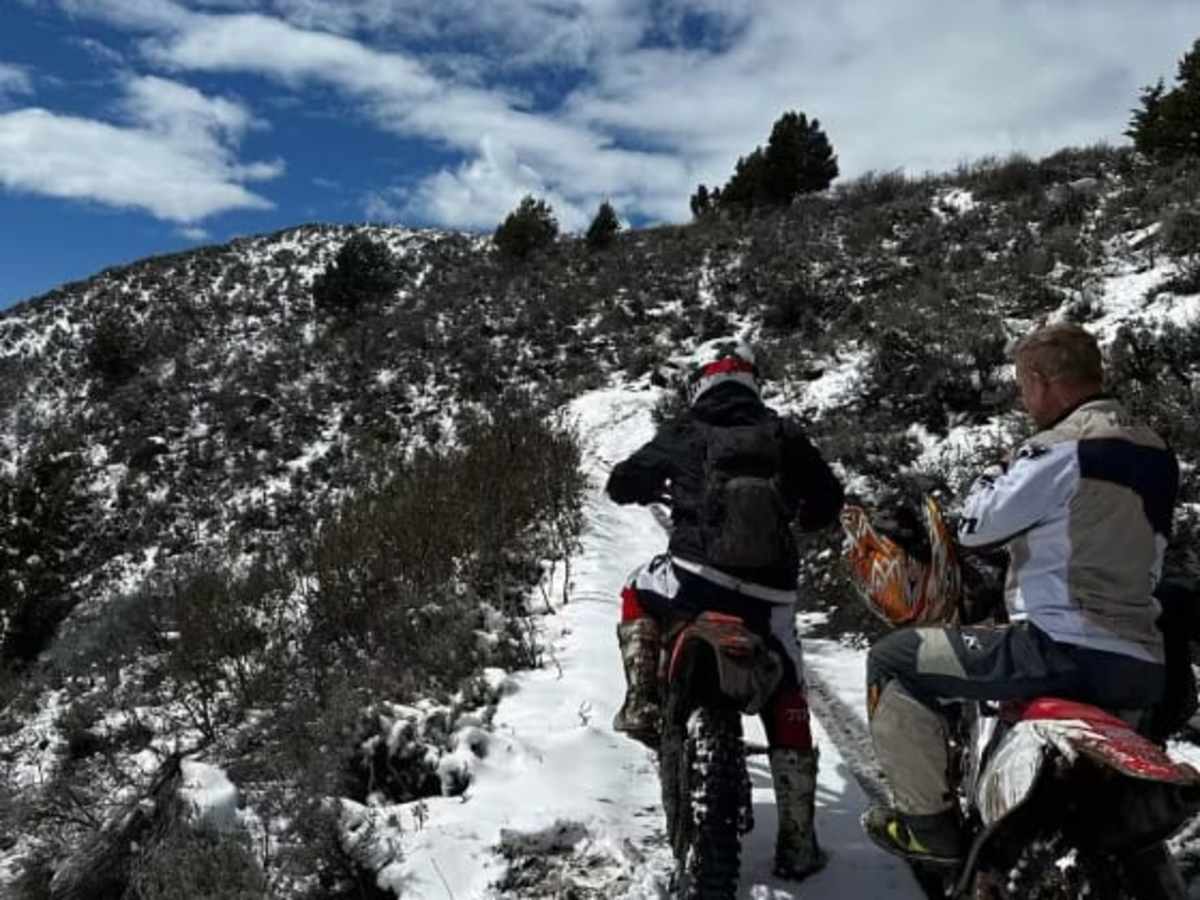
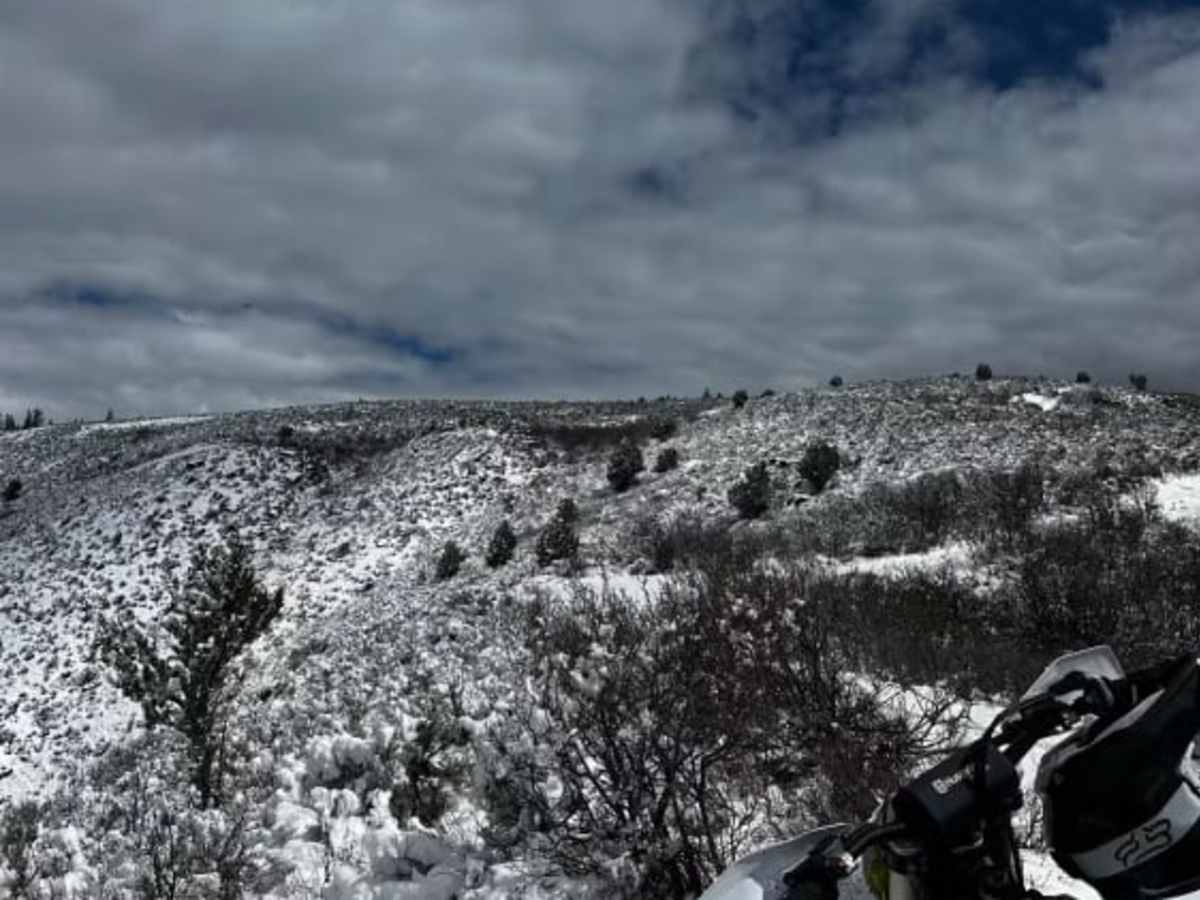
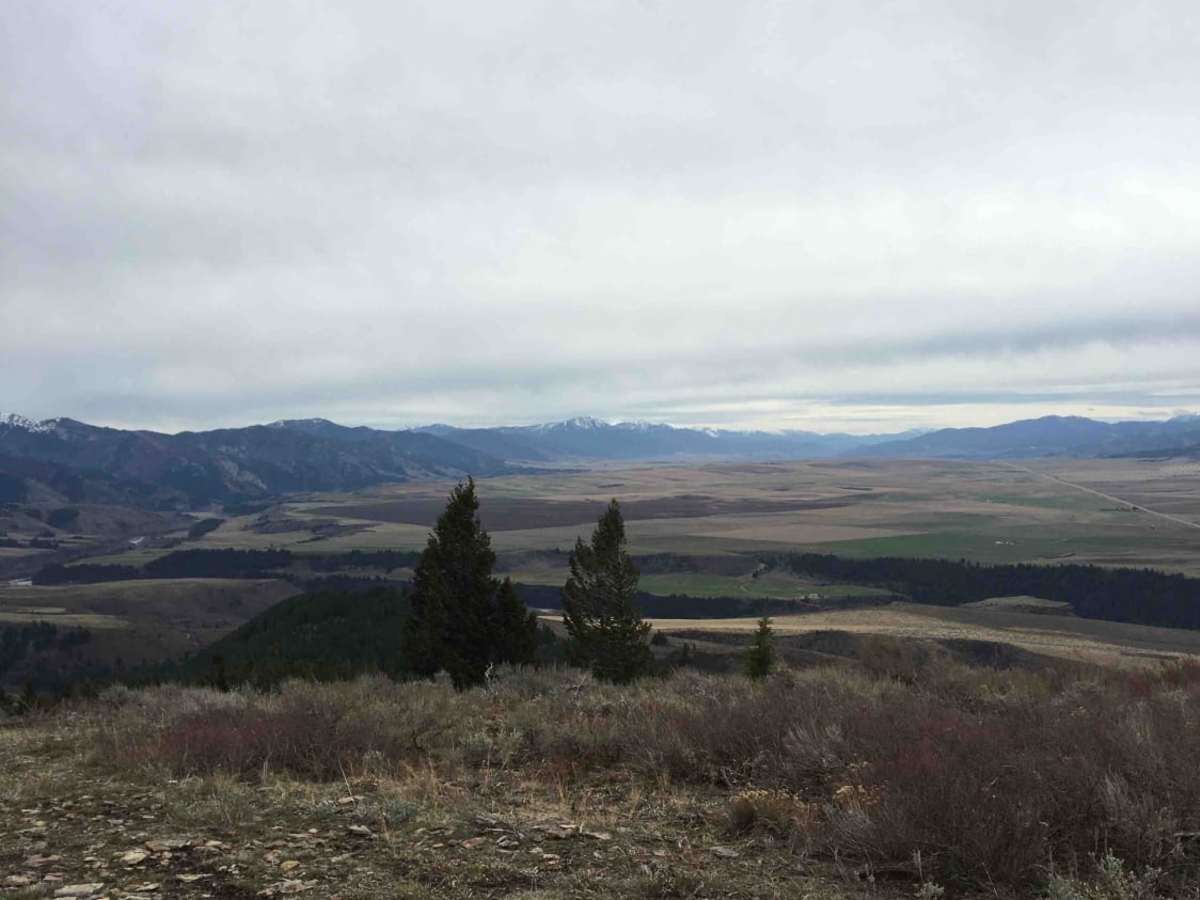
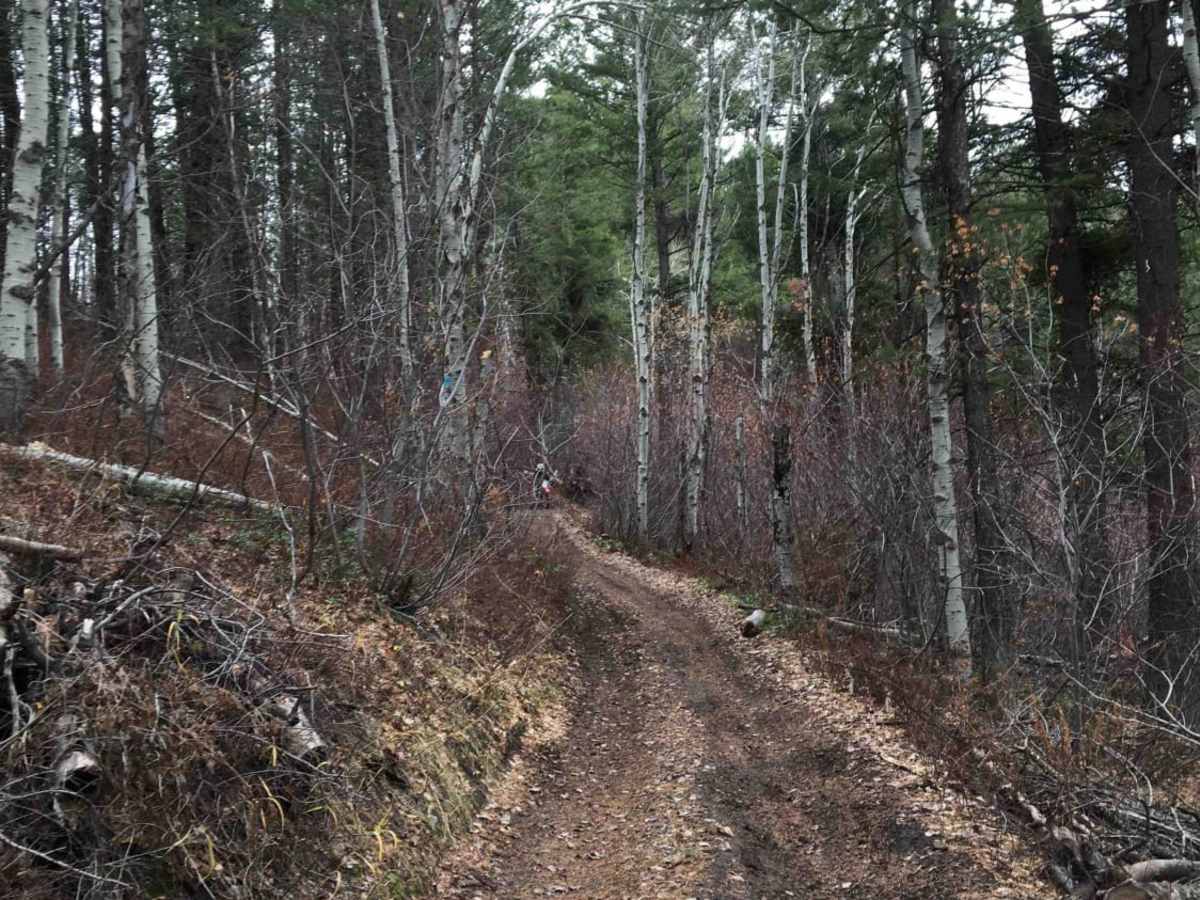
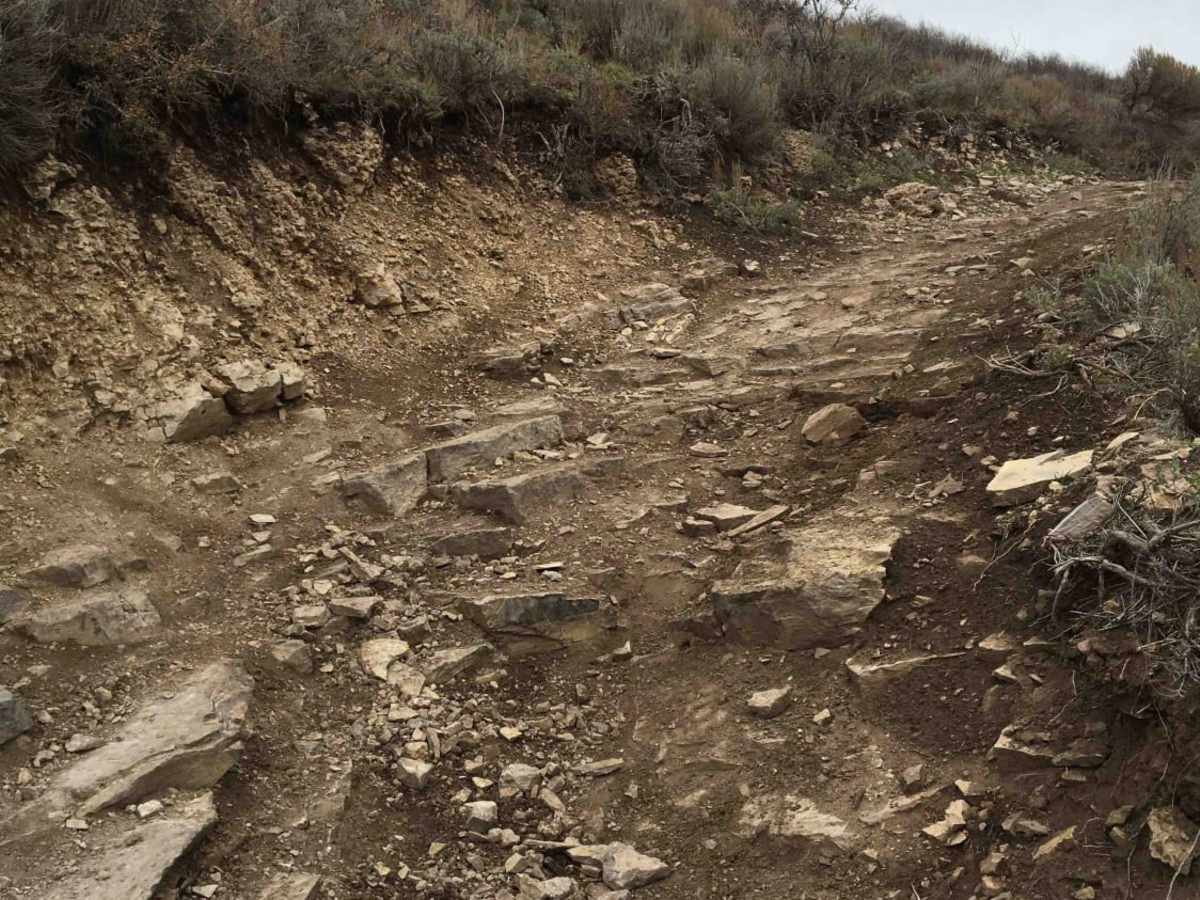
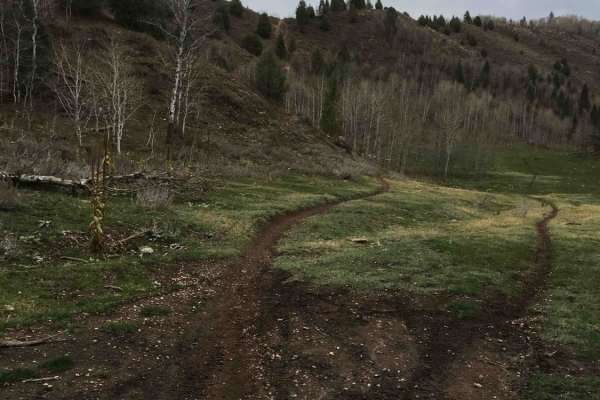
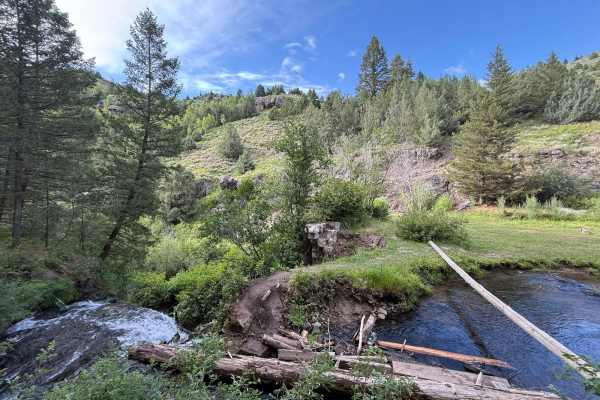
Stinking Springs is an engaging 6.8-mile trail in the Big Hole Mountains of Eastern Idaho, offering scenic climbs and spectacular views of the Snake River Plain for intermediate offroaders. This route serves as a fun connector that climbs from 5,098 feet up to 6,808 feet, bypassing river road traffic to access flowy doubletrack and singletrack trails further in the range. The first half of the route features a two-stage climb beginning with a series of dirt switchbacks and minor jumps, eventually transitioning into more challenging rocky steps and ledges. Driving or riding this trail in the late spring or early summer rewards visitors with blooming wildflowers and clear vistas of the South Fork of the Snake River.
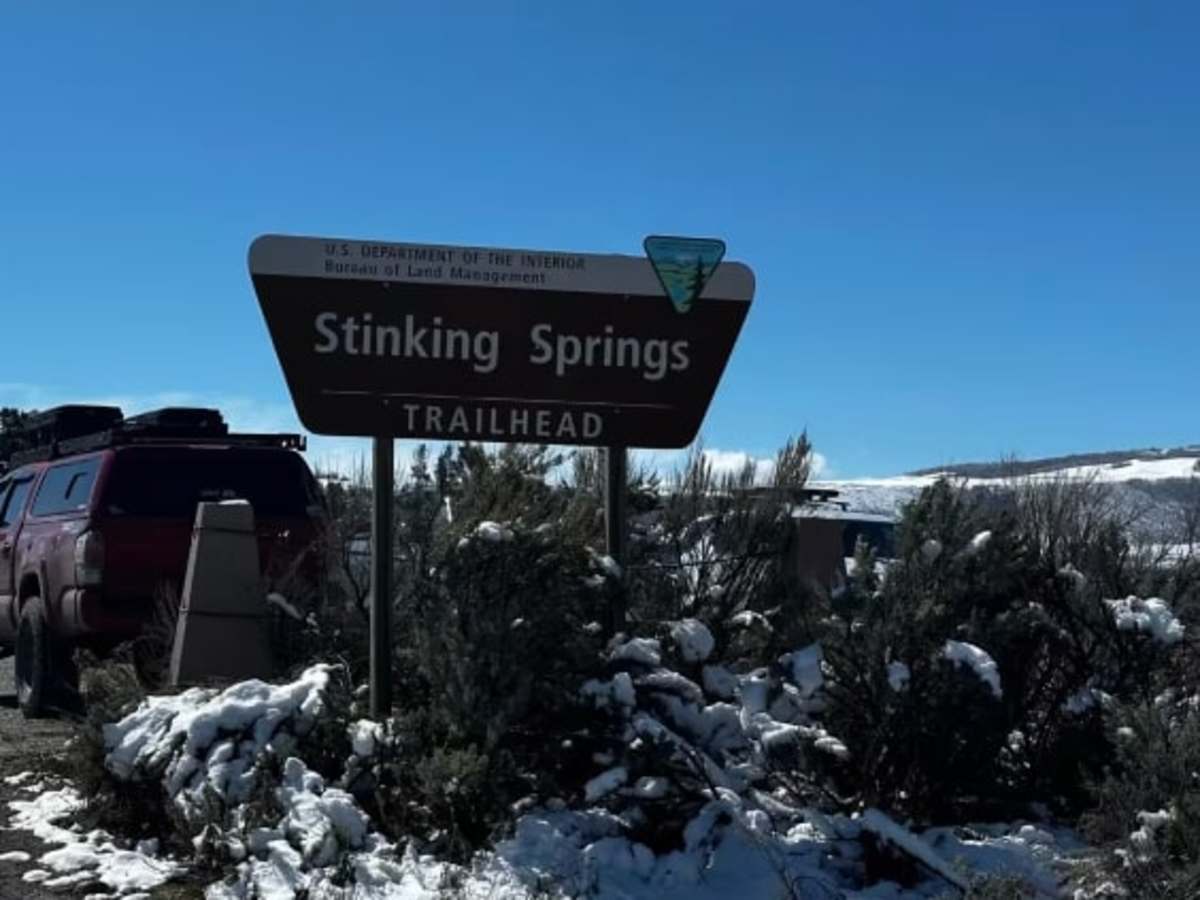
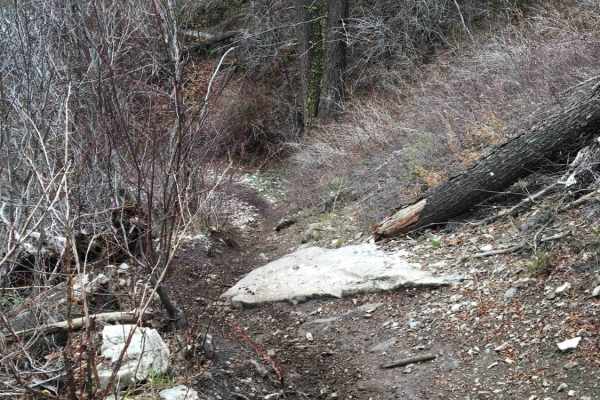
Rated a moderate 5 out of 10, the trail requires a high-clearance four-wheel-drive vehicle, ATVs, SxSs, or off-road motorcycles to navigate the varying terrain. While the western ascent is relatively manageable with careful line choice over the rocky ledges, the eastern descent down Kelly Mountain becomes significantly more technical, featuring steep slopes covered in loose shale. Novice drivers or those looking to avoid loose rock can turn around at the summit and backtrack along the fence line. Access is best from the west trailhead, which features a spacious dirt parking lot located just past Heise off Kelly Canyon Road.
Difficulty
The west side of this trail is fairly easy with some switchbacks and some steps that will force you to choose a good line. The back side (east side) of Kelly Mountain is very rocky with lots of shale and steep descents. If you are looking to avoid looser rock or are riding with a novice, turn around at this point when you summit and start riding along the fence line.
History
Stinking Springs is historically recognized among local riders as the first high-elevation trail to clear of winter snow and become accessible in Eastern Idaho each spring.
Access Description
The trail is accessible primarily from late spring through fall, depending on snowpack. Visitors should ensure their vehicles have appropriate Idaho OHV registrations and check local US Forest Service or BLM guidelines for active seasonal closures or motorized restrictions.